Catmint Live Plant
Catmint live plant is a hardy, drought-tolerant perennial that blooms for months with lavender-blue flowers. It attracts pollinators, repels pests, and thrives in poor soil with minimal care.
If you want a plant that gives you months of color, brings in the bees, and asks for almost nothing in return, a catmint live plant might be your new best garden friend. This tough perennial has earned a permanent spot in gardens across the country. It blooms when other plants take a break. It handles heat and drought like a champ. And it looks good doing it.
I have grown catmint for years. It started as a single plant tucked into a sunny corner. Now it anchors three different beds. The soft gray-green foliage looks fresh from April to November. The lavender-blue flower spikes wave in the breeze. Bees buzz around them all day long. Cats? They show up for afternoon naps in the shade of the leaves. A catmint live plant delivers that kind of multi-season magic with very little fuss.
Key Takeaways
- Easy to grow: Catmint thrives in full sun and well-drained soil with little maintenance once established.
- Long bloom season: Enjoy flowers from late spring through fall with proper deadheading.
- Pollinator magnet: Bees, butterflies, and hummingbirds love the nectar-rich blooms.
- Deer and rabbit resistant: The aromatic foliage naturally deters browsing animals.
- Drought tolerant: Once established, catmint needs minimal watering.
- Versatile landscape uses: Works in borders, rock gardens, containers, and as ground cover.
- Cat attraction: Many cats enjoy rolling in and chewing the fragrant leaves.
Quick Answers to Common Questions
What is the difference between catmint and catnip?
Catmint (Nepeta x faassenii) is an ornamental perennial with showy lavender-blue flowers and gray-green foliage. Catnip (Nepeta cataria) is a weedy plant with white flowers grown primarily for cats. Catmint is more garden-worthy; catnip is more potent for cats.
Does catmint come back every year?
Yes, catmint is a hardy perennial that returns reliably in zones 3-8. It dies back to the ground in winter and emerges from the crown in spring. Good drainage is essential for winter survival.
How do I keep catmint from getting floppy?
Plant in full sun with lean, well-drained soil. Avoid fertilizer and overwatering. Shear the plant back by half after the first bloom flush. Use grow-through supports installed in early spring.
Can catmint grow in shade?
Catmint needs at least six hours of direct sun daily. In shade, it becomes leggy, produces fewer flowers, and is prone to powdery mildew. Full sun gives the best form and bloom.
Is catmint safe for pets?
Catmint is non-toxic to cats and dogs. Many cats enjoy rolling in and chewing the foliage. It may cause mild stomach upset if large quantities are eaten, but it is generally considered pet-safe.
📑 Table of Contents
- What Is Catmint and Why Gardeners Love It
- Choosing the Right Catmint Live Plant for Your Garden
- Planting Your Catmint Live Plant: Step-by-Step Guide
- Caring for Your Catmint Throughout the Seasons
- Common Problems and How to Solve Them
- Creative Ways to Use Catmint in Your Landscape
- Propagation: Making More Catmint Plants
- Catmint vs. Catnip vs. Russian Sage: Clearing Confusion
- Designing a Catmint-Centric Garden Bed
- Frequently Asked Questions About Catmint
- Conclusion
What Is Catmint and Why Gardeners Love It
Botanical Background
Catmint belongs to the genus Nepeta. It is a member of the mint family, Lamiaceae. You can tell by the square stems and aromatic leaves. There are about 250 species. Most garden catmint comes from Nepeta x faassenii or Nepeta racemosa. These are hybrids bred for garden performance. They do not spread aggressively like true mint. They form tidy mounds instead.
The name catmint confuses some people. It is not catnip. Catnip is Nepeta cataria. Catnip drives cats wild. Catmint affects cats too, but usually less intensely. The leaves contain nepetalactone. This compound triggers a happy response in many felines. My neighbor’s tabby visits my patch daily. He rolls, purrs, and chews a few leaves. Then he wanders home content.
Outstanding Garden Qualities
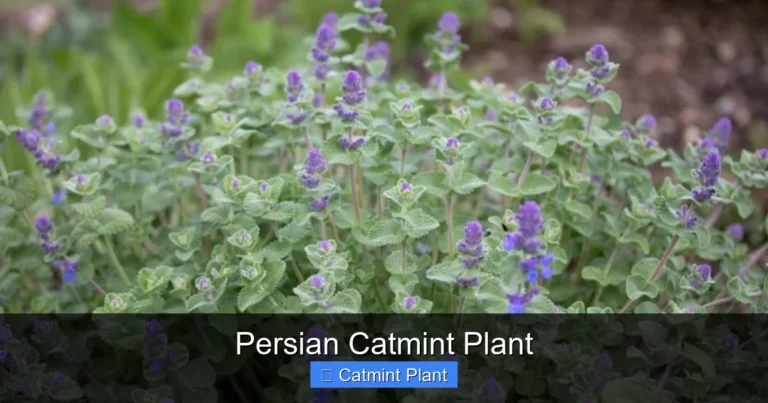
A catmint live plant checks almost every box for a perfect perennial. It blooms for months, not weeks. The first flush arrives in late spring. With a quick shear after that, you get a second show in summer. Often a third flush appears in fall. The flowers are small but numerous. They create a hazy cloud of color above the foliage.
The foliage itself is attractive. Gray-green leaves have a soft, slightly fuzzy texture. They release a minty scent when brushed. This aroma comes from essential oils. Those same oils make the plant unpalatable to deer and rabbits. I have watched deer walk right past my catmint to eat the hostas. That alone makes it valuable.
Pollinator Powerhouse
If you care about supporting wildlife, plant catmint. The tubular flowers are perfectly shaped for bees. Honeybees, bumblebees, and native solitary bees all visit. Butterflies sip nectar too. Hummingbirds stop by regularly. My patch hums with activity from morning to dusk. A single catmint live plant can feed dozens of pollinators at once.
Choosing the Right Catmint Live Plant for Your Garden
Popular Cultivars and Their Traits
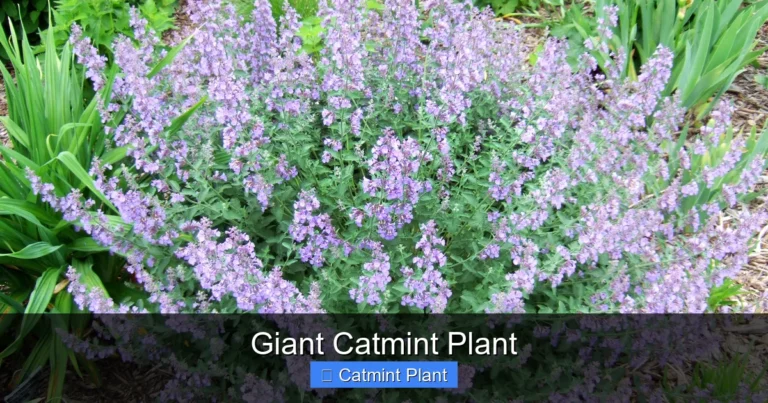
Not all catmint is the same. Different cultivars offer different sizes, colors, and habits. ‘Walker’s Low’ is the classic choice. It grows 24 to 30 inches tall and wide. The flowers are deep lavender-blue. It won Perennial Plant of the Year in 2007. ‘Cat’s Meow’ stays more compact at 18 to 20 inches. It holds its shape better in rain. ‘Cat’s Pajamas’ is even smaller at 12 to 14 inches. Perfect for the front of the border.
For something different, try ‘Blue Prelude’. It blooms earlier than most. ‘Purple Haze’ has darker flowers and a looser habit. ‘White Wonder’ offers pure white blooms. ‘Pink Cat’ lives up to its name with soft pink flowers. All these are sterile hybrids. They will not self-seed aggressively. You get the beauty without the takeover.
Size and Space Considerations
Before you buy a catmint live plant, check the mature size. Give it room to reach its full width. Crowding leads to floppy stems and poor air circulation. That invites fungal issues. Space plants 18 to 30 inches apart depending on the cultivar. If you want a solid mass, plant closer. For distinct mounds, give more space.
Consider height too. Taller varieties work in the middle of borders. Shorter ones edge paths or spill over walls. I use ‘Walker’s Low’ behind salvias and in front of ornamental grasses. The soft texture contrasts beautifully with spiky grass blades. ‘Cat’s Pajamas’ lines my front walkway. It stays neat all season.
Buying Healthy Plants
When shopping for a catmint live plant, look for vigorous growth. Avoid plants with yellowing lower leaves. Check the roots if you can. They should be white and firm, not brown and mushy. Pass on any plant with signs of powdery mildew. That white dust on leaves spreads fast. Choose plants with multiple stems emerging from the crown. Single-stem plants take longer to fill out.
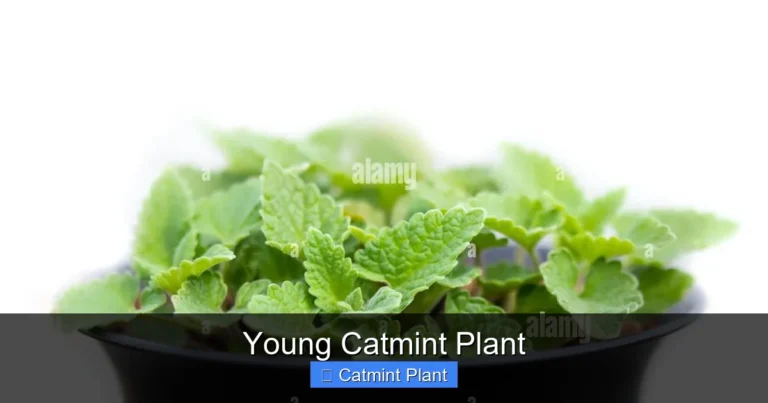
Spring and fall are the best planting times. Summer planting works if you water faithfully. Many nurseries sell catmint in quart or gallon pots. Gallon plants establish faster. They cost more but give you a head start. I prefer buying smaller plants in spring. They adapt quickly and catch up by midsummer.
Planting Your Catmint Live Plant: Step-by-Step Guide
Site Selection
Full sun is non-negotiable for a catmint live plant. It needs at least six hours of direct sun daily. Eight hours is even better. In hot southern climates, a touch of afternoon shade helps. But too much shade makes stems leggy. Flowers decrease. Foliage loses its silvery sheen. Pick the sunniest spot you have.
Soil drainage matters more than fertility. Catmint hates wet feet. Heavy clay can work if amended. Sandy or gravelly soil is ideal. The plant actually prefers lean soil. Rich soil produces lush foliage but fewer flowers. It also makes stems weak and floppy. If your soil is heavy, mix in coarse sand or fine gravel. Raise the planting area slightly if drainage is poor.
Planting Process
Water your catmint live plant thoroughly before planting. Dig a hole twice as wide as the pot. The depth should match the pot depth exactly. Do not plant deeper. The crown must sit at soil level. Gently loosen the root ball. If roots circle the bottom, tease them apart. This encourages outward growth.
Place the plant in the hole. Backfill with native soil. Do not amend the backfill. You want roots to grow into your actual soil, not a pocket of enriched dirt. Firm soil gently around roots. Water deeply to settle soil and eliminate air pockets. Apply a thin layer of mulch. Keep mulch away from the crown. Wet mulch against stems causes rot.
Spacing and Arrangement
Space plants according to mature width. For ‘Walker’s Low’, allow 24 to 30 inches between centers. For ‘Cat’s Pajamas’, 12 to 15 inches works. Stagger plants in a triangle pattern for a natural look. Straight lines look stiff. Triangles fill in faster and look more organic.
Consider companion plants now. Catmint pairs beautifully with roses. The soft mounds hide bare rose canes. The blue flowers complement pink, yellow, or white roses. It also works with salvias, coneflowers, and black-eyed Susans. Ornamental grasses provide winter structure after catmint dies back. I plant mine with Calamagrostis ‘Karl Foerster’. The combination looks good for nine months.
Caring for Your Catmint Throughout the Seasons
Spring Care
Early spring is cleanup time. Cut back all dead stems to the ground. New growth emerges from the crown. Do this before new shoots get tall. Old stems protect the crown over winter. Now they just block light. Use clean, sharp pruners. Cut everything to about two inches.
Apply a light feeding if desired. A shovel of compost around the base is plenty. Do not use high-nitrogen fertilizer. That creates floppy growth. Catmint thrives on neglect. I skip fertilizer entirely. My plants bloom prolifically on native soil alone. If your soil is very poor, a balanced slow-release fertilizer at half rate is fine.
Summer Maintenance
The first big bloom hits in late spring to early summer. Enjoy it for three to four weeks. Then the flowers fade. This is decision time. You can deadhead individual spent spikes. Or you can shear the whole plant back by half. Shearing is faster and triggers a flush of fresh foliage and flowers. I shear mine with hedge clippers. It takes two minutes.
Water deeply but infrequently during dry spells. Established catmint has deep roots. It finds moisture far down. Overwatering causes more problems than underwatering. Signs of overwatering include yellow leaves and weak stems. If in doubt, wait a day. The plant will tell you. Wilting in afternoon heat is normal. It should recover by morning.
Fall and Winter Preparation
Stop deadheading in early fall. Let the last flowers go to seed. Birds eat the seeds. The dried stems add winter interest. They catch frost beautifully. In late fall, you have a choice. Cut back to the ground now. Or leave stems until early spring. I leave mine. The crown gets extra insulation. Beneficial insects overwinter in the hollow stems.
Mulch lightly after the ground freezes. Use straw, shredded leaves, or pine needles. Do not pile mulch on the crown. Two inches around the base is enough. In spring, pull mulch back as growth starts. A catmint live plant is hardy to zone 3 or 4 depending on cultivar. It needs no special winter protection in most areas.
Common Problems and How to Solve Them
Floppy Stems and Open Centers
The most common complaint about catmint is floppiness. Stems sprawl outward. The center opens up. This usually means too much shade, too much water, or too rich soil. Fix the cause if you can. Move the plant to more sun. Stop watering so much. Do not fertilize. In the meantime, shear the plant back hard after the first bloom. It will regrow tighter.
Support rings help too. Put them in place early. Stems grow through the grid. The plant looks natural but stays upright. I use grow-through supports on my ‘Walker’s Low’. They disappear into the foliage. Peony rings work well. So do homemade wire cages. Install them in spring before stems get tall.
Powdery Mildew
Powdery mildew appears as white dust on leaves. It thrives in humid conditions with poor air flow. Crowded plants get it worst. Prevention is easier than cure. Space plants properly. Water at the base, not overhead. Morning water lets foliage dry fast. If mildew appears, remove affected leaves. Improve air circulation. A spray of neem oil or potassium bicarbonate helps. But honestly, catmint rarely gets badly damaged. It usually outgrows the problem.
Root Rot
Root rot kills catmint faster than anything else. Soggy soil is the culprit. Symptoms include wilting that does not improve with water. Yellow leaves. Stems that pull out easily. Black, mushy roots. If you catch it early, dig the plant. Trim rotten roots. Replant in better-drained soil. But prevention is the real answer. Plant in well-drained soil. Do not overwater. In heavy clay, plant on a mound.
Cat Damage
Cats love catmint. Some cats love it too much. They flatten plants rolling on them. They chew stems to the ground. If neighborhood cats destroy your catmint live plant, try protection. Chicken wire cages work. So do decorative wire cloches. Some gardeners plant a sacrificial patch for cats. The main display stays protected. I grow a small patch just for the cats. They leave the show plants alone.
Creative Ways to Use Catmint in Your Landscape
Border and Bed Plantings
A catmint live plant excels in mixed borders. Its mounding habit fills gaps between shrubs. The long bloom season bridges early and late perennials. Plant it in drifts of three, five, or seven for impact. Odd numbers look more natural. Repeat the same cultivar along a long border. This creates rhythm and unity. The eye moves smoothly along the planting.
Layer catmint with different heights. Tall grasses behind. Medium coneflowers beside. Low catmint in front. This creates depth. The soft texture contrasts with bold leaves. I pair catmint with Echinacea, Rudbeckia, and Panicum. The combination provides interest from June to November. Winter seed heads extend the show.
Rock Gardens and Slopes
Catmint thrives in rock gardens. The well-drained conditions suit it perfectly. It softens hard edges of stones. Roots anchor soil on slopes. The cascading habit looks natural spilling over rocks. ‘Cat’s Pajamas’ and ‘Blue Prelude’ are excellent choices. Their compact size fits small spaces. They do not overwhelm delicate alpine neighbors.
On a sunny slope, plant catmint in sweeping drifts. It prevents erosion. It suppresses weeds once established. It needs no mowing. It handles the reflected heat from stones. I have seen entire hillsides covered in catmint. The effect in full bloom is breathtaking. A river of blue flowing down the hill.
Container Gardening
Yes, you can grow a catmint live plant in a pot. Choose a compact cultivar. ‘Cat’s Pajamas’ or ‘Cat’s Meow’ work best. Use a large container. At least 12 inches wide and deep. Ensure excellent drainage. Use a gritty potting mix. Add perlite or coarse sand. Water when the top inch feels dry. Feed lightly with liquid fertilizer monthly.
Container catmint needs more water than ground plants. Pots dry out fast. But do not keep soil soggy. Winter care depends on your zone. In zone 6 and warmer, pots can stay outside. Group them against a protected wall. Mulch the pots. In colder zones, move pots to an unheated garage. Water once a month. Bring them out in early spring.
Edging and Pathways
Low catmint varieties make fantastic edging. Plant them along a path or driveway. They spill softly over the edge. The fragrance releases when brushed. ‘Cat’s Pajamas’ stays neat without trimming. It creates a tidy line all season. The gray-green foliage defines the path even without flowers.
I edge my herb garden path with catmint. It separates the beds from the gravel. It handles foot traffic nearby. It does not mind the reflected heat. And it brings pollinators right to my vegetables. The bees that visit catmint also pollinate my tomatoes and squash. It is a working plant, not just a pretty face.
Pollinator and Wildlife Gardens
If you are building a pollinator garden, catmint is essential. Plant it in large groups. Pollinators forage more efficiently in mass plantings. A single plant gets visits. A drift gets traffic all day. Include early, mid, and late cultivars. Extend the nectar season. ‘Blue Prelude’ starts early. ‘Walker’s Low’ carries mid-season. ‘Purple Haze’ finishes strong.
Pair catmint with other pollinator favorites. Agastache, Salvia, Monarda, Echinacea. Different flower shapes serve different pollinators. Tubular catmint flowers suit long-tongued bees. Flat coneflowers suit butterflies. Spiky salvias suit hummingbirds. Diversity supports more species. My pollinator bed has twelve catmint plants. It is the busiest spot in the yard.
Propagation: Making More Catmint Plants
Division
Dividing is the easiest way to multiply a catmint live plant. Do it in early spring. Just as new growth appears. Dig up the whole clump. Shake off excess soil. Pull or cut the crown into sections. Each section needs roots and shoots. Replant immediately. Water well. Divisions often bloom the same year.
Divide every three to four years. This rejuvenates the plant. Centers of old clumps die out. Division prevents that. It also gives you free plants. I divide mine every spring. I now have catmint all over the property. Friends get divisions too. It is the plant that keeps on giving.
Stem Cuttings
Softwood cuttings root easily. Take them in late spring. Choose non-flowering stems. Cut four to six inches. Remove lower leaves. Dip in rooting hormone if you have it. Stick in moist perlite or sand. Cover with a plastic bag. Place in bright shade. Roots form in two to three weeks. Pot up and grow on.
This method works well for specific cultivars. Division gives you the same plant. Cuttings do too. But cuttings let you make many plants from one. Nurseries use this method. Home gardeners can too. I take cuttings in June. By September they are ready for the garden.
Seed Considerations
Most garden catmint cultivars are sterile hybrids. They do not produce viable seed. Or the seed does not come true. If you want a specific cultivar, do not grow from seed. Buy plants or propagate vegetatively. Species catmint like Nepeta racemosa grows from seed. But the seedlings vary. You might get something nice. You might get a floppy mess.
If you let hybrids set seed, you may get volunteers. They will not match the parent. Usually they are inferior. Deadhead to prevent this. Or pull volunteers early. I deadhead my named cultivars. I let the species types seed around. The volunteers fill gaps in the meadow area.
Catmint vs. Catnip vs. Russian Sage: Clearing Confusion
Catmint vs. Catnip
People confuse these constantly. Both are Nepeta. But they are different species. Catnip is Nepeta cataria. It is a weedy annual or short-lived perennial. It self-seeds aggressively. The flowers are white with purple spots. Not showy. The leaves are larger, greener, less fuzzy. Cats go crazy for it. It has limited ornamental value.
Catmint refers to ornamental Nepeta hybrids. Nepeta x faassenii and Nepeta racemosa cultivars. They are long-lived perennials. They do not self-seed aggressively. The flowers are showy lavender-blue. The foliage is ornamental gray-green. Cats like them but less intensely. They are garden worthy plants. A catmint live plant belongs in the flower bed. Catnip belongs in the cat toy.
Catmint vs. Russian Sage
Russian sage (Perovskia atriplicifolia) looks similar at a glance. Both have silvery foliage and lavender flowers. Both love sun and heat. But they are different families. Russian sage is a woody sub-shrub. It gets taller, three to four feet. The stems are stiff and upright. The foliage is more finely divided. It blooms later, mid-summer to fall.
Catmint is herbaceous. It dies to the ground each winter. It mounds rather than spikes. It blooms earlier and longer with shearing. The foliage is broader, softer. Both are excellent plants. They work beautifully together. I plant Russian sage behind catmint. The height difference creates layers. The similar colors harmonize. The different textures add interest.
Designing a Catmint-Centric Garden Bed
Four-Season Interest Plan
Build a bed that shines all year using catmint as the anchor. Start with spring bulbs. Plant daffodils and alliums among the dormant catmint. The bulbs bloom first. Catmint foliage hides dying bulb leaves. Early summer brings the first catmint flush. Pair with early roses and salvias. Midsummer adds coneflowers and black-eyed Susans. Late summer brings ornamental grass plumes. Fall shows grass seed heads and late catmint flowers. Winter reveals grass structure and catmint’s dried stems.
This bed needs minimal maintenance. Bulbs naturalize. Catmint covers ground. Grasses stand tall. One spring cleanup. One midsummer shear. One fall leave-alone. That is it. I designed this exact bed for a client. Three years later it looks better every season. The catmint live plant does the heavy lifting.
Color Combinations
Catmint’s lavender-blue plays well with many colors. For a cool palette, pair with white, pink, and purple. White Phlox, pink Echinacea, purple Salvia. For a hot palette, combine with yellow, orange, and red. Yellow Coreopsis, orange Geum, red Crocosmia. The blue cools the heat. For a pastel palette, use soft pink, cream, and pale yellow. The combinations are endless.
Foliage color matters too. Catmint’s gray-green contrasts with deep green, chartreuse, and burgundy leaves. Heuchera ‘Palace Purple’ looks stunning beside catmint. So does Sedum ‘Angelina’ with its chartreuse needles. Dark-leaved Physocarpus makes a dramatic backdrop. The silver foliage reflects light. It brightens shady corners of sunny beds.
Frequently Asked Questions About Catmint
Is catmint invasive?
No, garden catmint cultivars are not invasive. They are sterile hybrids that do not spread by seed. They expand slowly by clumping. They do not run underground like mint. You can control size easily by division. Some species types self-seed moderately. But named cultivars like ‘Walker’s Low’ stay put.
Will catmint survive winter in my zone?
Most catmint is hardy to USDA zone 4. Some cultivars handle zone 3. Good drainage is the key to winter survival. Wet winter soil kills more catmint than cold. If you are in a borderline zone, plant in spring. This gives roots time to establish. Mulch lightly after the ground freezes.
How often should I water catmint?
Water new plants weekly for the first month. Then taper off. Established catmint needs water only during extended drought. In most climates, rainfall is sufficient. Overwatering causes floppy growth and root rot. When in doubt, do not water. Catmint prefers dry conditions.
When should I cut back catmint?
Cut back dead stems in early spring before new growth starts. Shear the whole plant by half after the first bloom flush. This triggers rebloom. Stop cutting in early fall. Let the last growth stand for winter protection. In early spring, cut to the ground again.
Can I grow catmint indoors?
Catmint is not a good houseplant. It needs full sun and seasonal dormancy. Indoors it gets leggy and weak. It attracts spider mites in dry indoor air. If you want catmint for indoor cats, grow it in a pot outside. Bring cut stems inside for your cat. Or grow catnip indoors instead. It tolerates lower light better.
Why is my catmint not blooming?
Lack of sun is the main reason. Catmint needs six plus hours of direct sun. Too much nitrogen fertilizer causes leaf growth at the expense of flowers. Overcrowding reduces blooms. The plant may be too young. First-year plants sometimes bloom lightly. Wait until year two. And do not forget to shear after the first flush.
Conclusion
A catmint live plant might be the hardest working perennial in your garden. It asks for sun and drainage. In return, it gives you months of color. It feeds pollinators. It resists deer and rabbits. It handles drought. It smells wonderful. It even entertains cats. Few plants offer so much for so little effort.
I have grown dozens of perennials over the years. Catmint remains in my top three. It is reliable. It is beautiful. It solves problems. That shady spot where nothing grows? Not for catmint. But that hot, dry slope? Perfect. That border that needs months of bloom? Done. That path that needs a fragrant edge? Easy.
Start with one plant. Put it in a sunny, well-drained spot. Water it until established. Then step back. Watch the bees arrive. Watch the flowers open. Watch the cat discover it. By next spring, you will want more. Division gives you free plants. Soon you will have drifts of blue. Your neighbors will ask what it is. You will tell them. And you will give them a division. That is how catmint spreads. Not by roots or seeds. By gardeners sharing success.
Your garden deserves a catmint live plant. Or three. Or seven. Plant them this spring. By summer, you will wonder how you gardened without them.
Frequently Asked Questions
How long does catmint bloom?
Catmint blooms from late spring through fall with proper deadheading. The first flush lasts 3-4 weeks. Shearing after this flush triggers a second bloom in summer, often followed by a third in fall.
What soil does catmint prefer?
Catmint thrives in lean, well-drained soil with neutral to slightly alkaline pH. It tolerates poor, sandy, or rocky soil. Rich, moist soil causes floppy growth and fewer flowers.
How far apart should I plant catmint?
Space plants 18-30 inches apart depending on the cultivar’s mature width. ‘Walker’s Low’ needs 24-30 inches. Compact varieties like ‘Cat’s Pajamas’ need 12-15 inches.
Should I fertilize catmint?
No, catmint does not need fertilizer. Rich soil produces weak, floppy stems and reduces flowering. A shovel of compost in spring is sufficient if your soil is very poor.
Can I divide catmint in summer?
Early spring is the best time to divide catmint. Summer division is possible but requires careful watering. Fall division risks winter loss if roots don’t establish before freezing.
Why are my catmint leaves turning yellow?
Yellow leaves usually indicate overwatering or poor drainage. Catmint prefers dry conditions. Reduce watering and ensure soil drains well. Yellowing can also signal nutrient deficiency in very poor soil.