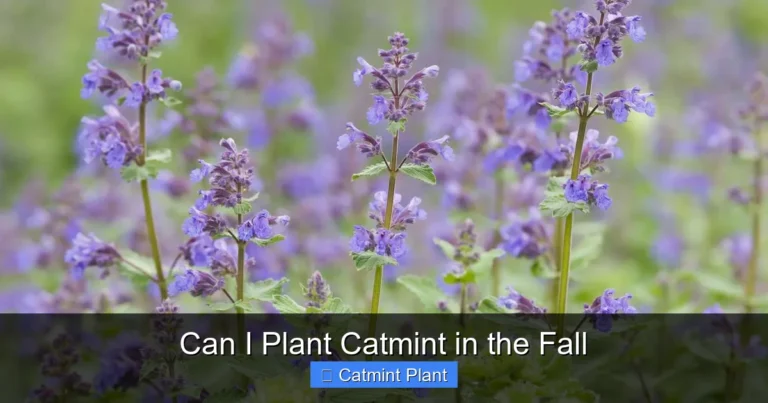
Catmint Plant Indoor
Catmint plant indoor care is easy when you give it bright light, well‑draining soil, and moderate water. This guide covers everything from choosing the right pot to solving common problems so you can enjoy fragrant foliage all year.
Growing a catmint plant indoor can bring a splash of lavender‑blue color and a sweet, minty aroma to any room. Unlike many herbs that demand a garden bed, catmint adapts well to containers when its basic needs are met. In this guide we walk through every step, from selecting the right pot to troubleshooting yellow leaves, so you can enjoy a healthy, blooming plant all year long.
Whether you are a seasoned houseplant collector or a beginner looking for a low‑maintenance green companion, the catmint plant indoor is a rewarding choice. Its resilience, attractive foliage, and ability to attract pollinators when moved outdoors make it a versatile addition to your indoor garden.
Key Takeaways
- Light: Provide at least six hours of bright, indirect sunlight daily.
- Soil: Use a light, sandy mix with good drainage to prevent root rot.
- Water: Water when the top inch of soil feels dry; avoid soggy conditions.
- Temperature: Keep indoor temps between 60 °F and 75 °F for optimal growth.
- Fertilizer: Feed lightly with a balanced liquid fertilizer once a month in spring and summer.
- Pruning: Trim back after flowering to encourage bushier growth and more blooms.
- Pests: Watch for aphids and spider mites; treat early with insecticidal soap.
Quick Answers to Common Questions
How much light does a catmint plant indoor need?
At least six hours of bright, indirect sunlight daily; supplement with a grow light if natural light is low.
What type of soil is best for catmint plant indoor?
A light, well‑draining mix of potting soil, sand or perlite, and compost works best.
How often should I water my catmint plant indoor?
Water when the top inch of soil feels dry; typically every 7–10 days, less in winter.
Can I propagate catmint plant indoor from cuttings?
Yes, 4‑inch stem cuttings root easily in moist perlite under humidity.
What pests commonly affect catmint plant indoor?
Aphids and spider mites are the most frequent; treat early with insecticidal soap or neem oil.
📑 Table of Contents
Choosing the Right Container and Soil
Pot size and material
Start with a pot that is at least 8 inches wide and 8 inches deep. A slightly larger container gives the roots room to spread and reduces the frequency of repotting. Terracotta or unglazed ceramic pots are ideal because they allow excess moisture to evaporate, which helps prevent root rot—a common issue for catmint plant indoor growers.
Drainage essentials
Make sure the pot has several drainage holes. Add a layer of coarse gravel or broken pottery shards at the bottom to improve water flow. Without proper drainage, the soil stays soggy and the roots suffocate.
Soil mix recipe
Catmint prefers a light, airy medium. Mix two parts high‑quality potting soil, one part coarse sand or perlite, and one part compost. This blend provides nutrients while keeping the texture loose enough for good aeration. Avoid heavy garden soil, which compacts quickly in containers.
Light Requirements for a Thriving Catmint Plant Indoor
Bright indirect light is best
Place your catmint plant indoor near a south‑ or west‑facing window where it receives at least six hours of bright, indirect sunlight each day. Direct midday sun can scorch the leaves, especially in summer, so a sheer curtain can diffuse the intensity.
Supplemental lighting
If natural light is limited, use a full‑spectrum LED grow light positioned 12–18 inches above the foliage. Run the light for 12–14 hours daily to mimic long summer days. This encourages compact growth and abundant flowering.
Signs of insufficient light
Leggy stems, pale leaves, and few flowers indicate the plant needs more light. Move it closer to the window or increase the duration of artificial lighting. Rotating the pot weekly ensures even exposure on all sides.
Watering Practices That Keep Catmint Happy
Check the soil before watering
Insert your finger about an inch into the soil. If it feels dry, it’s time to water. If it’s still moist, wait a day or two. Overwatering is the leading cause of decline for a catmint plant indoor.
Water thoroughly but infrequently
When you water, pour until excess drains out of the bottom holes. This ensures the entire root zone is moistened. Allow the top inch to dry out again before the next watering. In winter, reduce frequency because growth slows and the plant uses less water.
Humidity considerations
Catmint tolerates average household humidity. If your home is very dry, especially in winter, place a shallow tray of water near the plant or use a humidifier. Misting the leaves occasionally can help, but avoid keeping foliage constantly wet to prevent fungal issues.
Temperature, Fertilizing, and Seasonal Care
Ideal temperature range
Maintain indoor temperatures between 60 °F and 75 °F. Sudden drafts from air conditioners or heaters can stress the plant. Keep the catmint plant indoor away from cold windowsills in winter and hot radiators in summer.
Fertilizer schedule
Feed with a balanced liquid fertilizer (10‑10‑10) diluted to half strength once a month during the active growing season—spring through early fall. Skip fertilizing in winter when the plant is semi‑dormant. Over‑fertilizing leads to lush foliage but fewer flowers.
Seasonal adjustments
In spring, repot if roots are circling the pot. Summer is the peak bloom period; deadhead spent flowers to promote a second flush. In fall, reduce watering and stop fertilizing. Winter care focuses on light and minimal water.
Pruning, Propagation, and Maintaining Shape
When and how to prune
After the first major bloom, cut back stems by about one‑third. This encourages bushier growth and a tidier appearance. Use clean, sharp scissors to make clean cuts just above a leaf node.
Propagating from cuttings
Take 4‑inch stem cuttings in late spring. Remove lower leaves, dip the cut end in rooting hormone, and plant in a small pot with moist perlite. Cover with a clear plastic bag to retain humidity. Roots usually form in 2–3 weeks, giving you new catmint plant indoor specimens to share or expand your collection.
Division method
Mature plants can be divided during repotting. Gently separate the root ball into sections, each with several stems and healthy roots. Replant each division in its own pot with fresh soil mix. Water well and keep in bright light until established.
Common Problems and Solutions
Yellowing leaves
Yellow leaves often signal overwatering or poor drainage. Check the soil moisture and ensure the pot drains freely. Adjust watering frequency and consider repotting into a better‑draining mix.
Leaf drop and leggy growth
Insufficient light causes the plant to stretch and shed lower leaves. Increase light exposure or add a grow light. Prune leggy stems to stimulate new, compact growth.
Pests: aphids and spider mites
Inspect the undersides of leaves weekly. If you see tiny green aphids or fine webbing from spider mites, spray the plant with insecticidal soap or neem oil. Repeat every 7–10 days until the infestation clears.
Fungal diseases
Powdery mildew appears as a white dust on leaves. Improve air circulation, avoid overhead watering, and treat with a sulfur‑based fungicide if needed. Keeping foliage dry is the best prevention.
Enjoying the Benefits of Your Catmint Plant Indoor
Aromatic atmosphere
The leaves release a pleasant minty scent when brushed. Place the pot near a seating area or entryway to enjoy the fragrance throughout the day.
Culinary uses
Fresh catmint leaves can be added to teas, salads, or desserts for a subtle herbal note. Harvest sparingly, taking no more than one‑third of the foliage at a time.
Attracting pollinators
When weather permits, move the catmint plant indoor outdoors to a balcony or patio. Bees and butterflies love the tubular flowers, turning your plant into a mini wildlife haven.
With the right pot, light, water, and a little seasonal attention, your catmint plant indoor will reward you with lush foliage, delicate blooms, and a delightful aroma year after year. Happy growing!
Frequently Asked Questions
Can catmint plant indoor survive low light conditions?
Catmint prefers bright light; low light leads to leggy growth and few flowers. Use a grow light to compensate if natural light is insufficient.
Is catmint plant indoor toxic to pets?
Catmint is generally non‑toxic to cats and dogs, but large amounts may cause mild stomach upset. Keep an eye on curious pets.
How do I encourage more blooms on my catmint plant indoor?
Deadhead spent flowers, provide ample light, and feed monthly with a balanced fertilizer during the growing season.
When should I repot my catmint plant indoor?
Repot in early spring when roots fill the current pot or every 1–2 years to refresh soil and provide more space.
Can I grow catmint plant indoor year‑round without moving it outside?
Yes, with proper light, temperature, and watering, catmint thrives indoors all year.
What is the ideal humidity level for catmint plant indoor?
Average household humidity (30‑50 %) is fine; increase slightly in very dry winter air using a humidifier or water tray.