Best Pot for Begonia
Choosing the best pot for begonia ensures proper drainage, root space, and aesthetic appeal. This guide covers material, size, and care tips to help your begonia thrive.
Key Takeaways
- Drainage is essential: Holes and saucers prevent waterlogging.
- Material matters: Terracotta, ceramic, plastic, and fabric each have pros and cons.
- Size matches growth: Pick a pot 1‑2 inches larger than the root ball.
- Style fits space: Choose colors and shapes that complement your decor.
- Repot regularly: Refresh soil and upgrade containers every 12‑18 months.
- Monitor moisture: Use a finger test or moisture meter for accuracy.
- Clean between uses: Prevent disease by washing pots before replanting.
Quick Answers to Common Questions
What size pot should I start with for a young begonia?
Start with a 4‑inch pot for small varieties and a 6‑inch pot for larger types.
Can I use a pot without drainage holes if I add gravel at the bottom?
No, gravel does not replace drainage holes; water will still pool and cause root rot.
How often should I repot my begonia?
Repot every 12‑18 months or when roots circle the container.
Is terracotta better than plastic for begonias?
Terracotta breathes more, reducing overwatering risk, but plastic holds moisture longer; choose based on your watering habits.
Do self‑watering pots work well for begonias?
Yes, if they have an overflow outlet; they keep soil evenly moist without waterlogging.
📑 Table of Contents
Why the Right Pot Matters for Begonias
Begonias love moisture but hate soggy roots. The best pot for begonia provides a balance of water retention and airflow. When roots sit in standing water they rot quickly. A good container lets excess water escape while keeping the soil evenly damp. This simple choice sets the stage for vibrant leaves and abundant blooms.
Root Health and Drainage
Healthy roots need oxygen. Pots with multiple drainage holes let air reach the root zone. Terracotta naturally wicks moisture away, which helps prevent fungal issues. Plastic pots can work if you add extra holes. Always check that water flows freely after each watering.
Preventing Overwatering
Overwatering is the number one killer of begonias. A container that holds too much water encourages root rot. Choose a pot that matches the plant’s size. A too‑large pot holds excess soil that stays wet longer. The best pot for begonia is just big enough for current roots with a little room to grow.
Aesthetic Impact
Begonias are showy plants. A beautiful pot highlights their colorful foliage and flowers. Coordinating pot color with leaf tones creates a cohesive look. Whether you prefer rustic terracotta or sleek ceramic, the container becomes part of the display.
Top Materials for the Best Pot for Begonia
Material influences weight, breathability, and price. Each option has strengths for different growing conditions. Consider your climate, watering habits, and style preferences before deciding.
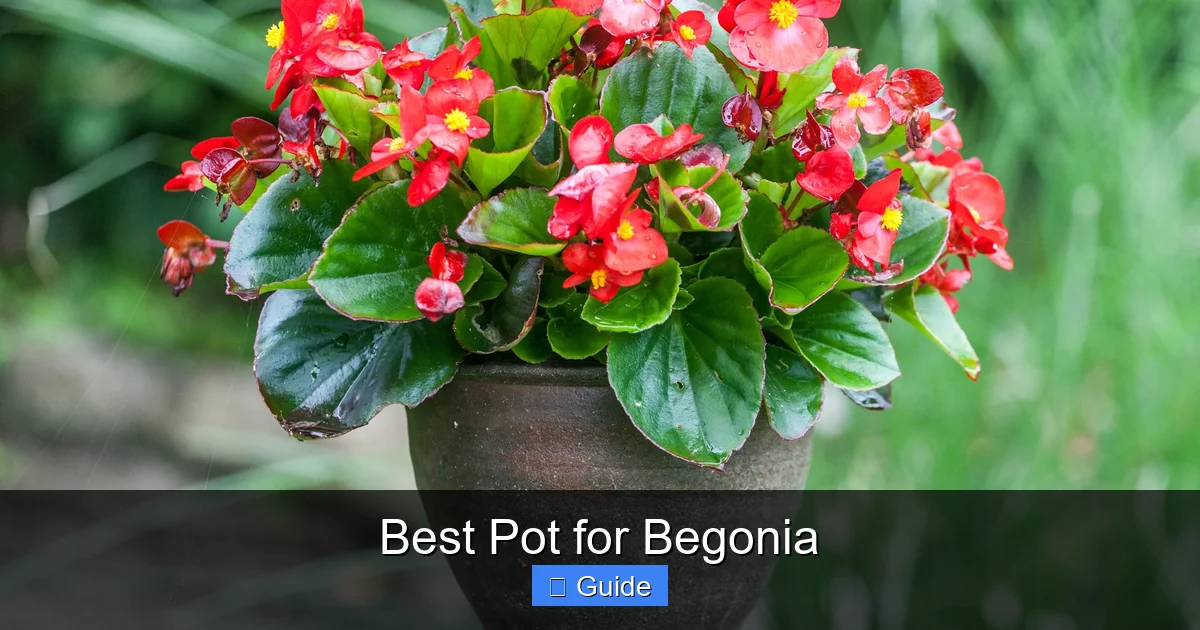
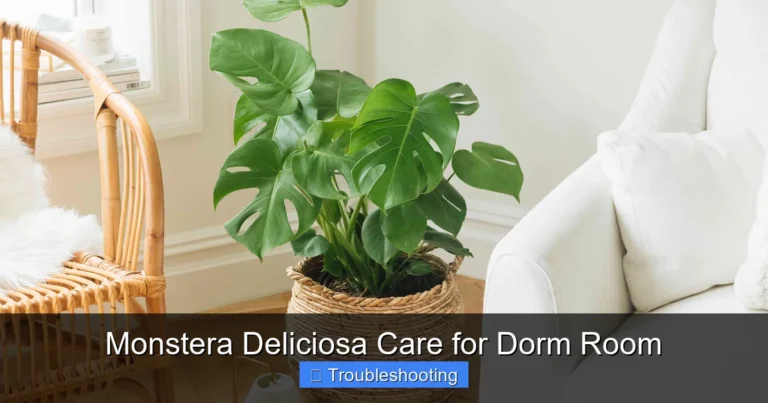
Visual guide about Best Pot for Begonia
Image source: cdn.mos.cms.futurecdn.net
Terracotta
Terracotta is classic and porous. It pulls moisture from the soil, reducing the risk of overwatering. The material is heavy, so it stays stable in windy spots. However, it can dry out fast in hot weather, requiring more frequent watering.
Ceramic
Glazed ceramic pots retain moisture longer than terracotta. They come in endless colors and patterns. The glaze seals the surface, so the pot does not breathe. Make sure the ceramic piece has drainage holes. Without them, water pools at the bottom.
Plastic
Plastic pots are lightweight and inexpensive. They hold water well, which is helpful if you forget to water. Modern plastics are UV‑resistant and look like stone or ceramic. Drill extra holes if the factory ones are few. Plastic is a solid choice for indoor shelves.
Fabric Pots
Fabric containers promote air pruning. Roots hit the breathable walls and branch out instead of circling. This creates a dense, healthy root system. Fabric pots dry quickly, so monitor moisture closely. They are great for seasonal outdoor displays.
Self‑Watering Options
Self‑watering pots have a reservoir that feeds the soil from below. They reduce the frequency of watering. Begonias appreciate consistent moisture, but the reservoir must not stay full constantly. Choose a model with an overflow outlet to avoid waterlogging.
Choosing the Correct Size and Depth
Size directly affects how often you water and how quickly the plant outgrows its home. A pot that is too small restricts roots. A pot that is too large holds excess wet soil. The sweet spot is a container 1‑2 inches wider than the current root ball.
Small Varieties
Miniature begonias like Rex or rhizomatous types thrive in 4‑inch pots. Shallow depth works because their roots spread horizontally. Repot annually into a slightly larger container to refresh soil.
Large Varieties
Tuberous and cane begonias need deeper pots, at least 8‑10 inches deep. Their roots grow downward. Provide a wide base for stability. A 12‑inch diameter pot supports a mature plant for several years.
Repotting Timeline
Check roots each spring. If they circle the bottom or emerge from drainage holes, it’s time to move up. Use fresh potting mix each repot. The best pot for begonia at each stage matches the new root volume.
Drainage Features to Look For
Good drainage is non‑negotiable. Even the most beautiful pot fails without proper exit routes for water. Look for these features when shopping.
Drainage Holes
At least one hole is required; three to five are ideal. Holes should be ¼‑½ inch wide. Cover them with a mesh screen or a piece of broken pottery to keep soil from washing out.
Saucers and Trays
A matching saucer catches runoff and protects surfaces. Empty the saucer within 30 minutes after watering. Standing water in the saucer re‑enters the pot through capillary action.
Elevated Feet
Some pots come with built‑in feet or you can add pot risers. Elevation improves airflow under the container. This speeds drying and reduces fungal risk.
Style and Placement Tips
The container you choose sets the tone for your space. Begonias work well in many settings, from bright windowsills to shaded patios.
Indoor Decor
Pick a pot that complements your interior palette. Neutral terracotta suits boho rooms. Glossy ceramic adds modern flair. Group several begonias in matching pots for a curated look.
Outdoor Patio
Outdoor pots face wind, rain, and sun. Heavy ceramic or stone resists tipping. UV‑stable plastic won’t fade. Ensure drainage holes are clear of debris after storms.
Hanging Baskets
Trailing begonias shine in hanging baskets. Use a lightweight plastic or coco‑liner basket with ample holes. Line the basket with sphagnum moss to retain moisture while allowing drainage.
Maintenance and Long‑Term Care
A great pot stays great with simple upkeep. Regular care extends the life of both container and plant.
Cleaning Pots
Before repotting, scrub the pot with a brush and mild soap. Rinse thoroughly. For terracotta, soak in a 1:10 bleach solution for 10 minutes to kill pathogens. Rinse again and let dry.
Monitoring Soil Moisture
Stick your finger 1 inch into the soil. If it feels dry, water. A moisture meter gives a numeric reading. Consistent checks prevent both drought stress and rot.
When to Upgrade
Upgrade when roots fill the pot or growth slows despite proper care. Move to the next size up. The best pot for begonia at each stage supports continued vigor.
Conclusion
Finding the best pot for begonia is a blend of science and style. Focus on drainage, material, and size first. Then let your personal taste guide the final look. With the right container, your begonias will reward you with lush foliage and bright blooms season after season. Happy planting!
Frequently Asked Questions
What is the best pot for begonia if I tend to overwater?
A terracotta pot with multiple drainage holes is ideal because it wicks excess moisture away from the roots.
Can I grow begonias in a hanging basket?
Yes, trailing begonia varieties thrive in hanging baskets that have good drainage and a lightweight liner.
How do I know when my begonia needs a larger pot?
When roots emerge from drainage holes or the plant dries out quickly after watering, it’s time to size up.
Should I use a saucer under my begonia pot?
Use a saucer to protect surfaces, but empty it within 30 minutes after watering to avoid re‑absorption.
What potting mix works best with the best pot for begonia?
A light, well‑draining mix with peat, perlite, and a bit of compost supports healthy root growth.
Can I paint a terracotta pot for my begonia?
Yes, use non‑toxic, breathable paint; avoid sealing the pores completely so the pot can still breathe.