
Affordable Copper for Dracaena
Affordable copper for dracaena helps prevent fungal issues and boosts growth. This guide shows where to buy low‑cost copper, how to apply it safely, and simple routines that protect your plant on a budget.
Key Takeaways
- Copper is essential: It fights fungus and supports enzyme function in dracaena.
- Buy smart: Garden centers, online bulk packs, and DIY copper sulfate solutions are cheap sources.
- Dose carefully: Too much copper burns roots; follow label rates or use a 1 % solution.
- Apply at the right time: Early morning or late evening reduces leaf scorch.
- Monitor plant response: Yellow tips mean excess; healthy green means the dose is right.
- Combine with good culture: Proper watering, light, and soil drainage make copper more effective.
- Keep a schedule: Monthly preventive sprays keep problems away without high cost.
Quick Answers to Common Questions
What is the best cheap copper source for dracaena?
Bulk copper sulfate powder from a farm supply store or online offers the lowest cost per treatment.
How often should I spray copper on my dracaena?
Apply a preventive spray once a month during the growing season; increase to every 7‑10 days if you see active fungal spots.
Can I mix copper with neem oil?
Yes, you can alternate copper and neem oil applications, but do not mix them in the same spray tank.
What are signs of copper overdose?
Burned leaf tips, yellowing edges, and stunted root growth indicate too much copper.
Is homemade copper spray safe for pets?
Keep pets away until the spray dries; once dry, the residue is minimal, but it is best to prevent ingestion.
📑 Table of Contents
Why Copper Matters for Dracaena
Dracaena plants are popular for their striking foliage and easy care. Yet they can suffer from fungal leaf spots and root rot. Copper acts as a natural fungicide. It stops spores from spreading and helps the plant produce enzymes that strengthen cell walls. When you use affordable copper for dracaena, you give the plant a shield without spending a fortune.
Many gardeners think copper is only for large farms. In reality, a small bottle of copper sulfate or a ready‑to‑use spray works fine for a few houseplants. The key is to choose a product that fits your budget and to apply it correctly. This section explains the science in plain language so you feel confident using copper at home.
The Role of Copper in Plant Health
Copper is a micronutrient. Plants need it in tiny amounts. It helps with photosynthesis, lignin formation, and disease resistance. A deficiency shows as young leaves turning pale or twisted. An excess shows as burnt leaf tips and stunted roots. Knowing the balance lets you use affordable copper for dracaena as a preventive tool rather than a cure.
Signs Your Dracaena Needs Copper
Look for small brown spots with yellow halos on leaves. You may also see a fuzzy white growth on the soil surface. These are classic fungal signs. If the plant is otherwise healthy — good light, proper watering — a copper spray can stop the spread fast.
Finding Affordable Copper for Dracaena
Cost is a major factor for hobbyists. Fortunately, there are several low‑cost sources. You do not need a specialty brand. A basic copper sulfate powder from a farm supply store costs pennies per treatment. Ready‑made sprays from big‑box retailers are also cheap when bought in multi‑packs.
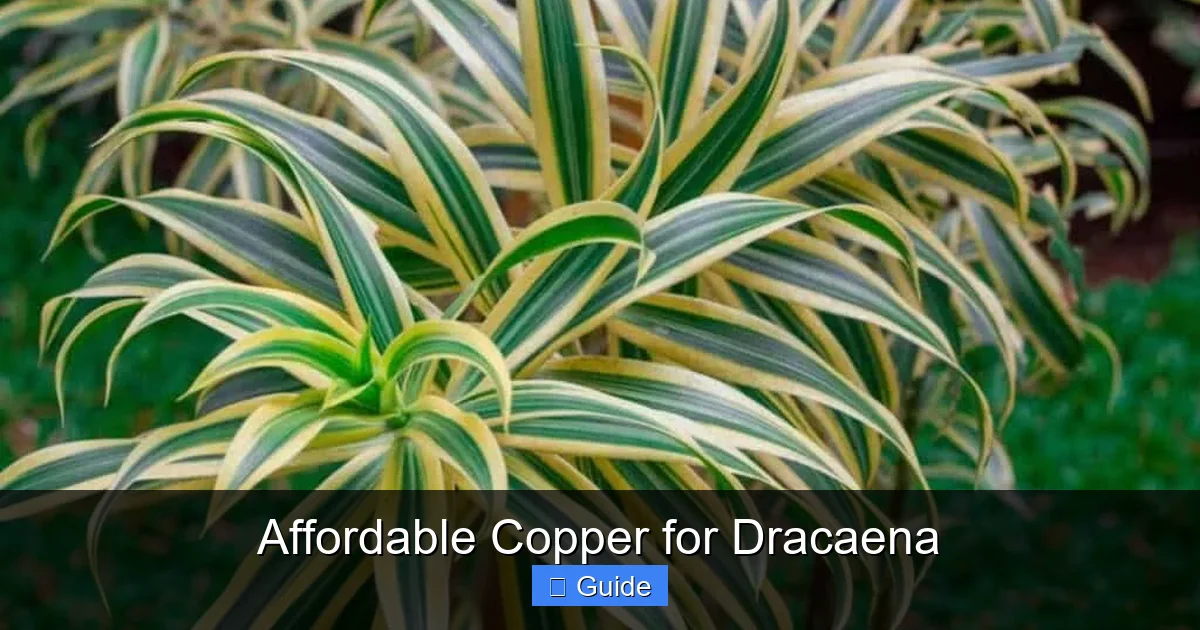
Visual guide about Affordable Copper for Dracaena
Image source: planetnatural.com
Local Garden Centers
Visit the garden aisle of a hardware store. Look for “copper fungicide” or “copper sulfate.” Prices often range from $5 to $12 for a 1‑pound bag. That amount treats many plants over a year. Ask staff for the concentration recommended for houseplants.
Online Bulk Packs
Websites like Amazon, eBay, or specialty horticulture shops sell 5‑pound bags for under $30. Shipping is free on many orders. Buying bulk lowers the per‑use cost dramatically. Store the powder in a dry, sealed container to keep it potent.
DIY Copper Solution
You can mix your own spray. Dissolve 1 teaspoon of copper sulfate in 1 gallon of water. Add a few drops of liquid soap to help the solution stick to leaves. This homemade mix is a classic affordable copper for dracaena recipe used by many indoor growers.
Comparing Prices
Make a simple spreadsheet. List product name, price, weight, and recommended dilution. Calculate cost per gallon of spray. You will see that bulk powder wins for long‑term use. Ready‑to‑use sprays win for convenience if you treat only a few plants.
How to Apply Copper Safely
Safety protects both you and the plant. Copper can irritate skin and eyes. Wear gloves and goggles when mixing. Work in a well‑ventilated area. Never spray on a windy day indoors; the mist can settle on furniture.
Preparing the Spray
Measure the powder accurately. Use a kitchen scale for best results. Add the powder to water, not water to powder, to avoid clumps. Stir until fully dissolved. Add the soap last. Label the container with date and concentration.
Timing the Application
Spray early in the morning or late in the evening. The stomata are open, and the sun is low. This reduces leaf burn. Avoid spraying when the plant is in direct midday sun. A cloudy day is ideal.
Coverage Technique
Hold the sprayer 12‑18 inches from the foliage. Move in a steady sweep. Cover the top and underside of each leaf. Lightly mist the soil surface too. Do not drench the pot; excess copper can accumulate in the root zone.
Frequency Guidelines
For prevention, apply once a month during the growing season. In winter, reduce to every six weeks. If you see active fungal spots, treat every 7‑10 days until symptoms disappear. Then return to the monthly schedule.
Common Mistakes to Avoid
Even a cheap product can cause problems if misused. Learning the pitfalls saves time and money.
Over‑Dosing
More is not better. A concentration above 1 % copper sulfate can kill roots. Follow the label or the DIY ratio exactly. If you accidentally make a stronger mix, flush the soil with clean water several times.
Spraying Wet Leaves
Water on leaves plus copper creates a film that blocks light. Wait until foliage is dry before spraying. If you water in the morning, spray in the evening.
Ignoring Soil pH
Copper availability changes with pH. In very acidic soil, copper becomes more toxic. In alkaline soil, it may be less effective. Test your potting mix occasionally. Aim for a pH around 6.0‑6.5 for dracaena.
Using Copper on Stressed Plants
A plant suffering from drought, cold, or nutrient deficiency is more sensitive. Fix the underlying stress first. Then apply copper as a preventive measure.
Not Rotating Treatments
Repeated copper use can lead to resistant fungal strains. Alternate with a biological fungicide like Bacillus subtilis every other month. This keeps the pathogen population diverse and manageable.
Budget‑Friendly Alternatives and Supplements
Copper is not the only tool. Combining low‑cost methods stretches your budget further.
Neem Oil
Neem oil is a natural insecticide and fungicide. A 16‑ounce bottle costs about $10 and lasts many applications. Mix 1 teaspoon per quart of water. Apply on the same schedule as copper for a one‑two punch.
Baking Soda Spray
One tablespoon baking soda plus one teaspoon horticultural oil in a gallon of water creates a mild fungicide. It works well for powdery mildew. Use it as a supplement, not a replacement, for copper.
Improved Cultural Practices
Good airflow, proper watering, and clean pots reduce disease pressure. Space plants so leaves do not touch. Water at the base, not overhead. Remove fallen leaves promptly. These habits cost nothing but lower the need for any chemical.
Compost Tea
Brew a simple compost tea by steeping finished compost in water for 24 hours. Strain and spray weekly. Beneficial microbes compete with pathogens. It is virtually free if you compost kitchen scraps.
Choosing the Right Pot and Soil
A well‑draining mix with perlite or pumice prevents waterlogged roots. A pot with drainage holes is essential. Investing in quality soil once saves many future treatments.
Long‑Term Care Routine
Consistency beats intensity. A simple calendar keeps your dracaena thriving year after year.
Monthly Checklist
- Inspect leaves for spots or pests.
- Spray affordable copper for dracaena preventive dose.
- Rotate with neem oil or biological fungicide.
- Check soil moisture; water only when top inch is dry.
- Wipe leaves with a damp cloth to remove dust.
Seasonal Adjustments
Spring and summer: increase feeding with a balanced liquid fertilizer at half strength. Keep copper schedule monthly. Fall: reduce fertilizer, keep copper monthly. Winter: cut fertilizer, spray copper every six weeks, maintain humidity with a pebble tray.
Record Keeping
Write dates, products used, and observations in a notebook or phone app. Patterns emerge. You will see which treatment works best for your specific environment. This data helps you fine‑tune the routine and avoid waste.
When to Seek Help
If leaves continue to decline despite correct copper use, the problem may be root rot, pests, or a nutrient imbalance. A local extension service or a knowledgeable nursery can diagnose the issue. Early expert advice saves the plant and money.
Conclusion
Caring for dracaena does not have to be expensive. By understanding why copper works, sourcing it cheaply, and applying it safely, you protect your plant without breaking the bank. Combine copper with good cultural habits, simple homemade sprays, and a regular schedule. The result is a vibrant, healthy dracaena that adds beauty to your space for years. Start today with a small bottle of copper sulfate, mix your first batch, and watch the difference unfold.
Frequently Asked Questions
Can I use copper fungicide on all dracaena varieties?
Yes, copper works on most dracaena types, but always test a small leaf area first to ensure no sensitivity.
What concentration of copper sulfate is safe for houseplants?
A 1 % solution (1 teaspoon per gallon of water) is generally safe for indoor dracaena when applied correctly.
How do I store leftover copper solution?
Store in a labeled, sealed container away from light and heat; use within two weeks for best efficacy.
Will copper affect beneficial soil microbes?
Repeated high doses can reduce microbial diversity; using the lowest effective rate and rotating with biological controls minimizes impact.
Can I apply copper during flowering?
Dracaena rarely flowers indoors; if it does, avoid spraying open blooms to prevent petal damage.
What should I do if my dracaena shows copper toxicity?
Flush the soil thoroughly with clean water, stop copper applications, and monitor for recovery over the next few weeks.