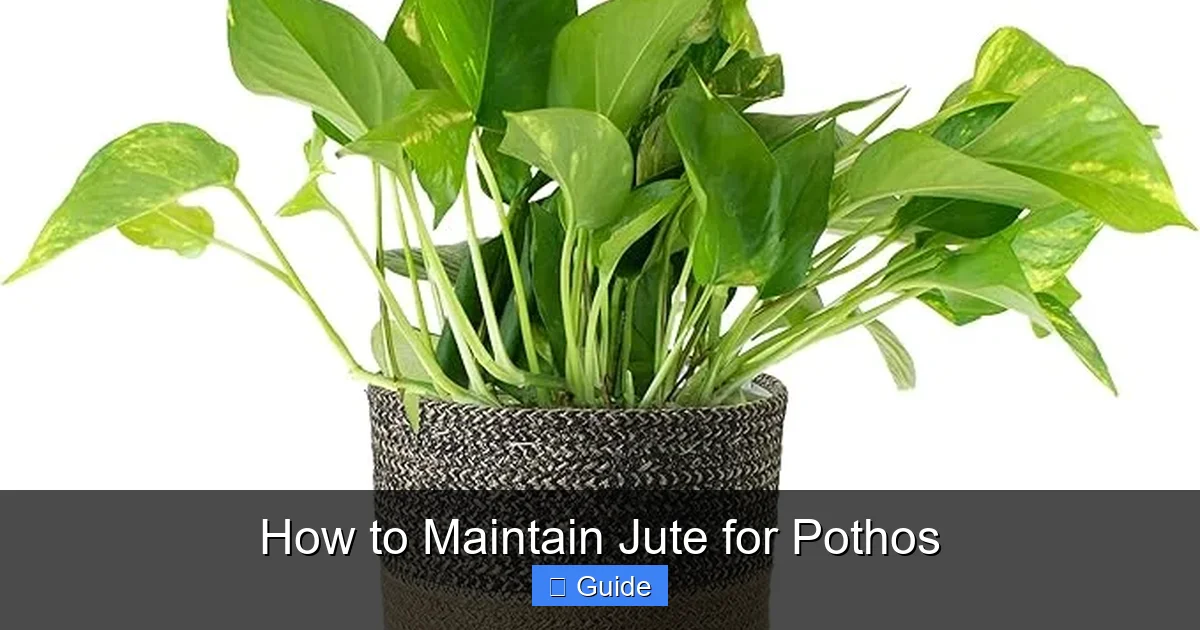
How to Maintain Jute for Pothos
Jute poles give pothos a natural climbing surface that mimics their wild habitat. With the right moisture, light, and occasional feeding, the jute stays strong and the vines stay lush. Follow these steps to keep both the jute and your pothos thriving.
Key Takeaways
- Choose quality jute: Thick, untreated poles last longer and hold moisture better.
- Soak before use: A wet pole helps roots attach quickly.
- Keep it moist: Mist the jute daily or set a tray of water nearby.
- Feed lightly: Use a balanced liquid fertilizer once a month.
- Prune regularly: Remove yellow leaves and guide new vines onto the pole.
- Watch for rot: Replace any soggy sections to stop decay.
Quick Answers to Common Questions
How often should I mist the jute pole?
Mist the pole at least once each morning. In dry climates, mist twice a day.
Can I use a treated jute pole?
Raw jute works best because it absorbs water. Treated poles may repel moisture.
What fertilizer is best for pothos on jute?
A balanced liquid fertilizer at half strength applied monthly during the growing season.
How do I stop the pole from rotting?
Keep the pole damp not soggy. Ensure good airflow and replace any mushy sections quickly.
When should I replace the jute pole?
Replace it when the fibers break down or rot covers more than a third of the pole.
📑 Table of Contents
Why Jute Works for Pothos
If you want to know how to maintain jute for pothos, start with the basics. Jute is a natural fiber. It feels rough. That roughness helps roots grip. The plant climbs like it would on tree bark. Jute also lets air flow. Good air flow stops mold. It is a green choice. It breaks down slowly. That means you do not need to replace it often.
Natural Texture
The surface of jute is coarse. Roots love coarse surfaces. They can hook into the fibers. This makes the vine stable. A stable vine grows faster. It also looks nice. The brown color blends with green leaves.
Breathability
Jute fibers have tiny gaps. Air moves through those gaps. Moisture can evaporate. This stops the pole from staying wet too long. A dry pole stays strong. A wet pole can rot. Good breathability keeps the pole healthy.
Eco Friendly Choice
Jute comes from a plant. It is renewable. It does not need plastic. When the pole finally wears out, it can go to compost. That makes it a low waste option. Many plant lovers like that.
Choosing the Right Jute
The next step in how to maintain jute for pothos is picking the right pole. Not all jute poles are equal. Thickness matters. Length matters. Treatment matters.
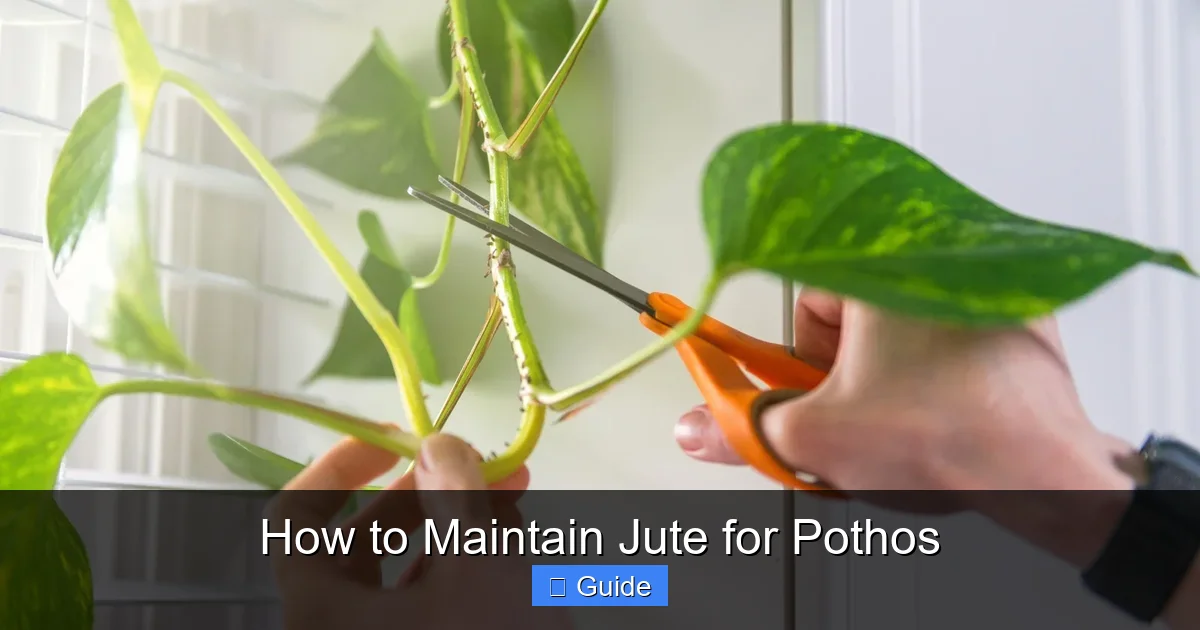
Visual guide about How to Maintain Jute for Pothos
Image source: epicgardening.com
Thickness Matters
Thick poles hold more water. They also give more surface for roots. A pole about two inches wide works well. Thin poles dry fast. They may not support heavy vines.
Length and Diameter
Pick a pole that reaches the top of your pot plus a foot. That gives room for growth. A pole too short will need replacing soon. A pole too long can tip over.
Pre Treated vs Raw
Some poles come pre‑treated with a sealant. That can slow water absorption. Raw jute absorbs water fast. For pothos, raw jute is usually better. It lets the plant drink from the pole.
Preparing the Jute Pole
Proper preparation is a key part of how to maintain jute for pothos. A well prepared pole lasts longer. It also helps the plant attach quickly.
Soak Before Use
Submerge the pole in water for at least one hour. The fibers will swell. Swollen fibers are softer. Roots can penetrate easier. After soaking, let excess water drip off.
Secure the Base
Push the pole deep into the soil. At least six inches deep. Pack soil around it firmly. A stable base stops wobble. Wobble can break new roots.
Wrap the Stem
Gently tie the main vine to the pole with soft twine. Do not tie too tight. Leave space for stem to thicken. Check ties weekly. Loosen if they cut into the stem.
Watering and Humidity Tips
Consistent moisture is essential when you learn how to maintain jute for pothos. The pole should stay damp but not soggy. The air around the plant should be humid.
Keep Jute Moist
Mist the pole every morning. Use a spray bottle. A light mist is enough. If the air is dry, mist twice a day. You can also place a wet cloth around the base.
Mist the Vines
Pothos loves humidity. Mist the leaves too. This keeps leaf tips from browning. It also helps the plant absorb water through the pole.
Use a Tray
Set the pot on a tray filled with pebbles and water. The water evaporates. That raises humidity around the plant. Refill the tray when water gets low.
Feeding and Pruning
Feeding and pruning complete the cycle of how to maintain jute for pothos. Nutrients keep the vine strong. Pruning keeps the shape tidy.
Fertilize Lightly
Use a balanced liquid fertilizer. Dilute to half strength. Apply once a month during spring and summer. Stop feeding in fall and winter. Too much fertilizer burns roots.
Trim Dead Leaves
Remove yellow or brown leaves promptly. Use clean scissors. Cut close to the stem. This stops disease spread. It also directs energy to new growth.
Guide New Growth
When new vines appear, gently wrap them around the pole. Use soft ties if needed. This trains the plant to climb. A well trained plant looks full and lush.
Common Problems and Fixes
Even with good care, issues can arise. Knowing the signs helps you act fast.
Jute Rot
Rot shows as black, mushy spots on the pole. Cut away the bad part. Let the remaining pole dry. Replace the pole if rot spreads far.
Pothos Yellowing
Yellow leaves often mean too much water. Check soil moisture. Let the top inch dry before watering again. Also check for root rot.
Pest Issues
Spider mites and mealybugs like dry air. Increase humidity. Wipe leaves with a damp cloth. Use insecticidal soap if needed.
Conclusion
Jute gives pothos a natural, sturdy climb. With a little attention, the pole stays strong for years. Keep it moist, feed lightly, and prune often. Your pothos will reward you with long, trailing vines. Enjoy the green beauty in your home.
Frequently Asked Questions
What is the best way to attach pothos vines to a jute pole?
Use soft twine or plant ties. Wrap loosely around the stem and pole. Check weekly and loosen as the stem thickens.
Can I grow pothos on a jute pole outdoors?
Yes, if the climate stays above 50°F. Protect the pole from heavy rain to avoid rapid rot.
How long does a jute pole last?
A well cared jute pole can last two to three years before it needs replacing.
Do I need to water the soil differently when using a jute pole?
Water the soil as usual. The pole adds extra moisture but does not replace regular watering.
Is jute safe for pets?
Jute is non‑toxic. However, keep pets from chewing the pole to avoid choking hazards.
Can I reuse a jute pole for another plant?
Only if the pole is still firm and free of rot. Clean it well before reusing.