Best Soil for Blackberry
The best soil for blackberry plants is well‑draining, slightly acidic (pH 5.5‑6.5), and rich in organic matter. Adding compost and mulching each year keeps moisture steady and feeds the roots. Follow these simple steps for a big, sweet harvest.
Growing blackberries can be one of the most rewarding garden projects you ever try. The fruit is sweet, the plants are vigorous, and the harvest can be huge when conditions are right. The secret to a big crop starts underground where the roots live. The best soil for blackberry gives the roots exactly what they need to thrive. In this guide we walk through every detail you need to know to create that perfect growing medium.
First, understand that blackberries are perennial brambles that send out long canes each year. They fruit on second‑year wood, so the plant invests heavily in a strong root system. The root system is shallow but spreads wide, often reaching several feet from the crown. Because of this, the best soil for blackberry must be loose, fertile, and well‑drained across a broad area, not just in a planting hole. Heavy clay or compacted ground will choke the roots and reduce yields dramatically.
We will cover pH, drainage, texture, organic matter, mulching, and ongoing soil care. Each section includes practical tips you can apply today. By the end you will know exactly how to create the best soil for blackberry in any garden, whether you have a raised bed, a backyard patch, or a container.
Key Takeaways
- Ideal pH: Keep soil between 5.5 and 6.5 for optimal nutrient uptake.
- Drainage: Well‑draining soil prevents root rot and encourages strong cane growth.
- Organic matter: Mix in compost or aged manure to boost fertility and moisture retention.
- Texture: Loamy soil with a balanced mix of sand, silt, and clay works best.
- Mulch: Apply a thick layer of straw or wood chips to conserve water and suppress weeds.
- Testing: Test soil annually and amend as needed to maintain the best soil for blackberry conditions.
Quick Answers to Common Questions
What pH is best for blackberry soil?
Aim for a pH between 5.5 and 6.5 for optimal nutrient availability.
How often should I add compost?
Add a 2‑inch layer of compost each spring and work it into the top 6 inches.
Can I grow blackberries in heavy clay?
Yes, but you must amend the clay with coarse sand, bark, or perlite to improve drainage.
What mulch works best for blackberries?
Straw, pine needles, or shredded bark at a 3‑inch depth are excellent choices.
When should I test my soil?
Test in late winter or early spring before new growth begins.
📑 Table of Contents
Understanding Blackberry Root Needs
Shallow Root System
Blackberry roots stay mostly in the top twelve inches of soil. They spread laterally up to several feet from the crown. This means the best soil for blackberry must be prepared over a wide area, not just a planting hole. Loosen the ground at least three feet in every direction from the crown. A wide, loose bed lets the shallow roots explore freely and absorb water and nutrients efficiently.
When you dig the planting area, break up any hardpan you encounter. Use a garden fork or broadfork to lift the soil without turning it over completely. This preserves soil structure while creating the air pockets roots need. The best soil for blackberry will feel crumbly and easy to work, not sticky or rock‑hard.
Oxygen and Aeration
Roots need air as much as they need water. Compacted soil pushes out oxygen and leads to weak, spindly canes. When you prepare the best soil for blackberry, incorporate coarse sand or fine gravel to keep pore space open. A simple test: dig a small hole, fill with water, and watch how fast it drains. Fast drainage signals good aeration and a healthy root environment.
If water sits for more than a few hours, add more coarse material or organic matter to improve structure. Aeration also helps beneficial microbes thrive, which in turn break down organic matter into nutrients. The best soil for blackberry stays light and breathable throughout the growing season.
Nutrient Uptake Zone
Most nutrient absorption happens in the top six inches of soil. That layer should be rich in organic matter and have a balanced pH. Adding compost each spring feeds the shallow roots directly and builds long‑term fertility. This practice creates the best soil for blackberry year after year without heavy synthetic inputs.
Spread a two‑inch layer of well‑rotted compost over the bed and gently work it into the top six inches. Avoid deep tilling, which can damage the delicate root mat. The best soil for blackberry rewards a gentle touch and consistent organic additions.
The Ideal pH for Blackberries
Target pH Range
Blackberries prefer slightly acidic conditions. A pH between 5.5 and 6.5 unlocks essential nutrients like iron, manganese, and phosphorus. If the pH drifts above 7, the best soil for blackberry becomes less effective and you may see yellowing leaves or poor fruit set. Keeping the pH in the sweet spot is one of the easiest ways to boost yields.
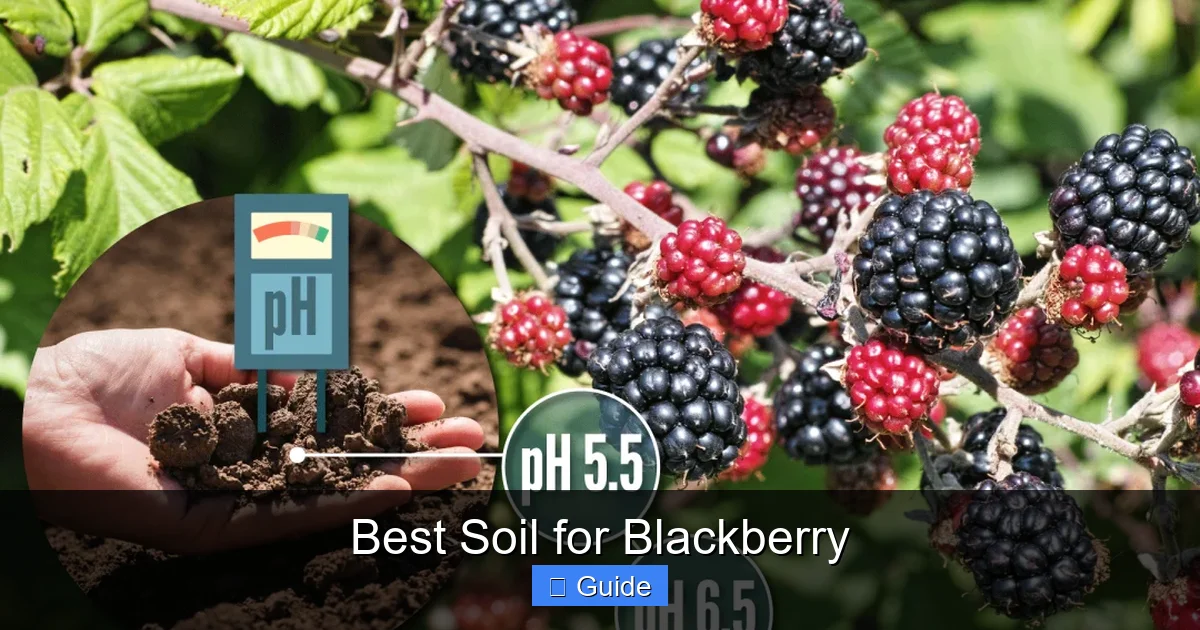
Visual guide about Best Soil for Blackberry
Image source: gardentabs.com
Test the soil before planting and again each spring. A simple home test kit gives a quick snapshot, while a lab test provides detailed nutrient levels. Knowing your starting point lets you adjust with confidence and maintain the best soil for blackberry throughout the season.
How to Test Soil pH
Use a reliable soil test kit or send a sample to your local extension service. Test in early spring before new growth starts. Record the result and compare it to the target range. This step is the foundation of the best soil for blackberry management and prevents guesswork later.
When sampling, take several cores from different spots in the bed and mix them together. This gives a representative average. Label the sample clearly and follow the lab’s instructions for packaging. Accurate data leads to precise amendments and the best soil for blackberry performance.
Adjusting pH Safely
If soil is too acidic, add garden lime at the recommended rate. If it is too alkaline, incorporate elemental sulfur or peat moss. Make adjustments gradually; retest after a few weeks. Small, steady changes keep the best soil for blackberry stable and avoid shocking the plants.
Apply lime or sulfur evenly over the surface and water it in. Avoid dumping large amounts in one spot, which can create hot spots. The best soil for blackberry responds well to slow, measured amendments that mimic natural processes.
Drainage and Soil Texture
Why Drainage Matters
Standing water around the crown invites root rot and fungal diseases. The best soil for blackberry drains within a few hours after a heavy rain. If water pools, roots suffocate and the plant declines quickly. Good drainage also keeps the soil temperature moderate, which benefits root metabolism.
Observe your site after a storm. If you see puddles that linger, you have a drainage problem. Raised beds or mounded rows can solve many issues instantly. The best soil for blackberry thrives when excess water moves away freely.
Improving Heavy Clay
Clay soils hold water but lack air. Mix in coarse sand, fine bark, or perlite at a one‑to‑one ratio with the native soil. This creates a loamy texture that drains well yet retains moisture. The result is the best soil for blackberry in a formerly problematic site.
Work the amendments into the top twelve inches using a fork. Avoid over‑working, which can create a hard crust. The best soil for blackberry after amendment feels crumbly and breaks apart easily in your hand.
Fixing Over‑Sandy Soil
Very sandy ground drains too fast and loses nutrients. Add generous amounts of compost or well‑rotted manure. The organic matter acts like a sponge, holding water and nutrients for the shallow roots. This amendment turns sand into the best soil for blackberry.
Incorporate a three‑inch layer of compost each spring and mulch heavily. Over time the sand particles bind with humus, improving structure. The best soil for blackberry in sandy sites becomes richer and more productive each year.
Building Organic Matter
Compost Basics
Compost adds nutrients, improves structure, and feeds beneficial microbes. Spread a two‑inch layer over the planting area each spring and work it into the top six inches. This annual habit creates the best soil for blackberry over time without synthetic fertilizers.
Make your own compost from kitchen scraps, yard waste, and shredded paper. Turn the pile regularly to speed decomposition. The best soil for blackberry benefits from a diverse mix of green and brown materials that break down into rich humus.
Aged Manure Benefits
Well‑rotted cow or horse manure supplies nitrogen without burning roots. Apply a thin layer in early spring, then mulch on top. The combination fuels vigorous cane growth and supports the best soil for blackberry throughout the fruiting season.
Source manure from a trusted farm that guarantees it has aged at least six months. Fresh manure can contain pathogens and excess ammonia. The best soil for blackberry stays safe and productive when only fully composted manure is used.
Cover Crops and Leaf Mold
Plant a winter cover crop like clover or rye. When turned under in spring, it adds biomass and nitrogen. This practice reduces erosion and builds the best soil for blackberry naturally while suppressing weeds.
Shredded leaves decompose into rich leaf mold that improves texture and water holding capacity. Wood chips break down slowly, adding long‑term structure. Both can be used as mulch or incorporated into the soil. They are low‑cost ways to achieve the best soil for blackberry.
Mulching and Moisture Management
Mulch Keeps Roots Cool
A three‑inch layer of straw, pine needles, or shredded bark shades the soil. Cooler roots suffer less stress in summer heat. This simple step protects the best soil for blackberry from temperature swings that can stunt growth.
Apply mulch after the soil warms in spring but before the hottest weeks arrive. Keep mulch a few inches away from the crown to prevent rot. The best soil for blackberry stays consistently moist and cool under a good mulch blanket.
Mulch Conserves Water
Mulch reduces evaporation by up to fifty percent. Less watering means less labor and lower water bills. Consistent moisture encourages steady fruit development in the best soil for blackberry.
Check moisture by inserting a finger two inches deep. If it feels dry, water deeply. The best soil for blackberry responds well to deep, infrequent irrigation rather than frequent light sprinkling.
Weed Suppression and Mulch Refresh
Weeds compete for nutrients and water. A thick mulch blanket blocks light, preventing weed seed germination. Fewer weeds mean more resources for your blackberries in the best soil for blackberry.
Organic mulch breaks down over the season. Add a fresh layer each spring to maintain depth. This routine sustains the benefits and keeps the best soil for blackberry performing at its peak year after year.
Testing, Amending, and Ongoing Care
Annual Soil Testing Routine
Test pH and nutrient levels each winter. Adjust lime or sulfur as needed. Regular testing prevents surprises and maintains the best soil for blackberry year after year.
Keep a simple log of test results, amendments applied, and observed plant performance. Over time you’ll see patterns that guide future decisions. The best soil for blackberry is a living system that improves with careful record‑keeping.
Fertilizer Timing and Types
Apply a balanced fertilizer such as 10‑10‑10 in early spring before new growth. Follow with a high‑potassium feed after fruit set. Proper timing feeds the plant without upsetting the best soil for blackberry.
Avoid over‑fertilizing, which can cause excessive vegetative growth at the expense of fruit. Use slow‑release organic options when possible. The best soil for blackberry thrives on gentle, steady nutrition.
Pruning, Monitoring, and Long‑Term Health
Remove old floricanes after harvest. Thin new primocanes to four to six per plant. Good air flow reduces disease pressure and lets the best soil for blackberry support healthy growth.
Watch for yellow leaves, stunted canes, or fruit rot. These symptoms often trace back to soil issues. Quick action—adjust pH, improve drainage, add compost—restores the best soil for blackberry and keeps the patch productive for many seasons.
Creating the best soil for blackberry is a straightforward process. Start with a soil test, set the pH between 5.5 and 6.5, ensure excellent drainage, and load the bed with organic matter. Mulch generously, water consistently, and test each year. Follow these steps and your blackberry patch will reward you with abundant, sweet berries for many seasons. Happy planting!
Frequently Asked Questions
How do I know if my soil drains well enough for blackberries?
Dig a 12‑inch hole, fill with water, and time the drainage. Ideal drainage empties in 1 to 3 hours.
Can I use fresh manure for blackberries?
Fresh manure can burn roots. Use only well‑rotted or aged manure.
What nutrients are most important for blackberry fruit quality?
Potassium and phosphorus drive fruit size and sweetness, while nitrogen supports cane growth.
Is it necessary to rotate blackberry plants?
Blackberries are perennials and do not require rotation, but renewing organic matter each year is essential.
How deep should I plant blackberry crowns?
Plant crowns so the soil line matches the nursery level, usually about 1‑2 inches deep.
Can I grow blackberries in containers?
Yes, use a large pot with a high‑quality potting mix that mimics the best soil for blackberry: acidic, well‑drained, and rich in organic matter.