Best Indoor Plants for Beginners for Humidity
Looking for the best indoor plants for beginners for humidity? This guide covers ten easy‑care species that love moisture, simple ways to raise humidity, and practical care tips so your new green friends stay happy and healthy. You will also learn how to measure humidity, avoid common mistakes, and create a mini‑rainforest vibe in any room.
Welcome to your go‑to guide on the best indoor plants for beginners for humidity. If you have ever watched a leaf curl or turn brown, you know how frustrating dry air can be. This article will walk you through why humidity matters, how to measure it, and which plants thrive in moist conditions. You will also get practical care tips that keep your new green companions happy.
Indoor gardening does not have to be complicated. With a few simple tools and the right plant choices, you can create a lush, humid oasis in any room. Let’s dive in and make your home a friendlier place for moisture‑loving plants.
Key Takeaways
- Humidity is essential: Many tropical plants need moist air to grow well.
- Simple tools work: A hygrometer and a pebble tray can raise humidity quickly.
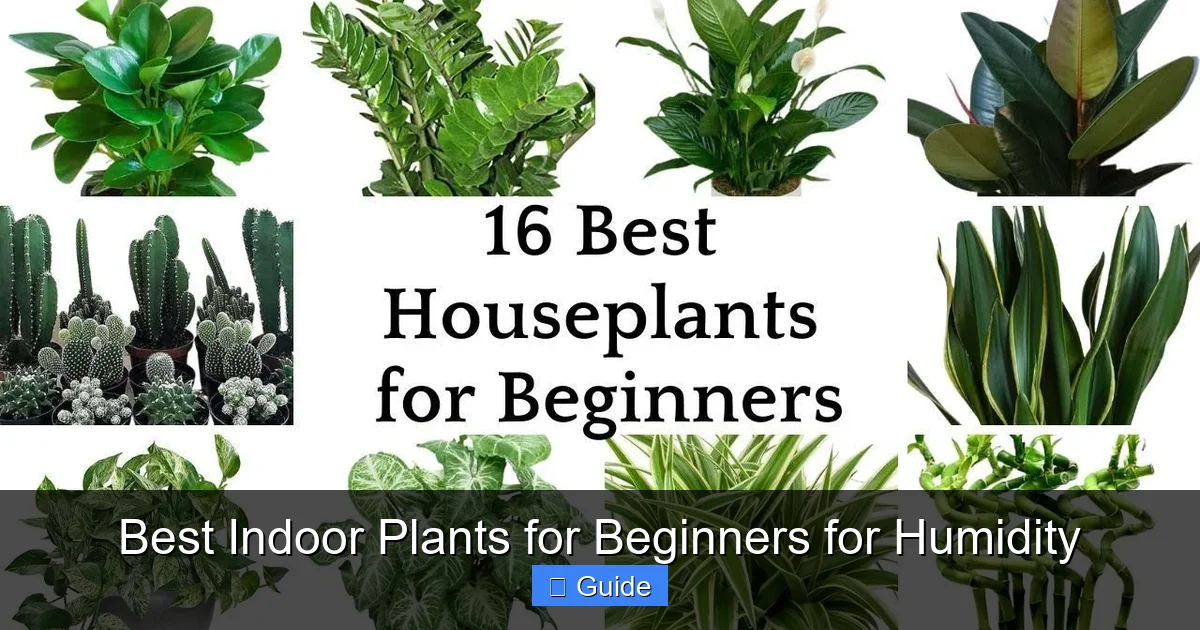
- Choose the right plants: The best indoor plants for beginners for humidity include pothos, spider plant, and peace lily.
- Water wisely: Keep soil evenly moist but never soggy.
- Group plants together: Clustering creates a micro‑climate with higher humidity.
- Avoid drafts: Cold air from windows or AC lowers humidity fast.
- Monitor regularly: Check humidity weekly to catch problems early.
Quick Answers to Common Questions
What is the ideal humidity range for most tropical houseplants?
Most tropical houseplants thrive between 40 % and 60 % relative humidity.
Can I use a regular spray bottle to increase humidity?
Misting gives a short boost but does not replace consistent humidity; use a pebble tray or humidifier for lasting results.
Which plant from the list is the most forgiving for beginners?
Pothos is the most forgiving; it tolerates low light, irregular watering, and a wide humidity range.
How often should I check humidity levels?
Check at least once a week, or daily during winter when indoor heating dries the air.
Do all the listed plants need high light?
No, many like pothos, ZZ plant, and Chinese evergreen grow well in moderate to low light.
📑 Table of Contents
Why Humidity Matters for Indoor Plants
Understanding humidity
Humidity is the amount of water vapor in the air. Most tropical houseplants come from rainforests where humidity stays high all year. When indoor air gets dry, leaves lose water faster than roots can replace it. This leads to crispy edges, brown tips, and slow growth.
Signs of low humidity
Watch for these clues: leaf tips turning brown, leaves curling inward, and a general dull appearance. Some plants may drop buds or stop flowering. If you see any of these signs, the air is likely too dry for your plant.
Benefits of proper humidity
When humidity sits between 40 % and 60 %, plants can absorb water through their leaves as well as roots. This boosts photosynthesis, keeps foliage glossy, and encourages new growth. A humid environment also reduces the risk of spider mites, which love dry air.
How to Measure and Increase Humidity at Home
Using a hygrometer
A hygrometer is a small device that reads relative humidity. Place it near your plants, not next to a heater or vent. Check the reading once a week. If it falls below 40 %, it is time to act.
Visual guide about Best Indoor Plants for Beginners for Humidity
Image source: agribotix.com
Simple ways to raise humidity
There are several low‑cost methods. A pebble tray filled with water sits under the pot; as water evaporates, humidity rises. Grouping plants together creates a shared micro‑climate. A room humidifier works well for larger collections. Misting leaves helps briefly but does not replace consistent humidity.
DIY humidity hacks
Place a shallow bowl of water on a radiator. Hang damp towels near a sunny window. Use a clear plastic bag over a plant for a mini greenhouse effect. Remember to vent the bag daily to avoid mold.
Best Indoor Plants for Beginners for Humidity
1. Pothos (Epipremnum aureum)
Pothos is a classic choice for the best indoor plants for beginners for humidity. It tolerates low light, grows fast, and loves moist air. Water when the top inch of soil feels dry. Trim vines to keep the plant bushy.
2. Spider Plant (Chlorophytum comosum)
Spider plant produces arching leaves and baby “spiderettes.” It thrives in humidity above 50 %. Keep soil evenly moist and give bright, indirect light. It also purifies indoor air.
3. Peace Lily (Spathiphyllum)
Peace lily shows dramatic white blooms when happy. It prefers high humidity and will droop when thirsty. Water thoroughly, then let excess drain. Mist leaves weekly for extra moisture.
4. Boston Fern (Nephrolepis exaltata)
Boston fern loves humidity above 60 %. Its feathery fronds add texture. Keep the soil constantly moist and place the pot on a pebble tray. Avoid direct sun, which can scorch fronds.
5. Calathea (Calathea spp.)
Calathea varieties display striking leaf patterns. They demand consistent humidity and dislike tap water chemicals. Use filtered water and mist daily. They reward you with moving leaves that fold at night.
6. Philodendron Heartleaf (Philodendron hederaceum)
Heartleaf philodendron is a trailing vine that enjoys humid air. It grows well in moderate light. Water when the top soil dries slightly. It is forgiving if you miss a watering.
7. Chinese Evergreen (Aglaonema)
Chinese evergreen tolerates lower light but prefers humidity around 50 %. Its variegated leaves brighten any corner. Water when the top inch of soil is dry. It is a sturdy choice for beginners.
8. Anthurium (Anthurium andraeanum)
Anthurium produces glossy red spathes year‑round. It needs high humidity and bright, indirect light. Keep soil moist but not soggy. Feed monthly with a balanced fertilizer for continuous blooms.
9. Maranta (Maranta leuconeura)
Also called prayer plant, Maranta folds its leaves at night. It thrives in humidity above 55 %. Use a pebble tray and mist regularly. Keep it away from cold drafts.
10. ZZ Plant (Zamioculcas zamiifolia)
ZZ plant is known for drought tolerance, yet it appreciates moderate humidity. It survives low light and irregular watering. For best growth, give it a humidity boost with a nearby humidifier.
Care Tips for Humidity‑Loving Plants
Watering routine
Check soil moisture with your finger. Water until it drains from the bottom. Empty saucers to prevent root rot. Consistency beats occasional heavy watering.
Fertilizing schedule
Feed with a diluted liquid fertilizer every four weeks during spring and summer. Reduce feeding in fall and winter when growth slows.
Pruning and cleaning
Remove yellow or dead leaves promptly. Wipe dust off leaves with a damp cloth. Clean leaves absorb light better and breathe easier.
Repotting guidelines
Repot every one to two years or when roots circle the pot. Choose a pot one size larger with drainage holes. Use a well‑draining potting mix rich in organic matter.
Pest prevention
High humidity can attract fungus gnats. Let the top soil dry slightly between waterings. Use yellow sticky traps if needed. Inspect new plants before adding them to your collection.
Common Mistakes to Avoid
Over‑misting
Misting feels good but can leave water on leaves too long, inviting fungal spots. Mist in the morning so leaves dry before night.
Placing plants near heat sources
Radiators, fireplaces, and heating vents dry the air fast. Keep humidity‑loving plants at least three feet away from heat.
Ignoring seasonal changes
Winter heating drops indoor humidity dramatically. Increase humidifier run time or add more pebble trays during cold months.
Using the wrong potting mix
Heavy garden soil holds too much water and suffocates roots. Choose a mix labeled for indoor tropical plants.
Neglecting airflow
Stagnant air encourages mold. A gentle fan on low setting circulates air without drying plants out.
Creating a Humidity‑Friendly Indoor Garden
Design a plant cluster
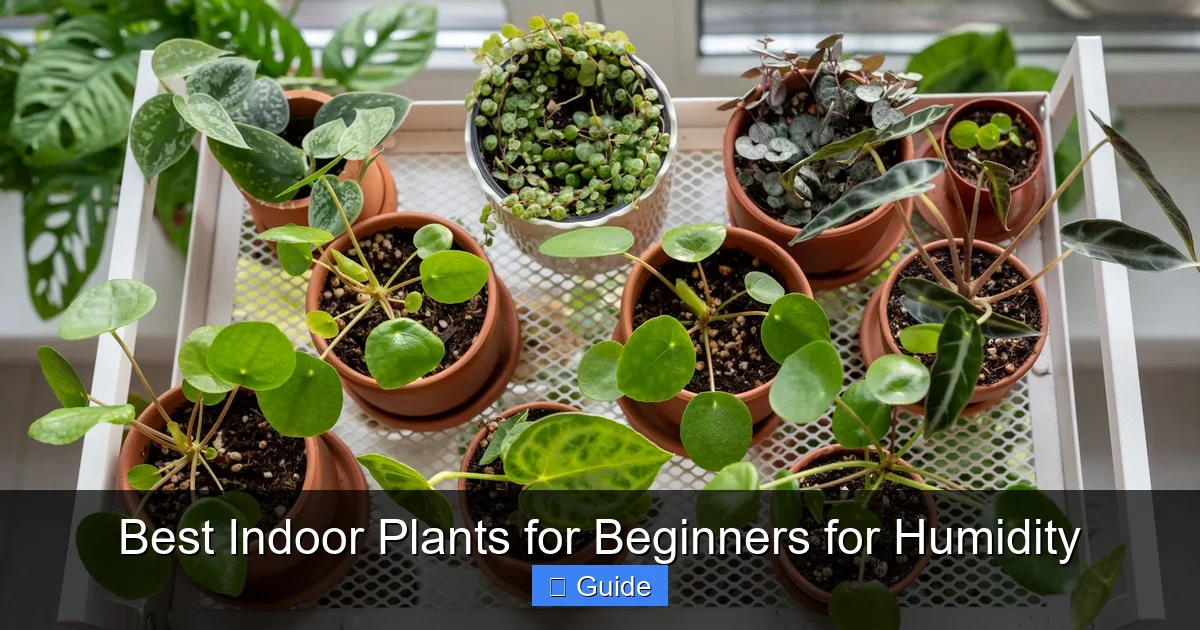
Group three to five humidity‑loving plants on a tray. Their combined transpiration raises local humidity naturally. Add a small decorative fountain for extra moisture and soothing sound.
Choose the right room
Bathrooms and kitchens often have higher humidity. If you have a bright bathroom, it can become a mini rainforest for ferns and calatheas.
Use a room humidifier
A tabletop ultrasonic humidifier set to 50 % maintains steady moisture. Clean the tank weekly to prevent bacteria buildup.
Monitor with a smart hygrometer
Smart hygrometers connect to your phone and alert you when humidity drops. This takes guesswork out of plant care.
Rotate plants regularly
Turn each pot a quarter turn each week. Even light exposure prevents lopsided growth and ensures all leaves benefit from humidity.
Enjoy the process
Caring for the best indoor plants for beginners for humidity is rewarding. Watch new leaves unfurl, feel the cool mist, and breathe easier knowing your green friends are thriving.
Conclusion
You now have a clear roadmap for growing the best indoor plants for beginners for humidity. Start by measuring your home’s humidity, then pick a few easy‑care species from the list. Use pebble trays, group plants, and consider a humidifier for consistent moisture. Follow the watering, fertilizing, and pruning tips to keep foliage lush. Avoid common pitfalls like over‑misting and placing plants near heat. With a little attention, your indoor garden will become a vibrant, humid sanctuary that benefits both plants and people. Happy planting!
Frequently Asked Questions
What are the best indoor plants for beginners for humidity?
The top choices include pothos, spider plant, peace lily, Boston fern, calathea, heartleaf philodendron, Chinese evergreen, anthurium, maranta, and ZZ plant. These species tolerate beginner care and love moist air.
How can I raise humidity without a humidifier?
Place plants on pebble trays with water, group them together, set bowls of water near heat sources, or drape damp towels nearby. These low‑cost methods increase local humidity effectively.
Why do my plant leaves have brown tips?
Brown tips usually signal low humidity, inconsistent watering, or fertilizer burn. Raise humidity, water evenly, and flush soil with clean water to remove excess salts.
Is misting enough for humidity‑loving plants?
Misting provides only a temporary moisture layer. For sustained humidity, combine misting with pebble trays, plant grouping, or a room humidifier.
Can I keep humidity‑loving plants in a bedroom?
Yes, as long as the room maintains adequate humidity and light. A small humidifier or pebble tray can create the needed environment.
How do I know if my hygrometer is accurate?
Calibrate by placing it in a sealed bag with a damp salt solution (75 % RH) for a few hours. Adjust the reading if it deviates more than a few percent.