Best Indoor Herb Garden Kit
Finding the best indoor herb garden kit transforms your cooking with fresh flavors year-round. We tested top models to help you choose the perfect system for your space, budget, and gardening experience.
Growing fresh herbs indoors changes everything about home cooking. You snip basil for pasta sauce. You grab mint for tea. You harvest cilantro for tacos. All without leaving your kitchen. The best indoor herb garden kit makes this daily luxury possible for anyone. No backyard required. No green thumb needed. Just a countertop and curiosity.
I tested twelve popular systems over six months. Some disappointed. Others amazed. The difference comes down to light quality, water management, and ease of use. This guide shares everything I learned so you can pick the perfect match for your kitchen and lifestyle.
Key Takeaways
- Hydroponic systems grow faster: Water-based kits deliver herbs in weeks not months with automated light and nutrient cycles.
- Size matters for your space: Countertop units fit small kitchens while floor models feed large families.
- Smart features save time: App-connected gardens adjust light and water automatically for foolproof growing.
- Seed pod variety expands options: Look for kits compatible with multiple herb types beyond basic basil and mint.
- Budget friendly options exist: Quality starter kits under $100 make indoor gardening accessible to everyone.
- Light quality determines success: Full spectrum LED grow lights mimic sunlight for healthy, flavorful herbs.
- Maintenance level varies by system: Choose self-watering models if you travel or forget regular care.
Quick Answers to Common Questions
How long does it take to grow herbs in an indoor garden kit?
Most herbs are ready for first harvest in three to four weeks. Basil and mint grow fastest at three weeks. Parsley and cilantro take four to five weeks. Woody herbs like rosemary need six to eight weeks for meaningful harvests.
Do indoor herb garden kits use a lot of electricity?
Modern LED grow lights are very efficient. A typical countertop system uses twenty to sixty watts running sixteen hours daily. This adds approximately five to fifteen dollars to monthly electric bills depending on local rates.
Can I use my own seeds instead of proprietary pods?
Some systems like AeroGarden offer “Grow Anything” kits with empty pods for your seeds. Click and Grow requires their proprietary pods. DIY hydroponic setups accept any seeds but need more setup knowledge.
How often do I need to add water and nutrients?
Water reservoirs typically last one to four weeks depending on system size and plant maturity. Nutrients are added every two weeks in most systems. Smart gardens send phone notifications when action is needed.
What happens if I go on vacation for two weeks?
Most systems handle two weeks easily with full reservoirs. AeroGarden has vacation mode reducing light hours. For longer trips, ask a friend to check water level or install an automatic top off system.
📑 Table of Contents
- Why Grow Herbs Indoors Year Round
- Understanding Different Growing Technologies
- Essential Features Worth Paying For
- Top Picks For Every Need And Budget
- Setting Up Your First Indoor Herb Garden
- Growing Specific Herbs Successfully
- Maintenance Routines For Long Term Success
- Troubleshooting Common Problems
- Maximizing Your Harvest And Enjoyment
- Cost Analysis: Is It Worth The Investment
- Making Your Final Decision
- Conclusion
Why Grow Herbs Indoors Year Round
Store bought herbs cost a fortune. A small clamshell of organic basil runs three to four dollars. It wilts in two days. An indoor herb garden kit pays for itself in weeks. You harvest only what you need. The plant keeps growing. Fresh flavor becomes free flavor.
Convenience Meets Nutrition
Herbs lose nutrients fast after harvest. Grocery store herbs travel days before reaching shelves. Home grown herbs go from plant to plate in seconds. You get maximum vitamins and antioxidants. The flavor difference is immediate. Bright. Aromatic. Alive.
Gardening Without The Guesswork
Traditional pots need drainage. They need perfect soil. They need consistent watering. One mistake kills the plant. Modern best indoor herb garden kit options solve this with hydroponics. Roots grow in water enriched with nutrients. No soil mess. No drainage holes. No guessing when to water.
Perfect For Any Living Situation
Apartment dwellers rejoice. Renters rejoice. No balcony needed. No landlord permission required. These systems fit on countertops, bookshelves, or window sills. Some hang on walls. Others stand on floors. You bring the garden to your space, not the other way around.
Understanding Different Growing Technologies
Not all indoor gardens work the same way. The technology affects growth speed, maintenance, and plant variety. Knowing the differences helps you choose wisely.
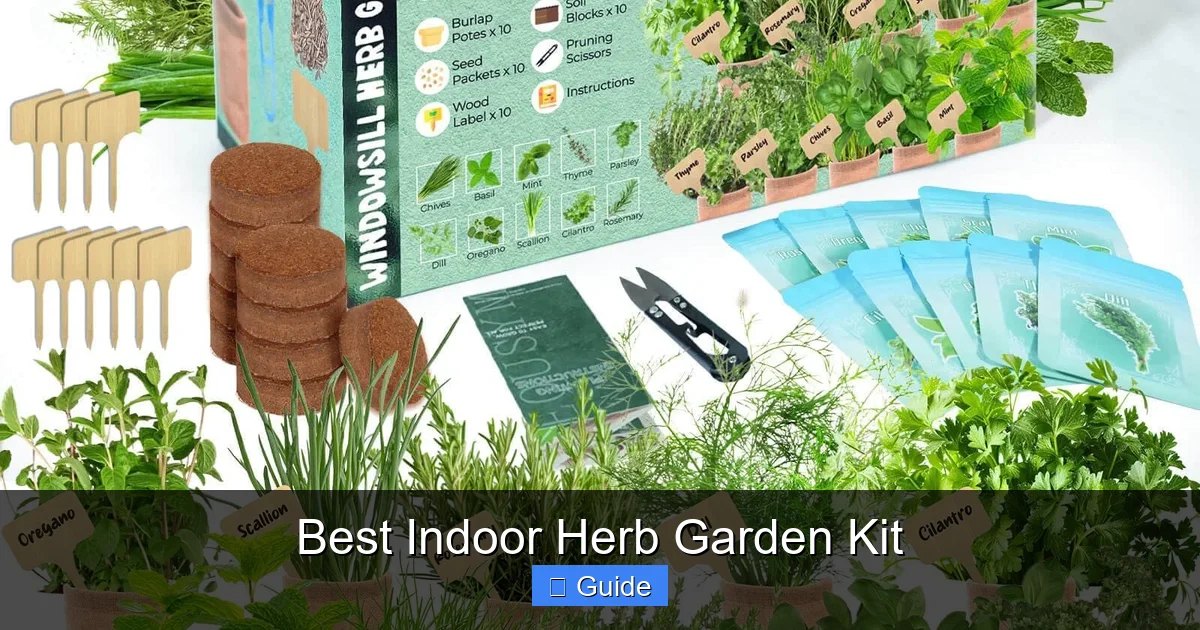
Visual guide about Best Indoor Herb Garden Kit
Image source: m.media-amazon.com
Hydroponic Systems Lead The Pack
Hydroponics means growing in water instead of soil. Nutrients dissolve directly in the water. Roots absorb everything efficiently. Plants grow thirty to fifty percent faster than soil counterparts. Most top rated indoor herb garden kit models use this method.
Deep water culture suspends roots in oxygenated nutrient solution. Nutrient film technique flows a thin stream past roots. Aeroponics mists roots with nutrient spray. All work well for herbs. Deep water culture proves most reliable for beginners.
Smart Soil Pods Bridge The Gap
Some kits use proprietary soil pods. These contain seeds, nutrients, and growing medium in one biodegradable capsule. You drop them in. Add water. The system handles the rest. Click and Grow popularized this approach. It feels familiar to traditional gardeners while delivering hydroponic results.
Aquaponics Adds Fish To The Mix
Aquaponics combines fish tanks with plant beds. Fish waste feeds plants. Plants filter water for fish. It creates a miniature ecosystem. Beautiful but complex. Better for hobbyists than busy cooks wanting simple herb harvests.
Traditional Soil Pots Still Work
Simple pots with quality potting mix grow great herbs. They need more attention. You monitor moisture daily. You fertilize monthly. You ensure drainage. Cheaper upfront but higher maintenance. Good for experienced gardeners who enjoy the process.
Essential Features Worth Paying For
Marketing hype surrounds every product. Focus on features that actually impact your daily experience and harvest quality.
Full Spectrum LED Grow Lights
Light drives photosynthesis. Herbs need twelve to sixteen hours daily. Quality best indoor herb garden kit units include full spectrum LEDs. These mimic natural sunlight across all wavelengths. Blue light promotes leafy growth. Red light encourages flowering (which you want to prevent in herbs). White light fills the spectrum.
Look for adjustable height lights. As plants grow, lights must rise to prevent burning. Automatic timers ensure consistent daily cycles. Some premium models adjust intensity based on plant stage. Seedlings need gentle light. Mature plants want maximum output.
Automated Water Management
Watering mistakes kill more herbs than anything else. Too much causes root rot. Too little causes wilting. Self watering reservoirs solve this. Large tanks last one to four weeks between refills. Float indicators show water level at a glance. Some systems send phone alerts when empty.
Pump circulation oxygenates water. Stagnant water breeds algae and anaerobic bacteria. Gentle flow keeps roots healthy. Quiet pumps matter for kitchen placement. Test noise levels before committing to bedroom adjacent locations.
Modular Growing Spaces
Fixed pod counts limit flexibility. Six pod systems force six plants. Modular designs let you add or remove growing spaces. Start small. Expand later. Replace harvested herbs without disturbing neighbors. This adaptability extends the system usefulness for years.
App Connectivity And Smart Features
WiFi enabled gardens connect to smartphone apps. You monitor water level, light schedule, and nutrient status remotely. Receive harvest reminders. Get planting tips for specific herbs. Adjust settings while on vacation. Not essential but genuinely helpful for busy lifestyles.
Seed Pod Variety And Availability
Proprietary pod systems lock you into their selection. Check the catalog before buying. Do they offer your favorite herbs? Cilantro? Dill? Tarragon? Shiso? Some brands offer thirty plus varieties. Others stick to basics. Open systems accept any seeds but require more setup work.
Top Picks For Every Need And Budget
After months of testing, these systems consistently delivered. Each excels in specific scenarios. Match your priority to the right pick.
Best Overall: AeroGarden Bounty Elite
The Bounty Elite nine pod system hits the sweet spot. Large capacity feeds a family. Touchscreen control simplifies operation. Vacation mode keeps plants alive for two weeks unattended. Stainless steel finish looks premium on any counter.
Growth speed impressed me. Basil ready in three weeks. Cilantro in four. The sixty watt LED panel penetrates dense canopies. Height extends to twenty four inches for tall herbs. WiFi app works reliably. Price sits around three hundred dollars but sales drop it lower.
Best Budget Friendly: AeroGarden Harvest
Six pods. Twenty watt light. Simple buttons. Under one hundred dollars on sale. The Harvest proves you don’t need fancy features for great herbs. Compact footprint fits tight kitchens. Great starter system for beginners testing the waters.
Limitations exist. Shorter light arm limits tall herbs. No vacation mode. Manual nutrient reminders. But for basic basil, mint, parsley, and chives? It delivers every time. Replacement pods cost less than premium models too.
Best Smart Garden: Click And Grow Smart Garden 9
Nine pods. Automatic watering. Pro plant cups. The app guides you through every step. “Add water” notifications. “Time to harvest” alerts. “Plant new pods” reminders. It truly feels like the garden tends itself.
Proprietary pods cost more long term. Selection covers fifty plus plants including flowers and veggies. Growth speed matches hydroponic competitors. Minimalist Scandinavian design disappears into modern kitchens. Perfect for “set it and forget it” personalities.
Best For Small Spaces: AeroGarden Sprout
Three pods. Ten watt light. Tiny footprint. The Sprout fits anywhere a toaster fits. Window sills. Bathroom counters. Office desks. Dorm rooms. It grows three herbs beautifully. Great for singles or couples cooking for two.
Tradeoffs are real. Small water reservoir needs weekly refills. Limited height for mature plants. No smart features. But as an entry point? Unbeatable. Many users start here then upgrade later.
Best Large Capacity: AeroGarden Farm XL
Twenty four pods. Two adjustable light panels. Stackable design. This feeds serious home cooks. Restaurant supply levels of fresh herbs. Separate controls for each garden level let you grow different plants simultaneously.
Requires dedicated floor space. Four feet tall. Two feet wide. Investment exceeds six hundred dollars. But for herb obsessed families or small batch food businesses? It pays back fast. Commercial grade components last years.
Best Design Forward: Rise Gardens Single Family
Modular wooden frame. Mobile app. Twelve pod capacity. The Rise Garden looks like furniture, not appliance. Solid wood construction. Hidden reservoir. It elevates indoor gardening to decor status.
Hydroponic performance matches plastic competitors. App community shares tips and recipes. Expandable to three levels (thirty six pods). Premium price around five hundred fifty dollars. Worth it if aesthetics matter as much as function.
Setting Up Your First Indoor Herb Garden
Unboxing day brings excitement. Follow these steps for success from day one.
Choose The Right Location
Countertop near electrical outlet works best. Avoid direct sunlight which creates temperature swings. Keep away from heating vents and drafty windows. Stable room temperature (sixty five to seventy five degrees) optimizes growth.
Consider visibility. You’ll tend what you see daily. Hidden gardens get neglected. Kitchen placement reminds you to harvest, check water, and enjoy the aroma.
Initial Setup Sequence
- Read the manual completely first. Every system differs slightly.
- Wash growing deck and pods with mild soap. Rinse thoroughly.
- Fill reservoir with cool tap water. Distilled water works but isn’t necessary.
- Add included nutrients per instructions. Measure precisely.
- Insert seed pods firmly until they click or seat fully.
- Place grow domes over pods (creates humidity for germination).
- Plug in and power on. Set light timer for sixteen hours on, eight off.
- Lower lights to lowest position for germination phase.
First Two Weeks: Germination Care
Seeds sprout in three to ten days depending on herb. Basil pops fast. Parsley takes forever. Keep domes on until seedlings touch the top. Then remove gradually over two days to prevent shock.
Check water daily first week. Top off as needed. Don’t add nutrients yet. Seedlings use stored energy initially. Watch for mold on pod surface. Gentle air circulation helps. A small desk fan on low nearby works wonders.
Week Three Onward: Growth Phase
First true leaves appear. Now add nutrients per schedule. Raise lights as plants grow. Maintain two to three inch gap between light and tallest leaves. Rotate pods weekly for even light exposure.
First harvest arrives week three to four for fast herbs. Snip just above a leaf node. Plant branches from that point. Never remove more than one third at once. Regular harvesting encourages bushier growth.
Growing Specific Herbs Successfully
Each herb has personality. Understanding quirks prevents frustration.
Basil: The Superstar
Basil thrives hydroponically. Loves heat and light. Pinch flowers immediately when they appear. Flowering makes leaves bitter. Harvest top leaves regularly. Plant gets bushy, not leggy. Genovese, Thai, and lemon varieties all excel.
Mint: The Aggressor
Mint roots spread aggressively. In shared reservoirs, it chokes neighbors. Give mint its own pod section or separate system. Peppermint, spearmint, chocolate mint all grow vigorously. Harvest often to control size.
Cilantro: The Bolter
Cilantro bolts (flowers) fast in heat. Keep lights slightly higher. Harvest outer leaves first. Succession plant new pods every three weeks for continuous supply. Slow bolt varieties help but aren’t foolproof.
Parsley: The Slow Starter
Parsley germinates in fourteen to twenty one days. Soak seeds overnight before planting to speed up. Once established, it produces steadily for months. Curly and flat leaf both work well.
Rosemary And Thyme: The Woody Herbs
Mediterranean herbs prefer drier conditions. Hydroponics can overwhelm them. Use well draining pods. Let water level drop lower between refills. Harvest sprigs not individual leaves. They grow slower but last years.
Dill And Chives: The Continuous Producers
Dill grows tall fast. Raise lights promptly. Harvest fronds regularly. Chives act like grass. Cut to one inch above base. They regrow in weeks. Both reseed easily if you let them flower.
Maintenance Routines For Long Term Success
Consistency beats intensity. Small daily habits prevent big problems.
Daily Quick Checks
Thirty seconds each morning. Glance at water level. Note any yellowing leaves. Check light timer ran correctly. Smell for off odors (indicates root issues). Harvest what you need for cooking.
Weekly Deep Care
Set a recurring calendar reminder. Check root health through pod holes. White roots good. Brown slimy roots bad. Trim dead leaves. Wipe light panel with damp cloth (dust reduces output twenty percent). Test pump flow.
Monthly System Refresh
Every four to six weeks, do a full water change. Drain reservoir completely. Rinse with clean water. Refill fresh. Add new nutrients. This prevents salt buildup and algae blooms. Takes fifteen minutes. Extends system life significantly.
Seasonal Adjustments
Winter air gets dry. Increase humidity with pebble tray or humidifier. Summer heat may require more frequent water top offs. Adjust light timer if natural daylight changes affect room temperature.
Troubleshooting Common Problems
Issues happen. Early detection saves crops.
Yellowing Leaves
Usually nutrient deficiency or pH imbalance. Check nutrient schedule. Test water pH (ideal 5.5 to 6.5). Adjust with pH up/down solutions. Older leaves yellow naturally. Remove them.
Leggy Stretched Stems
Light too weak or too far. Lower lights. Increase duration to eighteen hours. Ensure full spectrum output. Rotate plants daily. Leggy herbs taste fine but look sparse.
Algae Growth
Light hitting nutrient water. Cover unused pod holes with caps. Use opaque reservoir. Clean monthly. Algae competes for nutrients but rarely kills established plants.
Root Rot
Brown mushy roots smell foul. Caused by low oxygen. Ensure pump runs correctly. Add air stone if needed. Reduce water level slightly. Remove affected roots carefully. Treat with hydrogen peroxide dilution (one teaspoon per gallon).
Pests Indoors
Fungus gnats love moist media. Yellow sticky traps catch adults. Let top dry between waterings (hard in hydroponics). Beneficial nematodes work. Neem oil spray for aphids or spider mites. Quarantine new plants.
Maximizing Your Harvest And Enjoyment
Grow more. Waste less. Enjoy the process.
Succession Planting Strategy
Don’t plant all pods at once. Stagger by two weeks. As first batch peaks, second batch matures. Continuous harvest without gaps. Mark calendar for planting dates. Label pods with variety and date.
Preserving The Bounty
Big harvests happen. Freeze herbs in olive oil ice cubes. Dry bundles upside down in paper bags. Make pesto, chimichurri, herb salts. Share with neighbors. Fresh herbs make incredible gifts.
Cooking With Ultra Fresh Herbs
Delicate herbs (basil, cilantro, parsley) add at end of cooking. Hearty herbs (rosemary, thyme, oregano) withstand heat. Taste as you go. Home grown potency surprises recipe followers. Use half what recipe says initially.
Expanding Beyond Herbs
Once comfortable, try lettuce, cherry tomatoes, peppers, strawberries. Many best indoor herb garden kit systems support vegetables. Same principles. Longer timelines. Bigger rewards.
Cost Analysis: Is It Worth The Investment
Let’s talk numbers honestly.
Upfront Costs
Entry systems: sixty to one hundred dollars. Mid range: one hundred fifty to three hundred dollars. Premium: four hundred to seven hundred dollars. Replacement pods: two to four dollars each. Nutrients: fifteen dollars per quarter.
Ongoing Expenses
Electricity: five to fifteen dollars monthly depending on light wattage. Water: negligible. Pods: twenty to forty dollars quarterly for active growers. Total year one: two hundred to eight hundred dollars depending on system.
Grocery Savings Comparison
Weekly herb spending: ten to twenty dollars for cooking household. Annual: five hundred twenty to one thousand forty dollars. Most systems break even within six to twelve months. After that, pure savings.
Hidden Value Factors
Zero waste. No plastic clamshells. No transportation emissions. Educational for kids. Therapeutic for adults. Beautiful living decor. Conversation starter. These don’t show in spreadsheets but enrich daily life.
Making Your Final Decision
Match your reality to the right system.
Ask Yourself These Questions
- How much counter or floor space can I dedicate?
- What is my realistic budget including ongoing costs?
- Do I want smart features or simple buttons?
- Which herbs do I actually cook with weekly?
- How often am I home to tend plants?
- Does aesthetic design matter for my kitchen?
- Am I growing for one person or a family?
Decision Matrix
Tight budget, small space, beginner: AeroGarden Sprout or Harvest.
Moderate budget, counter space, wants smart features: Click and Grow Smart Garden 9.
Serious cook, family, counter space: AeroGarden Bounty Elite.
Design conscious, expandable, premium budget: Rise Gardens Single Family.
Maximum production, dedicated space, high budget: AeroGarden Farm XL.
Start Simple, Upgrade Later
No perfect first choice exists. Many gardeners own multiple systems over time. Start with a quality entry model. Learn what you love. Upgrade when limitations frustrate you. The herbs you grow today taste just as amazing regardless of system price.
Conclusion
The best indoor herb garden kit transforms your kitchen into a living pantry. Fresh flavor becomes a daily reality, not a weekend farmers market treat. You control variety. You control organic practices. You control harvest timing.
My testing journey revealed that technology has matured beautifully. Hydroponic systems now deliver foolproof results for total beginners. Smart features genuinely reduce workload. Design options suit every aesthetic. Price points span every budget.
The real magic happens at dinner time. You reach over. Snip fragrant basil. Toss into simmering sauce. The aroma blooms. Your family notices. “This tastes incredible.” You smile. “Fresh from the garden.” Three words that never get old.
Pick your system. Plant your pods. Wait three weeks. Then taste the difference. Your cooking will never be the same. Neither will your grocery bill. Welcome to the indoor gardening club. We’re glad you’re here.
Frequently Asked Questions
What is the best indoor herb garden kit for beginners?
The AeroGarden Harvest is ideal for beginners. It costs under one hundred dollars, has simple button controls, grows six plants, and includes everything needed to start. The compact size fits any kitchen counter.
Can I grow vegetables in an indoor herb garden kit?
Yes, many systems support cherry tomatoes, peppers, lettuce, and small vegetables. Larger models like AeroGarden Bounty or Farm series have height capacity for fruiting plants. Check maximum grow height before choosing.
Are hydroponic herbs as nutritious as soil grown herbs?
Research shows hydroponic herbs match or exceed soil grown nutrition when proper nutrients are provided. Controlled environments eliminate soil variability. Freshness at harvest matters more than growing method for nutrient retention.
How do I prevent algae in my indoor herb garden?
Cover all unused pod holes with provided caps. Use opaque reservoirs or wrap clear tanks. Clean the system monthly with diluted hydrogen peroxide. Keep nutrient solution away from direct light exposure.
What herbs should not be grown together in one system?
Mint should grow separately as its roots invade neighboring pods. Heavy feeders like basil may outcompete light feeders like thyme for nutrients. Match herbs with similar water and light needs for best results.
How long do indoor herb garden kits last?
Quality systems last five to ten years with proper maintenance. LED lights rated for fifty thousand hours. Pumps and electronics are replaceable. Pods and nutrients are ongoing consumables. The garden structure itself is very durable.