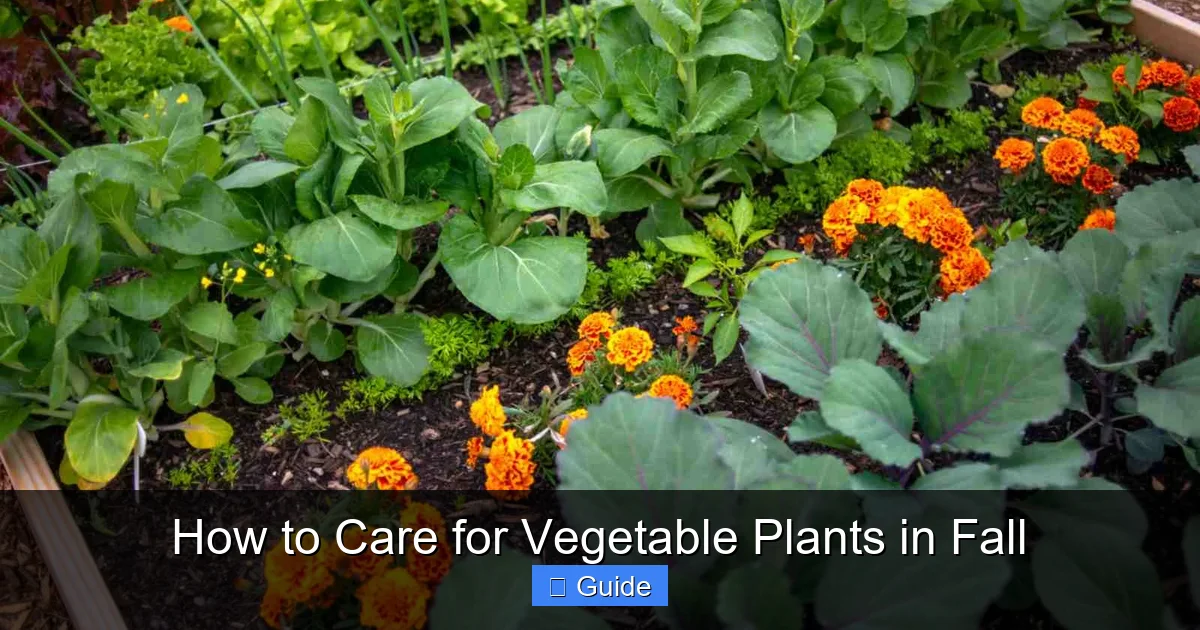
How to Care for Vegetable Plants in Fall
Fall vegetable care focuses on adjusting water, adding mulch, protecting crops from early frost, and harvesting at peak flavor. Follow these simple steps to keep your garden productive through the cooler months.
Key Takeaways
- Adjust watering: Reduce frequency but water deeply to encourage strong roots.
- Mulch heavily: A thick layer of straw or leaves insulates soil and conserves moisture.
- Protect from frost: Use row covers, cloches, or cold frames for tender crops.
- Harvest at the right time: Pick vegetables when they reach full size but before hard freezes.
- Clean up debris: Remove diseased leaves and spent plants to reduce pests next season.
- Plan for next year: Rotate crops and add compost now for richer soil in spring.
- Monitor soil temperature: Know when soil cools below 50°F to adjust planting schedules.
Quick Answers to Common Questions
How often should I water my fall vegetable garden?
Water deeply once or twice a week, checking soil moisture before each session.
What is the best mulch for fall vegetables?
Straw, shredded leaves, or pine needles applied 3‑4 inches deep work well.
When should I put row covers on my plants?
Install covers about a week before your average first frost date.
Can I leave carrots in the ground over winter?
Yes, carrots can stay in the soil until it freezes solid; they become sweeter after light frosts.
What should I do with diseased plant debris?
Remove and dispose of it; do not compost diseased material.
📑 Table of Contents
Why Fall Care Matters for Your Vegetable Garden
Fall brings cooler temperatures and shorter days. These changes affect how vegetable plants grow. If you keep treating your garden like it’s still summer, plants can suffer. Proper fall care helps roots stay strong, reduces disease, and extends the harvest. A little extra attention now means a bigger, healthier yield later.
Many gardeners think the season ends when the first frost appears. In reality, many crops thrive in the crisp air. Kale, carrots, beets, and Brussels sprouts actually taste sweeter after a light freeze. Understanding how to care for vegetable plants in fall lets you enjoy fresh produce well into winter.
Adjust Watering Practices
Water Less Often, But Deeper
Cooler air holds less moisture, so the soil dries slower. You can cut back on daily watering. Instead, give each bed a thorough soak once or twice a week. Deep watering encourages roots to grow downward where the soil stays moist longer.
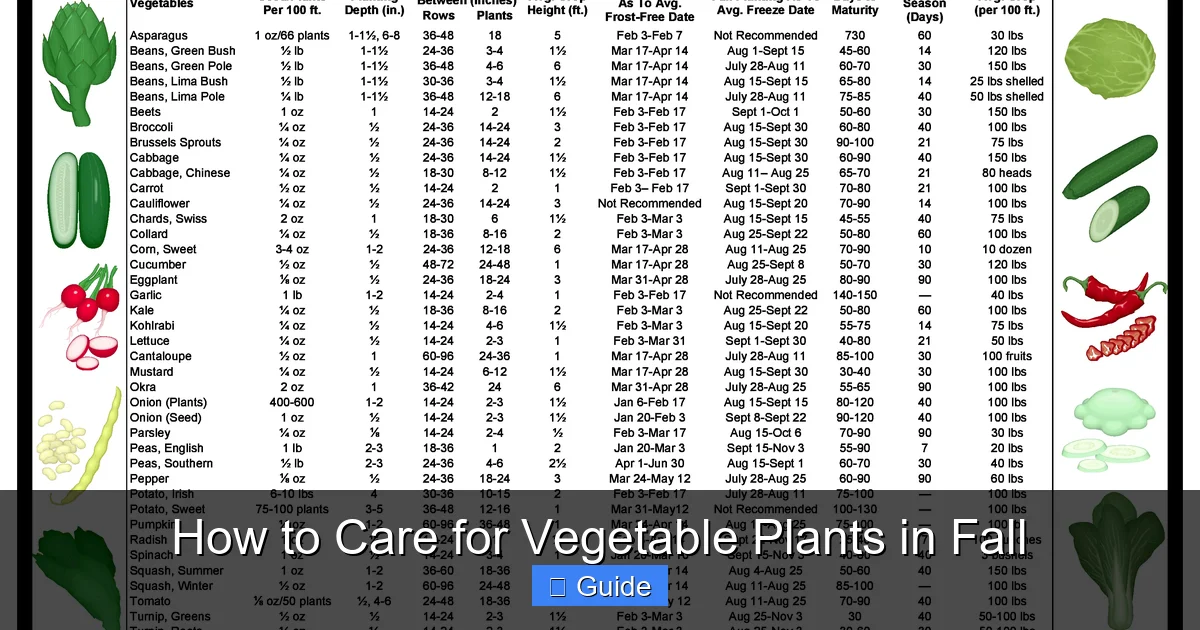
Visual guide about How to Care for Vegetable Plants in Fall
Image source: i.pinimg.com
Check Soil Moisture Before You Water
Stick your finger two inches into the soil. If it feels damp, wait another day. Overwatering in fall can lead to root rot, especially in heavy clay soils. A simple moisture meter can also help you decide.
Morning Is Best
Water early in the day so foliage dries before evening. Wet leaves at night invite fungal diseases like powdery mildew. Morning watering also reduces evaporation loss.
Mulch for Insulation and Moisture Retention
Choose the Right Mulch Material
Straw, shredded leaves, pine needles, and wood chips all work well. Avoid fresh grass clippings; they can mat down and block air. A 3‑ to 4‑inch layer is ideal for most beds.
Apply Mulch After the First Hard Freeze
Wait until the ground has cooled. Mulching too early can keep the soil warm and delay dormancy for perennials. Once the soil temperature drops below 50°F, spread the mulch evenly around plants, leaving a small gap around stems to prevent rot.
Replenish Throughout the Season
Wind and rain can thin the mulch layer. Check every few weeks and add more as needed. Consistent coverage keeps soil temperature stable and reduces weed pressure.
Protect Crops From Early Frost
Use Row Covers and Cloches
Lightweight fabric row covers trap heat while letting light and water through. Secure the edges with soil or pins. For individual plants, a simple cloche made from a cut‑off plastic bottle works wonders.
Build a Cold Frame
A cold frame is a low, transparent box that sits on the soil. It creates a mini‑greenhouse effect. You can build one from old windows and scrap wood. Vent the frame on sunny days to avoid overheating.
Know Your Frost Dates
Check your local extension service for average first‑frost dates. Plan to have covers ready a week before that date. Quick action can save a whole row of tender greens.
Harvest at Peak Flavor and Store Properly
Timing Is Everything
Root vegetables like carrots and beets can stay in the ground until the soil freezes solid. Leafy greens should be picked before a hard freeze turns them mushy. Taste a sample; if it’s sweet and crisp, it’s ready.
Handle With Care
Use a garden fork to lift roots gently. Bruised produce spoils faster. Shake off excess soil but don’t wash until you’re ready to eat or store.
Storage Tips for Long‑Lasting Veggies
Store root crops in a cool, humid place (32‑40°F, 90‑95% humidity). A basement or root cellar works well. Leafy greens keep best in perforated plastic bags in the refrigerator crisper. Check stored produce weekly and remove any that show signs of decay.
Clean Up and Prepare Soil for Next Season
Remove Diseased Plant Material
Pull out any plants with signs of blight, mildew, or insect damage. Do not compost diseased foliage; it can spread pathogens. Bag and dispose of it according to local guidelines.
Add Organic Matter Now
Spread a 2‑inch layer of well‑rotted compost or aged manure over beds. Winter rains will work it into the soil. This improves structure, adds nutrients, and feeds beneficial microbes.
Practice Crop Rotation
Map out where each vegetable family grew this year. Next spring, plant a different family in each spot. Rotation breaks pest cycles and balances soil nutrients.
Plant Cover Crops
Winter rye, clover, or hairy vetch protect soil from erosion, suppress weeds, and add nitrogen. Sow them after your final harvest. They’ll grow slowly through winter and can be turned under in early spring.
Monitor Soil Temperature and Plan Ahead
Use a Soil Thermometer
A simple probe tells you when the soil drops below 50°F. Many cool‑season crops stop growing at that point. Knowing the exact temperature helps you decide when to stop fertilizing and when to apply protective covers.
Keep a Garden Journal
Record planting dates, frost events, yields, and any problems. Over several years you’ll see patterns that guide better decisions. A notebook or a phone app works equally well.
Order Seeds Early
Popular varieties sell out fast. Place orders in late fall for spring planting. Choose disease‑resistant cultivars suited to your climate zone.
Conclusion
Caring for vegetable plants in fall is about small, timely actions that add up to a big payoff. Adjust watering, mulch generously, shield crops from frost, harvest at the right moment, and clean the beds for next year. Each step builds healthier soil and stronger plants. When spring arrives, you’ll start with a head start instead of a clean‑up job. Enjoy the crisp air, the sweet taste of frost‑kissed carrots, and the satisfaction of a garden that keeps giving.
Frequently Asked Questions
What vegetables grow best in fall?
Cool‑season crops like kale, spinach, broccoli, Brussels sprouts, carrots, beets, and radishes thrive in fall temperatures.
How do I know when to stop fertilizing?
Stop fertilizing when soil temperature drops below 50°F, usually a few weeks before the first hard freeze.
Can I use plastic sheeting as a frost cover?
Plastic can trap too much heat and cause condensation; breathable fabric row covers are safer.
Should I prune my vegetable plants in fall?
Only remove dead or diseased foliage; avoid heavy pruning which can stimulate new growth that won’t survive frost.
How deep should I mulch around root crops?
Apply 3‑4 inches of mulch, keeping it a few inches away from the plant crowns to prevent rot.
What is a cover crop and why use one?
A cover crop such as winter rye protects soil, adds organic matter, and suppresses weeds during the off‑season.