How to Adjust Humidity in Fall
Fall brings dramatic humidity shifts that affect your comfort, health, and home. This guide covers the ideal 30-50% range, signs of imbalance, and practical solutions like humidifiers, dehumidifiers, and ventilation tips for every room.
Fall arrives with crisp air, colorful leaves, and a hidden challenge that many homeowners overlook. The humidity inside your home shifts dramatically as outdoor temperatures drop and heating systems kick on. Learning how to adjust humidity in fall becomes essential for maintaining comfort, protecting your health, and preserving your home’s structure and furnishings.
Most people notice the change immediately. Your skin feels tighter. Static electricity shocks you when you touch a doorknob. Maybe you wake up with a scratchy throat or stuffy nose. These are all signs that your indoor air has become too dry. On the flip side, some homes trap moisture from cooking, showers, and breathing, creating damp conditions that encourage mold and dust mites. Both extremes cause problems.
This comprehensive guide walks you through everything you need to know about managing autumn humidity. You will learn the ideal target range, how to measure your current levels, practical tools and techniques for adjustment, and room-specific strategies. By the end, you will have a clear action plan for keeping your home’s humidity balanced all season long.
Key Takeaways
- Target 30-50% relative humidity: This range prevents mold growth, protects wood furnishings, and keeps respiratory passages comfortable during autumn temperature swings.
- Monitor with a hygrometer: Digital hygrometers cost $10-20 and give accurate readings so you know exactly when to take action.
- Use humidifiers for dry air: When indoor humidity drops below 30%, a whole-house or portable humidifier adds moisture to prevent dry skin, static, and respiratory irritation.
- Run dehumidifiers for dampness: If humidity exceeds 50%, a dehumidifier removes excess moisture that encourages mold, dust mites, and musty odors.
- Ventilate strategically: Bathroom fans, kitchen range hoods, and brief window opening sessions help balance moisture from cooking, showers, and breathing.
- Adjust room by room: Bedrooms need 40-50% for sleep quality, bathrooms need strong ventilation, and basements often require dedicated dehumidification.
- Maintain equipment regularly: Clean humidifiers weekly to prevent bacteria, empty dehumidifier tanks daily, and replace filters per manufacturer schedules.
Quick Answers to Common Questions
What is the ideal indoor humidity level for fall?
The ideal indoor humidity for fall is 30-50%, with 40-45% being optimal for most homes. Adjust lower as outdoor temperatures drop to prevent window condensation.
How do I know if my home’s humidity is too low?
Signs of low humidity include static electricity shocks, dry itchy skin, frequent nosebleeds, cracking wood furniture, gaps in hardwood floors, and wilting houseplants.
Do I need a whole-house humidifier or a portable one?
Choose a whole-house humidifier if your entire home is dry and you have forced-air heating. Choose portable units for targeted room control or homes without ductwork.
How often should I clean my humidifier?
Clean portable humidifiers weekly with vinegar and bleach solution to prevent bacteria and mold growth. Replace filters or wicks per manufacturer schedule, typically every 1-3 months.
Can high humidity in fall cause mold?
Yes, humidity above 50% encourages mold growth and dust mites. Bathrooms, basements, and poorly ventilated areas are most at risk. Use exhaust fans and dehumidifiers to control excess moisture.
📑 Table of Contents
- Why Fall Humidity Matters for Your Home and Health
- Understanding the Ideal Indoor Humidity Range for Autumn
- Signs Your Home’s Humidity Is Too High or Too Low
- How to Adjust Humidity in Fall: Step-by-Step Methods
- Room-by-Room Humidity Management Tips
- Maintaining Balanced Humidity All Season Long
- Conclusion
Why Fall Humidity Matters for Your Home and Health
The Science Behind Seasonal Humidity Changes
Air holds moisture differently at different temperatures. Warm air can hold more water vapor than cold air. When autumn arrives, outdoor temperatures drop. The cold air outside contains very little moisture. When that cold air enters your home through leaks, ventilation, and door openings, it warms up. As it warms, its capacity to hold moisture increases dramatically. But the actual amount of water vapor stays the same. This means the relative humidity, which is the percentage of moisture the air holds compared to its maximum capacity, plummets.
Your heating system makes this effect even stronger. Furnaces and heat pumps warm the air further without adding any moisture. The result? Indoor relative humidity can drop to 10-20% in heated homes during fall and winter. That is far below the 30-50% range experts recommend for health and comfort.
Health Impacts of Low Humidity
Dry air affects your body in several ways. Your respiratory tract relies on a moist mucous membrane to trap viruses, bacteria, and allergens. When that membrane dries out, it becomes less effective. This explains why colds, flu, and sinus infections spike in autumn and winter. Dry air also irritates your eyes, throat, and nasal passages. You may experience more frequent nosebleeds, coughing, and sore throats.
Skin suffers too. The outer layer of skin, called the stratum corneum, needs moisture to stay flexible and intact. Low humidity pulls water from your skin, leading to dryness, flaking, itching, and worsening of conditions like eczema and psoriasis. Your hair becomes brittle and static-prone. Even your sleep quality can decline when the air is too dry, as nasal congestion and throat irritation disrupt breathing patterns.
Health Impacts of High Humidity
While less common in fall, some homes experience excess humidity. This typically happens in well-sealed newer homes, homes with poor ventilation, or homes in damp climates. High humidity creates ideal conditions for mold spores, dust mites, and bacteria. These allergens trigger asthma attacks, allergic reactions, and respiratory infections. Mold can begin growing within 24-48 hours when humidity exceeds 60%. Dust mites thrive above 50% humidity.
Excess moisture also damages your home. Wood swells and warps. Paint peels. Window frames rot. Insulation loses effectiveness when wet. Musty odors permeate fabrics and carpets. Condensation on windows signals a problem that, left unchecked, leads to costly repairs.
Home and Belongings at Risk
Your house itself reacts to humidity swings. Hardwood floors shrink and develop gaps when too dry. They cup and buckle when too wet. Wood furniture joints loosen. Musical instruments like pianos and guitars go out of tune or crack. Books and artwork deteriorate. Wine corks dry out and shrink, ruining bottles. Even electronics can suffer from static discharge in very dry conditions.
Understanding these risks makes it clear why learning how to adjust humidity in fall is not just about comfort. It is about protecting your investment in your home and belongings, and safeguarding your family’s health.
Understanding the Ideal Indoor Humidity Range for Autumn
The Goldilocks Zone: 30-50% Relative Humidity
Experts from the EPA, ASHRAE (American Society of Heating, Refrigerating and Air-Conditioning Engineers), and the Mayo Clinic all agree on the sweet spot. Indoor relative humidity should stay between 30% and 50%. This range balances competing needs. Below 30%, you get the dry air problems described above. Above 50%, you risk mold, dust mites, and moisture damage.
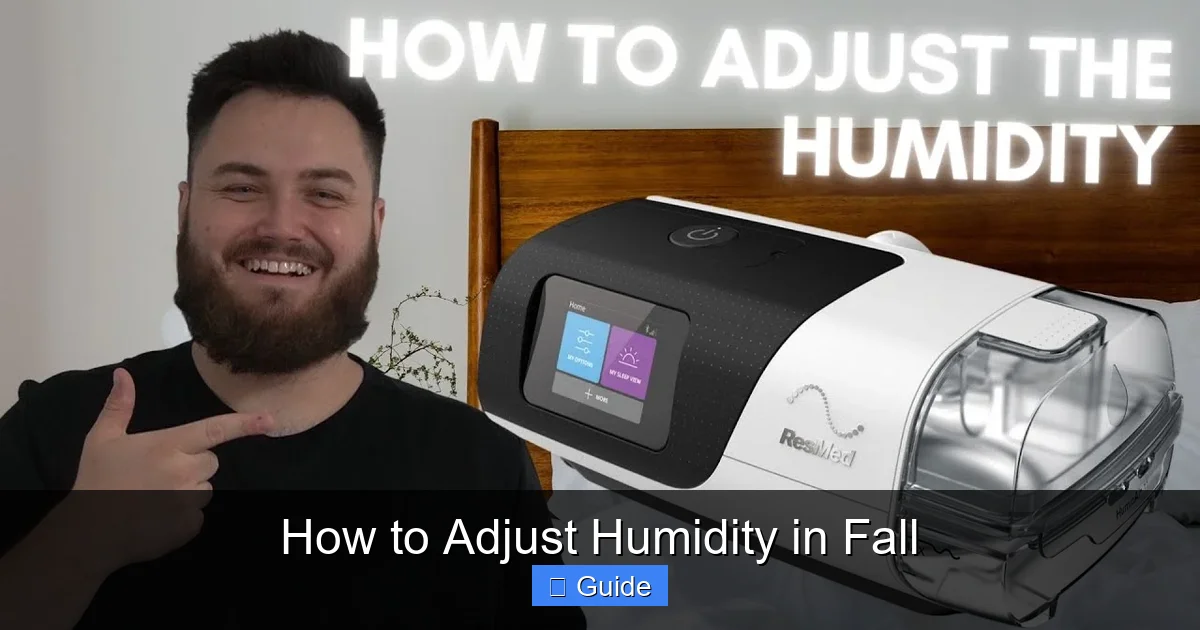
Visual guide about How to Adjust Humidity in Fall
Image source: i.ytimg.com
Within this range, many specialists suggest targeting 40-45% as ideal for most homes. This midpoint provides a buffer against daily fluctuations. It keeps respiratory passages comfortable, skin hydrated, and wood stable, while staying well clear of the mold danger zone.
Why Outdoor Temperature Affects Your Indoor Target
Here is a nuance many guides miss. The ideal indoor humidity actually shifts slightly with outdoor temperature. In very cold weather, maintaining 45% indoor humidity can cause condensation on windows. This happens because the window glass gets very cold. When warm, moist indoor air hits that cold glass, the air cools rapidly and cannot hold its moisture. Condensation forms. Over time, this damages window frames, sills, and walls.
To prevent this, follow this sliding scale based on outdoor temperature:
- Above 50°F outdoors: Target 45-50% indoor humidity
- 25-50°F outdoors: Target 40% indoor humidity
- 10-25°F outdoors: Target 35% indoor humidity
- 0-10°F outdoors: Target 30% indoor humidity
- Below 0°F outdoors: Target 25-30% indoor humidity
This adjustment prevents window condensation while keeping humidity as high as safely possible. Modern homes with high-performance windows (triple-pane, low-E coatings) can often maintain slightly higher levels without condensation.
Measuring Your Current Humidity
You cannot adjust what you do not measure. A hygrometer is the tool for this job. Digital hygrometers cost $10-30 and provide accurate readings. Place one on each floor of your home, away from direct sunlight, heating vents, bathrooms, and kitchens. These locations give false readings. Check them at the same time each day for a week to understand your baseline patterns.
Some smart thermostats include built-in humidity sensors. These are convenient but may not represent whole-house conditions. A dedicated hygrometer in your main living area and bedroom gives the most useful data for making adjustments.
Reading the Signs Without a Meter
If you do not have a hygrometer yet, your home gives clues. Signs of low humidity include: static electricity shocks, dry itchy skin, frequent nosebleeds, cracking wood furniture or floors, gaps in hardwood flooring, peeling wallpaper, and wilting houseplants. Signs of high humidity include: condensation on windows, musty odors, visible mold spots, peeling paint, warping wood, allergy flare-ups indoors, and a clammy feeling.
These signs are reliable enough to take action, but a hygrometer lets you fine-tune and verify your results.
Signs Your Home’s Humidity Is Too High or Too Low
Low Humidity Warning Signs
Fall typically brings low humidity problems. Watch for these indicators that your air is too dry:
Physical symptoms: You wake up with a dry, scratchy throat. Your nose feels irritated or bleeds occasionally. Your skin feels tight, itchy, or flaky, especially on hands, arms, and legs. Your eyes feel dry or gritty. You get static shocks touching metal objects, pets, or family members. Your hair stands on end or clings to your face.
Home symptoms: Hardwood floors develop visible gaps between boards. Wood furniture shows hairline cracks at joints. Musical instruments go out of tune frequently. Wallpaper corners peel. Caulk around windows and trim cracks. Houseplants develop brown, crispy leaf edges despite proper watering. Wall art or photographs curl at the edges.
Air quality clues: Dust seems to float longer and settle faster. The air feels “crisp” but not in a pleasant way. You may notice more airborne dust particles in sunbeams.
High Humidity Warning Signs
Less common in fall but possible in certain conditions. Look for:
Visible moisture: Condensation on windows, especially in the morning. Water droplets on toilet tanks or cold water pipes. Damp spots on walls or ceilings. Wet basement floors or walls.
Biological growth: Mold spots in bathroom corners, around windows, on ceilings, or in closets. Mildew on shower curtains or bath mats. Musty, earthy smells, especially in basements, crawl spaces, or rarely used rooms.
Material damage: Peeling paint or wallpaper. Warping or cupping wood floors. Sticking doors and drawers (wood swells). Rotting window sills or trim. Rust on metal fixtures.
Health clues: Increased allergy or asthma symptoms indoors. Worsening symptoms at night or in specific rooms. Frequent respiratory infections. Skin irritation from dust mites.
Room-by-Room Variations
Humidity is rarely uniform throughout a home. Bathrooms and kitchens generate significant moisture from showers, cooking, and dishwashing. Basements and crawl spaces often run damp due to ground moisture seepage. Bedrooms can become dry at night from breathing and heating. Attics may trap moisture from rising warm air. Understanding these microclimates helps you target your adjustments effectively.
How to Adjust Humidity in Fall: Step-by-Step Methods
Method 1: Whole-House Humidifiers for Dry Air
If your entire home runs dry every fall, a whole-house humidifier is the most effective solution. These install directly on your HVAC system and distribute moisture through your ductwork. Three main types exist:
Bypass humidifiers use your furnace’s blower to push air through a water panel. They only run when the furnace runs. They are affordable ($300-600 installed) and low-maintenance but add less moisture than other types.
Fan-powered humidifiers have their own fan to move air through the water panel. They can run independently of the furnace blower. They add more moisture ($500-800 installed) and work well for larger homes.
Steam humidifiers boil water and inject steam directly into the ductwork. They provide the most precise control and highest output ($800-1,500 installed). They work with any heating system, including heat pumps, and can run without the furnace on. They require electrical work and annual canister replacement.
All whole-house units need a humidistat (humidity-sensing thermostat) to automate operation. Set it to your target humidity and the system maintains it. Maintenance includes annual water panel or canister replacement and periodic cleaning.
Method 2: Portable Room Humidifiers
For targeted humidity control or homes without ductwork, portable humidifiers work well. Choose the right type for your needs:
Evaporative humidifiers use a fan to blow air through a wet wick filter. They self-regulate somewhat because evaporation slows as humidity rises. They are affordable ($30-100), energy-efficient, and the filter traps minerals. Replace the wick every 1-3 months.
Ultrasonic humidifiers use high-frequency vibration to create a fine mist. They are very quiet, energy-efficient, and produce cool or warm mist options. However, they can disperse white mineral dust if you use tap water. Use distilled water or a demineralization cartridge. Clean weekly to prevent bacteria.
Steam vaporizers boil water and release steam. They kill bacteria in the process but use more electricity and pose a burn risk. Good for medicinal use with inhalants. Not ideal for whole-room humidification.
Impeller humidifiers use a rotating disk to fling water at a diffuser. They are affordable and child-safe (cool mist) but can be noisy and less effective for larger spaces.
Size the unit to your room. A small unit (1-2 gallon output per day) handles bedrooms up to 300 sq ft. Medium units (2-3 gallons) cover 300-500 sq ft. Large units (4+ gallons) handle open areas up to 1,000 sq ft. Run them on a timer or with a built-in humidistat to avoid over-humidifying.
Method 3: Dehumidifiers for Excess Moisture
If your home runs damp, a dehumidifier removes moisture from the air. Refrigerant (compressor) dehumidifiers work like air conditioners. They cool air to condense moisture, then reheat it. They are most effective above 65°F. Desiccant dehumidifiers use a moisture-absorbing wheel. They work better in cooler temperatures (below 65°F) like basements in fall.
Choose capacity based on space and dampness level. A 30-pint unit handles moderately damp 1,500 sq ft. A 50-pint unit handles very damp 2,000 sq ft. A 70-pint unit handles wet 2,500 sq ft. Look for Energy Star certification, auto-restart after power outages, continuous drain option (garden hose connection), and a built-in humidistat.
Place dehumidifiers centrally in the problem area with at least 6-12 inches clearance around all sides. Empty the tank daily or use continuous drainage. Clean the filter monthly. In fall, basements, crawl spaces, and laundry rooms are the most common locations needing dehumidification.
Method 4: Natural and Low-Tech Adjustments
Before buying equipment, try these no-cost or low-cost approaches:
For dry air: Place bowls of water on or near heating registers (not electric baseboard heaters). The heat evaporates the water. Refill daily. Hang damp towels or laundry to dry indoors. Keep the bathroom door open during and after showers. Let bathwater cool in the tub before draining. Keep houseplants and water them regularly. Plants release moisture through transpiration. A large plant can add significant humidity. Cook on the stovetop more often. Simmering soups and steaming vegetables release moisture. Use a spray bottle to mist houseplants and the air occasionally.
For damp air: Run bathroom exhaust fans during and 20 minutes after showers. Use kitchen range hoods when cooking, especially boiling or steaming. Ensure dryer vents exhaust outdoors, not into the laundry room. Fix plumbing leaks promptly. Ensure gutters and downspouts direct water away from the foundation. Grade soil away from the house. Use moisture absorbers (calcium chloride products) in closets and small spaces. Open windows for 10-15 minutes on dry, mild fall days to exchange air.
Method 5: HVAC System Adjustments
Your heating system itself affects humidity. High-efficiency furnaces (90%+ AFUE) use sealed combustion and do not dry air as much as older atmospheric furnaces. Heat pumps tend to produce less drying effect than gas furnaces. If you have a variable-speed blower, running it on low continuously (circulate mode) helps distribute humidity evenly.
Check your furnace humidifier if you have one. Many homeowners forget to turn it on for the season. Clean the water panel. Verify the humidistat works. Ensure the water supply valve is open. Check the drain line for clogs.
Consider upgrading your thermostat to one with humidity control. Smart thermostats like Ecobee, Nest, or Honeywell Home can control whole-house humidifiers and dehumidifiers, display current humidity, and alert you when levels drift.
Method 6: Air Sealing and Insulation
This is the long-term solution. Cold, dry air enters through leaks. Warm, moist air escapes. Sealing leaks reduces the infiltration of dry outdoor air and helps maintain stable indoor humidity. Common leak sites include: attic hatches, recessed lighting, plumbing and wiring penetrations, chimney chases, basement rim joists, window and door frames, and electrical outlets on exterior walls.
Use caulk for small gaps, expanding foam for larger ones, and weatherstripping for movable joints. Add insulation where missing or inadequate. An energy audit with a blower door test identifies exact leak locations. Many utilities offer subsidized audits. Air sealing also saves heating costs and improves comfort.
Room-by-Room Humidity Management Tips
Bedrooms: Prioritize Sleep Quality
Bedrooms need 40-50% humidity for optimal sleep. Dry air causes nasal congestion, snoring, and throat irritation that fragment sleep. Place a hygrometer on your nightstand. If humidity drops below 40%, run a portable humidifier. Choose an ultrasonic model for quiet operation. Aim the mist away from bedding and walls. Clean it weekly. If you use CPAP, many machines have heated humidifier chambers. Adjust the setting for fall conditions.
Keep bedroom doors closed at night to contain humidity. But ensure some air circulation. A small gap under the door or a cracked window (if outdoor humidity permits) prevents CO2 buildup.
Bathrooms: Control Moisture at the Source
Bathrooms generate the most moisture in the shortest time. A 10-minute shower adds about 1/2 pint of water to the air. Run the exhaust fan during every shower and bath. Let it run 20 minutes after. If you lack a fan, crack a window. Wipe down wet surfaces after use. Squeegee shower walls. Hang towels spread out, not bunched, to dry faster. Fix leaky faucets and running toilets promptly.
If mold appears, clean with a 1:10 bleach solution or commercial mold remover. Replace caulk that shows black spots. Consider a small dehumidifier for bathrooms without ventilation.
Kitchens: Vent Cooking Moisture
Cooking releases significant moisture. Boiling pasta, steaming vegetables, and running the dishwasher all add humidity. Use your range hood every time you cook. Ensure it vents outdoors, not just recirculates. If you lack a hood, open a window. Cover pots when boiling. Run the dishwasher at night when you can ventilate afterward. Wipe condensation from windows promptly.
Basements and Crawl Spaces: The Damp Danger Zones
Basements often run 5-15% higher humidity than upstairs due to cool temperatures and ground moisture. Target 40-50% here too, but it requires active management. Run a dehumidifier continuously in fall. Choose a unit with continuous drainage to a floor drain or sump pump. Set the humidistat to 45%. Empty and clean per manufacturer instructions.
Check for foundation leaks. Seal cracks with hydraulic cement. Ensure gutters work. Grade soil away. Insulate cold water pipes to prevent condensation. Use a vapor barrier (6-mil polyethylene) on crawl space floors. Consider a crawl space dehumidifier if encapsulation is not feasible.
Living Areas: Balance Comfort and Protection
Main living areas house your most valuable wood furnishings, flooring, and electronics. Keep humidity stable at 40-45%. Use a whole-house humidifier or large portable unit. Monitor with a hygrometer on an interior wall. Keep plants here for natural humidification. Avoid placing humidifiers directly on wood furniture or near electronics.
Home Offices: Protect Equipment and Comfort
Electronics prefer 40-50% humidity. Too dry increases static discharge risk. Too damp risks corrosion. If you have valuable instruments, artwork, or books, this room needs precise control. A dedicated portable humidifier or dehumidifier with a built-in humidistat works well.
Laundry Rooms: Vent Properly
Dryers must vent outdoors. Check the vent hose for kinks, crushing, or lint buildup. Clean the vent annually. If your dryer vents indoors (some older setups), reroute it immediately. This dumps gallons of moisture into your home. Run a dehumidifier if the room stays damp.
Maintaining Balanced Humidity All Season Long
Daily Habits for Humidity Control
Small daily actions make a big difference. Check hygrometers each morning. Adjust equipment as needed. Run bathroom fans. Use kitchen ventilation. Wipe window condensation. Empty dehumidifier tanks. Refill humidifier reservoirs. These take minutes but prevent major issues.
Track outdoor temperatures. Adjust your target humidity down as fall progresses into winter. A smart thermostat or humidistat can automate this, but manual checks keep you aware.
Weekly Maintenance Routines
Once a week, clean portable humidifiers. Empty the tank, rinse with white vinegar to remove mineral buildup, disinfect with a 10% bleach solution (rinse thoroughly), and refill with distilled water. Replace wicks or filters per schedule. Clean dehumidifier filters. Vacuum the coils if accessible. Check whole-house humidifier water panels. Inspect bathroom and kitchen fans for dust buildup.
Seasonal Transitions
Fall to winter transition requires attention. As temperatures drop below freezing regularly, lower your humidistat settings per the sliding scale. Watch windows for condensation. If you see it, lower humidity immediately. Winter to spring transition means gradually raising targets as outdoor temperatures rise. Turn off and clean whole-house humidifiers in spring. Store portable units dry.
Troubleshooting Common Problems
Humidifier not raising humidity: Check if the unit is sized correctly for the space. Verify the humidistat works. Clean mineral buildup. Ensure the fan runs. Check for excessive air leakage in the room.
Dehumidifier not lowering humidity: Check the filter. Clean coils. Verify the room temperature is above 65°F (for refrigerant models). Ensure the unit is sized correctly. Check for open windows or doors. Look for active water leaks.
Condensation on windows despite proper humidity: Your windows may have poor insulation. Use insulating window film kits. Add storm windows. Upgrade to double or triple pane. In the meantime, lower humidity slightly and increase air circulation near windows.
Mold despite dehumidifier: You may have a hidden moisture source. Check behind walls, under floors, in crawl spaces. Fix the source. Clean the mold. Then the dehumidifier can maintain control.
When to Call a Professional
Some situations need expert help. Whole-house humidifier installation requires HVAC and plumbing work. Persistent mold over 10 sq ft needs professional remediation. Structural moisture problems (foundation leaks, roof leaks) need contractors. If family members have severe respiratory symptoms linked to humidity, consult an indoor air quality specialist. They can test for mold spores, VOCs, and particulate matter.
Budget-Friendly Approaches
You do not need to spend thousands. Start with a $15 hygrometer. Try natural methods first. A $40 portable humidifier handles a bedroom. A $150 dehumidifier handles a damp basement. Weatherstripping and caulk cost $50-100 for a whole house. Prioritize bedrooms and problem areas. Upgrade to whole-house systems later if needed.
Many utilities offer rebates on Energy Star dehumidifiers and smart thermostats. Check your utility website. Some states have weatherization assistance programs for income-qualified households.
Conclusion
Learning how to adjust humidity in fall transforms your home from a place that works against you into one that supports your comfort and health. The key principles are simple: measure, target 30-50% (adjusting for outdoor temperature), use the right tools for your situation, and maintain them consistently.
Start this week. Buy a hygrometer. Place it in your bedroom and main living area. Check it each morning for seven days. Note the patterns. Then choose one adjustment method from this guide and implement it. Monitor the results. Add another method if needed. Within a few weeks, you will have a system that runs smoothly all season.
Your skin will stop itching. Your nose will stop bleeding. Your wood floors will stay tight. Your sleep will improve. Your heating bills may even drop because properly humidified air feels warmer at lower thermostat settings. The effort pays off in comfort, health, and home preservation.
Fall is beautiful outside. With balanced humidity, it can be just as comfortable inside. Take control of your indoor air this autumn. Your future self will thank you.
Frequently Asked Questions
What humidity level should I set my humidifier to in the fall?
Set your humidifier to maintain 40-45% relative humidity for most fall conditions. When outdoor temperatures drop below freezing, lower the setting to 30-35% to prevent window condensation and potential water damage.
Is it bad to sleep with a humidifier on all night?
Sleeping with a humidifier on all night is safe and beneficial if humidity stays below 50%. Use a model with a built-in humidistat that auto-shuts off at your target level. Clean it weekly to prevent bacteria dispersal.
Why does my house get so dry when the heat turns on?
Heating systems warm cold outdoor air without adding moisture. Cold air holds very little water vapor. When warmed, its relative humidity drops dramatically, often to 10-20%, creating very dry indoor conditions.
Can I use tap water in my humidifier?
Distilled or demineralized water is best for ultrasonic humidifiers to prevent white mineral dust. Evaporative humidifiers with wick filters can use tap water since the filter traps minerals. Steam humidifiers can use tap water but need more frequent cleaning.
How do I lower humidity in my basement in the fall?
Run a dehumidifier set to 45% with continuous drainage. Seal foundation cracks. Ensure gutters direct water away from the house. Insulate cold pipes. Install a vapor barrier on crawl space floors. Improve grading around the foundation.
Does opening windows help with humidity in fall?
Opening windows helps only when outdoor humidity is lower than indoor humidity (for damp homes) or higher (for dry homes). Check outdoor humidity first. In fall, outdoor air is often dry, so opening windows usually lowers indoor humidity further.