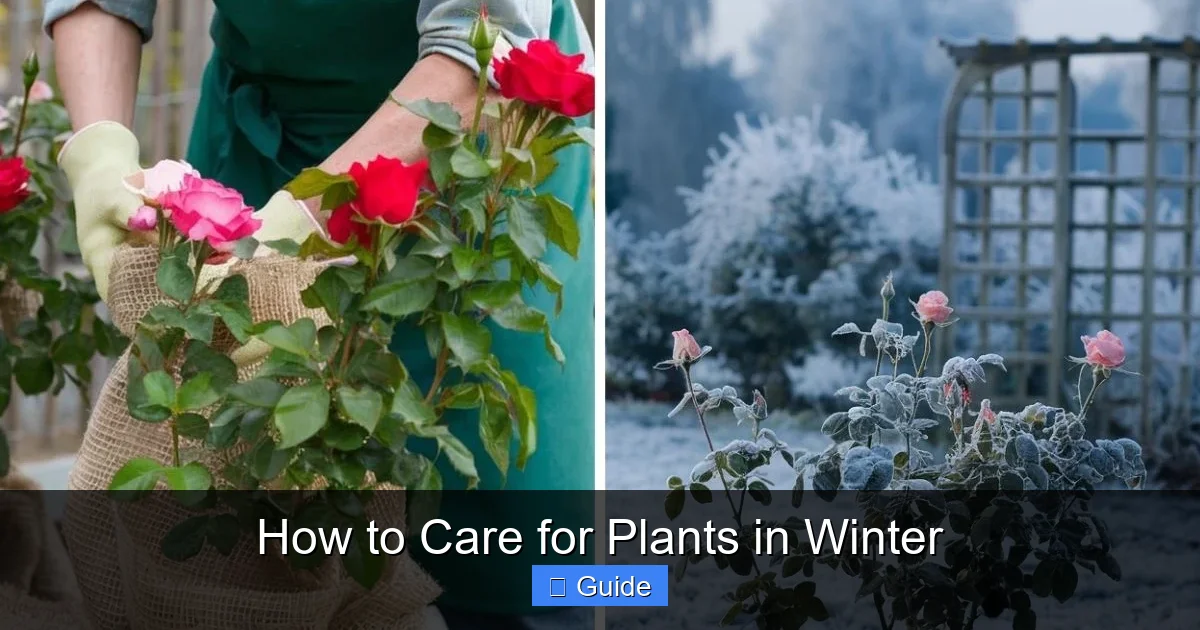
How to Care for Plants in Winter
Winter can be tough on plants, but a few simple steps keep them thriving. Adjust watering, give bright light, and protect roots from freezing temperatures.
Key Takeaways
- Water less often: Cold soil holds moisture longer, so cut back on watering.
- Give bright light: Shorter days mean you need supplemental light for many plants.
- Keep temperature steady: Avoid drafts and sudden temperature drops.
- Insulate pots: Wrap containers or move them to a sheltered spot.
- Check for pests: Warm indoor air can invite bugs; inspect regularly.
- Prune dead growth: Remove brown leaves to help the plant focus energy.
Quick Answers to Common Questions
How often should I water my indoor plants in winter?
Water only when the top inch of soil feels dry, usually every two to three weeks.
Do I need a grow light for succulents in winter?
Yes, succulents benefit from 12 to 14 hours of supplemental light when daylight is short.
What temperature is safe for tropical houseplants?
Keep tropical plants between 65 and 75 degrees Fahrenheit for best health.
Can I fertilize my plants during the cold months?
Stop regular feeding in late fall; resume a weak feed in early spring if needed.
How do I protect outdoor pots from freezing?
Wrap pots with burlap or bubble wrap, add mulch on top, and move them against a south‑facing wall.
📑 Table of Contents
Understanding Winter Plant Needs
Winter changes everything for plants. Light drops. Temperatures fall. Growth slows. You need to know how to care for plants in winter. This guide shows you the basics.
Why Plants Slow Down
Cold air tells plants to rest. Metabolism slows. Leaves may drop. Roots need less water. Knowing this helps you adjust care. Remember how to care for plants in winter when you see slow growth.
Plants store energy in roots during cold months. They stop making new leaves. This natural pause protects them from frost. You can support the pause by reducing inputs. Simple steps keep the plant healthy.
Watch for signs like yellowing or wilting. Those signs often mean water or light issues. Early action stops bigger problems. This awareness is part of how to care for plants in winter.
Indoor vs Outdoor
Indoor plants face dry air. Outdoor plants face frost. Both need special attention. Learn how to care for plants in winter for each setting. Small changes make a big difference.
Indoor heating strips moisture from the air. Use a humidifier or a pebble tray. Group plants to raise humidity. These tricks help indoor greens thrive.
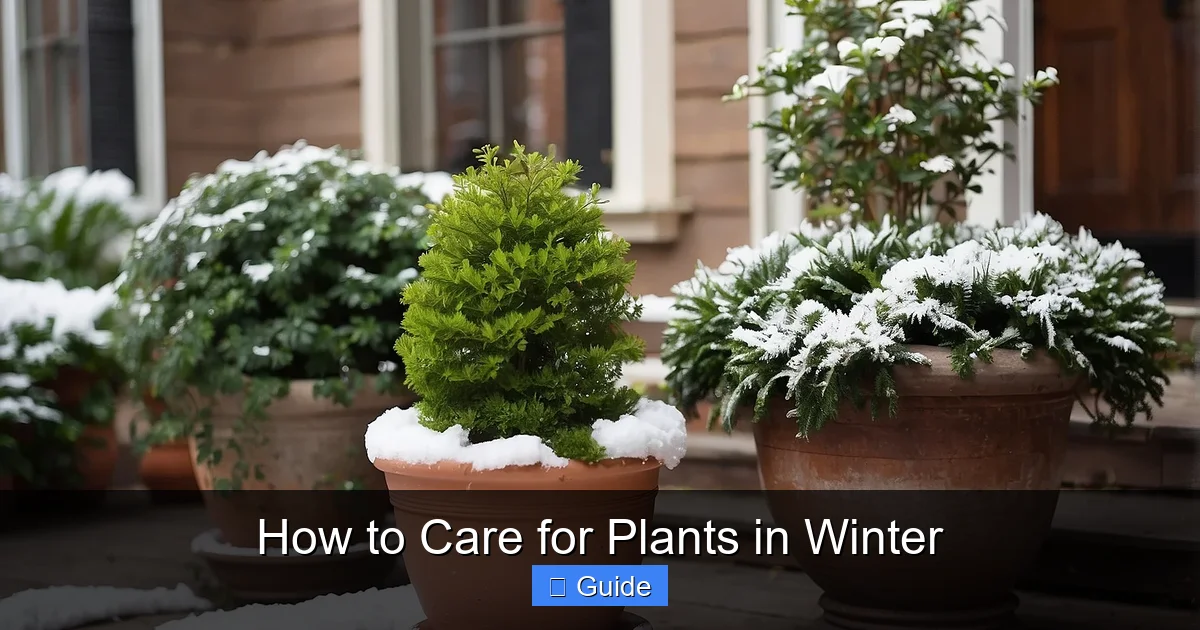
Outdoor containers need insulation. Wrap pots with burlap or bubble wrap. Move them against a south wall. This shields roots from freezing wind.
Signs of Stress
Yellow leaves can mean too much water. Brown tips can mean dry air. Leggy stems can mean low light. Watch for these clues. They tell you how to care for plants in winter better.
Check soil moisture before you water. Feel the top inch. If it feels damp wait a day. This prevents root rot. Consistent checking builds confidence.
Look at leaf edges. Crisp edges often signal low humidity. Mist lightly or add a water tray. Small fixes keep leaves green.
Watering Wisely in Cold Months
Water is the most common mistake in winter. Soil stays wet longer. Roots can rot. You must change your routine. Follow how to care for plants in winter watering tips.
Visual guide about How to Care for Plants in Winter
Image source: gardeningslash.com
Check Soil Moisture
Stick a finger one inch deep. Feel if it is dry. Water only when dry. This simple test saves roots. It is a core part of how to care for plants in winter.
Use a moisture meter for extra certainty. The probe reads wet or dry instantly. It removes guesswork. Many gardeners find it handy.
Record the date you water. A simple log helps you see patterns. Over time you learn each plant’s rhythm.
Reduce Frequency
Cut watering to half of summer schedule. Many plants need water every two weeks. Some need even less. Adjust to each plant. This follows how to care for plants in winter guidelines.
Succulents and cacti may go a month without water. Tropical foliage may need a sip every ten days. Know your species.
Set a reminder on your phone. Consistency prevents accidental overwatering. A calendar alert works well.
Use Room Temperature Water
Cold water shocks roots. Let water sit until it feels warm. Warm water absorbs better. It helps the plant stay healthy. This tip is part of how to care for plants in winter.
Fill a watering can the night before. Morning water will be at room temperature. This habit saves time.
Avoid using softened water. Sodium can build up in soil. Use filtered or rain water when possible.
Avoid Overwatering
Do not let pots sit in saucers full of water. Empty excess after each watering. Good drainage stops rot. This rule is key in how to care for plants in winter.
Choose pots with drainage holes. Add a layer of gravel at the bottom. This improves flow.
If soil stays soggy, repot into a lighter mix. Peat, perlite, and bark create air pockets.
Light Strategies for Shorter Days
Days get short. Light intensity drops. Many plants stretch for light. You must boost light. Use how to care for plants in winter light ideas.
Maximize Natural Light
Move plants to south facing windows. Clean glass often. Remove curtains that block sun. More light means stronger growth. This is a simple how to care for plants in winter step.
Rotate the pot each week so all sides get sun. Even light prevents leaning. A quarter turn works well.
Use sheer curtains if direct sun is too harsh. They diffuse light while keeping brightness.
Add Grow Lights
LED grow lights work well. Place them 12 inches above foliage. Run lights 12 to 14 hours a day. Timer makes it easy. This mimics summer day length. It follows how to care for plants in winter advice.
Choose full spectrum bulbs. They provide red and blue wavelengths. Plants use both for photosynthesis.
Keep lights at a safe distance. Too close can scorch leaves. Adjust height as plants grow.
Rotate Plants Weekly
Turn each pot a quarter turn each week. Even light reaches all sides. Prevents leaning. This habit supports how to care for plants in winter.
Mark the pot with a small sticker. It reminds you which side faced the window last.
Combine rotation with watering day. Two tasks in one visit save time.
Clean Leaves Regularly
Dust blocks light. Wipe leaves with a damp cloth. Clean leaves absorb more energy. Do this every two weeks. It is a small part of how to care for plants in winter.
Use a soft brush for fuzzy leaves. Gentle strokes remove dust without damage.
Spray a light mist before wiping. Moisture helps lift stubborn grime.
Temperature Control and Insulation
Cold drafts and hot vents stress plants. Stable temperature keeps them calm. Apply how to care for plants in winter temperature tips.
Keep Away From Drafts
Do not place pots near doors or windows that leak air. Move them a few feet inside. Consistent air prevents shock. This is basic how to care for plants in winter practice.
Seal gaps with weather stripping. It stops cold air from sneaking in. A tight room holds heat better.
Use a room thermometer. Aim for 65 to 75 degrees Fahrenheit. Adjust heating as needed.
Use Heat Mats for Tropical Types
Heat mats give gentle bottom warmth. Set thermostat to 70°F. Only use for plants that love heat. This matches how to care for plants in winter needs.
Place the mat under the pot, not on top. Roots get warmth without overheating leaves.
Turn the mat off at night if the room stays warm. Saves electricity.
Group Plants Together
Cluster pots to create a microclimate. Shared humidity and warmth help each other. Space them a little for air flow. This trick is part of how to care for plants in winter.
Place a tray of water nearby. Evaporation raises humidity for the group.
Rotate the group weekly so each plant gets equal light.
Mulch Outdoor Containers
Add straw or bark on top of soil. Mulch insulates roots from freeze. Remove mulch in spring. This outdoor step follows how to care for plants in winter.
Wrap the pot with burlap for extra protection. Secure with twine.
Elevate pots on bricks. It stops cold ground from chilling the root ball.
Soil Fertilizer and Repotting Tips
Soil needs change in winter. Fertilizer can burn dormant roots. Repotting should wait unless urgent. Follow how to care for plants in winter soil rules.
Use Well Draining Mix
Mix peat, perlite, and compost. Good drainage stops waterlogging. Check that water runs out fast. This soil choice supports how to care for plants in winter.
Test drainage by watering a new pot. Water should exit within seconds. Slow drainage means add more perlite.
Store extra mix in a sealed bag. It stays fresh for the next season.
Hold Off Fertilizer
Stop feeding in late fall. Resume in early spring. Excess nutrients cause weak growth. This pause is a key how to care for plants in winter rule.
If you must feed, use a half strength liquid fertilizer. Apply once a month at most.
Observe leaf color. Pale leaves may signal a need for a light feed.
Repot Only If Needed
Roots crowded? Pot bound? Then repot in early spring. Winter repotting stresses plants. Wait for active growth. This timing follows how to care for plants in winter.
Choose a pot one size larger. Too big holds excess moisture.
Gently loosen the root ball. Trim any circling roots.
Refresh Top Soil
Remove top inch of old soil. Add fresh compost. Improves nutrients without full repot. Do this in late winter. It is a gentle how to care for plants in winter step.
Water lightly after top dressing. It settles the new layer.
Repeat each year for best results.
Common Problems and Quick Fixes
Even with good care issues appear. Spot them early. Fix fast. Use how to care for plants in winter troubleshooting guide.
Yellow Leaves
Yellow often means too much water. Check soil. Cut back watering. Ensure drainage. This fix aligns with how to care for plants in winter.
Remove any fully yellow leaves. They will not recover. Pruning helps the plant focus energy.
Check for nutrient deficiency. A light feed may help if soil is depleted.
Brown Leaf Tips
Dry air causes brown tips. Mist plants or use humidifier. Group plants for humidity. This remedy is part of how to care for plants in winter.
Trim the brown tips with clean scissors. Cut just above the healthy tissue.
Increase humidity by placing a water tray near the plant.
Leggy Growth
Stretched stems mean low light. Add grow light or move closer to window. Prune leggy parts. This correction follows how to care for plants in winter.
Pinch back the top growth. It encourages bushier shape.
Rotate the plant daily for even light exposure.
Pest Outbreaks
Spider mites love warm dry homes. Spray neem oil weekly. Wipe leaves. Isolate infected plants. This control matches how to care for plants in winter.
Check undersides of leaves. Tiny webs indicate mites.
Use insecticidal soap for soft bodied pests. Follow label directions.
Root Rot
Soft black roots mean rot. Remove plant. Trim bad roots. Repot in fresh dry mix. Water sparingly after. This rescue uses how to care for plants in winter steps.
Let the root ball air dry for an hour before repotting. It reduces moisture.
Apply a fungicide drench if rot is severe. Follow product instructions.
Winter care is about small steady actions. Water less. Light more. Keep temperature even. Insulate pots. Watch for pests. Prune dead parts. Follow how to care for plants in winter each day. Your plants will thank you with fresh growth in spring.
Frequently Asked Questions
Why do my plant leaves turn yellow in winter?
Yellow leaves usually mean the soil stays too wet. Cut back watering and improve drainage to stop the problem.
Is misting enough to raise humidity for my plants?
Misting helps a little, but a humidifier or a pebble tray with water provides more consistent moisture.
When should I repot a plant that looks root bound?
Wait until early spring when growth restarts; winter repotting adds stress to dormant roots.
What type of mulch works best for outdoor containers?
Straw, shredded bark, or pine needles insulate well and break down slowly without compacting.
How can I tell if my plant has root rot?
Soft, black, or mushy roots and a foul smell are clear signs; the plant may also wilt despite wet soil.
Do all houseplants need a winter rest period?
Most temperate plants benefit from reduced water and light, but tropical varieties often keep growing year‑round with proper care.