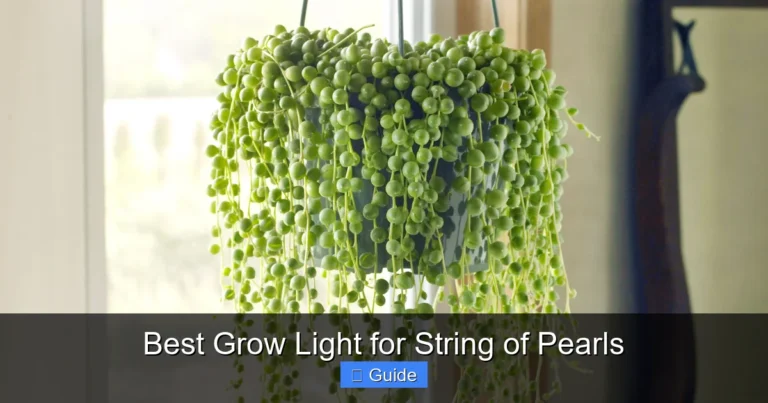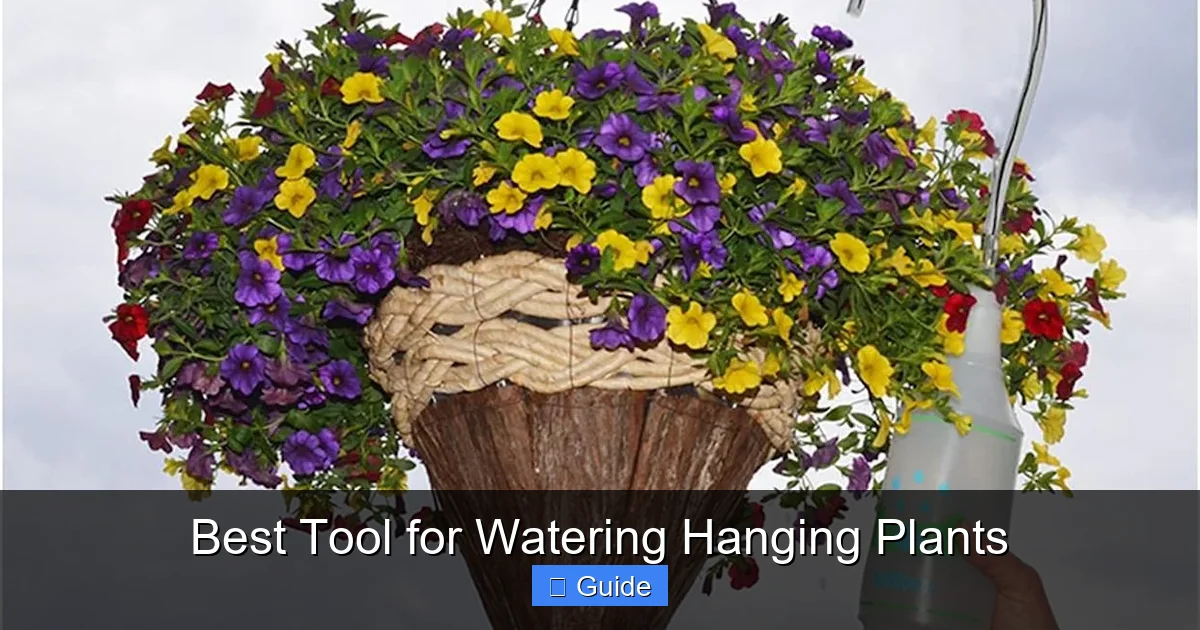
Best Tool for Watering Hanging Plants
Finding the best tool for watering hanging plants transforms a frustrating chore into a simple task. From long-reach wands to self-watering systems, the right equipment prevents spills, saves your back, and ensures every plant gets the moisture it needs.
Key Takeaways
- Long-reach wands are the most versatile option for most indoor and outdoor hanging plants
- Self-watering spikes work best for vacation care and consistent moisture delivery
- Watering cans with narrow spouts offer precision control for delicate plants
- Pump sprayers excel at reaching high ceilings and multiple plants quickly
- Consider plant weight when choosing tools – heavier pots need sturdier hanging hardware
- Water temperature matters – room temperature water prevents root shock
- Regular tool maintenance prevents clogs and extends equipment life
Quick Answers to Common Questions
What is the best tool for watering hanging plants indoors?
A telescoping watering wand with a sink adapter is the best indoor option because it reaches high plants without a step stool and controls flow precisely.
How do I water hanging plants while on vacation?
Self-watering terracotta spikes connected to a reservoir provide reliable moisture for weeks without electricity or timers.
Can I use a regular watering can for hanging plants?
Regular cans work but narrow-spout cans with long reach are much better because they prevent spills and target soil not foliage.
How often should I water hanging plants?
Water when the top two inches of soil feel dry, which typically means every 3-7 days depending on plant type, pot size, and environment.
What causes brown tips on hanging plants?
Brown tips usually indicate inconsistent watering, low humidity, or mineral buildup from tap water – use filtered water and water thoroughly.
📑 Table of Contents
Why Hanging Plants Need Special Watering Tools
Hanging plants add life to vertical spaces. They bring greenery to eye level. They soften harsh corners. But they also create a unique challenge. Watering them can feel like a workout. You stretch. You strain. You spill water on floors. You drip on furniture. The right tool changes everything.
Standard watering cans fall short. Their spouts are too wide. Their reach is too short. You end up on a step stool. You risk dropping heavy cans. Wet soil adds weight. A gallon of water weighs over eight pounds. Add a ceramic pot. Your arms tire fast. Spills become inevitable. Frustration builds. Plants suffer from inconsistent care.
The best tool for watering hanging plants solves these problems. It extends your reach. It controls flow. It prevents mess. It protects your back. It makes plant care enjoyable again. Let us explore every option. You will find the perfect match for your space.
Types of Watering Tools for Hanging Plants
Long-Reach Watering Wands
Watering wands dominate the market. They attach to garden hoses. They extend two to four feet. Some telescope longer. The nozzle offers multiple spray patterns. Shower. Mist. Jet. Flat. You choose what each plant needs. Ferns love gentle mist. Succulents prefer targeted streams.
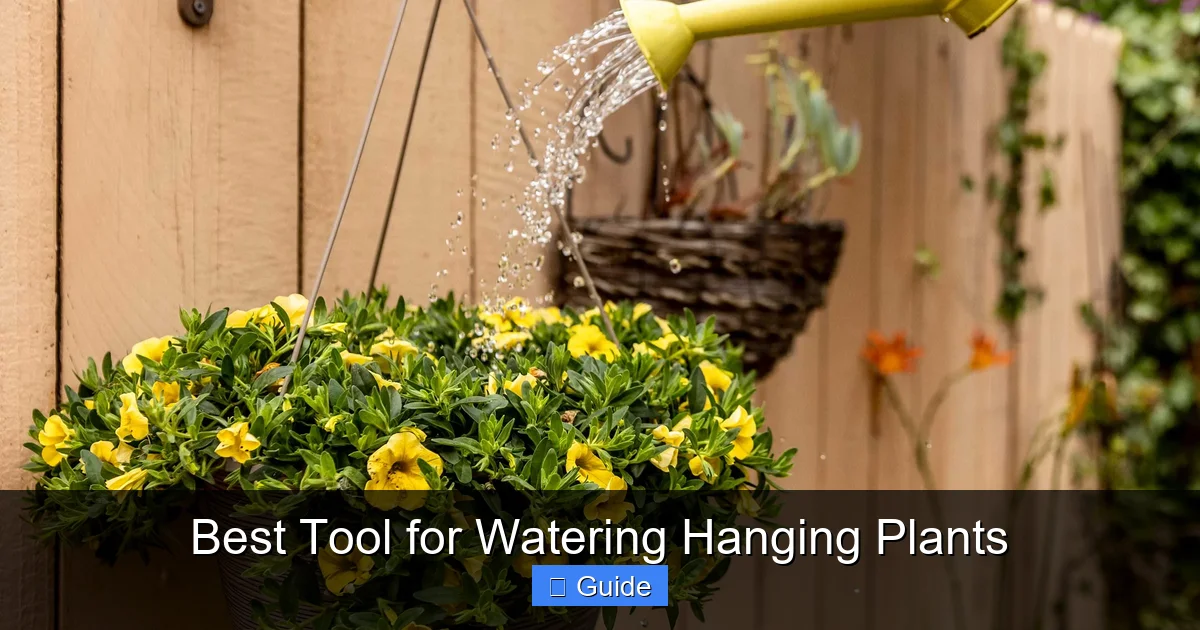
Visual guide about Best Tool for Watering Hanging Plants
Image source: cdn.mos.cms.futurecdn.net
Indoor models connect to sink adapters. They coil for storage. They weigh very little. Aluminum shafts resist rust. Ergonomic grips reduce hand fatigue. Thumb controls adjust flow without bending. You stand on the floor. You reach high ceilings easily. No step stool needed.
Look for shut-off valves at the handle. They stop flow instantly. No drips when moving between plants. Metal couplings last longer than plastic. Quick-connect fittings speed setup. A good wand lasts years. It handles dozens of plants in minutes.
Narrow-Spout Watering Cans
Traditional cans still have a place. Long narrow spouts reach into dense foliage. They deliver water to soil, not leaves. This prevents fungal issues. One-gallon capacity balances weight and refills. Two-gallon cans reduce trips but strain arms.
Plastic cans weigh less than metal. They resist dents. They show water level. Look for balanced handles. Two-hand designs distribute weight. Rose attachments diffuse flow for seedlings. Removable roses offer versatility. Brass roses resist mineral buildup.
Offset spouts improve reach. They angle downward naturally. You pour without wrist strain. Wide openings accept hose fills. Dust caps keep debris out. UV-resistant plastic prevents cracking. A quality can serves for decades.
Self-Watering Spikes and Globes
Spikes offer hands-free care. Terracotta spikes wick water slowly. Glass globes add decorative flair. Both insert into soil. They release moisture as soil dries. Roots pull what they need. No overflow. No drought. Perfect for consistent moisture lovers.
Wine bottle adapters recycle bottles. They fit standard necks. They cost very little. They work for weeks. Ideal for vacations. Group plants with similar needs. Test before leaving. Adjust bottle size to duration. Mark fill levels for refills.
Electronic drip systems automate completely. Timers control frequency. Tubing reaches multiple pots. Emitters adjust per plant. Battery or solar powered. Smartphone apps monitor status. Expensive but thorough. Best for large collections.
Pump Sprayers and Pressure Sprayers
Pump sprayers pressurize water. One-gallon tanks common. Two-gallon for big jobs. Pump handle builds pressure. Wand extends reach. Trigger controls flow. Continuous spray locks on. Shoulder straps free hands. Great for twenty plus plants.
Battery sprayers eliminate pumping. Rechargeable lithium cells. Hours of runtime. Consistent pressure. Adjustable nozzles. Lightweight design. Quiet operation. Indoor friendly. Higher cost but saves effort. Professional landscapers use these.
Backpack sprayers carry four gallons. Padded straps distribute weight. Long wands reach high. Multiple nozzle tips included. Pressure gauges monitor output. Best for commercial use. Overkill for most homes. But serious collectors love them.
Squeeze Bottles and Syringes
Small tools handle precision jobs. Condiment bottles work surprisingly well. Narrow tips target root zones. Measure exact amounts. Great for succulents. Prevents overwatering. Dishwasher safe. Very cheap. Keep several sizes handy.
Large syringes (sixty milliliter) dose medicine and water. Reach tight spaces. Control every drop. Clear barrels show volume. Great for terrariums. Essential for propagation. Sterilize between uses. Replace rubber seals periodically.
Watering Mats and Capillary Systems
Capillary mats sit under pots. They wick water upward. Pots need drainage holes. Reservoir feeds mat. Float valves maintain level. Plants drink as needed. Zero effort daily. Refill weekly. Excellent for seed starting too.
Wick systems use cotton rope. One end in water. Other end in soil. Gravity and capillary action move water. Multiple pots share one reservoir. Hide reservoir behind furniture. Check weekly. Clean monthly. Prevents algae growth.
Top Features to Look For
Reach and Extension
Measure your highest plant. Add two feet. That is your minimum reach. Telescoping wands adjust. Fixed wands stay rigid. Consider ceiling height. Consider furniture obstacles. You need clearance to maneuver. Test reach before buying.
Indoor ceilings average eight feet. Hanging plants sit six feet up. You stand five feet tall. Your arm adds two feet. You need three feet of tool. Four feet gives comfort margin. Outdoor hooks go higher. Ten foot poles exist. But they get heavy.
Flow Control Precision
Plants hate floods. They hate drought. You need variable control. Thumb levers work best. Trigger grips tire fingers. Twist valves require two hands. Look for instant shutoff. No drips after release. Test in store if possible.
Multiple spray patterns add value. Shower for foliage. Stream for soil. Mist for humidity. Jet for cleaning. Flat for wide coverage. Quick-change heads save time. Metal heads outlast plastic. Rubberized grips prevent slipping.
Weight and Ergonomics
Heavy tools cause fatigue. Aluminum beats steel. Carbon fiber beats aluminum. But costs more. Balance matters more than weight. Center of gravity near handle. Padded grips absorb vibration. Angled handles reduce wrist bend.
Two-hand designs distribute load. Shoulder straps help large sprayers. Wheeled bases for huge tanks. Consider your strength. Consider session length. Twenty plants take fifteen minutes. Thirty plants take thirty. Comfort compounds over time.
Durability and Materials
Brass fittings resist corrosion. Stainless steel springs last forever. Viton seals handle chemicals. UV-stabilized plastic resists sun. Reinforced hoses resist kinks. Quick-connects should click solidly. Warranties indicate confidence.
Read reviews for real durability. Marketing promises fade. User photos show truth. Look for three-year patterns. Avoid first-year models. Let others beta test. Established brands honor warranties. Local dealers simplify claims.
Storage and Portability
Coiled hoses store compact. Telescoping wands collapse. Detachable heads nest. Wall mounts keep tools ready. Caddies organize accessories. Rolling carts move heavy sprayers. Funnel fills prevent spills. Hooks hold cans upright.
Indoor storage needs differ. Slim profiles fit closets. Decorative cans display openly. Clear bins show contents. Labels prevent confusion. Seasonal rotation protects gear. Winterize outdoor tools. Drain completely. Store above freezing.
Our Top Picks for Different Situations
Best Overall: Telescoping Watering Wand
The Dramm One Touch Rain Wand leads the pack. Sixteen inches collapses to forty-eight extends. Seven spray patterns. Thumb valve. Lifetime guarantee. Aluminum shaft. Ergonomic foam grip. Weighs one pound. Connects to hose or sink adapter.
Users love the gentle rain pattern. It mimics nature. Seedlings survive. Blooms stay intact. Soil stays put. The shutoff valve stops instantly. No drips on hardwood floors. The length reaches second-story porches. Collapses for closet storage.
Sink adapter included. Fits standard aerators. Quick-connect switches in seconds. No tools needed. Perfect for apartment dwellers. No outdoor spigot required. Fifty-foot coil hose reaches any room. Drains automatically when disconnected.
Best for Precision: Long-Spout Watering Can
The Haws Heritage Watering Can defines quality. One-gallon brass-faced. Two-hand balance. Removable brass rose. Powder-coated steel. Handcrafted in England since 1886. Lifetime warranty. Beautiful enough to display.
The spout reaches eighteen inches. Narrow tip threads through foliage. Water hits soil only. The rose gives gentle shower. Perfect for ferns. The balance feels effortless. Full can weighs nine pounds. But weight centers in palms.
Wide neck accepts hose. Dust cap included. Touch-up paint available. Replacement parts stocked. This can becomes an heirloom. Professional gardeners swear by them. The price reflects craftsmanship. Worth every penny for serious growers.
Best for Vacation: Self-Watering Spikes
Blumat Classic Plant Watering Stakes automate care. Terracotta cones sense moisture. Tubing connects to reservoir. No electricity. No timers. Pure physics. Each stake serves one plant. Adjust sensitivity per species.
Setup takes minutes. Soak cones first. Fill reservoir. Insert stakes. Adjust flow. Test for days before leaving. Works for weeks. Reservoir size determines duration. Five-gallon bucket lasts month for six plants. Hide bucket behind curtain.
Expandable system. Add stakes as collection grows. Distribution drippers split lines. Pressure compensating. Works on balconies. Works indoors. Zero energy cost. Extremely reliable. German engineering. Thirty-year track record.
Best for High Ceilings: Pump Pressure Sprayer
Chapin 20000 Garden Sprayer handles height. One-gallon tank. Twenty-inch wand. Adjustable nozzle. Viton seals. Ergonomic pump handle. Translucent tank shows level. Wide mouth for easy fill. Pressure relief valve safety.
Pump twenty times. Spray continuously. Thumb trigger locks on. Reach twelve feet overhead. Shoulder strap included. Weighs three pounds full. Carry comfortably. Spray thirty plants per tank. Refill in seconds.
Chemical resistant. Use for fertilizing too. Separate tanks recommended. Color-coded labels prevent mix-ups. Replacement parts everywhere. Home Depot. Lowe’s. Amazon. American made since 1884. Professional grade durability.
Best Budget: DIY Wine Bottle Adapter
Plant Nanny Wine Bottle Stakes cost pennies. Terracotta spike. Plastic adapter. Fits any wine bottle. Invert. Insert. Done. One bottle waters week or two. Adjust depth for flow rate. Use colored bottles for decor.
Recycle bottles endlessly. Free reservoirs. Great for gifts. Party favors. Wedding centerpieces. Kids love helping. Teaches plant care. Zero plastic waste. Terracotta breathes. Roots stay healthy. Algae grows slower than plastic.
Buy twelve packs. Stake every plant. Uniform look. Consistent care. Replace spikes annually. Mineral buildup clogs pores. Soak in vinegar to clean. Very affordable. Perfect for beginners. Low risk entry point.
Best for Large Collections: Battery Backpack Sprayer
PetraTools HD4000 Battery Sprayer dominates. Four-gallon tank. Eight-hour battery. Adjustable pressure. Multiple nozzles. Padded backpack straps. Waist belt transfers weight. Twenty-foot hose. Telescoping wand. Digital pressure gauge.
Spray one hundred plants per charge. Consistent pressure throughout. No pumping fatigue. Quiet motor. Indoor safe. Charge overnight. Spray all weekend. Expensive but transforms big jobs. Commercial landscapers choose this.
Modular design. Replace parts individually. Two-year warranty. US support. Video tutorials. Responsive service. Accessories expand function. Foam markers. Extension wands. Boom kits. Grows with your needs.
How to Water Hanging Plants Properly
Check Before You Water
Never water on schedule. Water on need. Finger test works best. Insert two inches deep. Dry? Water. Moist? Wait. Wet? Check drainage. Lift pot. Light means dry. Heavy means wet. Learn weight patterns. Moisture meters help beginners.
Check every plant individually. Microclimates vary. Sun exposure differs. Pot size matters. Soil mix varies. Root density changes. Top inch dry misleads. Bottom may be soggy. Always check deep. Prevents root rot. Saves plants.
Water Temperature Matters
Cold water shocks roots. Hot water cooks them. Room temperature ideal. Seventy degrees perfect. Fill cans hour before. Let hoses run until temp stabilizes. Rainwater best. Room temp naturally. No chlorine. Slightly acidic. Plants love it.
Collect rainwater if possible. Barrels under downspouts. Cover to prevent mosquitoes. Use within week. Stagnant water breeds problems. Filter debris. Warm in sun gently. Never boil. Never microwave. Lukewarm tap water works fine.
Technique: Thorough Soaking
Water until drainage flows. Then stop. Wait five minutes. Water again. This ensures full saturation. Dry peat repels water. First pass wets surface. Second penetrates. Third drains. Three passes ideal. Shallow watering creates shallow roots.
Shallow roots dry fast. They stress plants. They invite pests. Deep roots find moisture. They anchor plants. They access nutrients. Thorough watering builds resilience. Less frequent but deeper. Mimics natural rainfall patterns.
Technique: Avoid Foliage
Wet leaves invite fungus. Powdery mildew. Leaf spot. Botrytis. Water soil only. Narrow spouts excel here. Wands with shower settings risk wetting. Angle carefully. Morning watering allows drying. Evening watering traps moisture overnight.
Exceptions exist. Ferns love humidity. Mist them separately. Air plants need soaking. Submerge weekly. Succulents hate wet leaves. Rot starts fast. Know your plants. Group by watering style. Simplifies routine.
Drainage Is Non-Negotiable
Every pot needs holes. No exceptions. Cachepots need inner pots. Elevate inner pot. Pebbles work. Saucers catch overflow. Empty saucers promptly. Standing water wicks back up. Roots rot in hours. Smell tells you. Sour. Swampy. Death.
Clear clogged holes monthly. Roots grow into them. Soil compacts. Poke with chopstick. Repot annually. Fresh soil drains better. Add perlite. Add orchid bark. Add pumice. Improve aeration. Healthy roots equal healthy plants.
Fertilizing While Watering
Weakly weekly beats monthly strong. Quarter strength every watering. Or half strength every other. Never fertilize dry soil. Water first. Then fertilize. Prevents burn. Flush monthly. Heavy watering removes salt buildup. White crust signals excess.
Organic fertilizers gentler. Fish emulsion. Seaweed extract. Worm tea. Compost tea. Smell fades fast. Synthetic works faster. Precision dosing. Both work. Rotate for balance. Micro-nutrients matter. Calcium prevents tip burn. Magnesium greens leaves.
Maintenance and Care Tips
Clean Your Tools Regularly
Mineral deposits clog everything. White crust on spouts. Reduced flow. Uneven patterns. Soak in vinegar monthly. Fifty-fifty water vinegar. One hour soak. Scrub with old toothbrush. Rinse thoroughly. Dry completely. Prevents corrosion.
Disassemble wands. Clean screens. Check O-rings. Lubricate with silicone grease. Petroleum jelly damages rubber. Replace cracked seals. Keep spare parts kit. Washers. O-rings. Screens. Springs. Costs pennies. Saves headaches.
Prevent Algae and Bacteria
Standing water breeds life. Green slime. Bad smells. Clogged lines. Empty tools after use. Store dry. Sunlight prevents growth. UV kills algae. Weekly bleach rinse for reservoirs. One tablespoon per gallon. Rinse well. Safe for plants.
Hydrogen peroxide alternative. Three percent solution. One cup per gallon. Oxygenates water. Kills pathogens. Breaks down harmlessly. Roots love oxygen boost. Use monthly. Prevents root rot. Cleans lines simultaneously.
Winterize Outdoor Equipment
Freezing destroys tools. Water expands. Cracks brass. Splits plastic. Ruins pumps. Drain completely. Blow out lines. Compressed air works. Store indoors. Heated garage. Basement. Closet. Never leave outside. Even empty. Condensation freezes.
Batteries hate cold. Remove from sprayers. Store at room temp. Charge monthly. Prevents deep discharge. Lithium lasts years this way. Lead-acid needs trickle charger. Check manual. Follow manufacturer guidance. Warranty requires it.
Sharpen and Adjust
Rose heads flatten. Spray patterns distort. Gently reshape with needle. Clean each hole. Test pattern. Adjust until even. Replace if damaged. Brass roses last decades. Plastic degrades faster. Keep spare rose. Swap in seconds.
Wand nozzles wear. Plastic tips erode. Brass tips last. Ceramic best. Upgrade when replacing. Better pattern. Less clogging. Worth extra cost. Match thread size. Standard GHT threads common. Measure before ordering.
Organize for Efficiency
Create watering station. Hook for wand. Shelf for cans. Bin for spikes. Bottle for fertilizer. Towel for spills. Timer for soaking. Music for joy. Make it pleasant. You will water more consistently. Plants thrive on consistency.
Label everything. Masking tape. Sharpie. Date opened fertilizers. Mix ratios. Plant groups. Special needs. Reduces mistakes. Helps helpers. Vacation sitters succeed. Write instructions. Post nearby. Photo references help.
Common Mistakes to Avoid
Overwatering From Guilt
Busy weeks happen. You neglect plants. Guilt hits. You drown them. Roots suffocate. Rot begins. Leaves yellow. Stems mush. Plant dies faster. Better to underwater slightly. Most plants recover from drought. Few recover from rot.
Set reminders. Check weekly. Water when needed. Not when calendar says. Plants communicate. Droopy leaves. Curled edges. Dull color. Slow growth. Learn their language. Respond appropriately. Guilt helps no one.
Using Wrong Tool for Job
Misting succulents. Soaking cacti. Flooding air plants. Each plant type needs specific care. Research your collection. Group by needs. Use right tool per group. Wand for tropicals. Can for succulents. Spikes for vacation. Syringe for terrariums.
One tool rarely fits all. Build a kit. Start with wand. Add can. Add spikes. Expand as needed. Quality over quantity. Three great tools beat ten mediocre. Invest gradually. Sales happen. Holidays bring deals. Birthdays bring gifts.
Ignoring Water Quality
Tap water varies. Chlorine. Fluoride. Hard minerals. High pH. Sensitive plants suffer. Calathea brown tips. Spider plant tip burn. Orchid root damage. Carnivorous plants die. Know your water. Test if unsure. Adjust accordingly.
Filters help. Pitcher filters remove chlorine. RO systems remove everything. Remineralize for plants. Distilled water works. Expensive for many plants. Rainwater free. Best option. Collect it. Store it. Use it. Plants thank you.
Forgetting to Empty Saucers
Saucers protect floors. They trap water. Roots sit in soup. Rot develops silently. Empty thirty minutes after watering. Set timer. Make habit. Check all plants. No exceptions. Wet feet kill more plants than drought.
Self-watering pots have reservoirs. They need monitoring. Overflow holes help. Check weekly. Flush monthly. Salt builds up. Algae grows. Clean annually. Disassemble. Scrub. Rinse. Reassemble. Fresh soil. Happy roots.
Conclusion
Finding the best tool for watering hanging plants transforms plant care from dreaded chore into satisfying ritual. The right equipment respects your body. It protects your home. It nurtures your plants. It saves time. It saves water. It saves plants.
Start with one quality wand. Master its patterns. Learn your plants’ signals. Add specialized tools as needs arise. Spikes for travel. Can for precision. Sprayer for volume. Each tool earns its keep. Your collection thrives. Your back thanks you. Your floors stay dry.
Remember the fundamentals. Check before watering. Use room temperature water. Soak thoroughly. Drain completely. Clean tools regularly. Store properly. These habits matter more than any tool. Tools amplify good technique. They cannot fix bad habits.
Your hanging plants depend on you. They cannot reach groundwater. They cannot move to shade. They cannot ask for help. But they show you everything. Watch them. Listen to them. Water them well. They will reward you with beauty. With oxygen. With joy. Every single day.
Frequently Asked Questions
What is the best tool for watering hanging plants on a high ceiling?
A telescoping watering wand that extends to 4-6 feet or a pump pressure sprayer with a long wand allows you to reach high ceilings safely from the floor without using a ladder.
Are self-watering spikes good for all hanging plants?
Self-watering spikes work best for plants that prefer consistent moisture like ferns and tropicals, but they are not suitable for succulents, cacti, or plants that need to dry out between waterings.
How do I prevent water from dripping on my floor when watering hanging plants?
Use a watering wand with an instant shut-off valve, water slowly until drainage begins, wait for dripping to stop before moving the tool, and place protective mats under plants as backup.
Can I use a hose-end sprayer for indoor hanging plants?
Yes, with a sink faucet adapter and a coiled hose, you can connect a hose-end watering wand to your kitchen or bathroom sink for convenient indoor watering.
What is the ideal water temperature for hanging plants?
Room temperature water around 68-72°F is ideal because cold water shocks roots and hot water can damage them – let tap water sit for an hour before using.
How do I clean mineral buildup from my watering tools?
Soak nozzles, spouts, and wands in a 50/50 vinegar-water solution for one hour, scrub with an old toothbrush, rinse thoroughly, and dry completely to prevent corrosion.