Monstera Deliciosa Care in Winter
Winter care for monstera deliciosa requires adjusting light, water, and humidity to match seasonal changes. Reduce watering frequency, maintain temperatures above 60°F, and provide bright indirect light to prevent yellowing leaves and root rot during dormancy.
Key Takeaways
- Water less frequently: Allow the top 2-3 inches of soil to dry completely between waterings to prevent root rot in cooler temperatures
- Maintain warm temperatures: Keep your monstera above 60°F (15°C) and away from cold drafts, heating vents, and frosty windows
- Boost humidity levels: Use a humidifier, pebble tray, or group plants together to maintain 40-60% humidity during dry winter air
- Provide adequate light: Move your plant closer to bright windows or supplement with grow lights to compensate for shorter days
- Pause fertilizing: Stop feeding during winter dormancy and resume in spring when active growth returns
- Clean leaves regularly: Dust leaves monthly to maximize photosynthesis during limited winter light
- Watch for pests: Inspect weekly for spider mites and scale insects which thrive in dry indoor winter conditions
Quick Answers to Common Questions
How often should I water monstera deliciosa in winter?
Water only when the top 2-3 inches of soil feel completely dry. This typically means every 2-3 weeks, but always test with your finger rather than following a schedule.
Should I mist my monstera in winter?
Misting provides only temporary humidity relief. A humidifier running consistently is far more effective for maintaining the 40-60% humidity monsteras need.
Can monstera deliciosa survive near a cold window in winter?
No. Leaves touching cold glass suffer damage. Keep your plant several feet back from windows and away from drafts. Maintain temperatures above 60°F.
Why are my monstera leaves turning yellow in winter?
Usually overwatering. Check soil moisture and reduce watering frequency. One or two bottom leaves yellowing is normal aging, but multiple yellow leaves signal a problem.
When should I start fertilizing my monstera again after winter?
Resume fertilizing at half strength in early spring when you see active new growth emerging, typically March or April depending on your climate zone.
📑 Table of Contents
- Why Winter Changes Everything for Your Monstera
- Understanding Winter Dormancy in Monstera Deliciosa
- Adjusting Your Watering Routine for Winter
- Managing Light During Short Winter Days
- Temperature and Humidity Control
- Fertilizing and Soil Care During Winter
- Pest Prevention and Management
- Leaf Care and Cleaning
- Common Winter Problems and Solutions
- Preparing for Spring Transition
- Special Considerations for Different Monstera Varieties
- Creating a Winter Care Routine That Works
- Conclusion
Why Winter Changes Everything for Your Monstera
Your monstera deliciosa just survived another growing season. Those gorgeous fenestrated leaves unfurled all spring and summer. Now winter arrives, and suddenly your tropical beauty looks… unhappy. Yellowing leaves. Drooping stems. Brown crispy edges. You wonder what went wrong.
Here is the thing. Monstera deliciosa care in winter is completely different from summer care. This plant comes from tropical rainforests where seasons barely exist. Winter in your home brings shorter days, dry air from heating, cold drafts, and temperature swings. Your monstera feels every single change. The good news? A few simple adjustments keep your plant thriving until spring returns.
Understanding Winter Dormancy in Monstera Deliciosa
What Happens During Dormancy
Monstera deliciosa does not go fully dormant like a deciduous tree. Instead, growth slows dramatically. The plant enters a rest period. Metabolism drops. Water uptake decreases. Nutrient needs plummet. This is normal. This is healthy. Fighting this natural cycle causes problems.
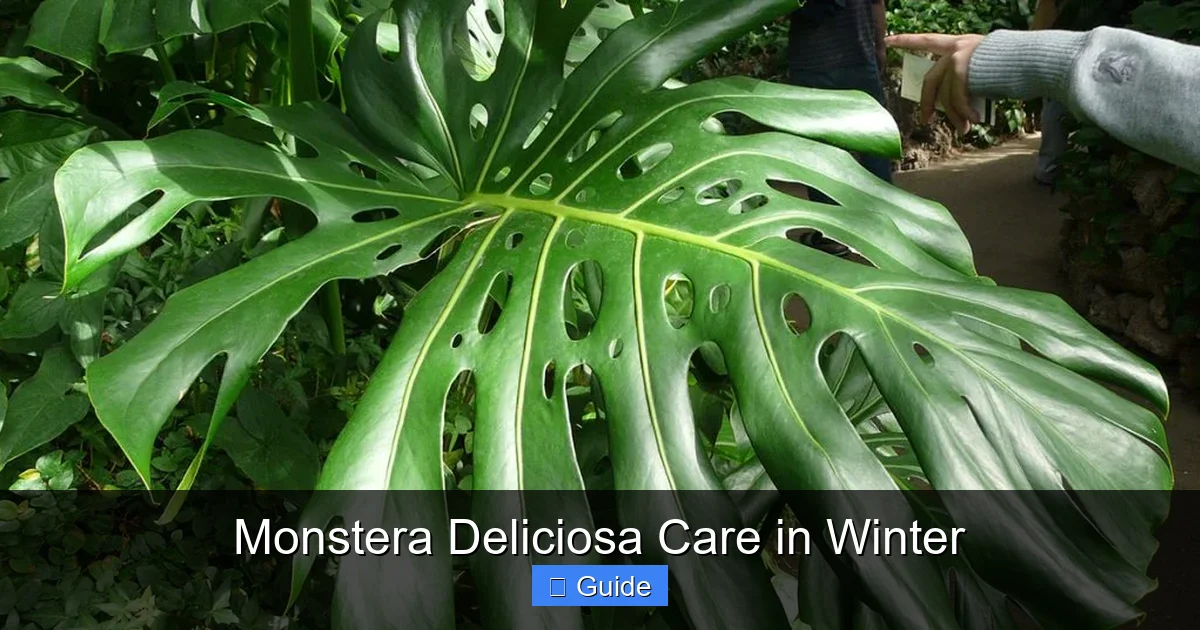
Visual guide about Monstera Deliciosa Care in Winter
Image source: younghouselove.com
During winter, your monstera might not produce a single new leaf for months. Existing leaves may look a bit tired. Some lower leaves might yellow and drop. This is the plant conserving energy. Do not panic. Do not overwater. Do not fertilize hoping to force growth. Let the plant rest.
Signs of Healthy Winter Rest vs. Problems
Healthy winter rest looks like: no new growth, older leaves yellowing occasionally, soil staying moist longer, plant looking stable but static. Problem signs look like: rapid yellowing of multiple leaves, mushy stems, black spots, white fuzzy mold on soil, leaves curling tightly, new growth that is pale and weak.
Learn to read these signals. They tell you exactly what your monstera needs.
Adjusting Your Watering Routine for Winter
Why Less Water Is Critical
Overwatering kills more monsteras in winter than anything else. Cooler temperatures slow evaporation. Shorter days reduce photosynthesis. The plant simply uses less water. Roots sitting in wet, cold soil rot quickly. Root rot spreads fast in winter conditions.
Your summer watering schedule will drown your plant in winter. That once-a-week routine? Too much. That finger test you skip? Essential now.
How to Test Soil Moisture Properly
Forget the calendar. Use your finger. Push it into the soil up to your second knuckle. Feel for moisture at the tip. If it feels damp, wait. If it feels dry at your fingertip, water. For larger pots, use a wooden chopstick or moisture meter. Insert deep. Check the tip.
Top inch dry means nothing. Top two to three inches dry means water. This rule saves monsteras.
Water Quality and Temperature Matter
Cold tap water shocks tropical roots. Let water sit overnight to reach room temperature. This also allows chlorine to dissipate. Rainwater or filtered water works best. If you must use tap water, let it warm up first. Your monstera will thank you.
Water thoroughly until it drains from the bottom. Empty the saucer. Never let your monstera sit in standing water. Ever.
Managing Light During Short Winter Days
Why Light Becomes a Challenge
Winter sun sits lower in the sky. Days are shorter. Light intensity drops. Your monstera evolved under bright rainforest canopy light. Indoor winter light often falls far below what it needs. The result? Leggy growth, small leaves, no fenestrations, pale color.
That spot near the window that worked perfectly in July? Might be too dark in January.
Finding the Best Winter Location
Move your monstera to the brightest window you have. South-facing is ideal. East-facing works well. West-facing provides strong afternoon light. North-facing usually needs supplemental light in winter. Keep the plant a few feet back from cold glass. Leaves touching freezing windows get damaged.
Rotate your plant weekly. This ensures even light exposure and prevents leaning.
Using Grow Lights Effectively
If natural light is insufficient, add a grow light. LED full-spectrum lights work best. Position 12-18 inches above the plant. Run for 10-12 hours daily. Use a timer for consistency. This mimics tropical day length and keeps growth steady.
Watch for signs of too much light: bleached patches, brown crispy spots, leaves curling away from light. Adjust distance accordingly.
Temperature and Humidity Control
The Temperature Danger Zone
Monstera deliciosa hates cold. Temperatures below 55°F (13°C) cause damage. Below 50°F (10°C) can kill. The ideal winter range is 65-75°F (18-24°C) during day, not below 60°F (15°C) at night. Consistency matters more than perfection.
Common winter temperature traps: drafty windows, exterior doors, unheated sunrooms, near air conditioning vents, on cold floors. Move your plant away from all of these.
Battling Dry Indoor Air
Heating systems strip moisture from air. Winter humidity often drops to 10-20%. Monstera wants 40-60%. This mismatch causes brown leaf edges, curling leaves, slow growth, and pest susceptibility.
A humidifier is the single best investment for winter plant care. Run it near your monstera. Aim for 50% humidity. Group plants together to create a microclimate. Use pebble trays with water beneath pots. Mist if you enjoy it, but know it provides only temporary relief.
Monitoring Without Obsessing
Buy a cheap digital hygrometer. Place it near your plant. Check weekly. Adjust as needed. Do not stress over perfect numbers. Consistency in the 40-60% range beats perfect 50% for two days then 20% for five.
Fertilizing and Soil Care During Winter
Why You Should Stop Fertilizing
Fertilizer during dormancy burns roots. The plant cannot use nutrients. Salts accumulate in soil. Root tips die. When spring growth starts, the plant is already damaged. Stop all fertilizer by late fall. Resume at half strength in early spring when you see new growth emerging.
This includes organic fertilizers, slow-release pellets, and foliar sprays. Just stop.
Soil Maintenance Instead
Winter is perfect for gentle soil care. Remove any yellowed leaves at the base. Check for compacted soil. If water runs straight through without absorbing, the soil is hydrophobic. Bottom water by sitting the pot in a tray of water for 30 minutes. This rehydrates evenly.
Top dress with a thin layer of worm castings or compost in late winter. This prepares soil for spring without forcing growth.
Pest Prevention and Management
Why Winter Brings Pests
Dry air. Stressed plants. No natural predators indoors. Spider mites, scale, mealybugs, and thrips love winter conditions. They reproduce fast on weakened monsteras. Early detection saves your plant.
Weekly Inspection Routine
Every week, examine your monstera closely. Check leaf undersides. Look along stems. Inspect where leaves meet stems. Check soil surface. Use a flashlight. Look for: tiny moving dots (spider mites), brown bumps that scrape off (scale), white cottony masses (mealybugs), silvery trails (thrips), fine webbing.
Catch them early. Treatment is easy. Catch them late. Heartbreak follows.
Simple Treatment Methods
For spider mites: spray leaves with water weekly, increase humidity, use neem oil if needed. For scale: scrape off with fingernail or cotton swab dipped in alcohol, then spray with horticultural oil. For mealybugs: dab with alcohol swab, spray with insecticidal soap. For thrips: blue sticky traps, neem oil, systemic granules if severe.
Always test treatments on one leaf first. Wait 24 hours. Check for damage.
Leaf Care and Cleaning
Why Clean Leaves Matter More in Winter
Dust blocks light. Winter light is already scarce. A dusty leaf photosynthesizes poorly. Clean leaves absorb maximum available light. They also breathe better and resist pests better.
Safe Cleaning Methods
Use a soft microfiber cloth dampened with lukewarm water. Support each leaf from underneath. Wipe gently from base to tip. Clean both sides. Do this monthly. For large plants, shower them gently with lukewarm water. Let drain completely before returning to spot.
Never use leaf shine products. They clog stomata. Never use cold water. It shocks leaves.
Common Winter Problems and Solutions
Yellowing Leaves
One or two yellow leaves at the bottom? Normal aging. Multiple yellow leaves? Usually overwatering. Check soil. Adjust watering. Yellow leaves with brown spots? Could be fungal. Improve air circulation. Remove affected leaves.
Brown Crispy Edges
Classic low humidity sign. Increase humidity. Check for drafts. Ensure not near heat vent. Trim brown edges with clean scissors following leaf shape.
Curling Leaves
Inward curling usually means underwatering or low humidity. Outward curling can mean overwatering or heat stress. Check soil. Check temperature. Adjust accordingly.
No New Growth for Months
Normal in winter. If no growth by late spring, then investigate. Check light, pot size, soil quality, root health.
Guttation (Water Droplets on Leaf Tips)
This happens when soil is wet and humidity high at night. Plant releases excess water. Harmless but signals you might water less. Wipe droplets off to prevent fungal spots.
Preparing for Spring Transition
When to Resume Normal Care
Watch for signs: new growth points swelling, aerial roots growing actively, soil drying faster, days noticeably longer. Usually late February to March depending on your zone. Do not rush. Let the plant lead.
Gradual Changes
Increase watering slowly. Start quarter-strength fertilizer. Move to brighter light if you used grow lights. Repot if roots circle the pot. Spring is the only time to repot monstera.
Spring Checklist
Inspect roots during repotting. Trim any black mushy ones. Fresh well-draining soil. Slightly larger pot only. Water well. Place in bright indirect light. Watch for new leaf within weeks.
Special Considerations for Different Monstera Varieties
Monstera Deliciosa (Standard)
Follow all guidelines above. Most forgiving variety. Handles minor mistakes.
Monstera Deliciosa ‘Thai Constellation’
Variegated sections have no chlorophyll. More light sensitive. Burn easier. Need brighter light but no direct sun. Slower growth. Less tolerant of overwatering. Extra humidity critical.
Monstera Deliciosa ‘Albo Variegata’
Similar to Thai Constellation but more unstable variegation. Can revert. High light maintains variegation. Very expensive. Extra care warranted.
Monstera Deliciosa ‘Borsigiana’
Smaller internodes. Faster growth. Slightly more cold tolerant. Same winter care works.
Creating a Winter Care Routine That Works
Weekly Tasks
Check soil moisture. Inspect for pests. Rotate plant. Wipe any dust. Check humidity reading. Adjust humidifier if needed.
Monthly Tasks
Deep clean leaves. Check drainage holes for root growth. Assess overall health. Take photos to track changes. Prune any dead material.
Seasonal Tasks
Stop fertilizing in fall. Resume in spring. Repot in spring only. Major pruning in spring. Propagate in spring.
Emergency Kit
Keep on hand: neem oil, insecticidal soap, horticultural oil, alcohol swabs, clean scissors, fresh potting mix, extra pots, moisture meter, hygrometer. Preparation prevents panic.
Conclusion
Monstera deliciosa care in winter is not complicated. It is different. Less water. More light. Higher humidity. Warmer temperatures. No fertilizer. Regular inspection. Clean leaves. That is the entire formula.
Your monstera wants to survive. It wants to thrive. It evolved over millions of years to handle seasonal changes. Your job is simply to mimic its natural environment as closely as your home allows. Small consistent actions beat heroic occasional efforts every time.
Come spring, when that first new fenestrated leaf unfurls, you will know. Every careful winter choice mattered. Your monstera thanks you in the only language it speaks: growth.
Start today. Check your soil. Move your plant. Turn on that humidifier. Your winter care routine begins now.
Frequently Asked Questions
What temperature is too cold for monstera deliciosa in winter?
Temperatures below 55°F (13°C) can damage monstera deliciosa, and prolonged exposure below 50°F (10°C) may kill the plant. Maintain 65-75°F during the day and above 60°F at night for optimal winter health.
Do I need a grow light for my monstera in winter?
If your monstera receives less than 6-8 hours of bright indirect light daily during winter, a full-spectrum LED grow light positioned 12-18 inches above the plant for 10-12 hours daily will prevent leggy growth and maintain health.
Why does my monstera have brown crispy edges in winter?
Brown crispy edges almost always indicate low humidity. Indoor heating can drop humidity to 10-20%, while monsteras need 40-60%. Use a humidifier, pebble tray, or group plants together to raise humidity around your plant.
Should I repot my monstera in winter?
No. Winter is the worst time to repot. The plant is dormant and cannot recover from root disturbance. Wait until spring when active growth resumes, typically March or April, to repot if needed.
How do I know if my monstera has root rot in winter?
Signs include mushy black roots, foul soil odor, yellowing leaves that don’t improve with reduced watering, and stems that feel soft at the base. Remove the plant from its pot to inspect roots if you suspect rot.
Can I propagate monstera deliciosa in winter?
Propagation success rates drop significantly in winter due to low light and slow metabolism. Spring and summer offer much higher success rates. If you must propagate in winter, use a heat mat and grow light to simulate spring conditions.