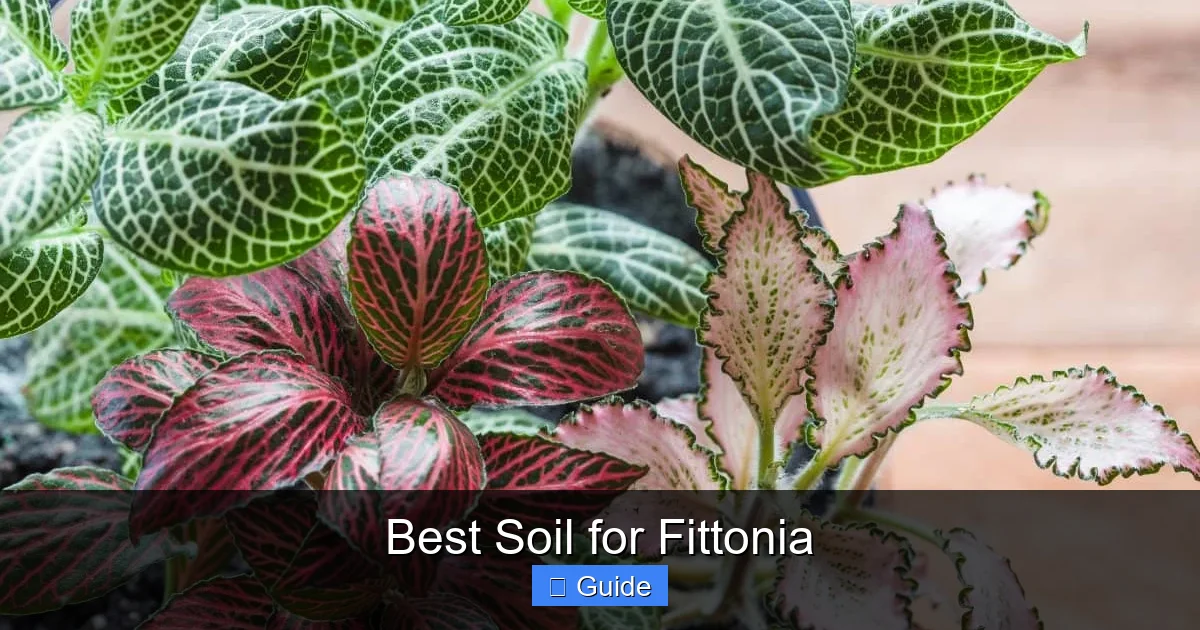
Best Soil for Fittonia
The best soil for fittonia mimics its tropical forest floor: a light, moisture‑retentive blend that drains well. Use a mix of peat or coir, perlite, and orchid bark, and keep it consistently damp but never soggy.
Fittonia, often called the nerve plant, adds a splash of color to any indoor garden. Its striking veined leaves demand a growing medium that stays damp but never waterlogged. Choosing the best soil for fittonia is the first step toward a healthy, vibrant plant. In this guide we explore what the plant needs, how to build your own mix, which store‑bought options work, and how to keep the soil in top condition year after year.
Many beginners reach for regular potting soil, only to watch their fittonia wilt or develop root rot. The problem is simple: standard mixes are too dense and retain too much water. Fittonia originates from the humid understory of South American rainforests, where the ground is a airy layer of decaying leaves, moss, and fine roots. Recreating that environment at home is easier than it sounds, and the payoff is a plant that stays perky and colorful.
Key Takeaways
- Replicate the native habitat: Fittonia thrives in a loose, humus‑rich substrate that holds water yet breathes.
- Core ingredients: Peat moss or coconut coir, perlite or pumice, and fine orchid bark create the ideal structure.
- DIY ratio: A 2:1:1 blend (peat/coir : perlite : bark) works for most home growers.
- Commercial mixes: Look for “tropical” or “african violet” labels with added perlite and no heavy garden soil.
- Water wisely: Keep the medium evenly moist; let the top inch dry slightly before the next watering.
- Refresh annually: Repot each spring to prevent compaction and replenish nutrients.
- Watch for trouble: Yellow leaves, mushy stems, or foul smell signal drainage or rot issues.
Quick Answers to Common Questions
What is the ideal pH for fittonia soil?
A slightly acidic pH between 5.5 and 6.0 works best for fittonia.
Can I use regular potting soil for fittonia?
Regular potting soil is too dense; amend it with perlite and bark or use a tropical mix instead.
How often should I repot my fittonia?
Repot once a year in spring to refresh the medium and give roots room to grow.
Why are my fittonia leaves turning yellow?
Yellow leaves usually mean overwatering or poor drainage; check the soil moisture and aeration.
Is coconut coir a good substitute for peat moss?
Yes, coconut coir holds moisture similarly and is more sustainable.
📑 Table of Contents
Understanding Fittonia’s Natural Habitat
Origin and Climate
Fittonia species hail from the tropical rainforests of Peru, Colombia, and Brazil. There, temperatures hover between 65 °F and 80 °F, humidity stays above 70 %, and rainfall is frequent but brief. The forest floor is a loose carpet of organic matter that drains quickly yet holds a thin film of moisture around roots.
Soil Characteristics in the Wild
In nature the substrate is not a single material. It is a blend of decayed leaf litter, fine roots, moss, and mineral particles. This mixture creates high porosity, excellent aeration, and a steady supply of nutrients from decomposing matter. The pH is slightly acidic, typically around 5.5 to 6.0.
Why Replicating Matters
When we pot fittonia in a dense, peat‑only mix, water pools around the roots. The plant’s fine root hairs suffocate, leading to yellowing leaves and eventual collapse. A substrate that mirrors the forest floor gives roots room to breathe, holds just enough water, and delivers nutrients slowly. That is the essence of the best soil for fittonia.
Core Components of the Ideal Mix
Peat Moss or Coconut Coir
Peat moss is the classic base for tropical mixes. It retains moisture well and is naturally acidic. Coconut coir is a sustainable alternative with similar water‑holding capacity but a more neutral pH. Either works; choose based on availability and personal preference.
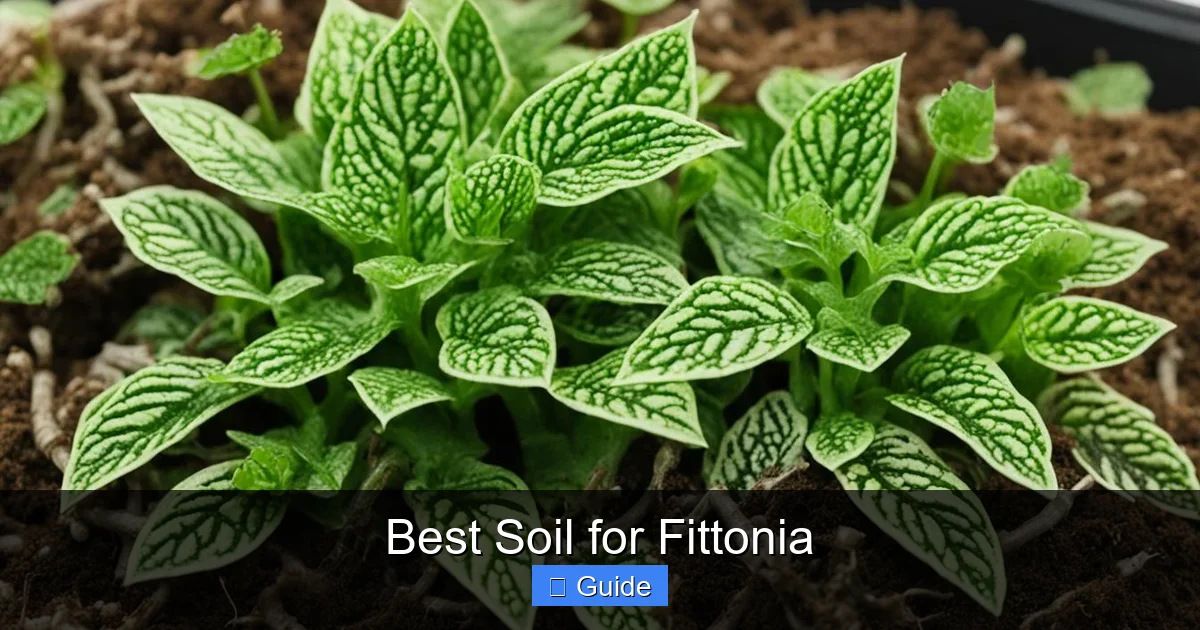
Visual guide about Best Soil for Fittonia
Image source: cleverpatio.com
Perlite or Pumice for Aeration
Perlite is lightweight volcanic glass that creates air pockets. Pumice offers the same benefit but adds a bit of mineral weight. Both prevent compaction and improve drainage. A 1‑part ratio of perlite or pumice to the base material is a good starting point.
Orchid Bark for Structure
Fine orchid bark (often labeled “fir bark” or “orchid mix”) adds coarse particles that keep the mix open. It also mimics the woody debris found on the forest floor. Use bark that is ¼‑inch or smaller; larger chunks can create dry pockets.
Optional Additives
Activated charcoal absorbs excess moisture and reduces odors. Worm castings supply a gentle, slow‑release nutrient boost. A tablespoon of each per gallon of mix is enough. Avoid garden soil, composted manure, or heavy sand – they all compact over time.
DIY Recipe: Step‑by‑Step Mix
Measuring Ratios
Gather a clean bucket or large bowl. For a standard batch, measure two parts peat moss (or coir), one part perlite (or pumice), and one part fine orchid bark. If you prefer a slightly richer blend, add a half part worm castings. Write the ratios down so you can replicate the mix later.
Mixing Technique
Dump the measured ingredients into the container. Use your hands or a trowel to toss them together until the color looks uniform. Break up any clumps of peat or coir. The final texture should feel light and springy, not sticky.
Testing Moisture Retention
Take a handful of the blend and squeeze gently. It should hold together for a moment then crumble when released. If water drips out, add a bit more perlite. If it falls apart instantly, add a touch more peat or coir. This simple test confirms you have the best soil for fittonia balance.
Storing the Mix
Keep any unused portion in a sealed plastic bag or container. Store it in a cool, dry place. The mix stays viable for months, but refresh it with a little fresh perlite before each repotting to maintain aeration.
Commercial Options: What to Look For
Pre‑Made Tropical Mixes
Many brands sell “tropical plant mix” or “african violet mix.” These are formulated for high humidity lovers and usually contain peat, perlite, and a small amount of bark. They are convenient if you only have a few pots.
Reading Labels
Check the ingredient list. The first three items should be peat or coir, perlite or pumice, and bark. Avoid products that list “garden soil,” “topsoil,” or “sand” as primary components. Also verify the pH range; a label stating 5.5‑6.5 is ideal.
Top Brands (Generic)
While we do not endorse a single label, popular choices among hobbyists include mixes marketed for “nerve plants,” “calathea,” or “maranta.” These often have the right texture out of the bag. If you find a mix that feels too heavy, stir in extra perlite at a 1:4 ratio.
When to Choose Commercial Over DIY
If you are new to houseplants, a reputable pre‑made blend reduces guesswork. It also saves time when you need to repot several plants at once. As you gain confidence, experimenting with your own ratios lets you fine‑tune drainage for your specific environment.
Maintaining Soil Health Over Time
Watering Practices
Fittonia likes consistently moist media. Water when the top inch feels dry to the touch. Use room‑temperature water and pour until it drains from the bottom holes. Empty the saucer promptly to prevent the pot from sitting in standing water.
Fertilizing Schedule
Feed with a balanced, water‑soluble fertilizer diluted to half strength every four weeks during spring and summer. Skip feeding in fall and winter when growth slows. Over‑fertilizing can cause salt buildup, which harms delicate roots.
Repotting Frequency
Plan to repot annually in early spring. Fresh mix restores aeration and nutrients. Choose a pot only one size larger; fittonia prefers being slightly root‑bound. Gently loosen the root ball, trim any blackened roots, and place the plant in the new mix.
Signs of Soil Degradation
Watch for a crust forming on the surface, a sour smell, or water pooling on top after watering. These indicate compaction or organic breakdown. When you see them, it’s time for a fresh batch of the best soil for fittonia.
Troubleshooting Common Soil Problems
Compaction
If the mix feels hard and water runs straight through, the particles have settled. Gently fork the top layer or repot with fresh perlite added. Regularly aerating the surface with a chopstick helps prevent this issue.
Root Rot
Black, mushy roots and a foul odor mean the medium stayed too wet. Remove the plant, trim away all rotted roots, and repot in a drier mix with extra perlite. Reduce watering frequency and improve air circulation around the pot.
Nutrient Deficiency
Pale leaves with green veins often signal a lack of nitrogen or iron. Apply a diluted fertilizer with micronutrients. If the problem persists, check the pH; a slightly acidic mix ensures nutrients stay available.
Pest Infestations
Fungus gnats thrive in overly moist soil. Let the top layer dry a bit more between waterings and add a thin layer of sand or diatomaceous earth on the surface. Yellow sticky traps catch adults while the larvae die off in drier conditions.
Choosing the best soil for fittonia is a blend of science and observation. Start with a light, airy mix that mimics the rainforest floor, adjust the ratios to suit your home’s humidity, and keep an eye on moisture levels. With the right substrate and a little routine care, your nerve plant will reward you with vivid, veined foliage for years to come.
Frequently Asked Questions
What ingredients make the best soil for fittonia?
A blend of peat moss or coconut coir, perlite or pumice, and fine orchid bark creates the ideal balance of moisture retention and aeration.
How do I know if my fittonia soil is too wet?
If water sits on the surface, the pot feels heavy, or you notice a sour smell, the mix is holding too much moisture.
Can I add fertilizer directly to the soil mix?
It’s better to fertilize with a diluted liquid feed during the growing season rather than mixing granular fertilizer into the substrate.
Should I sterilize the soil before using it?
Commercial mixes are usually pasteurized; for DIY blends, baking the components at 180 °F for 30 minutes can reduce pathogens.
What size pot is best for fittonia?
Choose a pot only 1‑2 inches larger than the root ball; fittonia prefers being slightly root‑bound.
How can I increase humidity for my fittonia without changing the soil?
Place the pot on a pebble tray with water, group plants together, or use a humidifier to raise ambient humidity.