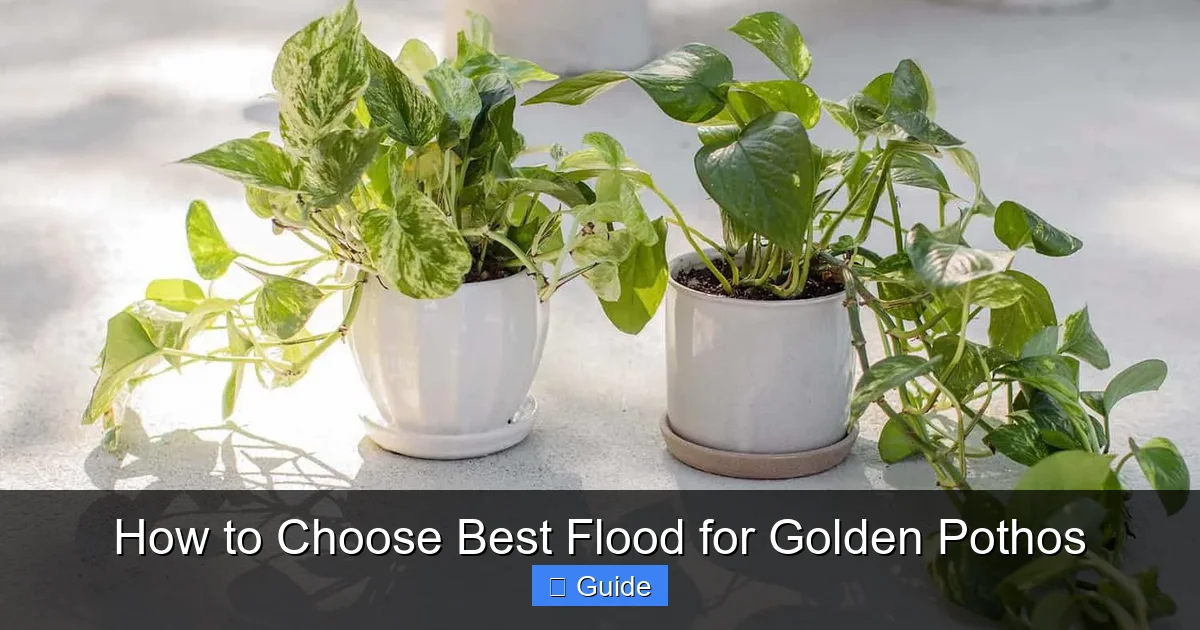
How to Choose Best Flood for Golden Pothos
Choosing the right flood method for golden pothos ensures healthy root growth and prevents rot. This guide covers watering schedules, soil drainage, hydroponic flood systems, and common mistakes to avoid for vibrant, trailing vines.
Golden pothos has earned its reputation as the ultimate beginner houseplant. It trails beautifully from shelves, climbs moss poles with enthusiasm, and bounces back from neglect like a champ. But here is the thing even seasoned plant parents miss: how you flood this plant makes or breaks its long-term health. The term “flood” might sound intense, but in plant care it simply means how you deliver water — whether that is a thorough soak in the sink, a hydroponic flood table, or a self-watering reservoir. Get this wrong and you invite root rot, fungus gnats, and those sad yellow leaves that never quite recover. Get it right and you unlock vigorous growth, larger leaves, and those gorgeous variegation patterns that make golden pothos a showstopper.
I have killed my share of pothos over the years. Usually because I treated them all the same — same pot, same soil, same weekly watering — without considering how each setup handled the flood. A cutting in water needs different flood logic than a mature plant in a ten-inch terra cotta. A hydroponic net pot on a flood table runs on a timer, while a hanging basket in peat-heavy soil needs a totally different rhythm. This guide walks through every flood method, every variable, and every mistake I have made so you do not have to. By the end, you will know exactly how to choose the best flood approach for your specific golden pothos setup.
Key Takeaways
- Golden pothos prefers consistent moisture but hates soggy roots: Balance is key when choosing a flood method.
- Soil drainage matters more than flood frequency: Well-draining mix prevents root rot better than perfect timing.
- Hydroponic flood and drain systems work well: They provide oxygen to roots between flood cycles.
- Pot size and material affect flood success: Terra cotta wicks moisture; plastic retains it longer.
- Seasonal adjustments prevent overwatering: Flood less in winter when growth slows.
- Watch for yellow leaves and mushy stems: These signal flood issues before roots rot completely.
- Test moisture before every flood cycle: Finger test or meter beats rigid schedules every time.
Quick Answers to Common Questions
How often should I flood my golden pothos in soil?
Flood when the top two inches of soil feel dry — typically every 7-10 days in summer, 14-21 days in winter. Always test before flooding rather than following a calendar.
Can golden pothos grow in a flood and drain hydroponic system?
Yes, golden pothos thrives in flood and drain (ebb and flow) systems with LECA. Use 15-minute floods every 2-3 hours during light cycles with EC 1.2-1.8 and pH 5.8-6.3.
What is the best soil mix for flood-and-drain watering?
Use a chunky aroid mix: 2 parts orchid bark, 1 part perlite, 1 part coco coir, ½ part charcoal, ½ part worm castings. This drains fast, holds moisture evenly, and prevents root rot.
How do I transition a soil pothos to semi-hydro flood?
Bare-root the plant, wash all soil off, trim rot, place in pre-soaked LECA with a low nutrient reservoir (¼ strength). Keep humidity high for 4-6 weeks while water roots develop.
Why are my pothos leaves yellow after flooding?
Yellow leaves usually mean over-flooding (root rot) or under-flooding (drought stress). Check roots: white and firm = under-flooded; brown and mushy = over-flooded. Adjust accordingly.
📑 Table of Contents
- Understanding Golden Pothos Water Needs
- Soil-Based Flood Methods
- Hydroponic Flood Systems
- Semi-Hydroponic and LECA Flood Approaches
- Environmental Factors That Change Flood Needs
- Common Flood Mistakes and How to Fix Them
- Choosing Your Best Flood Method: Decision Framework
- Advanced Flood Optimization Techniques
- Troubleshooting Flood Problems
- Conclusion
Understanding Golden Pothos Water Needs
Natural Habitat Clues
Golden pothos (Epipremnum aureum) originates from the tropical forests of French Polynesia and Southeast Asia. In the wild, it grows as an epiphytic vine, climbing tree trunks and sprawling across the forest floor. Its roots experience two distinct moisture regimes: aerial roots absorb humidity and brief rain showers, while terrestrial roots anchor in loose, fast-draining leaf litter and humus. Neither root type sits in standing water for long. This tells us everything we need to know about flood tolerance. The plant wants thorough moisture followed by rapid drainage and air exchange. It does not want a swamp.
Root Structure and Oxygen Requirements
Pothos roots are thick, white, and fleshy — classic storage roots that hold water between rains. But they also have fine root hairs that suffocate quickly without oxygen. When soil stays flooded, oxygen diffusion drops to near zero within hours. Anaerobic bacteria take over, producing toxins that rot the root cortex. The plant responds by shedding leaves, slowing growth, and eventually collapsing. Understanding this biology is step one in choosing your flood method. Any system you pick must prioritize oxygen return after the flood event.
Signs of Flood Stress
Before we dive into methods, learn to read your plant. Yellowing lower leaves often mean chronic over-flooding. Brown, crispy edges suggest under-flooding or low humidity. Mushy, black stems at the soil line scream root rot from sustained flooding. Fungus gnats breeding in the top inch indicate the medium never dries enough between floods. New leaves emerging small and pale? The roots may be damaged from past flood errors. These signals appear days to weeks before irreversible damage. Check weekly and adjust your flood approach immediately.
Soil-Based Flood Methods
Thorough Soak and Drain (Sink Method)
This is the gold standard for potted pothos in well-draining mix. Take the plant to a sink or tub. Run lukewarm water through the soil until it flows freely from drainage holes. Let it drain completely — ten to fifteen minutes — before returning to its cache pot or saucer. This flood method mimics a tropical downpour: intense saturation followed by rapid drainage. It flushes accumulated salts, rehydrates hydrophobic peat, and ensures even moisture throughout the root ball. Frequency depends on pot size, mix, light, and season. In a six-inch terra cotta with chunky aroid mix under bright indirect light, that might be every seven to ten days in summer. In a ten-inch plastic pot with dense peat mix in lower light, maybe every fourteen days. Always test the top two inches of soil first. If it feels cool and damp, wait.
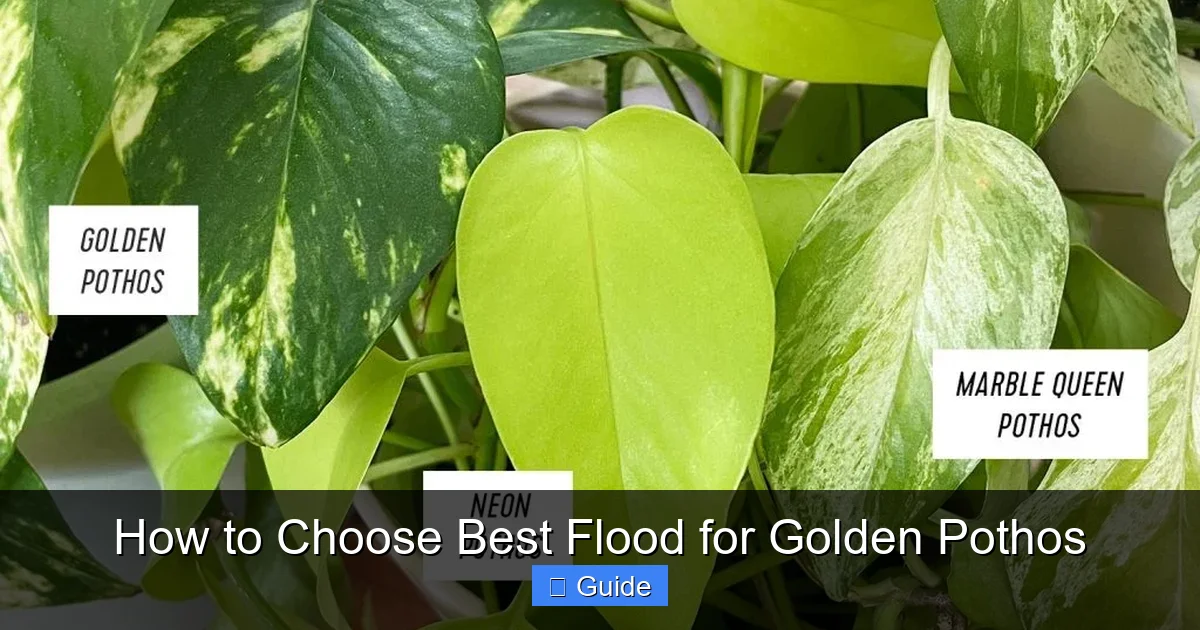
Visual guide about How to Choose Best Flood for Golden Pothos
Image source: younghouselove.com
Bottom Watering (Capillary Flood)
Place the nursery pot in a basin of water. Let the soil wick moisture up from the bottom for twenty to thirty minutes. Remove and drain. This flood method excels for hydrophobic soil that repels top watering, and for plants with dense foliage that blocks water from reaching the soil surface. It also keeps leaves dry, reducing fungal risk. But it has a catch: salts accumulate at the soil surface over time because they are not flushed downward. Every fourth or fifth flood, do a thorough top soak to reset the salt profile. Bottom flooding works best with pots that have ample drainage holes and a loose, peat-light mix. Dense mixes wick slowly and unevenly, leaving dry pockets in the upper root zone.
Self-Watering Pots and Reservoir Systems
Self-watering planters use a wick or capillary mat to draw water from a reservoir into the soil. The flood here is constant and passive. For golden pothos, this can work — if the reservoir is sized right and the soil mix is airy. The danger is a perched water table that keeps the bottom roots permanently flooded. Choose a self-watering pot with an overflow hole and an air gap between the reservoir and soil. Use a mix of fifty percent orchid bark, thirty percent perlite, twenty percent coco coir. Monitor the reservoir level. Let it run dry occasionally. Roots that grow into the water column adapt to low oxygen, but the transition zone above often rots. I prefer active flood methods where I control the timing, but busy plant parents can succeed with self-watering if they respect the air gap rule.
Choosing the Right Soil Mix for Flood Success
Your flood method only works as well as the medium receiving it. Golden pothos demands a chunky, fast-draining aroid mix. My go-to recipe: two parts orchid bark (quarter-inch), one part perlite, one part coco coir or peat, half part horticultural charcoal, half part worm castings. This mix floods evenly, drains in seconds, and holds enough moisture for three to five days in average conditions. Avoid straight potting soil, moisture-control mixes, or anything with water-retention crystals. They turn a healthy flood into a swamp. Repot every twelve to eighteen months as bark breaks down into fines that clog air pores. Fresh mix resets flood performance instantly.
Hydroponic Flood Systems
Flood and Drain (Ebb and Flow) Basics
Hydroponic flood tables cycle nutrient solution into a grow tray, saturating the root zone, then drain it back to a reservoir. Golden pothos thrives in this system because roots get nutrients, water, and oxygen in perfect rotation. A typical cycle: flood for fifteen minutes every two to three hours during light period, zero floods during dark. The drain phase pulls fresh air into the root zone — that is the magic. Use expanded clay pebbles (LECA) as media. They hold moisture between floods but maintain massive air porosity. Net pots with slotted sides let roots explore the flood zone freely. This method produces explosive growth and massive leaves, but it demands equipment: pump, timer, reservoir, tray, plumbing. Power outages kill the cycle. Algae grows in light-exposed reservoirs. Nutrient solution needs weekly EC and pH checks. It is high reward, high maintenance.
Deep Water Culture (Constant Flood)
DWC suspends roots in oxygenated nutrient solution 24/7. An air stone pumps bubbles continuously. Golden pothos adapts well once roots convert to “water roots” — thinner, whiter, more fragile. The flood is permanent. Success hinges on dissolved oxygen. Water temperature above seventy-two degrees Fahrenheit drops oxygen solubility fast. Root rot (Pythium) spreads in hours if the air pump fails. I only recommend DWC for experienced growers with backup power and chillers. For most, flood and drain offers better safety margins. But if you want the fastest growth and don’t mind the risk, DWC delivers.
Nutrient Film Technique (Shallow Constant Flood)
NFT runs a thin film of nutrient solution through sloped channels. Roots sit in the film, upper portions exposed to air. Golden pothos can work in NFT but its thick roots often clog channels and disrupt flow. Better suited for leafy greens. Skip unless you are already running NFT for other crops and want to experiment.
Kratky Method (Passive Flood)
Kratky is DWC without the air pump. Roots hang in a static nutrient solution. As the level drops, an air gap forms. Roots in the gap become air roots; submerged roots stay water roots. Golden pothos cuttings root beautifully this way. Fill a mason jar with diluted hydroponic nutrients, suspend a cutting in a net pot with LECA, let it grow. No electricity, no moving parts. Great for propagation. Not ideal for long-term mature plants — the solution depletes, pH drifts, and the air gap fluctuates. Use Kratky to start cuttings, then transition to flood and drain or soil.
Hydroponic Nutrient Management for Flood Cycles
Whatever hydroponic flood method you choose, nutrient strength matters. Golden pothos is a moderate feeder. Target EC 1.2 to 1.8 mS/cm (800 to 1200 ppm) for mature plants. Start cuttings at 0.6 EC. pH 5.8 to 6.3. Change reservoir every seven to ten days in flood and drain; every fourteen days in DWC. Top off with plain water between changes as evaporation concentrates salts. Flush with plain pH-adjusted water for one full flood cycle monthly to prevent nutrient lockout. Use a complete hydroponic formula with calcium and magnesium — pothos shows tip burn fast without them.
Semi-Hydroponic and LECA Flood Approaches
What Is Semi-Hydro (Passive Hydroponics)
Semi-hydro uses LECA in a pot with a reservoir at the bottom. A wick or the LECA itself draws nutrient solution up via capillary action. The flood is a constant, gentle wicking — not a timed event. Roots grow into the moist LECA above the water line, accessing both moisture and air. This method bridges soil and full hydroponics. It is forgiving, low-tech, and excellent for golden pothos. The plant decides its own flood level by root placement. You just maintain the reservoir.
Setting Up a Semi-Hydro Flood System
Choose a clear cache pot (for monitoring) and a nursery pot with slots or holes (for LECA). Rinse LECA until water runs clear. Soak twenty-four hours. Fill the nursery pot one-third with LECA. Place the pothos (bare-rooted, soil washed off) and fill around roots with LECA. Sit the nursery pot in the cache pot. Add diluted nutrient solution (quarter strength) to one-third the cache pot height. The LECA wicks it up. Refill when the reservoir hits bottom. Let it run dry for a day occasionally to refresh air in the LECA pores. That dry-down is the flood break — critical for root health.
Transitioning Soil Pothos to Semi-Hydro Flood
This is where most people fail. You cannot just plop a soil-rooted pothos into LECA and expect it to thrive. Soil roots rot in constant moisture. You must transition. Option one: water-root cuttings first, then plant in LECA. Option two: bare-root the mature plant, wash every speck of soil off, trim any mushy roots, and place in LECA. Expect some leaf loss as the plant converts root types. Keep humidity high (seventy percent plus) during transition. Use a weak nutrient solution (quarter strength) with kelp extract to stimulate new root growth. Do not flood the reservoir high — keep it low to encourage roots to search downward. In four to six weeks, you will see bright white water roots exploring the LECA. That is success.
Maintenance Rhythm for Semi-Hydro Flood
Weekly: check reservoir level, top off with plain water. Biweekly: dump reservoir, rinse LECA with plain water, refill with fresh nutrient solution. Monthly: flush the whole system — run plain water through for ten minutes. Quarterly: pull the plant, inspect roots, trim dead ones, repot in fresh rinsed LECA. This rhythm keeps the flood clean, oxygenated, and balanced. Algae on LECA? Reduce light exposure to the cache pot. Salt crust on LECA surface? Flush more often. Roots circling the bottom? Pot up or trim.
Environmental Factors That Change Flood Needs
Light Intensity Drives Flood Frequency
More light equals faster photosynthesis equals more water uptake. A golden pothos in bright indirect light (two hundred to five hundred foot-candles) may need flood cycles twice as often as one in low light (fifty foot-candles). Variegation also matters. Highly variegated ‘Marble Queen’ or ‘N’Joy’ have less chlorophyll, grow slower, and drink less. Flood them on the same schedule as a green ‘Golden’ and you will drown them. Match flood frequency to observed growth rate, not the calendar.
Temperature and Humidity Effects
Warm air holds more moisture, but also increases transpiration. In summer at seventy-eight degrees Fahrenheit and sixty percent humidity, your pothos drinks heavily. Flood accordingly. In winter at sixty-five degrees and thirty percent humidity, growth slows but transpiration can still be high if heating vents blow dry air. Check soil or reservoir more often in winter — the calendar lies. Humidity trays, humidifiers, and grouping plants reduce flood demand by lowering vapor pressure deficit. But do not confuse humidity with root moisture. High humidity does not replace a proper flood.
Pot Size, Material, and Drainage
Terra cotta wicks water from the soil, creating a natural flood break. Plastic and glazed ceramic hold moisture longer. A six-inch terra cotta dries in four days; a six-inch plastic pot takes seven. Larger pots have more soil volume but also a lower surface-area-to-volume ratio — the top dries while the bottom stays wet. This perched water table is a flood trap. Always size pots to the root mass, not your decor dreams. A pothos in a pot two inches wider than its root ball floods evenly. One in a massive pot floods the bottom roots into rot. Drainage holes are non-negotiable. One hole clogs. Three to five holes distribute flood exit. Elevate pots on feet or risers so water actually leaves.
Seasonal Flood Adjustments
Spring and summer: active growth, longer days, higher temps. Flood on the frequent side. Fall: growth slows, light drops. Extend intervals by twenty-five percent. Winter: dormancy or slow growth. Extend by fifty percent or more. Some soil pothos go three weeks between floods in January. Hydroponic systems keep cycling but reduce nutrient strength. The plant tells you. Slower new leaf emergence? Space floods further. Leaves curling or crisping? Flood sooner. Keep a simple log — date, method, plant response. Patterns emerge fast.
Common Flood Mistakes and How to Fix Them
Flooding on a Rigid Schedule
“I water every Sunday” is the fastest way to kill a pothos. Soil moisture depends on light, heat, humidity, pot, mix, plant size, and season. A schedule ignores all of it. Fix: test before every flood. Finger two inches deep. Moisture meter at root level. Weight of the pot (learn the dry weight vs wet weight). Only flood when the plant signals readiness. This one habit prevents ninety percent of flood failures.
Flooding Without Drainage
Cache pots without holes, saucers left full, decorative outer pots that trap water — these turn a proper flood into a stagnant swamp. Roots at the bottom drown. Fix: always drain completely. Empty saucers thirty minutes post-flood. Use pot feet. Drill holes in decorative pots or use them only as cache pots with the nursery pot inside. Never let a pothos sit in its own flood runoff.
Using the Wrong Water
Tap water high in chlorine, chloramine, fluoride, or salts builds up in soil and LECA, burning root tips. Softened water adds sodium — toxic to plants. Fix: use filtered, distilled, or rainwater for hydroponic floods. For soil, let tap water sit twenty-four hours to off-gas chlorine (does not remove chloramine). Better: a simple carbon filter pitcher. Your pothos will show the difference in leaf tip health within weeks.
Ignoring Salt Buildup
Every flood adds minerals. In soil, they accumulate at the surface and bottom. In hydroponics, they concentrate in the reservoir. White crust on soil or LECA, leaf tip burn, stunted new growth — all salt stress. Fix: monthly flush floods. Run three times the pot volume of plain water through soil. In hydro, dump and rinse reservoir, run plain water for one full cycle. Prevention beats correction.
Flooding New Cuttings Like Mature Plants
A fresh cutting has no roots or tiny roots. It cannot handle a full flood cycle. Soil stays wet too long. Hydroponic solution rots the stem. Fix: for soil, keep barely moist — mist the surface daily, flood lightly every five to seven days. For water propagation, change water every three days, no nutrients until roots are one inch long. For LECA, keep reservoir very low, just touching the bottom LECA layer. Graduate flood intensity as roots develop.
Over-Flooding During Transition Periods
Repotting, moving, seasonal light changes, pest treatments — all stress the plant. Flooding heavily during stress pushes roots over the edge. Fix: reduce flood volume and frequency for two weeks after any major change. Let the plant stabilize. Then resume normal flood rhythm.
Choosing Your Best Flood Method: Decision Framework
Match Method to Your Lifestyle
Be honest about your habits. Travel often? Self-watering or semi-hydro with large reservoir buys you two weeks. Home daily and love routine? Sink soak method gives you connection and control. Tech-savvy and want max growth? Flood and drain hydroponics rewards precision. Hate equipment? Soil with chunky mix and finger testing is foolproof. The best flood method is the one you will actually execute consistently.
Match Method to Your Space
Small apartment, no sink access? Bottom watering in a basin or semi-hydro on a shelf works. Dedicated plant room with floor drain? Flood table hydroponics shines. Hanging baskets only? Sink soak is awkward — use a watering can with long spout and flood slowly until drainage runs clear. Rental with no modifications allowed? No drill holes for hydroponic plumbing. Stick to soil or semi-hydro.
Match Method to Your Plant’s Stage
Fresh cuttings: water propagation or Kratky. Young rooted plants (three to six months): soil in small pots, frequent light floods. Mature vines (one year plus): large soil pots with thorough soaks, or semi-hydro, or flood and drain. Massive mother plants (three years plus): flood and drain or large semi-hydro for sustained vigor. The plant outgrows its flood method. Plan to upgrade.
Budget Considerations
Soil method: pot, mix, saucer — under twenty dollars. Semi-hydro: LECA, cache pot, nutrients — thirty to fifty dollars. Flood and drain: pump, timer, tray, reservoir, fittings, nutrients — one hundred fifty to three hundred dollars. DWC: air pump, stone, bucket, lid, nutrients — fifty to one hundred dollars. Ongoing costs: soil repotting yearly, hydroponic nutrients monthly, electricity for pumps. Factor it in.
Risk Tolerance
Soil forgives mistakes. Hydroponics punishes them fast. If you panic when a leaf yellows, stick with soil. If you enjoy troubleshooting EC drift and root zones, hydroponics satisfies that itch. Semi-hydro sits in the middle — forgiving enough for most, responsive enough to teach you hydroponic principles.
Advanced Flood Optimization Techniques
Pulse Flooding for Soil
Instead of one long soak, apply three short floods spaced ten minutes apart. First flood breaks surface tension. Second penetrates deeper. Third saturates the bottom. This mimics natural rainfall infiltration and prevents channeling (water running straight down sides). Works especially well for hydrophobic mixes. Try it — you will see more even moisture distribution.
Oxygen Injection in Hydroponic Floods
Add a venturi injector to your flood pump intake. It pulls air into the nutrient solution during the flood cycle, super-saturating it with dissolved oxygen. Roots get an oxygen boost every flood. Simple, cheap, effective. Especially valuable in warm reservoirs where oxygen solubility drops.
Flood Timing with Circadian Rhythm
Plants anticipate dawn. Flood cycles that start thirty minutes before lights on align with the plant’s natural metabolic ramp-up. Nutrients are available when photosynthesis kicks in. In soil, morning floods let excess evaporate during the day, reducing fungal risk. Night floods leave wet foliage and soil — invitation for pathogens. Flood with the sun.
Custom Flood Recipes for Variegated Cultivars
‘Marble Queen’, ‘Snow Queen’, ‘N’Joy’, ‘Glacier’ — high variegation means less chlorophyll, slower growth, lower water demand. Flood these twenty to thirty percent less frequently than ‘Golden’ or ‘Jade’. Use slightly lower nutrient EC in hydro (0.8 to 1.2). Watch for reverted green shoots — they drink more. Adjust flood zones if one vine reverts.
Troubleshooting Flood Problems
Root Rot Diagnosis and Rescue
Symptoms: black mushy roots, foul smell, yellowing leaves, stem collapse at soil line. Action: unpot immediately. Rinse roots. Trim all rot with sterilized scissors. Dust cuts with cinnamon or hydrogen peroxide (three percent). Repot in fresh chunky mix in a clean pot. Flood lightly — barely moist — for two weeks. High humidity, low light, no fertilizer. New white root tips appear in ten to fourteen days. Then resume normal flood. Hydroponic rot: same trim, then move to Kratky with clean water and peroxide (one ml per liter) for one week. Transition back to system.
Fungus Gnat Flood Connection
Gnats breed in constantly moist top soil. They signal your flood frequency or volume is too high for the drying capacity of your setup. Fix: extend dry-down. Add a half-inch layer of sand or diatomaceous earth on soil surface — breaks the gnat life cycle. Yellow sticky traps catch adults. Beneficial nematodes (Steinernema feltiae) in the next flood kill larvae. In hydro, gnats mean algae or organic debris — clean the system.
Nutrient Deficiency vs Flood Error
Yellow leaves can mean nitrogen deficiency — or root rot from over-flood preventing uptake. Interveinal chlorosis (yellow between veins) suggests magnesium or iron — but could be pH lockout from salt buildup due to insufficient flush floods. Brown crispy tips: under-flood, low humidity, or salt burn. The symptom overlaps. Always check roots first. Healthy white roots point to nutrient or environment. Brown mushy roots point to flood. Treat the cause, not the leaf.
Algae in Hydroponic Flood Systems
Green slime in reservoirs, on LECA, in channels. It competes for oxygen, clogs pumps, harbors pathogens. Fix: opaque reservoirs and tubing. Cover all light gaps. Add beneficial bacteria (Bacillus subtilis) to outcompete algae. Weekly reservoir changes. If persistent, hydrogen peroxide (three ml per gallon) during one flood cycle. Rinse thoroughly after.
Conclusion
Choosing the best flood for golden pothos is not about copying a schedule from the internet. It is about understanding your plant’s biology, your environment’s reality, and your own habits — then matching a flood method that honors all three. A pothos in chunky aroid mix, watered thoroughly when the top two inches dry, in a terra cotta pot with good drainage, will outlive most hydroponic setups run by a distracted grower. But a well-tuned flood and drain system in the hands of an attentive gardener produces leaves twice the size with color that pops. Semi-hydro splits the difference beautifully for many. There is no universal best. There is only the best for you, right now, with this plant, in this spot. Start simple. Observe religiously. Adjust fearlessly. Your golden pothos will tell you everything you need to know — if you learn to read its flood language.
Remember: the flood is a conversation, not a command. You offer water. The plant accepts, uses, and signals for more. Listen to the signals. Respect the dry-down. Celebrate the new leaf that unfurls because you got the rhythm right. That is the real reward of mastering the flood — not just a surviving plant, but a thriving partnership.
Frequently Asked Questions
What does “flood” mean in golden pothos care?
In plant care, “flood” refers to the method of delivering water — whether a thorough soak, bottom watering, hydroponic flood cycle, or reservoir wicking. It means saturating the root zone completely, then allowing drainage or dry-down.
Can I use tap water for flooding my golden pothos?
Tap water works for soil-grown pothos if left to sit 24 hours for chlorine to off-gas. For hydroponic flood systems, use filtered, distilled, or rainwater to avoid salt and chemical buildup that damages roots.
How do I know if my flood method is working?
Healthy signs: firm white roots, steady new growth, vibrant variegation, no fungus gnats, leaves perky not curled. Unhealthy signs: yellowing lower leaves, brown mushy roots, foul smell, salt crust, algae, stunted new leaves.
Should I flood golden pothos differently in winter?
Yes. Reduce flood frequency by 50% or more in winter. Growth slows, light drops, and the plant uses less water. Extend intervals and always test moisture before flooding. Keep hydroponic nutrient strength lower too.
What flood method is best for golden pothos cuttings?
Water propagation or Kratky method (passive hydroponics) works best for cuttings. Once roots reach 1-2 inches, transition to soil with light floods or semi-hydro with very low reservoir level.
How do I fix root rot from over-flooding?
Unpot immediately, rinse roots, trim all black/mushy parts with sterilized scissors, dust cuts with cinnamon or 3% hydrogen peroxide. Repot in fresh chunky mix. Flood lightly (barely moist) for 2 weeks with high humidity until new white roots appear.