Mosquito Repellent Flowers Single Plants Grey Catmint
Grey catmint (Nepeta x faassenii) is a powerful mosquito repellent flower that combines beauty with function. This drought-tolerant perennial releases aromatic oils that naturally deter mosquitoes while attracting beneficial pollinators to your garden.
If you have ever spent a beautiful summer evening swatting at mosquitoes instead of enjoying your patio, you are not alone. Most gardeners reach for chemical sprays or citronella candles, but there is a better way. Nature has already designed the perfect solution. Enter grey catmint, a stunning perennial that does double duty as one of the most effective mosquito repellent flowers single plants grey catmint varieties available today.
This remarkable plant has been quietly protecting gardens for centuries. While its cousin catnip drives cats wild, grey catmint offers a more refined garden presence with silvery foliage and clouds of lavender-blue blooms. The secret lies in its essential oils. When mosquitoes detect the scent, they simply leave the area. You get a gorgeous garden display. The mosquitoes get an eviction notice. Everyone wins except the bugs.
Key Takeaways
- Natural mosquito control: Grey catmint contains nepetalactone, a compound proven to repel mosquitoes more effectively than DEET in some studies.
- Low maintenance perennial: Once established, these plants require minimal watering and care, thriving in poor soil conditions.
- Pollinator magnet: While repelling mosquitoes, the lavender-blue flowers attract bees, butterflies, and hummingbirds throughout the growing season.
- Versatile garden uses: Perfect for borders, rock gardens, containers, and as companion plants for vegetables and roses.
- Extended bloom period: Flowers from late spring through fall with proper deadheading, providing months of protection and color.
- Deer and rabbit resistant: The strong aromatic foliage naturally deters common garden pests beyond just mosquitoes.
- Easy propagation: Simple to divide in spring or fall, allowing you to expand your mosquito-repelling garden for free.
Quick Answers to Common Questions
How quickly does grey catmint start repelling mosquitoes after planting?
Young plants begin releasing repellent oils immediately, but the effective zone expands as the plant grows. Full protection develops within the first growing season as the plant reaches mature size.
Can I grow grey catmint indoors to repel mosquitoes inside my home?
Grey catmint requires full sun and does not thrive indoors. For indoor mosquito control, consider potted citronella geraniums or basil near sunny windows instead.
Will grey catmint attract cats to my garden like catnip does?
Grey catmint contains much less nepetalactone than true catnip. Most cats show little interest, though some may occasionally rub against mature plants. It rarely causes the frenzied response seen with catnip.
How many plants do I need to protect my patio area?
For a standard twelve by twelve foot patio, plant four to six plants spaced eighteen inches apart around the perimeter. This creates an effective barrier zone within two growing seasons.
Does grey catmint repel other insects besides mosquitoes?
Yes, the aromatic oils also deter aphids, squash bugs, cabbage moths, flea beetles, and Japanese beetles. It is a broad-spectrum companion plant for vegetable gardens.
📑 Table of Contents
- Understanding Grey Catmint: The Science Behind the Repellent Power
- Choosing the Right Location for Maximum Effectiveness
- Planting and Establishment: Getting Your Catmint Off to a Strong Start
- Ongoing Care: Keeping Your Catmint Healthy and Potent
- Designing with Grey Catmint: Beauty Meets Function
- Troubleshooting Common Issues
- Harvesting and Using Catmint Beyond the Garden
- The Environmental Impact: Why This Choice Matters
- Conclusion: Your Garden’s New Best Friend
Understanding Grey Catmint: The Science Behind the Repellent Power
What Makes This Plant So Special
Grey catmint belongs to the Nepeta genus, part of the mint family Lamiaceae. The specific variety most gardeners grow is Nepeta x faassenii, a sterile hybrid that does not self-seed aggressively like some other catmints. This means you get all the benefits without the worry of it taking over your garden beds.
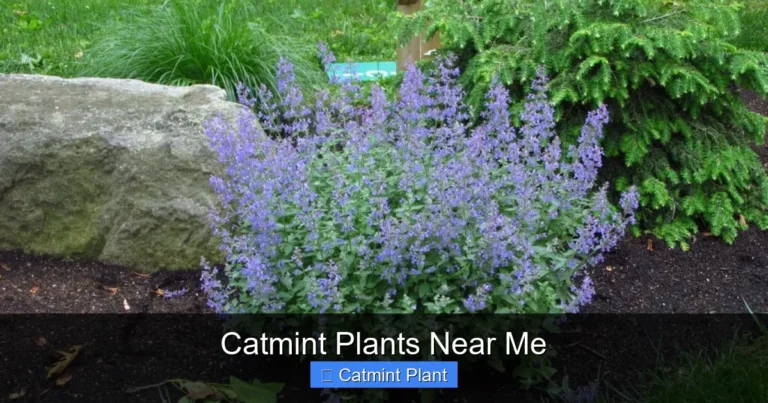
The plant forms a neat mound of aromatic, grey-green foliage that reaches twelve to eighteen inches tall and spreads eighteen to twenty-four inches wide. From late spring through early fall, it produces abundant spikes of small, tubular lavender-blue flowers. The overall effect is a soft, billowy cloud of color that moves beautifully in the breeze.
The Active Compound: Nepetalactone
Here is where the magic happens. Grey catmint contains high concentrations of nepetalactone, a terpenoid compound that gives the plant its distinctive minty, slightly citrusy aroma. Research from Iowa State University found that nepetalactone is approximately ten times more effective at repelling mosquitoes than DEET, the active ingredient in most commercial insect repellents.
Mosquitoes detect carbon dioxide and lactic acid from human breath and sweat to locate their targets. The strong volatile oils released by grey catmint interfere with these sensory receptors, essentially blinding the mosquitoes to your presence. It creates an invisible shield around your outdoor living spaces.
How It Compares to Other Mosquito Repellent Plants
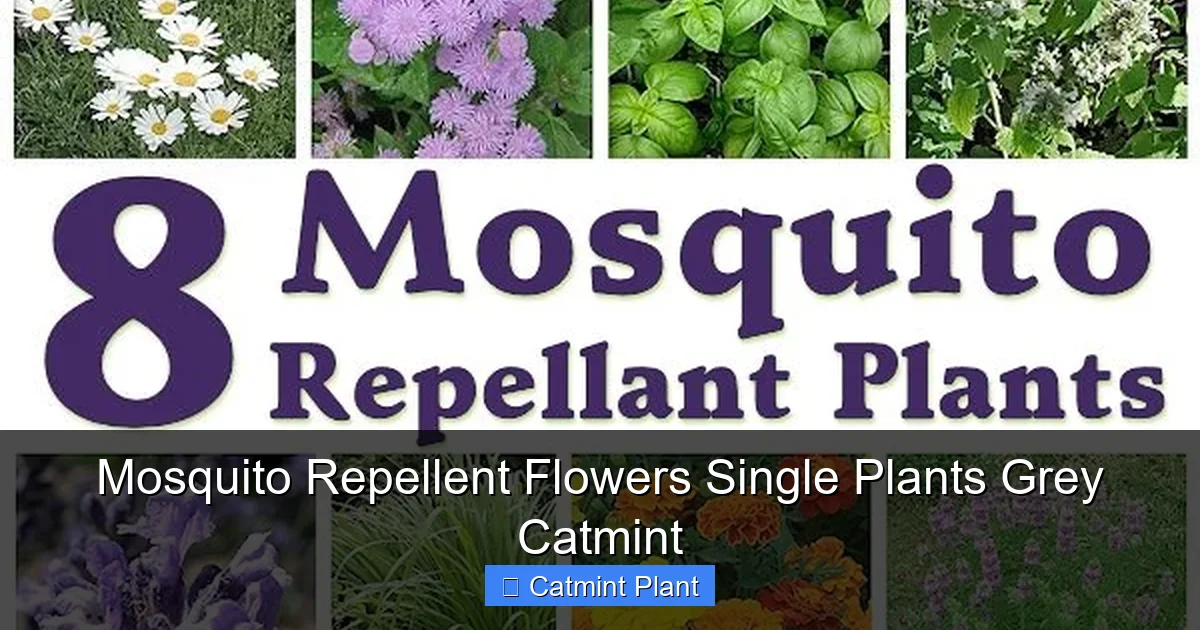
You have probably heard of citronella grass, marigolds, lavender, and basil as mosquito deterrents. Grey catmint outperforms most of them in several key ways. Unlike citronella, which is only hardy in zones 9-11, grey catmint thrives in zones 3-8. Unlike basil, which is an annual, catmint returns year after year with increasing vigor. And unlike marigolds, which only repel insects in their immediate vicinity, the volatile oils from catmint can create a broader zone of protection.
Choosing the Right Location for Maximum Effectiveness
Sun Requirements for Optimal Oil Production
Full sun is non-negotiable if you want maximum mosquito repellent power. Grey catmint needs at least six hours of direct sunlight daily, though eight to ten hours is even better. The essential oil production that creates the repellent effect is directly tied to sun exposure. Plants grown in shade become leggy, produce fewer flowers, and release significantly less nepetalactone.
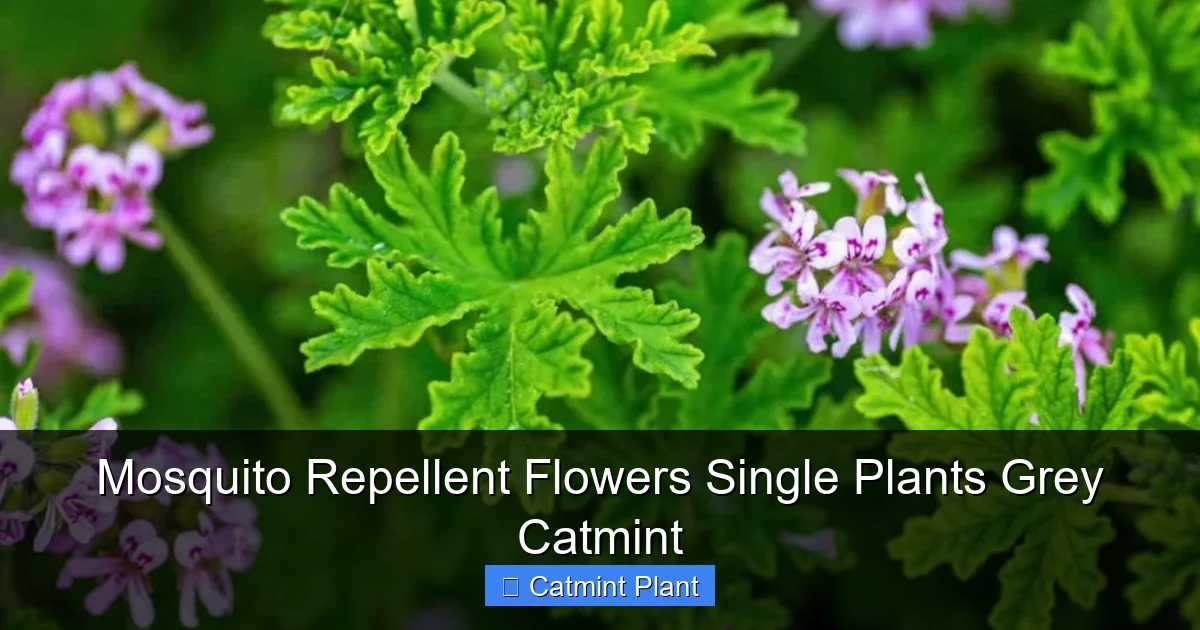
Visual guide about Mosquito Repellent Flowers Single Plants Grey Catmint
Image source: planetnatural.com
If you have a partially shaded area, you can still grow catmint, but do not expect the same level of mosquito control. The plant will survive and look attractive, but its superpower diminishes considerably.
Strategic Placement Around Outdoor Living Spaces
Think about where you actually spend time outdoors. Plant grey catmint along the edges of patios, decks, and porches. Create a border around your fire pit area. Line the pathway to your front door. Place containers on either side of your favorite garden bench. The goal is to create a perimeter of protection around the areas you use most.
Space plants eighteen to twenty-four inches apart to allow for their mature spread. Within two growing seasons, they will form a continuous hedge of mosquito-repelling foliage. For container planting, use pots at least twelve inches in diameter to accommodate the root system.
Soil Conditions and Drainage Essentials
This is a plant that thrives on neglect. Grey catmint prefers lean, well-draining soil with a neutral to slightly alkaline pH between 6.5 and 7.5. Rich, fertile soil actually reduces essential oil production and encourages floppy growth. If your soil is heavy clay, amend it generously with coarse sand or fine gravel to improve drainage.
Wet feet are the enemy. Catmint will rot quickly in poorly drained soil, especially during winter. If you have a low-lying area that stays soggy, plant on a slight mound or choose a different location entirely. Raised beds and rock gardens are ideal environments.
Planting and Establishment: Getting Your Catmint Off to a Strong Start
When to Plant for Best Results
Spring planting after the last frost date gives your catmint the entire growing season to establish a robust root system before winter. In zones 7 and warmer, fall planting also works well, allowing roots to develop during the cool, moist months. Avoid planting during the heat of summer unless you can commit to consistent watering during establishment.
If you are purchasing mosquito repellent flowers single plants grey catmint from a nursery, look for compact specimens with healthy grey-green foliage and no signs of yellowing or legginess. Avoid plants that are already flowering heavily in small pots, as they may be root-bound and stressed.
Step-by-Step Planting Process
Dig a hole twice as wide as the root ball but no deeper. The crown of the plant should sit at soil level or slightly above. Rough up the sides of the hole with your shovel to prevent glazing, which can impede root penetration. If your soil is particularly poor, you can mix in a handful of compost, but do not overdo it.
Remove the plant from its container and gently tease apart any circling roots. Place it in the hole and backfill with native soil, firming gently to eliminate air pockets. Water thoroughly to settle the soil around the roots. Apply a thin layer of gravel mulch or pine straw, keeping it away from the crown to prevent rot.
The Critical Establishment Period
For the first four to six weeks, water deeply once or twice a week depending on rainfall. The goal is to encourage deep root growth, not to keep the surface constantly moist. After this period, gradually reduce watering. Established grey catmint is remarkably drought tolerant and actually prefers to dry out between waterings.
Do not fertilize during the first year. The plant needs to focus on root development, not top growth. Excess nitrogen produces lush, soft foliage that is less aromatic and more susceptible to pests and diseases.
Ongoing Care: Keeping Your Catmint Healthy and Potent
The Art of Deadheading for Continuous Blooms
Deadheading is the single most important maintenance task for extending the bloom season. As soon as the first flush of flowers begins to fade, usually in early summer, shear the entire plant back by about one-third to one-half. This sounds drastic, but it stimulates fresh growth and a second heavy bloom cycle within two to three weeks.
Use clean, sharp hedge shears or pruning scissors. Cut just above a set of leaves. The plant will look a bit bare for a week, then explode with new growth. You can repeat this process two or even three times during the growing season in longer climates.
Watering Wisdom: Less Is More
Once established, grey catmint rarely needs supplemental watering. In fact, overwatering is the most common cause of failure. During extended drought periods of three weeks or more, a deep soaking once every two weeks is sufficient. Water at the base of the plant to keep foliage dry, which prevents fungal issues.
Container-grown plants need more frequent attention. Check the soil moisture by sticking your finger two inches deep. Water only when it feels dry at that depth. Ensure containers have excellent drainage holes and never sit in saucers of standing water.
Division: Rejuvenation and Free Plants
Every three to four years, the center of the plant may become woody and less productive. This is your signal to divide. Early spring, just as new growth emerges, is the ideal time. Dig up the entire clump and use a sharp spade or knife to cut it into sections, each with healthy roots and shoots.
Replant divisions immediately at the same depth they were growing. Water well and treat them like new plantings for the first month. You will typically get three to five new plants from a mature clump, effectively multiplying your mosquito protection for free.
Winter Care in Cold Climates
In zones 3-5, apply a light layer of straw or pine needles over the crown after the ground freezes. This prevents freeze-thaw cycles from heaving the plant out of the soil. Remove the mulch gradually in early spring. Do not cut back the dead foliage until spring; it provides natural insulation for the crown.
In zones 6-8, no special winter protection is needed. The plant may remain semi-evergreen in milder winters.
Designing with Grey Catmint: Beauty Meets Function
Companion Planting for Enhanced Protection
Grey catmint plays well with others. Its silvery foliage and blue flowers create stunning combinations with warm-colored perennials. Plant it alongside Russian sage, coneflowers, black-eyed Susans, and ornamental grasses for a prairie-style planting that blooms all summer.
For vegetable gardens, catmint makes an excellent border plant. It repels not only mosquitoes but also aphids, squash bugs, and cabbage moths. Plant it near tomatoes, peppers, brassicas, and roses. The pollinators it attracts will improve yields on fruiting vegetables.
Container Gardens for Portable Protection
Not everyone has garden space. Grey catmint thrives in containers, making it perfect for balconies, patios, and small urban gardens. Use a high-quality potting mix amended with perlite or coarse sand for drainage. Choose a container at least twelve inches wide and deep.
Combine with other mosquito-repelling herbs like rosemary, thyme, and lavender for a beautiful and functional herb garden that protects your outdoor dining area. The silvery foliage provides a sophisticated neutral backdrop for colorful annuals.
Rock Gardens and Xeriscaping
If you are moving toward water-wise landscaping, grey catmint is a superstar. Its deep taproot and drought tolerance make it ideal for rock gardens, slopes, and hellstrips (the area between sidewalk and street). Pair with sedums, yuccas, agaves, and native grasses for a low-maintenance landscape that looks intentional and designed.
Edging and Border Applications
The neat, mounding habit makes grey catmint perfect for defining garden beds and pathways. Plant in a single row eighteen inches apart for a clean edge that softens hardscapes. The foliage stays attractive from spring through frost, providing structure even when not in bloom.
Troubleshooting Common Issues
Floppy Growth and Reduced Flowering
If your catmint becomes leggy and flops open in the center, it is usually due to too much shade, too much water, or too much fertilizer. Move it to a sunnier location if possible. Cut back hard in early summer to force compact regrowth. Stop fertilizing entirely.
Root Rot and Crown Rot
Yellowing leaves, wilting despite moist soil, and a foul smell at the base indicate rot. This is almost always a drainage issue. If caught early, you can dig up the plant, trim away rotted roots, dust with sulfur powder, and replant in a better-drained location or raised bed. Prevention through proper site selection is far easier than treatment.
Powdery Mildew in Humid Climates
In areas with high humidity and poor air circulation, powdery mildew can appear as a white coating on leaves. Space plants properly for good airflow. Water at the base, not overhead. If mildew appears, remove affected leaves and treat with a homemade spray of one tablespoon baking soda per gallon of water with a few drops of dish soap.
Cat Damage
Despite the name, grey catmint is far less attractive to cats than true catnip (Nepeta cataria). However, some cats may still roll on young plants. Protect new plantings with a temporary cage of chicken wire until they are established. Once the plant is full-sized, occasional cat visits rarely cause lasting damage.
Harvesting and Using Catmint Beyond the Garden
Making Your Own Mosquito Repellent Spray
You can harness the power of your catmint plants directly. Harvest stems on a dry morning after the dew has evaporated but before the heat of the day. This is when essential oil concentration is highest. Cut stems just above a leaf node.
To make a simple spray, pack a jar loosely with fresh catmint leaves and flowers. Cover with witch hazel or vodka. Let steep in a dark place for two weeks, shaking daily. Strain and transfer to a spray bottle. Apply to skin and clothing before heading outdoors. Test on a small patch of skin first, as some people may be sensitive.
Drying for Sachets and Potpourri
Bundle small bunches of stems with rubber bands and hang upside down in a dark, well-ventilated area. Once crisp-dry, strip the leaves and flowers from the stems. Store in airtight containers. Use in sachets for drawers and closets, or add to homemade potpourri blends. The scent lasts for months.
Culinary and Herbal Uses
While not as commonly used as culinary mint, grey catmint leaves can be used spice is edible. The young leaves have a mild minty flavor with hints of citrus. Add sparingly to salads, fruit dishes, or as a garnish for summer drinks. A tea made from the dried leaves is traditionally used as a mild relaxant and digestive aid.
The Environmental Impact: Why This Choice Matters
Reducing Chemical Dependence
Every bottle of DEET-based repellent you do not buy represents fewer chemicals entering the environment. Synthetic insecticides can harm beneficial insects, contaminate waterways, and persist in soil. By planting grey catmint, you are choosing a biological solution that works with nature rather than against it.
Supporting Pollinator Populations
Bees, butterflies, and hummingbirds flock to catmint flowers. The long bloom period provides a reliable nectar source when many other plants have finished flowering. In a world where pollinator populations are declining, every garden that provides habitat makes a difference.
Water Conservation Benefits
Once established, grey catmint requires zero supplemental irrigation in most climates. Compared to a traditional lawn or thirsty annual beds, the water savings over a decade are substantial. This is gardening that is resilient in the face of climate change and increasing water restrictions.
Soil Health Improvement
The deep taproot of catmint breaks up compacted soil, creating channels for water and air penetration. As roots die and decompose, they add organic matter deep in the soil profile. The plant also hosts beneficial mycorrhizal fungi that extend the root system’s reach and improve nutrient uptake for neighboring plants.
Conclusion: Your Garden’s New Best Friend
Grey catmint represents everything we want in a garden plant. It is beautiful. It is useful. It asks for little and gives abundantly. The fact that it happens to be one of the most effective mosquito repellent flowers single plants grey catmint varieties makes it almost too good to be true. But the science is solid, the history is long, and the results speak for themselves.
Start with three plants this spring. Place them where you sit, where you dine, where your children play. Watch them grow into billowing clouds of silver and blue. Notice the absence of mosquitoes. Notice the presence of butterflies. Realize that you have solved one of summer’s oldest problems with a plant that would be worth growing even if it did nothing but look pretty.
Your garden is waiting. The mosquitoes are not invited.
Frequently Asked Questions
Is grey catmint safe for pets and children?
Grey catmint is non-toxic to dogs, cats, and children. The ASPCA lists Nepeta species as non-toxic. However, consuming large quantities may cause mild digestive upset. The plant is safe to touch and brush against.
Can grey catmint survive in zone 9 or 10 heat?
Grey catmint struggles in zones 9-10 due to excessive heat and humidity. It prefers cooler nights and may go dormant or die back in prolonged heat. In these zones, provide afternoon shade and excellent drainage, or treat as a cool-season annual.
Why is my grey catmint not flowering?
Lack of flowers usually indicates insufficient sunlight, over-fertilization, or the plant needs division. Ensure at least six hours of direct sun, stop fertilizing, and divide crowded clumps in early spring to rejuvenate blooming.
Can I grow grey catmint from seed?
Named cultivars like ‘Walker’s Low’ and ‘Cat’s Meow’ are sterile hybrids and will not come true from seed. Purchase established plants or propagate by division. Species types like Nepeta racemosa can be grown from seed but may be more aggressive.
How do I prevent grey catmint from becoming woody in the center?
Regular division every three to four years prevents woody centers. Also, annual hard pruning in early spring to four to six inches above ground encourages fresh, vigorous growth from the base.
Will deer eat grey catmint?
Deer rarely browse grey catmint due to its strong aromatic foliage. It is considered highly deer-resistant. However, in times of extreme food scarcity, deer may sample almost any plant.