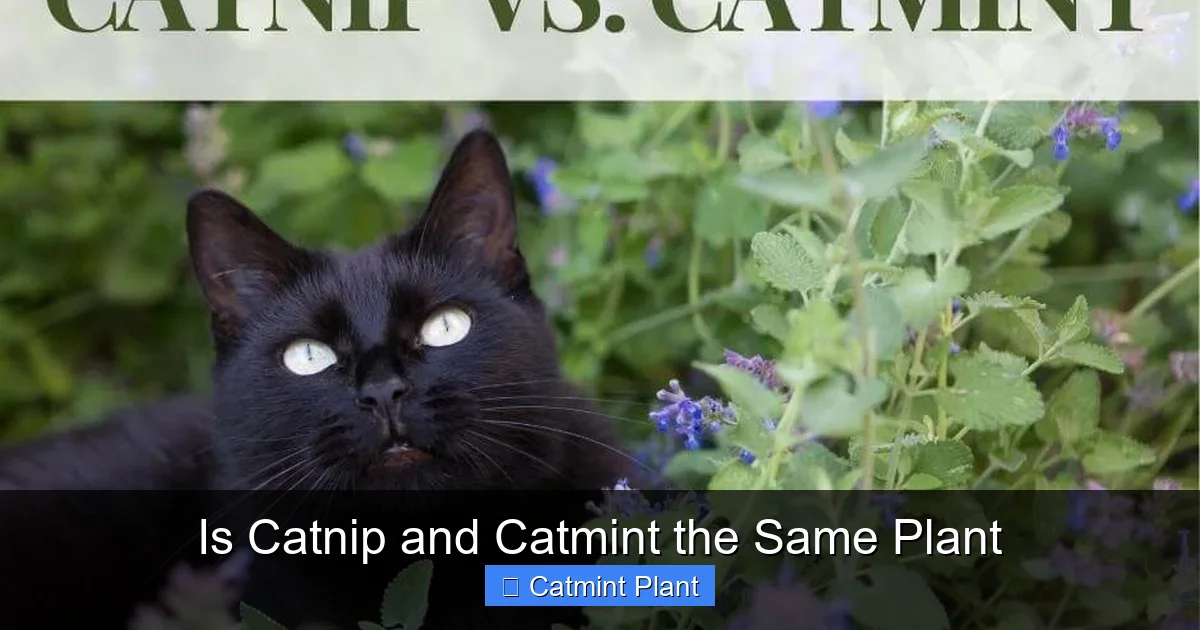
Is Catnip and Catmint the Same Plant
Catnip and catmint are related herbs but they are not the same plant. Catnip (Nepeta cataria) drives most cats wild, while catmint (Nepeta faassenii) is milder and often used as an ornamental. Both are easy to grow and safe for pets.
Key Takeaways
- Different species: catnip is Nepeta cataria, catmint is usually Nepeta faassenii.
- Cat reaction: catnip triggers strong euphoria in many cats; catmint gives a milder response.
- Appearance: catnip has heart‑shaped leaves and white‑purple flowers; catmint shows gray‑green foliage and lavender spikes.
- Growing needs: both like full sun and well‑drained soil, but catmint tolerates drier conditions.
- Uses: catnip for cat toys and tea; catmint for borders, pollinator gardens, and herbal tea.
- Safety: both are non‑toxic to cats and dogs, though large amounts may cause mild stomach upset.
Quick Answers to Common Questions
Is catnip the same as catmint?
No, catnip and catmint are different species within the Nepeta genus.
Which herb makes cats more excited?
Catnip triggers a stronger response in most cats than catmint.
Can I grow catnip and catmint together?
Yes, they share similar sunlight and soil needs and grow well side by side.
Are catnip and catmint safe for dogs?
Both herbs are non‑toxic to dogs, though large amounts may cause mild stomach upset.
How do I harvest catnip for maximum potency?
Cut leaves just before flowers open, dry them in a dark airy place, and store in an airtight jar.
📑 Table of Contents
What Is Catnip
Botany and Origins
Catnip is a herb known by the scientific name Nepeta cataria. It belongs to the mint family Lamiaceae. The plant grows up to three feet tall. It has soft green leaves shaped like hearts. Small white or pale purple flowers appear in summer. The leaves contain a compound called nepetalactone. This compound makes many cats excited. Catnip and catmint share the same genus but they are different species. Gardeners often grow catnip for its effect on cats. People also brew catnip tea for a calm drink.
Catnip originated in Europe and Asia but now grows worldwide. It prefers temperate climates with cool nights. The herb spreads by seed and by underground runners. In the wild it can become invasive in disturbed soils. Cultivated varieties are selected for high nepetalactone content. Catnip and catmint both attract pollinators like bees and butterflies. This makes them useful in a wildlife garden.
Chemical Composition
The main active chemical in catnip is nepetalactone. This volatile oil binds to receptors in a cat’s nasal tissue. The binding triggers a temporary euphoric state. Catnip also contains minor amounts of other terpenes. These minor compounds contribute to the herb’s aroma. Catnip and catmint differ in the ratio of these oils. Catmint has lower nepetalactone and more citronellol. This chemical gap drives the different cat responses.
Essential oil yields vary with harvest time. Leaves harvested before flowering contain the highest oil concentration. Drying in a dark airy place preserves potency. Store dried catnip in an airtight container away from light. Proper storage keeps the herb effective for months. Catnip and catmint both benefit from careful post‑harvest handling.
Traditional and Modern Uses
Historically catnip was used as a medicinal tea for digestion. It was also employed as a mild sedative for humans. In the Middle Ages people planted catnip near homes to repel rodents. Today catnip is famous for cat toys and enrichment. A simple sock filled with dried catnip works well. Cats will roll, purr, and play for several minutes. The effect usually lasts ten to fifteen minutes. After that cats become temporarily immune. Wait a few hours before offering catnip again. Catnip and catmint both appear in modern pet product lines.
Catnip tea is still enjoyed by herbalists for relaxation. The flavor is minty with a slight citrus note. Some people use catnip as a culinary herb in salads. Fresh leaves add a bright aroma to summer dishes. Catnip and catmint are both safe for human consumption in moderate amounts. Pregnant women should consult a healthcare provider before regular use.
What Is Catmint
Species Overview
Catmint is a common name for several Nepeta species. The most popular garden type is Nepeta faassenii. It forms a low mound about one to two feet tall. The foliage is gray‑green and aromatic. Lavender blue flower spikes bloom from late spring to early fall. Catmint and catmint are often confused because the names sound alike. However catmint is generally grown for its ornamental value. The scent is pleasant but less intense than catnip.
Other garden catmints include Nepeta racemosa and Nepeta × faassenii hybrids. These cultivars vary in flower color from pink to deep violet. All share a compact habit and long bloom period. Catmint and catmint both belong to the same genus Nepeta. This explains their similar leaf shape and aromatic oils. Breeders select for sterility to prevent unwanted seeding.
Growth Habit and Appearance
Catmint stays compact and spreads slowly. It forms a tidy clump that rarely self‑seeds. The leaves are lance shaped with a fine silvery pubescence. Flower spikes rise above the foliage on slender stems. The plant tolerates heat and drought once established. Catnip and catmint differ markedly in height and spread. Catnip grows upright to three feet while catmint stays under two feet.
In spring the new growth emerges as a bright green flush. By midsummer the foliage takes on a soft gray hue. The lavender spikes attract bees, butterflies, and hummingbirds. Deadheading spent spikes encourages a second bloom. Catmint and catmint both respond well to light pruning. This keeps the plant dense and floriferous.
Garden Performance and Uses
Catmint thrives in full sun to light shade. It prefers well‑drained soil but tolerates poor fertility. Space plants about eighteen inches apart for good air flow. It works well in borders, rock gardens, and containers. Catmint is deer resistant and attracts pollinators. Its long bloom season provides color from May to September. Catnip and catmint both add scent and movement to the landscape.
Herbalists sometimes use catmint leaves for tea. The flavor is mild and slightly minty. Catmint tea may help with relaxation and digestion. Cat owners can offer a small sprig to cats. The reaction is usually gentle. Some cats ignore catmint completely. Catnip and catmint can be planted together for a mixed herb display.
Key Differences Between Catnip and Catmint
Taxonomy and Genetics
Catnip is Nepeta cataria. Catmint is usually Nepeta faassenii or Nepeta racemosa. They are separate species within the same genus. The genetic difference changes the chemical profile. Catnip contains high levels of nepetalactone. Catmint has lower nepetalactone and more other volatile oils. This chemical gap drives the different cat responses. Catnip and catmint share a common ancestor but diverged millions of years ago.
Molecular studies confirm distinct DNA markers for each species. Hybridization between them is rare in cultivation. Gardeners should label plants to avoid confusion. Catnip and catmint both belong to the Lamiaceae family. This family includes mint, basil, and lavender.
Leaf Morphology and Color
Catnip leaves are bright green and heart shaped. Catmint leaves are gray‑green and more lance shaped. The texture of catmint foliage feels slightly fuzzy. These visual cues help gardeners identify each plant quickly. When you see a low mound with lavender spikes you likely have catmint. When you see taller stems with white flowers you likely have catnip. Catnip and catmint can be distinguished even before flowering.
Leaf size also differs. Catnip leaves can reach three inches long. Catmint leaves are usually under two inches. The petiole length varies as well. Catnip petioles are longer, giving a more open habit. Catmint petioles are short, creating a dense mat. Catnip and catmint leaf traits are useful for field identification.
Growth Form and Garden Role
Catnip grows upright and can reach three feet. Catmint stays compact and spreads slowly. Catnip may self‑seed aggressively in favorable spots. Catmint rarely self‑seeds and stays tidy. This makes catmint a better choice for formal beds. Catnip works well in a wild corner or herb patch. Catnip and catmint both attract bees and butterflies.
Catnip’s height adds vertical interest in mixed plantings. Catmint’s low habit makes an excellent ground cover. Both herbs tolerate a range of soil pH values. Catnip prefers slightly alkaline soil. Catmint thrives in neutral to slightly acidic conditions. Catnip and catmint can be combined for layered garden design.
Cat Attraction Chemistry
Most cats react strongly to catnip. About seventy percent of cats show the classic roll and purr. Catmint produces a mild interest in fewer cats. Some cats may sniff catmint and walk away. The difference is due to the nepetalactone concentration. Catnip and catmint both are safe for cats. Neither causes addiction or long‑term harm.
Kittens under six months usually ignore both herbs. Senior cats may show reduced sensitivity. Genetic factors determine individual response. Offering both herbs lets you discover your cat’s preference. Catnip and catmint can be rotated to maintain novelty.
Landscape Roles and Maintenance
Catnip is often planted for a dedicated cat garden. Catmint shines as a border plant with long bloom time. Both attract bees and butterflies. Catmint’s drought tolerance makes it ideal for xeriscape designs. Catnip’s height adds vertical interest in a mixed herb bed. Choose the plant that matches your garden goal. Catnip and catmint require minimal fertilizer.
Annual pruning keeps both herbs tidy. Remove spent flowers to prevent unwanted seeding. Divide catmint clumps every three years in early spring. Catnip benefits from a hard cut back after flowering. Mulch around plants to conserve moisture. Catnip and catmint are generally disease resistant.
How Cats React to Each Herb
Catnip Euphoria
When a cat smells catnip it may roll, rub, and vocalize. The behavior lasts about ten minutes. After the session the cat loses interest for a while. This refractory period can last thirty minutes to an hour. Not all cats respond; genetics controls sensitivity. Kittens under six months usually ignore catnip. Senior cats may show reduced interest. Catnip and catmint both trigger the same receptor pathway.
The euphoric state includes purring, drooling, and playful aggression. Some cats become hyperactive and chase imaginary prey. Others simply lie in a blissful trance. The response is harmless and self‑limiting. Catnip and catmint can be used to encourage exercise in indoor cats.
Catmint Mild Interest
Catmint triggers a calmer reaction. A cat may sniff, lick, or lie near the plant. The excitement level is lower than with catnip. Some cats show no reaction at all. Offering a fresh sprig can test interest. If the cat ignores it, try dried catmint later. Catnip and catmint can be offered together to see preference.
Catmint’s scent is more herbal than intoxicating. Cats may use the plant as a resting spot. The mild effect can still provide enrichment. Rotate catmint with catnip to keep the environment stimulating. Catnip and catmint both contribute to a happy feline.
Safety and Dosage
Both herbs are non‑toxic to cats and dogs. Large amounts may cause mild vomiting or diarrhea. Monitor your pet the first time you offer either herb. Remove the plant if you see signs of distress. Keep dried herbs in a sealed jar away from pets. Moderation is key for a happy safe experience. Catnip and catmint should be treated as occasional treats.
Veterinarians recommend limiting exposure to a few times per week. Overuse can reduce sensitivity over time. Fresh leaves are more potent than dried material. Store dried catnip and catmint in a cool dark place. Catnip and catmint remain effective for up to a year when stored properly.
Enrichment Strategies
Rotate catnip and catmint toys to keep novelty high. Sprinkle a pinch of dried catnip on a scratching post. Place a small pot of catmint near a sunny window. Observe which herb your cat prefers. Use that herb for training rewards. Enrichment reduces boredom and unwanted behavior. Catnip and catmint can be combined in a single toy for variety.
DIY toys are easy to make. Fill a fabric pouch with dried catnip and sew shut. Add a few catmint leaves for a layered scent. Cats often play longer with mixed herbs. Refresh the filling monthly for maximum effect. Catnip and catmint enrichment supports mental health.
Growing Catnip and Catmint in Your Garden
Site Selection and Soil Preparation
Choose a sunny spot with at least six hours of direct light. Both herbs tolerate partial shade but bloom less. Ensure the soil drains well; soggy roots cause rot. Amend heavy clay with compost or sand. A raised bed works well for both plants. Catnip and catmint thrive in loose, fertile loam.
Test soil pH before planting. Aim for a range of 6.0 to 7.5. Add lime if soil is too acidic. Incorporate organic matter to improve structure. Good drainage prevents fungal diseases. Catnip and catmint both benefit from a well‑prepared bed.
Seed Starting and Transplanting
Start seeds indoors six weeks before the last frost. Sow seeds on the surface and press lightly. Keep the soil moist until germination. Transplant seedlings after danger of frost passes. Space catnip eighteen inches apart. Space catmint twelve inches apart for a dense mound. Catnip and catmint seedlings need gentle handling.
Hardening off reduces transplant shock. Place seedlings outdoors for a few hours each day. Increase exposure gradually over a week. Plant at the same depth as in the pot. Water thoroughly after planting. Catnip and catmint establish quickly in warm soil.
Watering, Feeding, and Mulching
Water young plants regularly until established. Mature catnip needs water only during prolonged dry spells. Catmint is drought tolerant once rooted. Apply a balanced organic fertilizer in early spring. Avoid high nitrogen; it reduces essential oil content. Mulch with straw or shredded leaves to conserve moisture. Catnip and catmint both appreciate a light mulch layer.
Check soil moisture by finger test. Water deeply rather than frequent shallow watering. Overwatering leads to root rot. Fertilize once per season for best growth. Catnip and catmint respond well to compost tea applications.
Pruning, Dividing, and Seasonal Care
Pinch back catnip stems after the first bloom to encourage a second flush. Cut catmint back to six inches after flowering. Remove spent flowers to prevent self‑seeding. Divide catmint clumps every three years in early spring. Mulch around plants to conserve moisture and suppress weeds. Catnip and catmint benefit from regular grooming.
In late autumn cut back dead foliage to ground level. Apply a thick mulch layer for winter protection. In cold zones, cover crowns with evergreen boughs. Spring cleanup removes debris and prevents pests. Catnip and catmint emerge vigorously after winter dormancy.
Pest Management
Aphids and spider mites may appear on new growth. Spray with a strong jet of water or insecticidal soap. Powdery mildew can develop in humid, crowded conditions. Improve air flow by proper spacing. Both herbs are generally disease resistant. Catnip and catmint rarely suffer serious infestations.
Beneficial insects like lady beetles control aphids naturally. Encourage them by planting companion flowers. Neem oil can be used as a last resort. Always test any spray on a small leaf area first. Catnip and catmint stay healthy with minimal intervention.
Harvesting and Storing
Harvest catnip leaves just before flowers open for maximum oil. Cut stems in the morning after dew dries. Hang bundles upside down in a dark ventilated area. Dry catmint leaves similarly. Store dried herbs in airtight containers away from light. Fresh leaves can be frozen in ice cubes for later use. Catnip and catmint retain potency for months when stored correctly.
Label containers with harvest date. Use older stock first to maintain freshness. Crushed dried leaves release aroma quickly. A small pinch is enough for a cat toy refill. Catnip and catmint can also be infused into oils for topical use.
Practical Uses for Catnip and Catmint
DIY Cat Toys
Fill a small cloth pouch with dried catnip. Sew the opening shut. Toss the toy to your cat for instant play. Rotate with a catmint sachet for variety. Cats often prefer one herb over the other. Observe and tailor the toy selection. Catnip and catmint toys can be refreshed monthly.
Another idea is a catnip‑filled cardboard tube. Cats love to bat and chase the rolling tube. Add a few catmint leaves for a layered scent. Secure the ends with tape. Replace the filling when the aroma fades. Catnip and catmint keep playtime exciting.
Herbal Teas for People
Steep one teaspoon of dried catnip in hot water for five minutes. The tea has a mild minty flavor and may aid relaxation. Catmint tea uses the same method. Both teas are caffeine free. Sweeten with honey if desired. Pregnant women should consult a doctor before regular use. Catnip and catmint teas are soothing after a long day.
For a blended tea, combine equal parts catnip and catmint. Add a slice of lemon for brightness. The blend offers a balanced aroma. Drink warm before bedtime for calm. Catnip and catmint provide a natural alternative to commercial sleep aids.
Garden Design Ideas
Plant catnip in a dedicated cat corner. Add a low fence to keep cats contained. Surround catmint with lavender and salvia for a pollinator border. The silver foliage of catmint contrasts nicely with dark greens. Use catmint as a ground cover under roses. Both herbs add scent and movement to the landscape. Catnip and catmint create a multi‑sensory garden.
Design a herb spiral with catnip at the top. Place catmint on the lower tiers for easy access. The spiral maximizes space and drainage. Add stepping stones for maintenance. Catnip and catmint thrive in the microclimates of a spiral.
Natural Pest Repellent
Crushed catnip leaves repel mosquitoes and flies. Scatter fresh leaves around patio seating. Catmint essential oil can be diluted for a spray. Test on a small skin area first. These natural options reduce chemical use. Catnip and catmint are safe for children and pets when used as directed.
Make a simple spray by steeping dried catnip in water. Strain and add a few drops of witch hazel. Spray on outdoor cushions and doorways. Reapply after rain. Catnip and catmint provide a pleasant scent while deterring insects.
Companion Planting Benefits
Catnip grows well with tomatoes and peppers. It may deter aphids and beetles. Catmint pairs nicely with carrots and onions. The aromatic foliage confuses pests. Rotate herbs each season for soil health. Catnip and catmint improve biodiversity in vegetable beds.
Interplant catnip near beans to attract beneficial wasps. Catmint near brassicas can reduce cabbage moth damage. Both herbs attract pollinators that boost yields. Catnip and catmint are valuable allies in an organic garden.
Conclusion
Catnip and catmint are close relatives but they are not the same plant. Catnip delivers a strong euphoric reaction for most cats. Catmint offers a milder scent and beautiful garden performance. Both herbs are easy to grow, safe for pets, and useful in the kitchen. Choose catnip if you want a cat‑focused herb. Choose catmint for ornamental borders and drought tolerance. You can even grow both together for the best of both worlds. Happy gardening and happy cats.
Remember to label your plants, harvest at the right time, and store herbs properly. Rotate toys and teas to keep things fresh. Your cats will thank you with purrs and playful antics. Catnip and catmint bring joy to both people and felines alike.
Frequently Asked Questions
What is the scientific name of catnip?
Catnip is scientifically known as Nepeta cataria.
What is the scientific name of catmint?
Common garden catmint is usually Nepeta faassenii.
Do all cats react to catnip?
About seventy percent of cats show a reaction; the rest are genetically indifferent.
Can catmint be used as a cat toy?
Yes, a small sprig of catmint can entertain cats, though the effect is milder.
How often should I water catnip?
Water young catnip regularly; established plants need water only during long dry periods.
Is catnip tea safe for daily consumption?
Catnip tea is generally safe in moderation, but consult a healthcare provider for daily use.