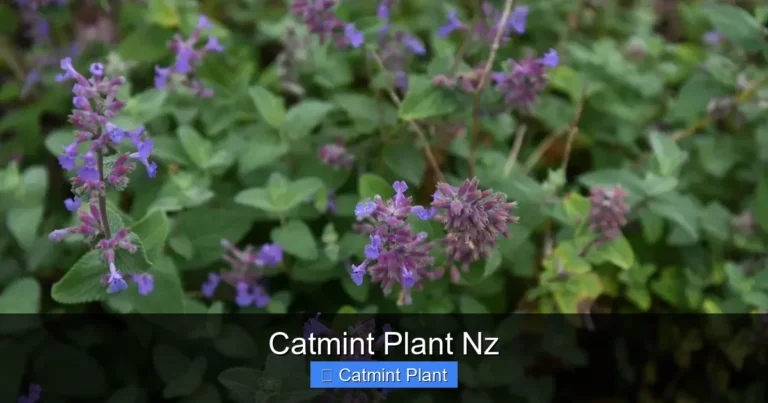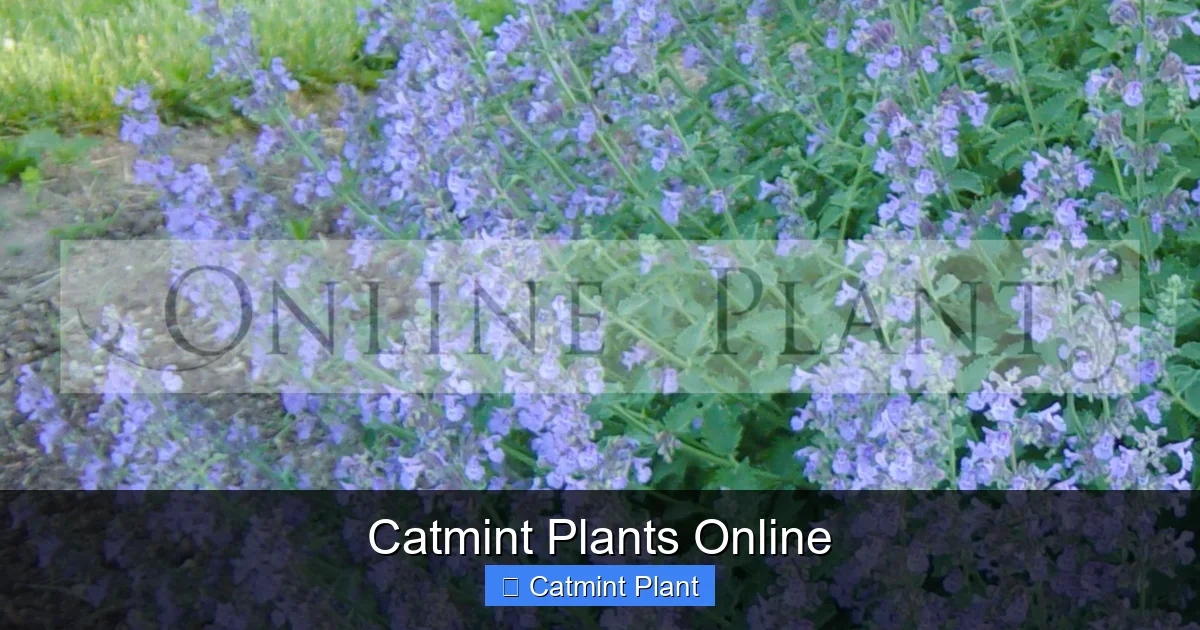
Catmint Plants Online
Catmint plants online give gardeners easy access to fragrant, drought‑tolerant perennials that attract pollinators and repel pests. This guide covers selection, planting, care, and where to find the best deals.
Catmint is a garden favorite for good reason. Its aromatic foliage releases a gentle minty scent when brushed, and its spikes of lavender‑blue flowers bloom from late spring into fall. Many gardeners now shop for catmint plants online because it saves time and offers a wider selection than local garden centers. In this article you will learn how to pick the right variety, prepare the planting site, care for the plants through the seasons, and find trustworthy sources that ship healthy catmint plants online.
Whether you are a beginner or a seasoned horticulturist, the steps below are written in plain language. Short sentences keep the advice easy to follow. You will also see practical tips you can apply today, plus examples of successful garden designs that feature catmint.
Key Takeaways
- Variety matters: Choose between Nepeta faassenii, Nepeta racemosa, and newer hybrids for different bloom times and colors.
- Sun and soil: Full sun and well‑drained soil produce the strongest scent and longest flowering.
- Water wisely: Established catmint needs little water; overwatering causes root rot.
- Prune for rebloom: Cut back after the first flush to encourage a second wave of flowers.
- Buy from reputable sellers: Look for nurseries that ship healthy, disease‑free catmint plants online with clear guarantees.
- Companion planting: Pair catmint with roses, lavender, or salvia for a pollinator‑friendly border.
- Seasonal care: Mulch in winter, divide every three years, and watch for aphids in early spring.
Quick Answers to Common Questions
What is the best time to plant catmint?
Plant in spring after the last frost or early fall in mild climates for strong root establishment.
How much sun does catmint need?
Full sun, at least six hours daily, produces the most flowers and strongest scent.
Can catmint grow in containers?
Yes, use a 12‑inch deep pot with well‑draining potting mix and water more frequently than ground plants.
How do I encourage a second bloom?
Shear the plant back by one‑third after the first flush fades to stimulate reblooming.
Where can I buy healthy catmint plants online?
Look for reputable nurseries that guarantee live arrival, provide zone information, and ship in breathable packaging.
📑 Table of Contents
Choosing the Right Catmint Variety
Classic Nepeta faassenii
Nepeta faassenii, often called “Walker’s Low,” is the most common catmint sold online. It grows 18 to 24 inches tall and spreads 24 to 36 inches wide. The flowers are a soft lavender‑blue that appear in early summer and keep blooming if deadheaded. This variety tolerates heat and drought once established.
Compact Nepeta racemosa ‘Little Titch’
For small spaces or container gardens, ‘Little Titch’ stays under 12 inches tall. It forms a tidy mound and produces a profusion of tiny violet flowers. Because of its size, it works well in rock gardens or along pathways. Many nurseries list this compact form when you search for catmint plants online.
Hybrid Series for Extended Bloom
Breeders have released hybrid series such as ‘Cat’s Pajamas’ and ‘Blue Wonder.’ These hybrids combine the best traits of several species: longer bloom periods, stronger stems, and richer color. They often cost a bit more but reward you with flowers from June to October. When browsing catmint plants online, filter by “hybrid” to see these options.
Color Variations
While blue‑lavender is classic, some cultivars offer pink or white blooms. ‘Pink Cat’ and ‘White Wonder’ add contrast to a blue‑dominant border. Choose a color that complements the surrounding plants. Most online listings show high‑resolution photos so you can visualize the hue before buying.
Preparing the Planting Site
Sunlight Requirements
Catmint thrives in full sun, meaning at least six hours of direct light daily. In hotter climates, a little afternoon shade prevents leaf scorch. If your garden gets only partial sun, select a more shade‑tolerant variety like ‘Little Titch.’
Soil Preparation
Well‑drained soil is essential. Heavy clay holds water and leads to root rot. Amend clay with coarse sand, compost, or fine gravel to improve drainage. A simple test: dig a 12‑inch hole, fill with water, and watch how fast it drains. If it takes longer than an hour, add more amendment.
Spacing and Layout
Space plants 18 to 24 inches apart for good air circulation. This reduces fungal diseases and lets each plant reach its natural width. For a mass planting, stagger rows in a triangular pattern. This creates a fuller look faster than straight rows.
Container Considerations
If you grow catmint in pots, choose a container at least 12 inches deep. Use a high‑quality potting mix with perlite for drainage. Water containers more often than ground plants because soil dries faster. Many gardeners order catmint plants online specifically for container collections.
Planting and Early Care
When to Plant
Spring after the last frost is ideal. In mild climates, early fall planting also works because roots establish before winter. Avoid planting during extreme heat waves.
Planting Steps
- Dig a hole twice as wide as the root ball and the same depth.
- Gently loosen circling roots.
- Place the plant so the crown sits level with the soil surface.
- Backfill with amended soil, firm lightly, and water thoroughly.
Water new plants every two days for the first two weeks, then taper to once a week. Mulch with shredded bark or straw to retain moisture and suppress weeds.
Fertilizing Basics
Catmint is a light feeder. A single application of balanced slow‑release fertilizer in early spring is enough. Over‑fertilizing produces lush foliage but fewer flowers. If you prefer organic options, a handful of compost around the base works well.
Ongoing Maintenance Through the Seasons
Deadheading for Rebloom
After the first flush fades, shear the plant back by one‑third. This encourages a second bloom cycle in late summer. Use clean, sharp shears to avoid disease spread.
Dividing Established Clumps
Every three to four years, dig up the clump in early spring. Separate into smaller sections with a sharp spade. Replant divisions at the same depth. Division rejuvenates vigor and prevents the center from becoming woody.
Winter Protection
In zones 5 and colder, apply a 2‑inch layer of mulch after the ground freezes. This insulates roots from freeze‑thaw cycles. Remove excess mulch in early spring to prevent rot.
Pest and Disease Watch
Catmint is largely pest‑free. Occasionally aphids appear on new growth. Spray a strong jet of water or apply insecticidal soap early in the morning. Powdery mildew can develop in humid, crowded conditions. Good spacing and morning watering keep it at bay.
Design Ideas and Companion Planting
Pollinator Borders
Plant catmint alongside lavender, salvia, and coneflower. The combined nectar sources attract bees, butterflies, and hummingbirds all season. A border of catmint plants online sourced from a single nursery ensures uniform height and bloom time.
Rose Underplanting
Catmint’s low mound hides the bare legs of rose bushes while its scent deters aphids. Space catmint 12 inches from the rose base to avoid competition for water.
Rock Garden Accents
Compact varieties like ‘Little Titch’ thrive in gritty, fast‑draining soil. Pair with sedum, thyme, and dwarf ornamental grasses for a textured, low‑maintenance display.
Container Groupings
Mix three different catmint cultivars in a large trough. The varying heights and flower shades create a moving tapestry. Place the container on a sunny patio where you can enjoy the fragrance up close.
Finding Reliable Sources for Catmint Plants Online
What to Look For in a Seller
Reputable online nurseries provide clear plant descriptions, hardiness zone info, and shipping policies. They often guarantee live arrival and offer a replacement if plants arrive damaged. Read customer reviews focusing on plant health and packaging quality.
Shipping Timing
Most sellers ship in spring and fall. Choose a ship date that matches your planting window. Some nurseries hold orders until the optimal planting time for your zone, which reduces transplant shock.
Packaging Standards
Plants should arrive in breathable pots or biodegradable sleeves with moist root balls. Avoid vendors that ship bare‑root catmint in plastic bags without moisture retention. Good packaging means higher survival rates.
Price vs. Value
Cheaper listings may use smaller liners that take longer to establish. Investing in a 1‑gallon or 2‑gallon pot gives you a head start. Compare total cost including shipping; sometimes a slightly higher price includes free delivery.
Specialty and Rare Varieties
If you want a specific hybrid or color, search niche growers who specialize in Nepeta. They often list limited‑edition cultivars not found at big‑box retailers. Sign up for email alerts to catch new releases early.
Conclusion
Growing catmint adds fragrance, color, and wildlife value to any garden. By selecting the right variety, preparing a sunny, well‑drained site, and following simple seasonal care, you can enjoy months of blooms with minimal effort. Shopping for catmint plants online expands your choices and lets you compare reviews, prices, and shipping options from the comfort of home. Remember to buy from trusted nurseries, plant at the proper time, and give each plant room to breathe. With these steps, your catmint will thrive year after year, becoming a reliable backbone of your perennial beds.
Frequently Asked Questions
Is catmint deer resistant?
Yes, the strong minty aroma deters deer and rabbits, making it a good choice for areas with browsing pressure.
Does catmint attract cats?
Catmint contains nepetalactone, which many cats find stimulating, but the effect is milder than true catnip.
How often should I water established catmint?
Water deeply once a week during dry spells; established plants tolerate drought and prefer dry soil between waterings.
Can I grow catmint from seed?
Seeds germinate readily indoors 6‑8 weeks before the last frost, but most gardeners prefer buying starter plants for faster results.
What soil pH does catmint prefer?
Neutral to slightly alkaline soil (pH 6.5‑7.5) is ideal; amend acidic soils with lime if needed.
How do I divide catmint?
Dig up the clump in early spring, cut into sections with a sharp spade, and replant each division at the same depth.