Where to Buy Catmint Plants
Catmint plants are easy to find at local nurseries, big-box garden centers, and online plant retailers. This guide covers the best sources for healthy Nepeta varieties, what to look for when buying, and tips for getting the best value.
Finding the right place to buy catmint plants can feel overwhelming with so many options available. You want healthy plants that will thrive in your garden without breaking the bank. I have spent years growing different catmint varieties and testing sources from local nurseries to online specialty shops. This guide shares everything I have learned about where to buy catmint plants so you can make the best choice for your garden.
Catmint, also known as Nepeta, belongs to the mint family and offers aromatic foliage with beautiful lavender-blue flower spikes. These perennial plants attract pollinators, resist deer and rabbits, and bloom for months with minimal care. Popular varieties include Walker’s Low, Cat’s Meow, Junior Walker, and the classic catnip (Nepeta cataria) that drives cats wild. No matter which variety you want, knowing where to shop makes all the difference in getting strong, healthy plants.
Key Takeaways
- Local nurseries offer the healthiest plants: You can inspect roots and foliage before purchasing and get expert advice for your growing zone.
- Online retailers provide the widest selection: Specialty nurseries ship rare catmint varieties directly to your door with guaranteed live arrival.
- Big-box stores are convenient but variable: Home Depot and Lowe’s carry common varieties like Walker’s Low, but plant quality depends on store care.
- Spring is the best buying season: The largest selection and healthiest stock appear from April through June at most retailers.
- Check for pests and root health before buying: Avoid plants with yellowing leaves, leggy growth, or roots circling the pot bottom.
- Consider buying smaller plants to save money: Quart-sized catmint establishes quickly and costs half as much as gallon containers.
- Join local gardening groups for plant swaps: Community exchanges offer free or cheap divisions from established garden plants.
Quick Answers to Common Questions
What is the best place to buy catmint plants for a beginner gardener?
Local independent nurseries are best for beginners because staff can recommend the right variety for your zone, you can inspect plant health in person, and you get personalized planting advice.
When is the cheapest time to buy catmint plants?
Fall clearance sales (September to October) offer the lowest prices, often 50 to 75 percent off, though variety selection is limited compared to spring.
Can I buy catmint plants online and have them shipped to my state?
Most online nurseries ship nationwide, but some restrict certain plants due to agricultural regulations. Always check the retailer’s shipping policy for your state before ordering.
What size catmint plant should I buy for the best value?
Quart-sized pots (4 to 5 inch) offer the best balance of cost and establishment speed. They cost 40 to 60 percent less than gallon plants but flower well in their first season.
How can I get free catmint plants?
Join local gardening groups on Facebook or Nextdoor, attend plant swaps, ask gardening friends for divisions in spring or fall, or check Freecycle and Facebook Marketplace for free divisions.
📑 Table of Contents
- Local Nurseries and Garden Centers
- Big-Box Garden Centers
- Online Plant Retailers
- Specialty and Mail-Order Nurseries
- Local Plant Sales, Swaps, and Community Sources
- Choosing the Right Catmint Variety for Your Garden
- When to Buy Catmint Plants
- What to Look for When Buying Catmint Plants
- Saving Money on Catmint Plants
- Caring for Newly Purchased Catmint
- Common Mistakes When Buying Catmint
- Conclusion
Local Nurseries and Garden Centers
Local nurseries remain my top recommendation for buying catmint plants. These independent businesses grow or source plants specifically adapted to your regional climate. The staff usually knows which varieties perform best in your area and can offer personalized planting advice. You can physically inspect each plant before buying, checking for healthy white roots, vibrant green foliage, and signs of new growth at the crown.
Benefits of Shopping Local
When you buy catmint from a local nursery, you support small businesses in your community. These nurseries often carry unique varieties you will not find at big-box stores. Many grow their own stock or source from regional wholesale growers, meaning plants spend less time in transit and experience less shock. The staff can tell you exactly when the plants arrived, how they were cared for, and whether they have been hardened off for outdoor planting.
Local nurseries also tend to carry larger, more mature specimens in gallon or two-gallon pots. These established plants fill in your garden faster and bloom more abundantly in their first season. You can often find unusual cultivars like Nepeta ‘Blue Prelude’, ‘Purrsian Blue’, or ‘Felix’ that online retailers may sell out of quickly.
How to Find Quality Local Nurseries
Search for “independent nursery near me” or “local garden center” rather than just “nursery” to filter out big-box garden departments. Check Google reviews focusing on plant health, staff knowledge, and return policies. Visit in person during peak season (April through June) to assess the overall condition of their perennial section. Look for nurseries that display plants in organized, well-watered beds with clear labeling.
Ask fellow gardeners in your area for recommendations. Local Facebook gardening groups, Nextdoor, or community garden clubs often have threads about the best nurseries for perennials. Your county extension office or master gardener program may also maintain a list of reputable local sources.
What to Ask Nursery Staff
When you visit a local nursery, do not hesitate to ask questions. Good questions include: Which catmint varieties do you recommend for my specific growing conditions? When did this shipment arrive? Have these plants been hardened off? What is your guarantee or return policy on perennials? Do you offer any loyalty discounts or bulk pricing? Knowledgeable staff will appreciate your interest and provide valuable insights.
Big-Box Garden Centers
Home Depot, Lowe’s, Walmart, and similar retailers offer convenience and competitive pricing on catmint plants. These stores typically carry the most popular varieties like Walker’s Low, Junior Walker, and sometimes Cat’s Meow. Prices often range from $8 to $15 for a quart pot and $12 to $22 for a gallon container. The trade-off is inconsistent plant care and limited variety selection.
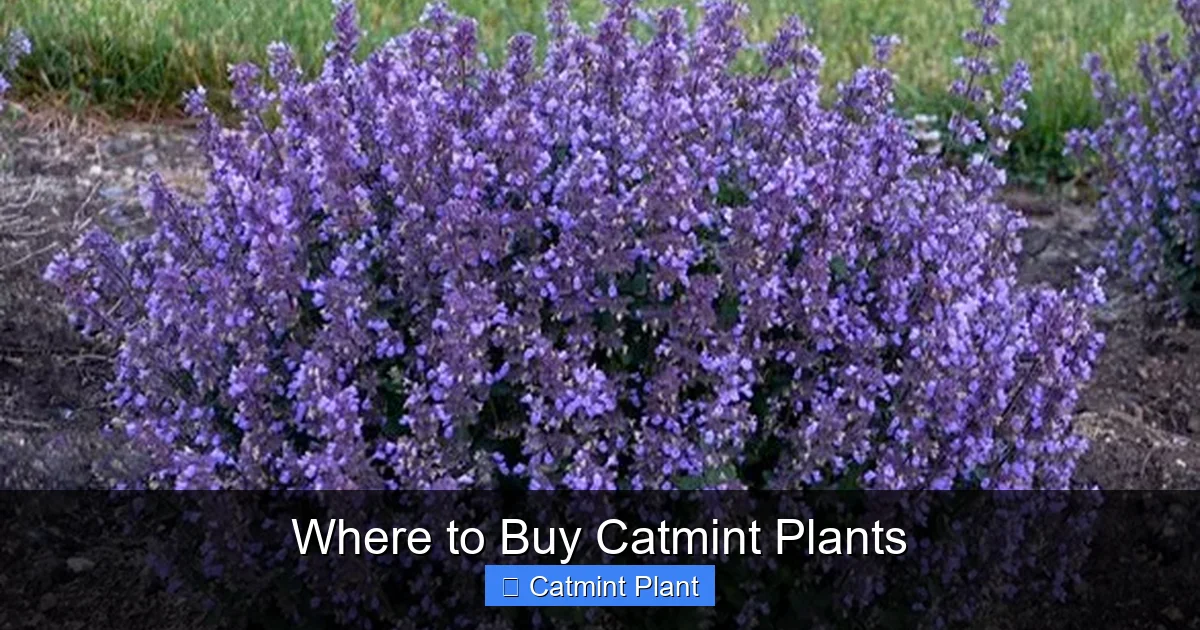
Visual guide about Where to Buy Catmint Plants
Image source: gardendesign.com
Pros and Cons of Big-Box Stores
The main advantage is accessibility. Most people live within a short drive of at least one major retailer. You can buy catmint plants alongside mulch, soil, and tools in a single trip. Prices are generally lower than independent nurseries, especially during spring sales events. Many stores offer a one-year plant guarantee, though the process for claims can be cumbersome.
The downsides include variable plant care. Watering schedules depend on individual store staff, and plants may sit on hot concrete for weeks. Selection is limited to high-volume varieties chosen for nationwide appeal rather than regional suitability. Labels sometimes lack detailed growing information. You rarely find knowledgeable horticulture staff available for questions.
Shopping Strategies for Big-Box Success
If you choose to buy catmint at a big-box store, shop early in the season right after new shipments arrive. Ask the garden center manager which day perennials are delivered. Shop on that day or the next for the freshest stock. Avoid plants that have been sitting for weeks, especially if they show stress signs like dried leaf edges or excessive legginess.
Inspect every plant carefully. Gently tip the pot to check root health without damaging the plant. Healthy catmint roots should be white or light tan, not brown or black. The root ball should hold together but not be a solid mass of circling roots. Choose compact plants with multiple stems emerging from the crown rather than a single tall stem.
Best Times to Buy at Big-Box Stores
Early spring (March to April) brings the best selection and healthiest plants. Many stores receive their perennial shipments in waves starting in late February in warm zones and April in cooler regions. Fall (September to October) offers clearance pricing but limited variety. Summer purchases risk heat-stressed plants unless the store has excellent shade and irrigation systems.
Online Plant Retailers
Online nurseries have revolutionized how gardeners buy catmint plants. You can access dozens of varieties from specialty growers across the country, often with detailed growing information and customer reviews. Plants ship directly to your door in protective packaging designed for live plants. The key is choosing reputable retailers with strong guarantees and proper shipping practices.
Top Online Sources for Catmint
Several online retailers consistently deliver quality catmint plants. Bluestone Perennials offers an excellent selection of Nepeta varieties with detailed descriptions and a one-year guarantee. Their plants arrive in deep plugs that establish quickly. High Country Gardens specializes in drought-tolerant and native plants, carrying unique catmint cultivars suited for western gardens. They provide exceptional planting guides and zone-specific advice.
Plant Delights Nursery (Juniper Level Botanic Garden) offers rare and unusual catmint varieties you will not find elsewhere. Their plants are larger and more expensive but represent cutting-edge horticulture. White Flower Farm provides premium plants with beautiful packaging and excellent customer service. Their catmint selection includes both classic and new introductions.
Proven Winners sells through their website and partner retailers, offering branded varieties like Cat’s Meow and Cat’s Pajamas with consistent quality. Nature Hills Nursery carries a wide range of sizes from plugs to large containers with detailed maturity information. Great Garden Plants (formerly Greenwood Nursery) offers competitive pricing and frequent sales on popular perennials.
What to Look for in Online Retailers
Before ordering catmint plants online, check several factors. Look for a clear live arrival guarantee with a simple claims process (usually requiring photos within 24 to 48 hours of delivery). Read recent customer reviews focusing on plant size upon arrival, packaging quality, and customer service responsiveness. Verify they ship to your state (some restrict certain plants due to agricultural regulations).
Check their shipping schedule. Reputable nurseries ship based on your planting zone and weather conditions, not just order date. They should hold orders during extreme heat or cold. Look for information about plant size at shipment (plug, quart, gallon) and whether plants are dormant or actively growing. Dormant plants often establish better but look less impressive on arrival.
Tips for Successful Online Plant Orders
Order early in the season for the best selection. Popular catmint varieties sell out by late spring. Consider ordering with gardening friends to split shipping costs or reach free shipping thresholds. Most retailers offer free shipping on orders over a certain amount (typically $75 to $125).
When your catmint plants arrive, open the box immediately. Water thoroughly if the soil is dry. Place plants in bright, indirect light for a few days to acclimate before planting. Do not plant during extreme weather. If you must delay planting, keep pots moist and protected from harsh sun and wind. Contact the retailer immediately with photos if any plants arrive damaged or unhealthy.
Specialty and Mail-Order Nurseries
Beyond general online retailers, specialty nurseries focus specifically on perennials, herbs, or pollinator plants. These growers often have the deepest knowledge of catmint varieties and the highest quality stock. Many are small family operations or botanical garden affiliates with decades of experience.
Notable Specialty Sources
Digging Dog Nursery in California offers an exceptional Nepeta collection with detailed cultural notes. Their plants are grown in larger containers for better root development. Lazy S’S Farm Nursery in Virginia specializes in perennials for mid-Atlantic gardens and carries several catmint varieties selected for humidity tolerance. Bluestone Perennials, mentioned earlier, began as a mail-order specialist and remains a top choice.
Richters Herbs in Canada ships to the US and offers both ornamental catmint and medicinal catnip varieties. Their catalog includes detailed historical and usage information. Mountain Valley Growers in California focuses on organic herb and perennial production with an excellent catmint selection. Prairie Nursery in Wisconsin specializes in native and prairie-adapted plants, offering catmint varieties suited for prairie gardens.
Advantages of Specialty Nurseries
Specialty growers often trial new catmint varieties for years before offering them. They understand the nuances between similar cultivars and can guide you to the best choice for your specific conditions. Many provide extensive cultural information, companion planting suggestions, and design ideas. Their plants typically receive more individual attention during production.
These nurseries frequently offer bare-root plants in early spring, which cost less to ship and establish quickly. Bare-root catmint should be planted immediately upon arrival. Soak roots in water for an hour before planting, spread roots outward in the planting hole, and water thoroughly. Keep consistently moist for the first few weeks.
Building Relationships with Specialty Growers
Join email lists for your favorite specialty nurseries. They often offer subscriber-only sales, early access to new varieties, and detailed growing advice. Follow them on social media for real-time availability updates and garden inspiration. Some offer loyalty programs or volume discounts for repeat customers. Do not hesitate to email them with questions before ordering. Good specialty nurseries welcome inquiries and provide personalized recommendations.
Local Plant Sales, Swaps, and Community Sources
Some of the best catmint plants come from other gardeners in your community. Plant sales, swaps, and online community groups offer affordable, locally adapted plants with proven performance in your exact conditions. These sources also build gardening connections and knowledge sharing.
Master Gardener and Extension Plant Sales
Most county extension offices host annual plant sales, typically in spring. These sales feature plants grown by master gardener volunteers, often including divisions from demonstration gardens. Plants are labeled with variety names and growing information. Prices are usually very reasonable ($3 to $8 per plant). Proceeds support community gardening programs. Arrive early for the best selection.
Botanical Garden and Arboretum Sales
Botanical gardens often hold member-only or public plant sales featuring divisions from their collections. These plants come with impeccable provenance and are chosen for regional suitability. Staff and volunteers can provide detailed growing advice. Membership often grants early access and discounts. Check websites for sale dates and plant lists published in advance.
Garden Club Sales and Swaps
Local garden clubs frequently host plant sales or member swaps. These events offer plants from established local gardens, meaning they are already adapted to your soil and climate. Members can tell you exactly how each variety performs in their yard. Swaps are especially economical, often operating on a “bring one, take one” basis or small donation.
Online Community Sources
Facebook Marketplace, local gardening groups, Nextdoor, and Freecycle often have catmint divisions available in spring and fall. Search for “catmint,” “Nepeta,” “Walker’s Low,” or “perennial plant swap.” Many gardeners thin their catmint every few years and give away divisions. Always ask about the parent plant’s health, bloom performance, and any pest issues before accepting plants.
Etiquette for Community Plant Sources
When getting catmint from community sources, bring your own pots, soil, and labels. Offer something in return if possible, even if it is just a different plant division or homemade cookies. Be respectful of pickup times and locations. Inspect plants for pests before introducing them to your garden. Quarantine new community plants for a week or two if possible. Thank the giver and share your success later.
Choosing the Right Catmint Variety for Your Garden
Before you buy catmint plants, understand which variety suits your needs. Different Nepeta cultivars vary in size, bloom time, flower color, and growth habit. Matching the right plant to your space ensures satisfaction and reduces maintenance.
Popular Catmint Varieties Compared
Walker’s Low (Nepeta x faassenii ‘Walker’s Low’) is the classic choice, growing 24 to 30 inches tall and wide with lavender-blue flowers from late spring to fall. It won the Perennial Plant of the Year award in 2007. Cat’s Meow (Nepeta ‘Cat’s Meow’) stays more compact at 17 to 20 inches with a tidy, mounded habit and intense blue flowers. Junior Walker reaches just 15 to 18 inches, perfect for front borders and containers.
Cat’s Pajamas (Nepeta ‘Cat’s Pajamas’) blooms earlier than most, starting in early summer with indigo-blue flowers on 12 to 14 inch plants. Blue Prelude offers a more upright habit to 28 inches with deep blue flowers. Purrsian Blue forms a dense, rounded mound 14 to 18 inches tall with periwinkle blue flowers. Felix is a newer introduction with a compact habit and long bloom season.
For pure catnip that cats love, choose Nepeta cataria. It grows 3 to 4 feet tall with white flowers spotted with purple. It self-seeds readily and can become weedy. Nepeta ‘Six Hills Giant’ is a larger faassenii hybrid reaching 36 inches with violet-blue flowers. Nepeta subsessilis ‘Sweet Dreams’ offers pink flowers on 24 to 30 inch plants for something different.
Matching Varieties to Garden Uses
For border edges and pathways, choose compact varieties like Junior Walker, Cat’s Pajamas, or Purrsian Blue. These stay neat without flopping onto paths. For middle of borders, Walker’s Low, Cat’s Meow, and Blue Prelude provide substantial presence. For mass plantings and slopes, Walker’s Low and Six Hills Giant cover ground quickly.
Container gardening works best with the smallest varieties. Cat’s Pajamas and Junior Walker thrive in pots 12 inches or larger. Ensure excellent drainage and water more frequently than in-ground plants. For pollinator gardens, all varieties attract bees, butterflies, and hummingbirds, but the longer-blooming types like Walker’s Low provide nectar for more months.
Climate Considerations
In hot, humid climates (Southeast, Gulf Coast), choose varieties bred for heat tolerance like Cat’s Meow, Purrsian Blue, or Junior Walker. These resist fungal issues better than older cultivars. In cold climates (zones 3 to 4), all the faassenii hybrids are reliably hardy with good drainage. In the arid West, most catmint varieties thrive with minimal water once established.
For high altitude gardens, select varieties with shorter bloom-to-seed cycles. Cat’s Pajamas and Junior Walker bloom quickly from young plants. In coastal areas with salt exposure, catmint shows good tolerance but benefits from occasional fresh water rinsing. Always verify your USDA hardiness zone before purchasing.
When to Buy Catmint Plants
Timing your purchase affects plant selection, price, and establishment success. Understanding the seasonal rhythm of plant availability helps you get the best catmint for your money.
Spring: The Prime Buying Season
April through June offers the widest selection and healthiest plants at all retailer types. Nurseries receive fresh stock weekly. Plants have been professionally grown and hardened off. You can see active growth and sometimes early flowers. Spring-planted catmint establishes roots before summer heat and often blooms the first year.
Early spring (March to April in warm zones, April to May in cool zones) is ideal for mail-order. Plants ship dormant or just breaking dormancy, which reduces transplant shock. They wake up in your garden conditions. Local nurseries have their best selection in May. Big-box stores restock weekly through June.
Fall: The Value Season
September through October brings clearance pricing at many retailers. Big-box stores discount perennials heavily to clear space for holiday merchandise. Independent nurseries may offer 20 to 50 percent off. Plants are larger with well-developed root systems. Fall planting allows root establishment before winter dormancy, leading to explosive spring growth.
The trade-off is limited variety selection. Popular catmint cultivars sell out by July. Fall plants may look tired with spent flower stems and some leaf yellowing. This is normal for perennials entering dormancy. Check for healthy crowns and roots. Avoid plants with signs of disease or severe pest damage.
Summer: Proceed with Caution
July and August purchases require extra care. Heat-stressed plants in black pots on asphalt suffer root damage. If you must buy in summer, choose nurseries with shaded, irrigated display areas. Plant immediately in the cool of morning or evening. Provide temporary shade and consistent moisture for two to three weeks. Online retailers often pause shipping during extreme heat.
Winter: Planning and Pre-Ordering
January through March is catalog and website season. Many specialty nurseries open pre-orders for spring shipment with early-bird discounts. Use this time to research varieties, compare sources, and plan your garden. Join email lists for sale notifications. Some nurseries offer winter planning consultations.
What to Look for When Buying Catmint Plants
Whether shopping in person or evaluating plants on arrival, knowing how to assess catmint quality saves money and disappointment. Healthy plants establish faster, bloom more, and resist problems better.
Foliage and Stem Assessment
Look for rich green or gray-green leaves depending on the variety. Avoid yellowing lower leaves, which indicate nitrogen deficiency or root problems. Check for brown crispy edges signaling drought stress or salt burn. Stems should be firm and multiple, emerging from the crown. A single leggy stem suggests the plant was crowded or light-deprived.
Inspect leaves for pests. Aphids cluster on new growth and leaf undersides. Spider mites cause fine stippling and webbing. Whiteflies flutter when disturbed. Slugs and snails leave irregular holes and slime trails. Minor pest presence is common and manageable, but heavy infestations indicate poor nursery care.
Root System Evaluation
Gently slide the plant partially out of its pot to check roots. Healthy catmint roots are white to light tan, firm, and smell fresh. Brown, black, or mushy roots indicate rot. A solid mat of circling roots means the plant is root-bound. Some circling is normal in containers, but the root ball should not be a dense brick.
For mail-order plants, you cannot inspect before buying, but you can evaluate on arrival. Bare-root plants should have firm, pliable roots with no mold or shriveling. Potted plants should have moist (not soggy) soil and the root ball should hold together when removed from the pot.
Pot Size and Plant Maturity
Catmint is commonly sold in plug trays (2 to 3 inch cells), quart pots (4 to 5 inch), and gallon containers (6 to 7 inch). Plugs cost $3 to $6 but require a full season to reach flowering size. Quarts at $8 to $15 offer the best value, flowering well in their first year. Gallon plants at $15 to $30 provide instant impact but cost more per plant.
Consider buying multiple quarts rather than one gallon for mass plantings. Three quart plants spaced 18 inches apart fill in faster than one gallon plant. For specimen plantings or containers, a gallon plant makes sense. Avoid plants in pots smaller than a quart unless you are experienced with growing on plugs.
Labels and Information
Good labels include the botanical name (Nepeta x faassenii ‘Walker’s Low’), common name, mature height and spread, bloom time, flower color, hardiness zones, sun requirements, and spacing. QR codes linking to detailed care info are a bonus. Plants without variety names (just labeled “catmint”) may be seed-grown and variable. Named cultivars ensure predictable performance.
Saving Money on Catmint Plants
Catmint is a long-lived perennial, so initial cost spreads over many years. Still, smart shopping stretches your garden budget further.
Buy Smaller, Buy More
As mentioned, quart-sized plants offer the best cost-to-impact ratio. They establish quickly and cost 40 to 60 percent less than gallon plants. For a 10-foot border, five quart plants at $12 each ($60 total) will outperform two gallon plants at $25 each ($50 total) within one season because they cover more linear feet initially.
Divide and Multiply
Mature catmint clumps benefit from division every three to four years. One established plant yields three to five divisions. If you have gardening friends with mature catmint, ask for divisions in early spring or fall. You get free, locally adapted plants. Offer to help with the dividing work.
Watch for Sales and Clearance
Sign up for nursery email lists and follow social media for flash sales. Many retailers offer 20 percent off perennials during specific weekends. Fall clearance can reach 50 to 75 percent off. End-of-day farmers market vendors sometimes discount remaining plants. Big-box stores mark down “imperfect” plants that just need TLC.
Grow from Seed
Catmint grows easily from seed, though named cultivars do not come true. Species catmint (Nepeta cataria, Nepeta mussinii) and seed strains like ‘Blue Carpet’ cost $3 to $5 for 100+ seeds. Start indoors 6 to 8 weeks before last frost. Transplant seedlings to individual pots, then to the garden. Seed-grown plants flower in their first year if started early.
Join Loyalty Programs
Many nurseries offer loyalty cards (buy 10, get 1 free) or member discounts (10 to 15 percent off). Some have frequent buyer programs with escalating rewards. Online retailers often give first-order discounts (10 to 20 percent) for email signup. Combine these with free shipping thresholds for maximum savings.
Caring for Newly Purchased Catmint
Getting your catmint plants home safely and established well completes the buying process. Proper handling in the first few weeks determines long-term success.
Transport and Temporary Holding
If buying in person, bring boxes or bins to keep pots upright in your vehicle. Avoid placing plants in a hot trunk. Make the nursery your last stop. If you cannot plant immediately, place pots in bright shade, protected from wind. Water daily in warm weather. Do not leave in a garage or dark shed for more than a day.
For mail-order plants, unpack immediately. Remove all packaging materials. Water thoroughly if soil is dry. Place in bright indirect light for two to three days before planting. This “hardening off” period reduces shock. If weather is extreme (above 85°F or below 40°F), hold plants in a protected area until conditions moderate.
Planting for Success
Choose a site with full sun (6+ hours) and well-drained soil. Catmint tolerates poor soil but not wet feet. Space plants according to mature width (18 to 30 inches depending on variety). Dig holes twice as wide as the root ball but no deeper. Loosen circling roots gently. Plant at the same depth as in the pot. Backfill with native soil, firm gently, and water deeply.
First Season Care
Water new catmint plants deeply twice a week for the first month, then weekly unless rain provides an inch. Mulch with 2 inches of shredded bark or compost, keeping mulch away from the crown. Do not fertilize at planting. Apply a light balanced fertilizer in early summer if growth seems slow. Deadhead spent flowers to encourage rebloom. Cut back to 3 inches in late fall or early spring.
Common Mistakes When Buying Catmint
Avoid these pitfalls that lead to disappointment and wasted money.
Buying Without Research
Impulse buying at the garden center often leads to wrong variety choices. That beautiful blooming plant in a 4-inch pot may become a 3-foot sprawler that swallows your walkway. Research mature size, spread habit, and bloom time before shopping. Make a list of suitable varieties for your space.
Ignoring Hardiness Zones
Some catmint varieties are only hardy to zone 5 or 6. Buying zone 6 plants for a zone 4 garden results in winter loss. Always verify your USDA zone and check the plant tag. Online retailers should filter by zone, but double-check. Microclimates can shift effective zones by half a zone.
Choosing Price Over Quality
The cheapest catmint plants are often root-bound, pest-infested, or mislabeled. A $5 plant that dies costs more than a $12 plant that thrives for a decade. Invest in quality from reputable sources. The price difference per plant is pennies per year over the plant’s lifespan.
Planting Too Close Together
Catmint spreads. Planting at the “mature width” spacing on the tag works for single specimens. For mass plantings, space at 75 percent of mature width for faster fill-in. But do not plant closer than half the mature width or you will create a crowded, disease-prone thicket requiring constant division.
Neglecting Soil Preparation
Even the best catmint plant struggles in compacted clay or pure sand. Amend planting areas with compost. In heavy clay, consider raised beds or mounding. In sandy soil, add organic matter to improve moisture retention. A $20 bag of compost improves the performance of every plant in that bed.
Conclusion
Finding where to buy catmint plants becomes simple when you match your priorities to the right source. Local nurseries offer expertise and regionally adapted plants. Big-box stores provide convenience and low prices on common varieties. Online retailers deliver the widest selection to your door. Specialty growers offer rare varieties and deep knowledge. Community sources give you free, proven plants and gardening connections.
My personal approach combines sources. I buy unique varieties from specialty online nurseries in early spring. I pick up reliable workhorse varieties like Walker’s Low at my local independent nursery where I can chat with the staff. I grab affordable quarts at big-box stores for mass plantings when I catch a fresh shipment. And I never turn down divisions from gardening friends.
Whatever source you choose, remember that healthy catmint plants have firm white roots, multiple stems, clean foliage, and clear variety labels. Buy the right variety for your space and climate. Plant in full sun with good drainage. Water consistently the first season. Your reward will be years of aromatic foliage, pollinator activity, and beautiful blue flowers with minimal maintenance.
Start your search this season by visiting three local sources: an independent nursery, a big-box garden center, and a community plant sale or swap. Compare plant quality, variety selection, prices, and staff knowledge. Your perfect catmint source is waiting. Happy planting!
Frequently Asked Questions
What is the difference between catmint and catnip?
Catmint (Nepeta x faassenii and other ornamental species) is grown for its long-blooming flowers and tidy garden habit. Catnip (Nepeta cataria) is the specific species that produces the compound nepetalactone which attracts cats. Catnip has a rangier growth habit and white flowers with purple spots.
Do catmint plants come back every year?
Yes, catmint is a hardy perennial in USDA zones 3 to 8 (some varieties to zone 9). It dies back to the ground in winter and regrows from the crown in spring. With good drainage, plants live 5 to 10 years or longer.
How far apart should I plant catmint?
Space catmint plants 18 to 30 inches apart depending on the mature width of your chosen variety. Compact varieties like Junior Walker need 18 inches. Walker’s Low and larger types need 24 to 30 inches. For mass plantings, space at 75 percent of mature width.
Will catmint spread aggressively in my garden?
Ornamental catmint varieties (faassenii hybrids) are clump-forming and do not spread by runners. They slowly widen each year but stay contained. Catnip (Nepeta cataria) self-seeds readily and can become weedy. Deadhead flowers to prevent unwanted seedlings.
Can I grow catmint in containers?
Yes, compact varieties like Cat’s Pajamas, Junior Walker, and Purrsian Blue grow well in containers 12 inches or larger. Use well-draining potting mix, ensure drainage holes, and water more frequently than in-ground plants. Overwinter pots in a protected location in cold zones.
Why is my catmint flopping open in the middle?
Catmint flops from too much shade, rich soil, excessive fertilizer, or lack of pruning. Plant in full sun, avoid fertilizing, and shear plants back by half after the first bloom flush to encourage compact rebloom. Divide congested clumps every 3 to 4 years.