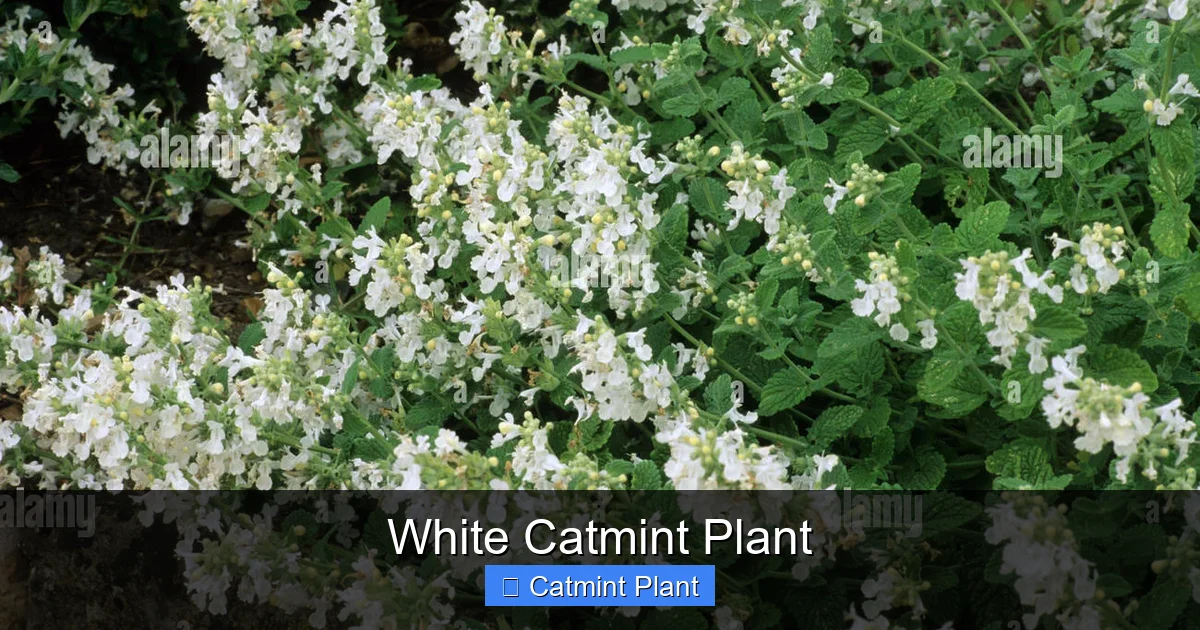
White Catmint Plant
The white catmint plant is a hardy perennial that produces masses of pure white flowers from late spring through fall. This drought-tolerant, pollinator-friendly herb thrives in full sun and poor soil, making it perfect for low-maintenance gardens.
Key Takeaways
- Easy to grow: White catmint plant thrives in full sun and well-drained soil with minimal care once established.
- Long blooming season: Enjoy white flowers from late spring through early fall with proper deadheading.
- Drought tolerant: This plant handles dry conditions well after its first growing season.
- Pollinator magnet: Bees, butterflies, and beneficial insects love the nectar-rich blooms.
- Deer and rabbit resistant: The aromatic foliage naturally repels common garden pests.
- Versatile design uses: Works well in borders, rock gardens, containers, and as ground cover.
- Low maintenance: Requires little fertilizer, minimal watering, and only annual pruning.
Quick Answers to Common Questions
Does white catmint plant attract cats like catnip?
No, white catmint plant contains very little nepetalactone, the compound that affects cats. Most cats ignore it completely.
How often should I water established white catmint plant?
Established white catmint plant rarely needs watering. Only water during extreme drought, about once a month with a deep soak.
When is the best time to prune white catmint plant?
Shear back by one-third after the first bloom flush fades in early summer. Cut to the ground in late fall or early spring.
Can white catmint plant grow in shade?
White catmint plant needs full sun, at least six hours daily. Shade causes floppy growth and fewer flowers.
Is white catmint plant invasive?
No, white catmint plant forms a clump and does not spread by runners. It may self-seed lightly but seedlings are easy to remove.
📑 Table of Contents
Introduction to White Catmint Plant
If you want a plant that gives you months of flowers with almost zero fuss, the white catmint plant might be your new best friend. I discovered this gem a few years ago when I needed something tough for a sunny, dry spot near my driveway. Nothing else seemed happy there. Then I planted white catmint plant, and it took off like it owned the place.
This perennial herb belongs to the mint family, but do not let that scare you. Unlike its aggressive cousins, white catmint plant stays in a neat clump. It does not run underground or pop up where you do not want it. The botanical name is Nepeta, and the white varieties are usually cultivars of Nepeta racemosa or Nepeta x faassenii. You might hear people call it catmint, but cats generally ignore the white forms. They prefer the purple-flowered types.
In this guide, I will walk you through everything you need to know about growing white catmint plant. From choosing the right spot to keeping it blooming all season, you will learn how to make this reliable performer shine in your garden. Whether you are a beginner or a seasoned gardener, white catmint plant deserves a spot in your landscape.
What Is White Catmint Plant
Botanical Background
The white catmint plant is a herbaceous perennial in the Lamiaceae family. This is the same family as mint, sage, lavender, and basil. The genus Nepeta contains about 250 species, but only a handful are common in gardens. Most white catmint plant varieties come from two main species. Nepeta racemosa is native to the Caucasus region and Turkey. Nepeta x faassenii is a hybrid between Nepeta racemosa and Nepeta nepetella.
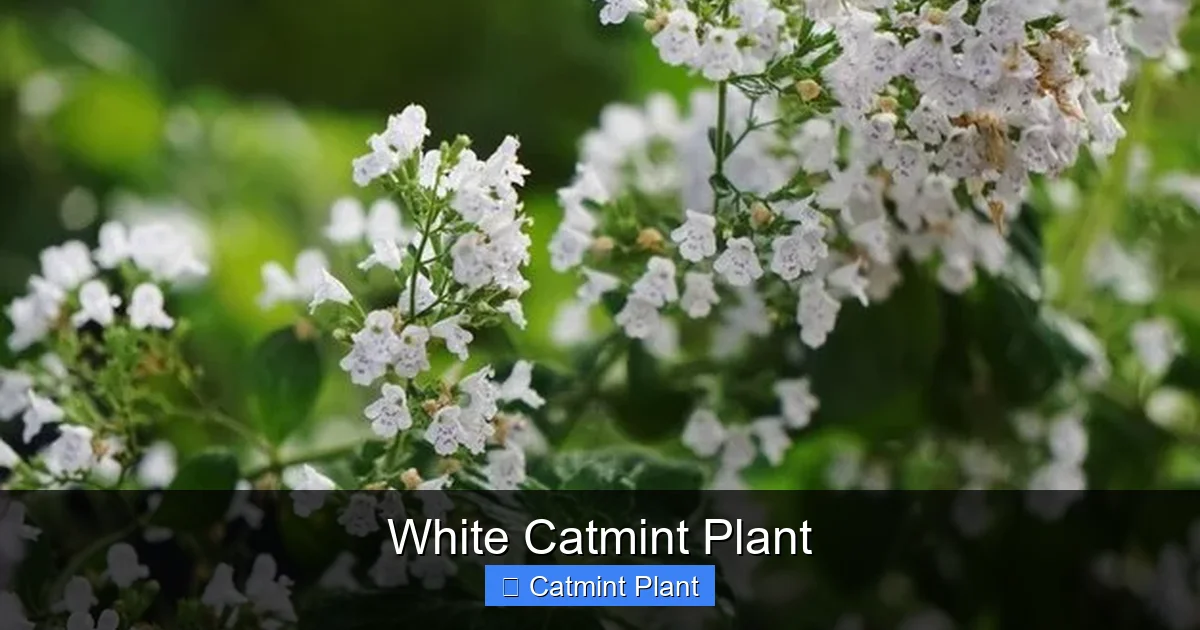
Visual guide about White Catmint Plant
Image source: img.freepik.com
These plants form mounds of gray-green, aromatic foliage. The leaves are small, oval, and slightly toothed. When crushed, they release a pleasant, minty scent with hints of citrus. The stems are square, a classic mint family trait. In late spring, flower spikes rise above the foliage. Each spike holds dozens of tiny, tubular white flowers. The blooms have a delicate, airy quality that softens garden edges.
Popular White Varieties
Several excellent white catmint plant cultivars exist. ‘White Wonder’ is a compact Nepeta racemosa selection. It grows about twelve to eighteen inches tall and wide. The flowers are pure white and very profuse. ‘Snowflake’ is another Nepeta racemosa cultivar with a similar habit. It tends to bloom a bit earlier than other varieties.
For a larger presence, look at ‘Dawn to Dusk’ which is actually a pale pink that reads white from a distance. True white forms of Nepeta x faassenii include ‘Alba’ and ‘White Beauty’. These grow eighteen to twenty-four inches tall. They have a slightly more relaxed, billowy habit. ‘Summer Magic’ is a newer introduction with a very long bloom time and excellent heat tolerance.
All white catmint plant varieties share the same basic needs. They want sun, drainage, and not too much fertility. The differences come down to mature size, exact bloom time, and growth habit. Pick the one that fits your space and design goals.
How It Differs from Other Catmints
The most obvious difference is flower color. Standard catmint has lavender-blue flowers. The white catmint plant offers a clean, crisp alternative. This makes it easier to pair with other colors. White goes with everything. It cools down hot color schemes and brightens shady corners.
White catmint plant also tends to be a bit more compact than the classic ‘Walker’s Low’. The foliage often stays lower and denser. This makes white catmint plant a better edging plant. It also holds its shape better in rain. The stems are sturdier relative to their height.
Cats are another difference. Nepeta cataria, true catnip, drives cats wild. Nepeta x faassenii and Nepeta racemosa have much less nepetalactone. This is the compound that affects cats. White catmint plant has even less than the blue forms. Your feline friends will likely walk right past it.
Growing White Catmint Plant Successfully
Choosing the Right Location
Full sun is non-negotiable for white catmint plant. It needs at least six hours of direct sun daily. Eight hours is even better. In hot southern climates, a little afternoon shade helps prevent scorching. But too much shade makes the plant floppy and reduces flowers. The stems stretch toward light, creating a messy habit.
Drainage is the second critical factor. White catmint plant hates wet feet. Heavy clay soil can work if you amend it well. Mix in coarse sand, fine gravel, or compost to improve structure. Raised beds are ideal. Slopes work great too. If water pools after rain, the roots will rot. I learned this the hard way in my first garden. A low spot claimed three plants before I moved them to a berm.
Soil fertility should be low to moderate. Rich soil produces lush foliage but fewer flowers. The plant gets leggy and falls open in the center. Lean soil keeps growth compact and flower production high. Do not add fertilizer at planting time. A light handful of compost in the planting hole is plenty.
When and How to Plant
Spring is the best time to plant white catmint plant. The soil has warmed, but summer heat has not arrived. Fall planting works in zones 6 and warmer. The roots establish before winter. Avoid summer planting unless you can water diligently. Winter planting is only for the deepest southern zones.
Space plants eighteen to twenty-four inches apart. This depends on the variety. Check the label. Proper spacing allows air circulation. Good airflow prevents fungal diseases. Dig a hole twice as wide as the pot. The depth should match the pot depth. Do not plant deeper. The crown should sit at soil level.
Gently loosen the root ball if it is pot-bound. Place the plant in the hole. Backfill with native soil. Firm it gently with your hands. Water thoroughly to settle the soil. Add a thin layer of mulch. Keep mulch away from the crown. Gravel or stone mulch looks great and improves drainage. Wood mulch works too but can hold too much moisture in wet climates.
Starting from Seed
You can grow white catmint plant from seed, but named cultivars will not come true. Seed-grown plants vary in height, flower size, and bloom time. If you want a specific variety, buy plants. If you enjoy surprises, seed is fun and economical.
Sow seeds indoors six to eight weeks before the last frost. Use a light seed-starting mix. Press seeds into the surface. Do not cover them. They need light to germinate. Keep the soil moist but not soggy. Germination takes ten to twenty days at sixty-five to seventy degrees. Provide bright light once seedlings emerge.
Transplant seedlings to individual pots when they have two sets of true leaves. Harden them off over a week before planting outside. Direct sowing works in prepared beds after frost danger passes. Thin seedlings to the strongest plants. Expect flowers in the first year from early-sown seeds.
Caring for Your White Catmint Plant
Watering Needs
New plants need regular water for the first growing season. Water deeply once or twice a week depending on rain. The goal is to encourage deep roots. Shallow, frequent watering creates dependent plants. After the first year, white catmint plant is very drought tolerant.
Established plants rarely need supplemental water. In extreme drought, a monthly deep soak helps. Overwatering is far more dangerous than underwatering. Signs of overwatering include yellowing leaves, soft stems, and reduced flowering. If your soil stays wet, improve drainage or move the plant.
Container-grown white catmint plant needs more attention. Pots dry out faster. Check soil moisture daily in hot weather. Water when the top inch feels dry. Ensure pots have drainage holes. Never let pots sit in saucers of water.
Fertilizing Guidelines
Less is more with white catmint plant. In average garden soil, no fertilizer is needed. If your soil is very poor, a light application of balanced organic fertilizer in early spring is fine. Use half the recommended rate. Compost tea or fish emulsion works well. Apply once in spring.
High nitrogen fertilizer is a mistake. It produces floppy, leafy growth with few flowers. The plant loses its compact shape. If you accidentally over-fertilize, shear the plant back by half. It will regrow tighter. Stop fertilizing after midsummer. Late growth is tender and winter-kills easily.
Pruning and Deadheading
Deadheading keeps white catmint plant blooming. After the first big flush fades, shear the whole plant back by one-third to one-half. Use hedge shears or sharp scissors. This looks brutal but works. New growth emerges within days. A second bloom cycle starts in two to three weeks.
You can repeat this process once or twice more. Stop heavy shearing by early September. The plant needs time to harden off before winter. In late fall or early spring, cut the entire plant to the ground. Remove all dead stems. This prevents disease and makes room for fresh growth.
If you forget to deadhead, the plant still survives. It just looks messy and blooms less. Self-seeding can occur. The seedlings may not match the parent. Remove unwanted seedlings in spring. They pull easily when small.
Dividing Established Plants
White catmint plant benefits from division every three to four years. The center of old clumps dies out. The plant becomes a ring with a bare middle. Division rejuvenates it. Spring is the best time. Dig up the whole clump. Use a sharp spade or knife to cut it into sections. Each section needs roots and shoots.
Replant divisions immediately. Water well. They establish quickly. Fall division works in mild climates. Do it at least six weeks before the ground freezes. Discard the woody, dead center. Only replant the vigorous outer portions.
Designing with White Catmint Plant
Border and Edging Uses
White catmint plant excels as a border edger. Its low, mounding habit defines edges softly. Plant it along paths, driveways, or flower bed fronts. The gray-green foliage looks tidy all season. The white flowers glow at dusk. This extends garden enjoyment into evening hours.
Space plants fifteen to eighteen inches apart for a continuous edge. They will knit together within a season. The soft texture contrasts beautifully with hard hardscaping. Pavers, gravel, and stone all look better with white catmint plant spilling over them.
In mixed borders, use white catmint plant in drifts of three, five, or seven. Odd numbers look more natural. Repeat the drifts along the border length. This creates rhythm. The white flowers act as visual pauses between louder colors.
Companion Planting Ideas
White catmint plant plays well with almost everything. Its neutral color bridges clashing combinations. Pair it with roses for a classic look. The white flowers highlight rose blooms. The foliage hides bare rose canes. ‘Iceberg’ roses and white catmint plant create a monochromatic dream.
For a hot color scheme, combine white catmint plant with red salvias, orange butterfly weed, and yellow coreopsis. The white cools the heat. For a pastel palette, try it with pink coneflowers, blue catmint, and lavender. The different flower shapes add interest.
Foliage companions work too. Purple smokebush, burgundy heuchera, and silver artemisia all shine next to white catmint plant. Ornamental grasses like blue fescue or feather reed grass provide vertical contrast. The white flowers dance above grassy textures.
Rock Gardens and Slopes
The natural habitat of Nepeta species includes rocky hillsides. White catmint plant feels at home in rock gardens. Tuck it between stones. Let it cascade over edges. The roots anchor soil on slopes. The flowers soften hard rock lines.
On steep banks, plant white catmint plant in staggered rows. Space them eighteen inches apart. They form a living mulch. Weeds struggle to establish. Erosion slows. Maintenance is near zero once established. A yearly shear is all it needs.
Container Growing
White catmint plant thrives in containers. Choose a pot at least twelve inches wide. Terra cotta is ideal. It breathes and prevents waterlogging. Use a gritty potting mix. Add perlite or coarse sand for drainage. One plant per twelve-inch pot. Two in a sixteen-inch pot.
Container plants need more water and fertilizer. Water when the top inch is dry. Feed monthly with dilute liquid fertilizer. Stop feeding in August. Overwinter pots in an unheated garage in cold zones. Or sink the pot in the ground. In warm zones, they stay outside year-round.
Combine white catmint plant with trailing plants in mixed containers. Sweet alyssum, creeping thyme, or sedum spill over the edges. Add a thriller like a small grass or salvia in the center. The white catmint plant fills the middle layer perfectly.
Common Problems and Solutions
Pest Issues
White catmint plant is remarkably pest-free. The aromatic oils repel most insects. Aphids occasionally cluster on new growth. Blast them off with water. Insecticidal soap works for heavy infestations. Spider mites appear in hot, dry, dusty conditions. Hose down foliage regularly to prevent them.
Leafhoppers may cause stippling on leaves. This is cosmetic. The plant outgrows it. Slugs and snails sometimes chew young shoots. Beer traps or diatomaceous earth control them. Deer and rabbits avoid white catmint plant. The scent and fuzzy texture deter them. This is a huge plus in rural gardens.
Disease Concerns
Fungal diseases are the main threat. Powdery mildew appears as white dust on leaves. It happens in humid weather with poor airflow. Space plants properly. Water at the base, not overhead. Remove affected leaves. Neem oil or potassium bicarbonate sprays help.
Root rot kills plants in wet soil. Prevention is the only cure. Ensure excellent drainage. Do not overwater. If a plant wilts despite moist soil, dig it up. Check roots. Black, mushy roots mean rot. Discard the plant. Do not replant white catmint plant in that spot.
Crown rot occurs when mulch piles against the stem. Keep mulch pulled back. In wet winters, the crown can rot even with good drainage. A gravel mulch helps. It keeps the crown dry. In very wet climates, plant on a slight mound.
Environmental Stress
Heat stress shows as leaf scorch. Brown edges on leaves in July and August. Afternoon shade prevents this. Mulch keeps roots cool. Water deeply during heat waves. The plant usually recovers when temperatures drop.
Winter kill happens in zone 3 and colder. Or in wet zone 4 winters. Reliable snow cover protects plants. In open areas, apply a loose straw mulch after the ground freezes. Remove it early spring. Do not use leaves. They mat down and smother the crown.
Flopping occurs in shade, rich soil, or after heavy rain. Shear floppy plants back hard. They regrow tighter. Stake early if you know a spot is problematic. Use peony rings or twiggy branches. Install supports before the plant needs them.
Troubleshooting Poor Blooming
If your white catmint plant does not bloom well, check these factors. Too much shade? Move it. Too much fertilizer? Stop feeding. Too old? Divide it. Not deadheaded? Shear it back. Too wet? Improve drainage. Too crowded? Thin surrounding plants.
Sometimes a late spring freeze kills flower buds. The plant blooms later on new growth. Be patient. First-year plants may bloom sparsely. They put energy into roots. Second year is usually spectacular. Give it time.
Harvesting and Using White Catmint Plant
Cut Flowers
White catmint plant makes charming cut flowers. The airy sprays fill gaps in bouquets. They last five to seven days in a vase. Cut stems when half the flowers are open. Strip lower leaves. Place in cool water immediately. Change water daily.
For drying, harvest when flowers are fully open. Hang small bunches upside down in a dark, airy space. They dry in one to two weeks. Dried white catmint plant retains color well. Use in wreaths, potpourri, or everlasting arrangements.
Herbal Uses
While not as potent as catnip, white catmint plant has mild medicinal properties. The leaves make a soothing tea. Steep one teaspoon fresh leaves or half teaspoon dried in a cup of boiling water. Cover and steep ten minutes. The flavor is minty with lemon notes. It aids digestion and promotes relaxation.
Traditionally, Nepeta tea was used for colds, fevers, and nervous tension. Modern research confirms mild sedative and antispasmodic effects. Pregnant women should avoid medicinal doses. Culinary amounts are fine. Always identify plants with certainty before consuming.
Culinary Applications
The young leaves add a minty zing to salads. Chop them finely. They pair well with cucumber, tomato, and feta. Use as a garnish for summer drinks. Float a small sprig in iced tea or lemonade. The flowers are edible too. Scatter them over fruit salad or ice cream.
Make herb butter by mixing chopped white catmint plant leaves into softened butter. Add lemon zest and a pinch of salt. Chill until firm. Slice onto grilled fish or vegetables. Freeze extra in ice cube trays for winter use.
Wildlife Benefits
White catmint plant is a pollinator powerhouse. Bees of all types visit constantly. Honeybees, bumblebees, and native solitary bees all love it. Butterflies flock to the nectar. Hoverflies and parasitic wasps visit too. These beneficial insects control garden pests.
Hummingbirds occasionally sip from the flowers. The tubular shape suits their beaks. Goldfinches eat the seeds in late summer. Leave some spent flowers for them. The dense foliage shelters ground beetles and spiders. These predators patrol your garden at night.
Conclusion
The white catmint plant earns its place in any sunny garden. It asks for so little and gives so much. Months of white flowers. Aromatic foliage that stays attractive all season. Pollinators by the dozen. And it handles drought, heat, and neglect with grace.
Whether you edge a path, fill a rock garden, or plant a drift in a border, white catmint plant delivers. The key is simple. Sun. Drainage. Restraint with water and fertilizer. An annual haircut. That is the entire care regimen.
I have grown white catmint plant in three different gardens now. Each time, it becomes a backbone plant. The kind you rely on. The kind you recommend to friends. The kind you divide and share. If you do not have it yet, find a sunny spot this spring. Plant one. Then watch it become a garden favorite.
Your garden deserves the quiet elegance of white catmint plant. Your pollinators deserve the nectar. And you deserve a plant that makes you look like a skilled gardener with minimal effort. That is the white catmint plant promise.
Frequently Asked Questions
What is the difference between white catmint plant and catnip?
White catmint plant (Nepeta x faassenii or Nepeta racemosa) is an ornamental perennial with showy white flowers and low nepetalactone content. Catnip (Nepeta cataria) is a weedy plant grown for its effect on cats and has high nepetalactone levels.
How tall does white catmint plant grow?
Most white catmint plant varieties grow twelve to twenty-four inches tall and eighteen to twenty-four inches wide, depending on the specific cultivar and growing conditions.
When does white catmint plant bloom?
White catmint plant typically blooms from late spring through early fall, with the heaviest flush in early summer. Deadheading encourages repeat blooming cycles.
Can I grow white catmint plant in a container?
Yes, white catmint plant grows well in containers at least twelve inches wide with good drainage. Use a gritty potting mix and water when the top inch of soil feels dry.
Why is my white catmint plant flopping open in the center?
Flopping usually indicates too much shade, overly rich soil, excessive water, or an older plant that needs division. Shear it back hard and address the underlying cause.
Is white catmint plant deer resistant?
Yes, white catmint plant is highly deer and rabbit resistant due to its aromatic, fuzzy foliage. It is an excellent choice for gardens with browsing pressure.