What Plants Go Well with Coral Bells
Coral bells shine when paired with shade‑loving perennials, ornamental grasses, and low‑growing groundcovers. Hostas, ferns, astilbe, and bleeding heart create a layered, season‑long display.
Coral bells are a favorite perennial for many gardeners. They offer bright foliage and delicate flowers. They grow well in partial shade and well‑drained soil. This guide shows what plants go well with coral bells. You will learn shade companions, sun‑tolerant partners, groundcovers, design tips, and care advice.
Choosing the right neighbors helps coral bells stay healthy. Good companions share light, water, and soil needs. They also add contrast in leaf shape and color. The result is a garden bed that looks full all season.
Key Takeaways
- Choose shade partners: Hostas, ferns, and astilbe thrive in the same light as coral bells.
- Add sun‑tolerant accents: Sedum, lavender, and ornamental grasses handle brighter spots.
- Use groundcovers: Creeping thyme, ajuga, and sweet woodruff fill gaps and suppress weeds.
- Match foliage texture: Combine bold leaves with fine fronds for visual contrast.
- Plan for seasonal color: Select plants that bloom at different times for year‑round interest.
- Group watering needs: Plant together species with similar moisture preferences to simplify care.
Quick Answers to Common Questions
What shade plants pair best with coral bells?
Hostas, ferns, astilbe, and bleeding heart are top shade companions for coral bells.
Can coral bells grow with lavender?
Yes, plant lavender in the sunniest spot of the bed while coral bells stay in partial shade.
Which groundcovers work under coral bells?
Creeping thyme, ajuga, and sweet woodruff fill gaps and suppress weeds around coral bells.
How do I water a mixed bed with coral bells?
Use drip irrigation for moisture‑loving plants and water drought‑tolerant plants less often.
When should I divide coral bells?
Divide coral bells every three to four years in early spring for best vigor.
📑 Table of Contents
Understanding Coral Bells Basics
Light and Soil Needs
Coral bells prefer dappled shade or morning sun. They tolerate full shade in cooler climates. Soil should be rich, moist, and well‑drained. Adding compost improves texture and fertility. Avoid heavy clay that stays soggy.
Test soil pH before planting. Coral bells like a slightly acidic to neutral range. A pH of 6.0 to 7.0 works best. Amend with peat moss if soil is too alkaline. Good drainage prevents root rot.
Foliage Colors and Seasons
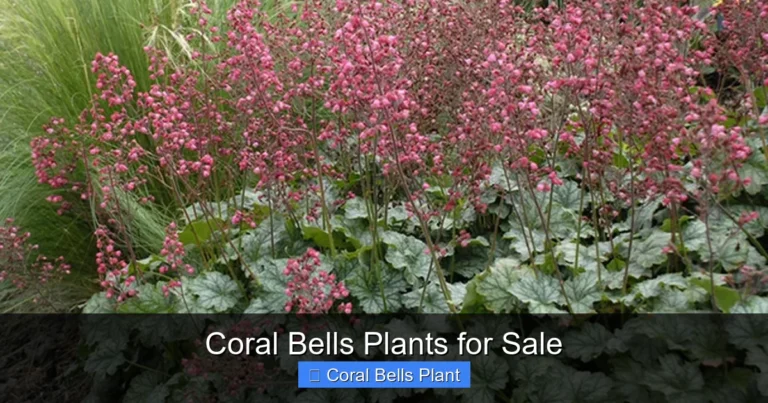
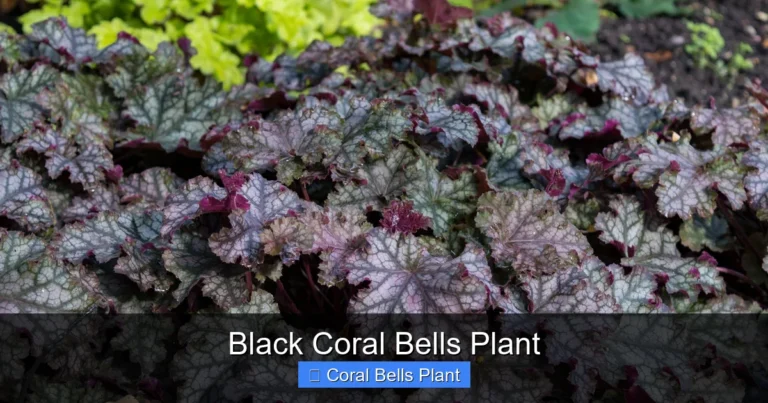
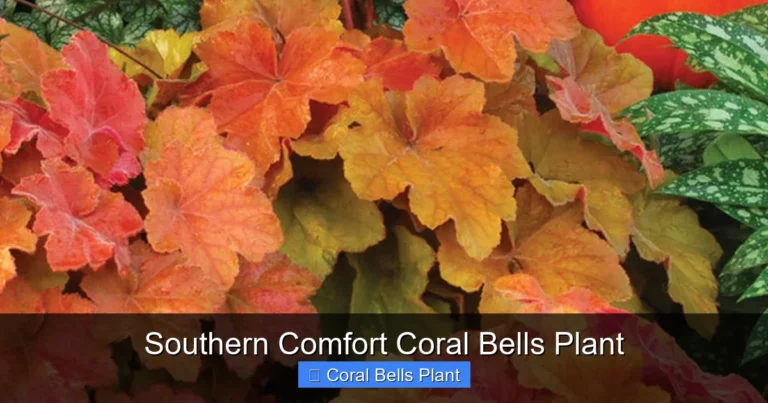
Coral bells display leaves in shades of green, bronze, purple, and silver. New growth often emerges bright in spring. Summer heat can deepen colors. Fall brings a second flush of vivid tones.
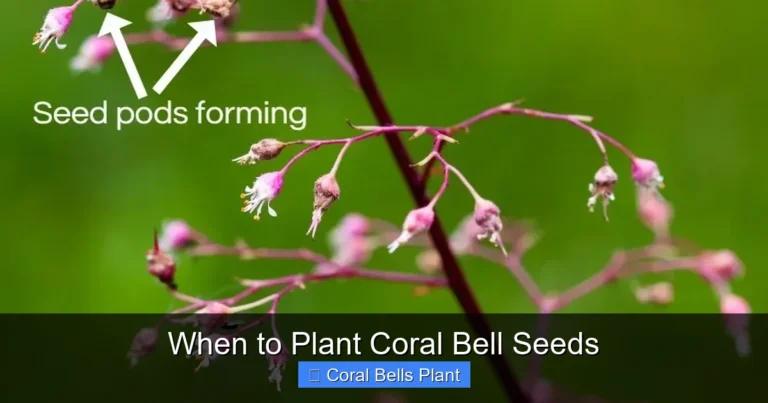
Flowers appear on thin stems in late spring to early summer. Blooms are small bells in pink, white, or red. They attract hummingbirds and bees. Deadheading encourages a tidy appearance.
Top Companion Plants for Shade Gardens
Hostas
Hostas share the same shade tolerance as coral bells. Their broad leaves create a bold backdrop. Choose varieties with contrasting leaf color. Blue‑green hostas pair nicely with purple coral bells.
Plant hostas a foot away from coral bells. This spacing allows air flow. Both plants enjoy consistent moisture. Mulch around the base to keep roots cool.
Ferns
Ferns add fine texture that contrasts with coral bells’ rounded leaves. Lady fern and Japanese painted fern thrive in similar conditions. Their arching fronds soften the bed edges.
Ferns prefer evenly moist soil. Water deeply during dry spells. They also benefit from a layer of leaf mulch. This mimics their natural forest floor habitat.
Astilbe
Astilbe brings feathery plumes in pink, red, or white. It blooms in early summer when coral bells finish flowering. The vertical spikes add height to the planting.
Astilbe likes rich, moist soil. Add organic matter at planting time. Divide clumps every three years to maintain vigor. The combination creates a layered look.
Bleeding Heart
Bleeding heart offers heart‑shaped flowers in spring. Its arching stems rise above coral bells foliage. The pink or white blooms echo coral bells’ bell shape.
Bleeding heart prefers cool, moist shade. It goes dormant in summer heat. Plant it where it can receive morning light. The pair provides early season drama.
Sun‑Tolerant Partners for Coral Bells
Sedum
Sedum varieties such as ‘Autumn Joy’ tolerate more sun. Their succulent leaves store water. They add a sturdy, low‑maintenance element.
Plant sedum at the front of the bed. It forms a neat mound that frames coral bells. Both plants appreciate well‑drained soil. Sedum’s late summer flowers extend seasonal interest.
Lavender
Lavender thrives in full sun and dry soil. Use it in the sunniest corner of a mixed bed. Its silvery foliage contrasts with coral bells’ deep tones.
Lavender needs excellent drainage. Add sand or grit to heavy soil. Prune after flowering to keep shape. The scent also deters pests.
Ornamental Grasses
Grasses like blue fescue or Japanese forest grass tolerate light shade. Their fine blades move with the breeze. They add movement and a modern feel.
Space grasses 12 inches apart. They form tidy clumps that do not invade coral bells. Cut back in late winter for fresh growth.
Groundcovers That Fill Gaps
Creeping Thyme
Creeping thyme forms a fragrant mat of tiny leaves. It tolerates light foot traffic. Its pink or purple flowers appear in early summer.
Plant thyme between stepping stones or along bed edges. It prefers full sun but tolerates partial shade. The low habit keeps soil moist for coral bells.
Ajuga
Ajuga, also called bugleweed, spreads quickly. Its glossy leaves come in bronze, green, or variegated forms. Blue flower spikes rise in spring.
Ajuga likes moist, well‑drained soil. It can handle shade to part sun. Keep it contained with edging to prevent overtaking coral bells.
Sweet Woodruff
Sweet woodruff creates a soft carpet of whorled leaves. White star‑shaped flowers bloom in late spring. It thrives in deep shade.
Plant sweet woodruff under taller perennials. It suppresses weeds and retains soil moisture. The gentle scent adds a sensory layer.
Design Tips for Layered Beds
Height and Texture
Arrange plants by height. Place tall grasses or astilbe at the back. Mid‑height coral bells sit in the middle. Low groundcovers fill the front.
Mix leaf textures. Pair bold hosta leaves with fine fern fronds. Add succulent sedum for a waxy feel. Contrast keeps the eye moving.
Color Echoes
Repeat a color from coral bells foliage in nearby plants. Purple coral bells echo in ajuga’s bronze leaves. Silver coral bells mirror lavender’s gray‑green.
Use flower color to tie the bed together. Pink astilbe matches pink coral bells blooms. White bleeding heart matches white coral bells flowers.
Seasonal Interest
Select plants that peak at different times. Early spring bulbs give color before coral bells emerge. Summer sedum flowers extend the show. Fall foliage of hostas adds late color.
Plan for winter structure. Evergreen grasses or dwarf conifers hold shape. This ensures the bed looks good year round.
Maintenance and Care When Planting Together
Watering Strategies
Group plants with similar water needs. Coral bells, hostas, and ferns like consistent moisture. Sedum and lavender prefer drier conditions.
Use drip irrigation for the moist zone. Hand‑water the dry zone less often. Mulch heavily to reduce evaporation.
Mulching and Soil Amendments
Apply a two‑inch layer of shredded bark each spring. Mulch keeps roots cool and suppresses weeds. It also adds organic matter as it breaks down.
Top‑dress with compost in early fall. This feeds coral bells and companions for next season. Avoid piling mulch against stems.
Dividing and Replanting
Divide coral bells every three to four years in early spring. Replant divisions at the same depth. Share divisions with companion clumps.
Divide hostas and astilbe at the same time. This keeps the bed balanced. Replant promptly to minimize stress.
In summary, coral bells thrive alongside a wide range of perennials, grasses, and groundcovers. By matching light, water, and soil preferences you create a low‑maintenance, high‑impact garden. Use height, texture, and color echoes to design layers that shine in every season. Regular mulching, targeted watering, and timely division keep the planting healthy for years.
Frequently Asked Questions
Do coral bells need full sun?
Coral bells prefer partial shade or morning sun. They can tolerate full shade in cool climates but may scorch in hot afternoon sun.
What soil pH is ideal for coral bells?
A slightly acidic to neutral pH between 6.0 and 7.0 is ideal for coral bells. Amend alkaline soil with peat moss or sulfur.
Can I plant coral bells with roses?
Roses need full sun and more water, so they are not ideal companions for coral bells. Choose shade‑tolerant perennials instead.
How often should I fertilize coral bells?
Apply a balanced slow‑release fertilizer in early spring. One application per year is usually enough for healthy growth.
Are coral bells deer resistant?
Coral bells are generally deer resistant due to their bitter foliage. However, hungry deer may still nibble in severe winters.
What is the best time to plant coral bells?
Early spring or early fall are the best times to plant coral bells. Cool temperatures reduce transplant shock.