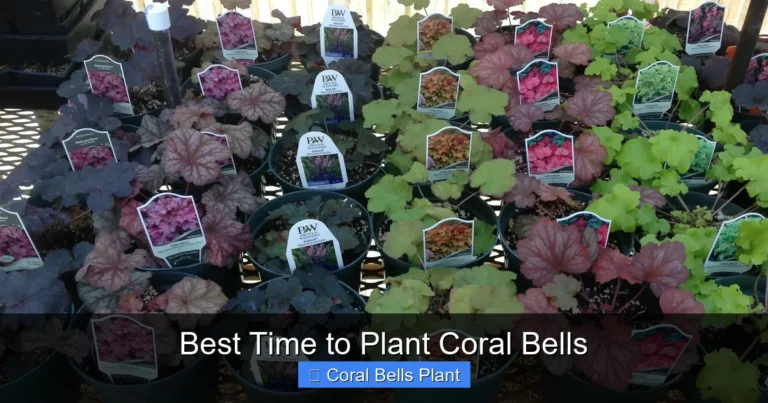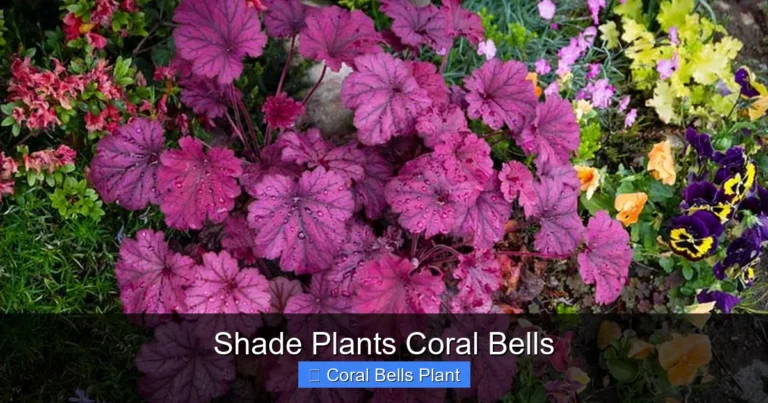
Buy Coral Bells Plant
Coral bells (Heuchera) are versatile perennials prized for stunning foliage colors and delicate bell-shaped flowers. This complete guide covers everything you need to know before you buy coral bells plant varieties, including top cultivars, planting tips, care requirements, and where to find healthy specimens for your garden.
If you have ever wandered through a garden center in spring, you have probably seen them. Those mounds of ruffled leaves in shades of purple, caramel, lime green, and silver. They catch the light. They beg to be touched. They are coral bells, also known as Heuchera, and they might just be the perfect perennial for your garden.
But before you buy coral bells plant varieties for your landscape, it helps to know what you are getting into. Not all coral bells are created equal. Some handle heat better. Some need more shade. Some bloom profusely while others are grown purely for their foliage. This guide walks you through everything. By the end, you will feel confident choosing, buying, planting, and caring for these garden gems.
Key Takeaways
- Diverse foliage colors: Coral bells offer leaves in purple, silver, chartreuse, caramel, and near-black shades for year-round interest.
- Shade tolerance: Most varieties thrive in partial to full shade, making them perfect for difficult garden spots.
- Low maintenance: Once established, these perennials need minimal care beyond occasional watering and division.
- Buy from reputable sources: Choose local nurseries or trusted online retailers for healthy, disease-free plants.
- Plant in spring or fall: Cool seasons give roots time to establish before summer heat or winter cold.
- Watch for crown rot: Well-draining soil prevents the most common issue affecting coral bells.
- Divide every 3-4 years: Regular division keeps plants vigorous and prevents center die-out.
Quick Answers to Common Questions
What is the best time of year to buy coral bells plant varieties?
Spring (April-May) offers the best selection and ideal planting conditions. Fall (September-October) is the second-best time with good selection and cooler planting weather.
How much does a coral bells plant typically cost?
Expect to pay $8-15 for a quart pot at local nurseries, $10-18 plus shipping online, and $15-25 for larger gallon-sized plants. Rare cultivars may cost $20-35.
Can coral bells grow in full sun?
Some varieties like ‘Caramel’, ‘Citronelle’, and ‘Fire Alarm’ tolerate full sun in cooler climates with consistent moisture. Most prefer morning sun with afternoon shade.
Why are my coral bells dying in the center?
This is natural aging. The woody center dies out after 3-4 years. Divide the plant in spring or fall, discard the dead center, and replant the healthy outer sections.
Are coral bells deer resistant?
Yes, coral bells are generally deer and rabbit resistant due to bitter-tasting tannins in their leaves. However, starving animals may still browse them in harsh winters.
📑 Table of Contents
- What Are Coral Bells Plants
- Why You Should Buy Coral Bells Plant for Your Garden
- How to Choose the Best Coral Bells Plant Varieties
- Where to Buy Coral Bells Plant: Local vs Online
- Planting and Caring for Your New Coral Bells
- Common Problems and Solutions
- Designing with Coral Bells
- Overwintering Coral Bells
- Propagating Coral Bells
- Buying Coral Bells Plant: Seasonal Timeline
- Frequently Asked Questions About Buying Coral Bells
- Conclusion
What Are Coral Bells Plants
Coral bells belong to the genus Heuchera. They are native to North America. You can find wild species growing in woodlands, rocky cliffs, and alpine meadows from Canada to Mexico. The common name comes from the tiny bell-shaped flowers that rise on slender stems above the foliage in late spring to early summer.
But let us be honest. Most gardeners do not buy coral bells plant specimens for the flowers. They buy them for the leaves. Modern breeding has exploded the color palette. You can now find foliage in deep plum, bright chartreuse, warm caramel, metallic silver, fiery orange, and near-black. Many varieties have contrasting veins or ruffled edges that add texture.
Botanical Background
Heuchera belongs to the Saxifragaceae family. The genus contains roughly 50 species. Most garden hybrids derive from a few key species. Heuchera americana contributes hardiness and attractive veining. Heuchera sanguinea brings the classic coral-red flowers. Heuchera villosa adds heat and humidity tolerance. Heuchera micrantha offers ruffled foliage forms.
Breeders like Dan Heims of Terra Nova Nurseries and Thierry Delabroye in France have transformed this genus. They have created hundreds of named cultivars. New introductions appear every year. When you buy coral bells plant varieties today, you benefit from decades of careful selection.
Growth Habit and Size
Most coral bells form neat mounds. They typically reach 8 to 18 inches tall and wide. The flower spikes can add another 12 to 24 inches when in bloom. Some varieties like ‘Big Top’ or ‘Mega Caramel’ grow larger. Miniature types like ‘Little Cutie’ series stay under 8 inches.
The plants are evergreen to semi-evergreen depending on your climate. In mild winters, the foliage persists year-round. In colder zones, leaves may die back but the crown survives underground. New growth emerges in early spring.
Why You Should Buy Coral Bells Plant for Your Garden
You might wonder if coral bells deserve space in your beds. The answer is almost certainly yes. Few perennials offer so much for so little effort. Let us look at the benefits.
Season-Long Foliage Interest
Flowers come and go. Foliage stays. Coral bells provide color from April through November in most climates. In warmer zones, they look good all twelve months. The leaves change with the seasons too. Many varieties intensify in cool weather. A caramel variety might turn orange-red in fall. A purple type might deepen to near-black.
This makes them invaluable for garden design. They bridge the gap between spring bulbs and summer annuals. They hide fading bulb foliage. They complement hostas, ferns, and astilbes in shade gardens. They add structure to container plantings.
Shade Garden Superstars
Finding colorful plants for shade is a perennial challenge. Hostas offer great foliage but limited color range. Ferns provide texture but no color. Coral bells solve this. They thrive in partial to full shade. They bring vibrant hues to dark corners. Morning sun with afternoon shade is ideal for most varieties.
Some newer villosa hybrids tolerate more sun. In cooler climates, varieties like ‘Caramel’ or ‘Citronelle’ handle full sun with adequate moisture. Always check the plant tag when you buy coral bells plant specimens for specific light requirements.
Pollinator Friendly
The delicate flowers attract hummingbirds, bees, and butterflies. The tubular blooms are perfectly shaped for hummingbird beaks. Plant them near a window or patio where you can watch the aerial show. The bloom period lasts several weeks in late spring to early summer.
Deer and Rabbit Resistant
If critters plague your garden, coral bells offer relief. The leaves contain tannins that taste bitter. Deer and rabbits usually avoid them. They are not 100 percent proof. Hungry animals eat almost anything. But they are rarely the first choice.
Versatile Design Uses
Use coral bells as edging along paths. Plant them in drifts under trees. Tuck them into rock gardens. Feature them in containers. Combine them with spring bulbs. The low mounding habit works everywhere. The color range lets you echo or contrast with neighboring plants.
How to Choose the Best Coral Bells Plant Varieties
With hundreds of cultivars available, choosing can feel overwhelming. Focus on your growing conditions first. Then consider color preferences. Here are standout varieties by category.
Best for Deep Shade
If your site gets little direct sun, choose varieties bred from Heuchera villosa or Heuchera americana. These handle low light without stretching or losing color.
- ‘Palace Purple’: The classic. Deep bronze-purple leaves with pink undersides. Reliable and widely available.
- ‘Obsidian’: Near-black glossy leaves hold color all season. Vigorous grower.
- ‘Plum Pudding’: Silvery plum leaves with dark veins. Compact habit.
- ‘Berry Smoothie’: Large rose-pink leaves that mature to deep purple. Strong performer.
Best for Sun Tolerance
In northern gardens or with consistent moisture, these handle more sun. In hot climates, they still need afternoon shade.
- ‘Caramel’: Warm caramel-apricot leaves. Villosa parentage gives heat tolerance. Very popular.
- ‘Citronelle’: Bright chartreuse-yellow foliage. Lights up shady spots. Sun tolerant in cool climates.
- ‘Southern Comfort’: Cinnamon-peach leaves with copper highlights. Handles heat and humidity.
- ‘Fire Alarm’: Bright red spring foliage matures to deep red. Excellent sun tolerance.
Best for Containers
Compact varieties with showy foliage shine in pots. Look for the “Little Cutie” and “Dolce” series.
- ‘Frosted Violet’: Purple leaves with silver frosting. Vigorous but not huge.
- ‘Delta Dawn’: Gold leaves with red centers. Striking in mixed containers.
- ‘Electra’: Gold leaves with shocking red veins. Compact.
- ‘Lime Marmalade’: Ruffled lime-green leaves. Bright and tidy.
Best for Flower Power
If you want blooms as well as foliage, choose sanguinea hybrids.
- ‘Cherry Cola’: Red flowers over red-brown foliage. Reblooms.
- ‘Paris’: Deep rose flowers repeat through summer. Silver-veined green leaves.
- ‘Rave On’: Pink flowers on dark stems. Long bloom season.
- ‘Swirling Fantasy’: Unique ruffled flowers. Variegated foliage.
Best for Cold Climates (Zones 3-4)
Gardeners in the upper Midwest and Northeast need extra hardiness.
- ‘Northern Exposure’ series: Bred specifically for zone 3. Includes ‘Amber’, ‘Black’, ‘Lime’, ‘Purple’, ‘Silver’, and ‘Red’.
- ‘Autumn Bride’: Species villosa. White flowers in fall. Very tough.
- ‘Green Spice’: Silver leaves with red veins. Zone 3 hardy.
- ‘Purple Palace’: Old reliable. Zone 4 hardy.
Where to Buy Coral Bells Plant: Local vs Online
You have decided on varieties. Now where do you actually buy coral bells plant specimens? Both local and online sources have pros and cons.
Buying at Local Nurseries and Garden Centers
This is my preferred method for several reasons. You see the plant before buying. You check root health. You avoid shipping stress. You support local businesses. You get advice from staff who know your climate.
Visit independent nurseries rather than big box stores. Independents often carry better varieties. They source from regional growers. The plants are acclimated to your area. Staff can tell you which varieties perform best locally.
Go in spring when selection peaks. Fall is second best. Summer selection dwindles. Winter is nonexistent in cold climates. Call ahead if you want specific varieties. Many nurseries will special order.
What to Look for In Person
When you browse, inspect each plant. Healthy coral bells show:
- Firm, colorful leaves without spots or holes
- No yellowing lower leaves
- Crown sitting at soil level, not buried
- White, firm roots visible at pot edges
- No weeds growing in the pot
- Label with variety name and zone rating
Avoid plants with mushy crowns. That signals crown rot. Avoid pots where soil has pulled away from edges. That means chronic underwatering. Avoid plants with flower spikes already faded unless you only want foliage.
Buying Coral Bells Online
Online offers wider selection. Rare varieties appear only online. You can order in winter for spring delivery. Reputable online nurseries ship at proper planting times for your zone.
Top online sources include:
- Terra Nova Nurseries: The breeder. Sells their own introductions via retail partners.
- Plant Delights Nursery: Unusual and rare varieties. Excellent packaging.
- Bluestone Perennials: Wide selection. Good guarantee.
- White Flower Farm: Curated selection. Premium plants.
- Proven Winners: Their “Dolce” series. Sold through many retailers.
- Walters Gardens: Wholesale but lists retail partners by zip code.
Online Buying Tips
Order early. Popular varieties sell out. Check shipping schedules. Most ship spring and fall only. Read the guarantee. Good nurseries replace plants that arrive dead or fail to thrive. Look for “vernaized” plants. These received cold treatment and bloom first year.
When plants arrive, open immediately. Water if dry. Plant within a day or two. If weather delays planting, keep in shade and water daily. Contact seller immediately if plants arrive damaged.
Mail Order vs Local: Cost Comparison
Local quart pots typically cost $8 to $15. Online quart pots run $10 to $18 plus shipping. Shipping adds $10 to $20 per order. Local wins on price for small orders. Online wins on variety. For large orders, online shipping per plant decreases.
Consider buying one or two locally to test varieties. Then order more online once you know what thrives.
Planting and Caring for Your New Coral Bells
You have your plants. Now give them the best start. Proper planting and early care determine long-term success.
When to Plant
Spring and fall are ideal. Spring planting gives a full growing season to establish. Fall planting lets roots grow in cool soil without top growth stress. Avoid summer planting in hot climates. Avoid late fall planting in zones 4 and colder. Roots need 6 weeks before ground freezes.
Site Selection
Match the plant to the spot. Check your variety’s light needs. Most want morning sun, afternoon shade. Dark foliage varieties tolerate more sun. Light foliage varieties burn easier. All need well-draining soil. Heavy clay kills coral bells faster than cold.
Test drainage. Dig a hole 12 inches deep. Fill with water. If it drains in under an hour, you are good. If water stands for hours, amend heavily or choose a raised bed.
Soil Preparation
Coral bells prefer rich, humusy soil with pH 6.0 to 7.0. Work in compost. Add peat moss or leaf mold for moisture retention. Add perlite or coarse sand for drainage in clay. A 50-50 mix of native soil and compost works well.
Do not add fertilizer to the planting hole. It burns tender roots. Wait until new growth appears.
Planting Technique
This is critical. Coral bells have a crown where leaves meet roots. The crown must sit at or slightly above soil level. Buried crowns rot. Exposed crowns dry out.
- Dig hole twice as wide as the pot, same depth.
- Remove plant gently. Loosen circling roots.
- Place in hole. Check crown level. Adjust soil underneath.
- Backfill with amended soil. Firm gently.
- Water thoroughly to settle soil.
- Mulch with 1 inch of shredded leaves or bark. Keep mulch off crown.
Watering
New plants need consistent moisture. Water deeply every 2-3 days for the first month. Then weekly unless rain provides an inch. Established plants tolerate dry spells but look best with regular water. Never let them sit in soggy soil.
Water at the base. Wet foliage invites fungal diseases. Morning watering lets leaves dry.
Fertilizing
Light feeders. Apply balanced slow-release fertilizer in spring when new growth starts. Or top-dress with compost. Avoid high nitrogen. It promotes soft growth prone to disease. Container plants need monthly liquid fertilizer at half strength during growing season.
Mulching
Mulch conserves moisture and suppresses weeds. Use shredded leaves, pine straw, or fine bark. Keep it 1 inch deep. Pull it away from the crown. Wet mulch against the crown causes rot.
Deadheading and Pruning
Remove spent flower stems at the base. This tidies the plant and may encourage rebloom. In late winter, remove any tattered or winter-damaged leaves. Cut back to the crown. New growth emerges from the center.
Dividing
Every 3 to 4 years, the center gets woody and dies out. Division rejuvenates. Do it in spring as growth starts or early fall.
- Dig up the entire clump.
- Shake off soil.
- Pull apart into sections with roots and 3-5 shoots each.
- Discard woody center.
- Replant divisions at proper depth.
- Water well.
Common Problems and Solutions
Coral bells are tough but not invincible. Know the issues so you can act fast.
Crown Rot
The number one killer. Caused by fungi in wet soil. Symptoms: mushy crown, yellowing leaves, plant pulls out easily. Prevention is everything. Plant high. Ensure drainage. Do not overwater. Keep mulch off crown. If caught early, dig up, cut away rot, dust with fungicide, replant in fresh dry soil. Often fatal.
Heuchera Rust
Fungal disease. Orange-brown pustules on leaf undersides. Yellow spots on top. Worse in humid, wet conditions. Remove affected leaves. Improve air circulation. Avoid overhead watering. Apply copper fungicide if severe. Resistant varieties include ‘Caramel’, ‘Citronelle’, and Northern Exposure series.
Sun Scorch
Bleached, crispy patches on leaves. Happens when shade varieties get too much afternoon sun. Move plant in fall. Or provide shade cloth. Water deeply during heat waves.
Frost Heaving
In freeze-thaw cycles, shallow roots push crowns out of ground. Exposes roots to killing cold. Mulch heavily after ground freezes. If you see heaved plants, gently press back in spring. Do not step on them.
Vine Weevils
Adults notch leaf edges at night. Larvae eat roots underground. Plants wilt suddenly. Check for C-shaped white grubs in soil. Apply beneficial nematodes in spring and fall. Use sticky traps for adults.
Foliar Nematodes
Microscopic worms. Cause angular brown patches between leaf veins. Spread by water splash. No cure. Remove and destroy infected plants. Do not compost. Avoid overhead watering.
Deer and Rabbit Damage
Rare but happens in harsh winters. Use repellents. Fence young plants. Choose more resistant varieties like villosa hybrids.
Designing with Coral Bells
Now the fun part. Using them in your garden.
Shade Garden Combinations
Pair with hostas for bold texture contrast. Fine fern fronds soften ruffled heuchera leaves. Astilbe plumes float above mounded foliage. Brunnera’s silver leaves echo silver heuchera veins. Hellebores bloom early while heuchera wakes up.
Try a “heuchera tapestry.” Plant 5-7 varieties in a drift. Space 12 inches apart. Choose complementary colors. Purple, silver, caramel, chartreuse, peach. The effect is a living quilt.
Container Recipes
Coral bells are container stars. They are the “filler” in thriller-filler-spiller designs.
Recipe 1: Shade Pot
- Thriller: Japanese painted fern
- Filler: ‘Berry Smoothie’ heuchera
- Spiller: Creeping jenny ‘Aurea’
Recipe 2: Sun Pot (Cool Climate)
- Thriller: Purple fountain grass
- Filler: ‘Caramel’ heuchera
- Spiller: Sweet potato vine ‘Marguerite’
Recipe 3: All-Heuchera Pot
- Center: ‘Fire Alarm’ (tallest)
- Middle: ‘Delta Dawn’, ‘Electra’, ‘Lime Marmalade’
- Edge: ‘Little Cutie’ series
Rock Garden and Edging
Small varieties tuck into rock crevices. ‘Petite Pearl Fairy’, ‘Little Cutie Blondie’, ‘Mini Me’ stay under 8 inches. They soften hard edges. They bloom at eye level on retaining walls.
As edging, space 10-12 inches apart. They form a continuous ribbon of color. Mix varieties for a subtle gradient. Or use one variety for bold impact.
Woodland Naturalizing
Species types like Heuchera americana ‘Dale’s Strain’ or Heuchera villosa ‘Autumn Bride’ self-sow gently. Plant in drifts under deciduous trees. They naturalize without becoming invasive. Combine with native wildflowers.
Overwintering Coral Bells
Winter care depends on your zone and planting method.
In Ground (Zones 4-9)
Most varieties are reliably hardy. After ground freezes, apply 2-3 inches of shredded leaves or straw. This prevents freeze-thaw heaving. Remove excess mulch in early spring. Do not cut back foliage until spring. It protects the crown.
In Containers
Pots freeze solid. Roots die. Options:
- Move to unheated garage. Water monthly.
- Sink pot in ground. Mulch heavily.
- Transplant to garden in fall. Repot in spring.
- Choose zone-hardier-than-your-zone varieties.
Zone 3 and Colder
Choose Northern Exposure series. Mulch 4-6 inches after freeze. Snow cover is the best insulator. Consider a cold frame.
Propagating Coral Bells
Want more plants? You have options.
Division
Easiest and fastest. Covered earlier. Produces exact clones. Do it spring or fall.
Seed
Species come true from seed. Hybrids do not. Seedlings vary. Fun for experimenters. Sow fresh seed in fall. Needs cold stratification. Germinates in spring. Flowers in year 2 or 3.
Leaf Cuttings
Possible but slow. Take leaf with petiole in spring. Root in perlite-peat mix. High humidity. Takes months. Low success rate for beginners.
Tissue Culture
How nurseries produce thousands. Not for home gardeners. But it explains why new varieties cost more initially. The lab work is expensive.
Buying Coral Bells Plant: Seasonal Timeline
Timing affects selection and price.
January-March
Plan. Browse catalogs. Order online for spring shipping. Join nursery email lists for sale alerts.
April-May
Peak season. Best selection locally. Plant immediately. Prices highest.
June-July
Selection declines. Some nurseries discount. Risky to plant in heat. If you buy, provide shade and diligent water.
August-September
Fall planting season starts. Fresh stock arrives. Good prices. Plant 6 weeks before freeze.
October-November
Last chance. Clearance sales. Plant only if 4 weeks before freeze. Mulch heavily.
December
Dormant. Plan next year. Request catalogs.
Frequently Asked Questions About Buying Coral Bells
Let me address the questions I hear most often.
How much should I expect to pay?
Quart pots: $8-15 local, $10-18 online plus shipping. Gallon pots: $15-25. Rare varieties: $20-35. Plugs (small): $4-8 each in multi-packs.
Can I grow coral bells indoors?
Not long term. They need winter dormancy. Short term for events works. Give bright indirect light. Cool temperatures. High humidity.
Do coral bells spread?
Clump-forming. They slowly widen. Some species self-sow. They are not aggressive spreaders. Divide to control size.
Why is my coral bells losing color?
Too much shade fades bright colors. Too much sun bleaches dark colors. Check variety needs. Nutrient deficiency can also cause fading. Test soil.
Can I plant coral bells under black walnut trees?
Yes. They are juglone tolerant. One of few perennials that thrive there.
Are coral bells toxic to pets?
Non-toxic to dogs, cats, horses. Safe for pet-friendly gardens.
How long do coral bells live?
5-10 years with division. Undivided clumps decline after 3-4 years. Some live 20+ years with care.
Can I grow coral bells from seeds collected from my plants?
Hybrids won’t come true. Species will. Hybrid seedlings are variable. Fun experiment but unpredictable.
Conclusion
Buying coral bells plant varieties is one of the best investments you can make for a shade garden. Few plants give so much color for so little work. The key is matching the variety to your conditions. Start with a few proven performers. ‘Caramel’ for sun tolerance. ‘Obsidian’ for deep shade. ‘Berry Smoothie’ for wow factor. Plant them properly with the crown high. Water consistently the first year. Divide every few years.
Visit your local nursery this spring. Hold the leaves. See the colors in person. Talk to the staff. Then plant with confidence. Your garden will thank you with months of foliage fireworks. And when those delicate bells sway in the breeze, you will know you made the right choice.
Happy planting.
Frequently Asked Questions
What type of soil do coral bells need?
Coral bells need rich, well-draining soil with a pH between 6.0 and 7.0. Heavy clay soils should be amended with compost and coarse sand or perlite to improve drainage and prevent crown rot.
How often should I water newly planted coral bells?
Water deeply every 2-3 days for the first month after planting. Once established, water weekly during dry periods. Always water at the base to keep foliage dry and prevent fungal diseases.
Can I grow coral bells in containers?
Yes, coral bells thrive in containers. Choose compact varieties like the ‘Little Cutie’ or ‘Dolce’ series. Use well-draining potting mix, ensure the pot has drainage holes, and water more frequently than in-ground plants.
Do coral bells come back every year?
Yes, coral bells are hardy perennials that return each year in zones 4-9. Some varieties like the ‘Northern Exposure’ series survive zone 3. They are evergreen to semi-evergreen depending on winter severity.
Should I cut back coral bells in the fall?
No, leave the foliage intact through winter. The leaves protect the crown from freeze-thaw cycles. Remove only damaged leaves in late winter or early spring before new growth emerges.
What causes brown spots on coral bells leaves?
Brown spots usually indicate fungal leaf spot, sun scorch, or foliar nematodes. Improve air circulation, avoid overhead watering, and ensure the variety matches your light conditions. Remove affected leaves promptly.