Coral Bells Perennial Plants
Coral bells perennial plants bring year‑round color and texture to shady gardens. They thrive in well‑drained soil, need moderate water, and reward you with striking foliage and delicate blooms. Easy to divide, they expand your garden effortlessly.
Key Takeaways
- Choose the right variety: Match leaf color and size to your garden design.
- Plant in partial shade: Most coral bells perennial plants prefer filtered light.
- Use well‑drained soil: Add compost to improve drainage and fertility.
- Water consistently: Keep soil moist but not soggy.
- Divide every few years: This keeps plants vigorous and prevents crowding.
- Watch for pests: Slugs and aphids are the most common troublemakers.
Quick Answers to Common Questions
What light do coral bells perennial plants prefer?
They prefer partial shade with morning sun and afternoon shade.
How often should I water coral bells perennial plants?
Water deeply once a week during dry periods, keeping soil evenly moist.
When is the best time to divide coral bells perennial plants?
Early spring, before new growth starts, is the ideal time to divide.
What common pests affect coral bells perennial plants?
Slugs and aphids are the most frequent pests on these plants.
Can coral bells perennial plants grow in containers?
Yes, they thrive in containers with good drainage and regular watering.
📑 Table of Contents
Getting Started with Coral Bells Perennial Plants
Why Choose Coral Bells Perennial Plants
Coral bells perennial plants are a favorite for shade gardens. They offer bright foliage all season. The flowers are small but charming. You can plant them in borders or containers. They are low maintenance once established. Many gardeners love their versatility. This guide will help you succeed with coral bells perennial plants.
Basic Needs of Coral Bells Perennial Plants
Coral bells perennial plants first, learn the basic needs of coral bells perennial plants. They like cool temperatures. They prefer moist, well‑drained soil. They tolerate a range of pH levels. They do not like deep shade. A few hours of morning sun is ideal. Too much hot sun can scorch leaves. Keep these points in mind when you plan your garden.
Choosing the Right Spot for Coral Bells Perennial Plants
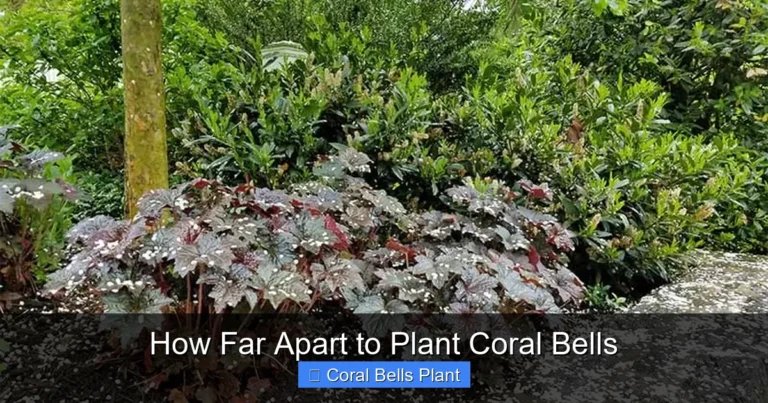
Coral bells perennial plants next, decide where to place coral bells perennial plants. Look for spots with dappled light. Under trees or beside taller shrubs works well. Avoid low‑lying areas that stay wet. Good air flow helps prevent disease. Space plants about twelve inches apart. This gives each clump room to grow.
Tools You Need for Coral Bells Perennial Plants
Coral bells perennial plants finally, gather your tools before you start. You will need a spade, compost, and mulch. A watering can or hose is essential. Gloves protect your hands. Having everything ready makes planting smooth. You will enjoy the process more.
Selecting the Best Varieties
Color Options for Coral Bells Perennial Plants
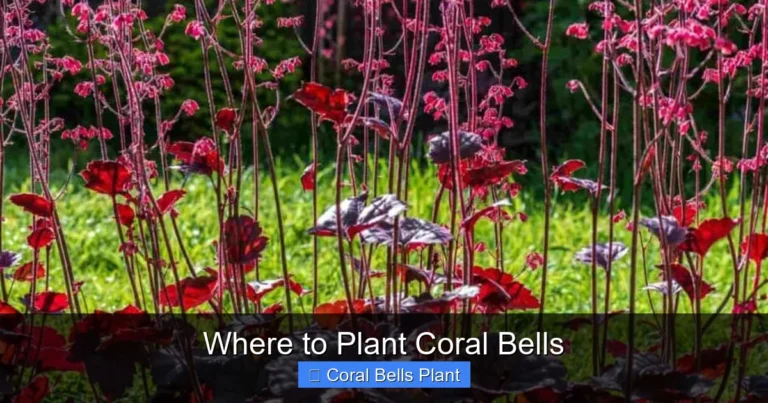
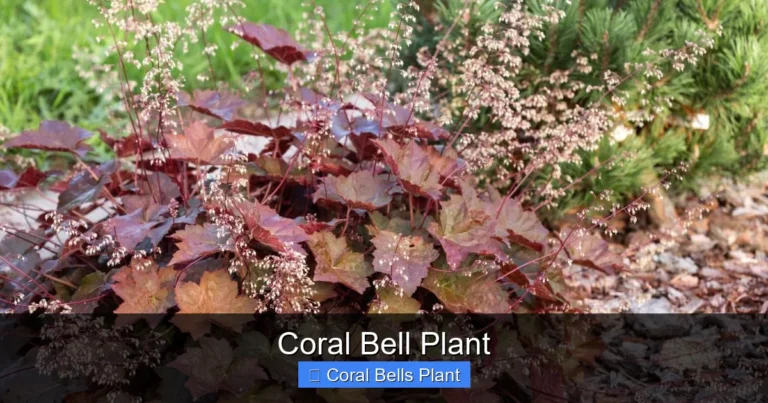
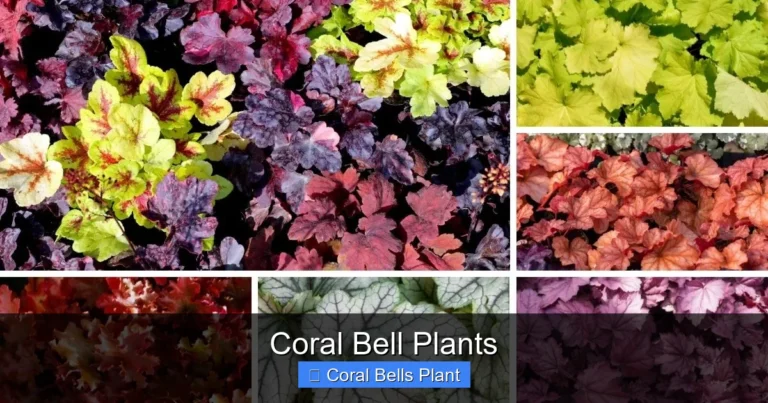
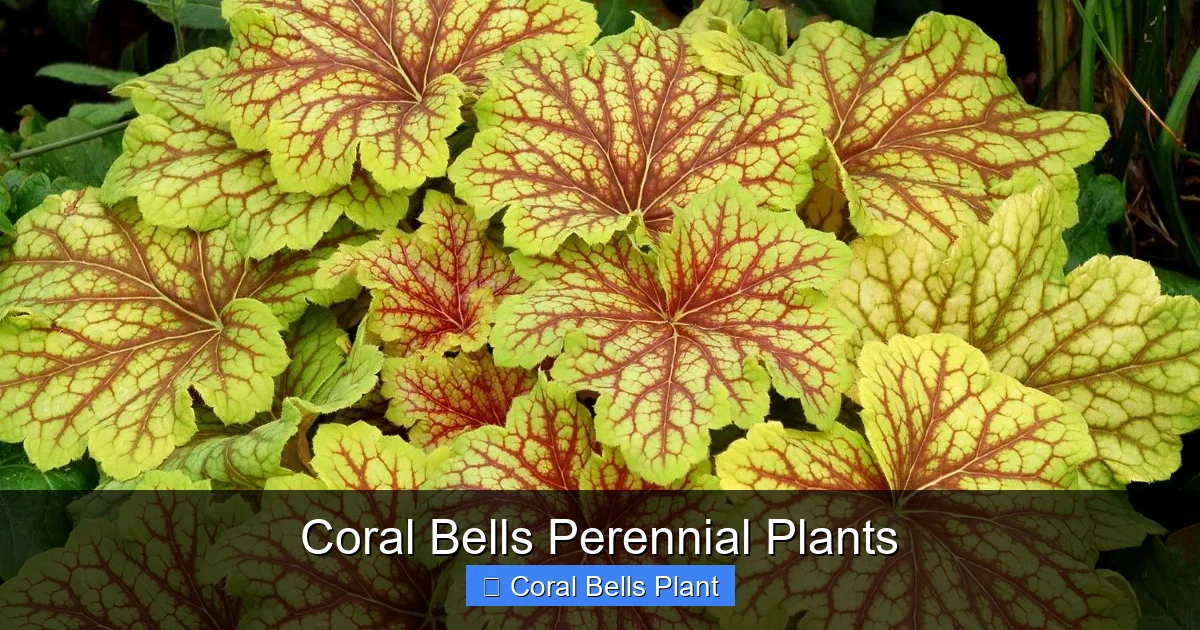
Coral bells perennial plants come in many leaf colors. You can find deep purple, bright lime, rich amber, and classic green. Some varieties have silver veins. Others show a glossy sheen. Choose colors that complement nearby plants. A mix of hues creates a tapestry effect. This adds visual interest all year.
Visual guide about Coral Bells Perennial Plants
Image source: littleyellowwheelbarrow.com
Size and Growth Habit of Coral Bells Perennial Plants
Coral bells perennial plants varieties differ in height and spread. Dwarf types stay under six inches. Medium types reach twelve inches. Large types can grow eighteen inches tall. Consider the mature size when you design beds. Plant taller types at the back. Use dwarf types for edging. This creates a layered look.
Flower Timing of Coral Bells Perennial Plants
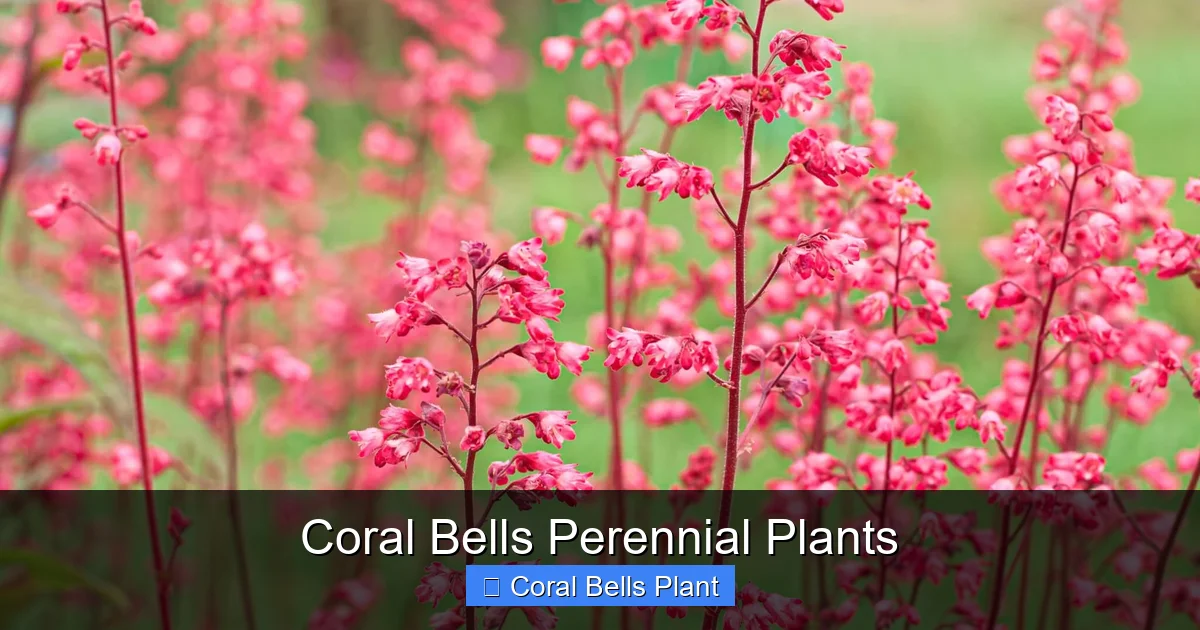
Most coral bells perennial plants bloom in late spring. Some cultivars flower again in early fall. The blooms are airy spikes of tiny bells. They attract pollinators like bees. Deadheading spent flowers encourages a second flush. This extends the show.
Planting and Site Preparation
Light Requirements for Coral Bells Perennial Plants
Coral bells perennial plants thrive in partial shade. Morning sun and afternoon shade are perfect. Full sun can cause leaf burn in hot climates. Deep shade reduces vigor and color intensity. Observe your site through the day. Choose a spot that matches these needs.
Soil Preparation for Coral Bells Perennial Plants
Coral bells perennial plants prepare the planting hole twice as wide as the root ball. Mix native soil with compost at a one‑to‑one ratio. This improves drainage and adds nutrients. Test soil pH if possible. Aim for a slightly acidic to neutral range. Amend with lime or sulfur as needed.
Planting Steps for Coral Bells Perennial Plants
Coral bells perennial plants place the plant in the hole at the same depth it grew in the pot. Backfill with the amended soil. Firm gently around the roots. Water thoroughly to settle the soil. Apply a two‑inch layer of mulch. Mulch conserves moisture and suppresses weeds.
Ongoing Care: Watering, Feeding, and Pruning
Watering Schedule for Coral Bells Perennial Plants
Coral bells perennial plants need consistent moisture. Water deeply once a week during dry spells. Check soil with your finger. The top inch should feel damp. Reduce watering in rainy periods. Overwatering leads to root rot. Mulch helps keep soil evenly moist.
Fertilizer Tips for Coral Bells Perennial Plants
Feed coral bells perennial plants in early spring. Use a balanced slow‑release fertilizer. Follow package rates for perennials. A second light feeding in midsummer supports growth. Avoid high‑nitrogen formulas. Too much nitrogen promotes foliage at the expense of flowers.
Pruning and Deadheading Coral Bells Perennial Plants
Coral bells perennial plants remove spent flower stalks after blooming. This tidies the plant and may trigger rebloom. In late winter cut back any damaged leaves. Use clean, sharp scissors. Pruning improves air flow. Good air flow reduces fungal problems.
Dividing Clumps of Coral Bells Perennial Plants
Divide coral bells perennial plants every three to four years. Early spring is the best time. Dig up the clump carefully. Separate into smaller sections with roots. Replant divisions at the same depth. Water well after replanting. Division rejuvenates old plants.
Managing Pests and Diseases
Common Pests on Coral Bells Perennial Plants
Slugs love the tender leaves of coral bells perennial plants. Hand‑pick them at night. Use copper tape around pots. Diatomaceous earth works as a barrier. Aphids may cluster on new growth. Spray with a strong jet of water. Insecticidal soap is a safe option.
Fungal Diseases of Coral Bells Perennial Plants
Coral bells perennial plants powdery mildew appears as white dust on leaves. Space plants for good air flow. Water at the base, not overhead. Remove infected leaves promptly. Apply a fungicide labeled for ornamentals if needed. Root rot occurs in soggy soil. Ensure excellent drainage.
Preventive Practices for Coral Bells Perennial Plants
Coral bells perennial plants rotate planting locations every few years. Clean garden tools between uses. Mulch with straw or shredded bark. Avoid overhead irrigation. Healthy plants resist pests better. Regular inspection catches problems early.
Design Ideas and Companion Planting
Border Plantings with Coral Bells Perennial Plants
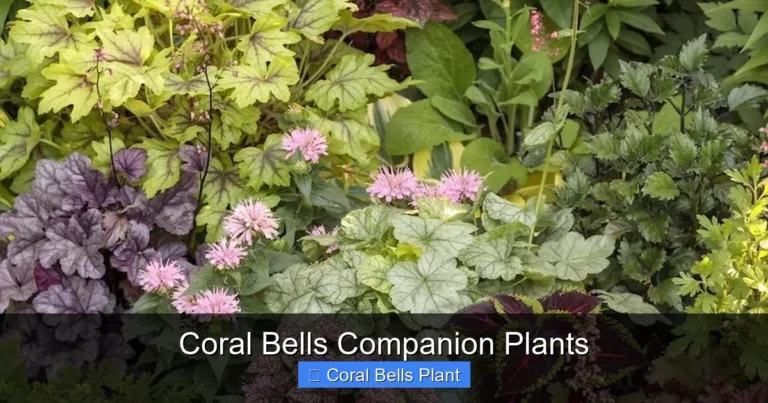
Use coral bells perennial plants along shaded walkways. Their low mounds create a soft edge. Pair them with hostas for contrast. Add ferns for texture. The combination stays attractive all season. Repeat color themes for unity.
Container Gardens Featuring Coral Bells Perennial Plants
Coral bells perennial plants thrive in pots. Choose a container with drainage holes. Use a high‑quality potting mix. Mix in slow‑release fertilizer. Place the pot where it gets morning sun. Water regularly. Containers let you move color around.
Woodland Gardens with Coral Bells Perennial Plants
In a woodland setting, coral bells perennial plants shine. Plant them under deciduous trees. Combine with trilliums and wild ginger. The natural leaf litter mimics forest floor. This creates a serene, low‑maintenance scene.
Seasonal Interest from Coral Bells Perennial Plants
Coral bells perennial plants foliage provides color in winter in mild zones. In colder areas, leaves may die back. Mulch protects crowns over winter. New growth emerges early spring. The cycle repeats each year. Plan for year‑round appeal.
Coral bells perennial plants reward gardeners with lasting beauty and easy care. Follow these steps and you will enjoy vibrant foliage and delicate blooms for many seasons. Happy planting.
Frequently Asked Questions
Do coral bells perennial plants need full sun?
No, coral bells perennial plants perform best in partial shade; full sun can scorch their leaves.
What soil type is ideal for coral bells perennial plants?
A well‑drained, humus‑rich soil with a slightly acidic to neutral pH works best.
How do I encourage a second bloom on coral bells perennial plants?
Deadhead spent flower stalks promptly; this often triggers a fresh flush of blooms.
Are coral bells perennial plants deer resistant?
They are generally deer resistant, though hungry deer may nibble young foliage.
Can I grow coral bells perennial plants indoors?
They can be grown indoors in bright, indirect light with consistent moisture.
How long do coral bells perennial plants live?
With proper care, coral bells perennial plants can thrive for many years, often decades.