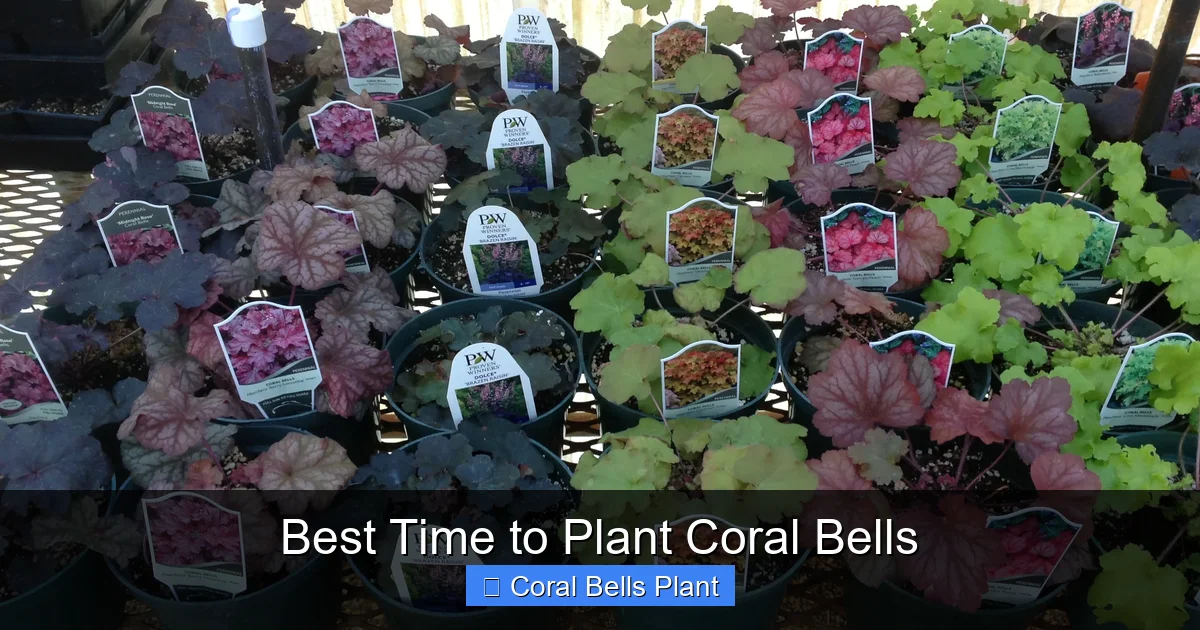
Best Time to Plant Coral Bells
The best time to plant coral bells is early spring or early fall when temperatures are mild and rainfall is consistent. Planting during these windows gives roots time to establish before summer heat or winter freeze, ensuring vibrant foliage and healthy growth for years to come.
If you have ever walked through a shade garden and spotted those ruffled leaves in shades of purple, caramel, lime, or near-black, you have met coral bells. These perennials, botanically known as Heuchera, are garden workhorses. They bring color to shady spots where flowers often struggle. They play nice with hostas, ferns, and astilbes. But here is the thing: timing your planting makes all the difference between a plant that thrives and one that merely survives.
Many gardeners grab a pot at the nursery in July, tuck it into the ground, and wonder why it looks crispy by August. Others plant in late October and lose the crown to frost heave. The best time to plant coral bells is not a guessing game. It follows clear seasonal rules. Get the timing right, and you set the stage for years of low-maintenance beauty. Get it wrong, and you fight an uphill battle all season. Let us walk through exactly when to plant, why those windows work, and how to give your new Heuchera the strongest possible start.
Key Takeaways
- Spring planting works best: Early spring after the last frost gives coral bells a full growing season to establish strong roots before winter.
- Fall is your second window: Plant 6-8 weeks before the first hard frost so roots can settle in before the ground freezes.
- Avoid summer heat: Planting in peak summer stresses new transplants and requires constant watering to prevent failure.
- Soil temperature matters more than air temperature: Aim for soil temps between 50-65°F for optimal root development.
- Prepare soil before planting: Amend with compost for drainage and nutrients since coral bells hate wet feet.
- Water deeply after planting: Consistent moisture for the first 4-6 weeks is critical for establishment success.
- Mulch protects year-round: A 2-inch layer of shredded bark keeps roots cool in summer and insulated in winter.
Quick Answers to Common Questions
What is the absolute best month to plant coral bells?
There is no single best month nationwide. In most zones, April and September are ideal. April gives a full growing season. September gives warm soil for root growth before winter. Check your local frost dates and soil temperature for precision.
Can I plant coral bells in summer?
You can, but it is risky. Summer heat stresses new transplants. If you must plant in summer, choose a cloudy week, provide afternoon shade, water daily, and mulch heavily. Heat-tolerant varieties like ‘Southern Comfort’ handle it better.
How late in fall can I plant coral bells?
Plant at least 6 weeks before your average first hard frost. In zone 5, that means late September. Zone 6: early October. Zone 7: late October. After that, overwinter the pot in a protected spot and plant in spring.
Should I fertilize when planting coral bells?
No. Fertilizer burns new roots. Mix compost into the planting hole instead. Wait until you see new growth (2-3 weeks), then apply a balanced slow-release fertilizer at half strength.
Do coral bells need full sun or full shade?
Neither. They want morning sun and afternoon shade. In cool zones (3-5), they tolerate 4-6 hours of sun. In hot zones (7+), limit to 2-3 hours of morning sun only. Deep shade makes them leggy and dulls color.
📑 Table of Contents
- Understanding Coral Bells Growth Cycles
- The Best Time to Plant Coral Bells: Spring Window
- The Best Time to Plant Coral Bells: Fall Window
- Regional Planting Calendars
- Container Planting: Different Rules Apply
- Soil Preparation: The Foundation of Success
- Watering and Establishment Care
- Common Planting Mistakes to Avoid
- Variety Selection for Your Timing
- Dividing and Transplanting: Timing Matters Too
- Companion Planting Timing
- Troubleshooting Post-Planting Issues
- Long-Term Care Calendar
- Conclusion
Understanding Coral Bells Growth Cycles
Before we pin dates on the calendar, it helps to know how these plants think. Coral bells are native to North American woodlands, cliffs, and alpine slopes. They evolved to handle cold winters and moderate summers. Their energy cycle runs on root growth first, foliage second. In spring, roots wake up and push into cool, moist soil. The plant uses that root energy to unfurl fresh leaves. By midsummer, root growth slows. The plant shifts to maintaining foliage and flowering. In fall, roots get a second wind. They grow aggressively until the ground freezes hard. Winter is dormancy. The crown sits tight, protected by mulch and snow, waiting for the cycle to begin again.
Why Root Establishment Is Everything
You buy coral bells for the leaves. The plant cares about roots. A nursery pot holds a root ball shaped by its container. Once in your garden, those roots must break out into native soil. They need to find water, anchor the crown, and build reserves. This takes 4 to 6 weeks of favorable conditions. If you plant when soil is too cold, roots stall. If you plant when air is too hot, leaves lose water faster than new roots can replace it. The crown — that critical junction where stems meet roots — is the lifeline. It sits at soil level. If it dries out, the plant dies. If it stays soggy, it rots. The best time to plant coral bells aligns with the plant’s natural urge to grow roots.
Dormancy Versus Active Growth
You can technically plant any time the ground is not frozen. But planting during active growth (late spring through early fall) demands more aftercare. The plant is juggling leaf maintenance and root expansion. Planting during the shoulder seasons — early spring and early fall — catches the plant in transition. It is primed for root growth but not burdened by full canopy demands. This is why experienced gardeners target those windows. The plant does the heavy lifting underground while you provide water and mulch.
The Best Time to Plant Coral Bells: Spring Window
Ask ten gardeners the best time to plant coral bells, and six will say spring. They are not wrong. Early spring offers a long runway. Roots get 6 to 8 months before winter. The plant faces its first cold season with a mature root system. But “early spring” is a moving target depending on your zone.
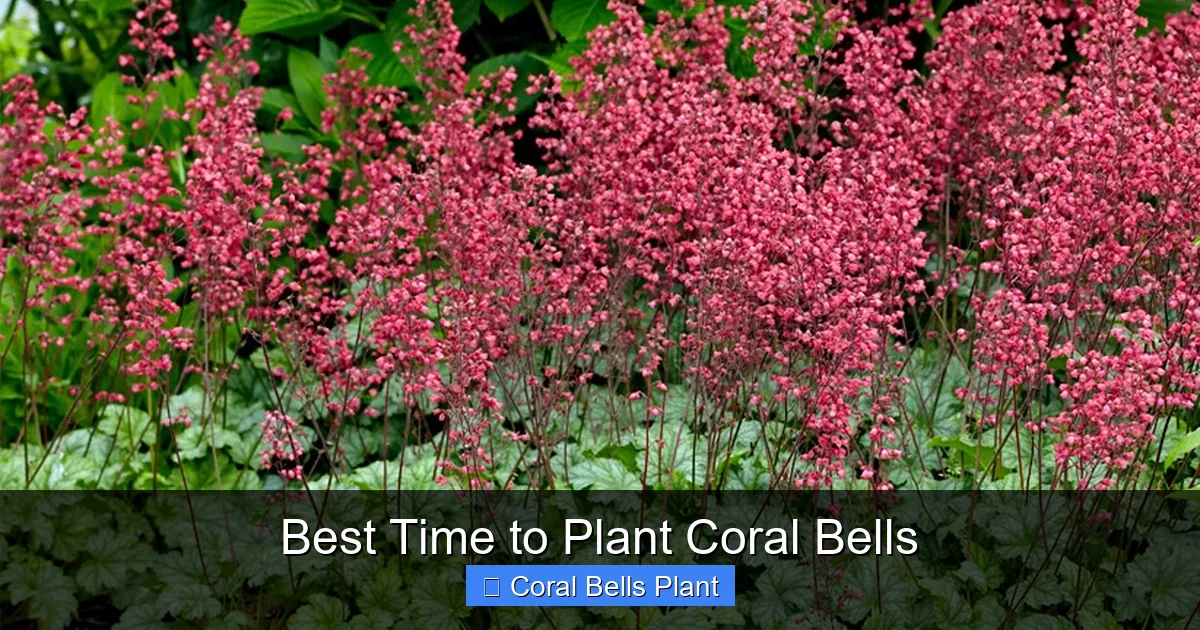
Visual guide about Best Time to Plant Coral Bells
Image source: images.ctfassets.net
Timing by Hardiness Zone
In zones 3 and 4, early spring means late April to early May. The ground has thawed. Night temps are still dipping into the 30s, but days are warming. In zones 5 and 6, you can plant mid-April once frost risk drops. Zones 7 and 8 open the window in March. Zone 9 gardeners can plant as early as February. The rule of thumb: plant 2 to 3 weeks before your average last frost date. Soil should be workable — not soggy, not frozen. Grab a handful. Squeeze. It should crumble, not form a mud ball.
Advantages of Spring Planting
Spring planting gives you the full growing season. You see foliage color develop in real time. The plant flowers on schedule (usually late spring to early summer). You can divide or move it next spring if needed. Rainfall is usually reliable, reducing watering duty. Nurseries have the best selection in spring. You pick from fresh stock, not leftovers. And there is something satisfying about tucking new plants into a waking garden.
Spring Planting Risks to Watch
Late frosts can nip tender new leaves. If a hard freeze threatens after planting, cover with a frost cloth or upside-down pot. Spring winds dry out root balls fast. Check soil daily for the first two weeks. Slugs and snails love fresh spring growth. Scout at night with a flashlight. And watch for crown rot if spring rains turn heavy. Plant slightly high — crown 1/4 inch above soil line — and mulch away from the center.
The Best Time to Plant Coral Bells: Fall Window
Fall is the secret weapon. Many pros prefer it. The soil is warm from summer. Roots grow fast. Air temps are cool. Transpiration is low. Weeds are slowing down. And you often find end-of-season sales. The best time to plant coral bells in fall is 6 to 8 weeks before your average first hard frost. This gives roots time to anchor before the ground freezes.
Calculating Your Fall Planting Date
Find your first frost date. Count back 8 weeks. That is your target. In zone 5, first frost is around October 15. Plant by late August. Zone 6: first frost late October, plant by early September. Zone 7: first frost mid-November, plant by late September. Zone 8: first frost early December, plant by mid-October. Zones 9 and 10 can plant through November. The soil temperature should be at least 50°F at 4 inches deep. Use a soil thermometer. It is a $10 tool that saves guesswork.
Why Fall Planting Often Wins
Warm soil plus cool air equals root paradise. The plant puts 80% of energy below ground. You water less because evaporation is low. Pests are fewer. The plant enters winter with a strong root system and bursts out bigger next spring. You also see the mature foliage color before buying — no guessing from a small spring pot. And fall-planted coral bells often flower better their first full season because they did not spend spring recovering from transplant shock.
Fall Planting Precautions
Do not push it. Planting too late is the number one fall mistake. Roots need time. If you miss the window, overwinter the pot in a protected spot (garage, cold frame, buried in mulch) and plant early spring. Mulch heavily after the ground freezes — 3 inches of shredded leaves or straw. This prevents frost heave, where freeze-thaw cycles push the crown out of the ground. Exposed crowns desiccate and die. Mark the spot with a label. Fall-planted perennials disappear under mulch and snow. You will forget where they are.
Regional Planting Calendars
The best time to plant coral bells shifts with geography. Let us break it down by major regions so you can circle dates on your calendar.
Northeast and Midwest (Zones 3-6)
Spring window: Mid-April to late May. Fall window: Late August to late September. The sweet spot for spring is after the last frost but before 80°F days arrive. For fall, target Labor Day weekend. Soil is still warm. Nights are crisp. Rain returns. If you garden in heavy clay, spring may be safer. Clay holds winter moisture. Fall-planted crowns in clay can rot if drainage is poor. Amend heavily with compost and coarse sand either way.
Pacific Northwest (Zones 7-9)
Spring window: March to April. Fall window: October to November. You have a long fall window because the ground rarely freezes hard. But watch winter wet. Coral bells hate soggy crowns. Plant on mounds or in raised beds. Fall planting works beautifully here — roots grow all winter. Spring planting works too, but you compete with spring rains. If your soil stays mucky until June, fall is better.
South and Southeast (Zones 7-9)
Spring window: February to March. Fall window: October to November. Spring comes early. Plant before summer heat hits. Fall is excellent — long root growth season. But in zones 8-9, coral bells can struggle with summer humidity and night heat. Choose heat-tolerant varieties like ‘Southern Comfort’ or ‘Georgia Peach’. Plant in afternoon shade. Mulch well. Fall planting gives them a head start before the stress test of July.
Southwest and Mountain West (Zones 4-7)
Spring window: April to May (after last frost). Fall window: September to early October. High altitude means intense sun and fast drainage. Spring winds are brutal. Fall is often better — monsoon rains may help. But early freezes can catch late plantings. Know your microclimate. A south-facing slope warms weeks earlier than a north-facing one. Adjust accordingly.
Container Planting: Different Rules Apply
Pots change the equation. Soil in containers freezes faster, heats faster, and dries faster. The best time to plant coral bells in containers is still spring or fall, but the margins are tighter.
Spring Container Planting
Wait until nights are consistently above 40°F. A pot has no earth mass to buffer cold. If a freeze threatens, move the pot to a garage. Use a high-quality potting mix with perlite. Garden soil compacts in pots. Ensure drainage holes. Elevate on pot feet. Water when the top inch is dry. Fertilize monthly with diluted balanced fertilizer. Spring-planted containers give you a full season of color on the patio.
Fall Container Planting
Plant 8 weeks before hard freeze. Choose a large pot — at least 14 inches wide. More soil volume equals more root insulation. After the ground freezes, move the pot to an unheated garage or bury it in mulch to the rim. Do not leave ceramic or terra cotta pots exposed. They crack. Plastic or fiberglass survives. Water monthly if stored dry. The plant stays dormant. Bring it out in early spring.
Year-Round Container Care
Coral bells in pots need repotting every 2-3 years. The center gets woody. Division rejuvenates. Do this in early spring. Refresh potting mix. Trim dead roots. Replant divisions. This is also your chance to upgrade pot size. Container growing lets you move plants to ideal light — morning sun, afternoon shade — which is the coral bells sweet spot in most climates.
Soil Preparation: The Foundation of Success
Timing gets the plant in the ground. Soil keeps it there. Coral bells are picky about drainage. They grow on rocky slopes in nature. Wet clay kills them faster than cold. The best time to plant coral bells includes prep time — do this a week or two before planting.
Testing and Amending
Dig a test hole 12 inches deep. Fill with water. It should drain in under an hour. If it sits, you have drainage issues. Options: build a raised bed, plant on a berm, or amend aggressively. Mix 3 inches of compost into the top 10 inches of soil. Add coarse sand or fine gravel if clay is heavy. Peat moss helps acidity — coral bells prefer pH 6.0 to 7.0. A soil test from your extension office is worth the $20. It tells you exactly what to add.
Planting Hole Technique
Dig the hole twice as wide as the pot. Same depth. No deeper. The crown must sit at or slightly above soil level. Loosen the root ball gently. Tease circling roots outward. If severely root-bound, make four vertical slices with a knife. Place the plant. Backfill with amended soil. Firm gently — no stomping. Water deeply to settle soil. Add more if it sinks. Mulch 2 inches out to the drip line. Keep mulch 1 inch away from the crown.
Spacing for Air Flow
Check the label for mature width. Most coral bells spread 12-18 inches. Space accordingly. Crowded plants get fungal issues. Good air flow prevents powdery mildew and crown rot. If planting in drifts, stagger them. Triangle spacing looks more natural than rows. And it gives each plant equal root room.
Watering and Establishment Care
The first 6 weeks after planting are critical. This is true whether you hit the perfect best time to plant coral bells or not. But proper timing makes this phase easier.
The First Two Weeks
Water daily if no rain. Check soil with your finger. Top inch should be moist, not soggy. A soaker hose or drip line is ideal. Overhead watering wets leaves — invitation for disease. If you must hand-water, aim at the base. Morning is best. Foliage dries fast.
Weeks 3-6
Taper to every 2-3 days. Roots are reaching out. Let the top 2 inches dry between waterings. This encourages deeper rooting. Watch for wilting in afternoon sun. If leaves perk up by morning, the plant is fine. If they stay limp, water deeply.
After Establishment
Once you see new growth — fresh leaves unfurling — the plant is established. Water weekly in dry spells. Mature coral bells are drought-tolerant but look best with consistent moisture. Mulch maintains even soil moisture. Replenish mulch annually in spring.
Common Planting Mistakes to Avoid
Even with perfect timing, these errors derail coral bells. Learn from others’ failures.
Planting Too Deep
This is the number one killer. The crown — where leaves emerge — must be visible. Buried crowns rot. If you mulch heavily, pull it back from the center. Check after watering. Soil settles. Adjust if needed.
Choosing the Wrong Spot
Full sun in zone 8 fries them. Deep shade makes them leggy and dull. Morning sun, afternoon shade is the goldilocks zone. In cooler zones (3-5), they handle more sun — up to 6 hours. In hot zones, 2-3 hours max. Read the variety tag. Some are bred for more sun tolerance.
Ignoring Soil Prep
Dropping a pot into unamended clay is a death sentence. The roots hit the clay wall and circle. The plant never establishes. Spend 30 minutes amending. It saves years of disappointment.
Planting Root-Bound Plants Without Intervention
Nursery pots often hold plants too long. Roots circle the bottom. If you do not tease or slice them, they keep circling. The plant strangles itself. Be ruthless. Roots regenerate fast in favorable conditions.
Skipping Mulch
Bare soil bakes in summer. Freezes deep in winter. Mulch is insurance. Shredded bark, pine straw, leaf mold — all work. Two inches. Reapply yearly. It also suppresses weeds that compete for water.
Variety Selection for Your Timing
Some coral bells handle planting stress better. If you are pushing the window — planting late spring or late fall — choose tough varieties.
Spring-Planted Favorites
‘Palace Purple’ — the classic. Tough, reliable, deep bronze-purple. ‘Caramel’ — amber leaves, heat tolerant. ‘Lime Rickey’ — chartreuse ruffles, brightens shade. ‘Berry Smoothie’ — rose-pink, vigorous. These bounce back fast from spring transplanting.
Fall-Planted Standouts
‘Obsidian’ — near-black, shiny, very hardy. ‘Midnight Rose’ — black with pink spots, strong rooter. ‘Forever Purple’ — ultra-purple, holds color all season. ‘Wild Rose’ — purple with charcoal veins, vigorous. These put on root growth fast in warm fall soil.
Heat-Tolerant for Late Spring Planting
If you must plant in late May or June (zones 7+), pick ‘Southern Comfort’, ‘Georgia Peach’, ‘Delta Dawn’, or ‘Fire Alarm’. These have Heuchera villosa blood — native to southeastern heat and humidity. They handle stress better than the alpine types.
Dividing and Transplanting: Timing Matters Too
Established clumps need division every 3-4 years. The center gets woody. Flowering declines. The best time to plant coral bells divisions matches the best planting times: early spring or early fall.
Spring Division
Do it as soon as you see new growth — little nubs at the crown. Dig the whole clump. Wash soil off roots. Pull apart with hands or cut with a sharp knife. Each division needs 3-5 shoots and healthy roots. Replant immediately. Water well. Spring divisions may not flower that year. They put energy into roots.
Fall Division
Early fall, 8 weeks before frost. Same process. Fall divisions often flower better next spring because roots establish over winter. Mulch heavily after planting. Label varieties. They all look similar when dormant.
Signs It Is Time to Divide
Center dies out — a “donut” shape. Fewer flowers. Leaves smaller than usual. Clump pushing out of ground (crown rising). Spring or fall — just do it. A divided plant is a happy plant.
Companion Planting Timing
Coral bells play well with others. But companions have their own planting calendars. Coordinate for less work.
Spring Planting Partners
Hostas — plant same time. Ferns — same time. Astilbes — same time. Bleeding hearts — same time. Bulbs (daffodils, tulips) — plant bulbs in fall, coral bells in spring over them. The coral bells foliage hides dying bulb leaves. Perfect timing.
Fall Planting Partners
Plant coral bells with spring bulbs in fall. Tuck Heuchera between tulip groups. Add fall-planted perennials like Japanese anemone or toad lily. The bed establishes together. Spring reveals a complete design.
Container Combos
Spring pot: coral bells + trailing ivy + spring bulbs (planted previous fall). Fall pot: coral bells + ornamental kale + pansies. Winter pot (zones 7+): coral bells + hellebores + carex grass. The coral bells provide the anchor foliage year-round.
Troubleshooting Post-Planting Issues
Even with the best time to plant coral bells, things happen. Here is what to watch for and how to respond.
Leaf Scorch
Brown crispy edges. Too much sun or not enough water. Move if possible (early spring or fall only). Otherwise, increase water and add shade cloth for the season. Mulch deeper. Next year, transplant to a better spot.
Crown Rot
Leaves yellow, pull off easily at base. Smell sour. Soil too wet, crown buried. Dig up. Trim rotted tissue. Dust with sulfur. Replant higher in amended soil. Reduce watering. This is why drainage prep matters.
Frost Heave
Plant pushed half out of ground. Crown exposed. Gently press back in. Do not stomp. Mulch heavily. If ground frozen solid, wait for thaw. Mark for extra mulch next fall.
Deer and Rabbit Damage
Leaves chomped to stems. Coral bells are not deer-proof. Spray repellent early and often. Plant among aromatic herbs (lavender, sage) or toxic plants (daffodils, foxglove). Fencing works best.
Slow Establishment
No new growth after 6 weeks. Check roots. Gently dig. Are they white and firm? Good — wait. Brown and mushy? Rot. Black and brittle? Dry. Adjust water. Fertilize lightly with fish emulsion. Sometimes patience is the only fix.
Long-Term Care Calendar
Planting day is just the start. Here is your year-round coral bells calendar.
Early Spring (March-April)
Remove winter mulch from crowns. Check for heave. Press back if needed. Apply balanced slow-release fertilizer. Divide if needed. Top-dress with compost. Refresh mulch.
Late Spring (May-June)
Deadhead flower spikes after bloom (or leave for seed). Watch for slugs. Water in dry spells. Enjoy peak foliage.
Summer (July-August)
Water weekly if dry. Mulch conserves moisture. Afternoon shade prevents scorch. Remove any crispy leaves. Do not fertilize.
Fall (September-October)
Plant new coral bells. Divide old ones. Stop fertilizing. Reduce watering as temps drop. Apply winter mulch after ground freezes.
Winter (November-February)
Leave foliage. It protects the crown. Snow is the best mulch. In snowless zones, ensure 3 inches of mulch. Do not water frozen ground. Plan next year’s additions.
Conclusion
The best time to plant coral bells comes down to two sweet spots: early spring after the last frost, or early fall 6-8 weeks before the ground freezes. Both give roots the cool, moist conditions they crave. Both avoid the extremes of summer heat and winter cold. Spring gives you a full season of growth. Fall gives you stronger roots for next year’s show. Either works — if you respect the timing.
But timing is only half the story. Soil prep, planting depth, watering discipline, and mulch matter just as much. A perfectly timed planting in bad soil fails. A slightly off-timing planting in great soil with attentive care succeeds. Know your zone. Watch your soil temperature. Prep your bed. Plant at crown level. Water like you mean it. Mulch like you care.
Coral bells reward you with foliage that paints the shade garden in colors no flower can match. They ask for little: decent drainage, some shade, and a good start. Give them the best time to plant coral bells, and they return the favor for years. Now grab your trowel. Check the calendar. Your shade garden is waiting.
Frequently Asked Questions
What happens if I plant coral bells too early in spring?
Planting in cold, wet soil causes root rot and crown rot. Roots cannot grow in soil below 45°F. The plant sits dormant while pathogens attack. Wait until soil is workable and night temps are consistently above freezing.
Can I plant coral bells in winter?
Only in zones 9-10 where the ground does not freeze. In colder zones, winter planting leads to frost heave and desiccation. If you buy plants in winter, keep them in a cold garage (35-45°F) and plant in early spring.
How do I know if my coral bells are established?
Look for new leaf growth at the center of the crown. This usually appears 4-6 weeks after planting in favorable conditions. Once you see fresh leaves unfurling, the roots have anchored and the plant is established.
Should I cut back coral bells after planting?
No. Leave all foliage intact. The leaves feed the roots. Only remove leaves that are damaged, diseased, or completely brown. In late winter, you can remove tattered old leaves before new growth emerges.
Can I plant coral bells under trees?
Yes, but watch for root competition. Tree roots steal water and nutrients. Plant in pockets of amended soil between large roots. Water more frequently. Choose vigorous varieties like ‘Caramel’ or ‘Palace Purple’ for tough spots.
Why are my newly planted coral bells wilting every afternoon?
This is transplant shock. The roots cannot supply water fast enough for the leaves in sun/heat. Provide temporary shade cloth, water deeply in morning, and mist foliage if very hot. They usually recover in 2-3 weeks as roots expand.