Southern Comfort Coral Bells Plant
The Southern Comfort Coral Bells plant (Heuchera ‘Southern Comfort’) is a show-stopping perennial prized for its large, cinnamon-caramel leaves that shift color through the seasons. This heat-tolerant variety thrives in partial shade, attracts hummingbirds with its airy flower spikes, and requires minimal care once established. Perfect for borders, containers, and woodland gardens across USDA zones 4-9.
If you have ever wandered through a shade garden in late spring and spotted a plant that looks like it was dipped in caramel and dusted with silver, chances are you were admiring the Southern Comfort Coral Bells plant. This remarkable perennial has become a favorite among gardeners who want dramatic foliage color without the fuss of high-maintenance divas. I remember the first time I planted one in my own north-facing border – I was skeptical that anything could look that good in deep shade, but within weeks it had transformed the entire space into something that felt intentional and designed.
The Southern Comfort Coral Bells plant belongs to the Heuchera genus, a group of North American natives that have been bred extensively over the past few decades. What makes this particular cultivar special is its breeding lineage – it was developed specifically to handle the heat and humidity that send many other coral bells into a summer slump. If you have gardened in the Southeast or Midwest, you know the struggle of watching beautiful spring foliage turn crispy and sad by July. This plant changes that narrative entirely.
Key Takeaways
- Stunning foliage: Large, ruffled leaves emerge peachy-coral and mature to rich caramel-amber with silver undertones, providing year-round interest
- Heat and humidity tolerant: Bred specifically for southern climates, this variety outperforms many other coral bells in warm, humid conditions
- Versatile placement: Thrives in partial to full shade, making it ideal for north-facing beds, under trees, and shaded containers
- Low maintenance: Once established, requires minimal watering, no deadheading, and only occasional division every 3-4 years
- Wildlife friendly: Delicate cream-colored flowers attract hummingbirds and pollinators from late spring through summer
- Deer and rabbit resistant: Fuzzy foliage texture naturally deters browsing animals without chemicals or fencing
- Four-season appeal: Evergreen in mild winters, the foliage maintains color through frost and adds winter structure to garden beds
Quick Answers to Common Questions
How much sun can Southern Comfort Coral Bells tolerate?
In cooler zones (4-6), it handles 4-5 hours of morning sun. In hotter zones (7-9), it needs afternoon shade to prevent leaf scorch. Dappled light all day is ideal in any climate.
When should I divide my Southern Comfort Coral Bells plant?
Divide in early spring as new growth emerges, every 3-4 years when the center becomes woody or flowering declines. Spring division gives divisions a full season to establish before winter.
Is Southern Comfort Coral Bells deer resistant?
Yes, the fuzzy, textured foliage naturally deters deer and rabbits. However, extremely hungry animals may browse in severe winters when other food is scarce.
Can I grow Southern Comfort Coral Bells in containers?
Absolutely. Use a 12+ inch pot with excellent drainage and quality potting mix. Water more frequently than in-ground plants. It makes an excellent thriller in shade container combinations.
Why are the leaves on my Southern Comfort Coral Bells turning brown at the edges?
Brown edges usually indicate too much afternoon sun, insufficient water, or fertilizer burn. Check exposure, ensure consistent moisture, and flush soil if you recently fertilized.
📑 Table of Contents
Getting to Know Your Southern Comfort Coral Bells Plant
What Makes This Variety Unique
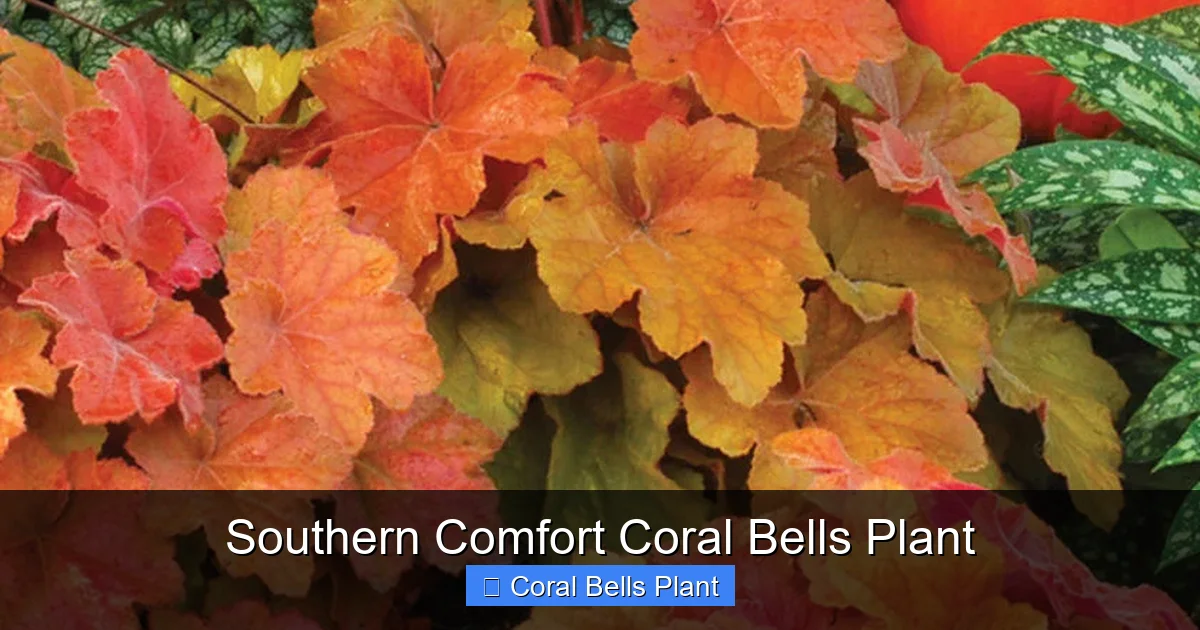
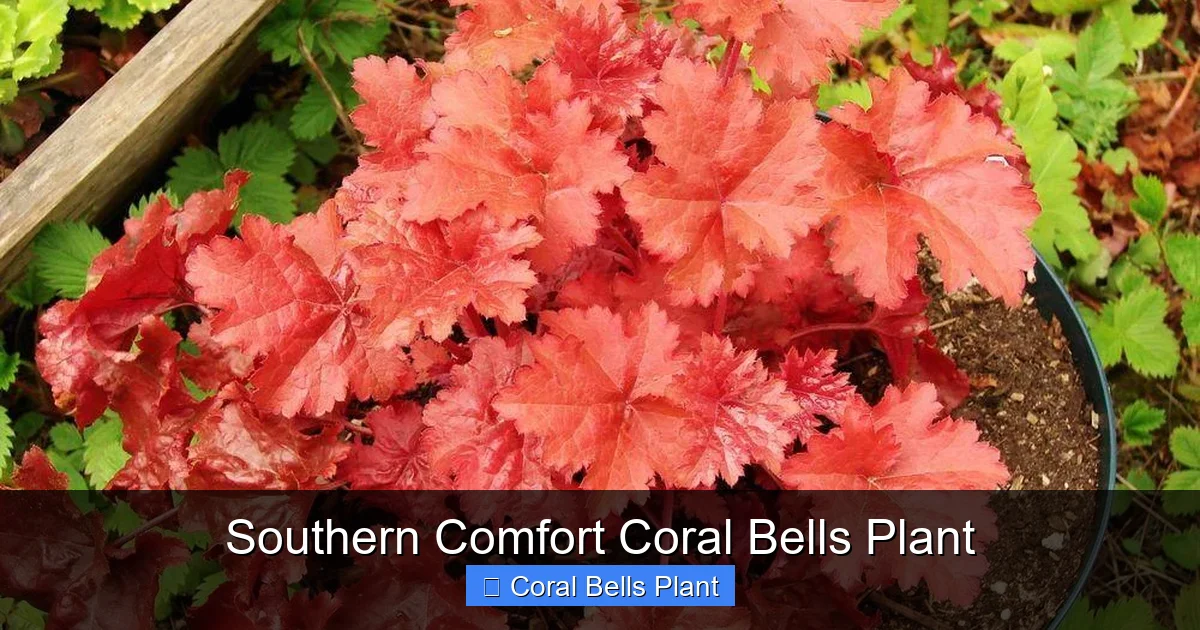
The Southern Comfort Coral Bells plant stands out immediately because of its leaf size and color complexity. Each leaf can reach four to five inches across, significantly larger than many older cultivars. The color journey is fascinating to watch through the seasons. New growth emerges in spring with distinct peachy-coral tones that feel almost tropical. As the leaves mature, they deepen into a rich caramel-amber that catches light beautifully. Flip a leaf over and you will discover a striking silver-purple underside that flashes when the breeze moves through the plant.
This color transformation is not just marketing fluff – it is a genuine seasonal performance. In my garden, the spring display starts in March with those coral new leaves pushing through the previous year’s foliage. By June, the plant is a mound of caramel that looks like it belongs in a high-end landscape design. Come fall, the colors intensify further with cooler temperatures, and in mild winters the foliage persists almost unchanged.
Breeding Background and Heat Tolerance
The Southern Comfort Coral Bells plant comes from the breeding program of Terra Nova Nurseries, specifically developed by Dan Heims and his team. They crossed Heuchera villosa, a species native to the southeastern United States, with other colorful cultivars. That villosa heritage is the secret weapon. Heuchera villosa naturally grows on rocky outcrops and woodland slopes from Virginia to Georgia and west to Arkansas. It has evolved to handle hot, humid summers and periods of drought once established.
This genetic background means the Southern Comfort Coral Bells plant has thicker, more substantial leaves than many coral bells. The foliage has a slightly fuzzy, almost velvety texture that reduces water loss through transpiration. The root system is also more robust, with deeper penetration that accesses moisture during dry spells. For gardeners in zones 7-9, this translates to a plant that looks fresh in August when other shade perennials have gone dormant or crispy.
Ideal Growing Conditions for Maximum Impact
Light Requirements That Work
One of the most common questions about the Southern Comfort Coral Bells plant concerns light exposure. The plant tags often say “part shade to full shade,” but what does that actually mean in practice? After growing this variety in multiple locations, I can tell you it performs best with morning sun and afternoon shade, or dappled light throughout the day under a high tree canopy. In cooler climates (zones 4-6), it can handle more sun – even four to five hours of direct morning light. In hotter zones (7-9), afternoon shade is non-negotiable.
Visual guide about Southern Comfort Coral Bells Plant
Image source: garden.org
I have seen this plant thrive on the north side of a fence where it gets bright indirect light all day but zero direct sun. I have also seen it flourish under a mature oak tree where sunlight filters through in shifting patterns. The key is avoiding the intense afternoon rays that can scorch the foliage, especially in July and August. If you notice the leaf edges turning brown and crispy, that is your signal to provide more shade or increase watering.
Soil Preferences and Preparation
The Southern Comfort Coral Bells plant is not terribly fussy about soil type, but it has clear preferences. Well-draining soil rich in organic matter produces the most vigorous growth and best color. Heavy clay that stays soggy after rain will lead to crown rot, which is the primary killer of coral bells. Sandy soil that drains too quickly will require more frequent watering and fertilizer to maintain lush foliage.
Before planting, amend your soil with compost, leaf mold, or well-rotted manure. Work it in to a depth of twelve to eighteen inches. This creates the loose, humus-rich environment the roots love. If you are dealing with heavy clay, consider creating a raised bed or planting on a slight mound to improve drainage. A soil pH between 6.0 and 7.0 is ideal, though the plant tolerates slightly acidic to slightly alkaline conditions.
Watering Wisdom for Healthy Plants
Establishing a new Southern Comfort Coral Bells plant requires consistent moisture for the first growing season. Water deeply two to three times per week during the first summer, adjusting for rainfall. The goal is to encourage deep root growth, so avoid frequent shallow watering. Once established, the plant shows surprising drought tolerance thanks to its villosa heritage.
In my zone 7 garden, established plants need supplemental water only during extended dry spells of two weeks or more. A two-inch layer of organic mulch – shredded leaves, pine straw, or bark – conserves moisture beautifully and breaks down to feed the soil. Keep mulch pulled back slightly from the crown to prevent rot. The fuzzy leaves also help the plant conserve water, but they can trap moisture if overhead watering is used late in the day. Drip irrigation or soaker hoses are ideal.
Planting and Establishment Success
When and How to Plant
Spring and fall are both excellent times to plant the Southern Comfort Coral Bells plant. Spring planting gives the roots a full growing season to establish before winter. Fall planting takes advantage of cooler temperatures and typically more reliable rainfall. In zones 7-9, fall planting is often more successful because the plant avoids the stress of summer heat during establishment. In zones 4-6, spring planting is safer to ensure root development before the ground freezes.
Dig a hole twice as wide as the root ball but no deeper. The crown – where stems meet roots – should sit at or slightly above soil level. This is critical. Planting too deep is the number one reason coral bells fail. Backfill with your amended soil, firm gently, and water thoroughly to settle the soil and eliminate air pockets. Apply a two-inch mulch layer, keeping it away from the crown.
Spacing for Mature Growth
The Southern Comfort Coral Bells plant forms a mounding clump that reaches twelve to fourteen inches tall and eighteen to twenty-four inches wide at maturity. Space plants eighteen to twenty-four inches apart for a filled-in look within two to three years. For faster coverage, plant fifteen inches apart and plan to divide in three years. In containers, one plant per twelve to fourteen inch pot works well, or combine with trailing companions like creeping jenny or sweet potato vine.
Companion Planting Ideas
The caramel-amber foliage of the Southern Comfort Coral Bells plant plays beautifully with many shade-loving companions. For a cool contrast, pair with blue-leaved hostas like ‘Halcyon’ or ‘Blue Angel.’ The silver undersides of the coral bells echo the blue tones. For a warm, monochromatic scheme, combine with Japanese forest grass (Hakonechloa macra ‘All Gold’) and golden hostas like ‘Sum and Substance.’
Ferns provide wonderful texture contrast – the delicate fronds of Japanese painted fern or autumn fern soften the bold coral bells leaves. For seasonal flower interest, add astilbe, bleeding heart, or hellebores. The Southern Comfort Coral Bells plant also works beautifully in container combinations. Try it as the “thriller” centerpiece with trailing lobelia, bacopa, or ivy as spillers, and perhaps some shade-tolerant coleus as fillers.
Seasonal Care Through the Year
Spring Awakening and Cleanup
As temperatures warm in early spring, the Southern Comfort Coral Bells plant pushes fresh growth from the center of the crown. This is the time to remove any winter-damaged foliage. Gently pull away brown or tattered leaves from the previous season. They usually detach easily with a gentle tug. Avoid cutting into the crown with pruners – the new growth points are delicate.
Apply a balanced, slow-release fertilizer in early spring as new growth emerges. A 10-10-10 or similar formula at half the recommended rate works well. Alternatively, top-dress with an inch of compost around the plant (not on the crown). This provides gentle nutrition through the growing season. Spring is also the ideal time to divide established clumps if they have become woody in the center or flower production has declined.
Summer Maintenance and Flower Management
Summer care for the Southern Comfort Coral Bells plant is remarkably simple. The plant produces airy wands of tiny cream-colored flowers on stems reaching eighteen to twenty-four inches tall in late spring to early summer. These attract hummingbirds and make lovely cut flowers for small arrangements. Deadheading is not necessary for plant health, but removing spent flower stems at the base keeps the plant looking tidy.
Monitor for signs of heat stress during extreme temperatures. If leaf edges brown despite adequate moisture, consider providing temporary afternoon shade with a shade cloth or moving container plants to a shadier spot. Check soil moisture regularly in containers, as they dry faster than ground plantings. A weekly deep watering is usually sufficient for established in-ground plants unless rainfall is abundant.
Fall Preparation and Winter Protection
Fall is when the Southern Comfort Coral Bells plant often looks its absolute best. Cooler temperatures intensify the foliage colors, and the plant puts on a final flush of growth before winter. Continue watering until the ground freezes in cold climates. Do not cut back the foliage in fall – those leaves protect the crown through winter and provide photosynthetic energy for spring emergence.
In zones 4-6, apply a protective winter mulch after the ground freezes. Pine boughs, straw, or shredded leaves work well. Apply four to six inches over the crown. This prevents freeze-thaw cycles that can heave the plant out of the ground. Remove the heavy mulch gradually in early spring as temperatures moderate. In zones 7-9, the plant remains evergreen and needs no special winter protection beyond normal mulch.
Troubleshooting Common Issues
Crown Rot Prevention and Treatment
Crown rot is the most serious threat to the Southern Comfort Coral Bells plant. It occurs when the crown stays too wet, especially in heavy soil or during warm, humid weather. Symptoms include yellowing leaves, mushy stems at soil level, and a foul odor. Prevention is far easier than treatment. Ensure excellent drainage at planting. Avoid burying the crown. Water at soil level, not overhead. Space plants for good air circulation.
If you catch crown rot early, you can sometimes save the plant. Dig it up, wash all soil from the roots, and cut away any mushy, discolored tissue with sterile pruners. Dust the cuts with cinnamon or sulfur powder as a natural fungicide. Replant in fresh, well-draining soil in a new location or a container. Water sparingly until new growth appears. Unfortunately, advanced cases usually mean the plant must be discarded.
Pest Management the Natural Way
The Southern Comfort Coral Bells plant is notably pest-resistant, but a few insects occasionally appear. Vine weevil larvae feed on roots, causing wilting despite moist soil. Adult weevils notch leaf edges at night. Beneficial nematodes applied to the soil in spring and fall control larvae effectively. Slugs and snails may sample the foliage in wet springs. Beer traps, copper tape, or diatomaceous earth provide organic control.
Foliar nematodes can cause angular brown spots between leaf veins. This is more common in humid climates with overhead watering. Remove affected leaves promptly and switch to drip irrigation. Deer and rabbits typically avoid this plant due to the fuzzy leaf texture, but hungry animals may browse in severe winters. A spray of putrescent egg solids or capsaicin-based repellent discourages browsing without harming the plant.
Foliage Issues and What They Mean
Brown leaf edges usually indicate one of three things: too much sun, insufficient water, or fertilizer burn. If the plant receives afternoon sun, move it or provide shade. Check soil moisture – it should be consistently moist but not soggy. If you fertilized recently, flush the soil with several deep waterings. Yellowing leaves with green veins suggest iron deficiency in alkaline soil. Apply chelated iron or acidify soil with elemental sulfur.
Small, stunted leaves often mean the plant needs division. Over time, the center of the clump becomes woody and unproductive. Dividing every three to four years in spring rejuvenates the plant. Heaving – where the crown pushes up out of the soil – happens in freeze-thaw cycles. Gently press the plant back into place and apply winter mulch after the ground freezes next year.
Propagation and Expanding Your Collection
Division: The Reliable Method
Division is the easiest and most reliable way to propagate the Southern Comfort Coral Bells plant. Spring is the ideal time, just as new growth emerges. Dig up the entire clump, being generous with the root ball. Shake or wash off excess soil to see the structure. The plant grows from a central crown with multiple growing points. Use a sharp, clean knife or spade to separate the crown into sections, each with several healthy leaves and roots.
Replant divisions immediately at the same depth they were growing. Water well and mulch. Keep consistently moist for the first few weeks. Most divisions will establish quickly and may even flower the same season. This is also the perfect opportunity to share plants with gardening friends or expand your own shade beds. A mature clump can yield four to six viable divisions.
Seed Propagation for the Patient Gardener
Growing the Southern Comfort Coral Bells plant from seed is possible but requires patience and the understanding that seedlings will not come true to the parent. Heuchera hybrids do not breed true from seed – the offspring will show variation in leaf color, size, and heat tolerance. However, this can be a fun experiment for gardeners who enjoy surprise. Collect seeds from the tiny capsules that form after flowering. They are dust-fine and mature in late summer.
Sow seeds on the surface of moist seed-starting mix – they need light to germinate. Keep at seventy degrees Fahrenheit with bright indirect light. Germination takes two to four weeks. Transplant seedlings to individual pots when they have two sets of true leaves. Grow on for a full season before planting out. You might discover a unique seedling worth naming and keeping!
Tissue Culture and Commercial Production
Commercial production of the Southern Comfort Coral Bells plant uses tissue culture (micropropagation) to ensure genetic uniformity. This laboratory technique produces thousands of identical plants from a tiny piece of meristem tissue. It is how the plants you buy at nurseries are propagated. While not feasible for home gardeners, understanding this explains why every ‘Southern Comfort’ you purchase should look and perform the same.
Design Ideas and Creative Uses
Shade Garden Focal Points
The Southern Comfort Coral Bells plant excels as a focal point in shade garden design. Its bold foliage color draws the eye and anchors a planting bed. Try planting three or five in a sweeping curve along a woodland path. The repeating caramel mounds create rhythm and lead the eye through the space. Underplant with spring bulbs like snowdrops or species tulips for early color before the coral bells reach full size.
In a mixed border, use the Southern Comfort Coral Bells plant as a “bridge” plant between sun and shade sections. Its tolerance for morning sun allows it to thrive in the transition zone. Pair with sun-loving perennials on one side and deep-shade plants on the other. The caramel foliage harmonizes with both warm and cool color schemes, making it an incredibly versatile design element.
Container Combinations That Shine
Container gardening with the Southern Comfort Coral Bells plant opens up possibilities for patios, porches, and entryways where in-ground planting is not an option. Choose a container at least twelve inches deep and wide with excellent drainage. Use a high-quality potting mix amended with compost. The plant’s mounding habit makes it a natural “thriller” in the thriller-filler-spiller container design formula.
For a sophisticated shade container, combine the Southern Comfort Coral Bells plant with black mondo grass (Ophiopogon planiscapus ‘Nigrescens’) as a spiller and silver-leaved lamium as a filler. The black, caramel, and silver palette is modern and striking. For a warmer look, pair with golden creeping jenny (Lysimachia nummularia ‘Aurea’) and orange-flowered impatiens. In winter, the coral bells remains attractive in the container – just move it to a protected spot in cold climates.
Mass Planting for Dramatic Effect
If you have the space, a mass planting of the Southern Comfort Coral Bells plant creates a breathtaking groundcover effect. Space plants eighteen inches apart in a staggered grid pattern. Within two to three years, they will knit together into a continuous carpet of caramel foliage that suppresses weeds and requires minimal maintenance. This works beautifully on a shaded slope, under a grove of trees, or along a north-facing foundation.
Interplant with early spring bulbs for a succession of interest. Snowdrops, crocus, and early daffodils bloom before the coral bells reaches full size. As bulb foliage yellows, the expanding coral bells leaves cover it naturally. This is a low-maintenance, high-impact planting style that looks intentional and designed year-round.
Conclusion
The Southern Comfort Coral Bells plant has earned its place as a shade garden superstar through genuine performance, not just marketing hype. Its heat tolerance, stunning foliage color, low maintenance needs, and four-season interest make it a plant that delivers on every promise. Whether you are a beginning gardener looking for foolproof shade plants or an experienced designer seeking reliable color, this cultivar belongs in your garden.
I have watched my original planting expand and thrive through scorching summers, polar vortex winters, and everything in between. It has never demanded coddling, never succumbed to pests, and never failed to elicit compliments from garden visitors. The fact that it supports hummingbirds and resists deer is simply icing on the caramel cake. If you have a shady spot that needs life and color, give the Southern Comfort Coral Bells plant a try. I suspect you will wonder, as I did, how you ever gardened without it.
Frequently Asked Questions
What makes Southern Comfort Coral Bells different from other Heuchera varieties?
Southern Comfort was bred specifically for heat and humidity tolerance using Heuchera villosa genetics. It has larger leaves, better summer performance in warm climates, and a unique caramel-amber color that shifts through seasons unlike the purple or green tones of many older cultivars.
Does Southern Comfort Coral Bells stay evergreen in winter?
In zones 7-9, it remains fully evergreen through winter. In zones 4-6, foliage may become tattered or die back partially but the crown survives. Leave foliage in place until spring cleanup for winter protection.
How often should I water established Southern Comfort Coral Bells plants?
Established plants need supplemental water only during dry spells of 2+ weeks. Water deeply once weekly during drought. Container plants need more frequent checking – water when the top inch of soil feels dry.
Can Southern Comfort Coral Bells grow in full shade?
Yes, it tolerates full shade well, though growth may be slightly slower and foliage color less intense than with some morning light. It performs beautifully in north-facing beds and under dense tree canopies.
What fertilizer is best for Southern Comfort Coral Bells?
A balanced slow-release fertilizer (10-10-10) at half strength in early spring works well. Alternatively, top-dress with an inch of compost annually. Avoid high-nitrogen fertilizers which promote soft growth susceptible to disease.
How large does Southern Comfort Coral Bells get?
Mature plants reach 12-14 inches tall and 18-24 inches wide. Flower stems add another 6-10 inches in height during bloom. Size varies somewhat with growing conditions – more light and moisture produces larger plants.