Coral Bells Flowering Plants
Coral bells flowering plants (Heuchera) are versatile perennials prized for their colorful foliage and delicate bell-shaped blooms. These low-maintenance plants thrive in shade to partial sun, offering year-round interest with minimal care.
If you want a plant that delivers serious impact with minimal fuss, coral bells flowering plants should be at the top of your list. These charming perennials have undergone a remarkable transformation over the past few decades. What started as a humble native wildflower with green leaves and tiny pink blooms has exploded into a dazzling array of cultivars. Today you can find coral bells in nearly every color imaginable. Deep purple. Bright chartreuse. Warm caramel. Silvery pewter. Even near-black.
The best part? They are incredibly forgiving. Whether you are a seasoned gardener or just starting out, coral bells will reward you with months of color. Their foliage stays attractive from early spring until hard frost. In mild climates, many varieties remain evergreen through winter. The delicate flowers dance on wiry stems above the mound of leaves, adding a light, airy touch to shaded corners. Let me walk you through everything you need to know to grow these superstars successfully.
Key Takeaways
- Foliage First: Coral bells are grown primarily for their stunning leaves in shades of purple, caramel, lime, and silver.
- Shade Tolerant: Most varieties perform best in partial shade, making them perfect for woodland gardens and north-facing beds.
- Long Bloom Season: Tiny bell-shaped flowers appear on tall stems from late spring through summer, attracting hummingbirds.
- Easy Care: Once established, these perennials need little water, fertilizer, or pruning to look their best.
- Deer Resistant: The slightly fuzzy leaves deter deer and rabbits, making them reliable in wildlife-prone areas.
- Versatile Design: Use coral bells in containers, borders, rock gardens, or as ground cover for multi-season appeal.
- Divide Regularly: Split clumps every 3-4 years in spring or fall to maintain vigor and prevent center die-out.
Quick Answers to Common Questions
What are coral bells flowering plants?
Coral bells (Heuchera) are North American native perennials grown for their colorful foliage and delicate bell-shaped flowers on tall wiry stems.
How much sun do coral bells need?
Most varieties prefer partial shade with 3-5 hours of morning sun. Some tolerate full sun in cool climates with adequate moisture.
When do coral bells bloom?
Coral bells typically bloom from late spring through early summer, with some varieties reblooming sporadically into fall.
Are coral bells deer resistant?
Yes, coral bells are generally deer and rabbit resistant due to their slightly fuzzy, bitter-tasting foliage.
How often should I divide coral bells?
Divide coral bells every 3-4 years in early spring or fall when the center becomes woody and growth declines.
📑 Table of Contents
- Understanding Coral Bells: Botany and Background
- Choosing the Right Variety for Your Garden
- Planting Coral Bells for Success
- Ongoing Care and Maintenance
- Designing with Coral Bells
- Troubleshooting Common Problems
- Propagation Methods
- Seasonal Care Calendar
- Frequently Asked Questions About Coral Bells
- Conclusion: Why Every Garden Needs Coral Bells
Understanding Coral Bells: Botany and Background
What Are Coral Bells?
Coral bells belong to the genus Heuchera, a group of about 50 species native to North America. They are members of the saxifrage family, Saxifragaceae. The common name comes from the shape of the tiny flowers. Each bloom resembles a miniature bell, often in shades of coral, pink, red, or white. But here is the secret most beginners miss. The flowers are just a bonus. The real show is the foliage.
Modern breeding has focused heavily on leaf color, texture, and form. Plant breeders have crossed different species to create hybrids with ruffled edges, dramatic veining, and colors that shift with the seasons. Some varieties start spring in one hue, transition through summer, and finish autumn in a completely different shade. This chameleon-like quality makes coral bells flowering plants endlessly fascinating.
Native Origins and Habitat
Most Heuchera species hail from rocky cliffs, woodland slopes, and alpine meadows across the United States and Canada. Heuchera sanguinea, the classic coral bells, comes from the Southwest. Heuchera americana grows in eastern woodlands. Heuchera micrantha thrives on the West Coast. This diverse heritage explains why different cultivars have varying tolerances for heat, humidity, and cold.
Understanding where a variety’s parents originated helps you pick the right plant for your region. If you garden in the humid Southeast, look for cultivars with H. villosa or H. americana bloodlines. These handle heat and moisture better. In the arid West or high elevations, varieties with H. sanguinea or H. micrantha ancestry often perform well. Northern gardeners should seek out selections bred from cold-hardy species.
Growth Habit and Structure
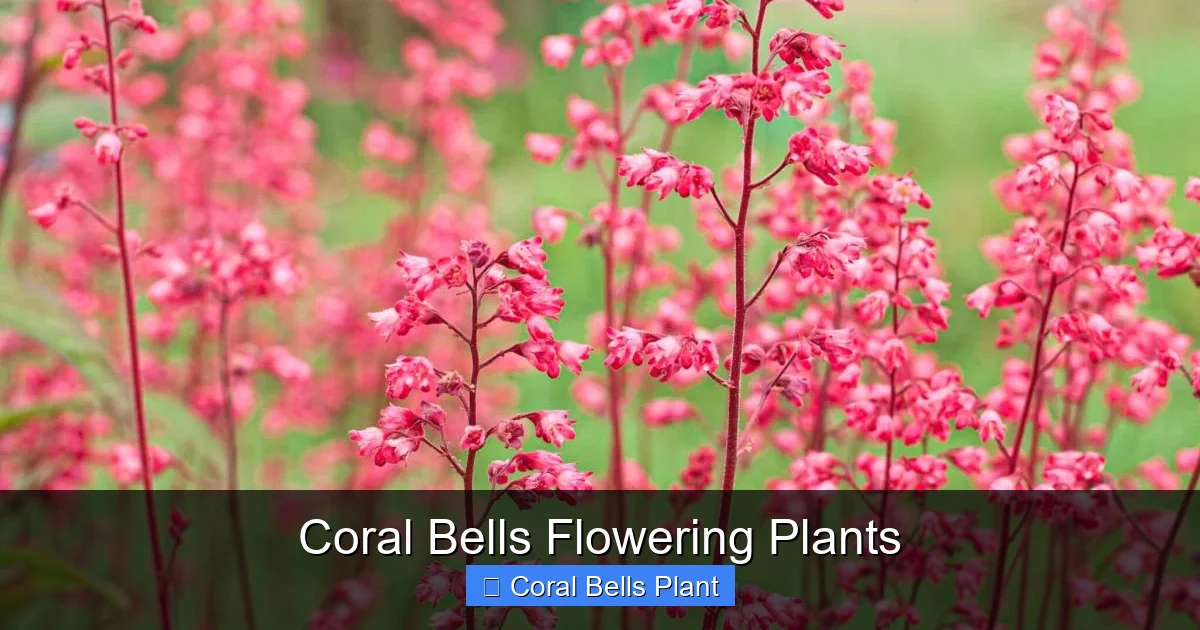
Coral bells form neat, rounded mounds of basal leaves. Each leaf rises on a long petiole from a central crown. The crown sits at or just below soil level. From this crown, flower stalks emerge in late spring. These wiry stems can reach 12 to 30 inches tall, depending on the variety. They bear loose panicles of tiny flowers that sway in the slightest breeze.
The root system is fibrous and relatively shallow. This makes coral bells easy to transplant but also means they benefit from mulch to keep roots cool and moist. Most varieties spread slowly to form clumps 12 to 18 inches wide. Some vigorous types can reach 24 inches or more over time. The plants are long-lived perennials, often thriving for a decade or more with basic care.
Choosing the Right Variety for Your Garden
Color Categories and Standout Cultivars
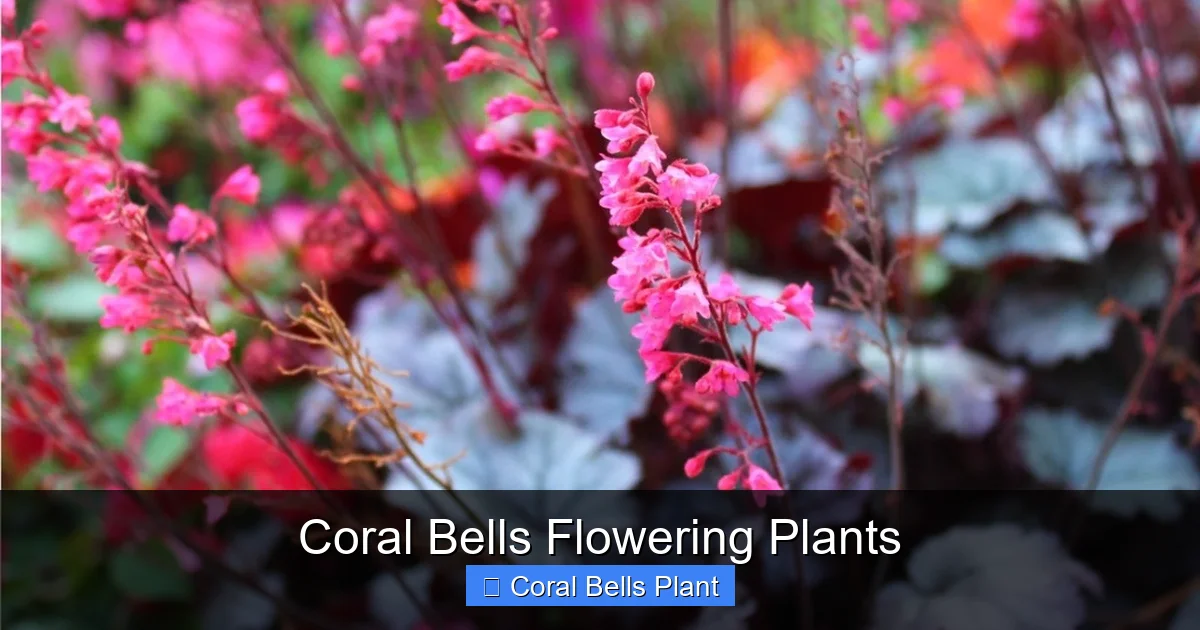
The sheer number of coral bells flowering plants on the market can be overwhelming. Breeders introduce dozens of new cultivars each year. To simplify your search, think in color families. Here are some proven performers in each group.
Visual guide about Coral Bells Flowering Plants
Image source: cdn.mos.cms.futurecdn.net
Purple and Plum Tones: ‘Palace Purple’ started the craze in the 1990s. It remains reliable with maple-shaped leaves in deep bronze-purple. ‘Obsidian’ offers near-black foliage with a glossy sheen. ‘Black Pearl’ forms a dense mound of intensely dark leaves with ruffled edges. ‘Forever Purple’ keeps its saturated color all season without fading to green.
Caramel, Amber, and Peach: ‘Caramel’ is a classic for a reason. Its large, lobed leaves emerge gold and mature to warm caramel with pink undersides. ‘Georgia Peach’ displays bright peach-orange leaves with a silver overlay. ‘Marmalade’ shows off undulating foliage in shades of amber, umber, and sienna. These warm tones glow in dappled light.
Chartreuse, Lime, and Gold: ‘Lime Rickey’ brings electric chartreuse ruffled leaves that light up shade. ‘Citronelle’ offers a more refined lime-green mound. ‘Electric Lime’ stays bright even in deeper shade. ‘Gold Zebra’ features gold leaves with dark red centers. Yellow-leaved varieties need some morning sun to develop their best color. Too much shade turns them green.
Silver, Pewter, and Frosted: ‘Silver Scrolls’ shows metallic silver leaves with charcoal veining. ‘Steel City’ offers pewter-toned foliage with a subtle pink blush. ‘Appletini’ has lime-silver leaves with dark veins. These shimmering varieties excel in evening gardens where they catch low light.
Red and Rose: ‘Fire Alarm’ lives up to its name with bright red spring foliage that deepens to burgundy. ‘Red Lightning’ displays gold leaves with electric red veins. ‘Cherry Cola’ offers reddish-brown leaves with a cola undertone. True red foliage is rare and highly prized.
Matching Varieties to Your Climate
Not every coral bells flowering plant thrives everywhere. Heat tolerance, humidity resistance, and cold hardiness vary widely. Check the plant tag or description for the USDA hardiness zone range. Most are rated zones 4 through 9. But zone ratings tell only part of the story.
In the Deep South, humidity and night heat cause many varieties to melt out or develop fungal issues. Look for the “Southern Living” or “Heat Tolerant” designations. Cultivars with Heuchera villosa heritage like ‘Autumn Bride’, ‘Mocha’, and ‘Brownies’ handle southern summers beautifully. The “City” series (Paris, Milan, Shanghai) was bred specifically for heat and humidity.
In the Desert Southwest, intense sun and alkaline soil challenge coral bells. Choose varieties rated for full sun in your area. ‘Palace Purple’, ‘Plum Pudding’, and ‘Chocolate Ruffles’ show good sun tolerance with adequate water. Amend soil heavily with organic matter. Provide afternoon shade. Mulch generously.
Northern gardeners in zones 3 and 4 need maximum cold hardiness. The “Northern Exposure” series was developed in Minnesota for zone 3 reliability. ‘Berry Smoothie’, ‘Forever Red’, and ‘Wild Rose’ have proven tough in harsh winters. Apply a protective mulch after the ground freezes to prevent frost heaving.
Flower Power: When Blooms Matter
While foliage steals the spotlight, some coral bells flowering plants are grown specifically for their floral display. Heuchera sanguinea cultivars like ‘Snow Angel’, ‘Ruby Bells’, and ‘Firefly’ produce masses of showy flowers on compact plants. The “Coral Forest” series offers large blooms in coral, pink, and white.
If you want to attract hummingbirds, prioritize red and pink flowering types. The tubular blooms are perfectly shaped for hummingbird beaks. Plant them near seating areas where you can watch the aerial acrobatics. Deadhead spent flower stalks to encourage rebloom. Cut the stems back to the base when flowering finishes.
Planting Coral Bells for Success
Timing Your Planting
Spring and fall are the ideal planting windows for coral bells flowering plants. Spring planting gives roots time to establish before summer heat. Aim to plant after the last frost date when soil has warmed to at least 50°F. Fall planting works well in zones 6 and warmer. Plant at least six weeks before the ground freezes. This allows roots to anchor before winter.
Avoid planting during summer heat waves. If you must plant in summer, choose a cloudy day. Provide temporary shade with a shade cloth or overturned pot. Water daily for the first two weeks. Container-grown plants can technically go in the ground any time the soil is workable. But spring and fall give the best results with least stress.
Site Selection: Light Requirements
Most coral bells prefer partial shade. This means 3 to 5 hours of direct morning sun, or dappled light throughout the day. Morning sun with afternoon shade is the sweet spot. In cooler climates (zones 4-6), many varieties tolerate full sun if soil stays consistently moist. In hot climates (zones 7-9), afternoon shade is non-negotiable.
Observe your proposed planting spot for a full day before committing. Note when sun hits and for how long. Remember that light patterns change seasonally. A spot that is full sun in April may be shaded by a deciduous tree in July. Conversely, a shady spring corner may bake in August after trees leaf out. Choose a location based on summer conditions.
Color intensity correlates with light exposure. Purple and red varieties need some direct sun to develop deep pigment. Without it, they turn muddy green. Silver and pewter types hold their color in deeper shade. Chartreuse and gold varieties need morning sun to stay bright. Too much shade makes them revert to green. Too much sun bleaches them yellow-white.
Soil Preparation and Requirements
Coral bells flowering plants demand well-drained soil above all else. They will not tolerate wet feet, especially in winter. Heavy clay soil is a death sentence unless amended. The ideal soil is rich, humusy, and moisture-retentive but freely draining. A pH between 6.0 and 7.0 is perfect. Slightly acidic to neutral.
Before planting, work 2 to 3 inches of compost into the top 8 to 10 inches of soil. Add coarse sand or fine gravel if your soil is heavy. Perlite or expanded shale also improves drainage. Avoid fresh manure. It burns tender roots. If planting in a raised bed or container, use a high-quality potting mix blended with compost and perlite.
Test drainage by digging a hole 12 inches deep and filling it with water. If it drains in under an hour, you are good. If water stands for hours, improve drainage or choose a different spot. Consider planting on a slight mound or in a raised bed if your native soil is poorly drained.
Step-by-Step Planting Guide
Water your coral bells thoroughly while still in the pot. This reduces transplant shock. Dig a hole twice as wide as the root ball but no deeper. The crown should sit at soil level, not buried. Burying the crown leads to rot. Gently loosen any circling roots. Place the plant in the hole. Backfill with amended soil. Firm gently around the roots.
Water deeply to settle soil and eliminate air pockets. Apply a 2-inch layer of shredded bark, pine straw, or leaf mulch. Keep mulch pulled back slightly from the crown. This prevents moisture buildup against the stem. Space plants 12 to 18 inches apart depending on mature width. Closer spacing creates a faster ground cover effect.
For container planting, choose a pot at least 12 inches wide and deep. Ensure drainage holes. Use potting mix, not garden soil. Plant at the same depth as in the nursery pot. Water until it runs out the bottom. Containers dry faster than ground soil. Check daily in hot weather.
Ongoing Care and Maintenance
Watering Wisdom
Newly planted coral bells need consistent moisture for the first growing season. Water deeply twice a week unless rain provides an inch. Once established, they are surprisingly drought tolerant. Their shallow roots appreciate regular water but hate soggy conditions. The finger test works best. Stick your finger 2 inches into soil. If dry, water. If moist, wait.
Morning watering is ideal. It allows foliage to dry before evening, reducing fungal risk. Soaker hoses or drip irrigation deliver water to roots without wetting leaves. If using a sprinkler, run it early so leaves dry quickly. In containers, water until it drains out the bottom. This ensures the entire root ball is moistened.
Reduce watering in fall as growth slows. In winter, water only during extended dry spells when the ground is not frozen. Overwatering dormant plants causes crown rot. A rain gauge helps track natural precipitation. Aim for about an inch per week during active growth, including rainfall.
Fertilizing: Less Is More
Coral bells flowering plants are light feeders. Too much fertilizer produces lush foliage at the expense of flowers and hardiness. It also increases susceptibility to pests and disease. A single application of slow-release balanced fertilizer in early spring is plenty. Look for a 10-10-10 or 14-14-14 formula. Apply at half the recommended rate.
Alternatively, top-dress with an inch of compost each spring. This feeds slowly and improves soil structure. Liquid fertilizer at quarter strength can be applied monthly during the growing season if plants look pale or stunted. Stop fertilizing by late July. This allows plants to harden off before winter.
Container plants need more frequent feeding since nutrients leach out. Use a slow-release fertilizer at planting. Supplement with liquid fertilizer at half strength every 4 to 6 weeks during active growth. Flush pots occasionally with clear water to prevent salt buildup.
Mulching for Health
A 2-inch mulch layer is one of the best things you can do for coral bells. Mulch conserves moisture, suppresses weeds, moderates soil temperature, and slowly adds organic matter as it breaks down. Shredded hardwood bark, pine straw, leaf mold, and cocoa hulls all work well. Avoid piling mulch against the crown. Leave a 1-inch gap.
Refresh mulch annually in spring. Rake out old compacted mulch before adding new. This prevents water-repellent mats from forming. In winter, you can add an extra inch of mulch after the ground freezes for insulation. Remove the excess in early spring to prevent crown rot.
Pruning and Grooming
Coral bells require minimal pruning. Remove any tattered, brown, or damaged leaves at the base throughout the growing season. This keeps plants looking fresh and improves air circulation. In late winter or early spring, do a thorough cleanup. Cut all old foliage to the ground before new growth emerges. Use clean, sharp scissors or pruners.
Deadhead flower stalks after blooming finishes. Cut stems back to the basal foliage. This redirects energy to leaf production and sometimes prompts a light rebloom. Some gardeners leave seed heads for winter interest and bird food. If you do, remove them in early spring.
Every 3 to 4 years, the center of the clump may become woody and die out. This signals it is time to divide. Spring division just as new growth starts is ideal. Fall division works too, done at least 6 weeks before frost. Dig the entire clump. Pull or cut apart into sections with healthy roots and crowns. Replant immediately.
Designing with Coral Bells
Companion Planting Strategies
Coral bells flowering plants play well with others. Their mounded habit and colorful foliage make them ideal companions for a wide range of shade-loving perennials. The key is contrasting texture, form, and color. Think bold leaves next to fine foliage. Upright shapes beside mounds. Cool tones against warm hues.
Classic Shade Partners: Hostas are the number one companion. Their large, smooth leaves contrast beautifully with ruffled coral bells. Choose hostas with different leaf colors. Blue hostas make purple coral bells pop. Gold hostas warm up silver varieties. Ferns add feathery texture. Japanese painted fern echoes silver tones. Autumn fern brings coppery new growth.
Woodland Natives: Pair coral bells with foamflower (Tiarella), wild ginger (Asarum), and Solomon’s seal (Polygonatum). These natives share similar cultural needs. They create a naturalistic tapestry that looks better with age. Add spring ephemerals like Virginia bluebells and trillium for early color before coral bells hit their stride.
Textural Contrasts: Ornamental grasses like Japanese forest grass (Hakonechloa) and sedges (Carex) provide linear movement beside rounded coral bells mounds. ‘Aureola’ hakonechloa with its gold-striped blades is stunning with purple varieties. Black mondo grass (Ophiopogon planiscapus ‘Nigrescens’) creates drama with silver or chartreuse coral bells.
Seasonal Extenders: Plant early bulbs like snowdrops, crocus, and species tulips among coral bells. The bulbs bloom before coral bells leaf out fully. By the time bulb foliage yellows, coral bells cover it. Add late-season bloomers like Japanese anemone, toad lily (Tricyrtis), and monkshood (Aconitum) for fall color.
Container Combinations
Coral bells are container superstars. Their shallow roots suit pots perfectly. They provide instant color and structure. Use them as the “filler” in the classic thriller-filler-spiller formula. Or let a single spectacular variety shine in its own pot.
Shade Container Recipe: Center a tall thriller like upright fuchsia or coleus. Surround with 3 coral bells plants in complementary colors. Edge with a spiller like creeping jenny (Lysimachia nummularia ‘Aurea’) or variegated ivy. This combination looks lush from May through October.
Foliage-Only Pot: Combine 3 coral bells varieties with contrasting leaves. Try ‘Obsidian’ (black), ‘Caramel’ (amber), and ‘Lime Rickey’ (chartreuse). Add a small fern or heucherella for texture. No flowers needed. This pot looks sophisticated all season.
Seasonal Swaps: In spring, pair coral bells with pansies and violas. Summer brings impatiens, begonias, or torenia. Fall welcomes ornamental kale, mums, and asters. The coral bells remain the constant anchor. Just tuck seasonal plants around the edges.
Landscape Uses Beyond Borders
Think beyond the perennial border. Coral bells flowering plants excel in many roles.
Ground Cover: Plant en masse on a shady slope or under trees. Space 12 inches apart for quick coverage. Varieties like ‘Green Spice’, ‘Autumn Bride’, and ‘Marvelous Marble’ spread steadily. They suppress weeds and hold soil. The effect is a living tapestry.
Rock Gardens: Tuck coral bells into crevices between rocks. Their shallow roots need little soil depth. The rocks keep roots cool. Varieties with compact habits like ‘Petite Pearl Fairy’ and ‘Little Cutie’ series work best. They soften hard edges beautifully.
Edging and Pathways: Line a shaded walkway with a single variety for rhythm. ‘Palace Purple’ or ‘Caramel’ create a cohesive ribbon of color. The low mounds won’t flop onto the path. They tolerate occasional foot traffic at the edges.
Understory Planting: Plant beneath deciduous trees where grass struggles. Coral bells compete well with tree roots once established. They thrive in the dappled light. Spring bulbs planted among them extend the show.
Troubleshooting Common Problems
Fungal Diseases
The most common issues with coral bells flowering plants are fungal. Powdery mildew appears as white dusty coating on leaves. It thrives in humid conditions with poor air circulation. Rust shows as orange pustules on leaf undersides. Leaf spots cause brown or black lesions. Crown rot turns the center mushy and foul-smelling.
Prevention is your best defense. Space plants for good airflow. Water at soil level, not overhead. Mulch to prevent soil splash. Remove infected leaves promptly. Do not compost diseased material. In severe cases, apply a fungicide labeled for ornamentals. Neem oil and copper-based sprays work organically.
Crown rot is almost always caused by buried crowns or poor drainage. If caught early, dig the plant, cut away rotted tissue, dust with sulfur, and replant higher in well-drained soil. Often the plant is a total loss. Prevention through proper planting is far easier than cure.
Pest Issues
Coral bells are relatively pest-free. But a few critters find them tasty. Vine weevil adults notch leaf edges at night. Their larvae feed on roots, causing sudden wilting. Check roots if a plant collapses inexplicably. Beneficial nematodes applied to soil control larvae.
Slugs and snails chew holes in leaves, especially in damp springs. Beer traps, diatomaceous earth, and iron phosphate baits reduce damage. Deer and rabbits occasionally browse flowers but usually avoid the foliage. If browsing is heavy, apply repellent spray.
Foliar nematodes cause angular brown lesions between leaf veins. They spread via water splash. There is no cure. Remove and destroy infected plants. Do not replant coral bells in that spot for several years. Sanitation is critical.
Environmental Stress
Sunburn shows as bleached, crispy patches on leaves. It happens when shade-loving varieties get too much afternoon sun. Move the plant or provide shade cloth. Frost heaving pushes crowns out of the ground in winter. This exposes roots to killing cold. Mulch heavily after ground freezes. Push heaved plants back gently in spring.
Drought stress causes leaf scorch and premature dormancy. Water deeply at first sign of wilting. Heat stress in southern zones causes melting out. The center rots in humid heat. Choose heat-tolerant varieties. Improve airflow. Avoid overhead watering.
Nutrient deficiency shows as yellowing leaves (nitrogen), purple tints (phosphorus), or brown leaf edges (potassium). A soil test identifies specific needs. Usually a compost top-dressing corrects minor deficiencies. Avoid guessing with fertilizer. Too much causes more problems than too little.
Rejuvenating Tired Plants
After 3 to 5 years, coral bells clumps often develop woody centers with growth only at the edges. The plant looks like a donut. This is normal. Division restores vigor. Dig in early spring. Wash soil off roots. You will see the woody central crown with younger offsets around it. Cut or pull apart the offsets. Each piece needs roots and a growing point. Discard the woody center. Replant offsets immediately.
If division seems daunting, you can also mound soil over the woody center. This encourages new roots to form along the buried stems. Add 2 inches of compost-rich soil over the crown in spring. Keep moist. New growth often emerges from the buried stems. This buys time before full division is needed.
Propagation Methods
Division: The Reliable Standard
Division is the easiest and most reliable way to propagate coral bells flowering plants. It produces clones identical to the parent. Spring division just as growth emerges is ideal. The plant has all season to establish. Fall division works in mild climates. Do it at least 6 weeks before hard frost.
Water the plant well the day before. Dig around the clump 6 inches out. Lift the entire plant. Shake off excess soil. Pull apart natural divisions with your hands. Or use a sharp knife to cut through the crown. Each division needs 3 to 5 shoots with roots. Trim any long roots to 4 inches. Replant immediately at the same depth. Water well. Mulch.
Expect some transplant shock. Leaves may wilt for a few days. Keep soil consistently moist. New growth appears in 2 to 3 weeks. Divided plants often bloom less the first year as they rebuild roots. By year two, they match or exceed the original clump.
Seed Propagation: For the Patient
Growing coral bells from seed is rewarding but slow. Species come true from seed. Hybrids do not. Seedlings from named cultivars will vary widely. This is how new varieties are discovered. If you want a specific variety, buy a plant. If you enjoy surprise, try seed.
Collect seed pods when they turn brown and split. Sow fresh seed on the surface of moist seed-starting mix. Do not cover. Light aids germination. Keep at 65 to 70°F. Germination takes 2 to 8 weeks. Transplant seedlings to individual pots when they have 2 true leaves. Grow on in bright indirect light. Harden off before planting out.
Seed-grown plants take 2 to 3 years to reach flowering size. They need a cold period (vernalization) to bloom well. Overwinter young plants in a cold frame or unheated garage. The variation in seedlings is the fun part. You might discover a unique color combination worth naming.
Leaf Cuttings: Advanced Technique
Leaf cuttings work for some varieties but success rates vary. Take a healthy leaf with a short piece of petiole in spring. Dip the cut end in rooting hormone. Insert into moist perlite or sand. Cover with a plastic bag to maintain humidity. Place in bright indirect light. Roots may form in 4 to 8 weeks. Pot up when rooted.
This method is mostly used by breeders and nurseries. Home gardeners get better results with division. But it is a fun experiment if you want to multiply a prized variety quickly. Not all cultivars root from leaves. Those with H. villosa heritage tend to root more readily.
Seasonal Care Calendar
Spring: Awakening and Action
March to April: Remove winter mulch from crowns. Cut back all old foliage to the ground. Apply slow-release fertilizer or compost top-dressing. Divide overcrowded clumps. Plant new purchases. Watch for vine weevil notching on new leaves.
May to June: Water new plantings regularly. Deadhead early bloomers. Monitor for powdery mildew as humidity rises. Apply preventive spray if needed. Enjoy the first flush of flowers. Stake tall flower stems if they flop.
Summer: Maintenance Mode
July to August: Water deeply during dry spells. Morning only. Remove any diseased leaves promptly. Deadhead spent flower stalks. Check containers daily. Move pots to shadier spots during heat waves. Scout for slugs after rain.
Late Summer: Stop fertilizing. Allow plants to harden off. Order new varieties for fall planting. Plan division projects for early fall. Take photos of combinations you love for future reference.
Fall: Preparation and Planting
September to October: Prime planting time in zones 6+. Divide established clumps. Plant new coral bells. Water well until ground freezes. Apply fresh mulch after planting. Clean up fallen leaves from crowns.
November: Cut back foliage after hard frost in cold zones. Leave foliage in mild zones for winter interest. Apply winter mulch after ground freezes in zones 4-6. Use straw, pine boughs, or shredded leaves. Mark plant locations if snow cover is deep.
Winter: Rest and Protection
December to February: Check for frost heaving during thaw cycles. Gently press heaved crowns back. Brush heavy snow off evergreen foliage to prevent breakage. Avoid walking on frozen plants. Plan next year’s additions. Browse catalogs. Dream.
In zones 7-9, coral bells often stay evergreen. They may bloom sporadically in mild winters. No special care needed beyond occasional water in dry spells. Enjoy the winter structure they provide.
Frequently Asked Questions About Coral Bells
Do coral bells come back every year?
Yes, coral bells are herbaceous perennials that return reliably each spring in their hardiness zones. The foliage may die back in cold winters but the crown survives underground. In mild climates, many varieties remain evergreen year-round. With proper care, plants live 10 years or more.
Can coral bells take full sun?
Some varieties tolerate full sun in cool climates with consistent moisture. In hot climates, afternoon sun will scorch most types. Morning sun with afternoon shade is ideal for the widest range of cultivars. Check the plant tag for specific sun tolerance. Purple and red varieties generally handle more sun than silver or chartreuse types.
Why are my coral bells turning green?
Color reversion to green usually indicates insufficient light. Purple, red, and gold varieties need some direct sun to produce their pigments. Deep shade causes them to produce more chlorophyll, turning leaves green. Move the plant to a brighter spot or choose varieties bred for deep shade color retention like ‘Silver Scrolls’ or ‘Autumn Bride’.
How often should I water coral bells?
Water deeply when the top 2 inches of soil feel dry. Established plants typically need water once a week during the growing season, including rainfall. Containers need more frequent checking. Reduce watering in fall. Winter water only during extended dry spells when ground is not frozen. Never let soil become waterlogged.
When should I divide my coral bells?
Divide every 3 to 4 years when the center becomes woody and growth slows. Early spring just as new growth emerges is the best time. Fall division works in zones 6 and warmer, done at least 6 weeks before frost. Each division needs healthy roots and several growing points.
Are coral bells deer resistant?
Yes, coral bells are generally deer resistant. The slightly fuzzy, bitter-tasting foliage is unpalatable to deer and rabbits. However, hungry deer may sample flowers or new growth in spring. No plant is completely deer-proof. In high-pressure areas, use repellent sprays as insurance.
Can I grow coral bells indoors?
Coral bells are not ideal houseplants. They need a winter dormancy period triggered by cold temperatures and short days. Without it, they decline. You can overwinter potted plants in an unheated garage or cold frame (35-45°F) with minimal light. Bring them out in spring. They do not thrive in warm indoor conditions year-round.
Conclusion: Why Every Garden Needs Coral Bells
After decades of gardening, I can say without hesitation that coral bells flowering plants earn their keep like few other perennials. They ask for so little. Decent drainage. Some shade. Occasional water. In return, they give you months of spectacular foliage color, delicate flowers that dance in the breeze, and a presence that anchors every planting combination.
Start with one. Maybe a ‘Caramel’ for warm glow in a shady corner. Or ‘Obsidian’ for dramatic contrast against a chartreuse hosta. Plant it well. Mulch it. Water it until established. Then step back and watch. You will find yourself looking for more spots to tuck them. The collector’s itch is real with coral bells. There are always new colors, new forms, new combinations to try.
But beyond the collector’s thrill, these plants solve problems. That dry shade under the maple? Coral bells. The north-facing foundation bed? Coral bells. The container on the covered porch? Coral bells. The slope where grass won’t grow? Coral bells. They are the ultimate problem-solvers with a designer’s eye.
So this spring, visit your local nursery. Run your fingers over the ruffled leaves. Hold a dark purple leaf up to the light. Imagine it. Picture it in your garden, catching morning dew, visited by a curious hummingbird. That is the magic of coral bells flowering plants. They turn ordinary shade into something extraordinary. Your garden deserves that magic. Go make it happen.
Frequently Asked Questions
What is the best time to plant coral bells?
Spring and fall are ideal planting times. Spring allows roots to establish before summer heat. Fall planting works well in zones 6 and warmer, done at least 6 weeks before ground freeze.
Why are my coral bells dying in the center?
Center die-out is natural after 3-4 years as the crown becomes woody. This signals it’s time to divide the plant. Dig, separate healthy outer sections, and replant to rejuvenate.
Can coral bells grow in deep shade?
Yes, many varieties tolerate deep shade, especially silver, pewter, and green-leaved types. However, colorful varieties like purple, red, and gold need some morning sun to maintain their pigment.
Do coral bells spread aggressively?
No, coral bells are clump-forming perennials that spread slowly. They are not invasive. Most varieties form neat mounds 12-18 inches wide over several years.
What causes brown crispy edges on coral bells leaves?
Brown crispy edges usually indicate sunburn, drought stress, or fertilizer burn. Move to shadier location, water deeply, and avoid over-fertilizing. Trim damaged leaves.
Will coral bells grow under black walnut trees?
Yes, coral bells are juglone-tolerant and can grow successfully under black walnut trees where many other plants fail. They handle the toxic root compounds well.