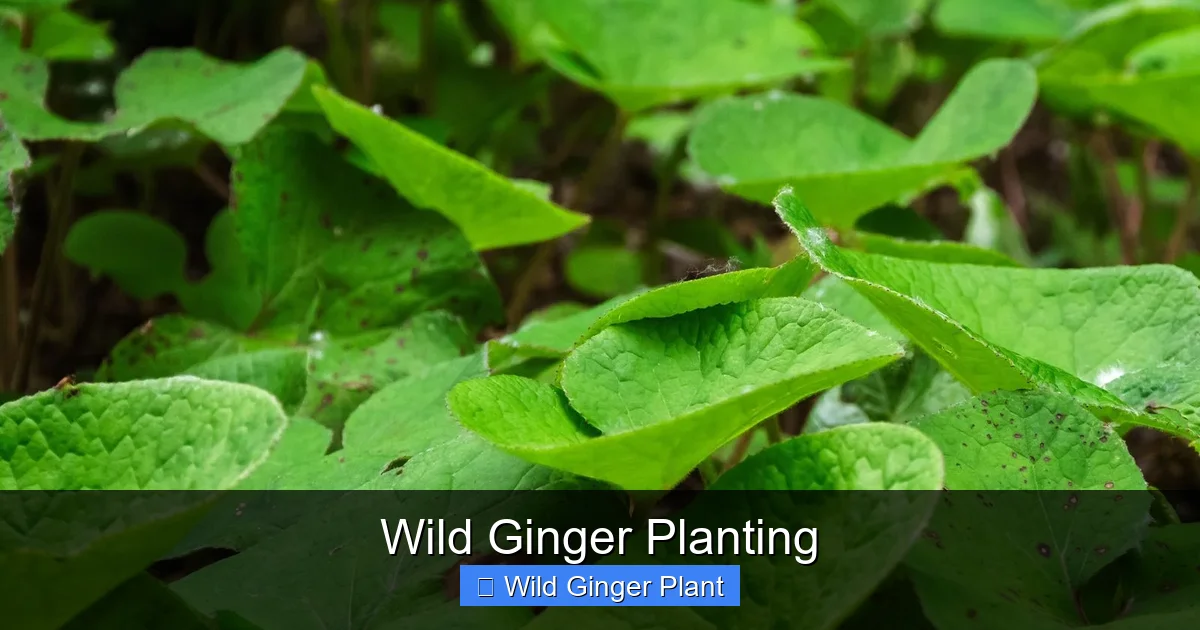
Wild Ginger Planting
Wild ginger planting creates a lush, low-maintenance ground cover for shady garden spots. This native perennial spreads slowly by rhizomes, forming dense mats of heart-shaped leaves that suppress weeds and support pollinators.
If you have a shady corner of the yard where grass refuses to grow, wild ginger planting might be exactly what you need. This charming native plant has saved many a frustrated gardener from bare, muddy patches under trees. I remember the first time I tucked a few small divisions under my old maple tree. Within two seasons, they had knitted together into a gorgeous green carpet that looked like it had been there forever.
Wild ginger (Asarum canadense) is not the tropical spice ginger you find in the grocery store. It is a completely different plant native to eastern North American woodlands. The common name comes from the ginger-like scent of its roots when crushed. Indigenous peoples used those roots as a seasoning and medicine long before European settlers arrived. Today, gardeners prize it for its ability to thrive in deep shade where few other plants survive.
Key Takeaways
- Choose the right spot: Wild ginger thrives in full to partial shade with rich, moist, well-draining soil.
- Plant in spring or fall: Cool temperatures help roots establish before summer heat or winter freeze.
- Space plants 12 to 18 inches apart: This allows room for rhizomes to spread and form a continuous mat.
- Keep soil consistently moist: Mulch heavily to retain moisture and mimic forest floor conditions.
- Divide every 3 to 4 years: Division rejuvenates clumps and gives you free plants for new areas.
- Watch for slugs and snails: These pests love the tender leaves, especially in damp spring weather.
- Pair with ferns and hostas: Companion plants share similar needs and create beautiful woodland vignettes.
Quick Answers to Common Questions
When is the best time for wild ginger planting?
Spring and fall are both ideal. Spring gives a full growing season to establish. Fall allows root growth in cool, moist soil before winter. Avoid summer planting unless you can water constantly.
How far apart should I space wild ginger plants?
Space plants 12 to 18 inches apart. Closer spacing fills in faster. Wider spacing saves money. The rhizomes will spread to fill gaps over 3 to 5 years.
Does wild ginger need fertilizer?
Not usually. In rich, mulched soil, it thrives without feeding. If growth is slow, apply a light sprinkle of balanced organic fertilizer or an inch of compost in early spring.
How do I control slugs on wild ginger?
Use beer traps, copper barriers, diatomaceous earth, or iron phosphate baits. Hand-pick at night. Encourage toads and ground beetles. Keep mulch pulled back from crowns.
Can wild ginger grow under pine trees?
Yes, if the shade is not too dense and you amend the soil. Pine needles make excellent mulch. Add compost to counteract acidity and improve moisture retention. Water regularly during establishment.
📑 Table of Contents
- Understanding Wild Ginger Basics
- Choosing the Perfect Planting Site
- When and How to Plant
- Ongoing Care and Maintenance
- Common Problems and Solutions
- Design Ideas and Companion Plants
- Propagation Methods
- Wild Ginger Varieties to Consider
- Ecological Benefits
- Seasonal Care Calendar
- Troubleshooting Common Questions
- Conclusion
Understanding Wild Ginger Basics
What Makes This Plant Special
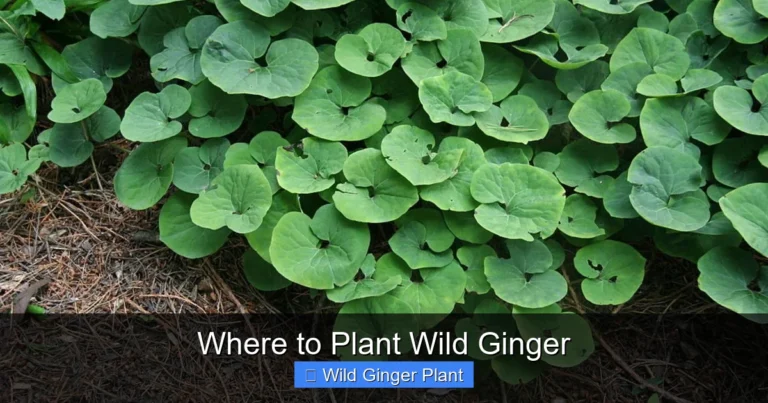
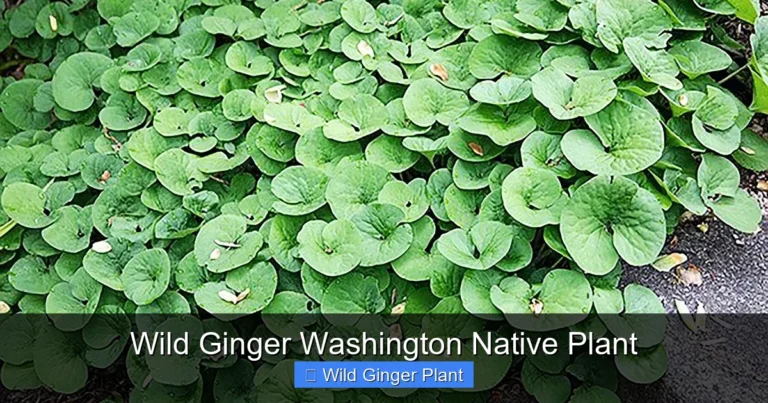
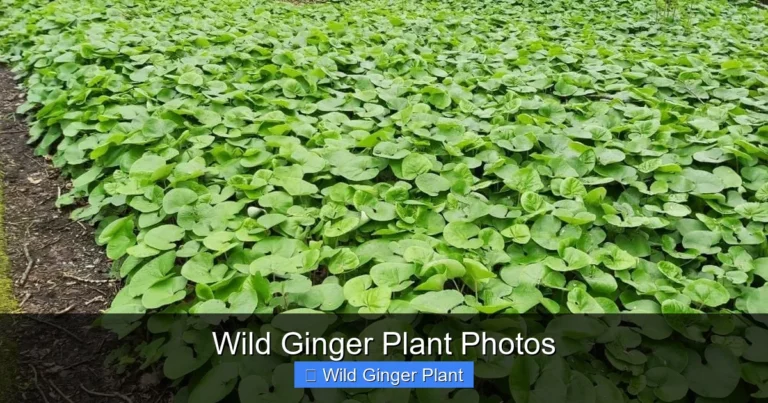
Wild ginger is a low-growing perennial that reaches only 6 to 12 inches tall. Each plant produces a pair of large, heart-shaped or kidney-shaped leaves that can grow up to 6 inches wide. The leaves emerge fuzzy in spring, then become smooth and glossy as they mature. They stay attractive from early spring until hard frost.
The flowers are unusual and often hidden beneath the foliage. Each plant produces a single bell-shaped flower in early spring, usually April or May. The flower sits at ground level on a short stalk. It has three pointed sepals that are deep maroon or brownish-purple outside and lighter inside. Because the flowers hide under the leaves, many gardeners never notice them. But early pollinators like small flies and beetles find them easily.
Native Range and Hardiness
Wild ginger grows naturally from Manitoba and Quebec south to Georgia and west to Kansas and Oklahoma. It is hardy in USDA zones 3 through 8. In the warmest parts of its range, it appreciates more shade and moisture. In cooler northern areas, it can tolerate a bit more sun if the soil stays damp.
There are other Asarum species native to western North America, Europe, and Asia. Asarum caudatum, western wild ginger, grows in Pacific Northwest forests. Asarum europaeum, European wild ginger, has shinier leaves and is more commonly sold in nurseries. All share similar growing requirements. For this article, I focus on the eastern North American native, but the planting advice applies broadly.
Choosing the Perfect Planting Site
Light Requirements
Full shade to dappled shade is ideal for wild ginger planting. Think of the forest floor under deciduous trees. The plant gets bright light in early spring before the trees leaf out, then deep shade for the rest of the growing season. This pattern works perfectly. Morning sun with afternoon shade also works well. Avoid hot afternoon sun, especially in zones 7 and 8. Too much direct sun scorches the leaves and stresses the plant.
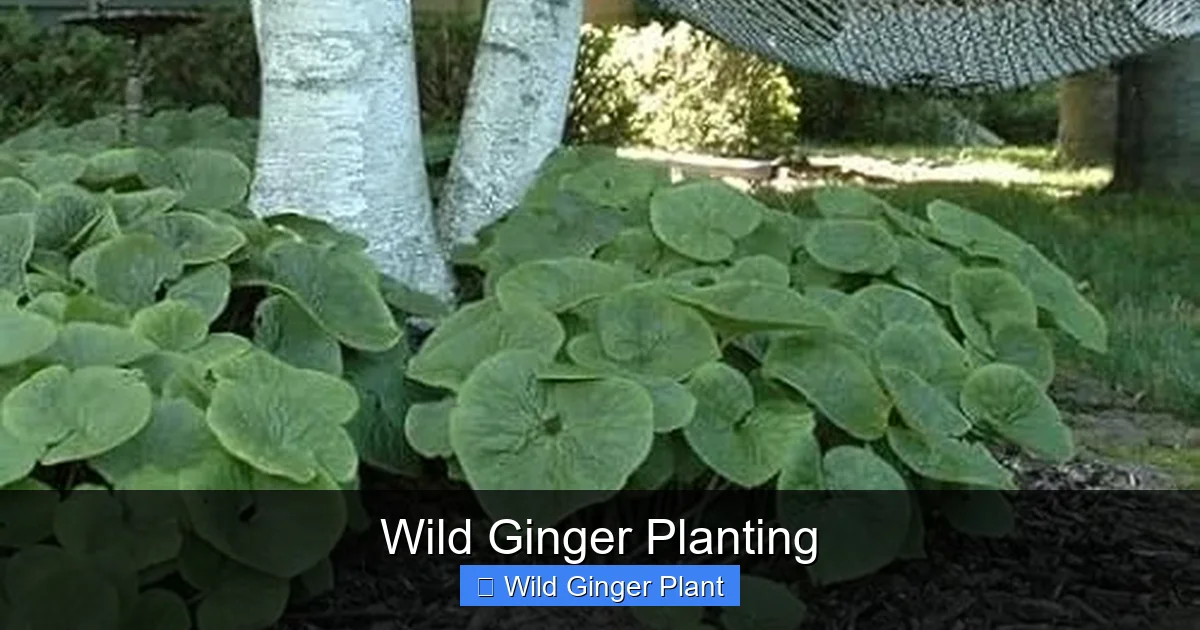
Visual guide about Wild Ginger Planting
Image source: cdn.mos.cms.futurecdn.net
If you plant under evergreen trees, the shade is constant year-round. Wild ginger handles this fine, but growth may be slower. Under deciduous trees, the spring sun gives the plant an energy boost before the canopy closes. This mimics its natural habitat perfectly.
Soil Conditions
Rich, humusy soil that holds moisture but drains well is the gold standard. In nature, wild ginger grows in the deep leaf litter of mature forests. The soil is loose, dark, and full of decaying organic matter. It never completely dries out, but it is not soggy either.
Test your soil if you are unsure. Wild ginger prefers slightly acidic to neutral pH, roughly 5.5 to 7.0. Heavy clay soil needs amendment with compost, leaf mold, or well-rotted manure. Sandy soil also benefits from organic matter to improve water retention. Work amendments into the top 8 to 10 inches of soil before planting.
Moisture Needs
Consistent moisture is the single most important factor for success. The soil should feel damp an inch below the surface most of the time. In the wild, these plants grow where the water table is high or where topography collects runoff. They do not tolerate drought well, especially when young.
If your site tends to dry out in summer, plan for regular watering. A soaker hose or drip irrigation line under the mulch works beautifully. Mulch is non-negotiable. Apply 2 to 3 inches of shredded leaves, pine needles, or bark mulch after planting. Replenish annually. The mulch keeps roots cool, holds moisture, and slowly breaks down to feed the soil.
When and How to Plant
Best Planting Times
Spring and fall are both excellent for wild ginger planting. Spring planting, as soon as the soil can be worked, gives the plant a full growing season to establish before winter. Fall planting, 4 to 6 weeks before the ground freezes, lets roots grow in cool, moist soil without the stress of summer heat. Avoid planting in the heat of summer unless you can provide constant attention and water.
I prefer fall planting in my zone 6 garden. The soil is still warm, rains are reliable, and the plants settle in before winter. They hit the ground running when spring arrives. Spring planting works great too, especially if you buy potted plants from a nursery in April or May.
Preparing the Planting Area
Clear the area of grass, weeds, and debris. If you have heavy sod, remove it or smother it with cardboard and mulch for a few months before planting. Loosen the soil to a depth of 8 to 10 inches. Mix in 2 to 3 inches of compost or leaf mold. If your soil is very poor, add a balanced organic fertilizer according to package directions. Rake the bed smooth.
Spacing and Planting Depth
Space plants 12 to 18 inches apart. Closer spacing (12 inches) creates a solid ground cover faster. Wider spacing (18 inches) saves money and works fine if you are patient. The plants spread by underground rhizomes, so they will fill in over time.
Dig a hole slightly larger than the root ball. Place the plant so the crown (where stems meet roots) sits at soil level. Backfill with amended soil, firm gently, and water thoroughly. The initial watering settles the soil and eliminates air pockets around the roots.
Planting Divisions vs. Potted Plants
You can buy potted plants from native plant nurseries or online. These establish quickly. You can also get divisions from a gardening friend. Divisions are pieces of rhizome with roots and at least one growing point or leaf pair. Plant divisions the same way as potted plants, but be extra careful to keep them moist until established.
If you receive bare-root divisions by mail, soak them in water for an hour before planting. Trim any broken roots. Plant immediately. If you cannot plant right away, heel them in a shady spot with moist soil or wrap in damp newspaper and refrigerate for up to a week.
Ongoing Care and Maintenance
Watering Schedule
Water deeply once or twice a week during the first growing season, more often in hot, dry weather. The goal is consistently moist soil, not soggy soil. Check by sticking your finger in the soil. If the top inch feels dry, water. After the first year, established plants need supplemental water only during extended dry spells.
In my garden, I run a soaker hose through the wild ginger bed. I set a timer for 30 minutes twice a week in summer unless we get an inch of rain. This set-it-and-forget-it approach keeps the plants happy without constant attention.
Mulching Strategy
Maintain a 2 to 3 inch layer of organic mulch year-round. Shredded leaves are my top choice because they mimic the forest floor and break down into rich humus. Pine needles, bark chips, and straw also work. Keep mulch pulled back slightly from the plant crowns to prevent rot.
Refresh mulch annually in spring after the soil warms. In fall, let fallen tree leaves stay in the bed. They are free mulch and perfect for wild ginger. Just don’t let them mat down into an impenetrable layer. Shred them first with a mower if you have lots of large leaves like oak or maple.
Fertilizing Needs
Wild ginger is a light feeder. In rich, mulched soil, it rarely needs fertilizer. If growth seems slow or leaves look pale, apply a light sprinkling of balanced organic fertilizer (like 5-5-5) in early spring. Alternatively, top-dress with an inch of compost. Avoid high-nitrogen fertilizers. They promote lush, soft growth that attracts slugs and is less winter-hardy.
Dividing Established Clumps
Every 3 to 4 years, the center of a wild ginger clump may become bare or woody. This signals it is time to divide. Division rejuvenates the plant and gives you more plants for free. The best time to divide is early spring as new growth emerges, or early fall.
Dig up the entire clump with a garden fork. Shake off loose soil. Use a sharp knife or spade to cut the rhizome into sections. Each section should have roots and at least one growing point (a leaf pair or visible bud). Replant divisions immediately at the same depth. Water well and mulch. Keep newly divided plants well-watered for the first month.
Common Problems and Solutions
Slug and Snail Damage
This is the number one pest issue for wild ginger. The broad, tender leaves are a slug buffet, especially in spring. You will see irregular holes with slime trails. Control methods include beer traps, copper tape barriers, diatomaceous earth, and iron phosphate baits (safe for pets and wildlife). Hand-picking at night with a flashlight works surprisingly well if you are diligent.
Encourage natural predators like toads, ground beetles, and birds. A small pond or water feature attracts toads. Leaf litter and logs provide beetle habitat. Avoid broad-spectrum insecticides that kill beneficial insects.
Leaf Scorch
Brown, crispy leaf edges usually mean too much sun or not enough water. If the plant gets afternoon sun, move it to a shadier spot in fall or early spring. Increase watering and mulch depth. Damaged leaves will not recover, but new growth will be fine if conditions improve.
Crown Rot
In poorly drained soil or if mulch is piled against the crown, the plant can rot. The leaves yellow and collapse, and the rhizome turns mushy. Prevention is key: ensure good drainage, don’t overwater, and keep mulch away from crowns. If you catch it early, dig up the plant, cut away rotted parts, dust with sulfur powder, and replant in a better-drained spot.
Slow Spread
Wild ginger is naturally slow-spreading. If yours seems stalled, check soil moisture and fertility. It may need more water or a light feeding. Also, competition from tree roots can slow it down. In very dry shade under large trees, even wild ginger struggles. Supplemental water makes a huge difference in these tough spots.
Design Ideas and Companion Plants
Woodland Garden Combinations
Wild ginger shines in woodland gardens. Its bold, glossy leaves contrast beautifully with fine-textured ferns. Try pairing it with Christmas fern, lady fern, or maidenhair fern. Hostas are classic companions. The broad hosta leaves and wild ginger’s heart-shaped foliage create a tapestry of green shapes and textures.
Spring ephemerals like Virginia bluebells, trillium, and bloodroot bloom before wild ginger fully leafs out. They share the same space at different times. As the ephemerals go dormant, wild ginger covers the fading foliage. Native sedges like Carex plantaginea (plantain-leaved sedge) add architectural interest with their broad, puckered leaves.
Path Edging and Border Fronts
Because it stays low and neat, wild ginger makes excellent edging for shady paths. Plant it in a single row along a stepping stone path or at the front of a border. It softens hard edges and suppresses weeds. The leaves are sturdy enough to withstand occasional foot traffic, though it is not a lawn substitute.
Under Trees and Shrubs
This is where wild ginger planting truly excels. Plant it in rings around shade trees, in the root zone where grass fails. It tolerates root competition better than most perennials. Under shrubs like hydrangeas, viburnums, or rhododendrons, it acts as a living mulch, keeping soil cool and moist for the shrub roots.
Rain Gardens and Moist Areas
If you have a low spot that collects water after rain, wild ginger thrives there. It handles periodic standing water as long as it drains within a day or two. Combine it with other moisture-loving natives like cardinal flower, swamp milkweed, and blue flag iris for a beautiful, functional rain garden.
Propagation Methods
Division (Easiest and Fastest)
As described in the maintenance section, division is the most reliable way to propagate wild ginger. You get mature plants that establish quickly. Do it in spring or fall. Water the parent plant well the day before dividing. This reduces stress and makes the soil easier to work with.
Seed Propagation (For the Patient Gardener)
Wild ginger seeds require double dormancy breaking. They need a warm, moist period followed by a cold, moist period to germinate. In nature, seeds ripen in summer, sit in warm soil through late summer and fall, then experience winter cold before germinating the following spring. Some seeds may take two years.
To sow seeds yourself, collect them when the seed capsules split open in mid to late summer. The seeds have a fleshy appendage called an elaiosome that attracts ants. Ants carry the seeds to their nests, eat the elaiosome, and discard the seed in their nutrient-rich midden heaps. This is how wild ginger spreads in nature.
Sow fresh seeds immediately in pots or a prepared seed bed. Cover lightly with soil. Leave outdoors through winter. Protect from mice and birds with hardware cloth. Germination occurs in spring. Seedlings grow slowly for the first year. Transplant to individual pots when they have two true leaves. Grow on in a nursery bed for another year before planting in the garden.
Rhizome Cuttings
In early spring, you can cut 2 to 3 inch sections of healthy rhizome, each with a growing point. Plant horizontally just below the soil surface in a shaded cold frame or pots. Keep moist. New shoots emerge in a few weeks. This method works well if you want many plants from a single clump without digging up the whole thing.
Wild Ginger Varieties to Consider
Asarum canadense (Canadian Wild Ginger)
This is the eastern North American native. It has matte, soft-green leaves up to 6 inches wide. The flowers are typical maroon bells. It is the most cold-hardy, surviving zone 3. It spreads steadily to form large colonies over time. This is the best choice for ecological gardening and restoration projects.
Asarum europaeum (European Wild Ginger)
This species has smaller, shinier, leathery leaves that are darker green and more rounded. It is evergreen in mild winters (zones 5 to 8). The flowers are similar but smaller. It spreads more slowly than the native. Many gardeners prefer its glossy, refined look. It is widely available in nurseries.
Asarum caudatum (Western Wild Ginger)
Native to the Pacific Northwest, this species has larger, more elongated heart-shaped leaves. The flowers have long, tapering “tails” on the sepals, giving them a distinctive look. It prefers cool, moist, coastal conditions. It is less common in eastern nurseries but worth seeking out if you garden in the West.
Asarum splendens (Chinese Wild Ginger)
This showy species has silver-mottled leaves that look almost painted. The leaves are larger and more pointed. It is hardy to zone 5 or 6 with protection. It makes a stunning specimen plant but spreads slowly. It is more of a collector’s plant than a ground cover.
Ecological Benefits
Pollinator Support
The unusual ground-level flowers are pollinated by small flies, beetles, and ants. These early-season pollinators are often overlooked but play vital roles in the ecosystem. By planting wild ginger, you provide a critical early food source when few other flowers are open.
Wildlife Value
The dense foliage provides cover for small amphibians, reptiles, and invertebrates. Toads and salamanders shelter under the leaves during the day. The seeds, with their ant-attracting elaiosomes, support ant populations. Ants are ecosystem engineers that aerate soil and disperse seeds of many woodland plants.
Erosion Control
The network of rhizomes and fibrous roots holds soil on slopes. The dense leaf canopy breaks the impact of raindrops. On shady banks where grass won’t grow, wild ginger planting stabilizes soil beautifully. It is especially useful under trees on slopes where mowing is dangerous or impossible.
Weed Suppression
Once established, the thick mat of leaves shades out most weed seedlings. This reduces the need for herbicides and hand-weeding. The mulch layer you maintain adds another barrier. Over time, the seed bank in the soil depletes, and weeding becomes minimal.
Seasonal Care Calendar
Early Spring (March to April)
Remove any heavy leaf mats that could smother emerging growth. Leave a light layer of shredded leaves. Apply a light feeding of compost or organic fertilizer if desired. Divide crowded clumps now. Watch for slugs as leaves unfurl. Water if spring is dry.
Late Spring (May to June)
Flowering occurs. Take a moment to lift leaves and admire the curious blooms. Keep soil consistently moist as temperatures rise. Replenish mulch if it has thinned. Remove any weeds that appear before they set seed.
Summer (July to August)
This is the stress period. Water deeply during dry spells. Check mulch depth. Scout for slugs after rains. The foliage should look lush and green. If it looks tired, a liquid seaweed or fish emulsion feed can perk it up.
Fall (September to November)
Ideal time for new wild ginger planting and division. Plant 4 to 6 weeks before ground freeze. Let fallen leaves accumulate in the bed. They are perfect winter mulch. Reduce watering as temperatures cool. Stop fertilizing.
Winter (December to February)
In cold zones, the leaves die back after hard frost. In mild zones, they may persist. Either way, do not clean up the bed. The dead leaves protect the crowns. Snow cover is the best insulation. Dream about next spring’s carpet of green.
Troubleshooting Common Questions
Why is my wild ginger not spreading?
Patience is key. Wild ginger is naturally slow. It may take 3 to 5 years to form a solid mat from small starts. Ensure adequate moisture and rich soil. Tree root competition can significantly slow spread. Consider adding a layer of compost annually to build soil above tree roots.
Can I grow wild ginger in a container?
Yes, but it requires diligence. Use a wide, shallow pot with good drainage. Fill with high-quality potting mix amended with compost. Keep in full shade. Water daily in hot weather. Mulch the surface. Repot or divide every 2 years as the rhizomes fill the pot. Winter protection is needed in zones 5 and colder. Sink the pot in the ground or move to an unheated garage.
Is wild ginger deer resistant?
Generally yes. Deer rarely browse wild ginger. The leaves contain aromatic compounds that deter browsing. However, desperate deer in harsh winters may sample anything. Rabbits may nibble young leaves in spring. If you have high pressure, use repellents or temporary fencing until plants are established.
Can I eat wild ginger roots?
Historically, yes. Indigenous peoples and early settlers used the rhizomes as a ginger substitute. They have a similar spicy, warming flavor but are less potent. However, the plant contains aristolochic acid, which can be toxic to kidneys in large amounts or with long-term use. Modern herbalists advise against internal use. Enjoy it as an ornamental. Use store-bought ginger for cooking.
How do I tell wild ginger apart from similar plants?
Wild ginger has paired, heart-shaped leaves on short stems arising directly from a rhizome. The leaves are soft-hairy when young, smooth when mature. The single flower hides at ground level. It is often confused with violet leaves (which are not paired and have different veins) or young jack-in-the-pulpit (which has three leaflets). When in doubt, crush a leaf stem. The ginger scent is distinctive.
Conclusion
Wild ginger planting transforms difficult shady areas into lush, green sanctuaries. This humble native plant asks for little: shade, moisture, and rich soil. In return, it gives you a weed-suppressing ground cover that stays beautiful for three seasons, supports pollinators, and connects your garden to the local ecology.
Start small if you are unsure. Buy a few pots or beg divisions from a friend. Plant them in your toughest shady spot. Mulch well. Water faithfully the first year. Then step back and watch. Year by year, the patches will grow together. The bare soil will disappear under a tapestry of heart-shaped leaves. You will find yourself looking for more shady corners to fill.
There is a quiet satisfaction in growing a plant that belongs here. Wild ginger has thrived in these woods for millennia. By inviting it into your garden, you become part of that long relationship. You are not just planting a ground cover. You are restoring a piece of the forest floor. And that feels pretty good.
Frequently Asked Questions
Is wild ginger the same as culinary ginger?
No, wild ginger (Asarum canadense) is a completely different plant from culinary ginger (Zingiber officinale). They are not related. Wild ginger is a North American woodland perennial. Culinary ginger is a tropical Asian plant. Wild ginger roots smell similar but contain compounds that can be toxic in large amounts.
How fast does wild ginger spread?
Wild ginger spreads slowly by underground rhizomes. Expect 3 to 5 years for small plants to form a solid ground cover. Closer spacing (12 inches) and consistent moisture speed up the process. It is not aggressive or invasive.
Will wild ginger choke out other plants?
Wild ginger forms a dense mat that suppresses weeds, but it generally coexists well with larger perennials like ferns, hostas, and shrubs. It may overwhelm very small, delicate spring ephemerals if planted too close. Give neighboring plants room to emerge in spring.
Can I mow wild ginger?
You can mow it once a year in late winter or very early spring before new growth starts, using a high setting. Do not mow during the growing season. The leaves are the plant’s energy source. Repeated mowing will weaken or kill it.
Does wild ginger die back in winter?
In cold climates (zones 3 to 5), the leaves die back after hard frost. In milder zones (6 to 8), leaves may persist through winter but look tatty by spring. New leaves emerge in early spring. Do not remove old leaves until new growth appears; they protect the crown.
Where can I buy wild ginger plants?
Look for native plant nurseries, local native plant society sales, reputable online native plant retailers, or ask gardening friends for divisions. Avoid digging from the wild. Many conventional nurseries carry European wild ginger (Asarum europaeum), which is also a good garden plant.