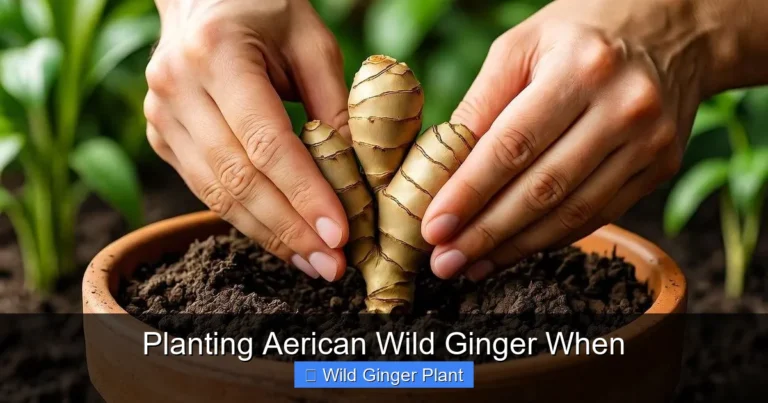
Wild Ginger Plant Up Mi
Wild ginger plant up mi refers to the native Asarum canadense thriving in Michigan’s Upper Peninsula woodlands. This low-growing perennial features heart-shaped leaves and hidden bell-shaped flowers, making it a fascinating find for foragers and native plant enthusiasts alike.
Walking through a damp, shady forest in the Upper Peninsula during early spring, you might miss one of the region’s most interesting native plants. The wild ginger plant up mi grows low to the ground, its heart-shaped leaves forming dense mats that carpet the forest floor. Most hikers step right over it without a second glance. But those who know what to look for recognize a plant with a rich history, surprising uses, and a beauty all its own.
I first encountered wild ginger plant up mi on a mushroom foraging trip near Marquette. My guide knelt down, brushed aside some leaf litter, and revealed a strange little flower hugging the soil. “This is wild ginger,” she said. “Not the ginger you buy at the store, but something special all its own.” That moment sparked a fascination that has lasted years. Now I want to share everything I’ve learned about this remarkable plant with you.
Key Takeaways
- Native Identity: Wild ginger plant up mi is Asarum canadense, a native perennial distinct from culinary ginger
- Habitat Preference: Thrives in rich, moist deciduous forests across the Upper Peninsula
- Unique Flowers: Blooms hide at ground level, pollinated by early spring insects
- Edible Roots: Rhizomes have ginger-like flavor but require proper preparation
- Medicinal History: Used traditionally by Indigenous peoples for various ailments
- Garden Potential: Excellent shade ground cover for native plant gardens
- Conservation Note: Harvest responsibly; never take more than 10% of a patch
Quick Answers to Common Questions
Is wild ginger plant up mi the same as store-bought ginger?
No, wild ginger plant up mi (Asarum canadense) is completely unrelated to culinary ginger (Zingiber officinale). They belong to different plant families and have different flavors, though both have aromatic rhizomes.
Where can I find wild ginger plant up mi in the Upper Peninsula?
Look in rich, moist deciduous forests throughout the UP, especially under sugar maple, basswood, and beech trees. North-facing slopes, ravines, and areas near streams are prime habitat.
Can I eat wild ginger plant up mi safely?
The rhizomes are edible and have a ginger-like flavor, but the plant contains aristolochic acid which may cause kidney damage with long-term use. The FDA advises against consuming Aristolochiaceae family plants. Consult a healthcare provider before consuming.
How do I grow wild ginger plant up mi in my garden?
Plant in full to dappled shade with rich, moist, well-drained soil. Amend with compost and leaf mulch. Space plants 12-18 inches apart. Maintain leaf mulch year-round. No fertilizer needed. Water regularly until established.
When is the best time to harvest wild ginger plant up mi?
Fall (September-October) is ideal for rhizome harvest as plants have stored summer energy. Spring (April-May) works for propagation. Never take more than 10% of a colony, and only from large, healthy populations on land where you have permission.
📑 Table of Contents
- What Exactly Is Wild Ginger Plant Up Mi
- Identifying Wild Ginger Plant Up Mi With Confidence
- Ecological Role and Wildlife Value
- Traditional and Modern Uses
- Growing Wild Ginger Plant Up Mi in Your Garden
- Ethical Foraging and Conservation
- Wild Ginger Plant Up Mi Through the Seasons: A Year in the Life
- Conclusion
What Exactly Is Wild Ginger Plant Up Mi
Scientific Classification and Names
The wild ginger plant up mi goes by the scientific name Asarum canadense. It belongs to the birthwort family, Aristolochiaceae, which makes it completely unrelated to true ginger (Zingiber officinale) from the Zingiberaceae family. This distinction matters enormously. True ginger is a tropical plant. Wild ginger plant up mi is a hardy native of eastern North American woodlands.
You’ll hear it called by several common names. Canada wild ginger, Canadian wild ginger, and broad-leaved asarabacca all refer to the same plant. In the Upper Peninsula, locals often just say “wild ginger” or “woodland ginger.” The Ojibwe name is namewashkojiibik, which translates roughly to “sturgeon root” – a reference to the rhizome’s appearance.
Physical Description
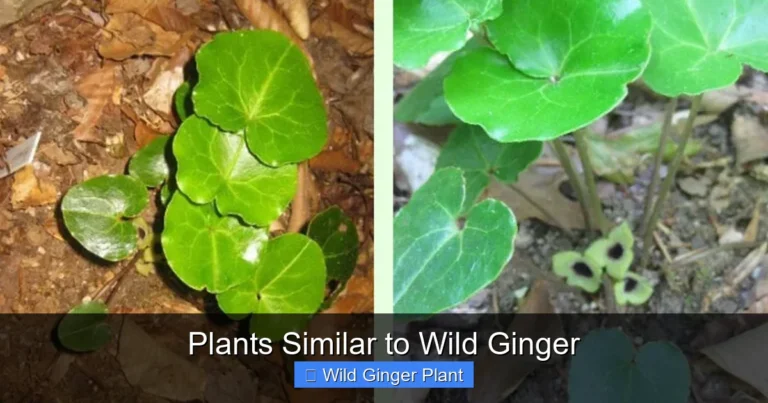
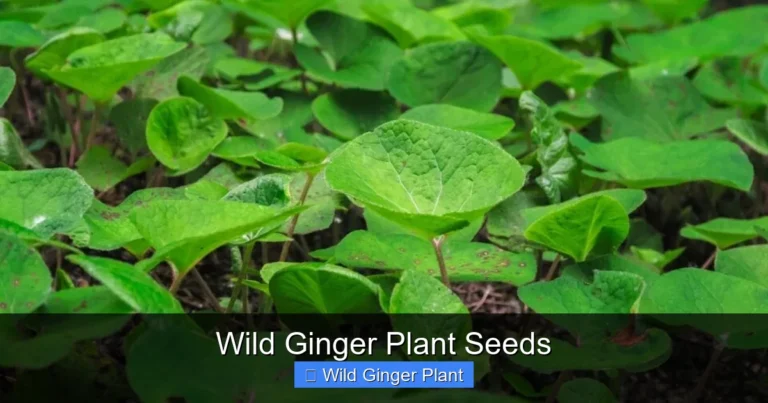
Wild ginger plant up mi grows as a low perennial, typically reaching only 4 to 8 inches tall. Each plant produces a pair of large, heart-shaped leaves that can span 3 to 6 inches across. The leaves feel soft and slightly hairy, with deep veins radiating from the base. They emerge in early spring, often before the tree canopy fully leafs out.
The flowers are the plant’s most unusual feature. They bloom at ground level, hidden beneath the leaf litter. Each flower is bell-shaped, about an inch wide, with three pointed sepals that curve backward. The color ranges from brownish-purple to reddish-brown – not showy by garden standards, but fascinating when you find them. The flowers emit a faint, somewhat unpleasant odor that attracts their primary pollinators: small flies and beetles.
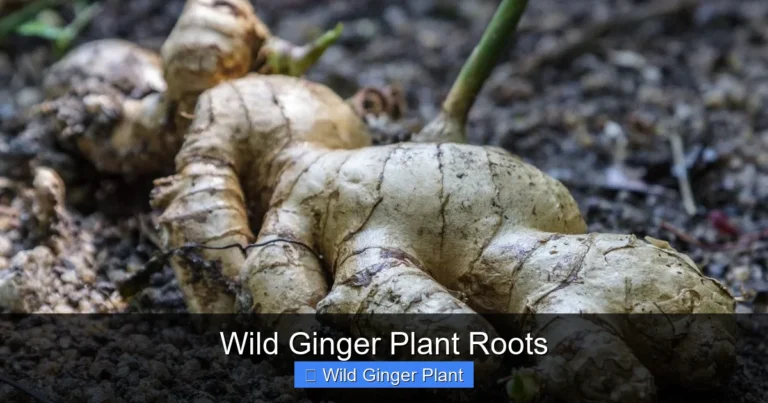
Below ground, the plant spreads via rhizomes. These horizontal stems grow just beneath the soil surface, sending up new leaf pairs at intervals. The rhizomes are the “ginger” part – they’re thick, branching, and aromatic when crushed. A mature colony can form an impressive ground cover over many years.
Range and Distribution in the Upper Peninsula
Wild ginger plant up mi thrives throughout the Upper Peninsula. You’ll find it in every county, from the Keweenaw Peninsula to the Menominee River border. It’s particularly abundant in the western UP’s rich hardwood forests and the eastern UP’s mesic northern hardwood stands.
The plant prefers specific conditions. Look for it in mature deciduous forests with deep, humus-rich soil. Sugar maple, basswood, and beech stands often harbor extensive colonies. It needs consistent moisture but not standing water. North-facing slopes, ravine bottoms, and areas near streams (but above flood level) are prime habitat.
Elevation doesn’t limit it much in the UP. I’ve found wild ginger plant up mi from near lake level up to the higher ridges of the Huron Mountains. The key factors are soil richness, shade, and moisture. Where those align, wild ginger often dominates the spring herb layer.
Identifying Wild Ginger Plant Up Mi With Confidence
Key Identification Features
Learning to identify wild ginger plant up mi reliably takes practice, but a few features make it unmistakable once you know them. The paired heart-shaped leaves are your first clue. They emerge opposite each other on short stems, creating a distinctive two-leaf-per-plant appearance. The leaf margins are smooth, not toothed.
Crush a leaf or scratch a rhizome gently with your fingernail. The scent is unmistakable – warm, spicy, gingery. This aromatic quality is your best field confirmation. True ginger has a similar but stronger scent. Wild ginger plant up mi is more subtle, earthier.
The hidden flowers appear in April and May, depending on the year and location. You have to get down on hands and knees, gently move leaf litter aside, and look at soil level. The flowers sit right on the ground, often partially buried. Their three sepals and brownish color make them look almost like a strange fungus at first glance.
Common Look-Alikes and How to Distinguish Them
Several plants could confuse a beginner. Wild violet leaves are somewhat heart-shaped but have toothed edges and a different texture. They also lack the ginger scent. Canada mayflower (Maianthemum canadense) grows in similar habitats but has smaller, more oval leaves arranged alternately on a stem.
European ginger (Asarum europaeum) sometimes escapes cultivation. It has glossier, more leathery leaves that are evergreen. Our native wild ginger plant up mi is deciduous – its leaves die back each winter. The flowers are similar but European ginger’s are often slightly larger.
Hexastylis species, sometimes called “little brown jugs” or “heartleaf,” occur further south. They’re not native to the UP but could theoretically appear in garden escapes. Their leaves are more leathery and often mottled, and their flowers are more jug-shaped.
Seasonal Changes Through the Year
Understanding the plant’s annual cycle helps with identification and ethical harvesting. In early April (later in the northern UP), the leaf pairs push up through leaf litter, often before trees leaf out. This is prime flower time. The leaves reach full size by late May.
Summer brings seed development. The flowers, pollinated by those early flies and beetles, develop into fleshy capsules that split open when ripe. Ants disperse the seeds, attracted by an oily appendage called an elaiosome. This myrmecochory (ant dispersal) explains why wild ginger plant up mi often appears in scattered clumps.
By late summer, the leaves may look tattered from insect feeding and weather. In autumn, they yellow and collapse. The rhizomes persist underground, storing energy for next spring. Winter reveals nothing above ground – just leaf litter waiting for April’s return.
Ecological Role and Wildlife Value
Pollination Ecology
The pollination story of wild ginger plant up mi is one of nature’s clever adaptations. Those ground-level, foul-smelling flowers aren’t trying to attract bees or butterflies. They’re mimicking carrion or fungi to lure small flies (particularly fungus gnats and phorid flies) and beetles. These insects crawl into the flower seeking a meal or egg-laying site, pick up pollen, and carry it to the next flower.
This strategy works well in early spring when few other flowers bloom and flying insects are scarce. The flowers are also self-compatible, meaning they can set seed even without cross-pollination – a backup plan for unpredictable spring weather.
Ant Dispersal and Colony Formation
As mentioned, ants play a crucial role in spreading wild ginger plant up mi. Each seed bears an elaiosome – a nutrient-rich attachment that ants love. Worker ants carry seeds back to their nests, feed the elaiosome to larvae, and discard the intact seed in midden piles or nest chambers. These discarded seeds germinate in the nutrient-rich, protected environment.
This dispersal method creates the characteristic patchy distribution. A single plant’s seeds might travel only a few meters, but over decades, a colony expands outward in a slow wave. The rhizomes also spread vegetatively, filling in gaps. A large colony might represent decades or even centuries of growth.
Wildlife Interactions
Deer occasionally browse wild ginger plant up mi, but it’s not a preferred food. The aromatic compounds that smell like ginger to us likely deter heavy browsing. Some insects feed on the leaves – you’ll often see small holes or skeletonized patches. These are usually native beetles or caterpillars that have co-evolved with the plant.
Small mammals like chipmunks and mice may dig up rhizomes, especially in winter. The plants also provide cover for salamanders, frogs, and countless invertebrates that shelter in the dense leaf mats. In this way, wild ginger plant up mi contributes to the forest floor’s microhabitat complexity.
Traditional and Modern Uses
Indigenous Uses Across the Great Lakes
For thousands of years, Anishinaabe (Ojibwe), Odawa, Potawatomi, and other Great Lakes peoples have known and used wild ginger plant up mi. The rhizomes were harvested in spring or fall, washed, and used fresh or dried. They served as a flavoring for meats, stews, and vegetables – a local substitute for the tropical ginger that wouldn’t arrive in trade for centuries.
Medicinally, the uses were diverse. Root tea treated colds, coughs, and fevers. Poultices from mashed fresh rhizomes addressed wounds, swelling, and skin infections. Some traditions used it for digestive complaints, menstrual cramps, and as a general tonic. The plant also had ceremonial significance in some communities.
European settlers quickly adopted many of these uses. French voyageurs and British traders recorded wild ginger in their journals. It became a staple in frontier medicine chests and kitchens throughout the Great Lakes region. The knowledge passed down through generations of UP families, many of whom still harvest it today.
Culinary Applications
If you want to cook with wild ginger plant up mi, the rhizomes are the part to use. They’re smaller and more fibrous than commercial ginger, with a more complex flavor – gingery yes, but also earthy, slightly peppery, with floral notes. A little goes a long way.
Traditional preparation involves thorough washing, peeling the thin outer skin, and either using fresh or drying for storage. Dried rhizomes can be ground into powder. Fresh rhizomes work well minced into marinades, steeped in syrups, or candied. I’ve made an excellent wild ginger simple syrup for cocktails and a memorable glaze for Lake Superior whitefish.
Important caveat: wild ginger plant up mi contains aristolochic acid, a compound linked to kidney damage and cancer with long-term or high-dose use. The FDA advises against consuming plants in the Aristolochiaceae family. Traditional use involved moderate, occasional consumption. Modern herbalists often recommend avoiding internal use entirely. Do your own research and consult healthcare providers before consuming.
Medicinal Considerations
The aristolochic acid issue deserves serious attention. This compound occurs in varying amounts across Asarum species. Studies on Asarum canadense specifically are limited, but the family connection warrants caution. Traditional preparations often involved boiling, which may reduce but not eliminate the compound.
External use as a poultice or wash carries less risk than internal consumption. Some modern herbalists use wild ginger plant up mi topically for its antimicrobial and anti-inflammatory properties. The fresh rhizome, crushed and applied to minor wounds or fungal infections, has a long track record of safe external use.
If you’re interested in the medicinal aspects, seek guidance from qualified practitioners familiar with Great Lakes botanicals. The plant’s long history of use doesn’t automatically guarantee safety by modern standards. Respect both the traditional knowledge and contemporary science.
Growing Wild Ginger Plant Up Mi in Your Garden
Site Selection and Preparation
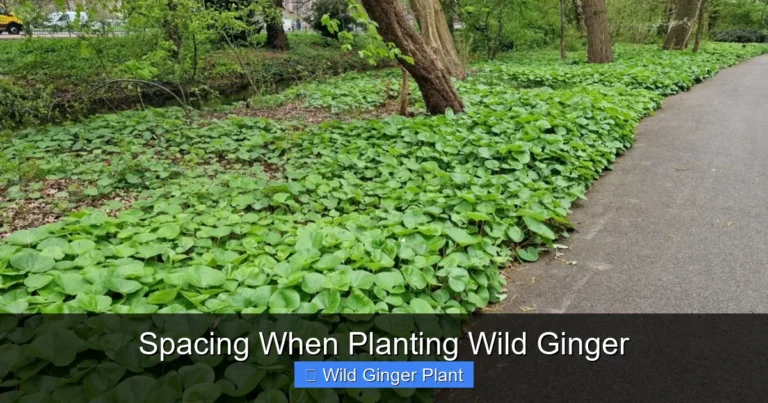
Wild ginger plant up mi makes an exceptional native ground cover for shade gardens. If you have a wooded area, a north-facing foundation planting, or a shady spot with rich soil, this plant will thrive. It’s perfect for those difficult areas where grass won’t grow and hostas get eaten by deer.
Choose a site with dappled to full shade. Morning sun is tolerable; afternoon sun will scorch the leaves. The soil should be rich in organic matter, well-drained but moisture-retentive. If your soil is sandy or clay-heavy, amend generously with compost, leaf mold, or well-rotted manure. Aim for a pH between 5.5 and 7.0 – slightly acidic to neutral.
Before planting, remove invasive species like garlic mustard, European buckthorn seedlings, and creeping Charlie. These can outcompete young wild ginger plants. A clean start makes establishment much easier.
Planting Methods
You have three main options for establishing wild ginger plant up mi. Division is fastest. In early spring or fall, dig up a section of rhizome with at least one leaf pair and some roots. Replant immediately at the same depth, water well, and mulch with shredded leaves.
Container-grown plants from native nurseries are the easiest but cost more. Plant them at the same depth they grew in the pot, spacing 12 to 18 inches apart. They’ll fill in within 2-3 years. Water regularly the first season.
Seed is the most economical but slowest. Collect seeds in summer when capsules split. Sow immediately in prepared beds or pots – they need cold stratification. Germination occurs the following spring, but plants take 3-4 years to reach flowering size. This method preserves genetic diversity and is rewarding for patient gardeners.
Care and Maintenance
Once established, wild ginger plant up mi needs minimal care. No fertilizer required – the decaying leaf mulch provides all necessary nutrients. In fact, fertilizer can harm these plants adapted to low-nutrient forest soils.
Maintain a 2-3 inch layer of leaf mulch year-round. This mimics natural conditions, conserves moisture, suppresses weeds, and slowly builds soil. Shredded oak, maple, or beech leaves are ideal. Avoid wood chips or bark mulch, which can alter soil chemistry.
Water during dry spells the first two years. After that, established colonies tolerate moderate drought, though they’ll look better with consistent moisture. Remove dead leaves in early spring if they look unsightly, but it’s not necessary – new growth will cover them.
Companion Plants for a Native Shade Garden
Wild ginger plant up mi plays well with many other UP natives. Consider pairing it with:
- Maidenhair fern (Adiantum pedatum) – delicate texture contrast
- Wild columbine (Aquilegia canadensis) – spring color above the ginger
- Bloodroot (Sanguinaria canadensis) – early bloomer, similar habit
- Large-flowered trillium (Trillium grandiflorum) – iconic UP wildflower
- Blue cohosh (Caulophyllum thalictroides) – taller backdrop
- Pennsylvania sedge (Carex pensylvanica) – grassy texture
These combinations recreate the rich herb layer of a healthy UP hardwood forest. They support pollinators, require little maintenance, and look beautiful through multiple seasons.
Ethical Foraging and Conservation
Sustainable Harvest Practices
If you choose to harvest wild ginger plant up mi from the wild, ethics and legality both matter. First, know the regulations. On Michigan state land, harvesting plants for personal use is generally allowed in small quantities, but commercial harvest requires permits. National forests have their own rules. Private land requires owner permission. Always check current regulations before harvesting.
The golden rule: never take more than 10% of a colony, and preferably less. Harvest only from large, vigorous populations. Use a digging fork or hori-hori knife to minimize soil disturbance. Take a section of rhizome from the colony’s edge, leaving the center intact. Replant any small pieces and cover with soil and leaf litter.
Timing matters. Spring harvest (April-May) yields tender rhizomes but stresses the plant before it photosynthesizes. Fall harvest (September-October) allows energy storage but rhizomes are tougher. I prefer fall for culinary use, spring for propagation.
Threats to Wild Populations
Wild ginger plant up mi faces several threats in the UP. Habitat loss from development, logging, and road building fragments populations. Invasive species – especially garlic mustard, European earthworms, and buckthorn – degrade forest understories. Earthworms are particularly insidious; they consume the leaf litter layer that wild ginger depends on for moisture retention and seed germination.
Overharvesting for the herbal trade has impacted some populations. Climate change may shift suitable habitat northward over time. Deer overbrowsing in some areas prevents seedling establishment of canopy trees, eventually changing the forest type.
How to Help Conservation
You can support wild ginger plant up mi conservation in several ways. Plant it in your garden from nursery-propagated stock – this reduces wild collection pressure. Report sightings to the Michigan Natural Features Inventory or iNaturalist to help track distributions. Volunteer with local conservation groups doing invasive species removal.
If you’re a landowner, consider a conservation easement or simply managing your woods for native understory diversity. Leave fallen leaves, limit earthworm introduction (don’t dump bait worms), and control invasives. Small actions on private land collectively make a huge difference for UP flora.
Wild Ginger Plant Up Mi Through the Seasons: A Year in the Life
Spring Awakening
April in the UP brings the first hints of green. Wild ginger plant up mi leaf pairs push through the previous autumn’s leaf litter, often while snow still patches the north-facing slopes. The emerging leaves are folded like praying hands, slowly unfurling to reveal their heart shapes. This is flower time – get down low and search. The blooms last only a couple weeks.
By May, the leaves expand fully. The forest floor transforms into a sea of green hearts. This is when colonies are most visible and identifiable. Spring ephemerals like trilliums, spring beauty, and trout lilies bloom among the ginger. The air smells of damp earth and new growth.
Summer Steady State
June through August, wild ginger plant up mi does its quiet work. The leaves photosynthesize, feeding the rhizomes. Seed capsules develop and ripen. Ants busily carry seeds to their nests. The canopy above casts deep shade, but the ginger thrives in it. You might notice some insect damage – small holes, skeletonized patches – but the plants tolerate it well.
This is a good time to observe colony boundaries and plan any fall division or harvest. Mark spots with biodegradable tape if you’ll return later. Summer also reveals which areas stay moist enough – plants in drier spots may look stressed by August.
Autumn Transition
September brings subtle changes. The leaves lose their vibrant spring green, taking on deeper, slightly yellowed tones. This is prime harvest time for rhizomes – they’ve stored a summer’s worth of energy. The seed capsules split open, revealing seeds with their ant-attracting elaiosomes.
By October, the leaves yellow noticeably. Frost hits the UP hard and early. The first hard freeze collapses the leaves into a flat mat. They’ll decompose over winter, returning nutrients to the soil. The rhizomes sleep below, waiting for lengthening days.
Winter Dormancy
Under the snow, wild ginger plant up mi is invisible. But the snow cover is crucial – it insulates the rhizomes from extreme cold and freeze-thaw cycles. In low-snow winters, you might see the previous year’s leaves pressed flat, slowly breaking down. This is the season for planning – dreaming of spring gardens, researching native plant sales, preparing new planting areas.
Conclusion
Wild ginger plant up mi represents so much of what makes the Upper Peninsula’s flora special. It’s a plant of deep time – evolving here for millennia, known by Indigenous peoples for generations, still carpeting the same forest floors our ancestors walked. Its hidden flowers, ant-dispersed seeds, and aromatic rhizomes tell stories of ecological relationships we’re still learning to understand.
Whether you encounter it on a hike near Tahquamenon Falls, cultivate it in your Marquette shade garden, or sip tea made from responsibly harvested rhizomes, you’re connecting with a living heritage. This unassuming plant – easy to overlook, impossible to forget once known – embodies the quiet richness of UP woodlands.
Next spring, when the snow finally retreats and the first green appears, go looking for those heart-shaped leaves. Brush aside the leaf litter to find the strange little flowers. Crush a leaf and smell the ginger scent rising from the forest floor. You’ll be participating in a tradition as old as the land itself. And you’ll understand why those of us who know wild ginger plant up mi consider it one of the UP’s greatest botanical treasures.
Just remember: tread lightly, harvest sparingly if at all, and share what you learn. The forests that sustain wild ginger sustain us too – in ways both measurable and mysterious. That’s the real gift this plant offers: a reminder that we’re part of this ecosystem, not separate from it.
Frequently Asked Questions
What does wild ginger plant up mi look like when not in flower?
Wild ginger plant up mi appears as pairs of heart-shaped, softly hairy leaves 3-6 inches wide growing close to the ground. The leaves emerge on short stems from underground rhizomes, forming dense mats in favorable conditions. Without flowers, identify by the paired leaf arrangement and distinctive ginger scent when crushed.
Does wild ginger plant up mi spread aggressively in gardens?
Wild ginger plant up mi spreads slowly via rhizomes, typically expanding a few inches per year. It forms a well-behaved ground cover that’s easy to control by digging unwanted edges. It’s not considered aggressive or invasive in garden settings.
What pollinates wild ginger plant up mi flowers?
Small flies (especially fungus gnats and phorid flies) and beetles pollinate the ground-level flowers. The flowers emit a faint carrion-like odor that attracts these insects in early spring when few other pollinators are active.
Can wild ginger plant up mi grow in full sun?
No, wild ginger plant up mi requires shade. Full sun will scorch the leaves and stress the plant. It needs dappled to full shade, such as under deciduous trees or on the north side of buildings. Morning sun is tolerable if soil stays consistently moist.
How long does wild ginger plant up mi take to flower from seed?
Plants grown from seed typically take 3-4 years to reach flowering size. They spend the first years developing root systems and leaf pairs. Division or nursery plants flower much sooner, often within 1-2 years of planting.
Are there any endangered look-alikes I should avoid confusing with wild ginger plant up mi?
In the UP, no endangered plants closely resemble wild ginger. However, always confirm identification before harvesting any wild plant. The combination of paired heart-shaped leaves, hidden ground-level flowers, and ginger scent is diagnostic for Asarum canadense in this region.