Wild Ginger Plant Recipes
Wild ginger (Asarum canadense) is a native North American woodland plant with aromatic rhizomes used historically as a spice substitute. Important safety note: Wild ginger contains aristolochic acid, a known carcinogen and kidney toxin, so culinary use should be extremely limited or avoided entirely.
If you’ve ever wandered through a shady eastern woodland in spring, you might have noticed a low-growing plant with heart-shaped leaves hugging the forest floor. That’s likely wild ginger — a charming native perennial that has captured the imagination of foragers and herbalists for centuries. But before you start dreaming up wild ginger plant recipes for your next dinner party, there’s something crucial you need to know. This isn’t your grocery store ginger. Not even close.
I remember the first time I encountered wild ginger on a guided plant walk. The naturalist knelt down, brushed aside the leaf litter, and revealed a strange, jug-shaped flower hiding at ground level. “Smell the root,” she said. I did, and wow — that unmistakable ginger aroma. But then came the warning that changed how I think about this plant entirely. Let me share what I’ve learned, so you can make informed decisions about whether wild ginger belongs in your kitchen — or should stay in the woods where it belongs.
Key Takeaways
- Not true ginger: Wild ginger belongs to the Aristolochiaceae family, not Zingiberaceae like culinary ginger
- Toxicity concern: Contains aristolochic acid which can cause kidney damage and cancer with repeated exposure
- Identification matters: Heart-shaped leaves, hidden bell-shaped flowers, and aromatic rhizomes distinguish it from lookalikes
- Traditional uses: Indigenous peoples used it medicinally and as a flavoring, but modern science advises caution
- Safe alternatives: Culinary ginger, galangal, or turmeric provide similar warmth without health risks
- Foraging ethics: Wild ginger grows slowly; overharvesting threatens populations in many regions
- Legal status: Protected or regulated in several states; check local laws before harvesting
Quick Answers to Common Questions
Is wild ginger safe to eat?
No. Wild ginger contains aristolochic acid, a known carcinogen and kidney toxin. No preparation method removes it completely. Health agencies advise against consumption.
Can I substitute wild ginger for regular ginger in recipes?
Not safely. While the aroma is similar, the toxicity makes it unsuitable as a culinary substitute. Use culinary ginger, galangal, or turmeric instead.
How do I identify wild ginger in the woods?
Look for paired heart-shaped leaves, hidden jug-shaped flowers at ground level, and shallow rhizomes with a strong ginger scent. Grows in rich, moist deciduous woods.
Is it legal to harvest wild ginger?
It’s protected or regulated in several states (ME, NH, VT, NY, MA, CT, RI). Always check local laws and get landowner permission. Many public lands prohibit harvesting.
Can I grow wild ginger in my garden?
Yes! It’s an excellent native groundcover for shady, moist areas. Buy nursery-propagated plants to support conservation and avoid wild collection.
📑 Table of Contents
- What Exactly Is Wild Ginger?
- The Elephant in the Room: Aristolochic Acid
- Identifying Wild Ginger with Confidence
- Traditional and Historical Uses
- Wild Ginger Plant Recipes — With Major Caveats
- Sustainable Harvesting — If You Absolutely Must
- Safe, Delicious Alternatives
- Wild Ginger in the Garden: Beyond the Kitchen
- Frequently Asked Questions About Wild Ginger
- Conclusion: Respect the Plant, Protect Yourself
What Exactly Is Wild Ginger?
Let’s clear up the biggest misconception right away. Wild ginger (Asarum canadense) is not related to the ginger you buy at the supermarket (Zingiber officinale). Not even distant cousins. They belong to completely different plant families. Supermarket ginger is a tropical monocot in the Zingiberaceae family. Wild ginger is a temperate dicot in the Aristolochiaceae family — the birthwort family.
Botanical Profile
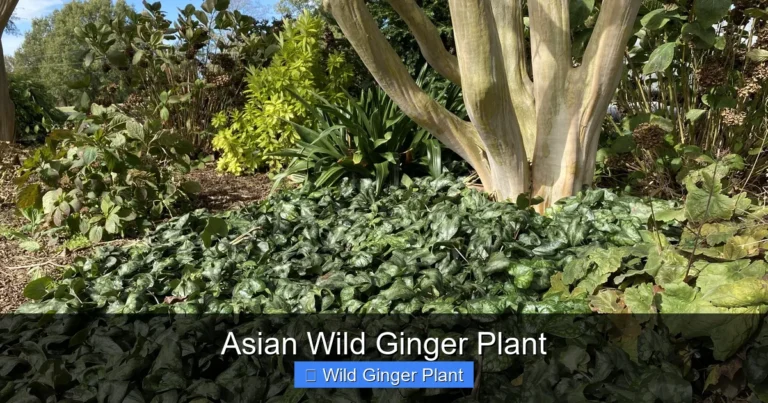
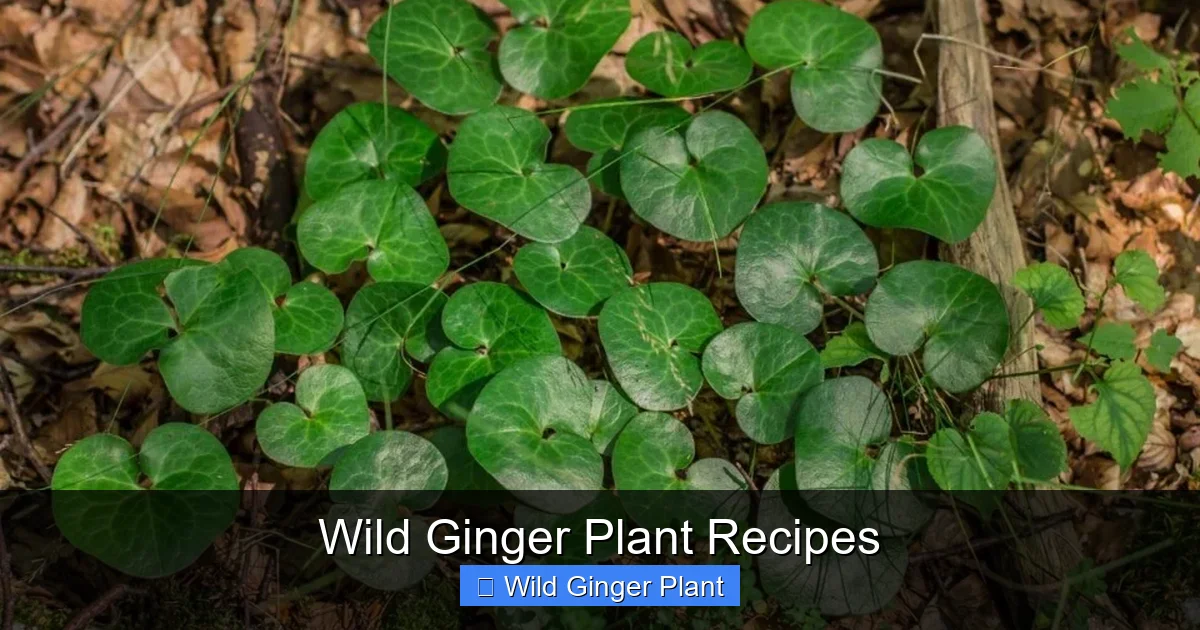
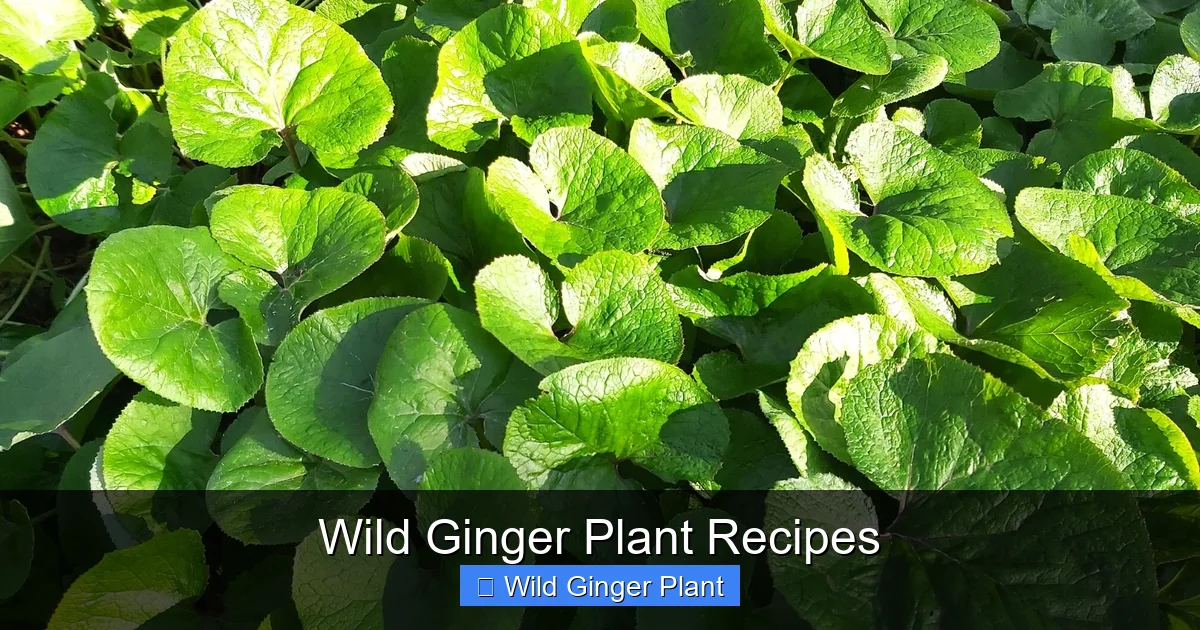
Wild ginger is a low-growing, colony-forming perennial native to eastern North America, from Manitoba to Nova Scotia, south to Georgia and west to Kansas. It thrives in rich, moist, deciduous woodlands — the kind with deep leaf litter and dappled shade. Each plant produces a pair of large, heart-shaped (cordate) leaves that can reach 6 inches across. The leaves are soft, slightly hairy, and deeply veined.
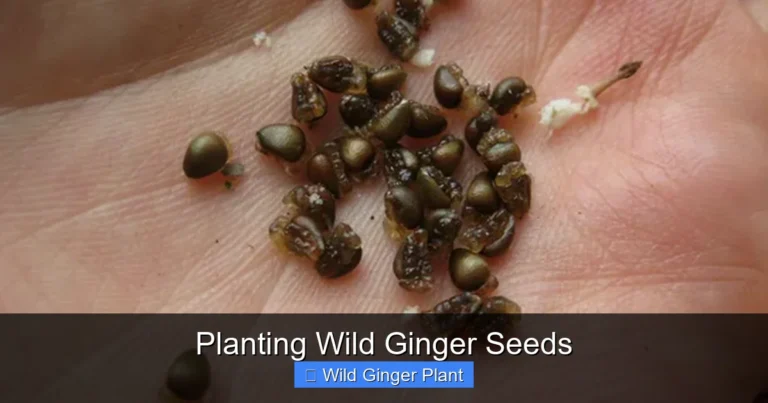
But the flower? That’s the weird part. It sits at ground level, often hidden beneath leaf litter. Shaped like a little jug or bell, it’s usually brownish-purple to greenish, with three flared tips. No petals — just three sepals fused into that distinctive shape. Flies and beetles pollinate it, attracted by the faint carrion-like scent. After pollination, the flower develops into a capsule that splits open to reveal seeds with fleshy appendages (elaiosomes) that ants love to carry away — a dispersal strategy called myrmecochory.
The Rhizome: Source of the Name
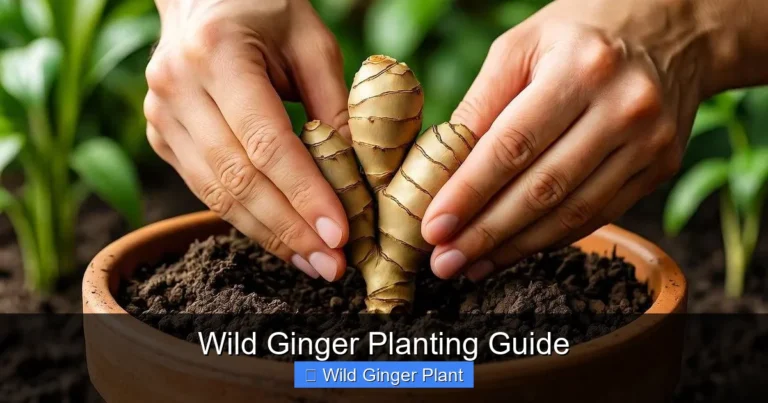
The horizontal rhizome creeps just below the soil surface, forming dense mats over time. It’s thin — maybe pencil-thick — with a tan to light brown exterior and white interior. Break a piece, and that ginger scent hits you immediately. Warm, spicy, slightly sweet. It’s convincing. But the chemistry behind that scent tells a different story.
The Elephant in the Room: Aristolochic Acid
Okay, we need to talk about this. It’s the single most important thing in this entire article.
Visual guide about Wild Ginger Plant Recipes
Image source: epicgardening.com
What Is Aristolochic Acid?
Aristolochic acid (AA) is a group of nitrophenanthrene carboxylic acids found in plants of the Aristolochiaceae family — including all Asarum species. It’s a potent nephrotoxin (kidney toxin) and carcinogen. The mechanism is insidious: it forms DNA adducts, specifically targeting the p53 tumor suppressor gene, leading to mutations that can cause urothelial cancer (cancer of the urinary tract) and aristolochic acid nephropathy (AAN), a progressive kidney disease that often ends in dialysis or transplant.
Regulatory Warnings
The FDA has issued multiple warnings about aristolochic acid. Since 2001, botanical products containing aristolochic acid have been subject to import alerts and enforcement actions. The International Agency for Research on Cancer (IARC) classifies aristolochic acid as a Group 1 carcinogen — known to cause cancer in humans. The evidence comes from multiple sources: Balkan endemic nephropathy (linked to Aristolochia-contaminated flour), Chinese herb nephropathy (from weight-loss supplements containing Aristolochia), and experimental studies.
How Much Is in Wild Ginger?
Studies have detected aristolochic acid I and II in Asarum canadense rhizomes, though concentrations vary by population, season, and growing conditions. Some analyses found lower levels than in Aristolochia species, but the compound is definitively present. There’s no established “safe dose.” The DNA damage is cumulative. Even small, repeated exposures add up over time.
What This Means for Cooking
Traditional preparations — boiling the rhizome into a syrup, candying it, drying and powdering it for spice — do not reliably remove aristolochic acid. It’s heat-stable and water-soluble. So that wild ginger tea? The compound goes right into the water. That wild ginger cookie? It’s in the dough. Indigenous knowledge recognized toxicity too; many tribes used wild ginger in very small amounts, for specific short-term purposes, not as a daily food staple.
I’m not here to fearmonger. I’m here to give you facts. If you choose to experiment with wild ginger plant recipes, you’re making an informed risk assessment. But please — don’t serve it to children, pregnant people, anyone with kidney issues, or anyone who hasn’t consented to the risk. And absolutely don’t make it a regular part of your diet.
Identifying Wild Ginger with Confidence
Before you even think about harvesting, you need to be 100% certain of your identification. Several plants share similar habitats and could be confused with wild ginger by a novice.
Visual guide about Wild Ginger Plant Recipes
Image source: cdn.mos.cms.futurecdn.net
Key Identification Features
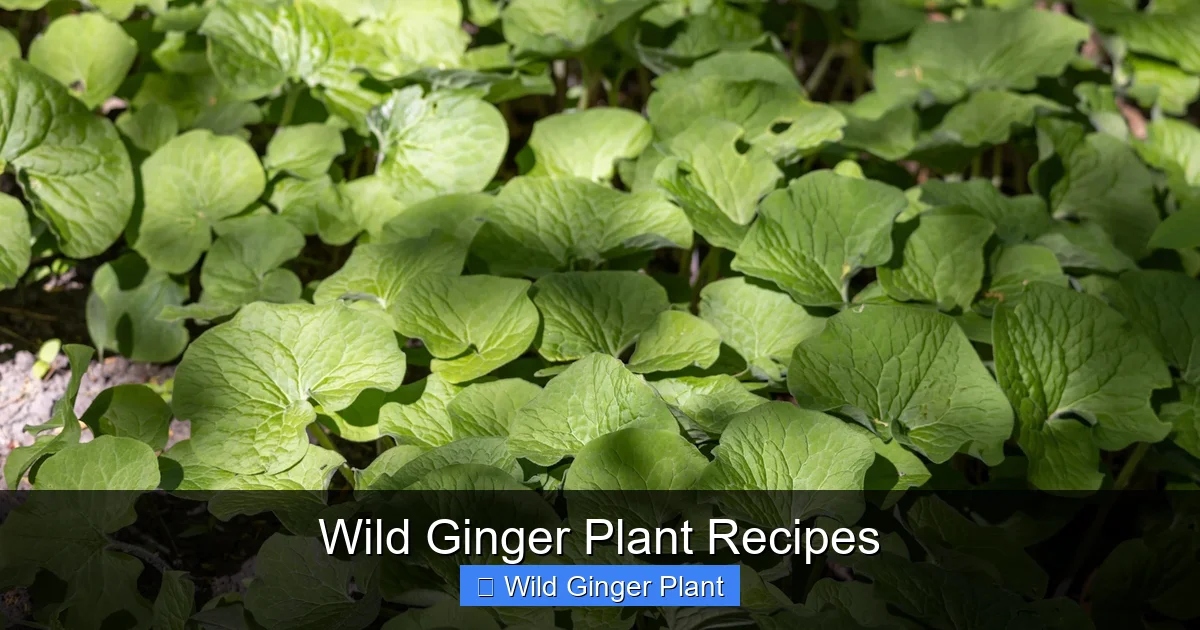
- Leaves: Basal, paired, heart-shaped with a deep cleft at the base, 3-6 inches wide, soft-hairy underneath, smooth margins
- Growth habit: Colonial, forming dense mats via rhizomes; individual plants 4-8 inches tall
- Flower: Single, at ground level, jug-shaped with three triangular lobes, brownish-purple to greenish, blooms April-June
- Rhizome: Horizontal, shallow, tan-brown exterior, white interior, strong ginger aroma when crushed
- Habitat: Rich, moist, deciduous woods; often on slopes near streams; indicator of high-quality woodland
Common Lookalikes
Canada Violet (Viola canadensis)
Also has heart-shaped leaves, but they’re toothed (serrated) along the margins, not smooth. Flowers are white with purple veins, held well above the leaves on stems. No ginger scent.
Wild Violets (Viola sororia and relatives)
Smaller leaves, toothed margins, showy purple/blue/white flowers above foliage. Edible flowers and leaves, but no ginger aroma.
Hexastylis Species (Little Brown Jugs, Heartleaf)
Close relatives in the same family. Evergreen, leathery leaves, often mottled. Flowers similar but plants don’t form the same loose colonies. Also contain aristolochic acid.
Garlic Mustard (Alliaria petiolata) — First Year Rosettes
Invasive biennial. First-year leaves are kidney-shaped with scalloped edges, smell garlicky when crushed. Not ginger. Second year bolts with white four-petaled flowers.
When in Doubt, Don’t Harvest
If you’re not completely confident, take photos, consult multiple field guides, and ideally go with an experienced forager. The cost of a mistake isn’t just a bad meal — it could be your kidneys.
Traditional and Historical Uses
Understanding how wild ginger was used historically gives context — and reminds us that “traditional” doesn’t automatically mean “safe by modern standards.”
Indigenous Uses
Many Eastern Woodlands tribes used wild ginger. The Cherokee, Iroquois, Ojibwe, Menominee, Meskwaki, and others employed it for:
- Digestive complaints: Tea from rhizome for stomachaches, gas, indigestion
- Respiratory issues: Coughs, colds, sore throats
- Febrifuge: To reduce fevers
- Contraceptive: Some tribes used root decoctions — this alone signals potent physiological effects
- Flavoring: Added to other medicines to improve taste; sometimes used with meats or fish
- Poultice: Crushed fresh root applied to wounds, headaches, rheumatic joints
Notice the pattern? Medicinal, targeted, short-term use. Not “sprinkle on your oatmeal every morning.” The contraceptive use especially suggests significant bioactivity — and potential toxicity.
Early European Settler Adoption
Colonists learned from Indigenous peoples and adopted wild ginger as a ginger substitute when the tropical spice was expensive or unavailable. They candied the rhizomes (boiling in sugar syrup), made syrups, and dried the root for powder. Some 18th and 19th century cookbooks include “wild ginger” recipes. But they also didn’t know about aristolochic acid or DNA adducts.
Eclectic Medicine
19th-century Eclectic physicians (a branch of American medicine that used botanical remedies) listed Asarum canadense as a stimulant, carminative, and diaphoretic. They used small doses — typically 10-30 grains of powdered root (0.6-2 grams) or 1-2 fluid ounces of infusion. Even they noted it could cause irritation in large doses.
Wild Ginger Plant Recipes — With Major Caveats
Alright. You’ve read the warnings. You understand the risks. You’ve positively identified the plant. You’re harvesting sustainably (see next section). You’re an adult making an informed choice. Here are some historical preparations and modern experimental uses — each with a reminder that no preparation method eliminates aristolochic acid.
Wild Ginger Syrup (Historical)
This is the most common historical preparation. The sugar preserves and masks the flavor.
Ingredients:
- 1 cup wild ginger rhizomes, scrubbed clean and thinly sliced
- 2 cups water
- 2 cups sugar (or honey)
Method: Simmer rhizomes in water for 30-45 minutes until liquid reduces by about half. Strain through cheesecloth. Add sugar, simmer until dissolved and slightly thickened. Bottle in sterilized jars. Refrigerate.
Traditional use: 1 teaspoon in hot water for stomach upset. Modern reality: Concentrates the toxin. Not recommended.
Candied Wild Ginger (Historical)
Colonists loved this. It’s essentially the same process as commercial candied ginger.
Ingredients:
- Wild ginger rhizomes, peeled and cut into 1-inch pieces
- Water for boiling
- Equal parts sugar and water for syrup
- Extra sugar for coating
Method: Boil rhizome pieces in water 10 minutes, drain. Repeat 2-3 times (this leaches some compounds but not aristolochic acid effectively). Make syrup with equal parts sugar and water. Simmer rhizomes in syrup until translucent, 30-60 minutes. Drain, toss in sugar, dry on rack.
Note: The repeated boiling was thought to “remove the bite.” It doesn’t remove the carcinogen.
Wild Ginger Tea (Folk Remedy)
Method: 1 teaspoon fresh chopped rhizome (or ½ teaspoon dried) per cup boiling water. Steep 10-15 minutes. Strain.
Traditional dose: 1 cup up to 3 times daily for short periods. Current advisory: Avoid. Water extracts aristolochic acid efficiently.
Wild Ginger Infused Vinegar (Experimental, Low Dose)
Some modern foragers make vinegar infusions using very small amounts of rhizome, treating it like a bitter aromatic rather than a food.
Method: 1 tablespoon chopped fresh rhizome per pint of apple cider vinegar. Steep 2 weeks, shaking daily. Strain. Use drops in salad dressing or marinades.
Rationale: Tiny dose per serving. Reality: Still delivers aristolochic acid. Cumulative risk remains.
Wild Ginger Ice Cream (Modern Experimental)
I’ve seen this on foraging blogs. Steep rhizome in cream, strain, make custard base.
Please don’t. Fat doesn’t bind or neutralize aristolochic acid. You’re making a delicious delivery system for a carcinogen.
What About the Leaves?
Some sources suggest the leaves are safer than the rhizome. Limited analysis shows much lower aristolochic acid content in leaves — but not zero. And leaves haven’t been studied nearly as thoroughly. The precautionary principle applies: if the plant produces the toxin in one part, assume it’s present throughout until proven otherwise.
Sustainable Harvesting — If You Absolutely Must
Wild ginger is slow-growing. A colony expands maybe a few inches per year. It takes decades to form those beautiful dense mats. Overharvesting has already made it uncommon in parts of its range.
Legal Status
Check your state regulations before harvesting anything. Wild ginger is:
- Endangered: Maine
- Threatened: New Hampshire, Vermont
- Special Concern: Connecticut, Massachusetts, Rhode Island
- Exploitably Vulnerable: New York
- Protected on public lands: Many national forests, state parks, nature preserves
Always get permission on private land. Never harvest on public land without checking regulations.
Ethical Harvesting Guidelines
- Don’t harvest at all from small, isolated, or struggling populations
- Take only what you need — a few rhizome segments, not whole plants
- Harvest from the edge of a large, healthy colony, not the center
- Leave the growing tips — cut behind the active growth point so the plant continues
- Replant a piece — tuck a rhizome segment with a bud back into the soil
- One-time only — don’t return to the same patch year after year
- Consider propagation — buy nursery-grown plants for your shade garden instead
Growing Your Own
This is the best option. Native plant nurseries sell wild ginger. It makes a gorgeous groundcover for shady, moist spots. Once established, you have your own sustainable supply — and you’re supporting the species. It spreads slowly but steadily. Deer generally leave it alone. It’s a win-win.
Safe, Delicious Alternatives
Here’s the good news: you don’t need wild ginger to get that warm, spicy, aromatic flavor. Several safe, legal, sustainable options exist.
Culinary Ginger (Zingiber officinale)
The gold standard. Fresh, dried, pickled, crystallized, powdered. Zero aristolochic acid. Grown worldwide. Cheap and available everywhere.
Galangal (Alpinia galanga, A. officinarum)
Thai and Indonesian cooking staple. Sharper, more piney-citrus than ginger. Two types: greater galangal (larger, milder) and lesser galangal (smaller, more intense). Find fresh or frozen at Asian markets.
Turmeric (Curcuma longa)
Earthy, slightly bitter, brilliant yellow. Fresh turmeric root is a revelation — juicy, bright, gingery. Anti-inflammatory bonus. Stains everything.
Fingerroot (Boesenbergia rotunda)
Also called Chinese ginger or krachai. Slender, finger-like rhizomes. Milder, slightly medicinal flavor. Key in some Thai curries and Cambodian dishes.
Myoga (Zingiber mioga)
Japanese ginger. You eat the flower buds and young shoots, not the rhizome. Delicate, floral ginger flavor. Grows in temperate shade — like wild ginger but safe and delicious.
Grains of Paradise (Aframomum melegueta)
West African spice. Seeds, not rhizome. Warm, peppery, citrusy, gingery notes. Used in craft beer, gin, and spice blends.
Sichuan Pepper (Zanthoxylum spp.)
Not ginger at all, but gives that tingly, warming sensation. Different mechanism (hydroxy-alpha-sanshool), completely safe in culinary amounts.
Wild Ginger in the Garden: Beyond the Kitchen
Even if you never eat a single bite, wild ginger is a superstar native plant worth knowing and growing.
Ecological Value
- Groundcover: Suppresses weeds, prevents erosion on shady slopes
- Pollinator support: Early spring flowers feed flies, beetles, small bees
- Ant mutualism: Seeds dispersed by ants — fascinating to observe
- Deer resistant: Aromatic compounds deter browsing
- Indicator species: Presence signals healthy, undisturbed woodland soils
Landscape Uses
Perfect for:
- Woodland gardens
- Shade borders
- Under trees where grass won’t grow
- Rain gardens (tolerates periodic flooding)
- Native plant restorations
Pair with: ferns, foamflower (Tiarella), wild geranium (Geranium maculatum), bloodroot (Sanguinaria), trilliums, jack-in-the-pulpit (Arisaema).
Propagation
- Division: Early spring or fall. Cut rhizome sections with at least one bud. Replant 1 inch deep, 6-12 inches apart.
- Seed: Sow fresh immediately (they lose viability fast). Ants usually beat you to them. Cold stratification required.
Frequently Asked Questions About Wild Ginger
Is wild ginger the same as regular ginger?
No. They’re completely unrelated plants. Wild ginger (Asarum canadense) is in the birthwort family; culinary ginger (Zingiber officinale) is in the ginger family. They share a similar aroma due to some overlapping volatile compounds, but their chemistry, botany, and safety profiles are totally different.
Can I eat wild ginger leaves in salad?
Some foragers nibble young leaves, but they contain trace aristolochic acid and aren’t well-studied. The texture is also somewhat tough and hairy. Not recommended. Stick to known safe greens like violet leaves, wood sorrel, or chickweed from the same habitat.
Does cooking destroy aristolochic acid?
No. Aristolochic acid is heat-stable. Boiling, baking, frying, roasting — none of them break it down reliably. It’s also water-soluble, so it leaches into cooking liquids.
Is there a safe amount of wild ginger to eat?
No safe threshold has been established. The DNA damage from aristolochic acid is cumulative. Even tiny doses, repeated over time, increase cancer and kidney disease risk. Regulatory agencies advise avoiding it entirely.
Why did Indigenous people use it if it’s toxic?
They used it medicinally in small, targeted doses for specific conditions — not as a daily food. Traditional knowledge often includes toxicity awareness; many tribes restricted use to trained healers, specific durations, or particular preparations. Also, “traditional use” doesn’t equal “safe by modern toxicological standards.” Many traditional remedies worldwide contain compounds we now know are harmful.
Can I use wild ginger essential oil?
Essential oil distillation may concentrate aristolochic acid or leave it behind depending on conditions — but it’s not standardized or tested for safety. Given the severity of the toxicity, avoid internal use of wild ginger essential oil. External use (diluted) carries less risk but isn’t well-studied.
What should I do if I’ve been eating wild ginger regularly?
Stop immediately. Consult a healthcare provider, especially if you have any kidney symptoms (changes in urination, swelling, fatigue, nausea). Be honest about what you’ve been consuming. Kidney function tests (creatinine, GFR) and urinalysis can establish a baseline. Early detection of aristolochic acid nephropathy improves outcomes.
Conclusion: Respect the Plant, Protect Yourself
Wild ginger is a remarkable plant. It’s a survivor, a community builder, a woodland architect. It feeds ants, shelters beetles, stabilizes slopes, and signals ecosystem health. Its strange hidden flowers and heart-shaped leaves make it a joy to find on a spring hike. Its aromatic rhizome tells a story of convergent evolution — nature independently inventing “ginger scent” in two unrelated lineages.
But that scent comes with a chemical price tag: aristolochic acid. Not a legend. Not an exaggeration. A documented, potent, cumulative toxin that damages DNA and kidneys. The fact that people used it historically doesn’t make it safe — it makes them lucky, or their use patterns limited enough to avoid obvious acute harm.
So here’s my take: admire wild ginger. Photograph it. Grow it in your shade garden. Teach others to recognize it. Learn its ecological role. Honor the Indigenous knowledge that recognized its power. But leave the rhizomes in the ground. The risk isn’t worth the flavor — not when safe, delicious, abundant alternatives exist.
If you’re foraging for connection, for wonder, for participation in the living world — wild ginger gives you all of that without a single bite. That’s the real recipe. Take only memories. Leave only footprints. And maybe plant a few rhizomes in your woodland garden while you’re at it.
Frequently Asked Questions
What is the scientific name for wild ginger?
The most common North American species is Asarum canadense. European wild ginger is Asarum europaeum. Both belong to the Aristolochiaceae family and contain aristolochic acid.
Does wild ginger have any medicinal benefits?
Historically used for digestive issues, colds, and fevers, but modern toxicology shows the risks outweigh potential benefits. The aristolochic acid causes cumulative DNA damage and kidney disease. Safe, effective alternatives exist for all traditional indications.
Can I make wild ginger tea safely if I only drink it occasionally?
No. Aristolochic acid is water-soluble and heat-stable, so it extracts efficiently into tea. The DNA damage is cumulative — even occasional use adds to lifetime exposure. No safe threshold has been established.
Are there any wild ginger species without aristolochic acid?
All Asarum species tested contain aristolochic acids. It’s a characteristic compound of the Aristolochiaceae family. No species in this genus is considered safe for regular consumption.
What does wild ginger taste like?
The rhizome has a warm, spicy, sweet ginger aroma and flavor — remarkably similar to culinary ginger but often described as more floral and less pungent. The leaves have a milder version of the same scent when crushed.
How can I tell wild ginger from poisonous lookalikes?
Key features: paired heart-shaped smooth-margined leaves, hidden ground-level jug-shaped flower, shallow ginger-scented rhizome. Main confusion risks are violets (toothed leaves, showy flowers) and Hexastylis (evergreen, leathery leaves). When uncertain, don’t harvest.