Wild Ginger Plant Pics
Wild ginger plant pics reveal a beautiful, low-growing native perennial perfect for shade gardens. This guide covers identification, varieties, growing conditions, and how to use wild ginger as an attractive groundcover in woodland settings.
If you have ever wandered through a moist, shady woodland in eastern North America, you might have spotted a low carpet of heart-shaped leaves hugging the forest floor. That plant is likely wild ginger. It is a favorite among native plant enthusiasts and shade gardeners alike. Many people search for wild ginger plant pics to help with identification or to see how it looks in a garden setting. This guide will walk you through everything you need to know, from identifying different species to growing your own patch.
Wild ginger belongs to the genus Asarum. It is not related to the spicy ginger root you buy at the grocery store. That culinary ginger is Zingiber officinale. Wild ginger gets its common name because the rhizomes smell similar to culinary ginger when crushed. Indigenous peoples and early settlers used the root as a spice substitute. Today, we grow it mostly for its gorgeous foliage and its ability to solve difficult shady spots in the landscape.
Key Takeaways
- Native shade lover: Wild ginger thrives in dappled to full shade, making it ideal for woodland gardens and shady borders.
- Distinctive foliage: Heart-shaped, velvety leaves create a lush carpet that suppresses weeds naturally.
- Hidden flowers: Unique jug-shaped blooms appear at ground level in early spring, often hidden beneath leaves.
- Not culinary ginger: Despite the name, wild ginger (Asarum) is unrelated to culinary ginger (Zingiber officinale).
- Easy propagation: Spreads slowly by rhizomes and can be divided in spring or fall for new plantings.
- Wildlife value: Provides cover for small creatures and serves as a host plant for pipevine swallowtail butterflies.
- Low maintenance: Once established, requires minimal care beyond occasional watering during drought.
Quick Answers to Common Questions
Is wild ginger edible?
No, wild ginger contains aristolochic acid which is toxic to kidneys and carcinogenic. Do not eat it. Use culinary ginger (Zingiber officinale) for cooking instead.
Does wild ginger spread aggressively?
No, it spreads slowly by rhizomes to form a polite colony. It is not invasive and is easy to control by dividing clumps every few years.
Can wild ginger grow in full sun?
No, wild ginger requires shade. Afternoon sun will scorch the leaves. It thrives in dappled to full shade conditions.
When does wild ginger bloom?
Wild ginger blooms in early spring, typically April through May. The flowers are small, jug-shaped, and hidden at ground level beneath the foliage.
Is wild ginger deer resistant?
Yes, deer and rabbits generally avoid wild ginger due to its aromatic compounds, though they may browse it during severe winters when food is scarce.
📑 Table of Contents
- Identifying Wild Ginger: What to Look For
- Popular Species and Varieties
- Ideal Growing Conditions
- Planting and Establishment
- Care and Maintenance
- Landscape Uses and Design Ideas
- Ecological Benefits
- Historical Uses and Cautions
- Photographing Wild Ginger: Tips for Great Shots
- Common Problems and Solutions
- Sourcing Wild Ginger
- Conclusion
Identifying Wild Ginger: What to Look For
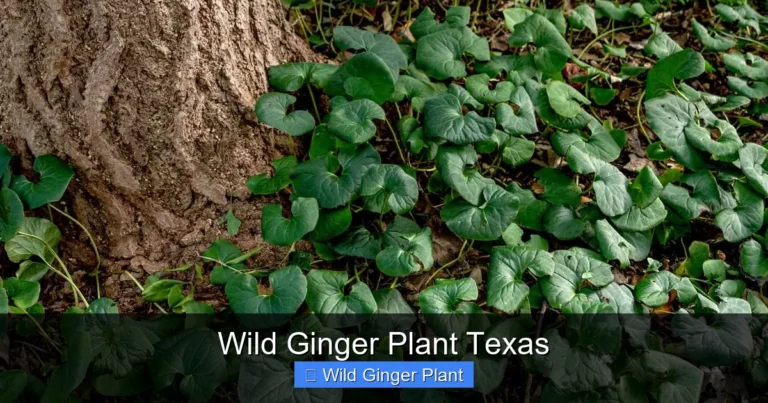
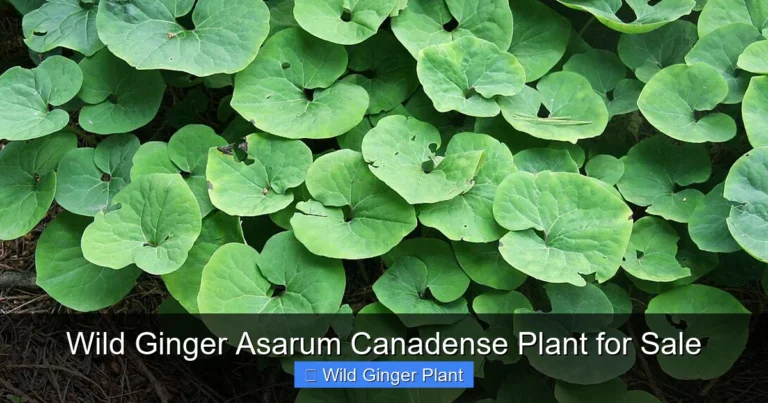
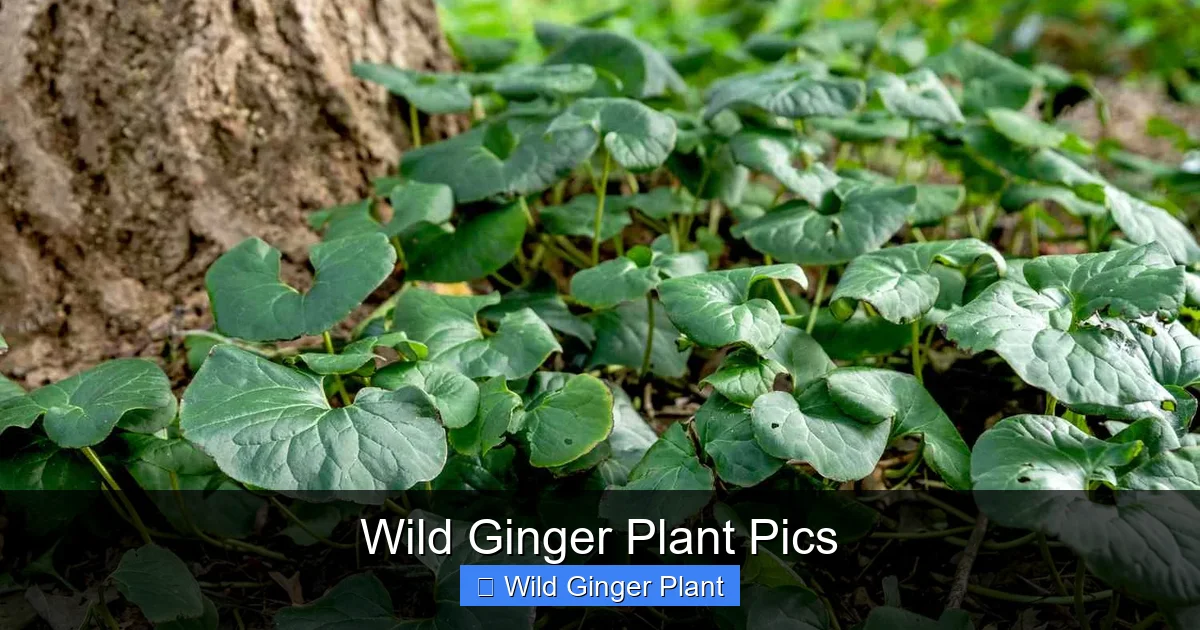
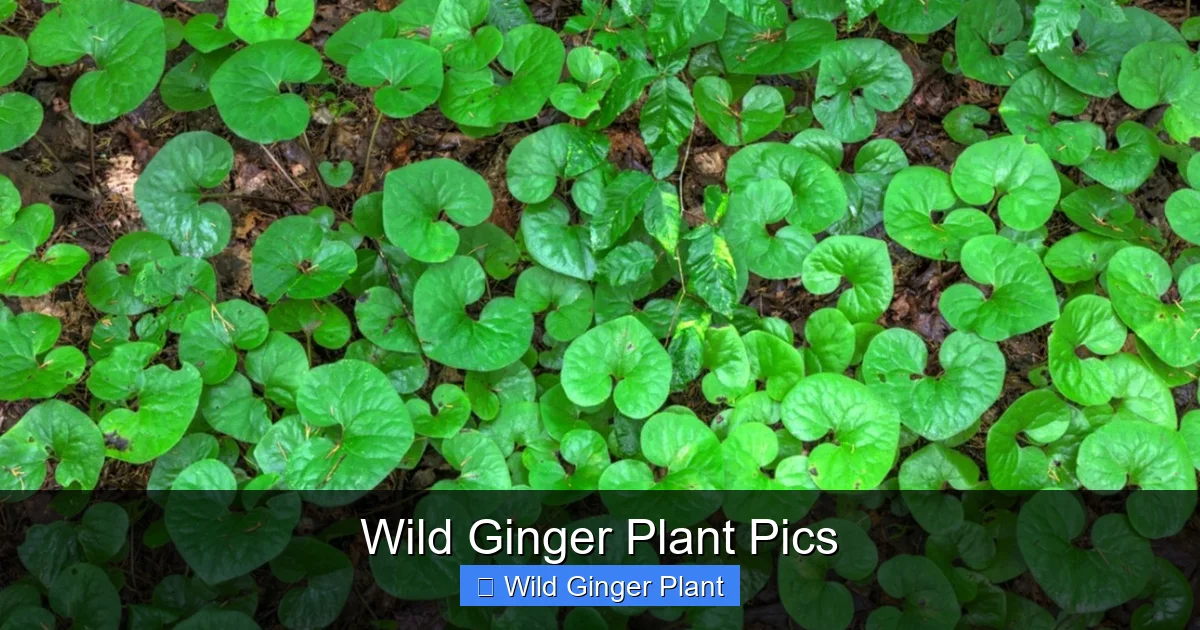
When you browse wild ginger plant pics online, you will notice a few consistent features. The most obvious is the foliage. Leaves are typically heart-shaped or kidney-shaped. They have a soft, velvety texture and a deep, rich green color. Some species have beautiful silver mottling or veining. The leaves grow in pairs from a creeping rhizome that sits just at or slightly below the soil surface.
Leaf Characteristics
Leaf size varies by species. Asarum canadense, the common Canadian wild ginger, has leaves that can reach six to eight inches wide. Asarum caudatum, the western wild ginger, has slightly smaller, often glossier leaves. Evergreen species like Asarum europaeum (European wild ginger) keep their leaves year-round in mild climates. Deciduous species die back to the ground in winter. The texture is often described as soft or felt-like, which adds a wonderful tactile element to the garden.
The Hidden Flowers
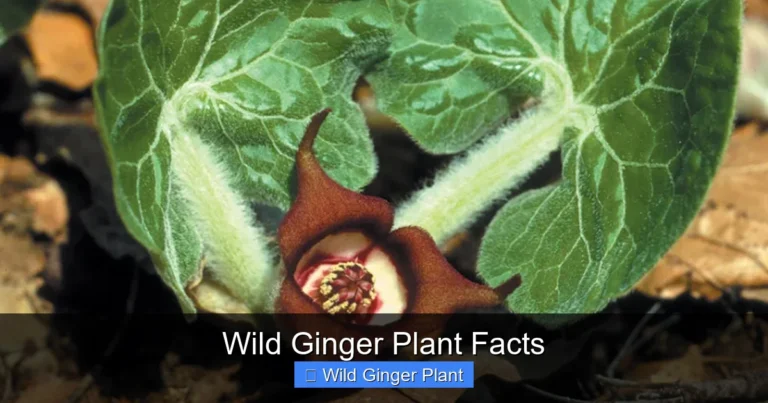
One of the most fascinating aspects shown in wild ginger plant pics is the flower. You have to look closely to find it. The flowers bloom in early spring, usually April to May. They sit right at ground level, tucked beneath the leaf litter and the base of the leaf stems. They are shaped like little jugs or bells, typically brownish-purple, reddish, or sometimes greenish-yellow. They have three flared sepals but no true petals. The flowers are pollinated by small flies and beetles that crawl inside. Because they are hidden, many gardeners never notice them unless they get down on their hands and knees.
Rhizome and Growth Habit
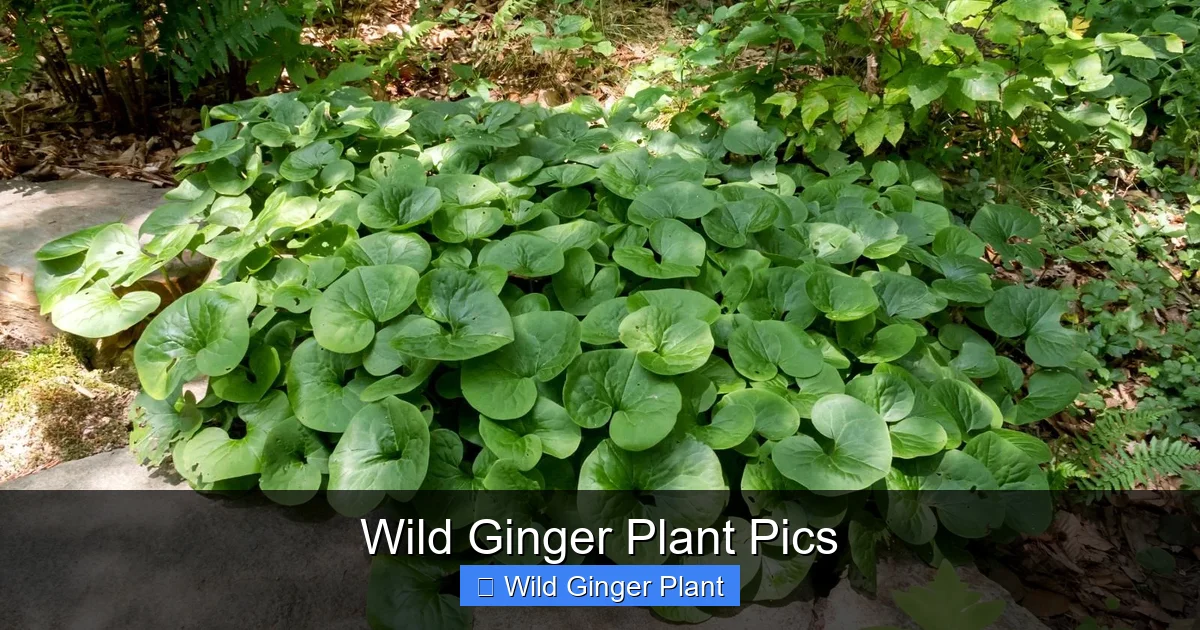
The plant spreads by shallow, fleshy rhizomes. These rhizomes smell distinctly of ginger when broken. The plant forms a dense, slowly expanding colony. It is not aggressive like some mint family members. It behaves politely, knitting together to form a solid mat that keeps weeds out. This growth habit makes it an exceptional groundcover for shade.
Popular Species and Varieties
There are over 60 species of Asarum worldwide. Most are native to East Asia, but several are native to North America. When looking at wild ginger plant pics, you will see quite a bit of variation. Here are the most common ones you will encounter in nurseries and gardens.
Visual guide about Wild Ginger Plant Pics
Image source: cdn.mos.cms.futurecdn.net
Asarum canadense (Canadian Wild Ginger)
This is the classic native species for eastern North America. It is deciduous, with large, soft, matte-green leaves. It is hardy in USDA zones 4 through 7. It prefers rich, moist, well-drained soil. It is the most widely available native species. It forms a beautiful, dense carpet about six to twelve inches tall. The flowers are a deep, velvety maroon. It is a host plant for the pipevine swallowtail butterfly.
Asarum caudatum (Western Wild Ginger)
Native to the Pacific Northwest, this species is evergreen in its native range. It has glossy, deep green leaves that are often more elongated than A. canadense. The flower has long, tapered “tails” on the sepals, giving it a distinct look. It is hardy in zones 5 through 9. It handles slightly drier conditions once established but prefers consistent moisture.
Asarum europaeum (European Wild Ginger)
This is a popular evergreen species from Europe. It has smaller, very glossy, leathery leaves. It stays quite low, often only four to six inches tall. It is extremely hardy (zones 4-8) and tolerates heavier shade and drier soil better than the North American natives. It spreads a bit faster. The flowers are small and purple-brown. It is a great choice for a tidy, formal look in a shade garden.
Asarum splendens (Chinese Wild Ginger)
This species is prized for its stunning foliage. The leaves are large, pointed, and dramatically marked with silver veins and mottling on a dark green background. It is semi-evergreen to evergreen in zones 6 through 9. It adds a splash of brightness to dark corners. It is a bit more of a clumper than a runner initially but fills in well over time.
Asarum maximum (Giant Wild Ginger)
As the name suggests, this one is larger. Leaves can be eight to ten inches across. It has spectacular flowers that are quite large for the genus, often two inches wide, with white or pale pink interiors and dark exteriors. It is less cold hardy, best in zones 7 through 9. It makes a bold statement in a woodland garden.
Ideal Growing Conditions
Success with wild ginger comes down to mimicking its native habitat. When you study wild ginger plant pics from the wild, you see it growing on forest floors. That tells you exactly what it wants.
Visual guide about Wild Ginger Plant Pics
Image source: extension.umd.edu
Light Requirements
Wild ginger is a true shade plant. It thrives in dappled shade under deciduous trees. It handles full shade, such as the north side of a building or under dense evergreens. It does not like afternoon sun. Too much sun scorches the leaves, turning them yellow and crispy. Morning sun is usually fine if the soil stays moist. If you have a spot where hostas burn, wild ginger will likely be happy there.
Soil Preferences
Rich, humusy, well-drained soil is the gold standard. Think forest duff: lots of decomposed leaves, slightly acidic, moisture-retentive but not soggy. Heavy clay is tolerated if amended with plenty of compost. Sandy soil works if you add organic matter and mulch well to retain moisture. The key is consistent moisture. The rhizomes are shallow and dry out quickly.
Moisture Needs
This plant likes “evenly moist.” It does not want to sit in standing water, but it cannot tolerate drought. In a typical garden, you will need to water during dry spells, especially in the first two years while it establishes. A thick layer of shredded leaf mulch or pine straw helps tremendously. It mimics the natural leaf litter and keeps the root zone cool and damp.
Hardiness and Climate
Most common species are hardy in USDA zones 4 through 8. Asarum canadense is the most cold-hardy. Asarum splendens and A. maximum prefer milder winters. In the deep south, wild ginger may struggle with the heat and humidity unless given deep shade and constant moisture. In very cold zones (3), a reliable snow cover helps protect the rhizomes.
Planting and Establishment
Getting wild ginger started takes a little patience. It is not an instant groundcover. But once it takes off, it is there for the long haul.
When to Plant
Spring and early fall are the best times. Spring planting gives the roots a full season to establish before winter. Fall planting works well in zones 6 and warmer, provided you plant at least six weeks before the ground freezes. Mulch heavily after fall planting to prevent frost heaving.
Spacing
Space plants twelve to eighteen inches apart for a groundcover effect. They will fill in over two to three years. If you are planting a small group as an accent, space them eight to ten inches apart for a quicker visual impact. Remember, they spread by rhizomes, not by seeding aggressively.
Planting Technique
Dig a hole wide enough to spread the roots. The rhizome should sit just at or slightly below the soil surface. Do not bury it deep. Backfill with amended soil. Water thoroughly. Apply a two-inch layer of mulch, keeping it off the crown. Water regularly for the first growing season.
Companion Plants
Wild ginger plays well with others. It looks stunning paired with ferns like maidenhair fern or Christmas fern. It complements foamflower (Tiarella), coral bells (Heuchera), and woodland phlox (Phlox divaricata). It makes a lovely skirt around the base of shade shrubs like hydrangeas or rhododendrons. Spring ephemerals like trilliums and bloodroot pop up through the ginger foliage before it fully emerges.
Care and Maintenance
One of the best things about wild ginger is how little it asks of you. Once established, it is remarkably self-sufficient.
Watering
Water deeply during dry periods. A soaker hose or drip irrigation is ideal. Overhead watering can sometimes encourage slugs or fungal issues on the foliage, though wild ginger is generally disease-free. If the leaves start to look limp or the edges curl, it is thirsty.
Mulching
Mulch is your best friend. Apply shredded leaves, pine needles, or fine bark mulch annually in spring or fall. This feeds the soil as it breaks down and maintains that cool, moist root run. Avoid heavy wood chips; they can smother the shallow rhizomes.
Fertilizing
Generally not needed if you mulch with organic matter. If your soil is very poor, a light application of a balanced, slow-release organic fertilizer in early spring is fine. Do not over-fertilize. Lush, soft growth is more susceptible to slug damage.
Dividing
Divide clumps every three to five years in early spring or fall to rejuvenate them or to propagate new plants. Dig up a section of rhizome with roots and leaves attached. Replant immediately at the same depth. Water well. This is the easiest way to expand your planting.
Pest and Disease Issues
Slugs and snails are the main pests. They love the tender leaves. Use beer traps, diatomaceous earth, or iron phosphate baits if damage is severe. Deer and rabbits usually leave it alone, though they may nibble in harsh winters. Fungal leaf spots can occur in very wet, humid conditions with poor air circulation. Thin plants if they get too crowded.
Landscape Uses and Design Ideas
Looking at wild ginger plant pics in garden settings gives great inspiration. Its texture and form make it incredibly versatile in shade design.
Groundcover Carpet
This is its primary role. Plant it en masse under trees where grass won’t grow. It creates a living mulch that suppresses weeds and protects tree roots from mower damage. It handles root competition from trees better than most perennials.
Woodland Path Edging
Line a shady path with wild ginger. The soft leaves invite touch. It stays low enough not to flop over the path. It defines the edge beautifully without needing hard edging materials.
Rock Gardens and Slopes
On a shady slope, wild ginger helps hold soil. The rhizomes knit the soil together. It looks naturalistic spilling over rocks or along a dry stream bed. Ensure the slope doesn’t drain too fast; it needs that moisture.
Container Gardens
Yes, you can grow it in pots. Use a wide, shallow container. A rich potting mix with extra compost. Keep it in full shade. Water frequently. It makes a unique, textural container plant for a covered porch or north-facing balcony. Pair it with a small fern or heuchera.
Rain Garden Edges
Wild ginger works on the upper edges of a rain garden (the mesic zone). It tolerates occasional wet feet but not constant inundation. Its dense roots filter runoff.
Ecological Benefits
Beyond beauty, wild ginger earns its keep ecologically.
Pollinator Support
Those weird little flowers are pollinated by small flies, gnats, and beetles. They provide an early spring food source when little else is blooming. Ants disperse the seeds (myrmecochory). The seeds have a fleshy appendage called an elaiosome that ants love. They carry seeds to their nests, eat the elaiosome, and discard the seed in a nutrient-rich midden.
Butterfly Host Plant
Asarum canadense is a primary host plant for the pipevine swallowtail butterfly (Battus philenor). The caterpillars feed on the leaves. The plant contains aristolochic acids which make the caterpillars toxic to predators. If you see holes in the leaves in late spring, check for these beautiful black and blue caterpillars. It is a badge of honor.
Soil Health and Erosion Control
The dense mat of rhizomes and roots holds soil in place on slopes. The leaf litter it traps decomposes into rich humus. It improves soil structure over time. It creates habitat for beneficial insects, salamanders, and other small woodland creatures.
Historical Uses and Cautions
The name “wild ginger” comes from the scent of the rhizome. Indigenous peoples across the continent used the root as a flavoring, a medicine, and a charm. Early European settlers adopted it as a ginger substitute.
Traditional Uses
Tea made from the root was used for colds, fevers, indigestion, and cramps. Poultices were applied to wounds and inflammation. The root was candied or used to flavor foods. It was an important trade item.
Modern Caution
Important: Wild ginger contains aristolochic acid. This compound is nephrotoxic (kidney-damaging) and carcinogenic. The FDA warns against consuming plants in the Aristolochiaceae family. While traditional use involved specific preparations and dosages, modern science advises against internal use. Enjoy it for its beauty and ecological value. Do not eat it. Culinary ginger (Zingiber officinale) is safe and unrelated.
Photographing Wild Ginger: Tips for Great Shots
If you are out hunting for your own wild ginger plant pics, here are some tips to capture its subtle beauty.
Get Low
The flowers are at ground level. You need to get down there. Use a tripod with a center column that reverses or spreads wide. Or just lie on the ground. A right-angle viewfinder helps. The best shots show the flower emerging from the leaf litter.
Lighting
Shade is your friend. Direct sun creates harsh contrast on the velvety leaves. Overcast days are perfect. If it is sunny, use a diffuser (a white translucent fabric) to soften the light. A reflector can bounce light into the dark flower throat.
Focus Stacking
Depth of field is shallow at ground level. For sharp flowers and leaves, use focus stacking. Take multiple shots focused at different distances. Blend them in software (Photoshop, Helicon Focus, Zerene Stacker). This yields incredible detail.
Composition
Show the context. Include leaf litter, moss, fern fronds. This tells the habitat story. Isolate a single perfect leaf against a dark background for a portrait. Capture the colony spreading across a slope. Show the rhizome creeping over a rock.
Seasonal Series
Document a patch through the year. Emerging fiddleheads in early spring. Flowers in mid-spring. Lush summer carpet. Autumn color (some species turn yellow). Winter evergreen structure (for evergreen species). This makes a great educational series.
Common Problems and Solutions
Even easy plants have off days. Here is how to troubleshoot.
Yellowing Leaves
Usually too much sun or too little water. Move to deeper shade. Increase watering and mulch. If it is in a pot, the soil may be exhausted; repot with fresh mix.
Holes in Leaves
Slugs are the usual suspects. Check at night with a flashlight. Apply controls. If it is pipevine swallowtail caterpillars, celebrate! They only eat a few leaves and the plant recovers quickly.
Not Spreading
It is slow. Give it time. Ensure soil is moist and rich. Divide and replant sections to speed up coverage. Check for root competition from aggressive tree roots (like maples). You may need to create a planting pocket with a barrier or extra soil.
Winter Dieback (Evergreen Species)
In harsh winters, evergreen leaves may burn. Wait until spring. Cut off damaged leaves. New growth will emerge. Mulch heavily in late fall to protect crowns.
Center Die-Out
Old clumps sometimes die in the center. This is natural. Dig the clump in spring. Discard the dead center. Replant the vigorous outer sections.
Sourcing Wild Ginger
Where to buy? Native plant nurseries are the best source. They sell nursery-propagated plants, not wild-dug ones. Never dig from the wild. It depletes populations and often fails to transplant well. Many states have native plant societies with sales. Online native plant mail-order nurseries ship bare-root or potted plants. Look for Asarum canadense for the native standard. Specialty nurseries carry the Asian species with fancy foliage.
Conclusion
Wild ginger is a quiet superstar of the shade garden. It asks for little: shade, moisture, rich soil. In return, it gives you a lush, weed-suppressing carpet of beautiful leaves, fascinating hidden flowers, and high ecological value. Whether you are identifying a plant on a hike using wild ginger plant pics on your phone, or planning a woodland garden makeover, this native perennial deserves a spot. It connects us to the native flora of our region. It supports butterflies and soil life. It solves that impossible shady spot under the maple tree. Plant it once, care for it a little, and enjoy it for decades. It is the kind of plant that makes a garden feel like a true sanctuary.
Frequently Asked Questions
What is the difference between wild ginger and culinary ginger?
Wild ginger (Asarum) and culinary ginger (Zingiber officinale) are completely unrelated plants. Wild ginger is a native woodland perennial with heart-shaped leaves, while culinary ginger is a tropical plant grown for its edible rhizome. They only share a similar scent.
How fast does wild ginger spread as a groundcover?
Wild ginger spreads slowly, typically taking two to three years to form a dense carpet when planted 12-18 inches apart. It expands by shallow rhizomes and is not aggressive like mint or ivy.
Can I grow wild ginger in containers?
Yes, wild ginger grows well in wide, shallow containers with rich, moisture-retentive potting mix. Keep it in full shade and water frequently since containers dry out faster than ground soil.
Why are my wild ginger leaves turning yellow?
Yellowing usually indicates too much sun exposure or insufficient moisture. Move the plant to deeper shade, increase watering, and apply a thick layer of organic mulch to retain soil moisture.
Does wild ginger attract pollinators?
Yes, the hidden spring flowers attract small flies, gnats, and beetles for pollination. It is also a host plant for pipevine swallowtail butterfly caterpillars, which feed on the foliage.
When is the best time to divide wild ginger?
Early spring (just as new growth emerges) or early fall are the best times to divide wild ginger. Dig up rhizome sections with roots and leaves attached, and replant immediately at the same depth.