Wild Ginger Plant Nc
Wild ginger plant NC is a low‑growing native groundcover that thrives in shady, moist woods across the state. Its heart‑shaped leaves and hidden maroon flowers make it a favorite for woodland gardens and naturalized landscapes.
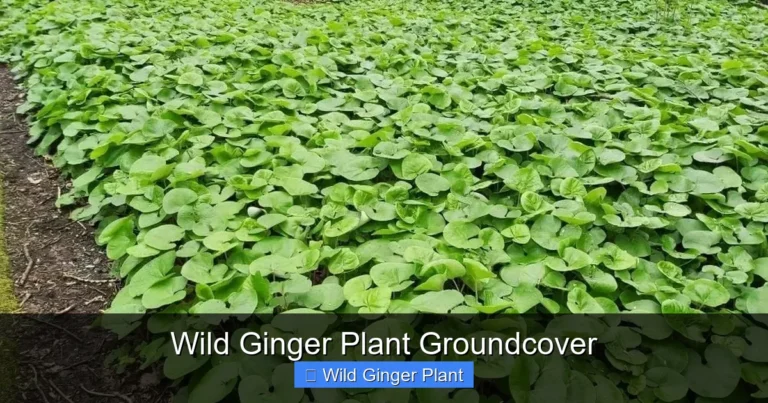
The wild ginger plant NC is a low growing native perennial that hugs the forest floor. It loves deep shade and moist soil. You will often find it under hardwood trees. The leaves are heart shaped and glossy. The flowers are tiny and maroon, hidden beneath the foliage. This plant spreads slowly by rhizomes and forms a soft carpet.
The wild ginger plant NC thrives in the cool, damp woods of the Piedmont and mountains. Gardeners value it for its texture and early season interest. It works well in shade gardens and naturalized areas. Once established it needs little care. Deer usually avoid it because of its bitter taste. It also provides cover for small woodland creatures.
The wild ginger plant NC is easy to propagate by dividing rhizomes in early spring. You can also start it from seed but germination is slow. Plant divisions about six inches apart for a quick groundcover. Water well after planting and keep the soil evenly moist. Mulch with leaf litter to mimic its natural habitat. In a few years you will have a lush green mat.
Key Takeaways
- Native groundcover: Wild ginger plant NC spreads slowly and forms a dense mat.
- Shade lover: It prefers dappled light and moist, rich soil.
- Unique flowers: Small maroon blooms hide beneath the foliage.
- Wildlife value: Provides early nectar for native bees and shelter for small insects.
- Easy to grow: Once established it needs little maintenance.
- Harvest with care: Only take a small portion of rhizomes to keep the colony healthy.
- Legal note: Check local regulations before collecting from public lands.
Quick Answers to Common Questions
What is the scientific name of wild ginger plant NC?
The scientific name is Asarum canadense.
When does wild ginger plant NC bloom?
It blooms in early April to May across most of North Carolina.
How do you propagate wild ginger plant NC?
Divide rhizomes in early spring for the quickest results.
Is wild ginger plant NC deer resistant?
Yes, deer usually avoid it because of its bitter taste.
Can wild ginger plant NC be grown in containers?
Yes, use a shallow pot with rich, moist soil and keep it in shade.
📑 Table of Contents
What Is Wild Ginger?
Botanical Overview
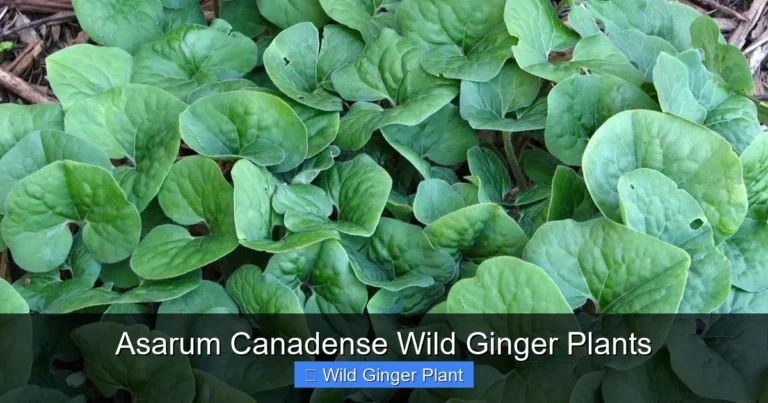
The wild ginger plant NC belongs to the birthwort family Aristolochiaceae. Its scientific name is Asarum canadense. The plant is herbaceous and perennial. It grows from a shallow rhizome that creeps just below the surface. Leaves emerge in pairs from the rhizome each spring. The foliage stays green through summer and turns bronze in fall.
The wild ginger plant NC produces a single flower per leaf pair. The flower sits at ground level and is often hidden by the leaves. It has three sepal like petals that are deep maroon. Pollination is done by small flies and beetles. After pollination a fleshy capsule forms with seeds. Seeds are dispersed by ants attracted to a fatty appendage.
Common Names
The wild ginger plant NC is also called Canada wild ginger, heartleaf ginger, and colic root. These names reflect its range and leaf shape. Early settlers used the rhizome as a spice substitute. The flavor is similar to true ginger but milder. Today the common name most used in North Carolina is simply wild ginger.
The wild ginger plant NC appears in many field guides under the name Asarum. Some people call it little brown jug because of the flower shape. Knowing the local names helps you identify it on hikes. When you see a low mat of heart shaped leaves think wild ginger. The hidden flower is a clue that you have found the right plant.
Native Range
The wild ginger plant NC is native to the eastern United States from Canada to Georgia. In North Carolina it occurs in the mountains, Piedmont, and coastal plain. It prefers rich, deciduous forests with plenty of leaf litter. You will rarely see it in dry, open fields. The plant’s range matches the distribution of its ant dispersers.
The wild ginger plant NC thrives in microhabitats with constant moisture. Stream banks, ravines, and north facing slopes are prime spots. Soil pH near neutral to slightly acidic works best. The plant can tolerate brief dry periods once established. Its presence often indicates a healthy, undisturbed forest floor.
Identifying Wild Ginger in NC
Leaf Shape
The wild ginger plant NC has distinctive heart shaped leaves that are 3 to 6 inches wide. The leaf margins are smooth and the surface is glossy. Each leaf pair rises from a single point on the rhizome. The veins are palmate and radiate from the base. In spring the new leaves are bright green and tender. By summer they become leathery and deep green.
The wild ginger plant NC leaves stay evergreen in mild winters. In colder zones they may die back but the rhizome survives. The leaf petiole is short and often hidden by the leaf blade. When you flip a leaf you may see the tiny flower bud. This hidden bud is a key identification feature. No other groundcover in the area has this combination.
Flower Details
The wild ginger plant NC flower is small, about half an inch across. It has three maroon sepals that look like petals. The flower sits on a very short stalk at ground level. Because it is hidden, many hikers miss it entirely. The bloom period is early April to May in most of the state. The scent is faint and earthy.
The wild ginger plant NC relies on small flies for pollination. The flower’s shape traps the insects briefly. After pollination a fleshy capsule develops. The capsule splits open to reveal seeds with elaiosomes. Ants carry the seeds to their nests, aiding dispersal. This mutualism helps the plant colonize new spots.
Habitat Clues
The wild ginger plant NC prefers deep shade under mature hardwoods. Look for it on north facing slopes where moisture lingers. The soil is usually rich in organic matter and well drained. You will often see it growing with ferns and trilliums. A thick layer of leaf litter is a good sign. Disturbed sites rarely support this species.
The wild ginger plant NC can also be found near streams and seeps. The constant humidity keeps the rhizomes hydrated. In the coastal plain it grows in moist, sandy loam. In the mountains it favors rich, rocky soils. Knowing these microhabitats helps you locate it quickly. Always tread lightly to protect the fragile colony.
Growing Wild Ginger in Your NC Garden
Site Selection
The wild ginger plant NC does best in a shady spot that mimics its forest home. Choose a location with dappled light or full shade. Avoid hot afternoon sun which can scorch the leaves. A north or east facing bed works well. Ensure the area stays moist but not waterlogged. Good air flow helps prevent fungal issues.
The wild ginger plant NC also thrives under deciduous trees that drop leaves in fall. The leaf litter creates a natural mulch layer. If you lack trees, use a shade cloth to simulate canopy. Keep the planting area free of aggressive grasses. A slight slope improves drainage and mimics natural terrain. Test soil moisture with your finger before planting.
Soil Preparation
The wild ginger plant NC prefers rich, loamy soil with a pH of 5.5 to 6.5. Amend heavy clay with compost and coarse sand. Add a generous layer of well rotted leaf mold. This mimics the forest floor and feeds beneficial microbes. Work the amendments into the top six inches. Avoid synthetic fertilizers which can burn the delicate rhizomes.
The wild ginger plant NC benefits from a slow release organic fertilizer in early spring. A light sprinkling of bone meal supports root growth. Too much nitrogen encourages leafy growth at the expense of flowers. Mulch with shredded leaves after planting to retain moisture. Reapply mulch each autumn as the old layer breaks down. This cycle builds a living soil profile over time.
Planting Steps
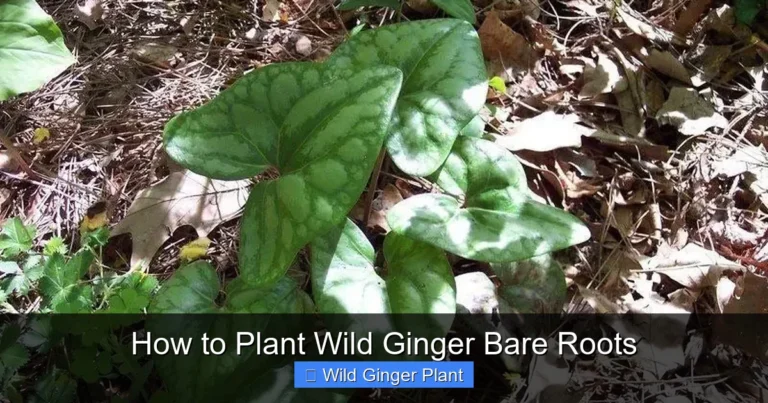
The wild ginger plant NC is best planted in early spring before new growth starts. Dig a shallow hole twice the width of the rhizome. Place the rhizome horizontally with the buds facing up. Cover with soil so the top is just below the surface. Space divisions about six inches apart for a dense mat. Water thoroughly to settle the soil around the roots.
The wild ginger plant NC can also be started from container grown plugs. Remove the plug gently and tease out circling roots. Plant at the same depth as in the pot. Firm the soil around the base and water well. Label each planting spot to avoid accidental disturbance. Keep the area weed free for the first season.
Watering and Mulching
The wild ginger plant NC needs consistent moisture during establishment. Water deeply once a week if rain is scarce. Avoid overhead watering which can promote leaf spots. Use a soaker hose or drip irrigation at the base. Mulch with two inches of shredded leaves or pine straw. Mulch keeps the soil cool and reduces evaporation.
The wild ginger plant NC will tolerate short dry spells once mature. However prolonged drought can cause leaf scorch and rhizome dieback. Check soil moisture by inserting a finger two inches deep. If it feels dry, water immediately. Refresh mulch each fall to maintain a steady organic layer. This practice also feeds soil microbes that benefit the plant.
Ongoing Care
The wild ginger plant NC requires minimal maintenance after the first year. Remove any dead leaves in late winter to improve air flow. Divide clumps every three to four years to rejuvenate growth. Replant divisions promptly to avoid drying out. Watch for slugs which may chew the tender foliage. Hand pick slugs in the evening for best control.
The wild ginger plant NC benefits from an annual top dressing of compost. Spread a thin layer around the base in early spring. This adds nutrients without disturbing the shallow rhizomes. Avoid deep cultivation which can sever the creeping stems. Keep the planting bed free of invasive weeds like Japanese stiltgrass. Regular monitoring ensures a healthy, spreading colony.
Ecological Benefits and Wildlife Value
Pollinator Support
The wild ginger plant NC provides early season nectar for native bees and flies. Its hidden flowers bloom before many other woodland plants. Small beetles also visit the maroon blossoms. This early food source helps pollinators emerge from winter. Planting wild ginger in your garden extends the bloom calendar. A diverse pollinator community improves fruit set on nearby shrubs.
The wild ginger plant NC also supports specialist insects that rely on Asarum. Certain fly larvae develop inside the flower buds. These insects are not pests but part of the food web. Birds feed on the adult flies and beetles. By hosting these insects the plant contributes to higher trophic levels. A healthy insect base attracts more songbirds to your yard.
Soil Health
The wild ginger plant NC improves soil structure with its creeping rhizomes. The roots create channels that increase aeration and water infiltration. As the rhizomes decay they add organic matter to the topsoil. This process builds a rich humus layer over time. Earthworms thrive in the moist, organic environment. Healthy soil supports all nearby plants.
The wild ginger plant NC also acts as a living mulch. Its dense foliage shades the soil surface, reducing temperature swings. This moisture retention benefits neighboring seedlings. The leaf litter that falls each autumn decomposes quickly. Nutrients are recycled back into the root zone. Gardeners notice fewer fertilizer needs in beds with wild ginger.
Erosion Control
The wild ginger plant NC forms a tight mat that holds soil on slopes. Its rhizomes interlock like a natural net. During heavy rain the foliage slows runoff velocity. This reduces sheet erosion on woodland banks. Planting it on a shaded hillside can stabilize the slope. It works well with other native groundcovers for added strength.
The wild ginger plant NC is especially useful on north facing slopes where water lingers. Its evergreen leaves protect the soil year round. In winter the foliage stays green, preventing freeze thaw damage. The root network also binds loose organic matter. Land managers often include it in restoration seed mixes. It establishes quickly and requires little follow up.
Harvesting and Using Wild Ginger Responsibly
When to Harvest
The wild ginger plant NC rhizomes are best harvested in late fall after the foliage dies back. At this time the plant has stored energy for winter. Dig carefully around the clump to avoid damaging the remaining rhizomes. Take only a small portion, leaving at least two thirds of the colony intact. This ensures the patch will regrow next spring. Always refill the hole and mulch the area.
The wild ginger plant NC can also be harvested in early spring before new shoots appear. The rhizomes are then tender and flavorful. However spring harvest reduces the plant’s vigor for the growing season. If you choose spring, limit the take to a few inches of rhizome. Replant any severed pieces immediately to encourage new growth. Monitor the patch for signs of stress.
Culinary Uses
The wild ginger plant NC rhizome has a mild, peppery ginger flavor. It can be sliced thin and added to stir fries or soups. A small amount goes a long way because the taste is potent. You can also candy the rhizome for a sweet treat. Use it sparingly in teas for a warming note. Always wash thoroughly before cooking.
The wild ginger plant NC leaves are not commonly eaten but can be used as a wrapper. Wrap fish or vegetables in the large leaves before steaming. The leaves impart a subtle aromatic hint. They also make a decorative garnish for wild food plates. Remember to harvest leaves sustainably, taking only a few per plant. This keeps the colony healthy for future seasons.
Medicinal Traditions
The wild ginger plant NC has a history of use by Indigenous peoples for colds and stomach aches. A tea made from the rhizome was taken to induce sweating. The plant contains aristolochic acid which can be toxic in large doses. Modern herbalists advise caution and limited use. Consult a qualified practitioner before using it medicinally. Never consume large quantities or use during pregnancy.
The wild ginger plant NC was also used as a poultice for wounds and insect bites. The mashed rhizome was applied directly to the skin. Its antimicrobial properties helped prevent infection. Today some natural salves include a tiny amount of Asarum extract. Always perform a patch test before widespread application. Discontinue use if irritation occurs.
Legal Considerations
The wild ginger plant NC is protected on many public lands in North Carolina. Collecting without a permit can result in fines. Always check the regulations of the specific park or forest. Private landowners may allow harvest with written permission. Ethical foragers take only what they need and leave the rest. Respecting the law preserves the species for future generations.
The wild ginger plant NC is not listed as federally endangered but local populations can be vulnerable. Habitat loss and overharvest are the main threats. Supporting native plant nurseries reduces pressure on wild stands. If you buy cultivated stock you help conservation efforts. Report illegal harvesting to the state wildlife agency. Community stewardship keeps the plant thriving across the state.
Common Problems and Solutions
Pests
The wild ginger plant NC occasionally attracts slugs and snails in damp conditions. These pests chew irregular holes in the leaves. Hand picking at night reduces their numbers quickly. Copper tape around the bed creates a barrier they avoid. Diatomaceous earth sprinkled on the soil also deters them. Keep the area free of excess mulch where they hide.
The wild ginger plant NC may also see aphids on the flower stems in early spring. Aphids suck sap and can weaken the plant. A strong spray of water knocks them off. Insecticidal soap works if infestations persist. Encourage lady beetles by planting nearby nectar sources. Healthy plants usually outgrow minor aphid damage.
Diseases
The wild ginger plant NC can develop leaf spot in overly wet, stagnant air. Spots appear as brown circles with yellow halos. Improve air circulation by thinning nearby vegetation. Avoid overhead watering to keep foliage dry. Remove and destroy affected leaves promptly. A copper based fungicide can be used as a last resort.
The wild ginger plant NC may suffer root rot if soil stays soggy for weeks. Symptoms include wilting, yellowing, and a foul smell. Ensure good drainage by amending heavy soils with sand. Plant on a slight mound to encourage runoff. If rot is detected, dig up the plant and trim diseased roots. Replant in fresh, well drained soil.
Invasive Concerns
The wild ginger plant NC is not considered invasive in its native range. It spreads slowly and stays in shady, moist sites. However in disturbed gardens it can outcompete weaker groundcovers. Monitor its spread if you plant it near delicate natives. Edging the bed with a physical barrier keeps it contained. Regular division also limits excessive colonization.
The wild ginger plant NC should not be introduced into non‑native regions where it could escape. In some states it is listed as a watch species. Always source plants from reputable native nurseries. Avoid dumping garden waste in natural areas. Educate neighbors about responsible planting. Collective care protects local ecosystems from unintended spread.
Conclusion
The wild ginger plant NC is a versatile, low maintenance native that brings beauty and ecology to any shade garden. Its heart shaped leaves, hidden maroon flowers, and gentle fragrance create a woodland feel. By following simple site, soil, and water guidelines you can enjoy a thriving colony for years. Remember to harvest responsibly and respect local regulations. This plant rewards patience with a living carpet of green.
The wild ginger plant NC also supports pollinators, improves soil, and stabilizes slopes. Adding it to your landscape connects you to the native heritage of North Carolina. Share divisions with friends to spread the joy of this understated gem. With a little care the wild ginger plant NC will become a cherished part of your garden story. Happy planting and enjoy the quiet beauty it brings.
Frequently Asked Questions
What type of soil does wild ginger plant NC prefer?
Rich, loamy, slightly acidic soil with good organic matter works best.
How much shade does wild ginger plant NC need?
It thrives in deep to dappled shade; avoid direct afternoon sun.
When is the best time to harvest wild ginger plant NC rhizomes?
Late fall after foliage dies back, or early spring before new growth.
Are there any toxicity concerns with wild ginger plant NC?
It contains aristolochic acid; use sparingly and consult a professional before medicinal use.
Does wild ginger plant NC spread aggressively?
It spreads slowly via rhizomes and is not considered invasive in its native range.
Where can I buy wild ginger plant NC for my garden?
Purchase from reputable native plant nurseries or local extension sales.