Wild Ginger Plant Eastern Washington
Wild ginger plant eastern washington is a low‑growing native herb that thrives in moist, shaded forests. Its heart‑shaped leaves and hidden flowers make it a favorite for woodland gardeners and herbalists alike.
The wild ginger plant eastern washington is a charming understory herb that many hikers overlook. It spreads slowly across the forest floor, forming a soft green carpet. When you kneel down, you can see its distinctive leaves and the shy flower hiding beneath them.
People often confuse this wild ginger plant eastern washington with the tropical culinary ginger, but they are unrelated. The native species belongs to the birthwort family and has a long history of use by local tribes. Understanding its biology helps you appreciate the plant and protect its habitat.
Key Takeaways
- Native Range: The wild ginger plant eastern washington occurs naturally in the damp, forested slopes of the region.
- Identification: Look for kidney‑shaped leaves, a single purplish flower at ground level, and a creeping rhizome.
- Ecological Role: This wild ginger plant eastern washington provides early‑season nectar for flies and shelter for small amphibians.
- Traditional Uses: Indigenous peoples used the rhizome for digestive aid and as a flavoring agent.
- Garden Cultivation: It prefers rich, acidic soil, consistent moisture, and dappled shade.
- Conservation: Habitat loss and invasive species threaten local populations; responsible planting helps preserve it.
Quick Answers to Common Questions
What does the wild ginger plant eastern washington look like?
It has heart‑shaped, glossy leaves, a single purplish flower at ground level, and a creeping rhizome with a ginger scent.
Where can I find wild ginger plant eastern washington in the wild?
Look in moist, shaded forests on north‑facing slopes and near streams from low valleys up to about 1,500 meters elevation.
Is wild ginger plant eastern washington edible?
Yes, the rhizome is edible and has a mild peppery flavor, but it should be used sparingly and harvested sustainably.
How do I grow wild ginger plant eastern washington in my garden?
Plant rhizome pieces in rich, acidic, consistently moist soil under dappled shade; mulch with leaf litter and water regularly.
What threats face wild ginger plant eastern washington?
Habitat loss from logging, competition from invasive species, and climate‑driven drying of forest soils are the main threats.
📑 Table of Contents
What Is Wild Ginger?
Botanical Profile
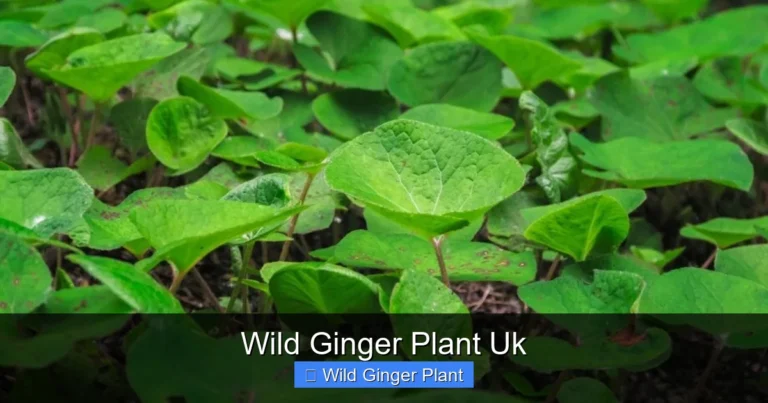
The wild ginger plant eastern washington belongs to the genus Asarum. It is a perennial herb with a creeping rhizome that stays just below the soil surface. The plant typically reaches only 10 to 20 centimeters in height. Its leaves are kidney‑shaped, glossy, and emit a faint spicy aroma when crushed.
Common Names
Locals call the wild ginger plant eastern washington by several names, including “wild ginger,” “heartleaf,” and “coltsfoot.” Each name highlights a different feature, from the leaf shape to the rhizome’s scent. Knowing these names helps you communicate with other plant enthusiasts.
Growth Habit
This wild ginger plant eastern washington spreads by rhizomes, forming loose colonies over many years. It prefers stable, undisturbed sites where leaf litter accumulates. The slow growth means a mature patch can indicate a healthy, long‑standing forest floor.
Habitat and Range in Eastern Washington
Preferred Soil and Moisture
The wild ginger plant eastern washington thrives in rich, loamy soils that retain moisture but drain well. It is commonly found near streams, seeps, and north‑facing slopes where the ground stays damp. Consistent moisture is essential for rhizome survival and leaf expansion.
Elevation and Climate
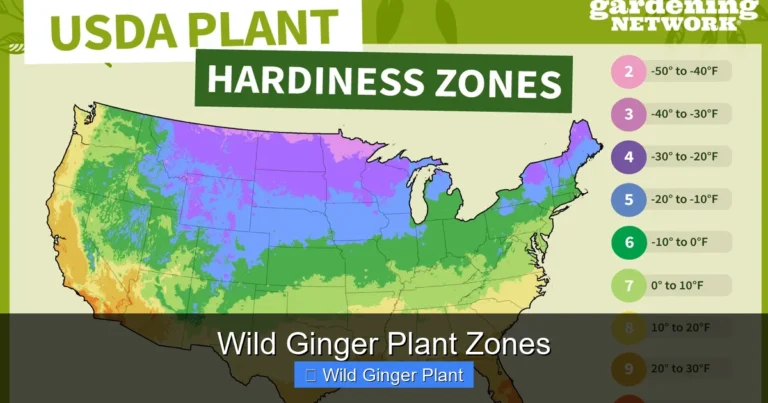
You will encounter the wild ginger plant eastern washington from low valleys up to about 1,500 meters elevation. The plant tolerates cool, wet winters and mild summers typical of the region. Microclimates created by dense canopy cover provide the shade it requires.
Associated Plant Communities
Typical neighbors of the wild ginger plant eastern washington include western redcedar, bigleaf maple, sword fern, and various mosses. These companions create a layered habitat that buffers temperature extremes and maintains humidity. Observing the community can guide you to likely locations.
Identifying Wild Ginger in the Field
Leaf Characteristics
The leaves of the wild ginger plant eastern washington are broad, heart‑shaped, and have a smooth margin. They grow in pairs on short petioles, forming a basal rosette. The upper surface is dark green and slightly shiny, while the underside is paler.
Flower Details
The flower of the wild ginger plant eastern washington is solitary, bell‑shaped, and usually hidden beneath the leaf litter. It has three purplish‑brown sepals and no petals. Blooming occurs early spring, often before the canopy fully leafs out.
Root and Rhizome Features
When you gently expose the base, you will find a thin, creeping rhizome with a distinct ginger‑like scent. The rhizome is segmented, each segment capable of producing a new shoot. This feature distinguishes the wild ginger plant eastern washington from look‑alikes.
Ecological Role and Wildlife Interactions
Pollinators
Flies and small beetles are the primary pollinators of the wild ginger plant eastern washington. The flower’s low position and faint odor attract these insects. In return, the plant receives cross‑pollination, which maintains genetic diversity.
Seed Dispersal
After fertilization, the wild ginger plant eastern washington produces a fleshy capsule that splits open. Ants carry the seeds to their nests, eating the elaiosome and discarding the seed in a nutrient‑rich environment. This myrmecochory aids colonization of new microsites.
Herbivore Relationships
Deer and elk occasionally browse the foliage of the wild ginger plant eastern washington, but the plant’s low stature and chemical compounds deter heavy grazing. Small mammals may nibble the rhizome, yet the plant’s clonal growth often compensates for loss.
Cultural Uses and Ethnobotany
Traditional Medicinal Uses
Indigenous peoples of the Pacific Northwest harvested the rhizome of the wild ginger plant eastern washington for stomach ailments, colds, and as a general tonic. They prepared decoctions or chewed fresh pieces for relief. Modern herbalists still value its mild carminative properties.
Culinary Applications
While not a substitute for tropical ginger, the wild ginger plant eastern washington adds a subtle peppery note to soups and teas. Early settlers used the rhizome to flavor stews when imported spices were scarce. Today, foragers incorporate it into wild‑crafted recipes for a local twist.
Modern Research
Recent studies examine the essential oil profile of the wild ginger plant eastern washington for antimicrobial and anti‑inflammatory activity. Preliminary results show promising compounds, but more clinical work is needed. Sustainable harvest guidelines are being developed to protect wild populations.
Growing Wild Ginger at Home
Site Selection
Choose a shaded spot that mimics the forest floor where the wild ginger plant eastern washington naturally grows. A north‑facing bed under deciduous trees works well. Ensure the site stays moist throughout the growing season.
Planting Tips
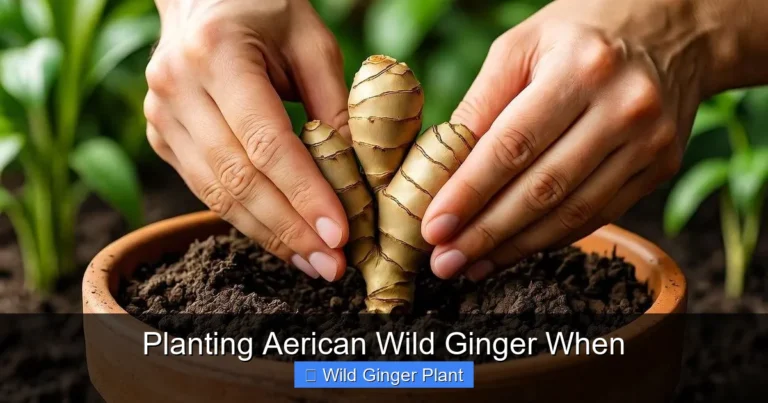
Plant rhizome segments about 2 centimeters deep, spacing them 15 centimeters apart. Mulch with leaf litter to retain moisture and suppress weeds. Water thoroughly after planting and keep the soil consistently damp.
Care and Maintenance
The wild ginger plant eastern washington requires minimal care once established. Remove invasive weeds by hand to avoid disturbing the shallow rhizomes. In autumn, add a thin layer of compost to replenish nutrients. Divide clumps every three to four years to maintain vigor.
Conservation Status and Threats
Habitat Loss
Logging, road building, and urban expansion reduce the moist, shaded forests that the wild ginger plant eastern washington depends on. Fragmented habitats limit gene flow between populations, making them more vulnerable.
Invasive Species
Non‑native plants such as English ivy and Himalayan blackberry outcompete the wild ginger plant eastern washington for light and nutrients. Their aggressive growth can smother the low‑lying herb within a few seasons.
Climate Change Impacts
Projected warmer, drier summers may lower soil moisture levels beyond the tolerance of the wild ginger plant eastern washington. Shifts in precipitation patterns could also alter the timing of flowering and pollinator availability.
Protecting the wild ginger plant eastern washington starts with awareness. When you hike through eastern Washington woods, tread lightly and avoid pulling unknown plants. Support local land trusts that conserve riparian corridors and old‑growth stands. If you cultivate this herb at home, source rhizomes from reputable nurseries that practice sustainable propagation.
By learning to recognize, appreciate, and steward the wild ginger plant eastern washington, you become part of a larger effort to keep the region’s botanical heritage alive. Whether you enjoy its subtle flavor in a tea or simply admire its hidden bloom, this modest plant offers a big connection to the land.
Frequently Asked Questions
Can wild ginger plant eastern washington be used as a substitute for culinary ginger?
It provides a similar aromatic quality but is milder; it works well in teas and light soups rather than strong Asian dishes.
Does wild ginger plant eastern washington have any toxic look‑alikes?
Some Asarum species contain aristolochic acid, which can be harmful in large amounts; proper identification is essential before consumption.
How fast does wild ginger plant eastern washington spread?
It spreads slowly, typically a few centimeters per year, forming modest colonies over decades.
What pollinators visit wild ginger plant eastern washington?
Small flies and beetles are the primary pollinators, attracted by the low, inconspicuous flower.
Is wild ginger plant eastern washington protected by law?
It is not federally listed, but some state and local regulations protect native plant communities where it occurs.
When is the best time to harvest the rhizome of wild ginger plant eastern washington?
Late summer to early fall, after the plant has stored energy, is the optimal harvest window for sustainable use.