Wild Ginger Plant Alabama
Wild ginger plant Alabama is a low‑growing native perennial that thrives in shady, moist woodlands. Its heart‑shaped leaves and hidden flowers make it a favorite for naturalized gardens.
Welcome to the complete guide on the wild ginger plant Alabama gardeners and nature lovers talk about. This native groundcover adds texture and a subtle spice scent to any shaded garden. You will learn how to identify it, where it grows, and how to care for it in your own yard.
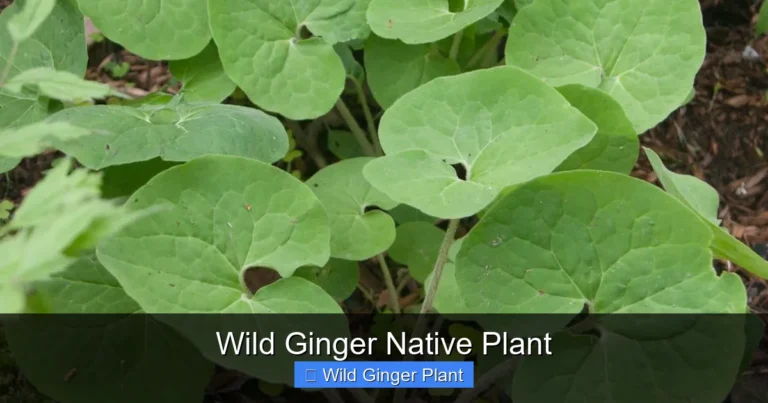
The wild ginger plant Alabama is not the culinary ginger you find in the kitchen. It belongs to the genus Asarum and produces small, jug‑shaped flowers that hide beneath its leaves. Because it spreads slowly, it creates a tidy carpet that suppresses weeds without becoming invasive.
Key Takeaways
- Native habitat: The wild ginger plant Alabama grows naturally in rich, moist forests across the state.
- Shade tolerance: It thrives in deep shade where many other plants struggle.
- Low maintenance: Once established, it needs little watering or fertilizing.
- Wildlife value: Its flowers attract small pollinators like beetles and flies.
- Propagation: Divide rhizomes in early spring for new plants.
- Companion planting: Pair it with ferns and trilliums for a woodland look.
- Legal note: Check local regulations before harvesting from public lands.
Quick Answers to Common Questions
What is the scientific name of the wild ginger plant Alabama?
The most common species is Asarum canadense, also known as Canadian wild ginger.
Can I eat the rhizome of wild ginger plant Alabama?
Yes, the rhizome has a mild ginger flavor, but it should be used sparingly and only after proper identification.
How fast does wild ginger plant Alabama spread?
It spreads slowly, forming a dense mat over several years.
Does wild ginger plant Alabama tolerate full sun?
No, it prefers deep to dappled shade and will scorch in full sun.
When is the best time to divide wild ginger plant Alabama?
Early spring, just as new growth emerges, is the ideal time for division.
📑 Table of Contents
Identification and Botany
Leaf shape and texture
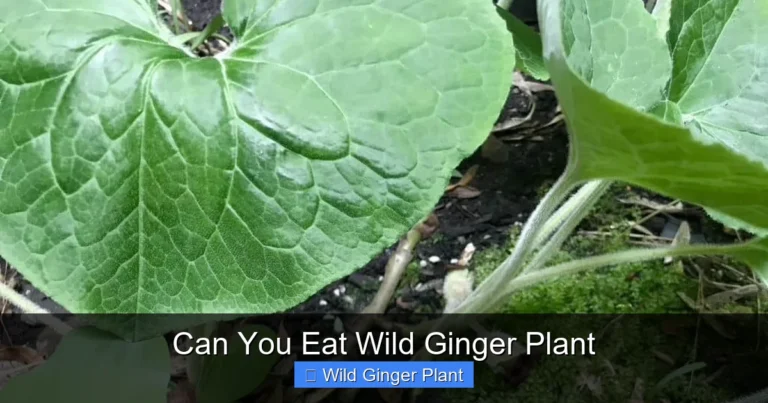
The wild ginger plant Alabama has heart‑shaped leaves that are soft to the touch. Each leaf measures two to four inches across. The upper surface is deep green while the underside is paler. The leaf margins are smooth, giving the plant a clean look.
Flower details
Flowers appear in early spring on the wild ginger plant Alabama. They are brownish‑purple and sit close to the ground. The three‑lobed calyx forms a tiny cup that protects the reproductive parts. Because the blooms are hidden, many people never notice them.
Root system
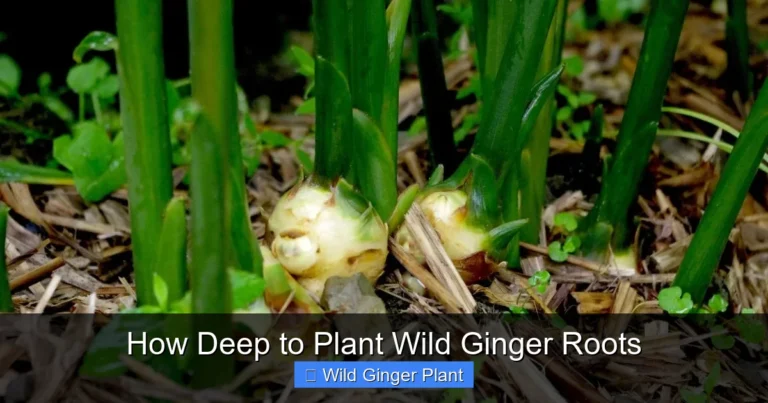
The wild ginger plant Alabama grows from a shallow rhizome that creeps just below the soil surface. This rhizome stores nutrients and allows the plant to survive dry spells. When you dig a clump, you will see a network of thin, white roots.
Seasonal changes
In winter the wild ginger plant Alabama dies back to the rhizome. New shoots emerge in March as temperatures rise. The foliage stays green through summer if moisture is adequate. Fall brings a subtle yellow tint before dormancy.
Natural Range and Habitat in Alabama
Where to find it
The wild ginger plant Alabama is most common in the northern and central counties. It prefers rich, loamy soils on north‑facing slopes. You will often see it near streams, in ravines, and under mature hardwood canopies.
Soil and moisture preferences
The wild ginger plant Alabama likes consistently moist but well‑drained soil. Heavy clay that stays soggy can cause root rot. Adding leaf mulch mimics the forest floor and keeps the rhizomes happy.
Associated plant communities
Typical companions of the wild ginger plant Alabama include Christmas fern, bloodroot, and mayapple. These species share the same shade and moisture needs. Planting them together recreates a native woodland floor.
Elevation and climate
The wild ginger plant Alabama thrives at elevations up to 1,500 feet. It tolerates the humid subtropical climate of the state. Frost periods are brief, so the rhizome rarely suffers damage.
Growing Wild Ginger Plant Alabama in the Garden
Site selection
Choose a spot that receives dappled to full shade for the wild ginger plant Alabama. Morning sun is okay, but afternoon heat will scorch the leaves. A north‑side bed under trees works perfectly.
Planting steps
1. Loosen the top six inches of soil for the wild ginger plant Alabama. 2. Mix in compost or well‑rotted leaf mold. 3. Place rhizome pieces horizontally, just below the surface. 4. Water gently to settle the soil. 5. Mulch with shredded leaves to retain moisture.
Watering and fertilizing
Keep the soil evenly moist during the first growing season for the wild ginger plant Alabama. After establishment, the wild ginger plant Alabama tolerates short dry periods. A light application of balanced organic fertilizer in early spring boosts vigor.
Maintenance tips
Remove any dead foliage of the wild ginger plant Alabama in late winter. Divide clumps every three to four years to prevent overcrowding. Watch for slugs; they love the tender leaves. Hand‑pick or use copper tape around the bed.
Companion planting ideas
Pair the wild ginger plant Alabama with native ferns, trilliums, and foamflower. These companions enjoy the same shade and moisture. The combination creates a layered, naturalistic look.
Propagation Methods
Division
Division is the easiest way to increase your stock of the wild ginger plant Alabama. In early spring, lift a mature clump with a garden fork. Separate the rhizomes into sections, each with at least one growing point. Replant immediately at the same depth.
Seed sowing
Seeds of the wild ginger plant Alabama require a period of cold stratification. Collect ripe capsules in late summer, clean the seeds, and store them in moist sand in the refrigerator for 60 days. Sow in a shaded seed tray and keep moist. Germination can take several weeks.
Root cuttings
Take 2‑inch rhizome pieces of the wild ginger plant Alabama in autumn. Lay them horizontally in a pot of moist peat‑perlite mix. Cover lightly and keep in a cool, shaded location. New shoots appear in spring.
Layering
Layering works well for the wild ginger plant Alabama. Pin a low‑growing stem to the soil with a U‑shaped wire. Cover the pinned section with soil and keep moist. Roots form in a few weeks, then sever the new plant.
Ecological Benefits and Uses
Pollinator support
The hidden flowers of the wild ginger plant Alabama attract tiny beetles and flies. These insects are early‑season pollinators for many woodland plants. By growing this species, you help sustain a diverse insect community.
Soil stabilization
The creeping rhizomes of the wild ginger plant Alabama bind loose soil on slopes. This reduces erosion after heavy rains. In restoration projects, the plant is often used to re‑vegetate disturbed forest floors.
Traditional uses
Indigenous peoples used the rhizome of the wild ginger plant Alabama as a mild flavoring and for medicinal teas. Modern herbalists sometimes employ it for digestive comfort. Always consult a qualified practitioner before ingesting any wild plant.
Garden aesthetics
The wild ginger plant Alabama adds a lush, green carpet that softens hard edges. Its foliage stays attractive through the growing season. The subtle fragrance released when leaves are brushed adds sensory interest.
Common Problems and Solutions
Leaf scorch
Too much direct sun causes brown edges on the wild ginger plant Alabama. Move the plant to deeper shade or add a shade cloth during peak summer.
Root rot
Waterlogged soil leads to mushy rhizomes of the wild ginger plant Alabama. Improve drainage by amending with coarse sand or planting on a slight mound.
Pest pressure
Slugs and snails are the main pests of the wild ginger plant Alabama. Beer traps, diatomaceous earth, or hand‑picking at night keep damage low.
Fungal spots
Occasional leaf spots appear on the wild ginger plant Alabama in humid weather. Remove affected leaves and improve air circulation by thinning nearby plants.
Nutrient deficiency
Yellowing leaves may signal nitrogen shortage for the wild ginger plant Alabama. Apply a light side‑dressing of compost in early summer.
Conclusion
The wild ginger plant Alabama is a versatile, low‑maintenance native that brings quiet beauty to shaded gardens. Its attractive foliage, hidden flowers, and ecological value make it a smart choice for anyone wanting a natural woodland feel. By following the planting and care tips in this guide, you can enjoy a thriving patch for years to come. Happy gardening!
Frequently Asked Questions
Is wild ginger plant Alabama deer resistant?
Yes, the plant’s aromatic foliage usually deters deer browsing.
Can wild ginger plant Alabama be grown in containers?
It can be grown in a large, shaded container with rich, moist potting mix, but it prefers in‑ground planting.
What soil pH does wild ginger plant Alabama prefer?
It thrives in slightly acidic to neutral soil, pH 5.5 to 7.0.
How do I protect wild ginger plant Alabama from winter cold?
A thick layer of leaf mulch insulates the rhizomes; no extra covering is needed in Alabama’s climate.
Are there any look‑alike plants that are toxic?
Some Asarum species contain aristolochic acid; always confirm identification before any medicinal use.
Where can I buy wild ginger plant Alabama locally?
Native plant nurseries, botanical garden sales, and online native plant retailers often carry it.