Wild Ginger Garden Plant
Wild ginger garden plant varieties are exceptional shade-loving perennials that thrive where other plants struggle. These low-maintenance natives offer beautiful heart-shaped foliage, unique flowers, and excellent ground cover for woodland gardens.
If you have a shady corner in your yard where grass refuses to grow and hostas look tired, let me introduce you to a game-changer. The wild ginger garden plant might be exactly what you need. This unassuming native perennial has been quietly thriving in North American woodlands for thousands of years. Now gardeners are rediscovering its quiet charm and remarkable toughness.
Unlike its tropical namesake used in cooking, this plant belongs to an entirely different family. It earns the name “ginger” from its aromatic rhizomes that smell distinctly spicy when crushed. But the real appeal lies in its ability to form a lush, weed-suppressing carpet in the darkest corners of your landscape. Let me walk you through everything you need to know about growing this woodland treasure.
Key Takeaways
- Shade tolerance: Wild ginger thrives in deep to partial shade, making it perfect for woodland gardens and north-facing beds.
- Low maintenance: Once established, these plants require minimal care and are naturally pest-resistant.
- Native benefits: As native perennials, they support local ecosystems and pollinators while needing less water than non-natives.
- Ground cover excellence: Dense, spreading habit creates living mulch that suppresses weeds and retains soil moisture.
- Unique flowers: Hidden jug-shaped blooms appear at ground level in spring, pollinated by beetles and flies.
- Deer resistant: Aromatic foliage naturally deters browsing deer and rabbits from your garden beds.
- Medicinal history: Indigenous peoples used root rhizomes for flavoring and traditional remedies, though modern use requires caution.
Quick Answers to Common Questions
Is wild ginger the same as culinary ginger?
No, wild ginger (Asarum species) is completely unrelated to culinary ginger (Zingiber officinale). They share only a similar fragrance from their rhizomes.
How fast does wild ginger spread?
Wild ginger spreads slowly, typically 6-12 inches per year via underground rhizomes. It forms a dense colony over 3-5 years.
Can wild ginger grow in full sun?
No, wild ginger requires shade to partial shade. Full sun causes leaf scorch and decline, even with ample moisture.
Is wild ginger deer resistant?
Yes, the aromatic foliage contains compounds that deter deer and rabbits, making it highly resistant to browsing.
When should I divide wild ginger plants?
Divide wild ginger in early spring before new growth emerges or in early fall. Every 3-5 years maintains vigor.
📑 Table of Contents
- Understanding Wild Ginger Basics
- Choosing the Right Species for Your Garden
- Site Selection and Soil Preparation
- Planting and Establishment
- Ongoing Care and Maintenance
- Troubleshooting Common Issues
- Creative Uses in the Landscape
- Historical Uses and Modern Cautions
- Designing With Wild Ginger Year-Round
- Advanced Growing Techniques
- Conclusion
Understanding Wild Ginger Basics
What Exactly Is Wild Ginger
Wild ginger refers to several species in the genus Asarum, part of the birthwort family Aristolochiaceae. Despite the common name, these plants share no botanical relationship with culinary ginger (Zingiber officinale). The name comes from the ginger-like fragrance released when you scratch or crush the underground stems.
Most species native to eastern North America include Asarum canadense (Canadian wild ginger) and Asarum caudatum (western wild ginger). European gardeners often grow Asarum europaeum. All share similar growth habits: low, spreading mats of kidney- or heart-shaped leaves that emerge in early spring and persist until frost.
Why Gardeners Love This Plant
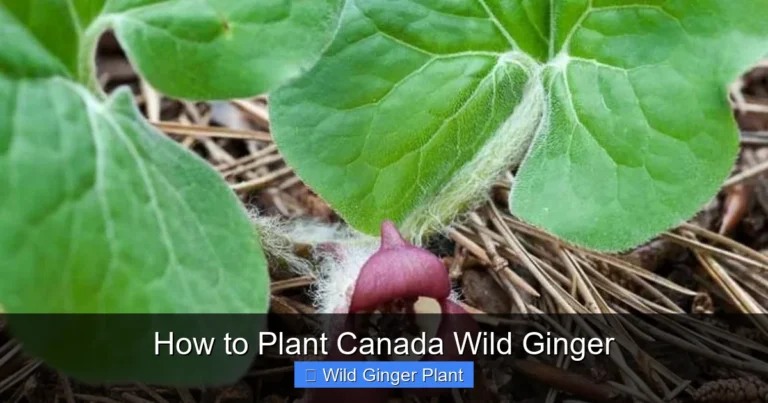
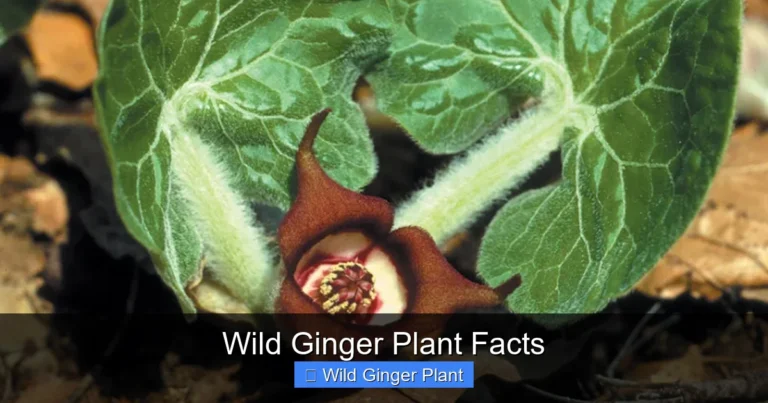
The appeal goes beyond simple shade tolerance. A wild ginger garden plant creates living mulch that eliminates the need for wood chips or bark. The dense foliage shades out weed seeds while keeping soil cool and moist. In spring, curious jug-shaped flowers hide beneath the leaves at ground level. These unusual blooms range from purplish-brown to greenish-yellow depending on species.
Pollination ecology makes this plant fascinating. The flowers emit a faint fungal odor that attracts tiny flies and beetles. These insects crawl inside, get dusted with pollen, and carry it to the next flower. It’s a primitive but effective system that’s worked for millions of years.
Native Range and Habitat
Canadian wild ginger naturally occurs from Manitoba east to the Maritime provinces, south through New England, the Great Lakes region, and down the Appalachians to Georgia and Alabama. Western wild ginger inhabits coastal forests from British Columbia to California. Both prefer rich, moist deciduous woods with deep leaf litter.
Understanding the native habitat tells you exactly what this plant wants in your garden. Think forest floor conditions: dappled to deep shade, humus-rich soil, consistent moisture, and a thick layer of decomposing leaves. Recreate these conditions and your plants will thrive with minimal intervention.
Choosing the Right Species for Your Garden
Canadian Wild Ginger (Asarum canadense)
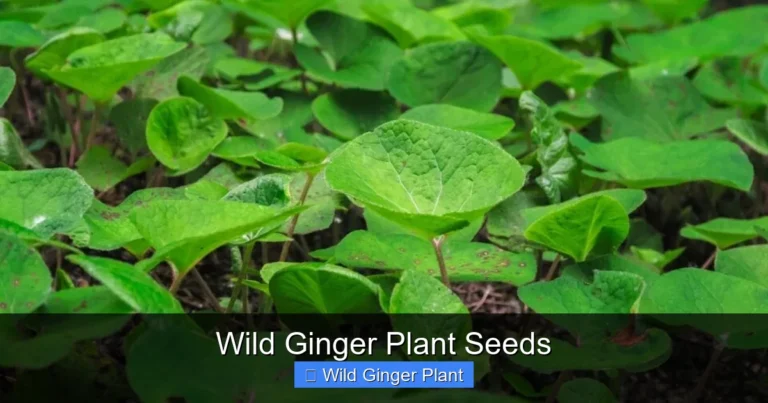
This is the most widely available and adaptable species for eastern and midwestern gardens. Large, soft, heart-shaped leaves reach six to eight inches across. The foliage stays fresh-looking all season in adequate moisture. Flowers are purplish-brown, about an inch wide, appearing in April to May.
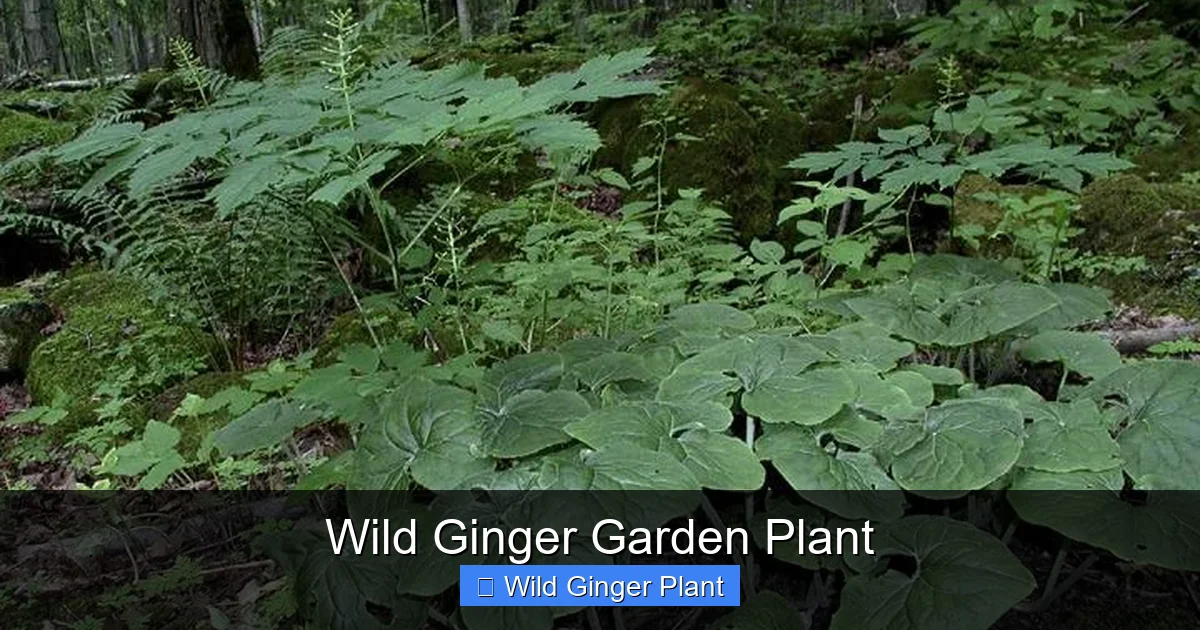
Visual guide about Wild Ginger Garden Plant
Image source: garden.org
Canadian wild ginger spreads steadily by rhizomes to form colonies two to three feet wide over several years. It’s hardy in USDA zones 4 through 7, possibly zone 3 with good snow cover. This species tolerates more sun than others if soil stays consistently moist, making it versatile for woodland edges.
Western Wild Ginger (Asarum caudatum)
Gardeners in the Pacific Northwest and coastal regions should consider this evergreen species. Leaves are more kidney-shaped than heart-shaped, with a glossy, leathery texture that persists through winter. The flowers are distinctive: three long, tapering “tails” extend from the calyx, giving the species name “caudatum” (tailed).
This species prefers cooler summers and milder winters, thriving in zones 6 through 9. It spreads more slowly than its eastern cousin but forms equally dense mats. The evergreen foliage provides winter interest when most shade plants have disappeared.
European Wild Ginger (Asarum europaeum)
This species offers the shiniest foliage of the group. Leaves are smaller, deeply kidney-shaped, and incredibly glossy – almost waxy in appearance. It’s evergreen in mild climates but may lose leaves in harsh winters. Flowers are small, greenish-purple, and easily overlooked.
European wild ginger grows slower than North American species, making it better behaved for small spaces. It’s hardy in zones 4 through 8. Many gardeners consider this the most ornamental species purely for foliage quality. Several cultivars exist, including ‘Album’ with white-veined leaves.
Lesser-Known Species Worth Seeking
Specialty nurseries offer gems like Asarum maximum (giant wild ginger) with huge leaves and showy white-centered flowers. Asarum splendens (Chinese wild ginger) features silver-mottled foliage that lights up dark corners. Asarum arifolium (arrow-leaf ginger) has distinctly pointed, often silver-patterned leaves.
These specialty species often command higher prices but add unique texture to shade gardens. Most share the same basic cultural requirements. Research hardiness zones carefully before investing, as some Asian species are less cold-tolerant.
Site Selection and Soil Preparation
Light Requirements Decoded
When plant tags say “shade,” they usually mean dappled light or morning sun. Wild ginger prefers deeper shade than most garden plants. Ideal sites receive no direct afternoon sun. North sides of buildings, under mature deciduous trees, or beneath dense evergreen canopies work perfectly.
Morning sun is tolerable if soil moisture remains constant. In cooler climates (zones 4-5), plants handle more light than in hot southern zones. Watch for leaf scorch – brown, crispy edges indicate too much sun. If this happens, transplant to a shadier spot in early fall.
Soil Conditions for Success
The perfect soil mimics forest humus: rich in organic matter, moisture-retentive but well-drained, slightly acidic (pH 5.5-6.5). Heavy clay works if amended generously with compost. Sandy soil needs organic matter to hold moisture. The key is consistent dampness – never bone dry, never waterlogged.
Before planting, work two to three inches of compost, leaf mold, or well-rotted manure into the top six inches of soil. This mimics the natural duff layer. Avoid fresh manure or hot compost that can burn delicate roots. A soil test helps determine if pH adjustment is needed.
Moisture Management Strategies
Consistent moisture is non-negotiable for a thriving wild ginger garden plant. These plants have shallow rhizomes that dry out quickly. Mulch heavily with shredded leaves, pine needles, or bark fines to a depth of two to three inches. This mimics natural leaf litter and reduces watering frequency.
Install soaker hoses or drip irrigation for efficient watering. Overhead watering encourages slugs and fungal issues. Water deeply once or twice weekly during dry spells rather than frequent light sprinkling. The goal is evenly moist soil several inches down.
Companion Planting Ideas
Wild ginger plays well with other shade natives. Pair with ferns like maidenhair, Christmas fern, or lady fern for texture contrast. Spring ephemerals (trillium, bloodroot, Virginia bluebells) bloom before ginger foliage reaches full size. Hostas, foamflower, and woodland phlox create season-long interest.
Avoid aggressive spreaders like English ivy, vinca, or goutweed that will overwhelm the slower ginger. Also skip plants needing dry shade – wild ginger’s moisture needs are incompatible. Think woodland community, not mixed border.
Planting and Establishment
When to Plant
Early spring and early fall are ideal planting windows. Spring planting (April-May) allows roots to establish before summer heat. Fall planting (September-October) gives roots a head start before winter. Avoid summer planting unless you can provide constant attention and shade cloth.
Container-grown plants can go in anytime the ground isn’t frozen, but spring and fall reduce transplant shock. Bare-root divisions should only be planted during dormancy (late fall to early spring). Potted plants from nurseries are most forgiving for beginners.
Spacing and Layout
Space plants twelve to eighteen inches apart for ground cover. Closer spacing (twelve inches) fills in faster but costs more. Wider spacing (eighteen inches) saves money but takes an extra year to close gaps. For specimen plantings or mixed borders, give each plant two to three feet of eventual spread room.
Plant in drifts or colonies rather than single rows. Odd-numbered groups (3, 5, 7) look more natural. Stagger plants in a triangular pattern for fastest coverage. Consider mature spread when planting near paths or bed edges – rhizomes will creep.
Planting Technique Step by Step
Dig holes twice as wide as the root ball but no deeper. Loosen the hole bottom and sides with a fork. If roots are circling, gently tease them outward. Place the plant so the rhizome sits just below soil surface – too deep causes rot, too high causes drying.
Backfill with amended soil, firming gently to eliminate air pockets. Water thoroughly to settle soil around roots. Apply two inches of mulch, keeping it away from the crown. Label each plant or group. Water daily for the first week, then every other day for two weeks, then transition to weekly deep watering.
First Year Care Essentials
The establishment year determines long-term success. Never let soil dry out completely. Weed carefully by hand – shallow rhizomes are easily damaged by tools. Don’t fertilize the first year; the planting amendment provides enough nutrients.
Expect minimal top growth the first season as energy goes to root development. Some leaf yellowing in late summer is normal. Remove only completely dead foliage. Winter protection isn’t needed in hardiness zones, but a light leaf mulch helps in zone 4.
Ongoing Care and Maintenance
Watering Mature Plants
Established wild ginger tolerates brief dry spells but performs best with consistent moisture. During drought, water deeply once weekly. The large leaf surface area transpires significant water. Mulch maintenance is critical – replenish annually as it decomposes.
Signs of water stress include wilting (even in shade), leaf curling, and brown crispy margins. Recovery is quick if caught early. Chronic drought stress leads to reduced spread, smaller leaves, and increased pest susceptibility. Invest in a rain gauge to monitor natural precipitation.
Fertilization Philosophy
Less is more. In rich woodland soil, no fertilizer is needed. In poorer soils, apply a slow-release organic fertilizer (like 5-5-5) at half rate in early spring. Alternatively, top-dress with an inch of compost or leaf mold annually. This feeds soil life which feeds plants.
Avoid high-nitrogen fertilizers that promote lush, weak growth susceptible to slugs and disease. Never fertilize after July – plants need to harden off for winter. A wild ginger garden plant in proper soil essentially fertilizes itself through leaf litter decomposition.
Division and Propagation
Divide clumps every three to five years in early spring or fall to rejuvenate and multiply plants. Dig the entire clump, wash off soil to see rhizome structure. Cut or pull apart sections with healthy roots and at least one growing point. Replant immediately at same depth.
Seed propagation is possible but slow. Collect seeds when capsules split in summer. Sow fresh in pots, keep moist and cool. Germination takes one to two years. Seedlings take three to four years to reach flowering size. Division is far more practical for gardeners.
Seasonal Cleanup
In late fall, after hard frost, you can remove tattered foliage. However, leaving leaves provides winter insulation and habitat for beneficial insects. In spring, gently rake off matted leaves before new growth emerges. Be careful not to damage emerging shoots.
Evergreen species (western and European) need only dead leaf removal in spring. Don’t cut back green foliage. The previous year’s leaves photosynthesize early before new ones expand. This gives evergreen species a growth advantage in spring.
Troubleshooting Common Issues
Pest Problems and Solutions
Slugs and snails are the primary pests, especially in wet springs. They love the tender new leaves. Beer traps, copper tape, diatomaceous earth, and iron phosphate baits all help. Encourage natural predators: ground beetles, toads, and birds. Avoid metaldehyde baits – toxic to pets and wildlife.
Spider mites occasionally appear during hot, dry spells, especially on plants getting too much sun. Strong water spray dislodges them. Insecticidal soap works for heavy infestations. Improve air circulation and moisture to prevent recurrence.
Root knot nematodes can affect plants in sandy soils. Symptoms include stunted growth, wilting despite moisture, and galled roots. Solarize soil before planting in known infested areas. Rotate with nematode-resistant plants. This is rarely a problem in rich, organic soils.
Disease Management
Crown rot (Phytophthora, Pythium) occurs in poorly drained soil or excessive mulch against crowns. Prevention: ensure drainage, don’t overmulch, avoid overhead watering. Once infected, plants rarely recover. Remove and destroy affected plants. Improve drainage before replanting.
Leaf spot fungi (Alternaria, Cercospora) cause brown spots with yellow halos. Usually cosmetic, not fatal. Remove affected leaves. Improve air circulation. Avoid wetting foliage. Copper fungicides as last resort. Healthy plants in good conditions rarely suffer serious disease.
Virus diseases (transmitted by aphids) cause mottled, distorted leaves. No cure exists. Remove and destroy infected plants. Control aphids. Buy certified virus-free stock. This is uncommon in wild ginger but possible.
Environmental Stress Signs
Sun scorch: bleached, crispy leaf edges. Move to shadier location. Winter burn on evergreens: brown, desiccated leaves from wind and sun on frozen ground. Apply anti-desiccant spray in late fall. Provide windbreak. Site evergreens where snow cover is reliable.
Drought stress: wilting, leaf curl, premature yellowing. Water deeply. Mulch heavily. Consider installing irrigation. Nutrient deficiency: yellowing between veins (iron), purple tints (phosphorus), stunted growth (nitrogen). Soil test before treating. Usually solved by compost top-dressing.
When Plants Don’t Spread
Slow spread usually indicates suboptimal conditions. Check: too much sun? too dry? too acidic/alkaline? compacted soil? competition from tree roots? Address the limiting factor. Sometimes patience is needed – some sites just support slower growth.
Tree root competition is a common hidden issue. Large trees consume massive water and nutrients. Solutions: supplemental watering, fertilizing, or accepting slower growth. Alternatively, plant in containers sunk into the ground to create a root-free zone.
Creative Uses in the Landscape
Woodland Garden Foundation
Use wild ginger as the living carpet beneath native trees and shrubs. It unifies the plantings, suppresses weeds, and provides continuous green presence. Combine with different heights: canopy trees, understory trees, shrubs, perennials, then ginger ground layer. This mimics natural forest structure.
In existing woods, plant ginger in pockets where invasives have been removed. It helps prevent reinvasion. Don’t plant in pristine natural areas – stick to disturbed zones. A wild ginger garden plant excels at ecological restoration in degraded woodlands.
Shade Border Edging
Line shady paths and bed edges with a ribbon of wild ginger. The consistent foliage creates a clean, formal edge that softens hardscapes. Unlike boxwood or liriope, it needs no shearing. The soft texture invites touch. Plant twelve inches from the edge to allow spread without encroachment.
For a more natural look, let it drift irregularly along the border. Mix with other low shade plants: barrenwort, foamflower, dwarf crested iris. The ginger provides the constant green thread tying the composition together.
Container and Trough Gardens
Wild ginger thrives in containers with proper drainage and moisture-retentive mix. Use wide, shallow pots – rhizomes spread horizontally. Mix: two parts quality potting soil, one part compost, one part fine bark. Mulch surface with fine gravel or moss.
Containers allow enjoyment on shaded patios, balconies, and entryways. Overwinter in place in zones 6+. In colder zones, move to unheated garage or bury pot in ground. Water monthly during winter dormancy. Repot every two to three years in spring.
Rain Garden and Swale Plantings
While not a wetland plant, wild ginger handles periodic saturation if drainage follows. Plant on rain garden edges (not the deepest part) where soil stays moist but not flooded. The dense roots stabilize soil and filter runoff.
In bioswales, plant on side slopes above the flow line. Combine with other moisture-tolerant shade plants: cardinal flower, swamp milkweed, sensitive fern. The ginger provides the low, evergreen (or semi-evergreen) base layer.
Erosion Control on Shady Slopes
Rhizomatous spread makes wild ginger effective for holding shady banks. Plant in staggered rows across the slope. Use erosion control fabric on steep grades, planting through slits. Mulch heavily with straw or wood fiber until established.
Combine with deeper-rooted shrubs (spicebush, witch hazel) and grasses (river oats, bottlebrush grass) for complete slope stabilization. The ginger covers ground between woody plants. Avoid planting on slopes exceeding 45 degrees without professional engineering.
Historical Uses and Modern Cautions
Indigenous Knowledge
Numerous Native American tribes used wild ginger rhizomes as flavoring, medicine, and ceremonial plant. The Omaha, Ponca, and Winnebago used root tea for digestive issues, colds, and fevers. The Cherokee applied poultices for headaches and chest pains. The Iroquois used it as a general tonic.
Early European settlers adopted these uses, calling it “colic root” and “Indian ginger.” It appeared in the US Pharmacopeia from 1820 to 1882. The aromatic rhizomes were candied, made into syrup, and used to flavor beer. This history reflects deep ecological knowledge.
Chemical Composition and Safety
Here’s the critical modern caution: wild ginger contains aristolochic acid, a compound linked to kidney damage and cancer with prolonged use. The FDA warns against consuming any Aristolochiaceae family plants. Concentrations vary by species, plant part, and growing conditions.
Canadian wild ginger (Asarum canadense) generally has lower levels than some Asian species. However, no safe consumption level is established. The traditional preparation methods (long boiling, combining with other herbs) may have reduced risk, but modern science advises avoidance.
Safe Modern Applications
Enjoy wild ginger for its ornamental and ecological value, not culinary or medicinal use. The fragrance when working with plants is delightful and safe. Dried leaves in potpourri pose minimal risk. Root divisions shared with friends carry on the planting tradition.
If you want ginger flavor, grow culinary ginger (Zingiber officinale) in pots or buy organic ginger root. For medicinal ginger benefits, use standardized supplements from reputable sources. Respect the plant’s power – admire it, don’t consume it.
Ethical Harvesting and Conservation
Never dig wild ginger from natural areas. Populations recover slowly from harvest. Many states list it as exploitably vulnerable or threatened. Purchase only nursery-propagated plants from reputable sources. Ask about propagation methods.
If you have a large colony, share divisions responsibly. Don’t sell wild-collected material. Support native plant nurseries that practice sustainable propagation. Your garden can be a conservation reservoir for this valuable native species.
Designing With Wild Ginger Year-Round
Spring Awakening
Early spring brings the most dramatic show. Fresh leaves unfurl like dark green umbrellas. Hidden flowers appear at soil level – get down on hands and knees to appreciate them. Pair with early bulbs: snowdrops, winter aconite, species crocus. The ginger foliage hides dying bulb foliage later.
Spring ephemerals (trillium, bloodroot, trout lily) bloom through the ginger carpet. Their brief show completes before ginger reaches full size. This succession creates months of interest from a single planting area. Plan for this layering when designing new beds.
Summer Steadiness
Summer is when wild ginger earns its keep. While other shade plants wilt or go dormant, ginger maintains a cool green carpet. The large leaves suppress weeds effectively. Minimal maintenance needed – just water during drought. Enjoy the texture contrast with ferns and hostas.
Watch for seed capsules forming where flowers were. They’re interesting but not showy. Ants disperse seeds (myrmecochory) – you might find seedlings appearing feet away. This natural spread is slow but delightful when it happens.
Autumn Transition
In cooler climates, foliage may yellow in October. This is normal senescence, not disease. Leave leaves to decompose in place – they feed next year’s growth. In warmer zones, foliage stays green until hard frost. Evergreen species remain attractive all winter.
Fall is ideal for planting, dividing, and mulching. Add a fresh layer of shredded leaves. Plant spring bulbs among the ginger – the emerging ginger foliage will hide bulb foliage later. Mark plant locations if dividing in fall.
Winter Structure
Deciduous species disappear completely, leaving only the mulch layer. This is fine – they’re storing energy underground. Evergreen species (western, European) provide rare winter green in shade gardens. Their glossy leaves catch winter light beautifully.
Snow cover insulates rhizomes perfectly. In areas with unreliable snow, apply evergreen boughs or straw after ground freezes. Remove in early spring. Winter is planning time – sketch next year’s additions, order plants, dream of spring.
Advanced Growing Techniques
Creating a Wild Ginger Nursery Bed
Dedicate a shaded bed to growing divisions for future projects. Plant mother plants eighteen inches apart. Mulch heavily. Water consistently. Harvest divisions annually from the edges. This provides free plants for expansion or sharing.
Nursery beds also serve as genetic reservoirs. If a cultivar performs exceptionally, propagate it vegetatively to preserve traits. Label everything. Keep records of source, planting date, and performance notes. This builds your personal germplasm collection.
Integrating With Hardscapes
Plant wild ginger in pockets of stone walls, between pavers, around tree bases in mulch rings. The shallow roots don’t damage structures. Use soil pockets at least six inches deep. Choose spots with natural runoff for moisture.
In Japanese-style gardens, wild ginger mimics the mossy ground layer. Combine with ferns, Japanese forest grass, and carefully placed stones. The effect is ancient and serene. Maintenance is minimal – perfect for meditation gardens.
Green Roof and Living Wall Applications
On shallow green roofs (four to six inches substrate), wild ginger survives in shade sections. Its drought tolerance once established suits roof conditions. Use extensive green roof mix with high mineral content. Irrigate establishment year only.
Living walls in shade can incorporate wild ginger in pocket systems. The horizontal rhizomes adapt to vertical orientation. Ensure consistent moisture delivery. This is experimental – start small and monitor. The effect is uniquely lush.
Citizen Science and Monitoring
Track flowering dates, pollinator visits, spread rates. Contribute to phenology networks like Nature’s Notebook. Monitor for climate change responses. Your garden data helps scientists understand native plant adaptations.
Photograph the same clump annually from a fixed point. Create a time-lapse of colony expansion. Note which insects visit flowers. Share observations with local native plant societies. Gardeners are frontline observers of ecological change.
Conclusion
Growing a wild ginger garden plant connects you to ancient woodland rhythms. This humble perennial asks for so little – shade, moisture, patience – and gives so much: weed suppression, erosion control, pollinator support, four-season beauty, and a living link to the land’s history. Whether you’re carpeting a shady acre or filling a single container, you’re participating in ecological restoration at the most intimate scale.
Start with a few plants in the right spot. Watch them. Learn their rhythms. Share divisions with neighbors. Before long, you’ll wonder how you gardened without this quiet woodland companion. The best gardens grow not just plants, but relationships – with soil, with seasons, with the native communities that sustained this continent long before us. Wild ginger invites you into that relationship, one heart-shaped leaf at a time.
Your shade garden’s transformation begins with a single planting. The carpet spreads. The weeds retreat. The soil builds. The woodland returns, in miniature, right outside your door. That’s the wild ginger promise – and it delivers, silently, steadily, beautifully, for decades to come.
Frequently Asked Questions
What soil conditions does wild ginger prefer?
Wild ginger thrives in rich, moist, well-drained soil with high organic matter content and slightly acidic pH (5.5-6.5). It mimics forest floor conditions with consistent moisture and a thick layer of decomposing leaf litter.
How do I propagate wild ginger from seed?
Collect seeds when capsules split in summer and sow fresh in pots. Keep moist and cool. Germination takes 1-2 years, and seedlings need 3-4 years to reach flowering size. Division is much faster.
Why are my wild ginger leaves turning yellow?
Yellowing can indicate drought stress, nutrient deficiency, too much sun, or natural fall senescence. Check soil moisture first, then consider a soil test if watering is adequate.
Can I eat wild ginger from my garden?
Wild ginger contains aristolochic acid, which is linked to kidney damage and cancer. The FDA advises against consuming any Aristolochiaceae plants. Enjoy it ornamentally only.
What plants pair well with wild ginger?
Excellent companions include ferns (maidenhair, Christmas fern), spring ephemerals (trillium, bloodroot), foamflower, woodland phlox, and hostas. Avoid aggressive spreaders like English ivy.
How do I control slugs on wild ginger?
Use beer traps, copper tape, diatomaceous earth, or iron phosphate baits. Encourage natural predators like ground beetles and toads. Avoid metaldehyde baits which harm pets and wildlife.