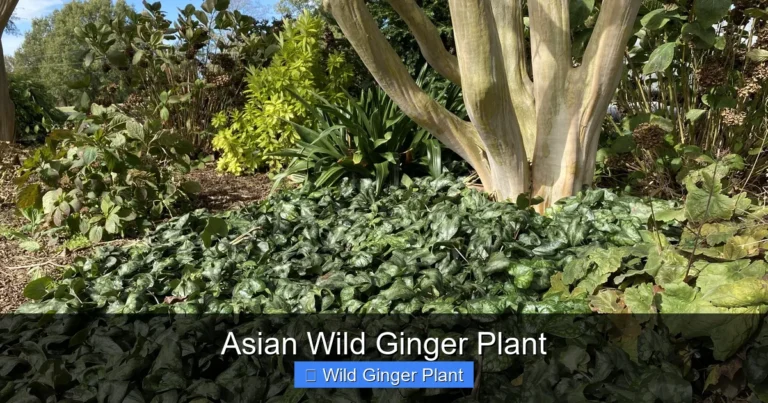
Wild Ginger Edible Plants
Wild ginger edible plants are native woodland perennials with heart-shaped leaves and hidden bell-shaped flowers. The rhizomes offer a spicy, ginger-like flavor perfect for teas, syrups, and savory dishes. Proper identification is essential since toxic lookalikes exist in the same habitats.
Walking through a damp deciduous forest in early spring, you might notice pairs of velvety heart-shaped leaves hugging the ground. Push aside the leaf litter at their base, and you’ll discover a strange, jug-shaped flower the color of burgundy wine. Crush a leaf between your fingers, and a warm, spicy aroma rises — unmistakably ginger-like yet distinctly wild. You’ve found wild ginger edible plants, one of North America’s most intriguing native forest foods.
For centuries, Indigenous peoples across the continent harvested these rhizomes for food and medicine. Early European settlers learned from them, adopting wild ginger as a substitute for the tropical spice that was expensive and hard to obtain. Today, foragers and chefs are rediscovering this woodland treasure. But wild ginger demands respect. It grows slowly. It has toxic lookalikes. And it contains compounds that require moderation. This guide covers everything you need to know — from positive identification to sustainable harvest, from kitchen preparation to safety considerations.
Key Takeaways
- Two main species exist: Asarum canadense (North American wild ginger) and Asarum europaeum (European wild ginger) are the primary edible varieties foragers seek.
- Rhizomes provide the flavor: The underground stems contain aromatic compounds similar to culinary ginger but with earthier, more complex notes.
- Identification requires attention to detail: Heart-shaped leaves in pairs, solitary jug-shaped flowers at ground level, and a distinct ginger scent when crushed confirm the plant.
- Sustainable harvesting protects populations: Take only 10-15% of a patch, leave the oldest rhizomes, and replant root crowns to ensure regrowth.
- Moderation is crucial for safety: Wild ginger contains aristolochic acid; limit consumption to occasional culinary use rather than daily medicinal doses.
- Culinary versatility shines: Use fresh or dried rhizomes in teas, syrups, marinades, baked goods, and as a seasoning for meats and vegetables.
- Habitat knowledge improves success: Look in rich, moist deciduous forests with dappled shade, often near streams or on north-facing slopes.
Quick Answers to Common Questions
Can you eat wild ginger raw?
Yes, the rhizomes can be eaten raw in small amounts. They have a crisp texture and intense ginger flavor. However, cooking mellows the heat and reduces aristolochic acid content slightly. Most culinary uses involve heating.
How do you tell wild ginger from poisonous lookalikes?
Check for the distinctive ginger scent when crushing leaves or rhizomes. Wild ginger has paired heart-shaped leaves, a solitary ground-level jug-shaped flower with three lobes, and creeping rhizomes with a reddish-brown skin. Toxic lookalikes lack the strong ginger aroma.
Is wild ginger related to store-bought ginger?
No. Wild ginger (Asarum species) belongs to the birthwort family (Aristolochiaceae). Culinary ginger (Zingiber officinale) is in the ginger family (Zingiberaceae). They’re botanically unrelated but share similar aromatic compounds, creating convergent flavor profiles.
How much wild ginger is safe to eat?
Occasional culinary use — a few grams of fresh rhizome per week — is considered low risk for healthy adults. Avoid daily consumption, medicinal doses, or use during pregnancy. People with kidney conditions should avoid it entirely.
When is the best time to harvest wild ginger?
Early spring (before leaf-out) for tender rhizomes, or late fall (after leaf drop) for larger, starchier rhizomes. Both windows allow sustainable harvest. Avoid summer when the plant is actively growing and most vulnerable.
📑 Table of Contents
- Understanding Wild Ginger Species
- Positive Identification: The Forager’s First Rule
- Habitat and Distribution: Where to Find Wild Ginger
- Sustainable Harvesting Practices
- Culinary Uses: From Forest to Table
- Safety, Toxicity, and Responsible Use
- Growing Your Own Wild Ginger Patch
- Wild Ginger in Traditional and Modern Contexts
- Conclusion
Understanding Wild Ginger Species
North American Wild Ginger (Asarum canadense)
This is the species most foragers encounter in eastern and central North America. It thrives from Manitoba to Nova Scotia, south to Georgia and west to Missouri. The plant forms dense colonies in rich mesic forests. Each plant produces two kidney-to-heart-shaped leaves per year, soft and downy to the touch. The solitary flower sits at ground level on a short stalk, often hidden beneath leaf litter. It’s pollinated by early spring flies and beetles attracted to its carrion-like appearance and scent.
The rhizomes creep horizontally just below the soil surface, forming interconnected mats. They’re slender — typically pencil-thick — with a reddish-brown exterior and creamy white interior. When snapped, they release that characteristic ginger aroma. The flavor is warm, peppery, and slightly sweet with earthy undertones. Many foragers find it more complex than store-bought ginger.
European Wild Ginger (Asarum europaeum)
Introduced from Europe and now naturalized in parts of the Northeast, this species looks similar but has glossier, more leathery leaves that are evergreen in mild winters. The flowers are nearly identical. The rhizomes tend to be thicker and more intensely flavored. Some foragers prefer it for culinary use, but it’s less widespread. Both species share the same safety profile and culinary applications.
Other Asarum Species
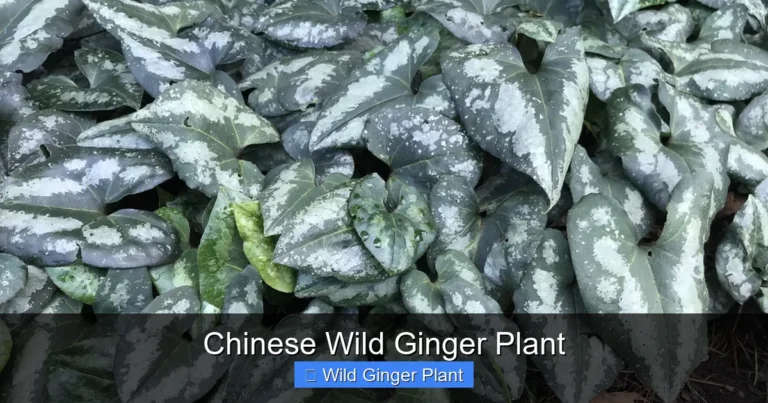
The genus Asarum contains over 70 species worldwide, mostly in East Asia. Several western North American species exist — Asarum caudatum (long-tailed wild ginger) with its dramatic elongated flower tips, Asarum hartwegii, and Asarum marmoratum with beautifully marbled leaves. Edibility varies. Some Asian species have long histories of medicinal use but higher aristolochic acid content. Stick to the well-documented canadense and europaeum for food use unless you have expert local knowledge.
Positive Identification: The Forager’s First Rule
Leaf Characteristics
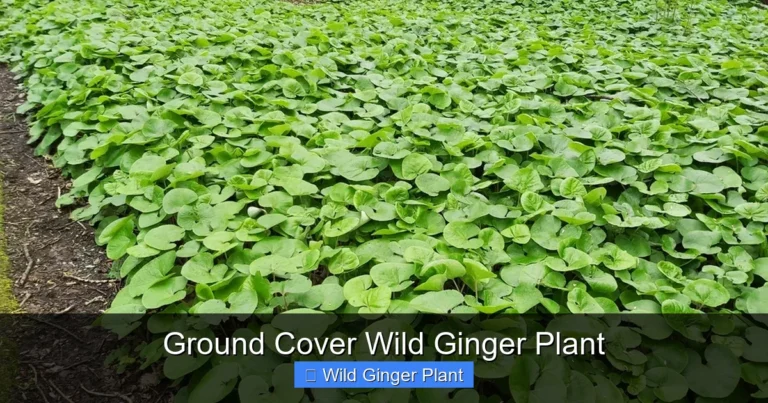
Wild ginger leaves grow in pairs from a single point on the rhizome. Each leaf is broadly heart-shaped or kidney-shaped, 3-6 inches wide, with a deep cleft at the base where the stem attaches. The margins are entire — smooth, not toothed. The upper surface is soft with fine hairs, giving a velvety texture. The underside is paler and often more densely hairy. Leaves emerge folded, then unfurl flat. In spring they’re bright green, darkening through summer.
Crush a leaf. The scent should be unmistakably spicy-ginger, warm and sweet. If there’s no scent, or if it smells musty, medicinal, or unpleasant, it’s not wild ginger. This olfactory test is one of your most reliable tools.
Flower Structure
The flower is unique — a solitary, bell-to-jug-shaped structure with three flared, pointed lobes. No petals exist; what you see are the calyx lobes. Color ranges from purplish-brown to reddish-maroon, sometimes with greenish tips. The flower sits on a short stalk at ground level, often partially buried in duff. It blooms April through June depending on latitude and elevation. The interior is whitish with 12 stamens and 6 styles. Flies and small beetles crawl inside for pollination.
Rhizome Appearance
Gently excavate a small section. The rhizome creeps horizontally, 2-5 mm thick, with a rough, reddish-brown outer skin marked by leaf scars at regular intervals. Break it — the interior is pale cream to white, fibrous but snap-able. The broken surface releases intense ginger fragrance. Roots emerge from the underside at nodes. The growing tip is pointed and pale.
Critical Lookalikes to Avoid
Several plants share habitat and superficial resemblance. Hexastylis species (heartleaf or little brown jug) have similar leaves but they’re evergreen, thicker, and often mottled. Their flowers are smaller, more jug-like, and the rhizomes lack strong ginger scent. Some Hexastylis may contain higher aristolochic acid levels. Asarum canadense var. acuminatum has pointed leaf tips but is considered the same species.
Wild violet (Viola species) leaves are heart-shaped but have toothed margins and different venation. They lack the ginger scent entirely. Coltsfoot (Tussilago farfara) leaves appear after flowering and are more angular with white-woolly undersides. Garlic mustard (Alliaria petiolata) first-year rosettes have kidney-shaped leaves with scalloped edges and a garlic smell when crushed. None of these are deadly, but they’re not wild ginger.
Seasonal Identification Timeline
Early spring (March-April): Emerging leaf pairs, often before canopy leaf-out. Flowers present but hidden. Best harvest time for tender rhizomes. Mid-spring (May): Leaves full-sized, flowers fading. Rhizomes still good but becoming fibrous. Summer (June-August): Leaves mature, may show insect damage. Rhizomes toughest. Fall (September-October): Leaves yellowing, dying back. Rhizomes storing energy — good flavor but plant vulnerable. Winter: Dormant. No above-ground parts visible. Mark patches in growing season for winter location knowledge.
Habitat and Distribution: Where to Find Wild Ginger
Preferred Growing Conditions
Wild ginger edible plants demand specific conditions. They need rich, moist, well-drained soil with high organic matter — think deep forest duff over loam. Soil pH slightly acidic to neutral (5.5-7.0). Consistent moisture but not standing water. Dappled to deep shade — they thrive under mature deciduous canopies (maple, beech, basswood, oak) but decline under dense conifers. North and east-facing slopes are ideal. They’re often found near seasonal streams, in coves, and on terraces above floodplains.
Indicator species signal good habitat: bloodroot, trillium, blue cohosh, Dutchman’s breeches, spring beauty, maidenhair fern, and sugar maple seedlings. If you see these, wild ginger is likely nearby. The plant spreads slowly by rhizome, forming colonies that can be decades old. Large patches indicate stable, undisturbed conditions.
Geographic Range
Asarum canadense ranges across eastern North America. In Canada: southern Manitoba, Ontario, Quebec, New Brunswick, Nova Scotia. In the US: Minnesota east to Maine, south through the Appalachians to northern Georgia and Alabama, west to eastern Oklahoma and Kansas. Absent from coastal plain and deep south. Asarum europaeum naturalized in scattered locations in New England, New York, Pennsylvania, and the Great Lakes region.
Elevation and Microclimate
In the southern range, wild ginger climbs to higher elevations — up to 4,000 feet in the Appalachians — where cooler temperatures mimic northern conditions. In the north, it grows at sea level. Microclimate matters more than macroclimate. A north-facing ravine in Georgia may support wild ginger while the surrounding ridge does not. Look for cold air drainage areas, seeps, and places where snow lingers latest in spring.
Finding Patches Ethically
Never harvest from the first patch you find. Walk further. Assess population size. A healthy colony covers many square meters with hundreds of leaf pairs. Small patches (under 20 plants) should be left alone. Seek permission on private land. Check regulations on public land — many national parks prohibit harvest, some national forests allow personal use with limits, state parks vary. Never harvest in nature preserves, botanical gardens, or areas with rare plant designations.
Sustainable Harvesting Practices
When to Harvest
Early spring offers the most tender rhizomes before the plant invests energy in leaf growth. The flavor is bright and fresh. However, spring harvest removes photosynthetic capacity for the year. Fall harvest (after leaf senescence but before ground freeze) allows the plant a full growing season. The rhizomes are larger, starchier, and more intensely flavored. Many experienced foragers prefer fall. Summer harvest stresses the plant during active growth — avoid it.
How Much to Take
The 10-15% rule: never remove more than 10-15% of a colony’s rhizome mass in a given year. For a patch covering 10 square meters, that’s roughly 1 square meter of rhizome. In practice, this means thinning — taking scattered pieces from throughout the colony rather than clearing an area. Leave the oldest, thickest rhizome segments (the “mother” roots) and the growing tips. These ensure regrowth.
Harvest Technique
Use a hori-hori knife, narrow trowel, or your fingers. Gently lift leaf litter. Expose the rhizome network. Select a segment 3-6 inches long between nodes. Cut cleanly at both ends with a sharp tool. Leave at least one node with roots on each remaining piece. Replant the root crown (the node with leaf buds) at the same depth. Firm soil around it. Replace leaf litter exactly as you found it. This mimics natural disturbance and promotes regeneration.
Tools and Gear
Bring a small sharp knife, a gathering bag (mesh allows spores and seeds to disperse), gloves (the rhizome juice can stain), and a kneeling pad. A GPS or phone app to mark locations helps you monitor patches over years. A field guide for confirmation. Water and snack — foraging burns calories. Tick protection in endemic areas.
Post-Harvest Patch Care
Visit harvested patches the following spring. Observe regrowth. If the colony looks thinner, skip harvest for 2-3 years. Wild ginger grows slowly — a rhizome segment may take 3-5 years to reach harvestable size again. Consider planting native wild ginger in your own woodland garden. Nursery-propagated plants establish faster than wild transplants and reduce pressure on wild populations.
Culinary Uses: From Forest to Table
Preparing the Rhizomes
Fresh wild ginger rhizomes need thorough cleaning. Rinse under cool water. Use a soft brush to remove soil from crevices. Trim away any damaged or woody sections. The skin is edible but can be tough — peel with a paring knife or vegetable peeler if desired. The pale interior is now ready. Use immediately for brightest flavor, or store short-term.
Storage Methods
Fresh: Wrap unpeeled rhizomes in a damp paper towel, place in a perforated bag, refrigerate. Use within 2 weeks. Frozen: Clean, peel, chop or grate. Pack in ice cube trays with water or oil. Freeze, transfer to bags. Keeps 6-8 months. Dried: Slice thinly (1/8 inch). Dehydrate at 95-115°F until brittle. Grind to powder. Store in airtight jars away from light. Retains flavor 1-2 years. Syrup-preserved: Simmer sliced rhizomes in equal parts sugar and water until translucent. Pack in jars with syrup. Refrigerate 3-4 months.
Wild Ginger Tea
The simplest preparation. Slice 1 tablespoon fresh rhizome (or 1 teaspoon dried) per cup. Simmer gently in water 10-15 minutes — don’t boil hard, volatile oils escape. Strain. Sweeten with honey or maple syrup. Add lemon if desired. This tea warms the digestion, eases nausea, and tastes wonderful. A cup after a heavy meal feels like a hug from the forest.
Wild Ginger Syrup
Combine 1 cup cleaned chopped rhizomes, 2 cups water, 2 cups sugar (or honey). Simmer 30 minutes until reduced by half. Strain through cheesecloth. Bottle hot in sterilized jars. This syrup transforms cocktails (try in a whiskey sour), glazes roasted carrots, sweetens oatmeal, and makes extraordinary ginger ale when mixed with sparkling water.
Savory Applications
Wild ginger shines in marinades for pork, chicken, and fatty fish. Grate fresh rhizome into soy sauce, garlic, sesame oil, and a touch of maple. Marinate 2-4 hours. The enzymes tenderize while the flavor penetrates. Add minced wild ginger to stir-fries at the end of cooking. Fold into compound butter for grilled corn or steak. Blend into salad dressings with apple cider vinegar and mustard.
Baked Goods and Desserts
Substitute wild ginger for half the culinary ginger in cookie, cake, and quick bread recipes. The flavor is more nuanced — less sharp, more floral. Wild ginger shortbread: cream butter and sugar, add minced crystallized wild ginger (simmer slices in sugar syrup, dry, toss in sugar), fold in flour. Wild ginger pear crisp: toss sliced pears with wild ginger, cinnamon, lemon juice. Top with oat-flour-butter crumble. Bake until bubbling.
Pickled Wild Ginger
Thinly slice young tender rhizomes. Pack in jars. Heat rice vinegar, water, salt, sugar, and a pinch of turmeric for color. Pour over rhizomes. Seal. Refrigerate 1 week before eating. These pink pickles accompany sushi, rice bowls, and charcuterie beautifully. They’re a conversation starter at any gathering.
Wild Ginger Salt and Sugar
Dehydrate rhizomes completely. Grind to fine powder. Mix 1 part powder with 4 parts sea salt or organic sugar. Store in shakers. Wild ginger salt finishes roasted vegetables, popcorn, and chocolate desserts. Wild ginger sugar rims cocktail glasses, tops scones, and sweetens tea.
Safety, Toxicity, and Responsible Use
Understanding Aristolochic Acid
All Asarum species contain aristolochic acid (AA), a nitrophenanthrene carboxylic acid. AA is nephrotoxic and carcinogenic in high doses or prolonged exposure. It’s the same compound that caused “Chinese herb nephropathy” from contaminated Aristolochia species in weight-loss supplements. However, wild ginger contains significantly lower concentrations than Aristolochia. Traditional use by Indigenous peoples involved occasional culinary amounts, not daily medicinal doses.
Risk Assessment
Occasional culinary use — a few grams of fresh rhizome weekly — poses minimal risk for healthy adults. The acute toxicity is low. The concern is cumulative DNA damage from long-term high exposure. Pregnant women, nursing mothers, people with kidney disease, and children should avoid wild ginger entirely. Anyone taking medications metabolized by the kidneys should consult a healthcare provider.
Reducing Exposure
Peeling rhizomes removes some AA, which concentrates in the outer tissues. Cooking (simmering, roasting) degrades a portion. Discarding the cooking liquid from tea or syrup preparation leaves some AA behind — but also discards flavor. The most effective strategy is simple: moderation. Treat wild ginger as a seasoning, not a staple. Use it like you’d use saffron or vanilla — small amounts for big impact.
Drug Interactions
Wild ginger may interact with blood thinners (warfarin, heparin), diuretics, lithium, and drugs affecting kidney function. The coumarin compounds in wild ginger have mild anticoagulant effects. Stop use two weeks before surgery. Always disclose herbal use to your healthcare providers.
Allergic Reactions
Rare but possible. Contact dermatitis from handling fresh rhizomes occurs in sensitive individuals. Wear gloves if unsure. First-time consumption: try a tiny amount (pea-sized) and wait 24 hours. Signs of reaction: itching, swelling, hives, digestive upset, breathing difficulty. Seek medical attention for any severe symptoms.
Regulatory Status
In the US, wild ginger is not regulated as a food additive. The FDA has not evaluated it for safety. In Canada, Asarum species are listed on the Natural Health Products Ingredients Database with restrictions. The European Union restricts aristolochic acid in herbal products. Commercial sale of wild ginger for human consumption is essentially unregulated but uncommon. Most use is personal and non-commercial.
Growing Your Own Wild Ginger Patch
Why Cultivate?
Growing wild ginger edible plants at home eliminates harvest pressure on wild populations. It gives you a clean, known source. You control soil conditions and can monitor for contaminants. A established patch yields sustainably for decades. It’s also a beautiful shade groundcover with ecological value — native pollinators, especially small flies and beetles, depend on its unique flowers.
Site Selection and Preparation
Choose a shaded area — north side of a building, under deciduous trees, or a shade cloth structure. Soil must be rich, moisture-retentive, well-drained, high in organic matter. Amend with leaf compost, aged hardwood mulch, and a bit of peat if very alkaline. Target pH 6.0-6.8. Remove invasive plants (garlic mustard, Japanese stiltgrass) that outcompete wild ginger.
Planting Methods
From nursery plants: Best for beginners. Buy bare-root or potted plants from native plant nurseries. Plant in early spring or fall. Space 6-12 inches apart. Plant at same depth as nursery — the rhizome just below surface, leaf buds at soil level. Water well. Mulch with shredded leaves. From rhizome divisions: If you have access to a legal source, divide in early spring. Each piece needs a growing tip and roots. Plant immediately. From seed: Difficult. Seeds require double dormancy breaking (warm-cold-warm cycles) and take 2-3 years to reach transplant size. Ants disperse seeds in nature (myrmecochory).
Establishment Care
First year: keep consistently moist, not soggy. Weed gently by hand — roots are shallow. No fertilizer needed; leaf litter provides nutrients. Second year: plants spread slowly. Third year: first harvest possible if colony is robust. A 3×3 foot patch can yield a modest annual harvest once mature.
Companion Planting
Wild ginger pairs beautifully with other shade-loving natives: foamflower (Tiarella), wild geranium (Geranium maculatum), Solomon’s seal (Polygonatum), jack-in-the-pulpit (Arisaema), and native ferns. These create a resilient plant community that suppresses weeds and supports wildlife. Avoid aggressive spreaders like English ivy, periwinkle, or goutweed.
Container Growing
Possible in wide, shallow pots (12+ inches diameter, 8+ inches deep). Use high-quality potting mix with added compost and coarse sand for drainage. Keep in full shade. Water frequently — containers dry faster. Overwinter in an unheated garage or buried in the ground in cold climates. Container plants need more frequent division (every 2-3 years) to prevent crowding.
Wild Ginger in Traditional and Modern Contexts
Indigenous Uses
Dozens of nations across the plant’s range used wild ginger. The Cherokee used root tea for colds, coughs, and digestive issues. The Iroquois considered it a general tonic and “blood purifier.” The Ojibwe applied poultices for headaches and skin conditions. The Meskwaki used it as a seasoning for other medicines to improve flavor. Many tribes used it as a flavoring for meats and fish — the original “wild spice” of the eastern woodlands. These uses were typically occasional, ceremonial, or acute — not daily chronic consumption.
Colonial and Folk Medicine
European settlers adopted wild ginger quickly. It appeared in 18th and 19th century American materia medica as a stimulant, carminative, and diaphoretic. The Eclectic physicians (19th century botanical doctors) used it for “atonic dyspepsia” and “chronic gastritis.” It was an official drug in the US Pharmacopeia 1820-1882. Folk uses included “spring tonic” teas, fever remedies, and poultices for boils. The common name “colic root” reflects its use for digestive complaints.
Modern Herbalism
Contemporary herbalists use wild ginger cautiously. Most recommend topical applications (oils, salves) for muscle pain and inflammation rather than internal use. Some include tiny amounts in bitters formulas. The American Herbal Products Association gives it a “Class 2b” rating — not for use during pregnancy, not for long-term use. Many herbalists now substitute other warming herbs (culinary ginger, cinnamon, prickly ash) for internal formulas.
Contemporary Culinary Renaissance
Chefs in the “new Nordic” and “Appalachian terroir” movements have embraced wild ginger. It appears on tasting menus at restaurants like The Catbird Seat (Nashville), Harvest (Harvard Square), and various farm-to-table establishments in its native range. Foragers supply high-end kitchens. The flavor profile — “forest ginger,” “earthy spice,” “cool heat” — inspires creative dishes. This attention brings both opportunity (value for foragers) and risk (overharvest pressure).
Research Directions
Scientific study of Asarum canadense is limited but growing. Researchers are investigating: aristolochic acid content variation across populations and seasons; potential anticancer compounds (other than AA); antimicrobial properties against foodborne pathogens; cultivation protocols for agroforestry systems; and population genetics for conservation. Citizen scientists contribute through iNaturalist observations and herbarium specimens.
Conclusion
Wild ginger edible plants offer a direct connection to the forests that have fed people for millennia. Their spicy rhizomes carry the essence of rich woodland soil, dappled light, and slow time. Foraging them teaches patience, observation, and reciprocity. You learn to read the land — the slope, the canopy, the companion plants. You learn to take only what the population can spare. And you bring home a flavor that no store can replicate.
But this gift comes with responsibility. Positive identification is non-negotiable. Sustainable harvest is a covenant with the patch. Moderation in consumption respects the plant’s chemistry. And growing your own extends the relationship beyond taking — into stewardship. Whether you sip a cup of wild ginger tea on a cold morning, glaze a pork tenderloin with wild ginger syrup, or simply kneel in the spring woods inhaling that warm scent from crushed leaves, you’re participating in an ancient, ongoing conversation between humans and this remarkable plant.
The forest floor holds many secrets. Wild ginger is one of the most generous — if you approach it with knowledge, humility, and gratitude. Happy foraging. And remember: the best foragers leave the woods better than they found them.
Frequently Asked Questions
What does wild ginger taste like compared to regular ginger?
Wild ginger has a similar warm, spicy character but with more complex earthy, floral, and slightly sweet notes. It’s less aggressively hot than culinary ginger and lacks the citrusy top notes. Many foragers find it more nuanced and interesting for culinary use.
Can I grow wild ginger in my home garden?
Yes, wild ginger makes an excellent shade groundcover in zones 4-8. It needs rich, moist, well-drained soil with high organic matter and dappled to full shade. Nursery-propagated plants establish faster than wild transplants. A mature patch can provide sustainable harvests for decades.
Are all wild ginger species edible?
Not all Asarum species are equally safe or palatable. Asarum canadense and A. europaeum have the longest history of food use. Some Asian species contain higher aristolochic acid levels and are used only in traditional medicine under expert guidance. Stick to the well-documented North American and European species for culinary purposes.
How do I store wild ginger long-term?
Drying is the best long-term method. Slice cleaned rhizomes thinly and dehydrate at 95-115°F until brittle. Grind to powder and store in airtight containers away from light and heat. Properly dried wild ginger retains good flavor for 1-2 years. Freezing chopped rhizomes in oil or water also works well for 6-8 months.
Can wild ginger be used medicinally?
Traditional uses include digestive aid, cold remedy, and topical poultice. However, modern herbalists caution against internal medicinal use due to aristolochic acid content. Topical applications (infused oils, salves) for muscle pain are considered safer. Consult a qualified herbalist or healthcare provider before medicinal use.
Is it legal to forage wild ginger on public land?
Regulations vary by jurisdiction. National parks generally prohibit all plant harvest. National forests often allow personal-use quantities with restrictions. State parks, state forests, and local preserves have their own rules. Always check current regulations before foraging. Private land requires landowner permission. Never harvest in designated natural areas or where rare plant protections apply.