Wild Ginger Best Place to Plant
Wild ginger thrives in deep shade with moist, rich soil. Plant it under trees or along north‑facing walls for the best results. Keep the area mulched and water during dry spells.
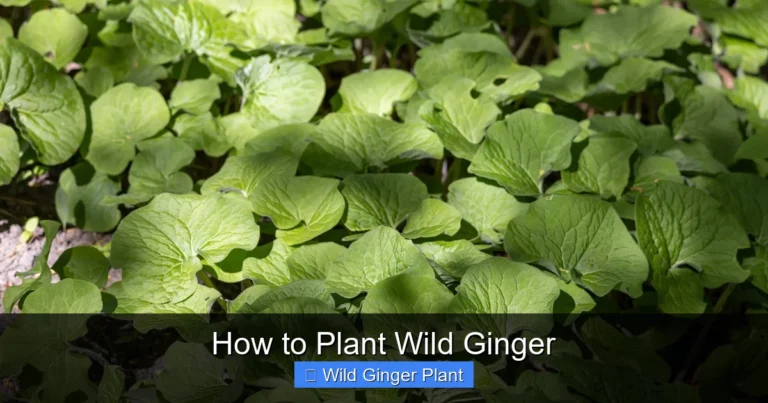
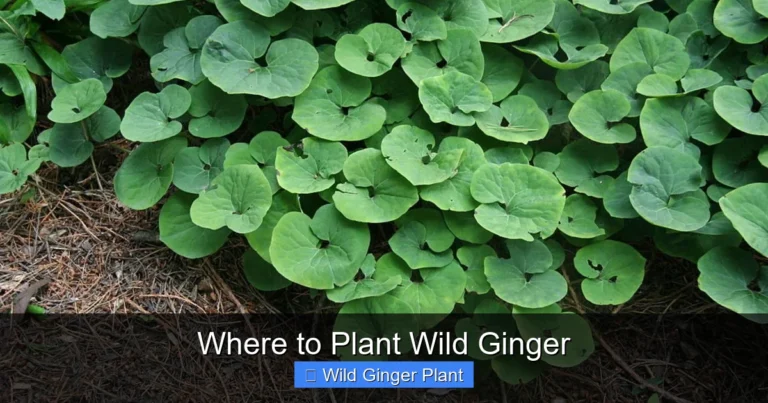
Wild ginger is a low growing perennial. It spreads by underground stems. The leaves are heart shaped and glossy. The flowers are small and hidden. Gardeners love it for ground cover.
Choosing the wild ginger best place to plant is easy when you know its needs. It likes shade, moisture, and rich soil. This guide will help you find the perfect spot.
Read on to learn about light, soil, and planting steps. You will also see tips for long term care.
Key Takeaways
- Light: Wild ginger prefers full to partial shade.
- Soil: Needs rich, well‑drained, moist soil.
- Moisture: Consistent moisture is key; avoid drying out.
- Location: Best spots are under deciduous trees, north‑facing beds, or woodland edges.
- Mulch: Apply leaf mulch to retain moisture and mimic forest floor.
- Maintenance: Low care once established; divide clumps every few years.
Quick Answers to Common Questions
What is the wild ginger best place to plant?
The wild ginger best place to plant is a shady spot with moist, rich soil such as under deciduous trees or on a north‑facing bed.
How much light does wild ginger need?
Wild ginger thrives in full shade or dappled light and should be protected from harsh afternoon sun.
What soil type suits wild ginger?
Wild ginger prefers loose, organic, slightly acidic soil that drains well but holds moisture.
How often should I water wild ginger?
Keep the soil consistently moist; water during dry periods and mulch to reduce evaporation.
Can wild ginger grow in containers?
Yes, wild ginger grows well in wide shallow pots with rich potting mix placed in shade.
📑 Table of Contents
- wild ginger best place to plant: Understanding Wild Ginger
- wild ginger best place to plant: Light Needs for Wild Ginger
- wild ginger best place to plant: Soil and Moisture Requirements
- wild ginger best place to plant: Choosing the Right Spot
- wild ginger best place to plant: Planting Steps and Care Tips
- wild ginger best place to plant: Common Problems and Solutions
wild ginger best place to plant: Understanding Wild Ginger
wild ginger best place to plant: What Is Wild Ginger
Wild ginger is a native woodland plant. It belongs to the Asarum family. It grows in eastern North America. The plant forms a dense mat. It stays green all year. The leaves are soft to touch. The rhizomes creep just below the surface. This habit makes it a great ground cover. It does not climb or vine. It simply spreads horizontally. Gardeners value its low height. It fits well under taller plants. The foliage adds texture to shady beds. It is a reliable choice for naturalistic gardens.
wild ginger best place to plant: Growth Habit
The plant spreads by rhizomes. Rhizomes are underground stems. New shoots appear each spring. The clump expands slowly. It rarely becomes invasive. Each rhizome segment can produce a new plant. Division is easy in early spring. The roots are shallow but sturdy. They hold soil on slopes. This helps prevent erosion. The foliage remains evergreen in mild winters. In cold zones it may die back but returns. The plant tolerates a range of conditions once established.
wild ginger best place to plant: Why Gardeners Choose It
Gardeners choose wild ginger for shade gardens. It suppresses weeds by shading the soil. It adds texture with its glossy leaves. It requires little fertilizer once established. It is deer resistant because of its aromatic roots. It also attracts beneficial insects. The small flowers provide early nectar. It works well in naturalistic designs. It pairs nicely with ferns and hostas. It creates a calm green carpet. The plant is low maintenance and long lived.
wild ginger best place to plant: Seasonal Growth Patterns
In early spring new shoots emerge from the rhizomes. Leaves unfurl quickly in cool weather. By midsummer the mat is dense and green. Flower buds form hidden beneath foliage. In autumn the leaves may turn bronze. Winter dormancy is brief in mild climates. The plant resumes growth as soon as soil warms. Understanding this cycle helps plan care. Mulch in fall protects the crowns. Light fertilization in spring supports vigor.
wild ginger best place to plant: Companion Plants for Shade
Good companions include ferns, hostas, and foamflower. These plants share similar light and moisture needs. They create layered texture in the shade garden. Avoid aggressive spreaders that may outcompete wild ginger. Plant companions at the same time for best establishment. Grouping plants with similar needs reduces maintenance. The combined canopy keeps soil cool and moist. This synergy benefits all species involved.
wild ginger best place to plant: Light Needs for Wild Ginger
wild ginger best place to plant: Full Shade
Full shade means no direct sun. Wild ginger thrives here. The leaves stay dark green. Flower buds form in deep shade. The plant uses low light efficiently. Photosynthesis occurs even in dim conditions. Too much light can bleach the foliage. In full shade the plant stays compact. It forms a tight mat. This reduces weed pressure. Soil stays cooler and moister. Consistent shade mimics the forest floor.
wild ginger best place to plant: Dappled Light
Dappled light filters through tree canopy. This mimics the forest floor. Wild ginger grows well in dappled light. Avoid harsh afternoon sun. Morning light is gentle and beneficial. The plant can tolerate a few hours of soft light. Too much direct sun causes leaf scorch. In dappled light the rhizomes spread steadily. The foliage remains lush. Mulch helps keep roots cool. Light shifts throughout the day are ideal.
wild ginger best place to plant: Signs of Too Much Light
Leaves may turn yellow. Edges may scorch. Growth slows. The plant may become leggy. Move the plant to a shadier spot if you see these signs. Check the canopy above. Prune lower branches to increase shade. Add a shade cloth if needed. Recovery is quick once light is reduced. New growth will be deep green. Monitoring light prevents long term damage.
wild ginger best place to plant: Measuring Light Levels
Use a simple light meter or smartphone app. Aim for less than 1000 foot‑candles at midday. Observe the site at different times. Note how shadows move across the bed. Choose spots that stay shaded for most of the day. Adjust plant placement as trees grow. Seasonal changes affect light intensity. Regular checks ensure optimal conditions.
wild ginger best place to plant: Adjusting Light with Structures
Arbors, trellises, or shade sails can create shade. Position them to block midday sun. Ensure air flow remains good. Structures also add visual interest. They can support climbing vines that provide extra shade. Temporary cloths work for young plantings. Permanent structures give long term control. Plan for future tree growth when installing.
wild ginger best place to plant: Soil and Moisture Requirements
wild ginger best place to plant: Rich Soil
Rich soil contains organic matter. Add compost or leaf mold. The soil should be loose. Good drainage prevents rot. Heavy clay can be amended with sand. Sandy soil benefits from added humus. A soil test helps determine needs. Aim for a crumbly texture. The rhizomes need room to expand. Compacted soil slows growth. Amend annually for best results.
wild ginger best place to plant: Consistent Moisture
Moisture must be steady. Water during dry weeks. Mulch helps retain water. Do not let the soil dry out completely. A soaker hose works well. Rainwater is ideal. Overwatering can cause root rot. Check soil with your finger. The top inch should feel damp. Adjust watering with seasons. Consistent moisture supports healthy rhizomes.
wild ginger best place to plant: pH Preference
Wild ginger prefers slightly acidic soil. Aim for pH 5.5 to 6.5. Test soil if unsure. Amend with peat if needed. Lime raises pH too high. Sulfur lowers pH gently. Maintaining proper pH improves nutrient uptake. Healthy roots absorb water better. This leads to vigorous growth. Check pH annually after amendments.
wild ginger best place to plant: Improving Drainage
Poor drainage leads to root rot. Raise beds slightly if water pools. Add coarse sand or fine gravel to heavy soils. Create a gentle slope away from the planting area. Install a French drain for persistent wet spots. Good drainage keeps rhizomes healthy. It also reduces fungal problems. Monitor after heavy rains.
wild ginger best place to plant: Mulch Types and Benefits
Leaf mulch mimics natural forest floor. Shredded bark works well too. Apply two to three inches deep. Mulch conserves moisture and suppresses weeds. It slowly breaks down adding nutrients. Refresh mulch each fall. Avoid piling mulch against stems. Proper mulching reduces watering frequency. It also insulates roots in winter.
wild ginger best place to plant: Choosing the Right Spot
wild ginger best place to plant: Under Deciduous Trees
Deciduous trees provide summer shade. Fallen leaves add natural mulch. The spot stays moist. This is an ideal location. Tree roots compete for water. Water deeply to support both. The leaf litter breaks down into humus. This enriches the soil over time. The canopy also buffers temperature swings. Wild ginger thrives in this stable environment. It naturalizes beautifully under oaks and maples.
wild ginger best place to plant: North Facing Beds
North facing beds receive little direct sun. They stay cool and damp. Wild ginger flourishes here. Pair with ferns for a woodland look. The soil remains moist longer. Mulch is less critical but still helpful. These beds are often near walls. Walls can reflect heat; avoid south walls. Choose a spot with good air flow. North beds are reliable for consistent shade.
wild ginger best place to plant: Woodland Edge
The edge of a wooded area offers dappled light. Soil is often rich. Plant along the border. It creates a natural transition. The edge receives morning sun. Afternoon shade protects the foliage. This microclimate mimics native habitat. Wild ginger spreads into the lawn slowly. It can be contained with edging. Woodland edges are prime planting zones.
wild ginger best place to plant: Container Option
You can grow wild ginger in a pot. Use a wide shallow container. Fill with rich potting mix. Keep in shade and water often. Ensure drainage holes are present. Mulch the surface with bark. Fertilize lightly in spring. Repot every two years. This method suits patios and balconies. Containers allow mobility for optimal light.
wild ginger best place to plant: Site Assessment Checklist
Check shade duration throughout the day. Test soil moisture after rain. Feel soil texture with your hands. Look for existing weed pressure. Note nearby tree root competition. Verify drainage by digging a test hole. Record observations for future reference. A thorough assessment prevents later problems. Adjust site choice based on findings.
wild ginger best place to plant: Planting Steps and Care Tips
wild ginger best place to plant: Prepare the Bed
Clear weeds and debris. Loosen soil to six inches. Mix in compost. Rake smooth. Remove large stones. Level the surface. A smooth bed helps rhizomes make contact. Water the bed before planting. This settles the soil. It also provides initial moisture. Proper preparation sets the stage for success.
wild ginger best place to plant: Plant the Rhizomes
Lay rhizomes horizontally. Cover with one inch of soil. Space plants twelve inches apart. Water gently. Press soil lightly around each piece. Do not bury too deep. The buds should be just below the surface. Firm contact encourages rooting. Label the row if planting many. Proper spacing allows future spread.
wild ginger best place to plant: Mulch and Water
Apply two inches of leaf mulch. Water deeply after planting. Keep soil moist for the first month. Mulch suppresses weeds. It also moderates temperature. Check moisture daily in hot weather. Reduce watering as plants establish. Established clumps need less frequent water. Consistent care early ensures strong roots.
wild ginger best place to plant: Ongoing Care
Remove any weeds that appear. Add fresh mulch each fall. Divide clumps every three years. Fertilize lightly in spring. Use a balanced organic fertilizer. Avoid high nitrogen formulas. Prune dead foliage in early spring. Watch for slugs and treat early. Healthy plants resist pests naturally. Routine maintenance keeps the patch vigorous.
wild ginger best place to plant: Seasonal Fertilization Guide
Apply compost in early spring. Lightly scratch into topsoil. Avoid direct contact with rhizomes. In summer, skip fertilizer. In fall, add a thin layer of leaf mold. This feeds soil microbes. Winter requires no feeding. Overfertilizing causes weak growth. Follow a simple schedule for best results.
wild ginger best place to plant: Common Problems and Solutions
wild ginger best place to plant: Dry Soil
Dry soil causes wilting. Increase watering. Add more mulch. Check drainage. Amend with organic matter if soil is sandy. A drip line provides steady moisture. Mulch thickness of three inches helps. Monitor during heat waves. Recovery is fast once moisture returns. Consistent moisture prevents stress.
wild ginger best place to plant: Too Much Sun
Sunburn appears as brown patches. Move plant to deeper shade. Trim overhead branches if needed. Install a shade cloth for temporary relief. New growth will be green. Avoid planting in open south facing beds. Choose a site with canopy cover. This prevents future stress. Adjusting light solves most sun issues.
wild ginger best place to plant: Pests and Disease
Slugs may chew leaves. Use beer traps or copper tape. Fungal spots are rare. Improve air flow to prevent. Remove affected leaves promptly. Avoid overhead watering. Good sanitation reduces disease. Healthy soil biology suppresses pathogens. Regular inspection catches problems early.
wild ginger best place to plant: Winter Care
Wild ginger is hardy. In cold zones mulch heavily. Remove mulch in early spring. New growth will emerge. Snow cover provides insulation. Do not fertilize in winter. Keep the bed free of heavy debris. This prevents rot. Spring cleanup encourages fresh shoots. Winter protection ensures strong return.
wild ginger best place to plant: Troubleshooting Checklist
Check soil moisture first. Verify shade levels. Inspect for pests weekly. Test soil pH annually. Review mulch depth. Ensure proper spacing. Note any unusual leaf color. Address issues promptly. Keep a garden journal for patterns. Systematic troubleshooting saves time.
Choosing the wild ginger best place to plant is simple when you match shade, moisture, and rich soil. Follow these steps and enjoy a lush carpet of green for years.
Frequently Asked Questions
Does wild ginger spread aggressively?
Wild ginger spreads slowly by rhizomes and is not considered invasive in most gardens.
Is wild ginger deer resistant?
Yes, the aromatic roots deter deer browsing.
When is the best time to divide wild ginger?
Early spring before new growth emerges is the ideal time to divide clumps.
What fertilizer should I use for wild ginger?
A light application of balanced organic fertilizer in spring is sufficient.
Can wild ginger tolerate full sun?
No, full sun causes leaf scorch; it needs shade or dappled light.
How do I control slugs on wild ginger?
Use beer traps, copper tape, or diatomaceous earth around the plants.