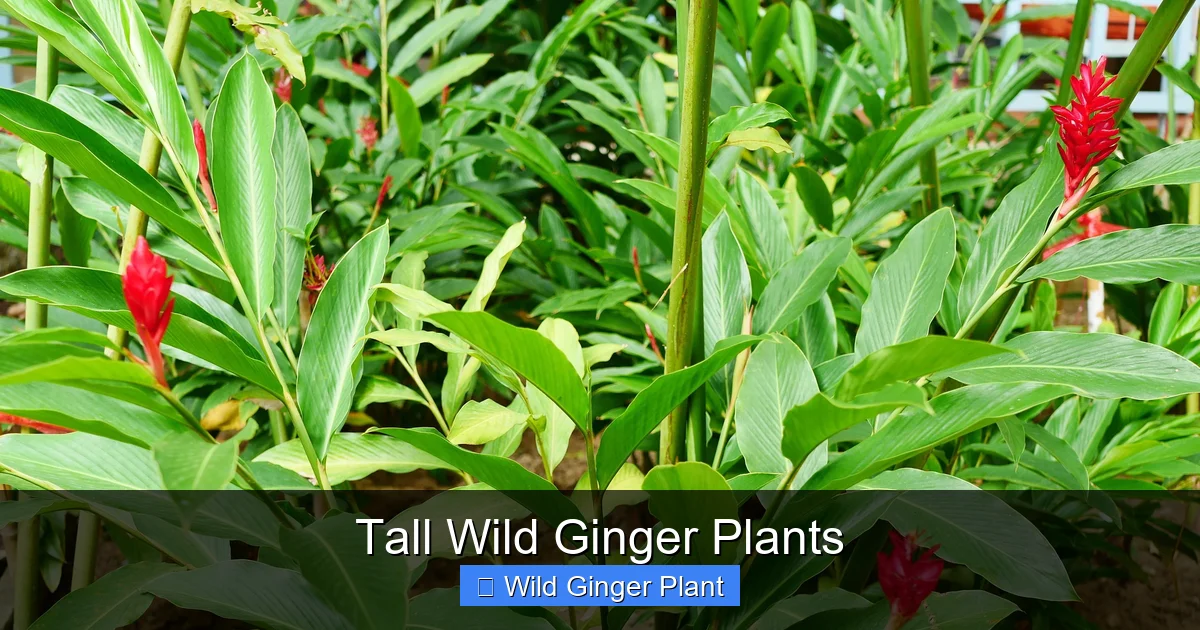
Tall Wild Ginger Plants
Tall wild ginger plants are striking shade perennials native to North American woodlands, known for their heart-shaped leaves and unique ground-level flowers. This guide covers identification, cultivation, and the best species for your shade garden.
Have you ever wandered through a spring woodland and noticed those broad, velvety leaves carpeting the forest floor? Chances are you’ve met tall wild ginger plants without even realizing it. These unassuming perennials don’t shout for attention like showy trilliums or flamboyant jack-in-the-pulpits. Instead, they whisper their presence through luxurious foliage and secret flowers that bloom at ground level.
I first discovered these plants during a native plant rescue in western Pennsylvania. A developer was clearing a mature maple-beech forest, and our team had permission to dig up anything we could save. Kneeling in the damp leaf litter, I uncovered a colony of Asarum canadense — the classic Canadian wild ginger. But nearby, reaching nearly eighteen inches tall with leaves the size of dinner plates, grew its statuesque cousin: Asarum caudatum, the long-tailed wild ginger. That moment changed how I think about shade gardening forever.
Key Takeaways
- Native Beauty: Tall wild ginger plants are indigenous to eastern North American forests and thrive in dappled shade.
- Distinctive Foliage: Large, heart-shaped leaves create lush groundcover that suppresses weeds naturally.
- Unique Flowers: Blooms hide beneath foliage at soil level, pollinated by beetles and flies rather than bees.
- Easy Cultivation: These perennials need moist, rich soil and minimal maintenance once established.
- Deer Resistant: Aromatic foliage deters browsing animals, making them reliable in wildlife-heavy areas.
- Medicinal History: Indigenous peoples used rhizomes for digestive and respiratory remedies.
- Companion Friendly: Pair with ferns, hostas, and trilliums for a complete woodland garden design.
Quick Answers to Common Questions
Are tall wild ginger plants related to culinary ginger?
No, they belong to completely different plant families. Wild ginger (Asarum) is in the birthwort family, while culinary ginger (Zingiber officinale) is in the ginger family. They only share a similar spicy aroma in their rhizomes.
How tall do tall wild ginger plants actually grow?
Depending on species and growing conditions, they range from 12 to 24 inches tall. Asarum caudatum and Asarum hartwegii are the tallest North American species, reaching up to 18-24 inches in ideal shade conditions.
Can I grow tall wild ginger plants in full sun?
No, these are obligate shade plants. Full sun will scorch their leaves and kill them. They need dappled shade or morning sun only, mimicking their native forest floor habitat.
Do tall wild ginger plants spread aggressively?
Most species spread moderately via creeping rhizomes. Asarum canadense spreads fastest (up to 12 inches per year), while Asarum hartwegii forms tight clumps. They’re not considered invasive in their native ranges.
When is the best time to plant tall wild ginger plants?
Early spring or fall are ideal. Spring planting gives roots time to establish before summer heat. Fall planting works well in zones 6 and warmer. Avoid summer planting unless you can provide constant moisture.
📑 Table of Contents
Understanding the Wild Ginger Family
Not True Gingers at All
Let’s clear up the biggest misconception right away. Despite their common name, tall wild ginger plants share zero botanical relationship with the culinary ginger (Zingiber officinale) in your spice cabinet. True ginger belongs to the Zingiberaceae family. Wild gingers belong to Aristolochiaceae — the birthwort family. The name comes from the rhizomes’ spicy, ginger-like aroma when crushed.
This distinction matters. Culinary ginger is tropical. Wild gingers are temperate woodland natives. You cannot substitute one for the other in cooking, though indigenous peoples did use wild ginger rhizomes as a flavoring and medicine.
The Asarum Genus Worldwide
The genus Asarum contains roughly seventy species across the Northern Hemisphere. North America hosts about a dozen native species. East Asia boasts the greatest diversity, with China alone harboring fifty-plus species. Europe claims a single representative: Asarum europaeum, the European wild ginger.
What unites them? All share kidney-to-heart-shaped leaves, solitary flowers at ground level, and creeping rhizomes that form colonies. But size varies dramatically. Some Asian species stay under four inches. Our North American tall wild ginger plants can reach two feet in ideal conditions.
Why “Tall” Matters
Height isn’t just bragging rights. Taller species like Asarum caudatum (western wild ginger) and Asarum hartwegii (Hartweg’s wild ginger) create vertical structure in shade gardens where most plants hug the ground. Their elevated foliage catches filtered light more efficiently. Their flowers, while still ground-level, sit atop longer peduncles. This architectural quality makes them valuable design elements.
Meet the Major Species
Asarum caudatum — Long-Tailed Wild Ginger
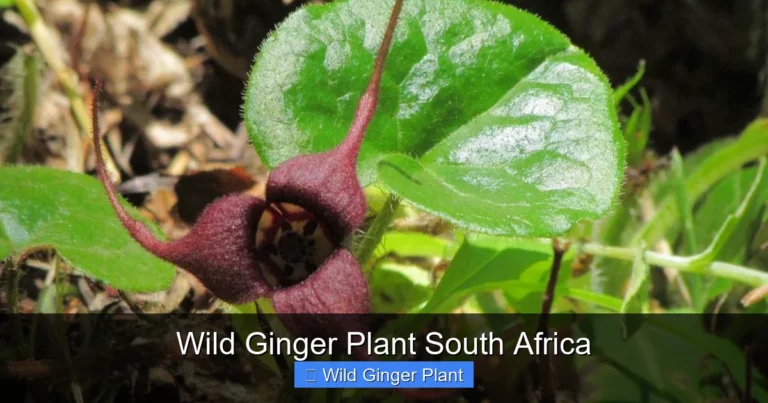
This West Coast superstar ranges from British Columbia to California, east to Montana. In coastal redwood forests, it forms vast carpets beneath sword ferns and oxalis. The “long-tailed” descriptor refers to the flower’s three elongated calyx lobes, which can extend two inches beyond the cup. These tails give the bloom a spidery, alien elegance.
Leaves reach eight inches wide on petioles up to eighteen inches long. The foliage stays evergreen in mild winters, providing year-round structure. In my Seattle garden, a single plant colonized a six-foot circle in five years. It handles summer drought better than eastern species once established, though it prefers consistent moisture.
Asarum hartwegii — Hartweg’s Wild Ginger
Endemic to California’s Klamath and Sierra Nevada ranges, this species deserves wider cultivation. Leaves are distinctly mottled with silver-gray patterns on deep green — a natural variegation that brightens dark corners. Flowers lack the dramatic tails of caudatum but display intricate purple-brown patterning inside the calyx tube.
It grows slower than its coastal cousin, forming tight clumps rather than running colonies. This restraint makes it perfect for smaller woodland gardens or tucked between rocks in a shade rockery. I’ve seen spectacular specimens at the UC Berkeley Botanical Garden thriving in deep shade with only winter rainfall.
Asarum canadense — Canadian Wild Ginger
The eastern standard. From Manitoba to Georgia, this species carpets deciduous forests. Leaves are soft, downy, and typically smaller than western species — four to six inches wide. But what it lacks in stature, it makes up in vigor. A single rhizome can spread twelve inches annually in rich soil.
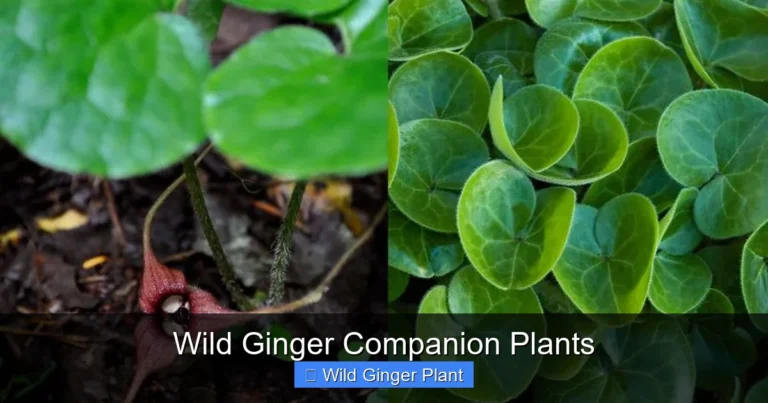
Flowers are jug-shaped, purplish-brown, and completely hidden beneath the leaf litter. You have to get on your hands and knees to appreciate them. This species is the most cold-hardy, surviving zone 2 winters without mulch. It’s also the most widely available in native plant nurseries.
Asarum virginicum — Virginia Wild Ginger
Native to the central and southern Appalachians, this species bridges the gap between northern and southern forms. Leaves are often evergreen in zone 6 and warmer, with a leathery texture and prominent venation. Flowers are larger than canadense, with a wider mouth and shorter tails.
It prefers slightly more alkaline soils than its cousins, often growing near limestone outcrops. If your woodland garden has neutral to slightly sweet soil, this might be your best bet. The foliage takes on beautiful bronze tones in winter.
Asian Species Worth Knowing
While our focus is North American tall wild ginger plants, Asian species have entered the horticultural trade. Asarum splendens (Chinese wild ginger) offers stunning silver-mottled evergreen foliage and deep purple flowers. Asarum maximum produces enormous flowers — up to three inches across — with white petals and a purple center. These are less cold-hardy (typically zone 6) but spectacular in milder climates.
Identification in the Wild
Leaf Characteristics
Identification starts with leaves. All wild gingers produce basal leaves on long petioles arising directly from the rhizome. No stems. No branches. Just leaves and flowers emerging from the ground. Tall wild ginger plants distinguish themselves through leaf size and petiole length.
Look for heart-shaped (cordate) to kidney-shaped (reniform) blades. Margins are entire — smooth, no teeth. Surfaces may be glossy or matte, hairy or smooth. Asarum caudatum leaves feel like thin leather. Asarum canadense feels like velvet. Asarum hartwegii shows silver mottling. These tactile differences are reliable field marks.
Petioles on tall species exceed twelve inches. Measure from soil surface to leaf blade attachment. If it’s a foot or more, you’re likely looking at a tall species. Shorter species like Asarum europaeum rarely exceed six inches.
Flower Anatomy
Wild ginger flowers are unique in the plant world. They lack petals entirely. What looks like a flower is actually a calyx — three fused sepals forming a tube, cup, or bell shape. The three lobes at the rim may be short (cup-shaped) or elongated into tails (hence “long-tailed”).
Colors range from purplish-brown to greenish-yellow to near-black. Interior surfaces often show intricate patterning: spots, stripes, or reticulate networks. These patterns guide pollinators — mostly small flies, beetles, and gnats — into the floral tube where stamens and pistils await.
Crucially, flowers sit at ground level, often partially buried in leaf litter. This adaptation facilitates pollination by ground-dwelling insects. It also makes flowers incredibly easy to miss. I’ve crawled through colonies in full bloom and seen only leaves until I deliberately moved litter aside.
Rhizome and Growth Habit
Dig gently (with permission!) and you’ll find creeping rhizomes just below the surface. They’re typically half to one inch thick, segmented, and aromatic when scratched. Roots emerge from nodes. Each node can produce a leaf cluster and, in mature plants, a flower.
Growth habit varies. Asarum canadense runs aggressively, forming loose mats. Asarum caudatum spreads steadily but politely. Asarum hartwegii clumps tightly. Knowing the habit helps you site plants appropriately in gardens.
Seasonal Timing
Emergence timing separates species. In the Pacific Northwest, Asarum caudatum is evergreen. New leaves appear in late winter. Asarum canadense in Minnesota stays dormant until late April. Flowers appear with or just after new leaves, typically April through June depending on latitude and elevation.
Fruits develop through summer — fleshy capsules that split open to reveal seeds with elaiosomes (oily appendages). Ants carry seeds to their nests, eat the elaiosomes, and discard the seeds in nutrient-rich midden heaps. This myrmecochory (ant dispersal) explains why colonies often appear in linear patterns along ant trails.
Cultivation in Your Garden
Site Selection
Success with tall wild ginger plants begins with site selection. Think forest floor. Dappled shade is ideal — morning sun, afternoon shade, or bright filtered light beneath deciduous trees. Deep shade works but reduces vigor and flowering. Full sun scorches leaves, especially in hot climates.
Soil should be rich, moisture-retentive, and well-drained. Heavy clay amended with compost works. Sandy soil amended with leaf mold works. The key is organic matter. These plants evolved in centuries-deep duff layers. Replicate that with a three-inch mulch of shredded leaves or pine needles.
pH preference leans slightly acidic (5.5-6.5), but most species tolerate neutral soil. Asarum virginicum handles alkaline conditions best. Test your soil if unsure.
Planting Techniques
Spring planting allows roots to establish before summer heat. Fall planting works in zones 6 and warmer. Space plants twelve to eighteen inches apart for groundcover effect. Closer spacing (eight inches) speeds coverage but requires more plants.
Dig a shallow trench rather than individual holes. Rhizomes want to run horizontally, not vertically. Lay rhizomes horizontally with nodes facing up, cover with one inch of soil, water deeply, and mulch. If planting potted specimens, match the soil level — don’t bury the crown.
Water weekly during the first growing season unless rainfall exceeds one inch. After establishment, most species tolerate brief dry spells but perform best with consistent moisture. A soaker hose on a timer mimics natural seepage beautifully.
Maintenance Through the Seasons
Spring: Remove winter mulch gently as new growth emerges. Apply fresh compost around plants. Watch for slugs on tender new leaves — beer traps or diatomaceous earth help.
Summer: Maintain moisture. Mulch conserves water and suppresses weeds. No fertilizing needed if soil has adequate organic matter. If growth seems weak, a light application of balanced organic fertilizer in early summer won’t hurt.
Fall: Let leaves decompose in place. They’re free mulch and habitat for beneficial insects. In colder zones, add extra leaf mulch after ground freezes to prevent frost heaving.
Winter: Evergreen species (caudatum, virginicum in mild zones) need no care. Deciduous species disappear completely. Mark their locations to avoid accidental digging.
Propagation Methods
Division is easiest. In early spring or fall, dig a section of rhizome with at least two nodes. Replant immediately. Water well. Divisions establish quickly and flower within a year.
Seed propagation requires patience. Collect capsules when they split open (usually July-August). Sow fresh seeds immediately in pots outdoors. They need cold stratification — winter does this naturally. Germination occurs the following spring, sometimes taking two years. Seedlings reach flowering size in three to four years.
Tissue culture exists for commercial production but isn’t practical for home gardeners.
Designing with Wild Ginger
Groundcover Extraordinaire
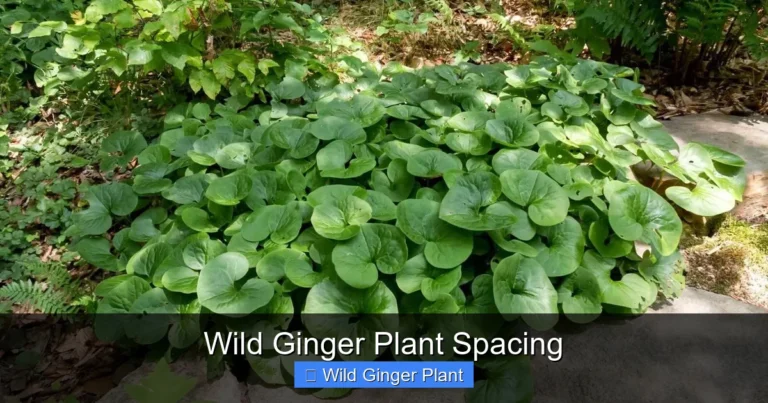
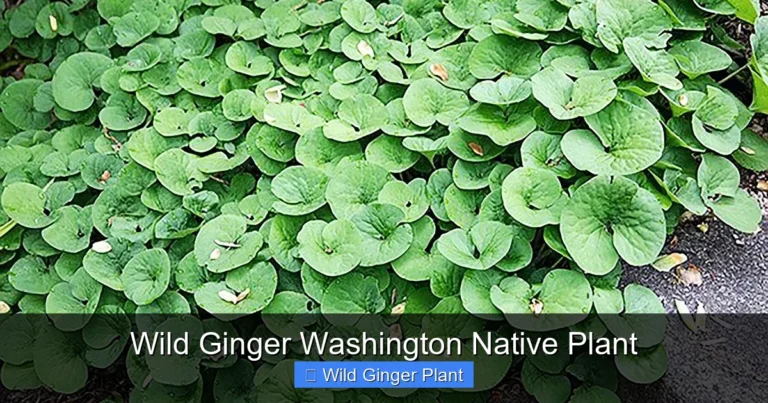
Few plants match tall wild ginger plants for weed-suppressing groundcover in shade. The dense, overlapping leaves create a living mulch that blocks light from reaching weed seeds. Once established, a colony needs almost no weeding.
Plant them on slopes for erosion control. Rhizomes knit soil together. Interplant with spring ephemerals like trout lilies or bloodroot — the ginger foliage emerges as ephemerals fade, hiding their yellowing leaves.
Woodland Garden Combinations
My favorite combination: Asarum caudatum with western sword fern (Polystichum munitum) and inside-out flower (Vancouveria hexandra). The fern provides vertical architecture, the ginger creates the carpet, and the Vancouveria adds delicate white flowers on wiry stems.
In eastern gardens, pair Asarum canadense with Christmas fern (Polystichum acrostichoides), foamflower (Tiarella cordifolia), and wild geranium (Geranium maculatum). Add trilliums for spring drama. The ginger’s solid foliage contrasts beautifully with fern fronds and airy flower spikes.
For a collector’s corner, group several Asarum species together. Label them. Compare leaf textures, flower forms, and growth habits. It becomes a living reference library.
Container Culture
Yes, you can grow wild ginger in pots. Choose wide, shallow containers — rhizomes spread horizontally. Use high-quality potting mix amended with compost and coarse sand for drainage. Site in full shade on a north-facing porch or beneath dense shrubs.
Water frequently. Containers dry faster than ground soil. Fertilize monthly with diluted liquid fertilizer during active growth. Repot every three years or when rhizomes circle the pot. Divide at repotting time.
Rock Garden Integration
Asarum hartwegii and Asarum marmoratum (marbled wild ginger) excel in shade rockeries. Tuck them between rocks where soil accumulates. Their mottled foliage brightens stone crevices. Ensure rocks don’t reflect excessive heat — these are cool-root plants.
Ecological Value and Wildlife
Pollinator Relationships
The ground-level flowers of tall wild ginger plants evolved for specific pollinators: fungus gnats (family Mycetophilidae), small beetles (families Staphylinidae and Nitidulidae), and springtails (Collembola). These insects overwinter in forest duff and emerge early, perfectly timed with wild ginger bloom.
Flowers emit subtle fungal or musty odors that attract these insects. Some species may mimic fungal fruiting bodies visually and chemically. The floral tube traps insects temporarily, ensuring pollen transfer before they escape.
This specialization means wild gingers don’t compete with showy spring flowers for bees and butterflies. They occupy a unique pollination niche.
Ant Partnerships
Seed dispersal by ants (myrmecochory) is a textbook mutualism. Seeds bear elaiosomes — lipid-rich appendages that ants love. Workers carry seeds to nests, feed elaiosomes to larvae, and discard intact seeds in midden chambers. These chambers offer:
- Protection from seed predators
- Nutrient-rich environment
- Stable moisture and temperature
- Reduced competition from parent plant
Studies show ant-dispersed seeds have significantly higher germination and survival rates. This explains why wild ginger colonies often form discrete patches rather than uniform carpets — each patch originated from a single ant nest’s midden.
Herbivore Resistance
Deer, rabbits, and voles generally avoid wild ginger. The foliage contains aristolochic acids and volatile oils that taste bitter and may be toxic in quantity. I’ve watched deer browse hostas to the ground while leaving adjacent wild ginger untouched.
However, slugs and snails relish tender new growth. In wet springs, they can skeletonize emerging leaves. Monitor and manage if necessary.
Native American Ethnobotany
Indigenous peoples across North America used wild ginger extensively. The rhizomes of Asarum canadense were dried, powdered, and used as a spice — hence “Indian ginger.” Medicinally, teas treated colds, fevers, digestive upset, and menstrual cramps. Poultices addressed wounds and inflammation.
Modern research confirms antimicrobial and anti-inflammatory compounds in the rhizomes. However, aristolochic acid — present in varying amounts across species — is nephrotoxic and carcinogenic with long-term use. I mention this for historical context only. Do not self-medicate with wild ginger.
Troubleshooting Common Problems
Leaf Scorch and Sun Damage
Brown, crispy leaf margins indicate too much sun or insufficient moisture. Relocate to shadier spot or increase irrigation. Morning sun is tolerable; afternoon sun is fatal in zones 7+.
Poor Spread
If your tall wild ginger plants sit static for years, check soil conditions. Compaction, low organic matter, excessive dryness, or root competition from aggressive trees (maples, beeches) can stall growth. Top-dress with compost annually. Consider root pruning nearby trees.
Flower Absence
No flowers usually means plants are too young (seedlings need 3-4 years) or too stressed. Deep shade can reduce flowering. Some species flower sparsely even in ideal conditions. Asarum hartwegii is notoriously shy to bloom in cultivation.
Fungal Issues
Crown rot occurs in poorly drained soil. Symptoms: yellowing leaves, mushy rhizomes, foul odor. Improve drainage or relocate. Leaf spot fungi (various Phyllosticta species) cause cosmetic spotting in humid conditions. Remove affected leaves. Ensure air circulation.
Invasive Potential
In their native range, wild gingers are well-behaved community members. Outside their range, some species can spread aggressively. Asarum europaeum has naturalized in parts of the Northeast. Asarum canadense can overwhelm delicate natives in small woodland remnants. Plant responsibly. Choose species native to your ecoregion.
Sourcing Plants Ethically
Never Dig from the Wild
This bears repeating: never dig wild plants without explicit permission and permits. Many populations are fragile. Removing plants disrupts ant dispersal networks, pollinator relationships, and genetic diversity. It’s also illegal on public lands.
Reputable Nurseries
Seek nurseries specializing in native perennials. They propagate from seed or divisions, not wild collection. Ask about provenance — locally sourced genetics adapt better to your conditions. Good nurseries will tell you the seed source county and state.
Native plant societies often hold sales. These are excellent sources for regionally appropriate tall wild ginger plants grown by knowledgeable members.
Mail Order Considerations
Bare-root rhizomes ship well in spring and fall. Potted plants ship year-round but cost more. Order early — popular species sell out. Inspect arrivals immediately. Healthy rhizomes are firm, light-colored, and smell spicy. Reject mushy, dark, or odorless material.
Conclusion
After two decades of growing tall wild ginger plants, I still get excited when the first leaves unfurl in spring. There’s something deeply satisfying about a plant that asks so little — shade, moisture, humus — and gives so much: twelve months of foliage interest, fascinating flowers, ecological value, and a living connection to the ancient forests that once blanketed this continent.
Whether you’re restoring a woodland understory, designing a shade garden, or simply want a deer-proof groundcover that looks good year-round, these plants deliver. Start with one species suited to your region. Give it the rich, moist soil it craves. Then step back and watch. In a few years, you’ll have a colony worth kneeling for — because the best flowers are the ones you have to get dirty to see.
Your shade garden is waiting. The gingers are ready. Let’s make something beautiful together.
Frequently Asked Questions
What soil conditions do tall wild ginger plants prefer?
Tall wild ginger plants thrive in rich, moisture-retentive, well-drained soil with high organic matter content. They prefer slightly acidic pH (5.5-6.5) but tolerate neutral soils. Amend heavy clay or sandy soils with compost and leaf mold to replicate forest duff conditions.
Are tall wild ginger plants deer resistant?
Yes, tall wild ginger plants are highly deer resistant. Their foliage contains aromatic compounds and aristolochic acids that taste bitter and deter browsing. Deer typically avoid them even when other food sources are scarce.
How do I propagate tall wild ginger plants?
The easiest method is rhizome division in early spring or fall. Cut sections with at least two nodes and replant immediately. Seed propagation works but requires fresh seed, cold stratification, and 3-4 years to reach flowering size.
Why are my tall wild ginger plants not flowering?
Lack of flowers usually indicates young plants (seedlings need 3-4 years), excessive shade, or plant stress from drought or poor soil. Some species like Asarum hartwegii flower sparsely even in optimal conditions.
Can tall wild ginger plants grow in containers?
Yes, they adapt well to wide, shallow containers with rich potting mix amended with compost. Place in full shade, water frequently, and fertilize monthly during active growth. Repot every 3 years as rhizomes fill the container.
Are tall wild ginger plants safe for medicinal use?
While historically used by Indigenous peoples for various ailments, wild ginger contains aristolochic acid which is nephrotoxic and carcinogenic with long-term use. Modern herbalists advise against internal use. Enjoy them for ornamental and ecological value only.