Pictures of Wild Ginger Plants
Discover how to recognize wild ginger through clear pictures of wild ginger plants, learn where it grows, and get practical tips for capturing your own photos.
Key Takeaways
- Distinct leaf shape: Wild ginger leaves are heart‑shaped and glossy, making them easy to spot in photos.
- Hidden flowers: The small, bell‑shaped flowers sit at ground level, often missed without close‑up pictures of wild ginger plants.
- Preferred habitat: It thrives in moist, shaded woodlands across North America.
- Seasonal cues: Spring brings fresh foliage; summer shows mature leaves; fall reveals seed pods.
- Photography basics: Use diffused light, a macro lens, and a low angle for the best pictures of wild ginger plants.
- Ethical foraging: Only photograph; do not harvest unless you are certain of identification and local regulations.
- Educational value: High‑quality pictures of wild ginger plants support plant‑ID guides and citizen‑science projects.
Quick Answers to Common Questions
What does wild ginger look like in early spring?
In early spring wild ginger shows tightly furled, pale green leaves and tiny reddish‑brown flowers at ground level.
Where is the best place to find wild ginger?
Look in moist, shaded deciduous forests, especially on north‑facing slopes near streams.
Can I eat the rhizome of wild ginger?
The rhizome is aromatic and historically used as a spice, but proper identification and local regulations are essential before any harvest.
What camera settings work best for macro shots of wild ginger?
Use ISO 100‑200, aperture f/8‑f/11, and a tripod for sharp, well‑exposed macro images.
How can my photos help conservation?
Uploading geotagged pictures of wild ginger plants to citizen‑science sites helps researchers track distribution and population health.
📑 Table of Contents
Introduction
When you walk through a damp forest floor, you might notice a low‑growing plant with shiny, heart‑shaped leaves. That plant is wild ginger. Many people search for pictures of wild ginger plants to confirm what they have seen. Good images help you learn the key features, the right season, and the best places to find it. In this guide we share everything you need to know about wild ginger, from identification to photography.
We will look at clear pictures of wild ginger plants taken in different habitats and seasons. You will see how the leaves change, where the tiny flowers hide, and how the seed pods look in autumn. By the end you will feel confident spotting wild ginger on your own hikes and capturing your own pictures of wild ginger plants.
Identifying Wild Ginger
Leaf characteristics
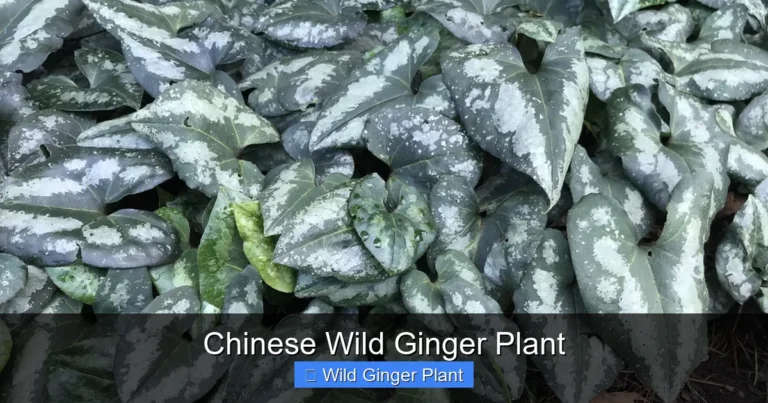
The most obvious trait in pictures of wild ginger plants is the leaf. Each leaf is broad, heart‑shaped, and has a smooth, glossy surface. The veins run parallel from the base to the tip. In spring the leaves are a bright emerald green. By summer they deepen to a richer shade. The leaf edges are entire, meaning they have no teeth or lobes.
Flower details
Wild ginger flowers are unusual. They grow at ground level, often hidden beneath the leaf litter. The flower is a small, bell‑shaped tube with three reddish‑brown petals. Because they sit so low, many pictures of wild ginger plants miss them unless the photographer gets down low. The flowers appear in early spring, usually before the leaves fully expand.
Root and rhizome
Below the soil the plant spreads by a thick, aromatic rhizome. The rhizome is the part historically used for flavoring, but it is not visible in most pictures of wild ginger plants. If you gently brush away leaf litter you may see the knobby, brown rhizome creeping just under the surface.
Habitat and Range
Preferred growing conditions
Wild ginger loves moist, well‑drained soil rich in organic matter. It thrives under a canopy of deciduous trees where light is filtered. You will often find it on north‑facing slopes, near streams, or in ravines. Pictures of wild ginger plants taken in these settings show a carpet of green covering the forest floor.
Geographic distribution
In North America the species Asarum canadense ranges from southern Canada down to the Gulf Coast and west to the Great Plains. A related species, Asarum caudatum, grows along the Pacific Coast. When you search for pictures of wild ginger plants from different regions you will notice slight variations in leaf size and flower color.
Associated plant community
Wild ginger often grows alongside trillium, bloodroot, and jack‑in‑the‑pulpit. These companion plants share the same shade and moisture requirements. Including them in your pictures of wild ginger plants gives context and helps with habitat recognition.
Seasonal Changes
Early spring emergence
As snow melts, the first shoots push through the leaf litter. The new leaves are tightly furled and a pale green. Pictures of wild ginger plants at this stage show a delicate, almost translucent quality. The hidden flowers may already be opening, so a low angle shot can capture them.
Mid‑summer maturity
By July the leaves are fully expanded, thick, and dark green. The plant forms a dense mat that suppresses competing seedlings. Pictures of wild ginger plants in midsummer often show a uniform green carpet with occasional seed pods beginning to form.
Autumn seed pods
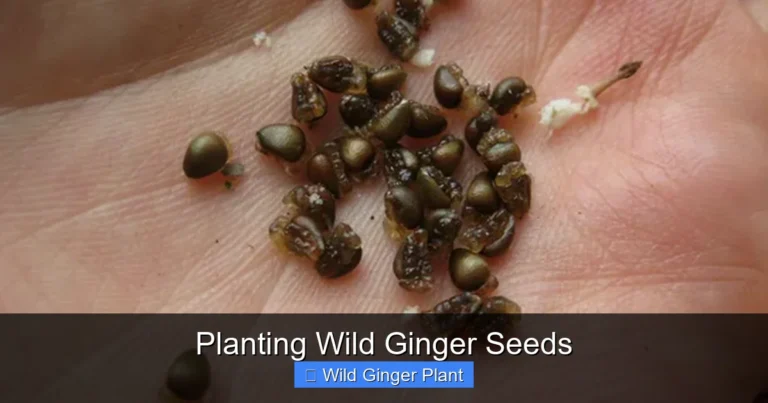
In September the fertilized flowers develop into fleshy, capsule‑like seed pods. These pods split open to reveal shiny black seeds. Pictures of wild ginger plants in fall highlight the contrast between the dark seeds and the fading foliage.
Winter dormancy
During winter the above‑ground parts die back, leaving only the rhizome underground. Pictures of wild ginger plants in winter are rare because there is little to photograph. However, noting the location in winter helps you return in spring.
Photography Tips for Wild Ginger
Lighting considerations
Forest light is soft and diffused, which is perfect for pictures of wild ginger plants. Avoid harsh midday sun; it creates hot spots on the glossy leaves. Early morning or late afternoon provides a gentle glow that reveals leaf texture.
Lens choice
A macro lens (90‑105 mm) lets you fill the frame with a single leaf or flower. If you only have a standard zoom, use the closest focusing distance and crop later. For habitat shots, a wide‑angle lens (24‑35 mm) captures the carpet effect.
Camera settings
Set a low ISO (100‑200) to keep noise down. Use an aperture of f/8‑f/11 for enough depth of field to keep the whole leaf sharp. A tripod is helpful for low‑light forest floors and for keeping the camera steady at ground level.
Composition ideas
Get low. Place the camera on the forest floor or use a bean bag. Include a few fallen leaves or a mossy log for scale. Try a top‑down view to show the heart shape, and a side view to reveal the hidden flower. Mixing perspectives gives a richer set of pictures of wild ginger plants.
Post‑processing basics
Adjust white balance to remove any green cast from the canopy. Slightly increase contrast to make the leaf veins pop. Sharpen selectively on the leaf edges. Keep edits subtle so the images remain true to life.
Using Pictures of Wild Ginger Plants for Education and Conservation
Field guides and apps
High‑resolution pictures of wild ginger plants are essential for printed field guides and mobile identification apps. Clear images of leaves, flowers, and seed pods let users compare what they see on the trail with reference photos.
Citizen‑science platforms
Platforms like iNaturalist rely on user‑submitted pictures of wild ginger plants to map distribution. When you upload a geotagged photo, researchers gain data on population health and range shifts.
Classroom resources
Teachers can use curated pictures of wild ginger plants in lessons about native flora, pollination, and forest ecology. Visual aids help students grasp concepts faster than text alone.
Conservation awareness
Sharing striking pictures of wild ginger plants on social media raises awareness of understory biodiversity. It reminds hikers to stay on trails and avoid trampling sensitive ground‑cover species.
Conclusion
Wild ginger is a subtle but fascinating forest dweller. Good pictures of wild ginger plants reveal its heart‑shaped leaves, hidden flowers, and seasonal transformations. By learning the key identification marks, knowing where and when to look, and applying simple photography techniques, you can capture beautiful, informative images. Those images not only enrich your own nature journal but also contribute to broader scientific knowledge and conservation efforts. So grab your camera, head to a shady woodland, and start building your own collection of pictures of wild ginger plants today.
Frequently Asked Questions
Is wild ginger related to culinary ginger?
No, wild ginger belongs to the genus Asarum and is not related to the tropical Zingiber officinale used in cooking.
When do wild ginger flowers bloom?
Flowers typically appear in early spring, often before the leaves fully expand.
Are there any look‑alike plants I should avoid?
Some violets and young jack‑in‑the‑pulpit leaves can resemble wild ginger; check for the distinctive heart shape and glossy surface.
Can I grow wild ginger in my garden?
Yes, it thrives in a shaded, moist garden bed with rich organic soil, mimicking its natural woodland habitat.
What is the conservation status of wild ginger?
Most populations are stable, but habitat loss and over‑collection can threaten local groups.
How do I differentiate Asarum canadense from Asarum caudatum?
Asarum caudatum has longer, tail‑like leaf tips and grows on the Pacific Coast, while Asarum canadense has broader, rounded leaves and ranges across eastern North America.