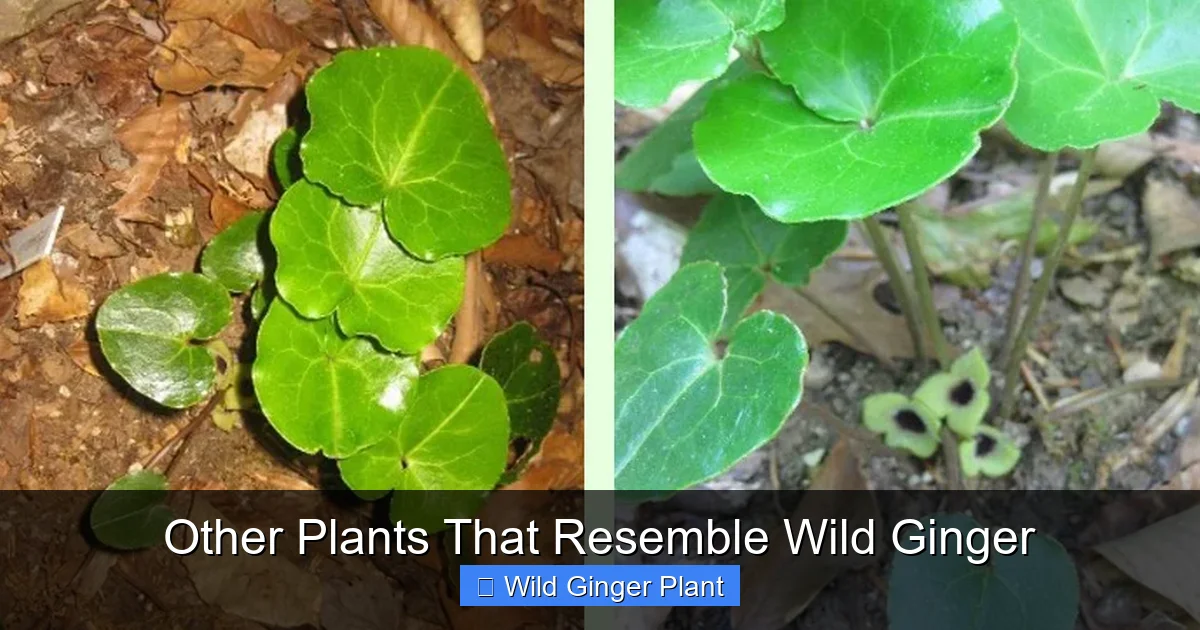
Other Plants That Resemble Wild Ginger
Many plants share the heart‑shaped leaves of wild ginger but differ in flower position, scent, and root type. Learning these differences keeps you safe when foraging or planting.
Wild ginger is a low growing herb that loves shade. It has heart shaped leaves that feel soft. Many people love its spicy scent. But several other plants look very similar. This can cause confusion. Knowing the differences helps you stay safe.
Foragers and gardeners often mistake wild ginger for its mimics. Some mimics are harmless. Others can be toxic. A wrong identification can lead to illness. This guide will show you the most common look alikes. It will also give you simple tips to tell them apart.
We will cover why wild ginger has so many look alikes. We will list the most common plants that resemble wild ginger. We will explain key features that separate wild ginger from its mimics. We will share practical field tips. We will discuss safety considerations. Finally we will wrap up with a quick conclusion.
Understanding wild ginger and its look alikes makes every walk in the woods more enjoyable. You will feel confident when you see a heart shaped leaf. You will know what to check next.
Key Takeaways
- Leaf shape: Heart‑shaped leaves are common but not unique to wild ginger.
- Flower type: Wild ginger hides its flowers under leaves; look‑alikes often show them above ground.
- Scent: Crushed wild ginger smells spicy; many mimics have no scent or a different odor.
- Root system: Wild ginger spreads by rhizomes; some mimics grow from taproots.
- Habitat: Wild ginger prefers moist, shady woods; mimics may like sun or dry soil.
- Safety: Some look‑alikes are toxic; always confirm identity before use.
- Identification tip: Use a field guide or app to compare multiple traits at once.
Quick Answers to Common Questions
What is the most common plant mistaken for wild ginger?
Heartleaf ginger is often mistaken for wild ginger because of its similar leaf shape.
How can I tell wild ginger from Virginia snakeroot?
Wild ginger hides its flower at ground level and smells spicy; Virginia snakeroot shows a tubular flower above ground and has a foul odor.
Is wild ginger safe to eat?
Yes wild ginger is edible in small amounts but always confirm identity and test for allergies first.
What tool helps most with field identification?
A hand lens is the most useful tool for seeing leaf hairs and vein patterns.
Can I grow wild ginger in my garden?
Yes wild ginger thrives in shady moist soil and makes a good ground cover.
📑 Table of Contents
Why Wild Ginger Has Look‑Alikes
Shared Leaf Shape
Many forest herbs have heart shaped leaves. This shape helps capture light in low light. Wild ginger shares this trait with several species. The leaf shape alone is not enough for identification.
Heart shaped leaves appear in many plant families. They evolve because they work well in shade. Wild ginger uses this shape to gather sunlight. Other plants copy the same strategy. This convergence creates visual similarity.
When you see a heart shaped leaf, pause. Look at the leaf texture. Feel the surface. Note the vein pattern. These details separate wild ginger from its neighbors.
Similar Habitat
Wild ginger grows in moist shady woods. Many other shade lovers grow in the same places. They compete for the same resources. This overlap increases the chance of confusion.
Rich humus soil holds moisture. Deciduous canopy filters light. Both wild ginger and its mimics thrive here. You will often find them side by side. Habitat alone cannot confirm identity.
Observe the microhabitat. Is the spot near a stream? Is it on a slope? Small changes in moisture affect which species dominate. This context helps you narrow the possibilities.
Common Confusion
People often rely on a single trait. They see a heart shaped leaf and assume wild ginger. They may miss the hidden flower. They may ignore the scent. This leads to misidentification.
Field guides stress multiple characters. Leaf, flower, root, and scent all matter. Skipping any step raises error risk. Take time to examine each feature.
Teach yourself a quick checklist. Leaf shape? Leaf texture? Flower position? Scent? Root type? Run through it every time. Consistency builds accuracy.
Common Plants That Resemble Wild Ginger
Canada Wild Ginger
Canada wild ginger is a close relative. It has similar leaves and a hidden flower. The flower is usually brownish. The rhizome smells spicy like wild ginger. It is edible and used in cooking.
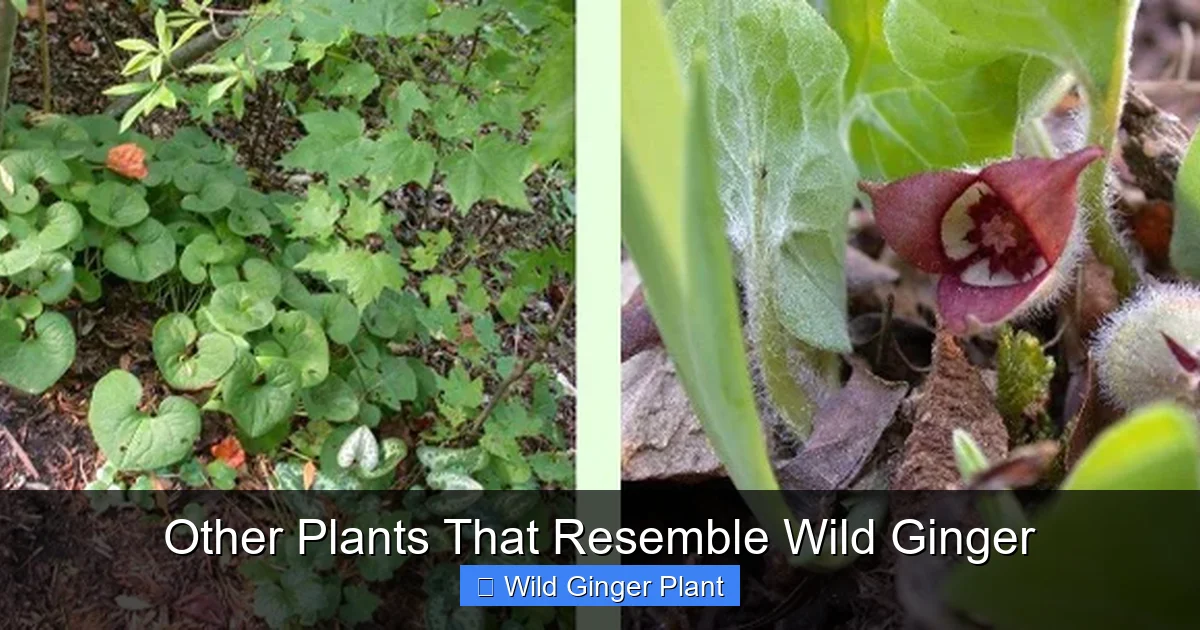
Visual guide about Other Plants That Resemble Wild Ginger
Image source: ncwildflower.org
Canada wild ginger ranges across eastern North America. It forms dense colonies in rich woods. The leaves are slightly larger than wild ginger. The flower sits at ground level, often buried by leaf litter.
When foraging, note the rhizome scent. A strong spicy aroma confirms Canada wild ginger. The flavor is milder than culinary ginger but still pleasant.
European Wild Ginger
European wild ginger looks almost identical. Its leaves are slightly glossier. The flower is also hidden. The scent is similar. It is not native to North America but can be found in gardens.
European wild ginger prefers calcareous soils. It spreads slowly via rhizomes. Gardeners value it for ground cover. The leaves stay green longer into winter.
If you encounter it in a cultivated bed, check the leaf sheen. A glossy surface hints at European origin. The flower remains concealed like wild ginger.
Heartleaf Ginger
Heartleaf ginger belongs to a different genus. Its leaves are heart shaped but have a distinct vein pattern. The flower sits above the leaves. The scent is mild or absent. It is not used as a spice.
Heartleaf ginger grows in the southeastern United States. It prefers acidic, well drained soils. The flower is a small, three‑parted bloom that rises on a short stalk.
Crush a leaf. If you smell little or nothing, suspect heartleaf ginger. The vein pattern is deeply impressed, unlike the shallow veins of wild ginger.
Virginia Snakeroot
Virginia snakeroot has heart shaped leaves. Its flower is a curved tube that sits above ground. The plant has a strong unpleasant odor. It is toxic if ingested. Do not confuse it with wild ginger.
Virginia snakeroot favors dry, rocky slopes. The flower resembles a tiny pipe. The smell is often described as musty or fetid. The root is a thick taproot, not a rhizome.
If you detect a foul odor, step back. This plant can cause nausea and vomiting. Always verify with a guide before handling.
Mayapple
Mayapple has a single large leaf that can look heart shaped when young. It produces a white flower under the leaf. The fruit is edible when ripe but the rest of the plant is toxic. It grows in colonies.
Mayapple emerges early in spring. The leaf unfurls like an umbrella. The flower hides beneath, similar to wild ginger. The fruit turns yellow when ready.
Only the ripe fruit is safe. The root and unripe fruit contain podophyllotoxin. Never eat any other part. Identify by the single leaf and colony habit.
Jack‑in‑the‑Pulpit
Jack‑in‑the‑pulpit has a unique hooded flower. Its leaves are three parted but can appear heart shaped early. The plant contains calcium oxalate crystals. It causes irritation if touched. It is not a wild ginger substitute.
Jack‑in‑the‑pulpit loves wet lowlands. The flower looks like a pulpit with a preacher inside. The leaves are compound, not simple like wild ginger.
Touching the plant can cause a burning sensation. Wear gloves if you must handle it. The distinctive flower makes it easy to separate from wild ginger.
Key Features to Separate Wild Ginger From Its Mimics
Leaf Texture and Vein Pattern
Wild ginger leaves are soft and slightly hairy. The veins are palmate and shallow. Heartleaf ginger leaves are smoother with deeper veins. Virginia snakeroot leaves are thicker and waxy.
Run your finger across the leaf surface. Wild ginger feels velvety. Heartleaf ginger feels slick. Virginia snakeroot feels leathery. This tactile test is quick and reliable.
Hold the leaf up to light. Wild ginger veins branch like a fan. Heartleaf ginger veins run parallel then converge. Virginia snakeroot veins are faint and netlike.
Flower Position and Appearance
Wild ginger flowers hide at ground level. They are small and brownish. Canada wild ginger flowers also hide. European wild ginger flowers hide. Heartleaf ginger flowers rise above leaves. Virginia snakeroot flowers are tubular and visible. Mayapple flowers are white and nodding. Jack‑in‑the‑pulpit flowers are hooded and showy.
Search the leaf litter carefully. Wild ginger flowers sit on short stalks at soil level. Gently lift leaves to reveal them. The color is often purplish brown.
Heartleaf ginger flowers stand on a short peduncle above the foliage. They are greenish yellow. Virginia snakeroot flowers curve like a pipe. Mayapple flowers droop under the leaf. Jack‑in‑the‑pulpit flowers form a dramatic hood.
Root and Rhizome Structure
Wild ginger spreads by thin rhizomes. The rhizomes are aromatic. Canada wild ginger has similar rhizomes. European wild ginger has similar rhizomes. Heartleaf ginger has a more fibrous root. Virginia snakeroot has a thick taproot. Mayapple has a rhizome but it is not aromatic. Jack‑in‑the‑pulpit has a corm.
Dig gently around the base. Wild ginger rhizomes run horizontally just below the surface. They snap easily and release a spicy scent.
Heartleaf ginger roots are wiry and lack aroma. Virginia snakeroot taproot goes deep. Mayapple rhizome is thicker and odorless. Jack‑in‑the‑pulpit corm is round and starchy.
Scent When Crushed
Crush a wild ginger leaf and you smell a warm spice. Canada wild ginger smells the same. European wild ginger smells similar. Heartleaf ginger has little scent. Virginia snakeroot smells foul. Mayapple has a faint green smell. Jack‑in‑the‑pulpit has no notable scent.
Carry a small vial for scent tests. Rub a leaf between fingers. Inhale deeply. A sweet peppery note signals wild ginger or its close relatives.
Absence of scent or a musty odor points to a mimic. This simple test saves time in the field.
Growth Habit and Preferred Habitat
Wild ginger forms dense mats in deep shade. It likes rich moist soil. Canada wild ginger behaves the same. European wild ginger prefers similar conditions. Heartleaf ginger tolerates slightly drier sites. Virginia snakeroot likes well drained slopes. Mayapple forms colonies in open woods. Jack‑in‑the‑pulpit prefers wet lowlands.
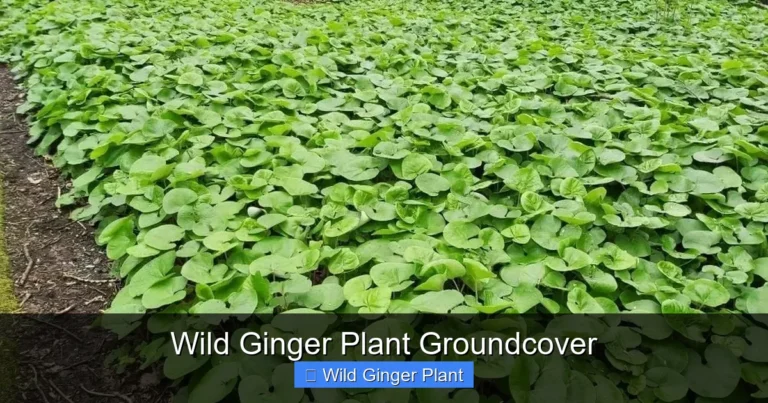
Notice the ground cover density. Wild ginger creates a continuous carpet. Heartleaf ginger grows in loose clumps. Virginia snakeroot appears as solitary plants.
Soil moisture is a clue. Wet seeps favor Jack‑in‑the‑pulpit. Dry ridges favor Virginia snakeroot. Rich bottomlands favor wild ginger.
Practical Tips for Field Identification
Use a Hand Lens
A small hand lens reveals leaf hairs and vein details. Look for fine hairs on wild ginger leaves. Check vein depth on heartleaf ginger. This tool fits in a pocket.
Choose a 10x lens for best detail. Hold it close to the leaf. Observe the surface texture. Tiny trichomes confirm wild ginger.
Clean the lens after each use. Dirt can obscure features. A clear view prevents mistakes.
Take Photos From Multiple Angles
Photograph the whole plant. Capture the leaf top and underside. Shoot the flower if visible. Photograph the base to see rhizomes. Good photos help later comparison.
Use a smartphone with macro mode. Get close for leaf texture. Step back for habit shot. Include a ruler for scale.
Label each photo with date and location. Organize them in a folder. This builds a personal reference library.
Compare With a Reliable Guide
Carry a regional field guide or a trusted app. Match leaf shape flower position and scent. Do not rely on a single picture. Use multiple sources for confirmation.
Cross‑check the guide description with your observations. Note any discrepancies. If unsure, consult an expert.
Apps with image recognition can suggest IDs. Verify the suggestion with your own checklist. Technology aids but does not replace skill.
Note the Surrounding Plant Community
Observe what other plants grow nearby. Wild ginger often grows with ferns and trilliums. Virginia snakeroot may grow with oaks. Habitat clues support identification.
List the dominant canopy trees. Note the understory shrubs. Record the herb layer composition. Community context narrows possibilities.
Certain indicator species signal soil type. For example, maidenhair fern suggests moist, rich soil. This matches wild ginger preferences.
Record Date and Location
Write down the date and GPS coordinates. Seasonal changes affect flower visibility. Location data helps track populations. It also aids future visits.
Use a notebook or phone app. Include weather notes. Phenology shifts year to year. Long term records reveal trends.
Share your records with local conservation groups. Citizen science contributes to distribution maps.
Safety Considerations When Foraging
Toxic Look‑Alikes to Avoid
Virginia snakeroot is toxic. Mayapple roots and unripe fruit are toxic. Jack‑in‑the‑pulpit causes severe irritation. Never eat a plant unless you are 100 percent sure.
Learn the key toxins. Virginia snakeroot contains aristolochic acid. Mayapple contains podophyllotoxin. Jack‑in‑the‑pulpit has calcium oxalate crystals.
Teach children to recognize these plants. A quick visual cue can prevent accidental ingestion.
Allergic Reactions
Even edible wild ginger can cause allergies in some people. Test a tiny amount first. Wait 24 hours for any reaction. Stop use if you feel itching or swelling.
Start with a pinch of rhizome tea. Monitor skin and digestion. Keep antihistamine handy if you have known sensitivities.
Document any reaction in your field notes. This helps you avoid future exposure.
Sustainable Harvesting
Take only a few leaves from each plant. Leave the rhizome intact. Harvest from large healthy populations. This ensures the plant continues to thrive.
Rotate harvest sites each year. Allow colonies to recover. Avoid rare or isolated patches.
Follow local regulations. Some areas prohibit collection. Respect private property and protected lands.
Conclusion
Wild ginger has many look alikes. Leaf shape alone is not enough. Check the flower position. Smell the crushed leaf. Examine the root system. Use a hand lens and a good guide. Record your observations. Stay safe and enjoy the forest.
With practice, identifying wild ginger becomes second nature. You will spot the subtle differences quickly. Your foraging trips will be safer and more rewarding.
Share your knowledge with friends. Teach them the checklist. Together you protect native plants and your own health.
Happy hunting and happy gardening.
Frequently Asked Questions
What are the key differences between wild ginger and heartleaf ginger?
Wild ginger has soft hairy leaves, hidden flowers, and a spicy scent. Heartleaf ginger has smoother leaves with deeper veins, visible flowers, and little to no scent.
Why does wild ginger hide its flowers?
Wild ginger flowers are pollinated by ground dwelling insects so they stay low under the leaf litter.
Can I use wild ginger as a spice substitute?
Yes the rhizome of wild ginger can be used like culinary ginger but the flavor is milder and more peppery.
Are there any poisonous look‑alikes I should avoid?
Virginia snakeroot, mayapple, and jack‑in‑the‑pulpit are toxic and should not be consumed.
How do I sustainably harvest wild ginger?
Take only a few leaves per plant, leave the rhizome in the ground, and harvest from large healthy patches.
What habitat does wild ginger prefer?
Wild ginger prefers rich moist soil in deep shade, often under deciduous trees in eastern North America.