How to Plant Wild Ginger Rhizomes
Plant wild ginger rhizomes in early spring or fall in rich, moist, well-draining soil under full to partial shade. Space rhizomes 12 to 18 inches apart with buds facing up, cover with one to two inches of soil, and mulch heavily. Keep soil consistently moist during establishment for a lush, deer-resistant native groundcover that spreads slowly over time.
If you have a shady spot in your garden that feels impossible to fill, wild ginger might be the answer you have been looking for. This native woodland perennial creates a lush carpet of heart-shaped leaves that stay green from spring through fall. It asks for very little in return. Just give it shade, moisture, and rich soil, and it will reward you with years of quiet beauty. Learning how to plant wild ginger rhizomes the right way sets the stage for a thriving patch that gets better every season.
I remember the first time I tucked a few rhizomes under a maple tree in my side yard. I was skeptical. The soil was dry, the shade was deep, and nothing else wanted to grow there. Two years later, that patch had doubled in size. The leaves formed a living mulch that kept weeds out and moisture in. Now I cannot imagine that corner of the garden without it. If you are ready to add this tough, lovely native to your landscape, let us walk through everything you need to know.
Key Takeaways
- Best planting time: Early spring or early fall when soil is workable and temperatures are mild.
- Ideal location: Full to partial shade with rich, moist, well-draining soil high in organic matter.
- Proper depth and spacing: Plant rhizomes one to two inches deep, buds up, spaced 12 to 18 inches apart.
- Mulch is essential: Apply two to three inches of leaf mulch or shredded bark to retain moisture and suppress weeds.
- Consistent moisture: Water regularly during the first growing season; established plants tolerate brief dry spells.
- Slow spreader: Wild ginger expands gradually via rhizomes, forming a dense colony over several years.
- Low maintenance: Once established, it needs little care beyond occasional watering and annual mulch refresh.
Quick Answers to Common Questions
When is the best time to plant wild ginger rhizomes?
Early spring or early fall are ideal. Spring planting gives a full growing season. Fall planting allows root establishment before winter. Avoid summer heat and late fall in cold zones.
How deep should I plant wild ginger rhizomes?
Plant rhizomes one to two inches deep with the growth buds facing upward. Cover with soil and firm gently. Do not plant deeper than two inches or emergence will be delayed.
What kind of soil does wild ginger need?
Rich, moist, well-draining soil high in organic matter with a pH of 5.5 to 7.0. Amend clay or sand with compost or leaf mold before planting. Mimic forest floor conditions.
How far apart should I space wild ginger rhizomes?
Space rhizomes 12 to 18 inches apart. Closer spacing fills in faster. Wider spacing saves money but takes longer to form a solid groundcover mat.
Is wild ginger deer resistant?
Yes, wild ginger is highly deer and rabbit resistant. The aromatic compounds in the foliage make it unpalatable. It is an excellent choice for gardens with heavy deer pressure.
📑 Table of Contents
- Understanding Wild Ginger Before You Plant
- When to Plant Wild Ginger Rhizomes
- Choosing and Preparing the Perfect Site
- Step-by-Step: How to Plant Wild Ginger Rhizomes
- First-Year Care: Getting Your Patch Established
- Long-Term Maintenance and Propagation
- Harvesting and Using Wild Ginger (With Cautions)
- Troubleshooting Common Problems
- Designing with Wild Ginger in the Landscape
- Conclusion
Understanding Wild Ginger Before You Plant
What Is Wild Ginger?
Wild ginger (Asarum canadense) is a low-growing perennial native to eastern North America. It is not related to the culinary ginger you buy at the grocery store. That one is Zingiber officinale, a tropical plant. Our native wild ginger belongs to the birthwort family, Aristolochiaceae. It grows naturally in rich, moist woods from Canada down to the southern Appalachians and west to the Great Plains.
The plant gets its common name from the spicy, ginger-like scent of its rhizomes when crushed. Indigenous peoples and early settlers used the roots as a flavoring and for medicinal purposes. Today, we grow it mostly for its ornamental value. The kidney- or heart-shaped leaves form a dense mat six to twelve inches tall. In spring, unusual jug-shaped flowers hide at ground level, pollinated by beetles and flies rather than bees.
Why Choose Wild Ginger for Your Garden?
There are many reasons to love this plant. First, it solves the dry shade problem. Once established, it handles root competition from trees better than most perennials. Second, deer and rabbits leave it alone. The aromatic compounds in the foliage make it unpalatable. Third, it is a host plant for the pipevine swallowtail butterfly. The caterpillars feed on the leaves, so you are supporting wildlife. Fourth, it stays tidy. No staking, no deadheading, no aggressive runners that take over the yard. It just sits there looking handsome all season.
Wild ginger also works well in rain gardens, along shaded stream banks, and under mature trees where grass refuses to grow. It pairs beautifully with ferns, foamflower, woodland phlox, and spring ephemerals like trillium and bloodroot. Because it emerges early and stays late, it covers the fading foliage of spring bulbs and ephemerals seamlessly.
Know Your Species and Cultivars
While Asarum canadense is the most common species in cultivation, there are others worth knowing. European wild ginger (Asarum europaeum) has glossier, evergreen leaves and is hardy to zone 4. It spreads a bit faster and tolerates slightly more sun. There are also several Asian species like Asarum splendens with silver-mottled leaves, though these are less cold-hardy. For most North American gardeners, the native A. canadense is the best choice. It is adapted to local conditions, supports native insects, and is widely available from native plant nurseries.
When to Plant Wild Ginger Rhizomes
Spring Planting Advantages
Early spring is an excellent time to plant wild ginger rhizomes. The soil is naturally moist from snowmelt and spring rains. Temperatures are cool, reducing transplant shock. The plants have a full growing season ahead to establish roots before winter. Aim to plant as soon as the ground can be worked, typically March through May depending on your zone. If you buy potted plants from a nursery, they can go in anytime the soil is not frozen. Bare-root rhizomes shipped in early spring should be planted immediately upon arrival.
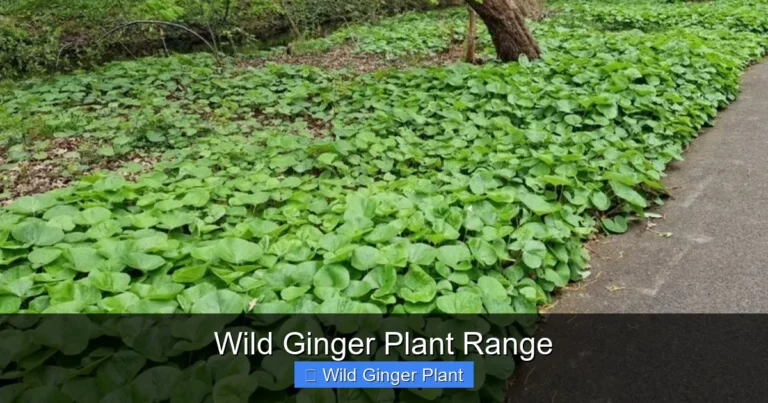
Visual guide about How to Plant Wild Ginger Rhizomes
Image source: getbusygardening.com
Fall Planting Benefits
Early fall is equally good, and some gardeners prefer it. Soil temperatures are still warm, encouraging root growth before dormancy. Autumn rains help with watering duties. The plants settle in over winter and hit the ground running in spring. Plant at least six weeks before your average first hard frost date. This gives rhizomes time to anchor before the ground freezes. In zones 3 through 5, late August to early October works well. In zones 6 through 8, you can plant into November.
Times to Avoid
Avoid planting in the heat of summer unless you can provide constant moisture and temporary shade. High temperatures stress new transplants. Also avoid late fall planting in cold climates where the ground freezes early. Rhizomes need time to develop root hairs before winter. If you miss the fall window, wait for spring. It is better to plant a little late in spring than too late in fall.
Choosing and Preparing the Perfect Site
Light Requirements
Wild ginger thrives in full shade to partial shade. Full shade means less than two hours of direct sun per day, preferably morning light only. Partial shade means two to four hours of sun, again ideally in the morning. Afternoon sun, especially in hot climates, can scorch the leaves. If you are planting under deciduous trees, the plants get spring sun before the canopy leafs out, then shade all summer. This is ideal. Under evergreens, the shade is year-round, which also works but growth may be slower.
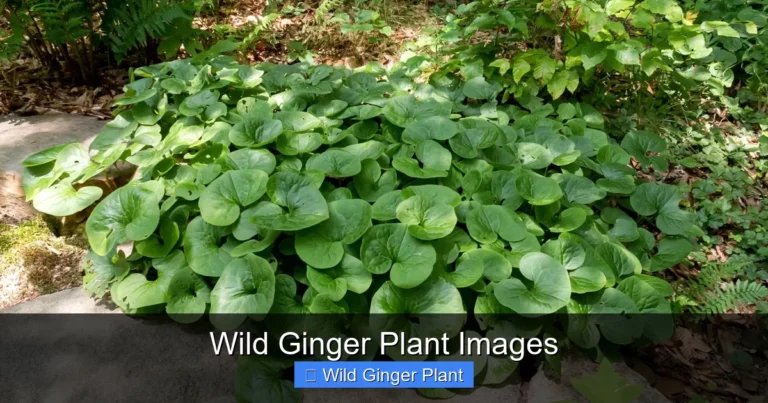
Visual guide about How to Plant Wild Ginger Rhizomes
Image source: housedigest.com
Soil Conditions
The ideal soil is rich, loamy, well-draining, and consistently moist. Think forest floor. Wild ginger loves soil high in organic matter with a slightly acidic to neutral pH, roughly 5.5 to 7.0. Heavy clay that stays soggy can cause rhizome rot. Sandy soil that drains too fast will leave plants thirsty. If your soil is poor, amend it generously before planting. You only get one chance to prep the bed properly, so take the time to do it right.
Testing and Amending Your Soil
Do a simple soil test if you are unsure of your pH or nutrient levels. Kits are inexpensive and available at garden centers. If the soil is too alkaline, add elemental sulfur or pine needle mulch to lower pH gradually. For clay soil, work in two to three inches of compost, leaf mold, or well-rotted manure to improve drainage and structure. For sandy soil, add the same amendments to increase water retention. Avoid fresh manure or hot compost. They can burn tender roots. The goal is a light, crumbly texture that holds moisture like a wrung-out sponge.
Dealing with Tree Roots
Planting under mature trees means competing with tree roots. Do not till deeply or you will damage the tree. Instead, use a hand trowel to create individual planting pockets between large roots. Mix compost into each pocket. If the area is a solid mat of roots, consider building a raised bed six to eight inches deep on top of the existing soil. Use a mix of native soil and compost. This gives wild ginger a good start without harming the tree. Water more frequently the first year since tree roots will quickly absorb moisture.
Step-by-Step: How to Plant Wild Ginger Rhizomes
Gather Your Tools and Materials
Before you start, have everything ready. You will need a garden fork or spade, a hand trowel, a bucket of water, compost or leaf mold, mulch (shredded leaves, pine needles, or bark), and a watering can or hose with a gentle nozzle. Wear gloves if you prefer. Wild ginger rhizomes are not prickly, but soil can be rough on hands. If your rhizomes arrive bare-root and you cannot plant immediately, store them in the refrigerator wrapped in damp paper towels inside a plastic bag. Plant within three to five days for best results.
Prepare the Planting Bed
Clear the area of weeds, grass, and debris. If the soil is compacted, loosen the top six to eight inches with a garden fork. Work in two to three inches of compost or leaf mold. Rake the bed smooth. Water the prepared bed deeply a few hours before planting. Moist soil settles around rhizomes better than dry soil and reduces transplant shock. If you are planting a large area, consider laying out a hose or rope to mark curved, natural-looking drifts rather than straight rows.
Inspect and Prepare the Rhizomes
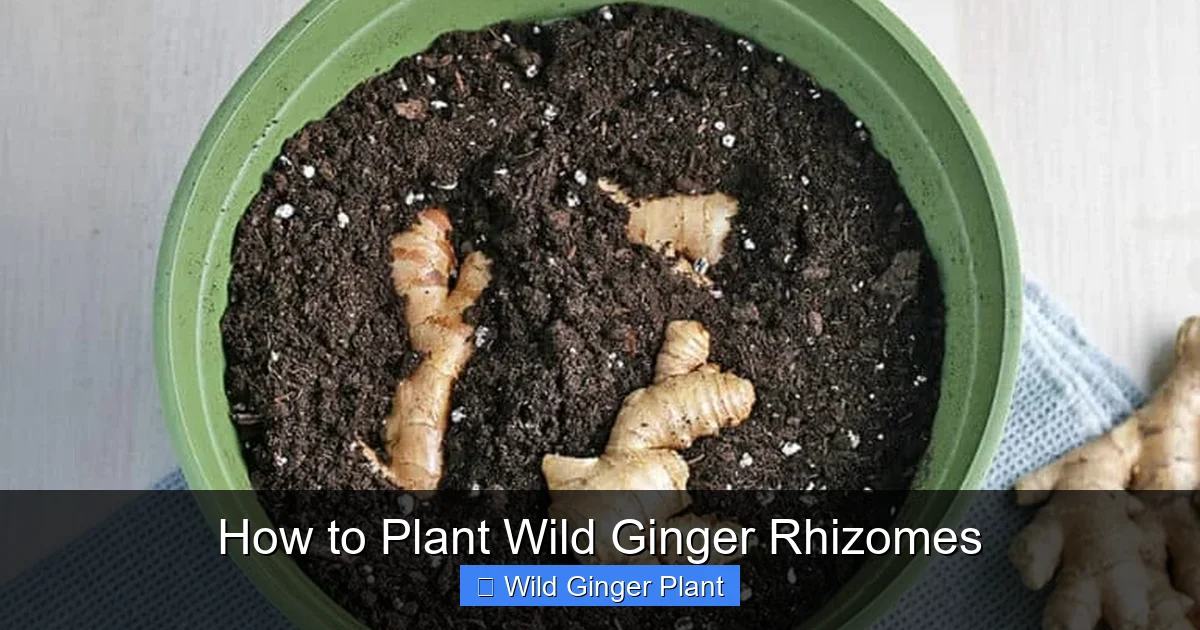
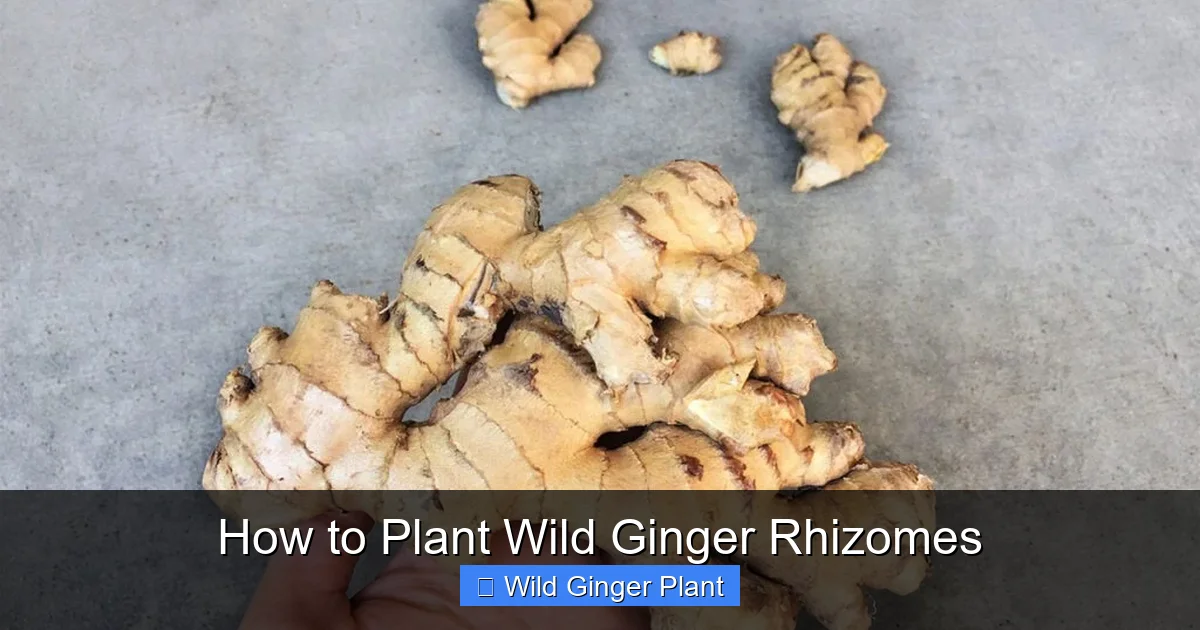
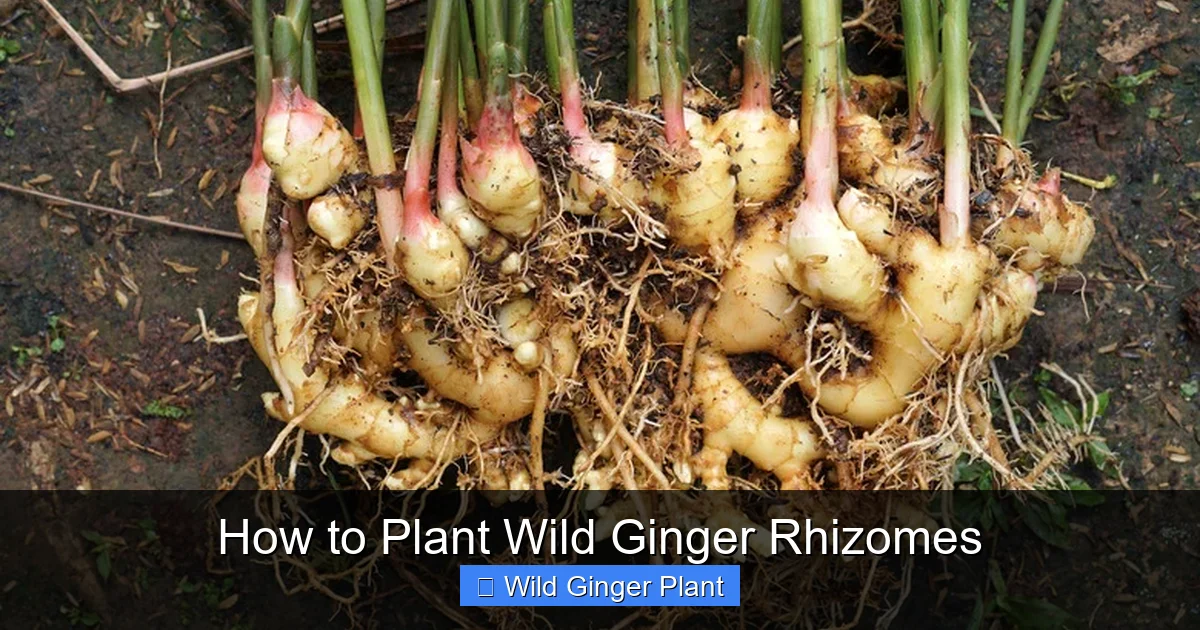
Healthy wild ginger rhizomes are firm, pale tan to light brown, and about the thickness of a pencil. They have visible growth buds, often called eyes, which look like small nubs or swollen nodes along the length. Each section should have at least one bud, preferably two or three. If you have long rhizome pieces, you can cut them into three- to four-inch sections, making sure each piece has buds. Use clean, sharp pruners. Let cut ends air dry for an hour to callus over, which reduces rot risk.
Plant at the Right Depth and Spacing
Dig shallow trenches or individual holes one to two inches deep. Space rhizomes 12 to 18 inches apart. Closer spacing fills in faster but costs more. Wider spacing saves money but takes longer to form a solid mat. Lay each rhizome horizontally with the buds facing up. This is important. If planted upside down, the shoots must curve around, wasting energy. Cover with one to two inches of soil. Firm gently with your hands to eliminate air pockets. Do not pack hard. The soil should be snug but not compacted.
Water Thoroughly After Planting
Give the newly planted bed a deep, gentle soak. Use a watering can rose or a hose on a shower setting. You want to settle the soil around each rhizome without washing them out. Water until the top four to six inches of soil are moist. Check by sticking your finger in the soil. This initial watering is critical. It connects the rhizome to the surrounding soil moisture and triggers root initiation.
Mulch Generously
Apply two to three inches of mulch immediately after watering. Shredded leaves are perfect because they mimic the natural forest duff layer. Pine needles work well and add slight acidity. Shredded bark is fine but breaks down slower. Avoid wood chips. They can tie up nitrogen as they decompose. Keep mulch pulled back slightly from the crown area where shoots will emerge. Mulch conserves moisture, suppresses weeds, moderates soil temperature, and slowly feeds the soil as it breaks down.
First-Year Care: Getting Your Patch Established
Watering Schedule
The first growing season is all about root development. Wild ginger rhizomes need consistent moisture to grow new feeder roots. Water deeply once or twice a week depending on rainfall. Check soil moisture two inches down. If it feels dry, water. Aim for one inch of water per week total, including rain. A soaker hose or drip irrigation covered by mulch is ideal. It delivers water to the root zone without wetting foliage, which reduces disease risk. Do not let the soil dry out completely during the first summer.
Weed Management
Weeds compete for water and nutrients. Hand-pull weeds carefully, especially early on. The shallow rhizomes of wild ginger are easily damaged by hoeing or cultivating. Mulch is your best defense. Replenish it as it breaks down. If weeds get ahead of you, smother them with cardboard topped with mulch rather than digging them out. Once the wild ginger forms a dense mat, usually by year three, it suppresses most weeds on its own.
Fertilizing: Less Is More
Wild ginger does not need heavy feeding. In fact, too much nitrogen produces lush foliage that is more susceptible to slug damage and winter injury. If you amended the soil well at planting, no fertilizer is needed the first year. In subsequent years, a light top-dressing of compost or leaf mold in early spring is plenty. Spread a half-inch layer around plants and scratch it in gently. Alternatively, use a slow-release organic fertilizer with a balanced ratio like 5-5-5 at half the recommended rate.
Pest and Disease Watch
Wild ginger is remarkably trouble-free. Slugs and snails occasionally nibble leaves, especially in wet springs. Beer traps, diatomaceous earth, or copper tape around the bed can help. Root rot can occur in poorly drained soil. That is why site prep matters. Fungal leaf spots sometimes appear in humid conditions with poor air circulation. Space plants adequately and avoid overhead watering. Deer and rabbits rarely browse wild ginger, but if they do, a spray repellent applied early in the season usually deters them.
Long-Term Maintenance and Propagation
Annual Spring Cleanup
In late winter or early spring, before new growth emerges, remove any tattered or decomposed leaves from the previous year. This improves air circulation and reduces disease carryover. Be gentle. The new shoots are fragile. A light rake or your hands works fine. Top-dress with a thin layer of fresh compost or leaf mold. Refresh mulch to maintain a two- to three-inch depth. This annual ritual takes ten minutes per patch and keeps plants vigorous.
Dividing Established Clumps
After three to five years, your wild ginger patches may become crowded or develop bare centers. This is the perfect time to divide. Dig up a clump in early spring or early fall. Use a sharp knife or spade to cut the rhizome mat into sections, each with several buds and roots. Replant divisions immediately at the same depth, water well, and mulch. Division rejuvenates old plants and gives you free plants to expand your groundcover or share with friends.
Managing Spread
Wild ginger spreads slowly by rhizomes, typically six to twelve inches per year. It is not aggressive like some groundcovers. If it encroaches on a path or neighboring plant, simply dig out the wandering rhizomes and replant or compost them. Edging the bed with a shallow barrier of plastic or metal can contain it if needed. In most gardens, its polite spread is a feature, not a problem. It knits together with other shade plants to form a living tapestry.
Companion Planting Ideas
Wild ginger plays well with others. Pair it with Christmas fern (Polystichum acrostichoides) for evergreen structure. Add foamflower (Tiarella cordifolia) for spring blooms and interesting foliage. Plant woodland phlox (Phlox divaricata) for fragrant blue flowers in May. Intersperse with spring ephemerals like Virginia bluebells (Mertensia virginica) or trout lily (Erythronium americanum). The ginger covers the gaps when ephemerals go dormant. For late-season color, add white wood aster (Eurybia divaricata) or zigzag goldenrod (Solidago flexicaulis).
Harvesting and Using Wild Ginger (With Cautions)
Traditional Uses
Historically, the rhizomes of wild ginger were harvested, dried, and ground as a ginger substitute. They were also used in syrups, candied, or brewed as tea for digestive complaints. Native American tribes used it for colds, fevers, and as a poultice for wounds. Early European settlers adopted these uses. The flavor is similar to tropical ginger but more earthy and less pungent.
Modern Safety Concerns
Here is the important part. Wild ginger contains aristolochic acid, a compound linked to kidney damage and cancer with long-term or high-dose use. The FDA warns against consuming products containing aristolochic acid. While traditional use involved small amounts, modern herbalists generally advise against internal use. If you want to smell the rhizomes or make a tiny experimental tea, that is your choice, but do so with full knowledge of the risks. Many gardeners grow wild ginger purely for ornament and ecological value, which is perfectly safe and rewarding.
Sustainable Harvesting If You Choose To
If you decide to harvest a small amount for personal use, do it sustainably. Wait until the patch is large and well-established, at least five years old. Harvest in fall after the leaves die back. Dig carefully at the edge of the colony, taking only a few rhizome pieces. Leave the majority to regrow. Replant a few budded sections to replace what you took. Never harvest from wild populations. Only use plants you have cultivated yourself. And again, consider skipping the harvest entirely and enjoying the plant for its beauty.
Troubleshooting Common Problems
Leaves Turning Yellow or Brown
Yellow leaves often mean too much sun, too little water, or nutrient deficiency. Check light conditions first. If the site gets afternoon sun, consider moving plants or adding a shade cloth. Water deeply if soil is dry. A light feed of compost may help if soil is poor. Brown, crispy edges usually indicate drought stress or salt damage from fertilizer. Increase watering and stop fertilizing. Brown mushy spots suggest fungal disease. Improve air circulation and avoid overhead watering.
Plants Not Spreading
Slow spread is normal for the first two to three years. Wild ginger puts energy into roots first. If after three years the patch has not expanded, check soil moisture and fertility. Dry, poor soil slows growth. Compaction from foot traffic can also hinder rhizomes. Mulch more heavily, water consistently, and top-dress with compost. Dividing and replanting vigorous outer sections into prepared soil can jump-start a sluggish colony.
Holes in Leaves
Irregular holes with slime trails mean slugs or snails. They love the tender new leaves in spring. Hand-pick at night with a flashlight. Use iron phosphate bait (safe for pets and wildlife) around the perimeter. Diatomaceous earth works when dry. Encourage natural predators like ground beetles and toads by providing habitat. If damage is minor, ignore it. The plant will outgrow it.
Center of Clump Dies Out
This is a sign the clump needs division. The center becomes woody and unproductive while the outer edges remain vigorous. Dig the whole clump in early spring. Discard the woody center. Replant the healthy outer sections with buds and roots. Amend the soil with compost before replanting. Water well. The divisions will fill in quickly.
Designing with Wild Ginger in the Landscape
Woodland Garden Foundation
Use wild ginger as the living mulch layer in a shaded border. Plant it in drifts of five, seven, or nine plants for a natural look. Space drifts three to four feet apart and let them grow together over time. Underplant with spring bulbs like snowdrops, scilla, or species tulips. The ginger hides the bulb foliage as it yellows. Add vertical accents like Solomon’s seal (Polygonatum biflorum) or bugbane (Actaea racemosa) rising through the ginger carpet.
Rain Garden and Streamside Planting
Wild ginger tolerates periodic flooding and prefers the moist conditions of a rain garden’s lower zone. Plant it along the edges where water lingers longest. Combine with swamp milkweed (Asclepias incarnata), cardinal flower (Lobelia cardinalis), and blue flag iris (Iris versicolor). The ginger stabilizes soil with its rhizome network and filters runoff. On a shaded streambank, it prevents erosion while providing habitat for amphibians and insects.
Under Trees and Shrubs
This is where wild ginger shines. Plant it in a ring around the base of shade trees, starting a foot from the trunk to avoid damaging surface roots. Extend the ring to the drip line if possible. Under shrubs like hydrangea, viburnum, or witch hazel, it suppresses weeds and keeps roots cool. It also works on the north side of buildings or fences where nothing else grows. Anywhere you have shade and decent soil, wild ginger belongs.
Container Growing
Yes, you can grow wild ginger in pots. Choose a wide, shallow container at least twelve inches across. Use a high-quality potting mix amended with compost. Plant three to five rhizomes per pot. Keep in full shade. Water frequently. Containers dry out faster than ground soil. Fertilize lightly with liquid seaweed or fish emulsion monthly during the growing season. Overwinter pots in an unheated garage or bury them in the ground. This is a great way to enjoy wild ginger on a shaded patio or balcony.
Conclusion
Learning how to plant wild ginger rhizomes opens the door to one of the most satisfying native groundcovers you can grow. It asks for so little: shade, moisture, rich soil, and a bit of patience. In return, you get a carpet of deep green leaves that knits the garden together, supports wildlife, and asks for almost no maintenance once established. Whether you are filling a difficult spot under a maple, creating a woodland path edge, or building a rain garden, wild ginger rises to the occasion.
Start with a few rhizomes this spring or fall. Prepare the bed well. Water faithfully the first year. Mulch like you mean it. Then step back and watch. Year by year, the patches will expand, merging into a living quilt that changes with the seasons. You will find yourself looking forward to those hidden spring flowers and the spicy scent when you brush against the foliage. Wild ginger connects your garden to the native landscape in a quiet, enduring way. That is a gift worth planting for.
Frequently Asked Questions
Can I grow wild ginger from seed instead of rhizomes?
Yes, but it is slow. Seeds require cold stratification and can take two years to germinate. Seedlings take three to four years to reach planting size. Rhizomes are much faster and more reliable for gardeners.
Will wild ginger grow in full sun?
No. Wild ginger needs shade. Full sun scorches the leaves and stresses the plant. It may survive in cool climates with constant moisture, but it will not thrive. Choose a shaded site for best results.
How fast does wild ginger spread?
Wild ginger spreads slowly, typically six to twelve inches per year via rhizomes. It forms a dense colony over several years. It is not aggressive or invasive. Division every few years can accelerate coverage.
Can I plant wild ginger under pine trees?
Yes, wild ginger grows well under pines. The needles provide acidic mulch. Just ensure the soil is rich and moist. You may need to water more often since pine roots compete heavily for moisture.
Is wild ginger the same as culinary ginger?
No. Wild ginger (Asarum canadense) is a native North American woodland perennial. Culinary ginger (Zingiber officinale) is a tropical Asian plant. They are unrelated. Wild ginger rhizomes have a similar scent but contain aristolochic acid and are not recommended for consumption.
Do I need to cut back wild ginger in fall?
No. The leaves die back naturally after frost. Leave them in place over winter as natural mulch. Remove tattered leaves in early spring before new growth emerges. This is the only cleanup needed.