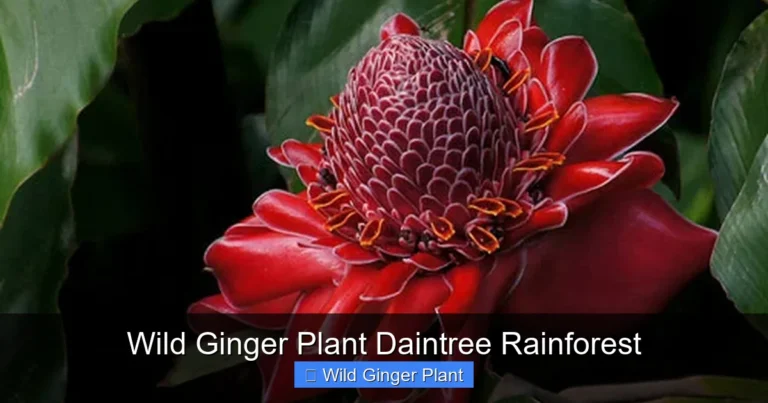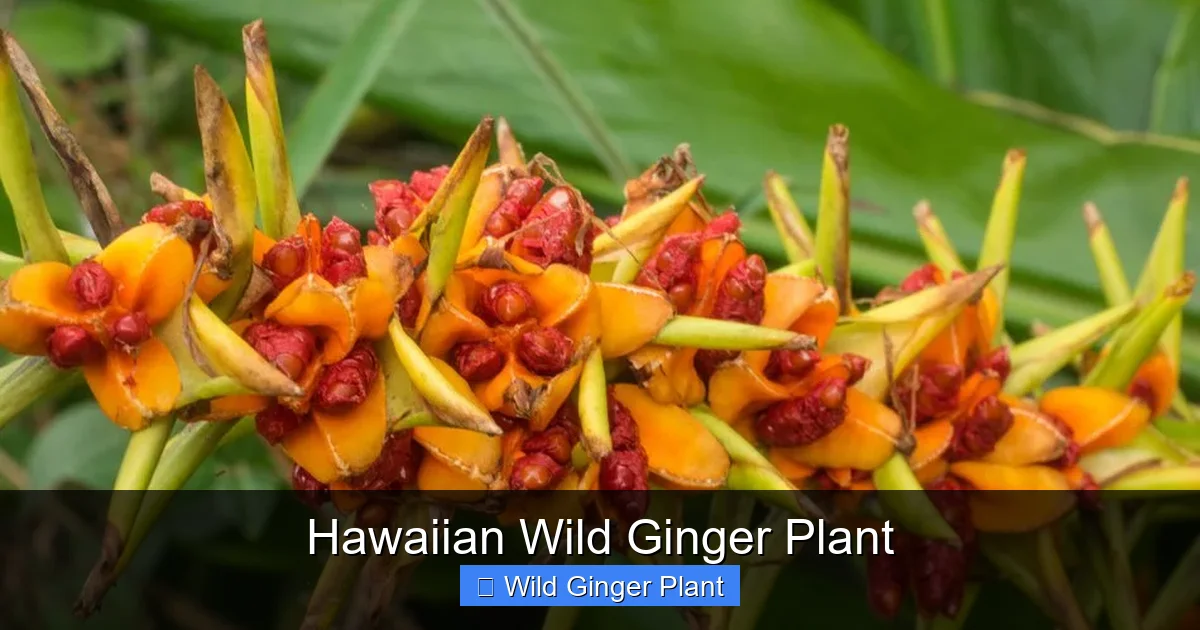
Hawaiian Wild Ginger Plant
The hawaiian wild ginger plant is a fragrant, shade‑loving herb native to the Hawaiian islands. It features glossy green leaves and delicate white flowers that attract pollinators. Gardeners love it for its culinary spice, medicinal teas, and easy care in tropical landscapes.
Key Takeaways
- Identification: Recognize the plant by its heart‑shaped leaves and sweet scent.
- Habitat: Thrives in moist, shaded forests at mid‑elevations.
- Cultural Uses: Used in Hawaiian cooking, lei making, and traditional medicine.
- Growing Tips: Plant in rich, well‑drained soil with partial shade and regular water.
- Conservation: Habitat loss threatens wild populations; protect by avoiding wild harvest.
- Propagation: Easily grown from rhizome divisions or seed in warm, humid conditions.
Quick Answers to Common Questions
What is the scientific name of the hawaiian wild ginger plant?
The scientific name is Alpinia purpurata, also referenced as Alpinia zerumbet.
Where does the hawaiian wild ginger plant naturally grow?
It grows on all major Hawaiian islands, preferring windward, wet forest slopes up to 3,000 feet elevation.
Can the hawaiian wild ginger plant be grown in containers?
Yes, it adapts well to large pots with a rich, well‑drained mix and partial shade.
What are the traditional medicinal uses of the hawaiian wild ginger plant?
Healers use rhizome tea for nausea, indigestion, and colds, and leaf poultices for swelling.
How can I help conserve the hawaiian wild ginger plant?
Buy from ethical nurseries, avoid wild harvest, plant native companions, and support local restoration projects.
📑 Table of Contents
What Is the hawaiian wild ginger plant?
Basic Description
The hawaiian wild ginger plant is a low growing herb that loves shade. It belongs to the ginger family. The leaves are broad and heart shaped. They feel smooth and glossy. Crushing a leaf releases a sweet aroma. The plant spreads by underground rhizomes. It forms dense clumps over time. Gardeners prize its fragrance and flavor.
The hawaiian wild ginger plant grows best in moist, rich soil. It tolerates brief dry periods if mulched. The stems stay green all year in warm zones. This herb adds a tropical feel to any garden.
Scientific Name and Family
The hawaiian wild ginger plant is known scientifically as Alpinia purpurata. Some references use Alpinia zerumbet for the same species. Both names place it in the Zingiberaceae family. The rhizome is thinner than common culinary ginger. Its flavor is milder and more floral. Researchers study its essential oils for health benefits.
The hawaiian wild ginger plant shares traits with other ginger relatives. It produces a tall flower spike in summer. The spike bears many small white blooms. These flowers attract native bees and butterflies.
Why It Matters
The hawaiian wild ginger plant supports local pollinators and prevents erosion. Its dense foliage holds soil on steep slopes. Traditional healers use the rhizome for stomach relief. Chefs incorporate the leaf wrap in imu cooking. The plant appears in cultural ceremonies and leis. Protecting it preserves Hawaiian heritage.
The hawaiian wild ginger plant also offers ornamental value. Its glossy leaves create a lush groundcover. The fragrant flowers add sensory appeal. Home gardeners enjoy a low maintenance tropical look.
Native Habitat and Distribution
Island Range
The hawaiian wild ginger plant grows on all major Hawaiian islands. It is most common on Kauai, Oahu, and Maui. The plant prefers windward slopes with frequent rain. You can find it in wet forests up to three thousand feet. It also appears near streams in disturbed areas. Dry leeward coasts rarely host this herb.
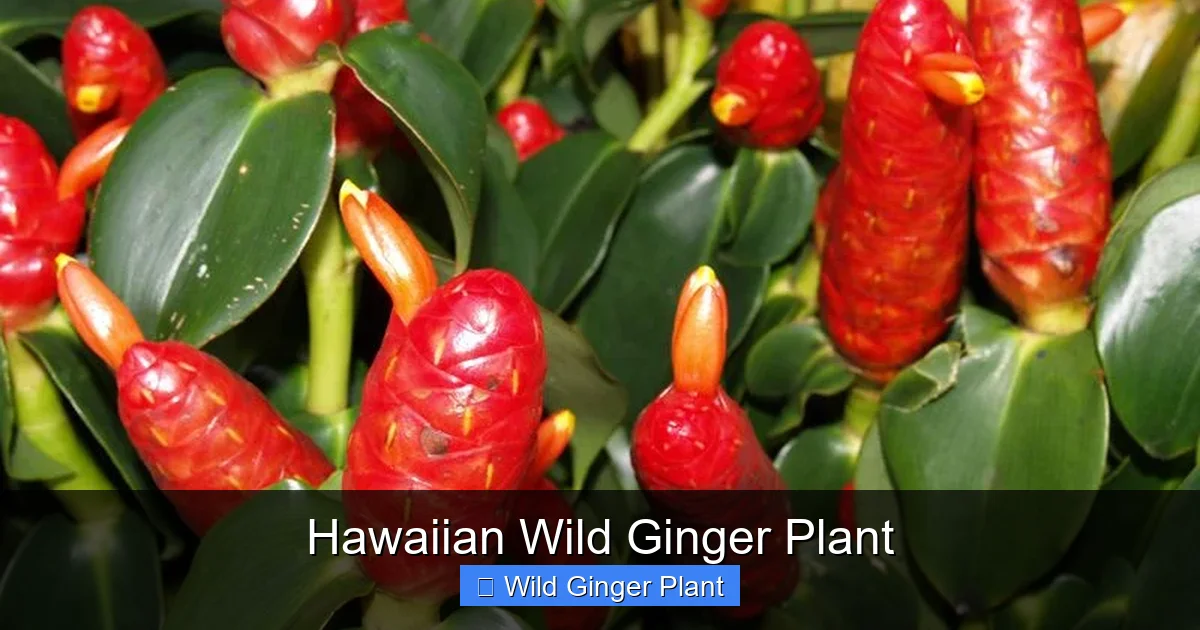
Visual guide about Hawaiian Wild Ginger Plant
Image source: i.pinimg.com
The hawaiian wild ginger plant thrives in the misty cloud forests. The constant moisture keeps its rhizomes hydrated. Elevation changes create microclimates it exploits. Conservation maps track its remaining wild populations.
Preferred Climate
The hawaiian wild ginger plant prefers warm, humid conditions year round. Ideal temperatures range from sixty five to eighty five degrees Fahrenheit. It needs at least sixty inches of annual rainfall. Frost will damage or kill the foliage. High humidity keeps leaves shiny and healthy. Brief dry spells are tolerated with good mulch.
The hawaiian wild ginger plant benefits from consistent moisture. Irrigation can supplement rainfall in garden settings. A drip system delivers water directly to roots. Mulching reduces evaporation and stabilizes temperature.
Soil and Light Needs
The hawaiian wild ginger plant favors rich volcanic soil with good drainage. Organic matter improves rhizome growth and nutrient uptake. Partial shade mimics its native forest understory. Full sun can scorch the delicate leaves. A thick mulch layer conserves moisture and suppresses weeds. Soil pH near neutral works best.
The hawaiian wild ginger plant adapts to container culture with a quality potting mix. Add perlite for aeration and compost for fertility. Place pots in bright indirect light. Rotate containers for even growth. Regular feeding supports vigorous foliage.
Botanical Features and Identification
Leaves and Stems
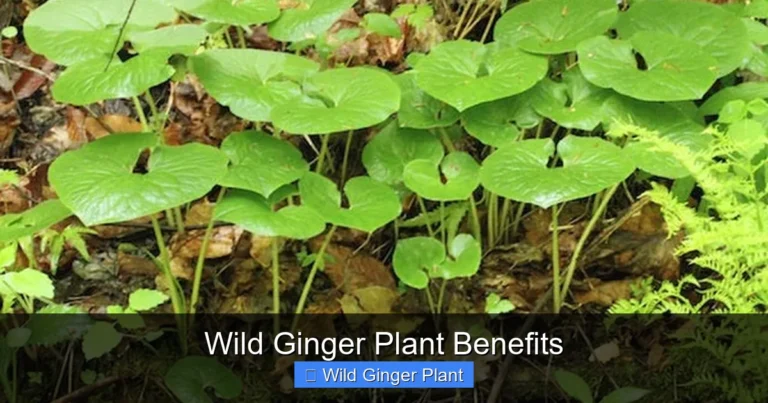
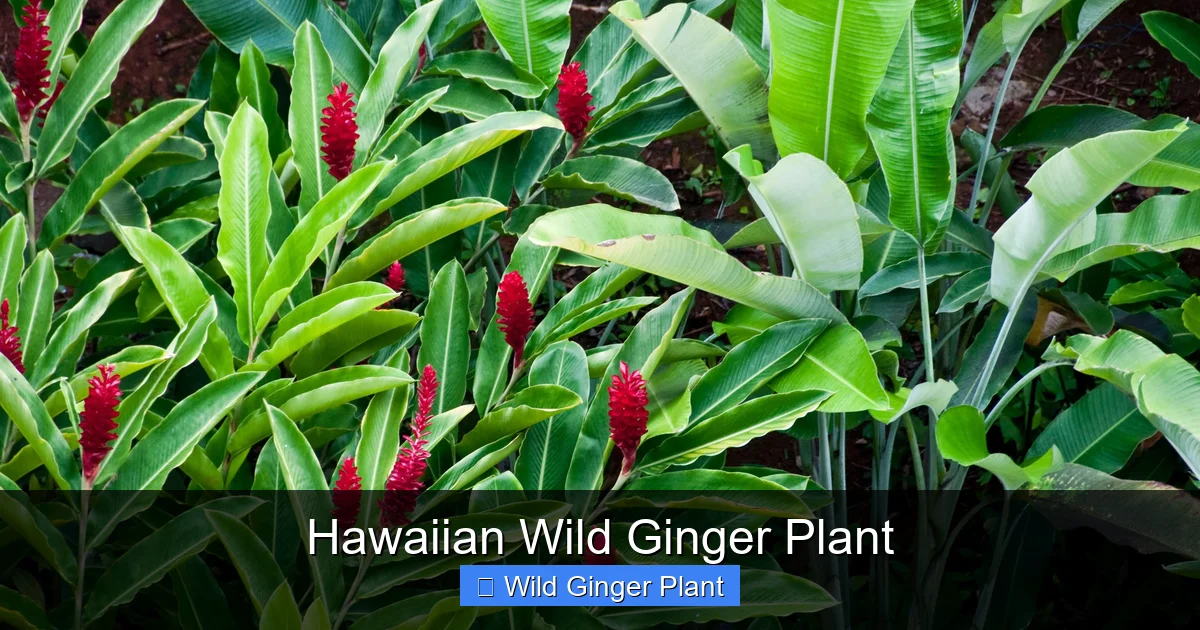
The hawaiian wild ginger plant produces alternate leaves on short stems. Each leaf is heart shaped with a pointed tip. The surface is smooth, glossy, and deep green. Leaf length ranges from eight to twelve inches. Margins are entire, lacking teeth. Crushing a leaf releases a sweet ginger scent. Stems remain herbaceous and green throughout the season.
Visual guide about Hawaiian Wild Ginger Plant
Image source: i.pinimg.com
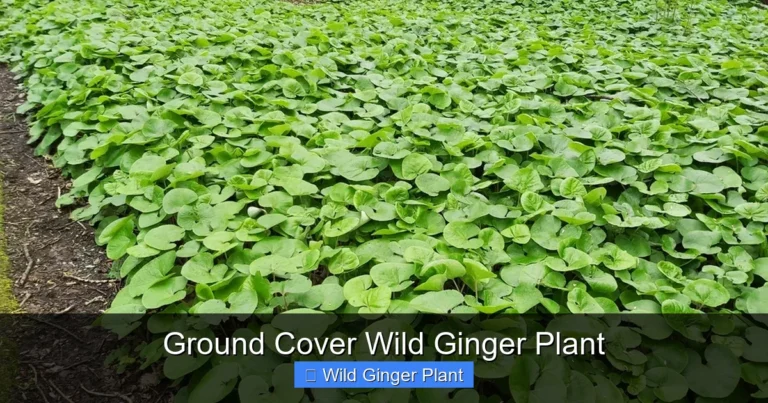
The hawaiian wild ginger plant leaves form a dense canopy that shades the soil. This canopy reduces weed competition. The leaf arrangement maximizes light capture in low light. New leaves emerge from the rhizome tips each spring.
Flowers and Fruit
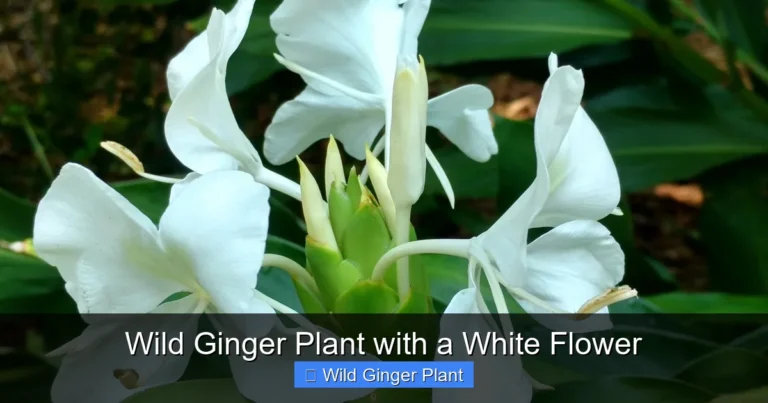
The hawaiian wild ginger plant sends up a tall flower spike above the foliage. The spike holds many small white blooms with a subtle fragrance. Blooming occurs from late spring into early summer. After pollination, tiny red berries develop. Birds eat the berries and disperse seeds. The fruit is not commonly used by people.
The hawaiian wild ginger plant flowers attract native bees and butterflies. The spike can reach two feet in height. Each bloom lasts only a day but the spike persists for weeks. Seedlings rarely establish without forest floor conditions.
Rhizome Characteristics
The hawaiian wild ginger plant grows a horizontal rhizome just below the soil surface. The rhizome is pale beige with thin brown scales. It is flexible and snaps cleanly when bent. The rhizome stores water and nutrients for dry periods. Harvesting a segment encourages new shoots. The flavor is milder than culinary ginger. Fresh rhizome can be grated into teas or sauces.
The hawaiian wild ginger plant rhizome spreads slowly, forming clumps over years. Dividing clumps every three years rejuvenates growth. Each division must contain at least one viable bud. Plant divisions at the same depth as the parent. Water thoroughly after replanting.
Cultural Significance and Traditional Uses
Food and Flavor
The hawaiian wild ginger plant has long flavored Hawaiian cuisine. The rhizome adds a bright floral note to fish and stews. Leaves wrap foods for steaming in an underground oven called imu. The plant enhances traditional poi and haupia desserts. Modern chefs use it in sauces, marinades, and cocktails. A small piece imparts a big aroma.
The hawaiian wild ginger plant can be candied for a sweet treat. Thin slices of rhizome simmer in sugar syrup until translucent. The candied pieces garnish tropical desserts. The leaf infusion makes a refreshing iced tea. Culinary experiments continue to reveal new uses.
Medicinal Applications
The hawaiian wild ginger plant is valued in traditional medicine. Healers brew a tea from the rhizome to ease nausea. The tea also soothes indigestion and colds. A poultice of crushed leaves reduces swelling and bruises. The plant contains anti‑inflammatory and antioxidant compounds. Scientific studies support some of these claims. Always consult a qualified practitioner before use.
The hawaiian wild ginger plant essential oil shows antimicrobial activity in lab tests. Researchers explore its potential for natural preservatives. The leaf extract may support digestive health. Sustainable harvest ensures future medicinal supply.
Ceremonial Roles
The hawaiian wild ginger plant appears in lei making for weddings and graduations. Its fragrant leaves symbolize purity and respect. Dancers wear garlands of the leaves during hula performances. The rhizome is offered in blessing rituals for new homes. The plant connects people to the land and ancestors. Its presence honors Hawaiian cultural identity.
The hawaiian wild ginger plant is also used in traditional chants and stories. Elders teach children to recognize its scent in the forest. The plant features in place names across the islands. Preserving it keeps intangible heritage alive.
Growing the hawaiian wild ginger plant at Home
Choosing a Site
The hawaiian wild ginger plant thrives in dappled shade with rich soil. A north facing garden bed provides ideal light. Ensure the site stays moist but never waterlogged. Avoid windy exposed spots that dry the foliage. A raised bed improves drainage in heavy soils. Mulch heavily to retain moisture and suppress weeds.
The hawaiian wild ginger plant also grows well in large containers. Use a pot at least eighteen inches wide. Fill with a mix of compost, peat, and perlite. Place the container where it receives morning sun only. Rotate the pot monthly for even growth.
Planting Steps
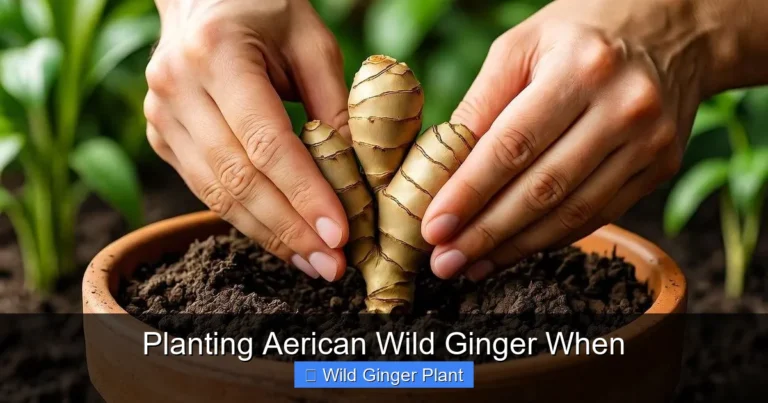
The hawaiian wild ginger plant is propagated by rhizome division. Obtain a healthy division from a reputable nursery. Cut the rhizome into sections each with a visible bud. Plant each piece two inches deep, bud side up. Space divisions twelve inches apart for clump formation. Water thoroughly after planting and keep soil evenly moist.
The hawaiian wild ginger plant establishes quickly in warm weather. New shoots appear within two weeks. Apply a light organic fertilizer after the first month. Mulch around the base to conserve moisture. Monitor for slugs during early growth.
Ongoing Care
The hawaiian wild ginger plant needs regular watering during dry spells. Fertilize with a balanced organic feed in early spring. Remove yellowed leaves to improve airflow. Divide clumps every three years to maintain vigor. Watch for aphids on new growth and treat with neem oil. Good drainage prevents root rot.
The hawaiian wild ginger plant benefits from a winter mulch in cooler zones. Cut back foliage after the first frost if it dies back. In tropical areas the plant stays evergreen. Adjust care based on local climate conditions.
Conservation Status and How You Can Help
Threats in the Wild
The hawaiian wild ginger plant faces habitat loss from development and agriculture. Invasive species outcompete it for light and nutrients. Overharvesting for the ornamental trade reduces wild numbers. Climate change alters rainfall patterns critical for its survival. These pressures make the species vulnerable.
The hawaiian wild ginger plant populations are monitored by state agencies. Survey data show declines in lowland forests. Protecting watershed areas benefits the plant. Community science projects track flowering times.
Legal Protections
The hawaiian wild ginger plant is listed as a species of concern in Hawaii. State law restricts collection from public lands without a permit. Permits are required for scientific research and propagation. Private landowners are encouraged to conserve native stands. Compliance helps preserve genetic diversity.
The hawaiian wild ginger plant benefits from inclusion in the Hawaiian Plant Conservation Plan. Funding supports habitat restoration and seed banking. Partnerships with botanical gardens enhance ex situ collections.
Actions for Gardeners
The hawaiian wild ginger plant can be sourced from ethical nurseries that propagate responsibly. Never dig rhizomes from wild populations. Plant native companions to support ecosystem health. Share knowledge with neighbors and schools. Volunteer for local restoration projects. Every small action counts toward conservation.
The hawaiian wild ginger plant thrives when gardeners mimic its forest home. Use leaf litter mulch and avoid chemical fertilizers. Create shade structures if needed. Celebrate the plant in community gardens. Together we protect a unique Hawaiian treasure.
Frequently Asked Questions
Is the hawaiian wild ginger plant edible?
Yes, the rhizome and leaves are edible and used in Hawaiian cooking for flavor and wrapping foods.
Does the hawaiian wild ginger plant tolerate full sun?
No, full sun can scorch its leaves; it prefers partial to full shade.
How often should I water the hawaiian wild ginger plant?
Keep the soil consistently moist, watering regularly during dry periods and reducing frequency in cooler months.
What pests commonly affect the hawaiian wild ginger plant?
Snails, slugs, and aphids are the most common pests; use copper tape, diatomaceous earth, or neem oil for control.
Can the hawaiian wild ginger plant survive frost?
Frost will damage or kill the foliage; in frost‑prone areas grow it in containers that can be moved indoors.
How do I propagate the hawaiian wild ginger plant?
Divide healthy rhizomes in early spring, ensuring each piece has a bud, and plant them two inches deep in moist soil.