Edible Wild Ginger Plant
The edible wild ginger plant is a low‑growing forest herb prized for its aromatic rhizomes. Proper identification and careful harvest let you enjoy its spicy flavor in teas, soups, and stir‑fries.
Key Takeaways
- Easy to spot: The edible wild ginger plant has heart‑shaped leaves and a single flower hidden near the ground.
- Season matters: Spring and early summer give the most tender rhizomes.
- Watch for look‑alikes: Some toxic plants share similar leaves; always check the flower and scent.
- Harvest gently: Dig only a small portion of the root to keep the colony healthy.
- Cook before eating: Heat reduces any mild irritants and brings out the sweet‑spicy taste.
- Store cool: Fresh rhizomes keep in the fridge for up to a week; dried pieces last months.
- Use sparingly: A little goes a long way in teas, broths, and marinades.
Quick Answers to Common Questions
What does the edible wild ginger plant taste like?
It tastes warm, slightly peppery, and a bit sweet, similar to true ginger but milder.
When is the best time to harvest the edible wild ginger plant?
Spring and early summer provide the most tender and flavorful rhizomes.
Can you eat the edible wild ginger plant raw?
Raw consumption is not recommended because cooking reduces trace irritants.
How do you store fresh edible wild ginger plant rhizomes?
Keep them in a paper bag in the refrigerator and use within a week.
Are there any poisonous look‑alikes for the edible wild ginger plant?
Yes, plants like Jack‑in‑the‑pulpit and Mayapple resemble it but have different flowers and are toxic.
📑 Table of Contents
What Is the Edible Wild Ginger Plant
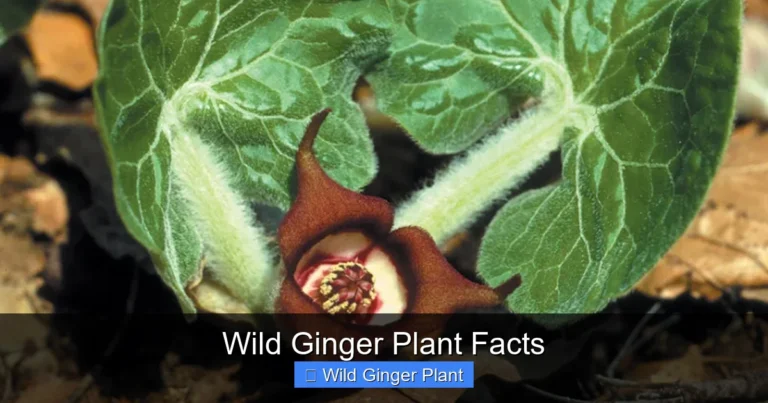
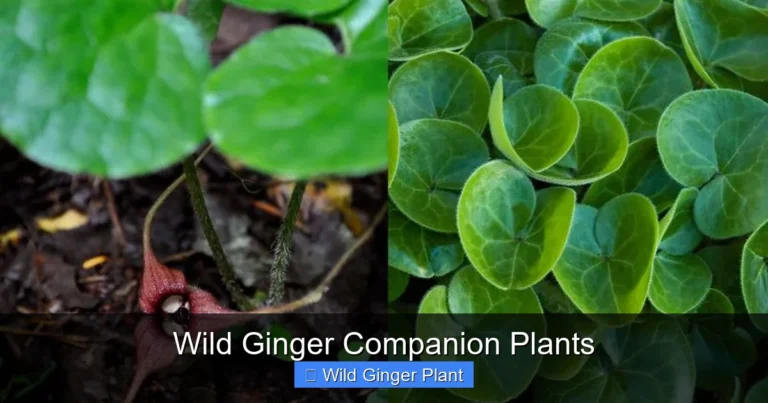
The edible wild ginger plant is a small perennial herb that grows in shady woods. It belongs to the birthwort family. The plant spreads by creeping rhizomes that lie just under the leaf litter. People have used the rhizome for flavor and medicine for centuries. The taste is warm, slightly peppery, and a bit sweet. The leaves are broad, heart‑shaped, and deep green. A single brownish flower sits close to the ground, often hidden by the foliage. This flower is a key identification clue.
Many foragers call it wild ginger because the rhizome smells like true ginger. However it is not related to the tropical ginger you buy in stores. The edible wild ginger plant contains aromatic oils that give it a similar scent. Those oils also have mild antimicrobial properties. The plant prefers moist, rich soil under deciduous trees. You will often find it near streams or on north‑facing slopes.
Where to Find the Edible Wild Ginger Plant
Preferred Habitat
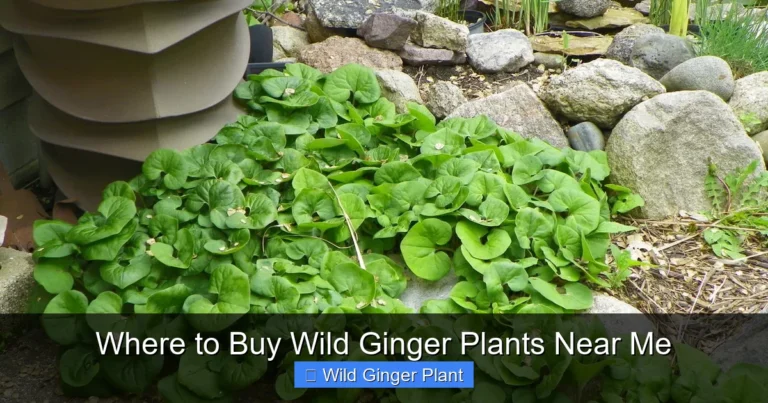
The edible wild ginger plant loves damp, shaded forests. Look for it in mixed hardwood stands. Oak, maple, and beech woods are prime spots. The soil should be loamy and rich in organic matter. You will rarely see it in dry, open fields.
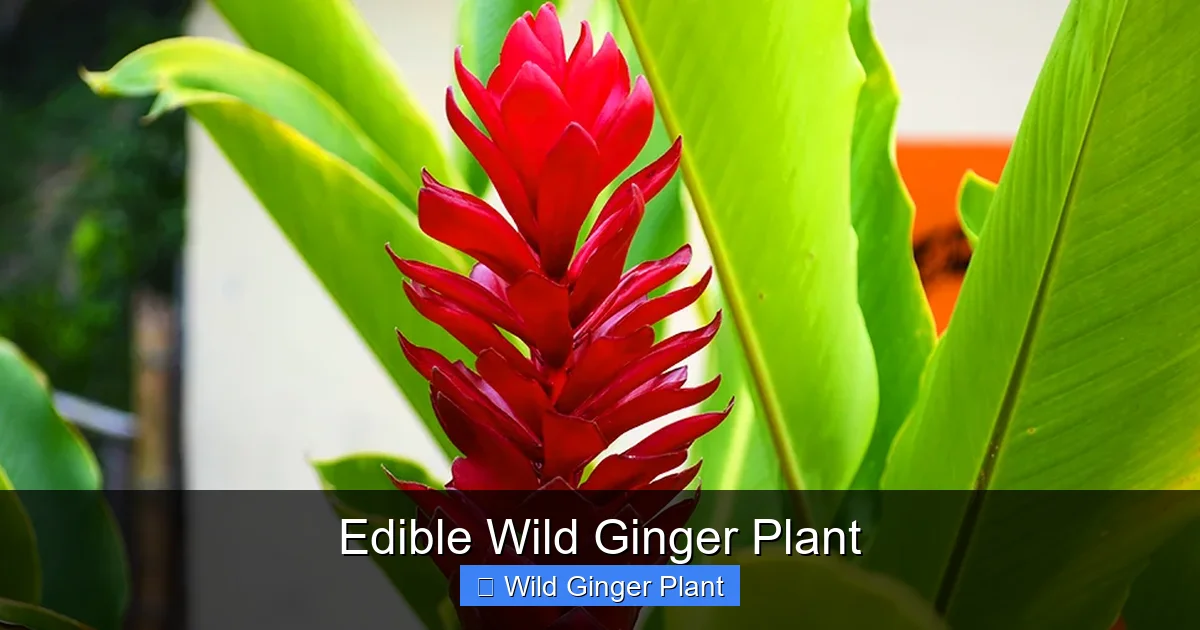
Visual guide about Edible Wild Ginger Plant
Image source: livingcolorgardencenter.net
Geographic Range
In North America the edible wild ginger plant ranges from the Great Lakes region down to the Appalachians. It also appears in parts of the Pacific Northwest. In Europe a close relative grows in similar woods. Always check local guides for exact distribution.
Seasonal Timing
Spring is the best time to locate fresh growth. The leaves unfurl early, often before the canopy closes. By midsummer the rhizomes become woody and less flavorful. Autumn offers a second chance if the weather stays mild.
How to Identify the Edible Wild Ginger Plant Safely
Leaf Characteristics
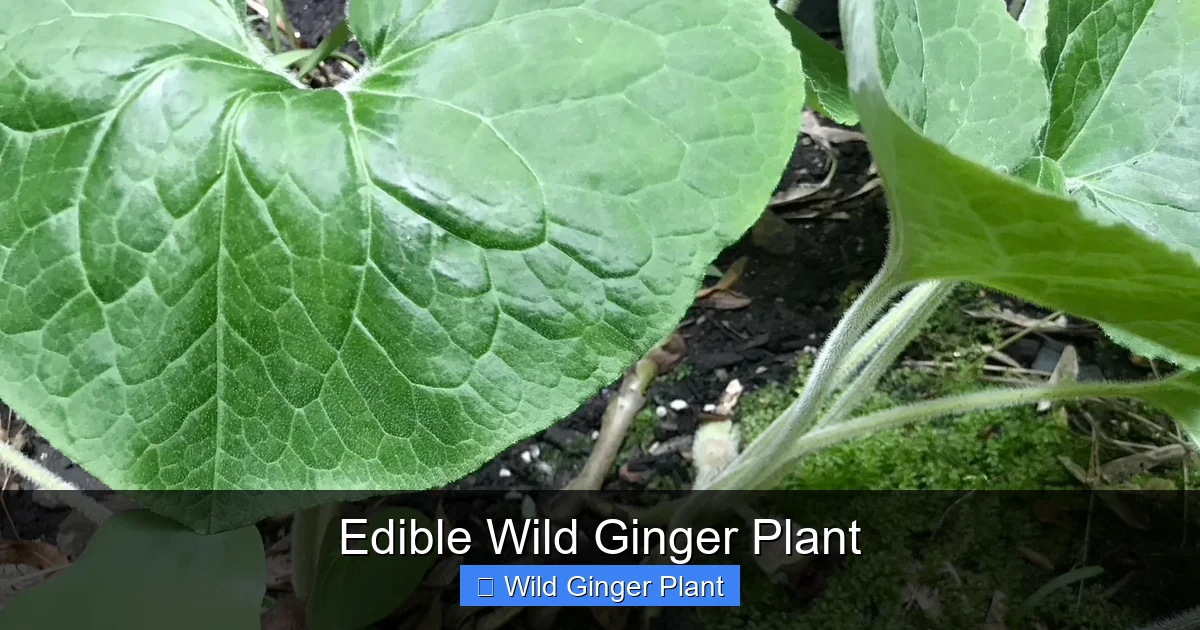
The leaves are the most visible feature. Each leaf is heart‑shaped with a pointed tip. The margins are smooth, not toothed. The surface is slightly glossy. Leaves grow in pairs opposite each other on a short stem.
Flower Details
The flower is solitary, bell‑shaped, and brownish‑purple. It sits on a very short stalk at ground level. The three sepals are fused, forming a tube. This hidden flower distinguishes the edible wild ginger plant from many look‑alikes.
Rhizome Appearance
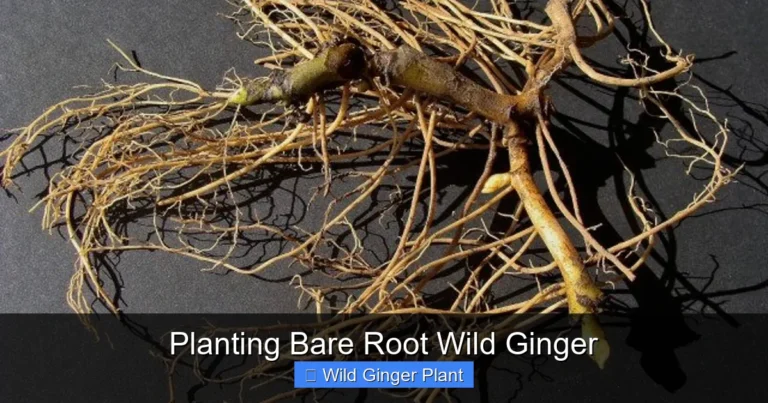
The rhizome is thin, creeping, and pale brown. It has a distinct ginger‑like aroma when scratched. The texture is firm but not woody in young plants. Older rhizomes become darker and more fibrous.
Smell Test
Crush a small piece of leaf or rhizome. A sweet, spicy scent confirms the edible wild ginger plant. If the smell is musty or absent, you may have a different species.
Common Look‑Alikes
Canadian wild ginger (Asarum canadense) is the true edible species. European wild ginger (Asarum europaeum) looks similar but is less common in North America. Some toxic plants like certain Arisaema species have similar leaves but produce a different flower structure. Always verify the flower before harvesting.
Harvesting Tips for the Edible Wild Ginger Plant
Tools You Need
A small hand trowel or a sturdy garden fork works well. A sharp knife helps cut the rhizome cleanly. Bring a breathable bag or basket to keep the harvest fresh.
Ethical Harvesting
Take only what you need. Remove no more than one‑third of a colony’s rhizomes. Leave the rest to regrow. This practice protects the population for future foragers.
Step‑by‑Step Harvest
Locate a healthy patch. Gently loosen the soil around the rhizome. Follow the creeping root a few inches. Cut a segment about four to six inches long. Replace the soil and press it down. Rinse the piece in cool water. Pat dry with a clean cloth.
Post‑Harvest Care
Store fresh rhizomes in a paper bag in the refrigerator. Use within a week for best flavor. For longer storage, slice thin and dry in a low oven or dehydrator. Dried pieces keep for months in an airtight jar.
Cooking and Using the Edible Wild Ginger Plant
Preparing the Rhizome
Peel the outer skin with a vegetable peeler. Slice the rhizome into thin matchsticks or mince finely. The finer the cut, the more flavor releases.
Tea and Infusions
Steep a teaspoon of minced rhizome in hot water for five minutes. Add honey or lemon if desired. The tea warms the body and settles the stomach.
Soups and Broths
Add sliced rhizome to chicken or vegetable broth early in the cooking process. Simmer for twenty minutes. The flavor infuses the liquid without overwhelming it.
Stir‑Fries and Sautés
Heat oil in a pan. Toss in minced rhizome with garlic and ginger (the tropical kind). Cook for one minute. Add vegetables and protein. Finish with soy sauce and a splash of rice vinegar.
Marinades and Sauces
Blend minced rhizome with oil, citrus juice, herbs, and a pinch of salt. Marinate tofu, fish, or chicken for thirty minutes. Grill or bake for a fragrant dish.
Baking and Desserts
Incorporate a pinch of powdered dried rhizome into spice cakes or cookies. Pair with cinnamon, nutmeg, and molasses for a warm treat.
Safety, Precautions, and Look‑Alikes
Potential Irritants
The edible wild ginger plant contains aristolochic acid in very small amounts. Cooking reduces this compound dramatically. Never eat large quantities raw.
Allergy Awareness
Some people may experience mild skin irritation when handling the rhizome. Wear gloves if you have sensitive skin. Wash hands thoroughly after processing.
Pregnancy and Medical Conditions
Pregnant women should avoid consuming the edible wild ginger plant because of the trace aristolochic acid. People with kidney issues should also refrain.
Identifying Toxic Look‑Alikes
Jack‑in‑the‑pulpit (Arisaema triphyllum) shares a similar leaf shape but has a distinctive hooded flower. Mayapple (Podophyllum peltatum) has umbrella‑like leaves and a single white flower. Both are toxic if eaten. Always confirm the hidden brown flower of the edible wild ginger plant before harvest.
Legal Considerations
Check local regulations. Some public lands prohibit plant collection. Private property requires landowner permission. Respect the rules to keep foraging sustainable.
Conclusion
The edible wild ginger plant offers a unique forest flavor that can elevate simple dishes. With careful identification, ethical harvesting, and proper cooking, you can enjoy this wild spice safely. Remember to take only a little, leave the rest, and always double‑check the flower. Happy foraging and happy cooking.
Frequently Asked Questions
Is the edible wild ginger plant related to store‑bought ginger?
No, the edible wild ginger plant belongs to a different family, but its rhizome smells like tropical ginger.
Can I grow the edible wild ginger plant in my garden?
Yes, it thrives in shady, moist, rich soil; plant rhizome pieces in early spring.
What nutrients does the edible wild ginger plant provide?
It contains small amounts of vitamins, minerals, and aromatic oils with mild antimicrobial activity.
How much edible wild ginger plant should I use in a recipe?
A teaspoon of minced fresh rhizome or a pinch of dried powder is usually enough for a pot of soup.
Does the edible wild ginger plant have medicinal uses?
Traditional uses include easing nausea and colds, but scientific evidence is limited; consult a professional before medicinal use.
What should I do if I experience skin irritation after handling the edible wild ginger plant?
Wash the area with soap and water, apply a soothing lotion, and avoid further contact; seek medical advice if irritation persists.