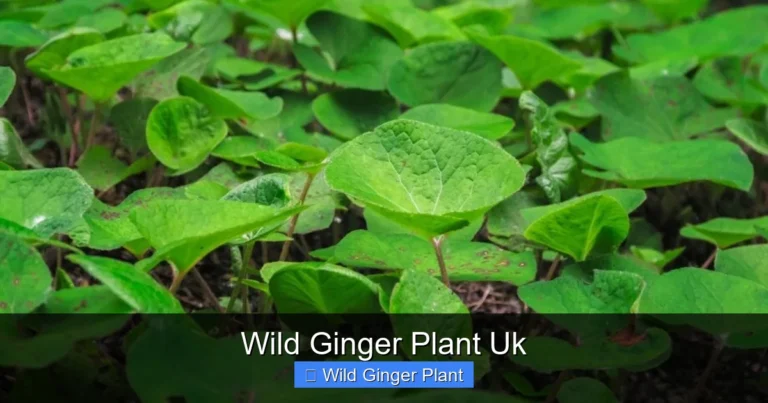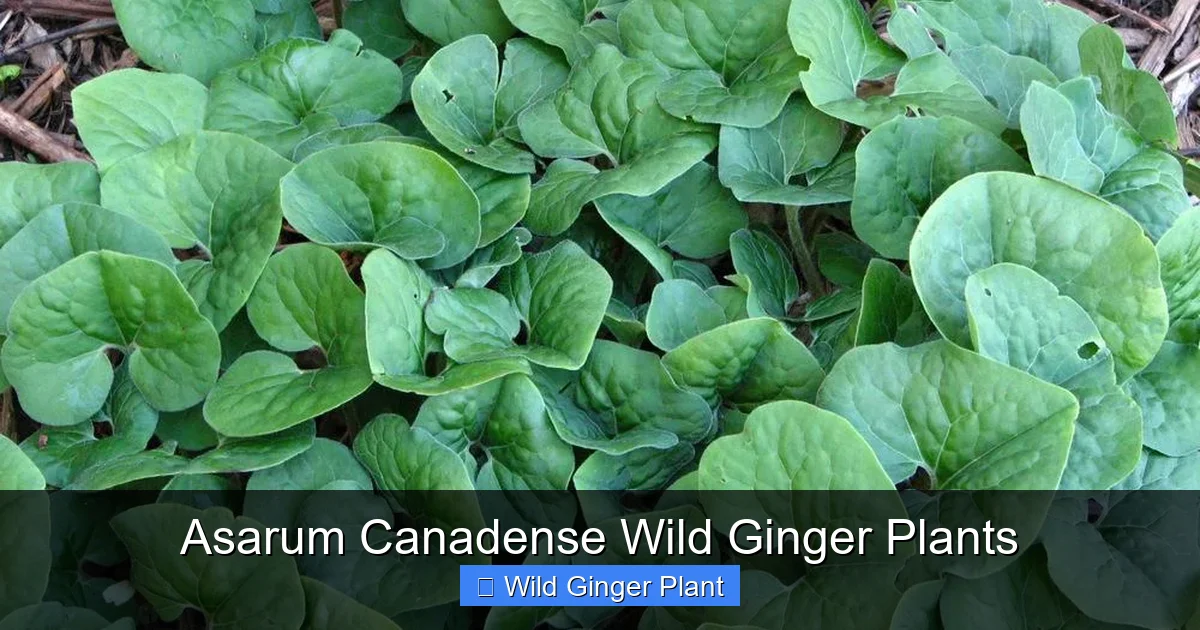
Asarum Canadense Wild Ginger Plants
Asarum canadense wild ginger plants are beautiful native perennials that thrive in shady woodland gardens. These low-growing plants feature heart-shaped leaves and unique bell-shaped flowers hidden beneath the foliage. They make excellent groundcovers for difficult shaded areas.
If you have a shady spot in your garden where nothing seems to grow, let me introduce you to a wonderful native plant. Asarum canadense wild ginger plants might be exactly what you need. These charming perennials have been gracing North American woodlands for thousands of years. They create lush carpets of green in places where grass refuses to grow.
I first discovered these plants during a hike through a local nature preserve. The forest floor was covered in velvety heart-shaped leaves. Tiny brownish-purple flowers peeked out from beneath the foliage like little secrets. That moment sparked my love affair with this amazing native groundcover. Now I want to share everything I have learned about growing and enjoying these special plants.
Key Takeaways
- Native perennial: Asarum canadense wild ginger plants are indigenous to eastern North America and thrive in woodland settings.
- Shade lovers: These plants require full to partial shade and cannot tolerate direct afternoon sun.
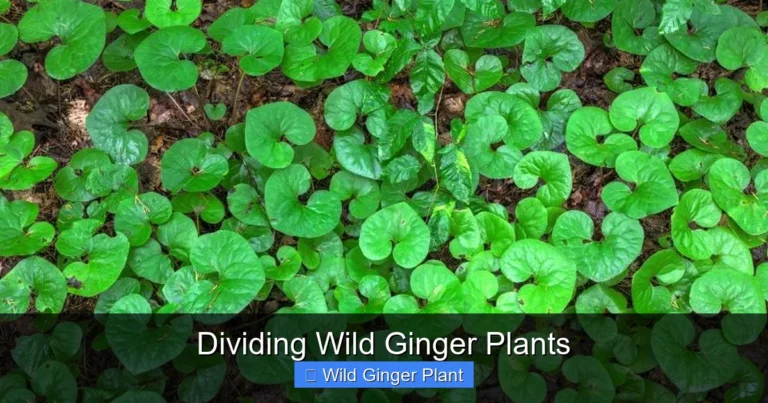
- Groundcover excellence: They spread slowly via rhizomes to form dense mats that suppress weeds naturally.
- Unique flowers: The jug-shaped flowers bloom at ground level in early spring and are often hidden by leaves.
- Not culinary ginger: Despite the name, this plant is not related to culinary ginger (Zingiber officinale) and should not be eaten in large quantities.
- Wildlife value: The flowers attract early pollinators like flies and beetles, while ants disperse the seeds.
- Low maintenance: Once established, these plants need minimal care beyond consistent moisture and leaf mulch.
Quick Answers to Common Questions
Is Asarum canadense related to culinary ginger?
No, Asarum canadense is not related to culinary ginger (Zingiber officinale). It earned the name “wild ginger” because its roots have a similar spicy aroma, but it belongs to a completely different plant family.
Can I eat wild ginger roots?
While historically used by Indigenous peoples and early settlers, modern research shows the roots contain aristolochic acid which can cause kidney damage and cancer. Internal use is not recommended.
How fast does wild ginger spread?
Wild ginger spreads slowly via rhizomes. Expect minimal spread the first year, moderate coverage by year two to three, and a dense mat forming over five to ten years depending on conditions.
Will wild ginger grow in deep shade?
Yes, wild ginger thrives in deep shade under deciduous trees. It prefers dappled to full shade and cannot tolerate direct afternoon sun which will scorch the leaves.
When is the best time to divide wild ginger plants?
Early spring before leaves fully expand or early fall (at least six weeks before ground freeze) are the best times to divide established clumps for propagation.
📑 Table of Contents
- Getting to Know Asarum Canadense Wild Ginger Plants
- Ideal Growing Conditions
- Planting Asarum Canadense Wild Ginger Plants
- Care and Maintenance
- Propagation Methods
- Common Problems and Solutions
- Landscape Uses and Design Ideas
- Historical and Cultural Significance
- Ecological Benefits
- Companion Planting Guide
- Frequently Asked Questions About Growing Success
- Conclusion
Getting to Know Asarum Canadense Wild Ginger Plants
What Makes This Plant Special
Asarum canadense wild ginger plants belong to the birthwort family, Aristolochiaceae. They are not related to the ginger you buy at the grocery store. That ginger is Zingiber officinale, a tropical plant from Southeast Asia. Our native wild ginger earned its common name because early settlers noticed the roots smell similar to culinary ginger. The genus name Asarum comes from ancient Greek. The species name canadense refers to Canada, where the plant was first described by European botanists.
These plants grow naturally from Manitoba to New Brunswick, south to Georgia and Louisiana. They prefer rich, moist deciduous forests. You will often find them on north-facing slopes and along stream banks. They form colonies that can cover large areas over time. Each plant reaches about six to twelve inches tall. The spread can reach twelve to eighteen inches per plant.
Distinctive Features
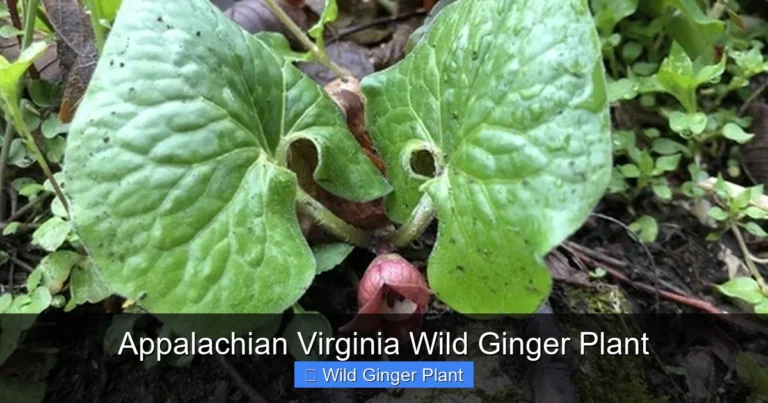
The leaves are the showiest feature. Each leaf is heart-shaped or kidney-shaped. They measure three to six inches wide. The texture is soft and slightly fuzzy. The color is a rich medium green. Leaves emerge in pairs from the rhizome. They create a dense overlapping canopy that shades the soil.
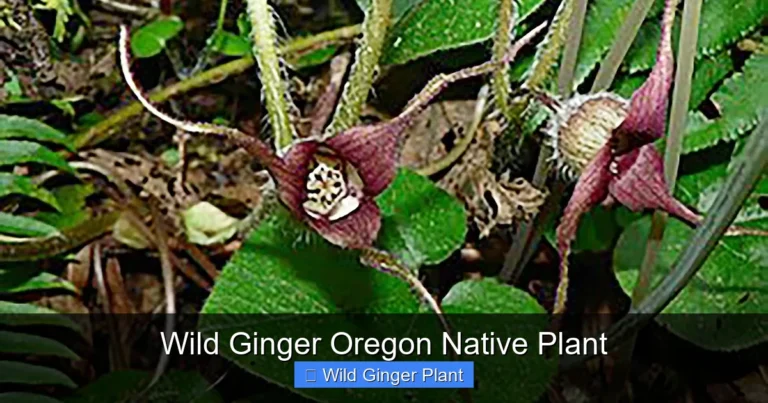
The flowers are truly unique. They appear in early spring, usually April to May. Each flower sits at ground level on a short stalk. The shape resembles a little jug or bell. The color is brownish-purple to maroon. Three pointed sepals form the flower. There are no petals. The flowers are often hidden beneath the leaf litter. You have to gently move leaves aside to see them. This hidden nature protects the flowers from cold spring weather.
Root Characteristics
The rhizomes grow horizontally just below the soil surface. They are thick and fleshy. The color ranges from light tan to reddish-brown. When scratched or broken, they release a spicy ginger-like aroma. This scent comes from compounds including asarones and essential oils. The roots have been used traditionally by Indigenous peoples and early settlers. However, modern research suggests caution with internal use.
Ideal Growing Conditions
Light Requirements
Asarum canadense wild ginger plants are true shade lovers. They need full shade to dappled shade. Morning sun is acceptable if the soil stays moist. Afternoon sun will scorch the leaves. The plants will decline and eventually die in full sun. Think about their natural habitat. They grow under a canopy of mature trees. The light is filtered and gentle. Recreate this in your garden for best results.
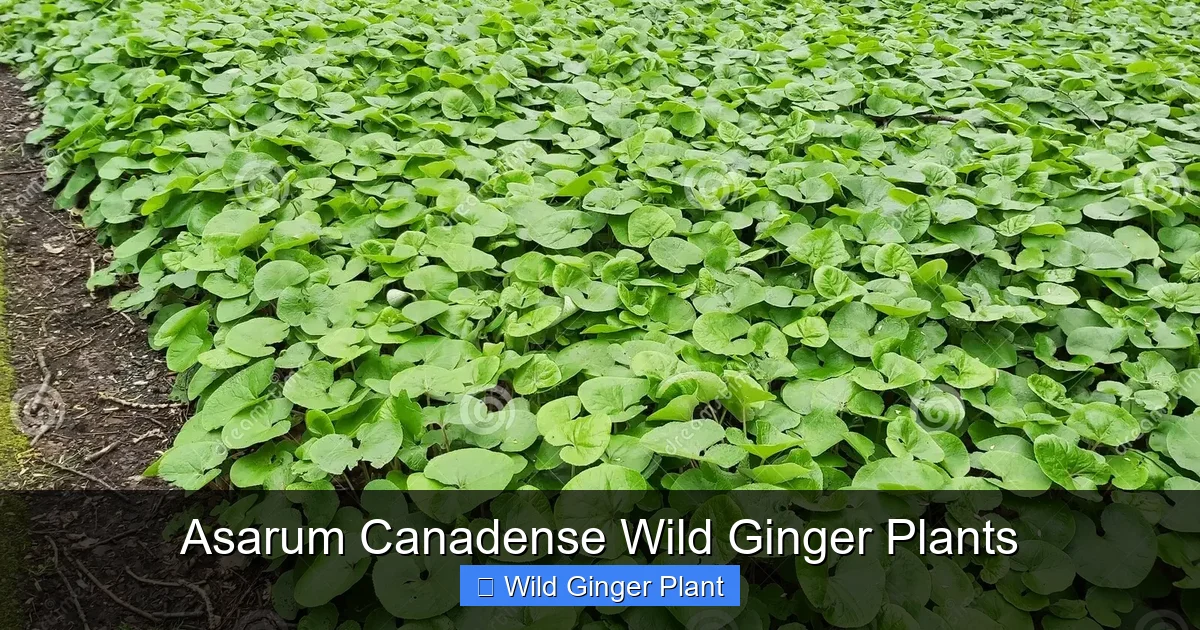
Visual guide about Asarum Canadense Wild Ginger Plants
Image source: thumbs.dreamstime.com
If you have deep shade under evergreens, these plants will still grow. However, they may be less vigorous. Deciduous shade is ideal. The spring sunlight before trees leaf out gives the plants energy. The summer shade protects them from heat. The falling leaves in autumn provide natural mulch.
Soil Preferences
Rich, humusy soil makes these plants happy. They want soil that holds moisture but drains well. The pH should be slightly acidic to neutral. A range of 5.5 to 7.0 works well. Heavy clay soil can work if amended with organic matter. Sandy soil needs lots of compost to retain moisture. The key is consistent moisture without standing water.
Test your soil before planting. Add compost or leaf mold to improve texture. A two to three inch layer worked into the top six inches is perfect. This mimics the forest floor conditions they love. Avoid chemical fertilizers. They can burn the sensitive roots. Slow-release organic matter is all these plants need.
Moisture Needs
Consistent moisture is critical. The soil should never dry out completely. However, soggy soil causes root rot. Aim for evenly moist conditions. Think of a wrung-out sponge. That is the ideal moisture level. During dry spells, water deeply once or twice a week. A soaker hose or drip irrigation works best. Overhead watering can promote fungal diseases.
Mulch is your best friend for moisture retention. Apply two to three inches of shredded leaves. Pine needles also work well. Wood chips are okay but break down slowly. The mulch keeps roots cool and moist. It also suppresses weeds. Replenish mulch annually as it decomposes.
Temperature and Hardiness
These plants are remarkably cold hardy. They thrive in USDA zones 3 through 8. Some sources say zone 2 with good snow cover. They handle winter temperatures to minus forty degrees Fahrenheit. The rhizomes survive frozen ground easily. Spring frosts do not bother emerging leaves. However, they struggle in hot, humid summers. Zone 8 is their southern limit. In warmer areas, they need the coolest, moistest spot available.
Planting Asarum Canadense Wild Ginger Plants
When to Plant
Spring and fall are both excellent planting times. Spring planting gives roots time to establish before summer heat. Plant after the last frost date in your area. Fall planting works well in zones 5 and warmer. Plant at least six weeks before the ground freezes. This allows root growth before winter. Avoid planting during hot, dry summer weather. The stress can kill new plants.
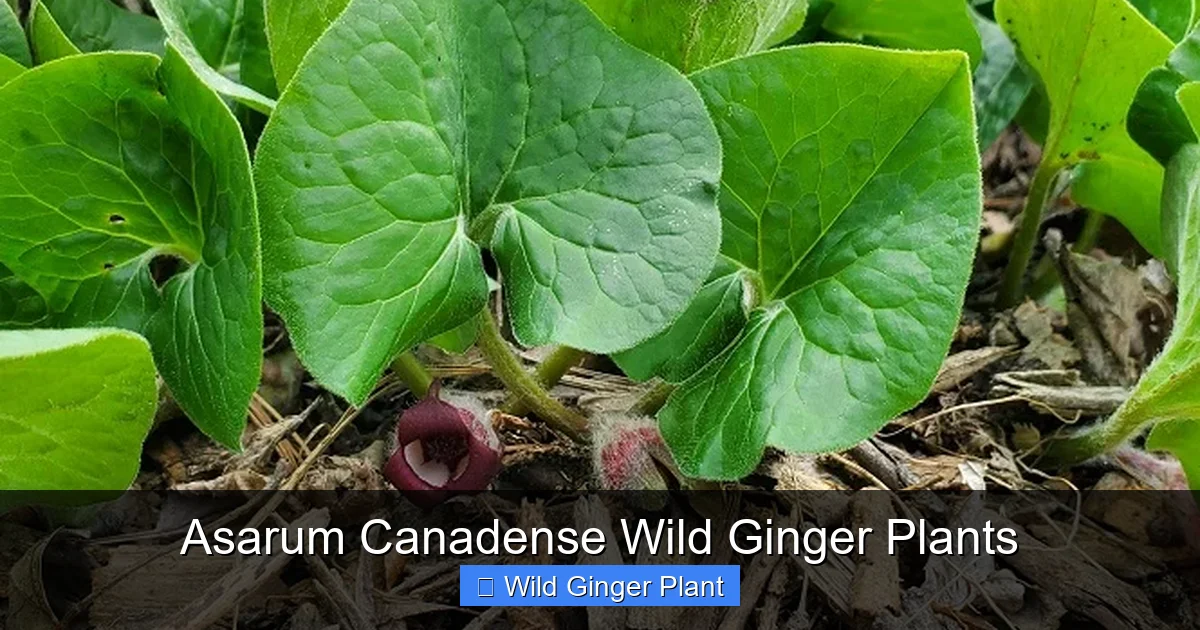
Visual guide about Asarum Canadense Wild Ginger Plants
Image source: seedsandscraps.com
Where to Source Plants
Buy from reputable native plant nurseries. Never dig plants from the wild. This depletes natural populations. It is also illegal in many areas. Look for nurseries that propagate their own plants. Bare root divisions are common and affordable. Potted plants are also available. Choose healthy plants with several growing points. Avoid plants with yellowing leaves or signs of pests.
Spacing and Layout
Space plants twelve to eighteen inches apart. They will fill in over two to three years. For faster coverage, plant closer together. Ten inch spacing creates a solid mat quicker. Consider the mature spread when planning. Plant in drifts or groups for natural look. Odd numbers look more natural than even rows. Three, five, or seven plants make a nice grouping.
Step-by-Step Planting Guide
Prepare the planting area first. Remove all weeds and grass. Loosen soil to eight to ten inches deep. Mix in two to three inches of compost. Rake the area smooth. Dig holes slightly larger than the root ball. For bare root plants, make a mound in the center of the hole. Spread roots over the mound. The growing point should sit just below soil surface. Backfill with amended soil. Firm gently around roots. Water thoroughly to settle soil. Apply two inches of leaf mulch. Keep mulch away from the crown.
Container Planting
You can grow Asarum canadense wild ginger plants in containers. Choose a wide, shallow pot. The rhizomes spread horizontally. Depth of eight to ten inches is sufficient. Use high-quality potting mix with added compost. Ensure excellent drainage. Place in full shade on a porch or under trees. Water more frequently than ground plants. Containers dry out faster. Repot every two to three years as the plant fills the container.
Care and Maintenance
Watering Routine
Established plants need about one inch of water per week. Rainfall often provides enough in spring and fall. Summer usually requires supplemental watering. Check soil moisture by sticking your finger in two inches. If dry at that depth, water deeply. Morning watering is best. It allows leaves to dry before evening. Wet leaves overnight invite fungal problems.
During drought, prioritize these plants. They have shallow roots and suffer quickly. A two-hour soak with a soaker hose works well. This encourages deep root growth. Frequent light watering creates shallow roots. Those roots are more vulnerable to drying out.
Fertilizing Approach
Skip synthetic fertilizers. These plants evolved in nutrient-poor forest soils. Too much nitrogen produces weak, floppy growth. It also reduces flower production. Instead, apply a one-inch layer of compost each spring. Or use well-rotted leaf mold. This feeds the soil ecosystem. The microbes break down organic matter slowly. Nutrients become available as the plant needs them.
If your soil is very poor, a light application of balanced organic fertilizer in early spring is okay. Use half the recommended rate. Water well after application. Never fertilize after July. Late growth will not harden off before winter.
Mulching Practices
Mulch is essential for Asarum canadense wild ginger plants. It mimics the natural leaf litter of their habitat. Shredded leaves are the gold standard. They break down into perfect humus. Pine needles work well and look natural. Avoid heavy bark mulch. It can smother the shallow rhizomes. Keep mulch two to three inches deep. Pull it back slightly from the crowns. Refresh annually in fall after leaves drop.
Seasonal Care Calendar
Early Spring: Remove any heavy leaf cover that might smother emerging flowers. Check for winter damage. Apply fresh compost if needed.
Late Spring: Enjoy the flowers! They bloom for two to three weeks. Remove any flower stalks that finish blooming. This keeps the patch tidy.
Summer: Monitor moisture closely. This is the stress season. Water during dry spells. Watch for slug damage. Remove any yellowing leaves.
Fall: Let fallen leaves stay in place. They become winter mulch. Add extra shredded leaves if needed. This is a good time to divide established clumps.
Winter: No care needed in most zones. Snow cover is perfect insulation. In zone 3, add extra mulch after ground freezes. This prevents frost heaving.
Propagation Methods
Division
Division is the easiest and most reliable method. Do this in early spring or fall. Spring division should happen before leaves fully expand. Fall division needs four to six weeks before ground freeze. Water the plant well the day before. Dig up the entire clump. Gently shake off excess soil. You will see the horizontal rhizomes. Each section needs at least one growing point. Two to three inches of rhizome with roots is ideal. Use a clean, sharp knife to cut sections. Replant immediately at the same depth. Water well and mulch.
Mature clumps can yield many divisions. A three-year-old plant might give you five to ten new plants. This is a great way to expand your planting. Share divisions with gardening friends. Native plant societies often welcome donations for sales.
Seed Propagation
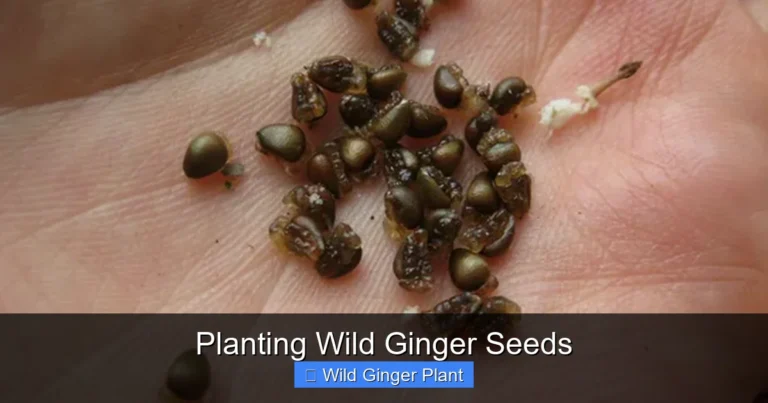
Growing from seed requires patience. The seeds have double dormancy. They need warm stratification followed by cold stratification. In nature, seeds ripen in summer. They experience warm soil, then winter cold. Germination happens the second spring. You can mimic this process. Collect seeds when capsules split open. This is usually July to August. Sow immediately in pots with moist potting mix. Place pots in a shaded cold frame. Or bury pots in the ground. Leave them for eighteen months. Nature will do the work.
For faster results, try this method. Clean seeds and place in moist sand in a plastic bag. Keep at seventy degrees for sixty days. Then move to refrigerator for ninety days. Sow in pots after stratification. Keep moist and shaded. Germination can still be erratic. Some seeds may take another year. Seed-grown plants take three to four years to flower.
Rhizome Cuttings
You can also propagate from rhizome sections. Cut rhizomes into two-inch pieces. Each piece should have at least one node. Dust cut ends with cinnamon or rooting hormone. Plant horizontally in moist potting mix. Cover with half inch of mix. Keep in a humid, shaded location. A clear plastic bag over the pot helps. Roots and shoots should appear in four to eight weeks. This method works well in a greenhouse or cold frame.
Common Problems and Solutions
Pest Issues
Slugs and snails are the main pests. They love the tender leaves. Damage appears as irregular holes with slime trails. Control methods include beer traps. Copper tape around beds works as a barrier. Diatomaceous earth creates a sharp barrier. Hand picking at night with a flashlight is effective. Iron phosphate baits are safe for pets and wildlife. Encourage natural predators like toads and ground beetles.
Aphids occasionally cluster on new growth. A strong spray of water knocks them off. Insecticidal soap works for heavy infestations. Spider mites can appear in hot, dry conditions. They cause stippled, dusty-looking leaves. Increase humidity and spray with water. Neem oil helps control mites.
Disease Concerns
Root rot is the most serious disease. It happens in poorly drained soil. Symptoms include wilting despite moist soil. Leaves turn yellow then brown. The rhizomes become mushy and dark. Prevention is key. Ensure good drainage before planting. Do not overwater. If caught early, dig up the plant. Cut away rotted sections. Replant in better-drained location.
Leaf spot diseases occasionally appear. They cause brown or black spots on leaves. Usually cosmetic rather than fatal. Remove affected leaves. Improve air circulation. Avoid overhead watering. Fungal rust can occur in humid conditions. Orange pustules form on leaf undersides. Remove infected leaves promptly. Serious cases may need copper fungicide.
Environmental Stress
Sun scorch shows as brown, crispy leaf edges. The whole leaf may bleach to yellow-white. Move the plant to a shadier location. Or provide temporary shade cloth. Drought stress causes wilting and leaf curl. Leaves may drop prematurely. Water deeply and mulch heavily. The plant usually recovers if caught in time.
Frost heaving pushes plants out of the ground. This exposes roots to freezing air. It happens in freeze-thaw cycles. Heavy mulch after ground freezes prevents this. If you see exposed roots, gently press them back. Add more mulch around the plant.
Weed Competition
Weeds can overwhelm young plantings. The dense mature foliage suppresses most weeds. But during establishment, weeds compete for moisture. Hand pull weeds carefully. The shallow rhizomes are easily damaged. Use a hori-hori knife or similar tool. Mulch heavily to prevent weed seeds from germinating. Avoid herbicides near these sensitive plants.
Landscape Uses and Design Ideas
Woodland Garden Star
Asarum canadense wild ginger plants are the backbone of a woodland garden. Plant them under deciduous trees. Combine with other shade lovers. Ferns make perfect companions. Try Christmas fern, lady fern, or maidenhair fern. Their textures contrast beautifully. Spring ephemerals like trillium and bloodroot bloom before the ginger leaves expand. They share the space harmoniously.
Hostas are classic partners. The broad hosta leaves and heart-shaped ginger leaves create lovely repetition. Choose smaller hosta varieties. Large hostas can outcompete the ginger. Heuchera adds colorful foliage. The ruffled leaves complement the smooth ginger leaves. Foamflower (Tiarella) has similar cultural needs. Its frothy flowers rise above the ginger carpet.
Groundcover Solutions
Use these plants to solve difficult shady areas. The north side of buildings often has deep shade. Grass won’t grow there. Wild ginger thrives. Steep shady slopes are hard to mow. Plant ginger to hold soil and eliminate mowing. Under mature trees where roots prevent digging. Ginger rhizomes grow above tree roots. They coexist peacefully.
Shady pathways benefit from ginger edging. The low height keeps sightlines clear. The soft leaves invite touch. Plant along stepping stone paths. The plants soften hard edges. They tolerate occasional foot traffic. But avoid heavy traffic areas.
Rain Garden Edges
The moist edges of rain gardens suit these plants perfectly. They handle periodic wet feet. But they need drainage between rain events. Plant them in the transition zone. Not in the deepest part. Their roots help filter runoff. The dense foliage slows water flow. This reduces erosion.
Container and Small Space Gardens
As mentioned, containers work well. Use them on shaded balconies. Or under covered patios. Combine with other shade container plants. Try potted ferns and heucheras. The ginger spills softly over pot edges. It creates a lush, established look quickly.
Native Plant Restoration
If you are restoring a woodland area, include this species. It supports native insects and wildlife. The flowers provide early nectar. Ants disperse the seeds. This helps the plant colonize naturally. It competes well against invasive species. Garlic mustard and Japanese stiltgrass struggle to invade established ginger patches.
Historical and Cultural Significance
Indigenous Uses
Many Indigenous nations used Asarum canadense wild ginger plants. The Cherokee, Iroquois, and Ojibwe all had uses. The roots were used as a seasoning. They flavored meats and stews. Medicinal uses were extensive. Root teas treated colds and fevers. They eased stomach aches and cramps. Poultices treated wounds and skin irritations. The plant was also used ceremonially. Some tribes used it as a protective charm.
Knowledge of this plant was shared with early European settlers. They adopted many uses. The ginger-like flavor was valuable. Real ginger was expensive and imported. Wild ginger was free and abundant. It became a staple in colonial herb gardens.
Modern Research and Cautions
Modern science has analyzed the chemical compounds. The roots contain aristolochic acid. This compound is known to be toxic to kidneys. It can cause kidney failure and cancer. The concentration varies by plant and growing conditions. Because of this, internal use is not recommended. The FDA warns against consuming plants containing aristolochic acid.
Topical use may be safer but lacks research. Traditional poultices were used externally. However, skin absorption is possible. Most herbalists today advise against use. Enjoy the plant for its beauty and ecological value. Leave the medicinal experimentation to researchers.
Culinary Notes
Despite the cautions, some foragers still use the roots. They use very small amounts as flavoring. The roots are candied or made into syrup. The leaves are sometimes used to wrap foods. They impart a subtle flavor. If you choose to experiment, do extensive research. Use tiny amounts. Never consume during pregnancy. Avoid if you have kidney issues. Better yet, stick to culinary ginger from the store.
Ecological Benefits
Pollinator Support
The strange flowers have a specialized pollination strategy. They emit a faint fungal odor. This attracts small flies and gnats. These insects normally lay eggs on fungi. They enter the flower thinking it is a mushroom. They get dusted with pollen. When they visit the next flower, they pollinate it. The flowers offer no nectar reward. It is deception pollination. But the flies still benefit. The flower provides shelter and a mating site.
Early spring pollinators are scarce. These flowers provide critical resources. Beetles also visit the flowers. They feed on pollen. The plants support biodiversity at a crucial time.
Seed Dispersal by Ants
The seeds have a fatty appendage called an elaiosome. Ants love this nutritious treat. They carry seeds back to their nests. They eat the elaiosome. The seed is discarded in the nest midden. This is a perfect germination spot. Rich soil, protected from predators, planted by ants. This mutualism is called myrmecochory. Many woodland plants use this strategy.
Soil Building and Erosion Control
The dense root mat holds soil in place. This prevents erosion on slopes. The roots create channels for water infiltration. This reduces runoff. Falling leaves decompose into rich humus. The plant builds soil over time. It creates the conditions it prefers. This positive feedback loop improves the site.
Wildlife Habitat
Small mammals use the dense foliage for cover. Chipmunks and mice travel unseen. Ground-nesting birds may nest in large patches. The plants provide thermal cover. They stay cooler in summer. Warmer in winter due to leaf insulation. Invertebrates thrive in the moist microclimate. This supports the whole food web.
Companion Planting Guide
Best Companion Plants
Create a thriving plant community. Choose plants with similar needs. Here are excellent companions:
- Ferns: Christmas fern, marginal wood fern, lady fern, maidenhair fern
- Spring Ephemerals: Trillium, bloodroot, spring beauty, trout lily, Dutchman’s breeches
- Groundcovers: Foamflower, creeping phlox, green-and-gold, wild stonecrop
- Perennials: Jack-in-the-pulpit, Solomon’s seal, false Solomon’s seal, bellwort
- Shrubs: Spicebush, witch hazel, mapleleaf viburnum, mountain laurel
- Trees: Sugar maple, red oak, beech, hickory, tulip poplar
Plants to Avoid
Some plants compete too aggressively. Avoid planting near:
- English ivy – smothers everything
- Pachysandra – forms denser mat
- Periwinkle – invasive in many areas
- Bishop’s weed – extremely aggressive
- Large hostas – shade out ginger
- Mint family plants – run rampant
Designing Plant Communities
Think in layers. The canopy trees provide shade. Understory shrubs add structure. Herbaceous perennials fill the middle. Asarum canadense wild ginger plants carpet the ground. Spring ephemerals pop up early. They complete their cycle before ginger peaks. This layered approach mimics nature. It creates resilience and beauty.
Plant in drifts of seven to fifteen ginger plants. Intersperse with groups of three to five ferns. Add clumps of spring ephemerals. Let them self-sow over time. The community will evolve. You become a steward rather than a controller.
Frequently Asked Questions About Growing Success
Why Are My Plants Not Spreading?
Slow establishment is normal. The first year, plants focus on roots. Second year, you see more leaves. Third year, spreading accelerates. Check your conditions. Too much sun slows growth. Dry soil stops spreading. Poor soil lacks nutrients. Competition from tree roots can be fierce. Mulch heavily and water consistently. Patience rewards you.
Can I Grow This Indoors?
Not recommended as a houseplant. They need winter dormancy. Indoor conditions are too warm and dry. The dormancy period is essential. Without it, the plant weakens and dies. If you must try, give it a cold period. An unheated garage or basement might work. But outdoor planting is far better.
How Do I Control Slugs Organically?
Multiple approaches work best. Beer traps are classic. Bury a container to rim level. Fill with cheap beer. Slugs crawl in and drown. Empty daily. Copper tape creates a barrier. Slugs get a mild shock crossing it. Put tape around pot rims or bed edges. Diatomaceous earth works when dry. Reapply after rain. Encourage predators. Toads, snakes, and birds eat slugs. Provide habitat for them.
When Do The Flowers Bloom?
Bloom time varies by location. In the south, March to April. In the north, April to May. In the mountains, May to June. The flowers last two to three weeks. They are easy to miss. Get on your hands and knees. Gently move leaves aside. The hidden flowers are a delightful surprise.
Can I Mow Or Walk On These Plants?
Light foot traffic is okay occasionally. They recover from being stepped on. But regular traffic damages them. The leaves tear easily. The rhizomes are shallow. Do not mow them. The leaves do not regrow from the base. They grow from the rhizome tips. Mowing removes the photosynthetic surface. The plant starves.
How Long Do These Plants Live?
Individual plants can live decades. The rhizomes keep extending. The original center may die out. But the colony expands outward. Some colonies are estimated over one hundred years old. They are truly perennial in the fullest sense. Plant them once, enjoy for generations.
Conclusion
Asarum canadense wild ginger plants offer so much to the shade gardener. They solve problems. They support wildlife. They connect us to the natural history of our continent. Their quiet beauty rewards close observation. The hidden flowers feel like a secret discovery each spring.
Starting a patch is an investment in your garden’s future. The first few years require attention. Watering, mulching, weeding. But then the magic happens. The plants knit together. They become a living mulch. They suppress weeds. They build soil. They create habitat. They ask for little and give much.
Whether you have a small urban shade garden or acres of woodland, these plants belong. They are a piece of the original landscape. By planting them, you restore a connection. You provide for the flies and ants. You honor the Indigenous knowledge. You create beauty in the shadows.
I encourage you to find a spot for these wonderful plants. Visit a native plant nursery this spring. Bring home a few divisions. Plant them with care. Watch them grow. In a few years, you will have a carpet of green. You will find yourself on your knees in April. Searching for those secret flowers. And you will smile, knowing you made a good choice.
Your woodland garden deserves this native treasure. The shade deserves this solution. The ecosystem deserves this support. Plant Asarum canadense wild ginger plants and watch the transformation begin.
Frequently Asked Questions
What are the ideal soil conditions for Asarum canadense?
Asarum canadense prefers rich, humusy soil that retains moisture but drains well. The ideal pH range is 5.5 to 7.0. Amend heavy clay or sandy soils with generous amounts of compost or leaf mold before planting.
How often should I water wild ginger plants?
Water deeply once or twice per week during dry periods to maintain consistently moist soil. Established plants need about one inch of water weekly. Never let the soil dry out completely, but avoid waterlogged conditions.
Do wild ginger plants flower every year?
Yes, mature plants flower annually in early spring (typically April to May). The unique jug-shaped flowers appear at ground level and are often hidden beneath the foliage, requiring a close look to appreciate them.
Are wild ginger plants deer resistant?
Wild ginger is generally considered deer resistant due to its aromatic compounds. However, deer may browse on it during severe food shortages. The plant’s low growth habit and dense foliage also make it less accessible to deer.
Can wild ginger be grown in containers?
Yes, wild ginger adapts well to containers. Use a wide, shallow pot (8-10 inches deep) with high-quality potting mix amended with compost. Place in full shade and water more frequently than ground plantings since containers dry out faster.
What plants make good companions for wild ginger?
Excellent companions include ferns (Christmas, lady, maidenhair), spring ephemerals (trillium, bloodroot), foamflower, Solomon’s seal, and native woodland shrubs like spicebush. Avoid aggressive spreaders like English ivy or pachysandra.