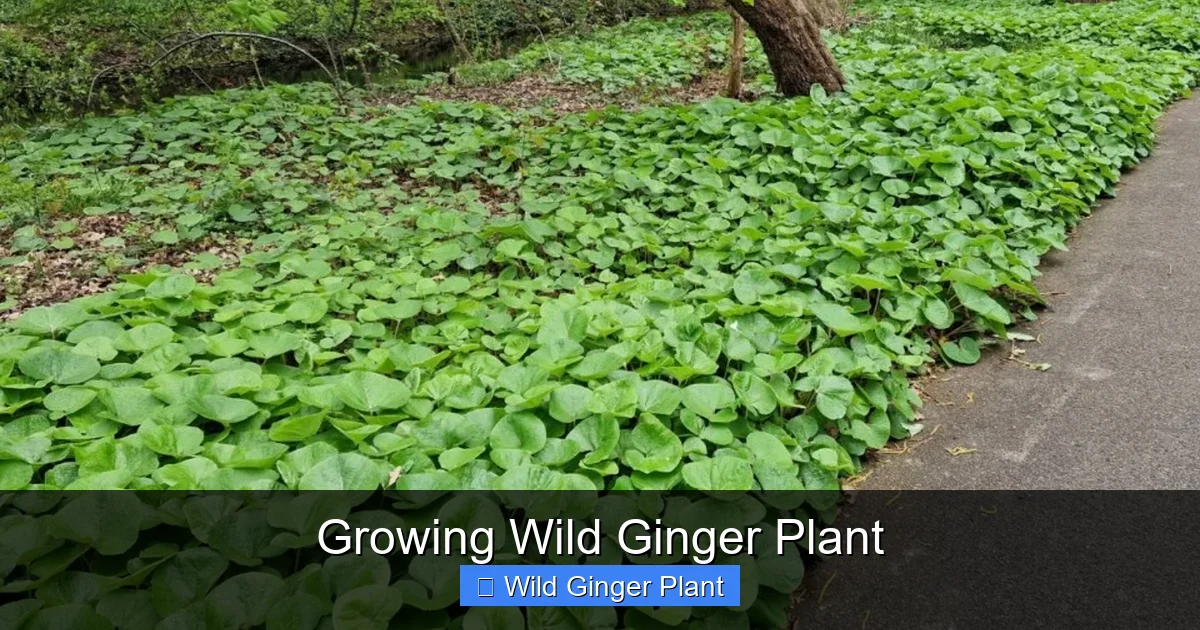
Growing Wild Ginger Plant
Wild ginger plant is a beautiful native groundcover that thrives in shady woodland gardens. This low-maintenance perennial spreads slowly to form dense mats of heart-shaped leaves. With proper planting and care, you can enjoy this lovely native plant for years to come.
If you have a shady spot in your garden that seems impossible to fill, let me introduce you to a wonderful native plant. The wild ginger plant might be exactly what you need. This lovely groundcover has been a favorite of shade gardeners for generations. It brings lush green texture to dark corners where other plants struggle.
I first discovered wild ginger plant while hiking through a local nature preserve. The heart-shaped leaves created a beautiful carpet on the forest floor. I knew I had to bring this beauty into my own garden. After years of growing wild ginger plant, I want to share everything I have learned. This guide will walk you through every step of success.
Key Takeaways
- Shade lover: Wild ginger plant thrives in full to partial shade, making it perfect for woodland gardens and shady borders.
- Moist soil essential: This plant needs consistently moist, rich soil with good organic matter to flourish.
- Slow spreader: Wild ginger plant spreads gradually via rhizomes, forming dense colonies over several years.
- Deer resistant: The aromatic foliage naturally deters deer and rabbits from browsing.
- Spring flowers: Unique jug-shaped flowers appear in early spring, often hidden beneath the foliage.
- Easy propagation: Divide established clumps in early spring or fall to create new plants.
- Native benefits: As a native plant, it supports local pollinators and requires minimal maintenance once established.
Quick Answers to Common Questions
How fast does wild ginger plant spread?
Wild ginger plant spreads slowly via rhizomes, typically expanding 6-12 inches per year. A single plant forms a colony 12-18 inches wide in 3-4 years.
Can wild ginger plant grow in full sun?
No, wild ginger plant cannot tolerate full sun. The leaves will scorch and brown. It requires full to partial shade, ideally dappled light under deciduous trees.
Is wild ginger plant edible?
While historically used as a ginger substitute, wild ginger plant contains aristolochic acid which can cause kidney damage and cancer. It is not recommended for consumption.
When should I divide wild ginger plant?
Divide wild ginger plant in early spring before new growth emerges or in early fall at least 6 weeks before the ground freezes. Divide every 4-5 years to maintain vigor.
Why are my wild ginger plant leaves turning brown?
Brown leaves usually indicate too much sun, drought stress, or winter damage. Ensure the plant has full shade, consistent moisture, and winter mulch protection.
📑 Table of Contents
Understanding Wild Ginger Plant
What Is Wild Ginger Plant
Wild ginger plant goes by the botanical name Asarum canadense. It is a native perennial found throughout eastern North America. Despite its common name, it is not related to culinary ginger. The roots do have a ginger-like scent when crushed. This plant belongs to the birthwort family, Aristolochiaceae.
Wild ginger plant grows naturally in rich deciduous forests. It prefers the dappled light that filters through the canopy. The plant forms colonies that spread slowly over time. Each plant reaches about six to twelve inches tall. The spread can reach twelve to eighteen inches wide.
Distinctive Features
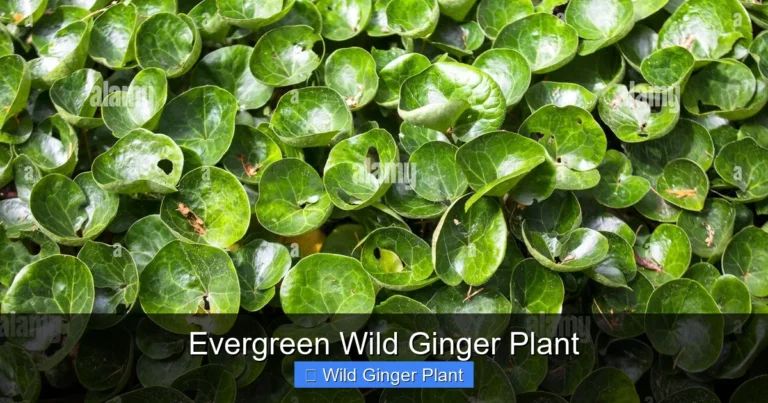
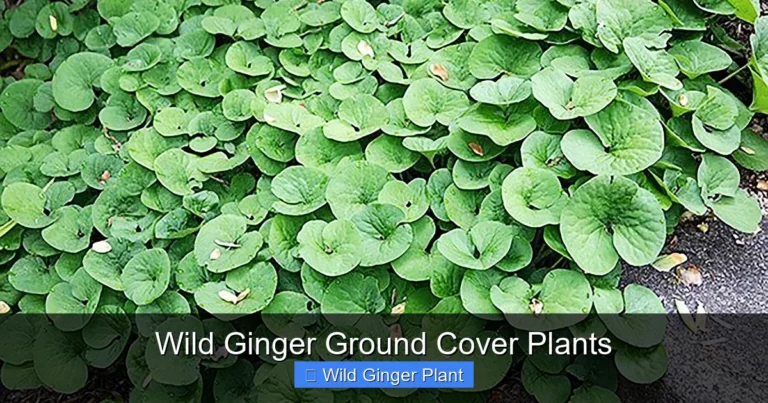
The most striking feature is the foliage. Each leaf is heart-shaped or kidney-shaped. The leaves have a soft, velvety texture. They are deep green with prominent veins. In spring, the new leaves emerge with a slight reddish tint.
The flowers are unusual and often overlooked. They appear in early spring, usually April to May. Each flower is jug-shaped with three pointed tips. The color is a deep reddish-brown to purple. The flowers sit at ground level, hidden beneath the leaves. This placement attracts ground-dwelling pollinators like beetles and flies.
Native Range and Habitat
Wild ginger plant is native to eastern North America. Its range extends from Manitoba to Nova Scotia. It grows south to Georgia and west to Missouri. In the wild, you will find it in rich, moist woodlands. It often grows alongside other spring ephemerals like trillium and bloodroot.
The plant thrives in areas with deep leaf litter. The decomposing leaves provide nutrients and moisture retention. Wild ginger plant is an indicator of high-quality woodland habitat. Its presence suggests rich, undisturbed soil.
Choosing the Right Location
Light Requirements
Light is the most critical factor for growing wild ginger plant. This plant needs shade. Full shade to partial shade works best. Morning sun with afternoon shade is acceptable. Avoid hot afternoon sun at all costs. The leaves will scorch and turn brown in direct sun.
Dappled shade under deciduous trees is ideal. The spring sun reaches the plant before trees leaf out. This timing matches the plant’s natural growth cycle. Once the canopy fills in, the plant enjoys cool shade all summer.
Soil Conditions
Wild ginger plant demands rich, moist soil. The soil should be high in organic matter. A pH between 5.5 and 6.5 is perfect. This slightly acidic range mimics forest soil. Heavy clay soils need amendment with compost. Sandy soils also need organic matter to hold moisture.
Test your soil before planting. Add compost or leaf mold generously. Work it into the top eight to twelve inches. The soil should feel moist but not soggy. Good drainage prevents root rot. Yet the soil must never dry out completely.
Moisture Needs
Consistent moisture is non-negotiable. Wild ginger plant has shallow roots. It cannot reach deep water reserves. The soil should stay evenly moist throughout the growing season. Mulch heavily to retain moisture. Two to three inches of shredded leaves or bark mulch works well.
During dry spells, water deeply once or twice a week. Do not let the soil dry out. Drought stress causes leaf edges to brown and curl. The plant may go dormant early if too dry. Established colonies handle brief dry periods better than new plantings.
Companion Plants
Choose companions with similar needs. Good partners include ferns, hostas, and foamflower. Trillium, bloodroot, and Virginia bluebells bloom alongside wild ginger plant. Solomon’s seal and jack-in-the-pulpit share the same habitat. These plants create a layered woodland garden.
Avoid aggressive spreaders that might overwhelm wild ginger plant. English ivy, periwinkle, and bishop’s weed are too competitive. Give wild ginger plant space to establish its colony. It plays well with other well-behaved natives.
Planting Wild Ginger Plant
When to Plant
Spring and fall are the best planting times. Spring planting allows roots to establish before summer heat. Plant after the last frost when soil is workable. Fall planting gives roots a head start before winter. Plant at least six weeks before the ground freezes.
Avoid summer planting if possible. The heat and dry conditions stress new plants. If you must plant in summer, provide extra water and shade. Container-grown plants can be planted anytime the ground is not frozen. But spring and fall give the highest success rates.
Preparing the Planting Site
Clear the area of weeds and grass. Remove any invasive plants completely. Loosen the soil to a depth of twelve inches. Mix in three to four inches of compost. Add leaf mold if available. This mimics the forest floor conditions wild ginger plant loves.
Create a slight depression for each plant. This helps capture and hold water. Space plants twelve to eighteen inches apart. They will fill in over time. Closer spacing creates a faster groundcover. Wider spacing saves money but takes longer to fill.
Planting Steps
Water the plants thoroughly before removing from pots. Gently loosen any circling roots. Place the plant in the prepared hole. The crown should sit at soil level. Do not plant too deep. The rhizomes need to be just below the surface.
Backfill with the amended soil. Firm gently around the roots. Water deeply to settle the soil. Apply a two-inch layer of mulch. Keep mulch away from the crown. Water again after mulching. Mark the location so you do not accidentally disturb the plant.
Starting from Rhizomes
You can also start wild ginger plant from rhizome divisions. This is often cheaper than buying potted plants. Obtain divisions from a friend or native plant sale. Each piece should have at least one growing point. The growing point looks like a small bud or emerging leaf.
Plant rhizomes horizontally, just below the soil surface. Cover with one inch of soil. Water well and mulch. Rhizome divisions may take a year to show top growth. They are building root systems first. Be patient. Mark the spots clearly.
Growing from Seed
Growing wild ginger plant from seed requires patience. Seeds need cold stratification. Sow fresh seeds in summer in a shaded cold frame. Or store seeds in moist sand in the refrigerator for ninety days. Then sow in spring.
Seedlings are tiny and slow-growing. They may take three to four years to reach flowering size. Most gardeners prefer divisions or purchased plants. But growing from seed preserves genetic diversity. It is rewarding for patient gardeners.
Care and Maintenance
Watering Routine
Water is the key to success with wild ginger plant. New plantings need water every two to three days. Check soil moisture by sticking your finger in the soil. It should feel damp two inches down. Reduce frequency as plants establish.
Established plants need water during dry spells. Aim for one inch of water per week. Rain counts toward this total. Use a rain gauge to track. Soaker hoses or drip irrigation work best. They keep foliage dry and deliver water to roots.
Water deeply rather than frequently. Deep watering encourages deep roots. Shallow watering creates shallow roots that dry out fast. Early morning watering reduces evaporation. It also allows leaves to dry before nightfall.
Mulching Practices
Mulch is essential for wild ginger plant. It conserves moisture and suppresses weeds. It also adds organic matter as it breaks down. Shredded leaves are the best mulch. They mimic the natural forest floor. Pine needles and bark mulch also work well.
Apply mulch in spring after the soil warms. Keep a two to three inch layer year-round. Pull mulch back from plant crowns in spring. This prevents rot and allows new growth to emerge. Refresh mulch annually as it decomposes.
Fertilizing Needs
Wild ginger plant rarely needs fertilizer. Rich soil with annual mulch provides enough nutrients. If growth seems poor, apply a light feeding. Use a balanced organic fertilizer in early spring. Compost tea or fish emulsion works well.
Avoid high-nitrogen fertilizers. They promote lush leaves but weak roots. Too much fertilizer can burn the shallow roots. A top-dressing of compost in fall is usually sufficient. The decomposing mulch feeds the plant naturally.
Weed Control
Weeds compete for moisture and nutrients. Hand-pull weeds carefully. The shallow roots of wild ginger plant are easily damaged. Do not use a hoe or cultivator near the plants. Mulch heavily to prevent weed seeds from germinating.
Remove weeds when they are small. Large weeds have deep roots that disturb wild ginger plant when pulled. Be especially vigilant in the first two years. Once the colony forms a dense mat, it suppresses most weeds naturally.
Seasonal Care
Spring care focuses on cleanup and monitoring. Remove any winter-damaged leaves. Check for emerging growth. Apply fresh mulch if needed. Watch for slugs and snails on new leaves.
Summer care is mostly watering. Monitor soil moisture during hot spells. Remove any flower stalks if you want to prevent seeding. The plant puts energy into rhizome growth after flowering.
Fall care prepares the plant for winter. Leave the foliage in place. It protects the crown over winter. Apply a fresh layer of shredded leaves. This insulates the roots and feeds the soil.
Winter requires little attention. The plant is dormant. Snow cover provides the best insulation. In snowless areas, ensure mulch is in place. Do not walk on frozen plants. The brittle leaves and stems break easily.
Propagation Methods
Division
Division is the easiest and most reliable method. Divide established clumps in early spring or fall. Spring division should happen before new growth emerges. Fall division needs four to six weeks before ground freeze.
Dig up the entire clump carefully. Use a garden fork to minimize root damage. Shake off excess soil to see the rhizomes. Each division needs several rhizomes with growing points. Use a clean, sharp knife to separate sections.
Replant divisions immediately. Follow the same planting steps as new plants. Water well and mulch. Divisions may sulk for a few weeks. They will recover and grow vigorously next season.
Rhizome Cuttings
Rhizome cuttings work well in late winter. Cut rhizome sections two to three inches long. Each piece needs at least one node or bud. Dust cut ends with cinnamon or rooting hormone. This prevents fungal infection.
Lay cuttings horizontally in trays of moist potting mix. Cover with half an inch of mix. Keep in a cool, shaded location. Maintain consistent moisture. New shoots appear in four to eight weeks. Transplant to individual pots when established.
Seed Collection and Sowing
Collect seeds when the seed pods split open. This usually happens in mid to late summer. The seeds have an elaiosome, a fleshy attachment. Ants disperse the seeds in nature. Remove the elaiosome before storing.
Sow seeds immediately for best results. They lose viability quickly when dry. Plant in a shaded cold frame or protected bed. Cover lightly with soil. Mark the location clearly. Germination occurs the following spring.
Establishing New Colonies
To start a new colony, plant divisions in a prepared bed. Space them closer together, eight to ten inches apart. This creates a quicker groundcover effect. Water faithfully the first two years. Mulch heavily.
Consider planting in a drift or sweep. This mimics natural growth patterns. Avoid straight lines. Curved, irregular groupings look more natural. Allow space for the colony to expand over time.
Common Problems and Solutions
Pest Issues
Wild ginger plant has few serious pests. Slugs and snails are the most common problem. They love the tender new leaves in spring. Use beer traps, copper tape, or diatomaceous earth. Hand-pick at night with a flashlight. Iron phosphate baits are safe and effective.
Spider mites may appear in hot, dry conditions. They cause stippling on leaves. Increase humidity with regular misting. Spray with insecticidal soap if needed. Good air circulation helps prevent outbreaks.
Aphids occasionally cluster on flower stems. Blast them off with a strong water spray. Ladybugs and lacewings usually control them naturally. Avoid broad-spectrum insecticides. They harm beneficial insects.
Disease Problems
Root rot is the main disease concern. It occurs in poorly drained soil. Symptoms include yellowing leaves and wilting. The plant may pull out easily with rotted roots. Prevention is key. Ensure good drainage at planting.
Leaf spot diseases occasionally appear. They cause brown or black spots on leaves. Remove affected leaves promptly. Improve air circulation. Avoid overhead watering. Fungicides are rarely needed for this plant.
Crown rot can occur if mulch is piled against the crown. Keep mulch pulled back from the center of the plant. Plant at the correct depth. Do not bury the crown. Good sanitation prevents most fungal issues.
Environmental Stress
Sun scorch is common in wrong locations. Leaves develop brown, crispy edges. The plant may go dormant early. Move to a shadier spot in fall. Provide temporary shade cloth if moving is not possible.
Drought stress causes similar symptoms. Leaves curl and brown at margins. The plant conserves energy by going dormant. Water deeply and mulch heavily. The plant usually recovers next spring if roots survive.
Winter damage occurs in harsh, snowless winters. The evergreen leaves may brown and die back. This is cosmetic. New growth emerges in spring. Leave damaged leaves until new growth appears. They protect the crown.
Growth Issues
Slow establishment is normal. Wild ginger plant takes time to settle in. First-year plants focus on root growth. Top growth may be minimal. Patience is essential. Do not overwater or overfertilize trying to speed growth.
Failure to spread indicates unhappy conditions. Check soil moisture, light, and soil quality. The plant may need more organic matter. Or it may be getting too much sun. Address the underlying issue rather than forcing growth.
Overcrowding eventually reduces vigor. Divide clumps every four to five years. This rejuvenates the planting. Share divisions with friends. Or expand your own woodland garden.
Harvesting and Uses
Traditional Uses
Native Americans used wild ginger plant medicinally. The roots treated colds, fevers, and digestive issues. It was also used as a flavoring. Early European settlers adopted these uses. The root was candied as a sweet treat.
Important note: Wild ginger plant contains aristolochic acid. This compound can cause kidney damage and cancer. Modern herbalists advise against internal use. Enjoy the plant for its ornamental value only. Do not consume any part of the plant.
Ornamental Value
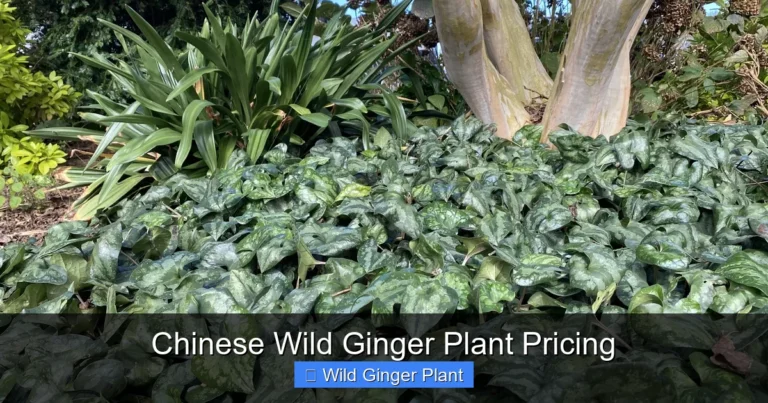
The primary use today is ornamental. Wild ginger plant creates a beautiful groundcover. The glossy leaves stay attractive all season. In mild winters, the foliage remains evergreen. It adds texture and depth to shade gardens.
The flowers, while hidden, are fascinating. Get down on your knees to appreciate them. They are a sign of a healthy woodland ecosystem. Children love discovering the secret flowers. It teaches observation skills.
Ecological Benefits
Wild ginger plant supports native wildlife. The flowers provide early nectar for pollinators. Ants disperse the seeds. The dense foliage shelters small creatures. It stabilizes soil on slopes with its rhizome network.
As a native plant, it belongs in the local ecosystem. It does not become invasive. It coexists with other natives. Planting wild ginger plant restores habitat. It connects your garden to the wider landscape.
Garden Design Uses
Use wild ginger plant as a groundcover under trees. It fills the difficult space where grass won’t grow. Plant it along shaded paths. The low height keeps sightlines clear. Edge a woodland border with a ribbon of wild ginger plant.
Combine with spring ephemerals for sequential interest. The ephemerals bloom and fade. Wild ginger plant covers the dying foliage. Pair with ferns for textural contrast. The bold leaves complement delicate fern fronds.
Create a living mulch around shade shrubs. Wild ginger plant suppresses weeds. It keeps soil cool and moist. It reduces maintenance around established plantings. The shallow roots do not compete with deep-rooted shrubs.
Advanced Growing Tips
Creating Ideal Conditions
Build a woodland soil profile for best results. Start with your existing soil. Add a six-inch layer of compost and leaf mold. Mix in some coarse sand if drainage is poor. Top with three inches of shredded leaves. This creates the perfect growing medium.
Install a drip irrigation system on a timer. This ensures consistent moisture. Connect to a rain sensor to avoid overwatering. Mulch over the drip lines. The system becomes invisible but effective.
Consider a rain garden approach. Direct downspout water to the planting area. Wild ginger plant loves the extra moisture. Ensure the area drains within twenty-four hours. Standing water causes root rot.
Extending the Range
You can grow wild ginger plant outside its native range. Provide the conditions it needs. Shade, moisture, and rich soil are universal requirements. In warmer zones, more shade is critical. In cooler zones, it tolerates more light.
Zone 3 gardeners need reliable snow cover. Mulch heavily for winter protection. Zone 8 gardeners need deep shade and constant moisture. Afternoon sun will kill it in hot climates. Adapt care to your specific conditions.
Container Growing
Wild ginger plant can grow in containers. Use a wide, shallow pot. The rhizomes spread horizontally. Ensure excellent drainage. Use a rich potting mix with added compost. Keep in full shade.
Water containers daily in summer. They dry out faster than ground soil. Fertilize monthly with diluted organic fertilizer. Repot every two to three years. Divide at repotting time. Protect containers in winter. Bury the pot or move to an unheated garage.
Large-Scale Planting
For large areas, use a plug planting method. Purchase or grow small plugs. Plant on a grid spacing of twelve inches. Use a bulb auger on a drill for fast planting. Water in well and mulch heavily.
Consider a phased approach. Plant one section each year. This spreads cost and labor. It also allows you to refine techniques. The first section becomes a source for future divisions.
Troubleshooting Checklist
When plants struggle, run through this checklist. Is the soil moist two inches down? Is the site fully shaded? Is the soil rich in organic matter? Is the pH between 5.5 and 6.5? Is mulch pulled back from crowns? Are weeds controlled? Is drainage adequate?
Most problems trace to one of these factors. Correct the issue and wait. Wild ginger plant is resilient when conditions are right. It may take a season to show improvement. Document what works for future reference.
Conclusion
Growing wild ginger plant rewards patience with beauty. This native groundcover transforms difficult shade into a lush carpet. The heart-shaped leaves create texture no other plant provides. The hidden flowers delight those who take time to look closely.
Success comes from mimicking nature. Provide shade, moisture, and rich soil. Mulch generously with leaves. Water during dry spells. Divide occasionally to maintain vigor. Then step back and let the plant do its work.
Your woodland garden will thank you. Pollinators will visit. The soil will improve. And you will have a living connection to the native landscape. Wild ginger plant is more than a groundcover. It is a piece of the forest brought home.
Start with a few plants this spring or fall. Watch them establish and spread. Share divisions with fellow gardeners. Build your colony over time. The investment pays dividends for decades. Wild ginger plant is a legacy plant for the shade garden.
Frequently Asked Questions
Does wild ginger plant flower every year?
Yes, established wild ginger plant flowers annually in early spring, typically April to May. The unique jug-shaped flowers are often hidden beneath the foliage at ground level.
Can I grow wild ginger plant under pine trees?
Wild ginger plant can grow under pine trees if the soil is rich and moist. However, pine needles create acidic conditions and heavy shade. Amend soil with compost and ensure adequate moisture.
How do I control slugs on wild ginger plant?
Use beer traps, copper tape barriers, diatomaceous earth, or iron phosphate baits. Hand-pick slugs at night with a flashlight. Keep mulch pulled back from crowns to reduce hiding spots.
Will wild ginger plant choke out other plants?
Wild ginger plant spreads slowly and is not aggressive. It forms dense mats but coexists well with other shade perennials like ferns, hostas, and spring ephemerals. It will not overwhelm established plants.
Can wild ginger plant be grown indoors?
Wild ginger plant is not suited for indoor growing. It requires seasonal dormancy, consistent humidity, and cool temperatures. It thrives best as an outdoor shade garden plant.
What is the difference between wild ginger and European ginger?
Wild ginger (Asarum canadense) is native to North America with larger, matte leaves. European ginger (Asarum europaeum) has smaller, glossy evergreen leaves. Both are shade-loving groundcovers with similar care needs.