Plants Similar to Wild Ginger
Wild ginger (Asarum canadense) is a beloved native ground cover, but several plants share its heart-shaped leaves and shade tolerance. This guide explores the best alternatives like European ginger, heartleaf foamflower, and Canadian wild ginger relatives to help you choose the perfect low-maintenance plant for your woodland garden.
If you have ever walked through a moist woodland in eastern North America, you have likely spotted wild ginger hugging the forest floor. Its soft, heart-shaped leaves create a living carpet that feels both ancient and inviting. Many gardeners fall in love with this native perennial. They want that same lush look in their own shade gardens. But sometimes the straight species is hard to find. Or maybe you want a slightly different texture, a flower show, or an evergreen option. That is where knowing plants similar to wild ginger becomes incredibly useful.
I have spent years testing shade perennials in my own woodland beds. I have learned that while nothing perfectly duplicates the exact charm of Asarum canadense, several wonderful candidates come close. Some are close cousins. Others are lookalikes from different plant families entirely. Each brings its own personality to the garden. In this guide, we will walk through the best alternatives together. We will cover identification, growing needs, and design ideas. By the end, you will feel confident picking the right ground cover for your shady sanctuary.
Key Takeaways
- European wild ginger (Asarum europaeum) offers evergreen foliage and similar growth habits but spreads more slowly than native species.
- Heartleaf foamflower (Tiarella cordifolia) provides comparable ground cover with bonus spring flowers that attract pollinators.
- Canadian wild ginger relatives like Asarum caudatum thrive in similar conditions with unique flower variations.
- Identification matters because some lookalikes like wild violets or garlic mustard can be invasive or lack culinary uses.
- All these shade-loving perennials prefer moist, rich soil and make excellent companions for ferns and hostas.
- Native species support local ecosystems better than non-native alternatives, providing food for native insects and wildlife.
- Proper site preparation with leaf mulch and consistent moisture ensures successful establishment for any ginger alternative.
Quick Answers to Common Questions
What is the closest plant to wild ginger?
European wild ginger (Asarum europaeum) is the closest relative in cultivation, sharing the same genus, leaf shape, and growth habit but offering evergreen foliage.
Can I eat plants similar to wild ginger?
Some relatives like Asarum caudatum have edible rhizomes, but many contain aristolochic acid. Culinary use is not recommended without expert guidance. Stick to culinary ginger (Zingiber officinale) for cooking.
Which wild ginger alternative spreads fastest?
Heartleaf foamflower (Tiarella cordifolia) spreads fastest via above-ground stolons, forming dense colonies in 2-3 years compared to wild ginger’s slower rhizomatous spread.
Are any wild ginger lookalikes invasive?
Garlic mustard (Alliaria petiolata) is a highly invasive lookalike. Japanese pachysandra (Pachysandra terminalis) can also be aggressive. Always verify species before planting.
Do these plants grow in deep shade?
Yes, most plants similar to wild ginger thrive in deep to dappled shade. European ginger, foamflower, and Epimedium perform well even under dense tree canopies with minimal direct sun.
📑 Table of Contents
Understanding Wild Ginger: The Benchmark
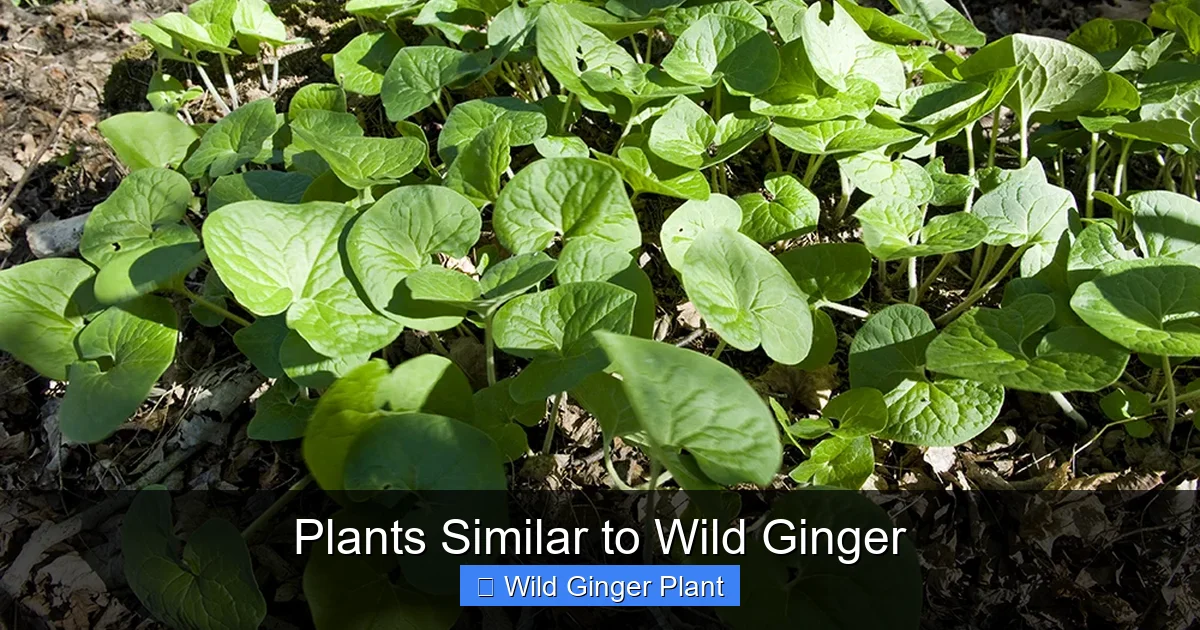
Before we explore alternatives, let us appreciate the plant we are trying to emulate. Wild ginger (Asarum canadense) is a deciduous perennial native to eastern North America. It grows in rich, moist woods from Canada down to the southeastern United States. The plant spreads slowly by rhizomes to form dense colonies. Each leaf rises on a hairy stalk, reaching about six to twelve inches tall. The leaves are kidney-shaped to heart-shaped, soft to the touch, and a deep, matte green.
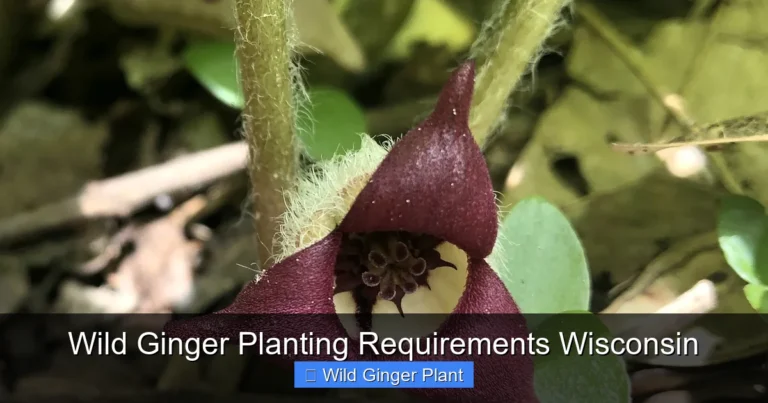
The flowers are curious things. They hide at ground level, nestled in the leaf litter. Shaped like little jugs, they are purplish-brown and often go unnoticed. Flies and beetles pollinate them. The rhizome has a spicy, ginger-like aroma when crushed. Indigenous peoples and early settlers used it as a spice substitute and for medicinal purposes. However, modern research suggests caution due to aristolochic acid content. Today, we grow it mostly for its beautiful foliage and ecological value. It is a host plant for the pipevine swallowtail butterfly. It also provides cover for small woodland creatures.
Why Look for Alternatives?
You might wonder why anyone would want a substitute for such a perfect plant. There are several practical reasons. First, availability can be an issue. Native nurseries sometimes sell out quickly in spring. Second, wild ginger goes dormant in winter. In cold climates, the leaves disappear completely. This leaves bare soil exposed to erosion and weeds. Some gardeners prefer an evergreen presence. Third, the flowers are insignificant. If you want spring color, you might want a plant that blooms visibly. Fourth, spread rate varies. Wild ginger is polite but slow. If you need faster coverage, a more vigorous spreader might suit you better. Finally, curiosity drives us. Exploring plants similar to wild ginger expands our plant palette and deepens our connection to the plant world.
Close Relatives: The Asarum Family
The genus Asarum contains roughly seventy species. Most are native to East Asia, with a handful in North America and one in Europe. They all share the characteristic heart-shaped leaves and ground-level flowers. If you want the truest experience, start here. These are the most authentic plants similar to wild ginger because they are, literally, wild gingers.
Visual guide about Plants Similar to Wild Ginger
Image source: 3.bp.blogspot.com
European Wild Ginger (Asarum europaeum)
This is the most common alternative in the nursery trade. It hails from Europe and western Asia. Unlike our native species, it is evergreen. The leaves are smaller, shinier, and more leathery. They hold their deep green color through winter, even under snow. This makes it invaluable for year-round structure. It grows four to six inches tall and spreads slowly. The flowers are similar jug-shaped affairs, purplish-green, hidden at the base. It prefers the same conditions: shade, moisture, humus-rich soil. It is hardy in zones 4 through 8. I use it along pathways where I want to see green in January. It pairs beautifully with hellebores and snowdrops.
Western Wild Ginger (Asarum caudatum)
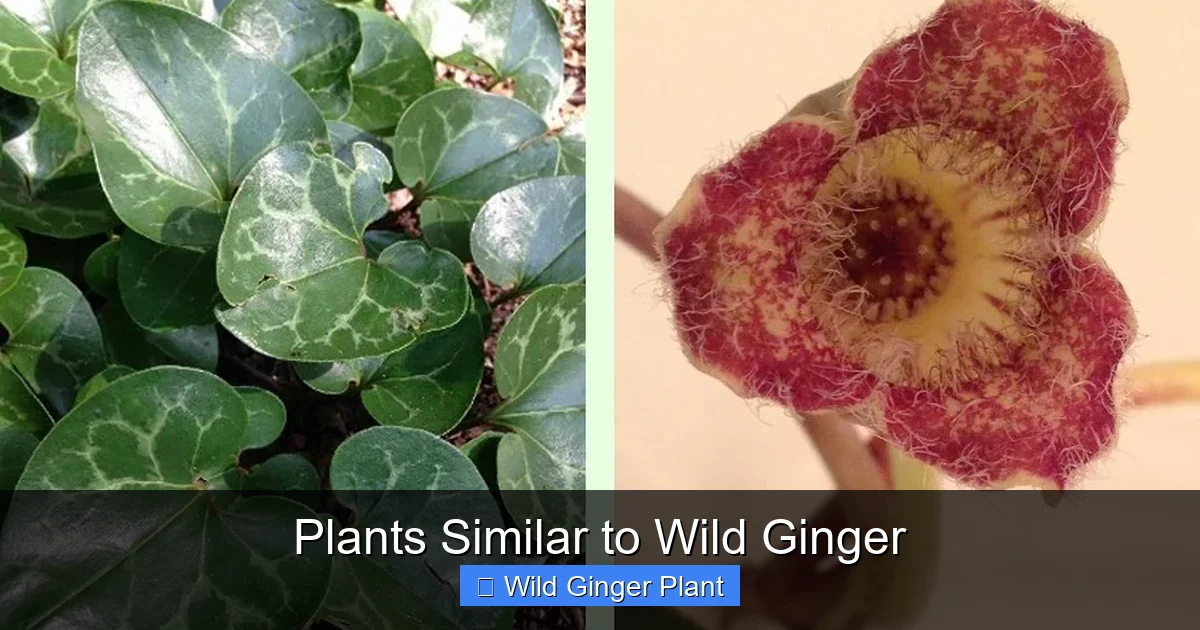
Gardeners on the West Coast have their own native gem. Asarum caudatum ranges from British Columbia to California, inland to Montana. It is evergreen in mild climates, semi-evergreen where colder. The leaves are larger than European ginger, up to six inches wide, with a lovely matte finish. The flowers are distinctive. They have three long, tapering tails extending from the calyx lobes. These “tails” can be an inch long, giving the flower a spidery, exotic look. It spreads steadily to form impressive mats. It handles drier shade better than eastern species once established. This is a top choice for Pacific Northwest woodland gardens.
Mottled Wild Ginger (Asarum shuttleworthii)
Native to the southeastern Appalachians, this species offers foliage drama. The leaves are heavily mottled with silver and light green patterns. Each leaf looks like a work of abstract art. It is semi-evergreen to evergreen. The flowers are typical jug shapes, often with a slight flare. It prefers consistent moisture and good drainage. It is a bit slower to establish but incredibly rewarding. Plant it where you can appreciate the foliage up close, like along a stepping stone path or at the front of a border.
Other Notable Asarum Species
Plant collectors treasure many Asian species. Asarum splendens, the Chinese wild ginger, has striking silver-marked leaves and large, showy flowers. Asarum maximum, the panda face ginger, has huge, dramatic flowers with white centers and dark purple lobes. These are often more expensive and less cold-hardy. They thrive in zones 6 to 9. They make stunning specimen plants in a shaded rock garden or container. If you enjoy the hunt for rare plants, the Asarum genus offers a lifetime of discovery.
Lookalikes from Different Families
Sometimes the best plants similar to wild ginger are not related at all. Convergent evolution has produced several perennials with heart-shaped leaves and a creeping habit. These plants fill the same design niche. They often bring bonus features like showy flowers or fragrance.
Visual guide about Plants Similar to Wild Ginger
Image source: ncwildflower.org
Heartleaf Foamflower (Tiarella cordifolia)
This is perhaps the most popular alternative. It is native to eastern North America, often growing right alongside wild ginger. The leaves are maple-shaped to heart-shaped, often with striking burgundy veins or centers. In spring, it sends up airy spikes of white or pink flowers. These blooms last for weeks and attract early pollinators. It spreads by stolons (above-ground runners) faster than wild ginger. You can get a solid ground cover in two to three years. There are many cultivars. ‘Running Tapestry’ has deeply cut leaves and vigorous spread. ‘Sugar and Spice’ has frosted leaves and pink buds opening white. It is hardy in zones 3 to 8. It handles a bit more sun if kept moist. I love mixing it with wild ginger. The foamflower blooms; the ginger provides summer foliage bulk.
Canadian Wild Ginger vs. Foamflower: A Quick Comparison
Both are excellent natives. Wild ginger wins for dense weed suppression and deer resistance. Foamflower wins for floral display and speed of cover. Wild ginger leaves are thicker, more leathery. Foamflower leaves are thinner, more delicate. Wild ginger flowers are hidden; foamflower flowers are showy. Choose ginger for a carefree carpet. Choose foamflower for a flowering meadow effect.
Wild Violet Species (Viola spp.)
Several native violets form low rosettes of heart-shaped leaves. Viola sororia (common blue violet) and Viola pubescens (downy yellow violet) are widespread. They spread by rhizomes and seeds. They can be aggressive. In a lawn, they are weeds. In a woodland garden, they are charming ground covers. They bloom in spring with classic violet flowers. They host fritillary butterfly caterpillars. If you want a wilder, more self-sowing look, violets work. If you want a tidy, controlled mat, they might frustrate you. They are edible, too. Flowers and young leaves add color to salads.
Brunnera (Brunnera macrophylla)
Often called Siberian bugloss or false forget-me-not, Brunnera is a shade garden superstar. The species has large, rough, heart-shaped leaves. In spring, it produces clouds of tiny, true-blue flowers on wiry stems. It looks like a giant forget-me-not. The cultivar ‘Jack Frost’ is famous. Its leaves are heavily frosted with silver, veins green. It lights up a dark corner. ‘Looking Glass’ is even more silver. ‘Alexander’s Great’ has huge leaves. Brunnera spreads slowly by rhizomes. It prefers consistent moisture but tolerates dry shade once established. It is hardy in zones 3 to 8. Deer usually ignore it. It is not native to North America but is not invasive.
Barrenwort (Epimedium spp.)
Epimediums are the ultimate dry shade plants. They have compound leaves with heart-shaped leaflets. New growth often emerges with bronze, red, or purple tints. In spring, delicate flowers dangle like tiny columbines or jester hats. Colors range from white and yellow to pink, orange, and red. They spread by rhizomes at varying speeds. Some are clumpers; others are runners. Epimedium x versicolor ‘Sulphureum’ is a tough, spreading classic with yellow flowers. Epimedium grandiflorum cultivars offer larger blooms. They are evergreen or semi-evergreen in mild winters. Cut back old foliage in late winter before new growth starts. They are not native but are invaluable for difficult spots under mature trees.
Native Ground Cover Companions
Sometimes the best approach is not a single replacement but a community. Nature rarely grows monocultures. A mix of plants similar to wild ginger creates resilience and seasonal interest. Here are native partners that share the same cultural preferences.
Pennsylvania Sedge (Carex pensylvanica)
This is not a broadleaf plant, but it is the ultimate native ground cover for dry shade. Fine-textured, semi-evergreen foliage forms soft mounds. It spreads by rhizomes to create a lawn alternative. It handles root competition from trees beautifully. Plant it in drifts between your gingers and foamflowers. It provides texture contrast and winter presence.
Creeping Phlox (Phlox stolonifera)
This phlox creeps by stolons, forming a mat of evergreen, oval leaves. In mid-spring, it explodes with fragrant lavender, pink, or white flowers. It prefers a bit more light than deep shade but thrives in dappled conditions. ‘Sherwood Purple’ and ‘Blue Ridge’ are excellent cultivars. It attracts butterflies and hummingbirds.
Green and Gold (Chrysogonum virginianum)
Low rosettes of hairy, ovate leaves spread steadily. Yellow daisy-like flowers bloom spring through fall in cool climates. It handles a range of moisture levels. It is a workhorse native ground cover. The cultivar ‘Pierre’ is compact and floriferous.
Allegheny Spurge (Pachysandra procumbens)
Our native pachysandra is far superior to the aggressive Japanese species. Blue-green leaves with mottled patterns form a slow, dignified spread. Fragrant white flower spikes appear in early spring before new leaves. It is clump-forming, not invasive. It deserves much wider use.
Designing with Ginger Alternatives
Knowing the plants is half the battle. Using them well is the art. Let us talk design strategies for shade gardens featuring these plants similar to wild ginger.
Creating Layers
A woodland garden works in layers. Canopy trees. Understory trees. Shrubs. Herbaceous perennials. Ground cover. Your ginger alternatives form the ground layer. But they can vary in height. Wild ginger and European ginger stay low, six to eight inches. Foamflower flower spikes reach twelve to eighteen inches. Brunnera flower stems hit eighteen inches. Epimediums range from eight to fifteen inches. Use this. Plant lower spreaders at the front of beds, along paths. Put taller bloomers behind them. Create a gentle slope of foliage heights.
Texture and Leaf Shape Play
Heart-shaped leaves are a strong motif. Repeating them creates harmony. But contrast keeps it interesting. Pair the smooth, shiny leaves of European ginger with the rough, hairy leaves of Brunnera. Mix the solid green of wild ginger with the silver-frosted ‘Jack Frost’ Brunnera. Add the fine texture of Pennsylvania sedge. Add the bold, lobed leaves of foamflower. The eye moves happily across these variations.
Seasonal Succession
Plan for the whole year. Early spring: foamflower blooms, Brunnera blooms, Epimedium blooms, violets bloom. Late spring: wild ginger leaves fully expand, covering fading bulb foliage. Summer: all foliage looks lush. Fall: Epimedium and foamflower leaves turn bronze, red, purple. Winter: European ginger, western ginger, Epimedium, sedge, creeping phlox, Allegheny spurge stay green. You have something happening every month.
Path Edges and Stepping Stones
Low, creeping plants soften hardscapes. Plant European ginger or western wild ginger between flagstones. They tolerate light foot traffic once established. Foamflower runners will weave through gaps. The scent of crushed ginger rhizome (if you accidentally step on one) is a bonus. Avoid planting right where heavy, daily traffic occurs. Use Pennsylvania sedge for high-traffic paths.
Container Combinations
Don’t forget pots. A wide, shallow container mimics the forest floor. Combine a silver-mottle wild ginger (Asarum caudatum) with a miniature hosta, a small fern like Japanese painted fern, and a trailing ivy or creeping jenny (in a pot, not the ground). Keep it moist. Overwinter in a protected spot. It brings the woodland vibe to a patio or balcony.
Growing Success: Practical Tips
All these plants similar to wild ginger share core cultural needs. Master these, and you master the whole group.
Soil Preparation is Everything
Woodland plants evolved in centuries of leaf litter. They want loose, humus-rich, moisture-retentive but well-drained soil. If you have heavy clay, amend heavily with compost, leaf mold, and pine bark fines. If you have sand, add compost and clay-based topsoil. Do not just dig a hole and plant. Prepare a wide area. These plants spread horizontally. They need good soil ahead of their rhizomes.
The Magic of Leaf Mulch
Do not rake leaves out of your shade beds. Shred them and leave them. Or collect neighbors’ bagged leaves, shred them, and apply a two-to-three-inch layer annually. This replicates the forest floor. It feeds the soil, conserves moisture, suppresses weeds, and protects crowns in winter. It is the single best thing you can do. Avoid heavy bark mulch. It can form a crust that repels water and hinders rhizome spread.
Watering for Establishment
New plants need consistent moisture for their first full season. Water deeply twice a week if rain fails. Soak the root zone. Once established, most tolerate dry spells. But they look best with regular moisture. A soaker hose on a timer makes this easy. Mulch reduces watering needs dramatically.
Planting Density and Spacing
For ground cover, space plants closer than label suggestions. For wild ginger and foamflower, plant ten to twelve inches apart in a grid. For slower spreaders like European ginger or Epimedium, go eight to ten inches. For faster spreaders like violets or creeping phlox, twelve to eighteen inches works. Stagger rows for quicker fill-in. Buy plugs or small pots. They establish faster and cost less than gallons.
Deer and Rabbit Resistance
This is a major concern. Wild ginger is highly deer resistant. The aromatic rhizomes and fuzzy leaves deter browsing. European ginger is also resistant. Foamflower is generally resistant but occasionally nibbled. Brunnera is very resistant (rough leaves). Epimedium is famously resistant. Violets are sometimes eaten. Pennsylvania sedge is resistant. No plant is deer-proof. In high-pressure areas, use repellents or fencing initially.
Dividing and Propagating
Most spread by rhizomes or stolons. Division is easy. In early spring or early fall, dig a clump. Tease or cut apart sections with roots and shoots. Replant immediately. Water well. Foamflower runners can be pinned down to root, then severed. Seed is possible for many but slow. Division gives you mature plants fast. Share divisions with friends. It is the gardener’s currency.
Common Identification Pitfalls
When shopping for or identifying plants similar to wild ginger, confusion happens. Let us clear up the most common mix-ups.
Wild Ginger vs. Canada Violet (Viola canadensis)
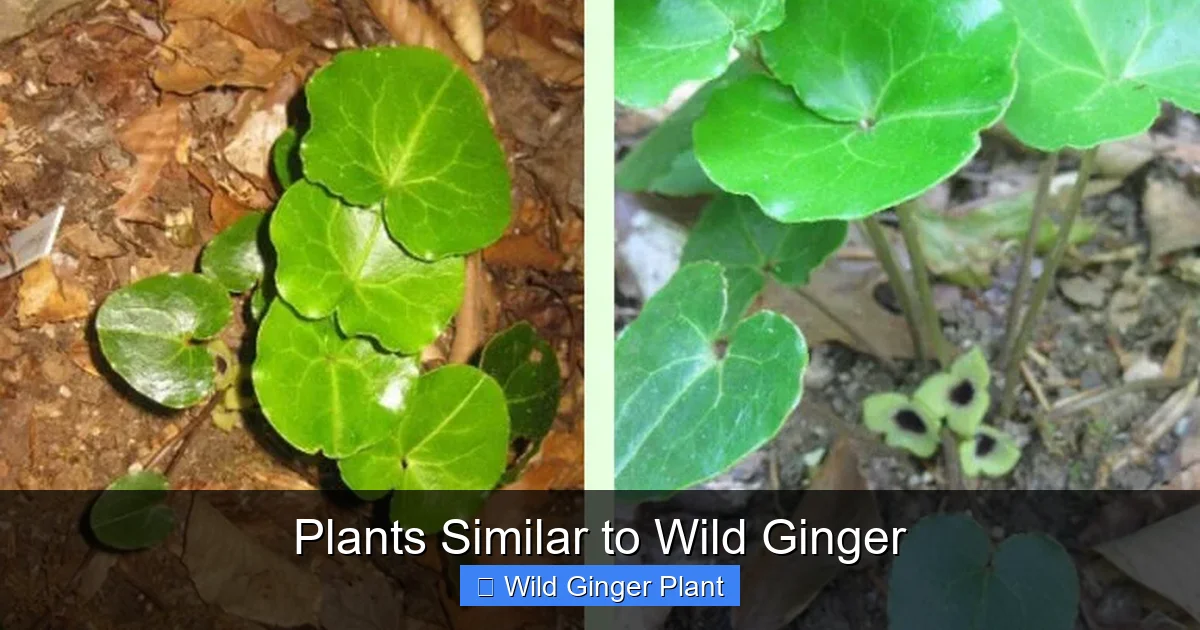
Both have heart-shaped leaves. Both grow in similar woods. Canada violet leaves are more pointed, less kidney-shaped. The leaf margins have fine teeth. Wild ginger margins are smooth. Canada violet has obvious white flowers with yellow centers and purple veins on the back. Wild ginger flowers are hidden, brownish. Crush a leaf. Wild ginger smells spicy. Violet smells green.
Wild Ginger vs. Garlic Mustard (Alliaria petiolata)
This is critical. Garlic mustard is a highly invasive biennial. First year: basal rosette of kidney-shaped leaves. Looks very like wild ginger. Second year: bolts to two to three feet, white four-petal flowers, long seed pods. Crush a leaf. Garlic mustard smells strongly of garlic. Wild ginger smells of ginger/spice. Garlic mustard leaves are thinner, brighter green, less fuzzy. If you see it, pull it immediately, bag it, trash it. Do not compost.
Wild Ginger vs. Coltsfoot (Tussilago farfara)
Coltsfoot is an introduced perennial. Leaves are large, heart-shaped, angular, with white woolly undersides. They appear after the yellow dandelion-like flowers in early spring. Wild ginger leaves emerge with flowers, are green both sides, fuzzy but not woolly. Coltsfoot spreads aggressively by rhizomes and seed. It likes disturbed, damp soils. Not a garden plant.
European Ginger vs. Pachysandra terminalis
Japanese pachysandra is evergreen, shiny, toothed leaves in whorls on upright stems. It spreads aggressively. European ginger leaves are alternate, not whorled, smoother margins, on individual stalks. Pachysandra forms a taller, denser monoculture. European ginger is lower, slower, more refined. Choose the ginger.
Ethical Sourcing and Conservation
As interest in native plants grows, so does pressure on wild populations. Please never dig plants from the wild. It is often illegal. It destroys natural communities. It introduces invasive worms and weeds to your garden. Buy from reputable native plant nurseries. Look for “nursery propagated” not “nursery grown” (which can mean dug from wild and potted). Ask about seed source. Local ecotypes are best adapted to your conditions. Support nurseries that practice ethical propagation. The Native Plant Society in your state often has plant sales. These are excellent sources.
If you have a large property with wild ginger, you can responsibly divide your own patches to expand them. Leave the majority undisturbed. This is stewardship, not extraction.
Conclusion
Exploring plants similar to wild ginger opens a world of shade garden possibilities. Whether you choose the evergreen elegance of European ginger, the floral fireworks of foamflower, the silver drama of Brunnera, or the tough grace of Epimedium, you are building a living tapestry. Remember the basics: rich soil, leaf mulch, patience. These plants work on nature’s timeline. They reward the wait with decades of beauty. They support insects, birds, and soil life. They connect your garden to the wider landscape.
Start small. Pick one or two that speak to you. Plant them well. Watch them grow. Take notes. Take photos. Share divisions. The shade garden is a quiet place, but it is never boring. Every unfurling leaf in spring feels like a small victory. Every patch of green in January feels like a promise. Happy planting, friend. Your woodland floor is waiting.
Frequently Asked Questions
What is the difference between wild ginger and European ginger?
Wild ginger (Asarum canadense) is deciduous and native to eastern North America, while European ginger (Asarum europaeum) is evergreen with smaller, shinier leaves and native to Europe. Both have similar heart-shaped leaves and hidden flowers, but European ginger provides winter interest.
Can I plant wild ginger alternatives under pine trees?
Yes, many plants similar to wild ginger tolerate acidic soils under conifers. Epimedium, Pennsylvania sedge, and European ginger handle pine needle mulch well. Amend soil with compost and ensure adequate moisture during establishment.
How do I control slugs on these shade plants?
Use beer traps, diatomaceous earth, or copper tape around beds. Encourage natural predators like toads and ground beetles. Avoid heavy mulch touching plant crowns. Water in morning so foliage dries by evening. Resistant cultivars like thick-leaved Epimedium suffer less damage.
When is the best time to divide wild ginger and its alternatives?
Early spring as new growth emerges or early fall (September) are ideal. Plants recover quickly in cool, moist conditions. Water divisions well and mulch. Avoid dividing during summer heat or winter dormancy.
Will deer eat foamflower or Brunnera?
Deer rarely browse Brunnera due to its rough, hairy leaves. Foamflower is generally deer-resistant but may be nibbled in high-pressure areas. Wild ginger and Epimedium are highly resistant. Use repellents during the first year for extra protection.
Can I grow these plants in containers?
Yes, shallow, wide pots work well for wild ginger relatives. Use a rich, moisture-retentive potting mix with compost. Keep consistently moist. Overwinter in an unheated garage or bury pots in the ground. European ginger and Epimedium are especially container-adaptable.