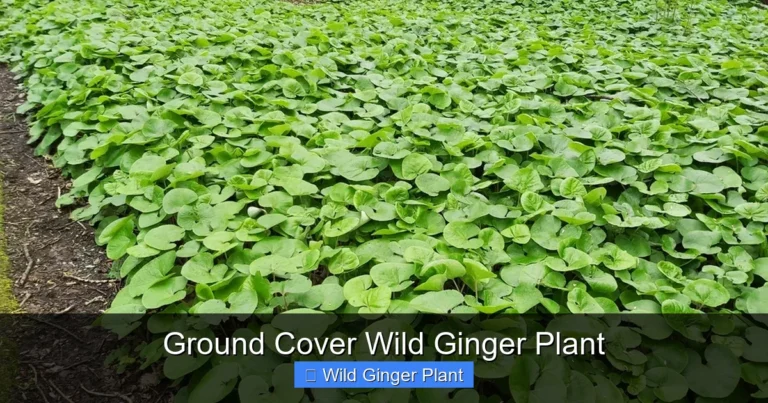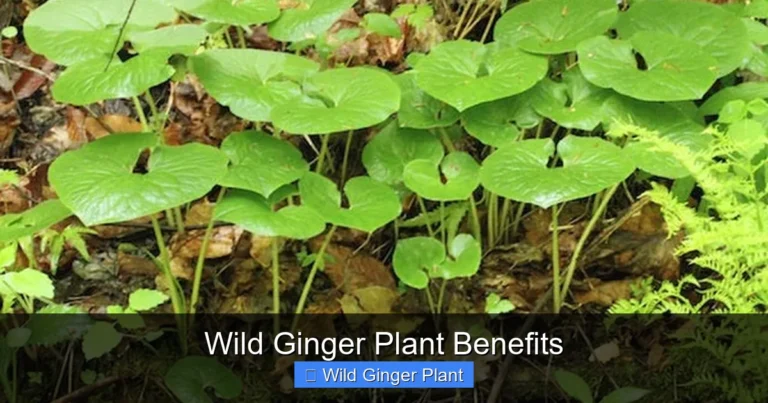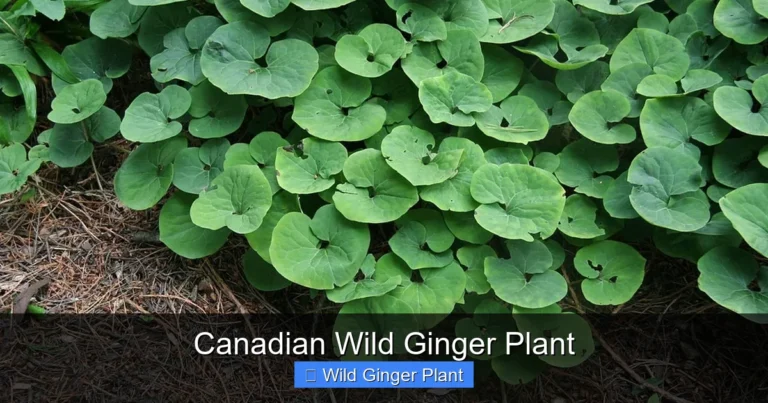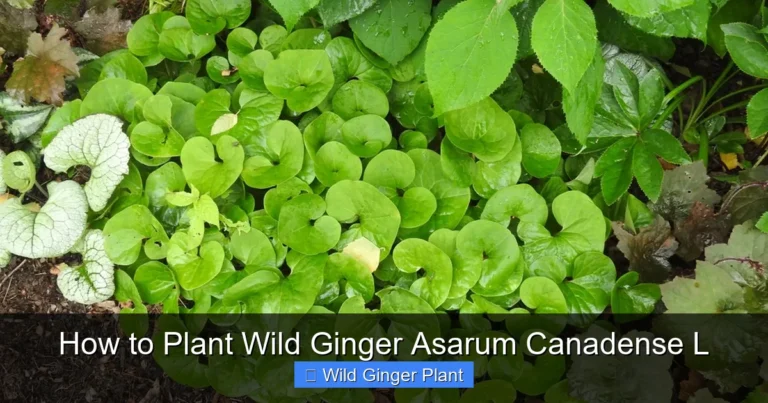
Buy Wild Ginger Plants
Wild ginger (Asarum) is a stunning native groundcover perfect for shady woodland gardens. This low-maintenance perennial offers heart-shaped leaves, unique hidden flowers, and deer resistance. Learn where to buy healthy plants, how to choose the right variety for your zone, and essential planting tips for long-term success.
Key Takeaways
- Native species thrive best: Choose Asarum canadense for eastern North America or Asarum caudatum for the Pacific Northwest for optimal adaptation and ecological benefits.
- Buy from reputable native plant nurseries: Specialized growers offer healthier, ethically sourced plants compared to big-box stores, with better establishment rates.
- Plant in fall or early spring: Cool, moist conditions during these seasons give wild ginger the best start before summer heat or winter dormancy.
- Prepare soil with organic matter: Rich, well-draining woodland soil amended with leaf mold or compost mimics the plant’s natural habitat and encourages spread.
- Space plants 12-18 inches apart: This allows room for rhizomatous spread while creating effective groundcover within two to three growing seasons.
- Expect slow initial growth: Wild ginger establishes gradually; patience rewards you with a dense, weed-suppressing carpet that lasts for decades.
- Protect from slugs early on: Young plants are vulnerable to slug damage; use organic controls like diatomaceous earth or beer traps during establishment.
Quick Answers to Common Questions
Is wild ginger the same as culinary ginger?
No. Wild ginger (Asarum species) is a North American woodland perennial unrelated to culinary ginger (Zingiber officinale). While its roots smell similar when crushed, wild ginger contains compounds that can be toxic in large quantities and is grown for ornamental and ecological value, not cooking.
When is the best time to plant wild ginger?
Fall (September-November) is ideal for most regions, as cool air and warm soil promote root establishment before winter. Early spring is the second-best option. Avoid summer planting due to heat and drought stress.
How fast does wild ginger spread?
Wild ginger spreads slowly but steadily via rhizomes, typically expanding 6-12 inches per year. A solid groundcover carpet forms in 2-3 years at 12-18 inch spacing. Closer spacing accelerates coverage but costs more upfront.
Does wild ginger need fertilizer?
No. Wild ginger thrives in humus-rich woodland soil and doesn’t require fertilizer. Excess nitrogen causes weak, floppy growth. An annual top-dressing of leaf mold or compost in fall mimics natural forest nutrient cycling and is all the nutrition it needs.
Can wild ginger tolerate dry shade?
Once established (2-3 years), wild ginger handles dry shade better than most perennials thanks to its shallow rhizomes that capture light rainfall. However, it needs consistent moisture during establishment. Annual compost mulch improves soil water retention over time.
📑 Table of Contents
- Why Wild Ginger Deserves a Spot in Your Shade Garden
- Understanding Wild Ginger: Not the Culinary Kind
- Where to Buy Wild Ginger Plants: Finding Quality Sources
- Choosing the Right Wild Ginger for Your Garden
- Preparing Your Site for Wild Ginger Success
- Planting and Establishing Wild Ginger
- Long-Term Care and Troubleshooting
- Designing with Wild Ginger: Companion Plants and Garden Uses
- Ecological Value: More Than Just a Pretty Groundcover
- Budgeting and Planning Your Wild Ginger Project
- Conclusion: The Quiet Revolution in Your Shade Garden
Why Wild Ginger Deserves a Spot in Your Shade Garden
If you’ve ever walked through a mature eastern forest in spring, you’ve likely stepped right past wild ginger without noticing it. This unassuming native perennial hugs the forest floor, its heart-shaped leaves forming a living carpet that suppresses weeds, holds soil, and provides shelter for countless tiny creatures. But here’s the thing — once you know what to look for, you start seeing it everywhere. And once you grow it, you wonder how your shade garden ever managed without it.
Wild ginger isn’t flashy. It doesn’t shout for attention with big blooms or neon foliage. Instead, it offers something rarer in the plant world: quiet reliability. Deer don’t eat it. Rabbits leave it alone. Once established, it asks for almost nothing — just shade, moisture, and a little patience. For gardeners tired of coddling fussy perennials or battling invasive groundcovers like English ivy or periwinkle, wild ginger feels like a revelation. It’s the plant that finally makes peace with that difficult shady spot under the maple tree where nothing else thrives.
Understanding Wild Ginger: Not the Culinary Kind
Clearing Up the Confusion
First things first — wild ginger (Asarum species) is not the same plant that gives us the spicy rhizome used in stir-fries and ginger tea. That’s Zingiber officinale, a tropical plant from Southeast Asia. Wild ginger earned its common name because early European settlers noticed its roots smelled similar to culinary ginger when crushed. Indigenous peoples across North America used wild ginger rhizomes as a flavoring and medicine long before colonists arrived, but the two plants belong to completely different families.
This distinction matters when you buy wild ginger plants. You’re purchasing a woodland perennial for ornamental and ecological value, not a culinary herb. The rhizomes of some Asarum species contain aristolochic acid, which can be toxic in large quantities. While traditional uses exist, modern herbalists generally advise against internal use. Enjoy wild ginger for its beauty, its groundcover abilities, and its role in supporting native ecosystems — not for your next batch of ginger cookies.
Meet the Main Species for North American Gardens
When you start looking to buy wild ginger plants, you’ll encounter several species. The two most commonly available for North American gardeners are Asarum canadense (Canadian wild ginger) and Asarum caudatum (western wild ginger or long-tailed wild ginger). Both make excellent groundcovers, but they hail from different regions and have slightly different personalities.
Asarum canadense is native to eastern North America, from Manitoba to Nova Scotia, south to Georgia and west to the Great Plains. It’s the classic eastern woodland species with soft, velvety, heart-shaped leaves that emerge in early spring. The flowers — curious, jug-shaped blooms in purplish-brown — hide at ground level beneath the foliage, pollinated by early-emerging flies and beetles. This species spreads steadily by rhizomes, forming colonies that can live for decades.
Asarum caudatum calls the Pacific Northwest home, from British Columbia to California and east to Montana. Its leaves are similar but often larger and glossier, with a more leathery texture. The flowers are the showstopper here — each has three long, tapered “tails” extending from the calyx lobes, giving the species its name. It’s evergreen in milder zones, providing year-round structure in the shade garden.
Less common but worth seeking out: Asarum virginicum (Virginia wild ginger) with beautifully silver-mottled leaves, and Asarum hartwegii (Hartweg’s wild ginger) from California’s mountains. European gardeners often grow Asarum europaeum, a non-native but well-behaved species with glossy, nearly evergreen foliage. For ecological gardening in North America, stick with species native to your region.
Where to Buy Wild Ginger Plants: Finding Quality Sources
Native Plant Nurseries: The Gold Standard
If you want healthy, ethically propagated wild ginger, native plant nurseries are your best bet. These specialists grow plants from locally sourced seed or responsibly divided stock, ensuring genetic diversity and adaptation to regional conditions. They don’t dig plants from the wild — a critical distinction. Wild collection decimates natural populations and often yields plants that struggle to survive transplant shock.
Look for nurseries that are members of native plant societies or certified by organizations like the Native Plant Trust. Many offer mail-order shipping, which expands your options beyond local retailers. When you buy wild ginger plants from these sources, you’re getting plants grown in conditions similar to your garden, not forced in greenhouses with synthetic fertilizers and perfect irrigation. The result? Plants that establish faster and need less coddling.
Local Plant Sales and Native Plant Society Chapters
Don’t overlook spring plant sales hosted by native plant societies, botanical gardens, master gardener groups, or conservation districts. These events often feature locally grown wild ginger at reasonable prices, and the volunteers running them can offer site-specific advice you won’t get from a website. Plus, you’re supporting conservation education and habitat restoration in your community.
Arrive early for the best selection. Wild ginger sells quickly because experienced native gardeners know its value. Bring cash, a box or tray for transport, and questions about your specific site conditions. The folks growing these plants know exactly which species thrives in your county’s soil and climate.
Reputable Online Native Plant Retailers
Several excellent online nurseries specialize in native perennials and ship bare-root or potted wild ginger nationwide. Companies like Prairie Moon Nursery, Izel Native Plants, and Gardens of the Blue Ridge have built reputations on quality, accuracy, and customer service. When ordering online, check that the nursery sells plants appropriate for your USDA hardiness zone and ecoregion.
Read reviews focusing on plant condition upon arrival, packaging quality, and customer support. Good nurseries ship at the right planting time for your zone — not on a fixed calendar schedule. They’ll also provide clear planting instructions specific to the species you ordered. Avoid generic “wildflower” seed mixes or bare-root bundles from mass-market retailers; these often contain misidentified or non-native species.
What to Avoid: Big Box Stores and Generic Garden Centers
You might spot “wild ginger” at a national chain garden center in spring. Proceed with caution. These plants are often Asarum europaeum (European wild ginger) mislabeled as native, or they’re grown in peat-heavy media with slow-release fertilizers that don’t translate to garden success. Staff rarely know the difference between species or their native ranges.
Worse, some big-box “native” sections include aggressive non-natives like Asarum splendens (Chinese wild ginger), which can spread more aggressively than our well-behaved natives. If you buy wild ginger plants from these sources, you’re gambling on identity, provenance, and quality. Save yourself the headache and go straight to a native specialist.
Choosing the Right Wild Ginger for Your Garden
Match the Plant to Your Ecoregion
The single most important factor when you buy wild ginger plants is selecting a species native to your ecoregion — not just your state, but your specific physiographic province. Asarum canadense thrives in the deciduous forests of the Northeast, Midwest, and Appalachians. Asarum caudatum belongs in the coniferous and mixed forests of the Pacific Northwest. Planting the wrong species isn’t just an ecological faux pas; it often leads to disappointment when the plant fails to thrive in unfamiliar climate and soil conditions.
Check resources like the USDA PLANTS Database, BONAP (Biota of North America Program), or your state’s native plant society website for county-level distribution maps. These show exactly which Asarum species occur naturally in your area. When in doubt, ask the nursery — reputable growers know their plants’ native ranges cold.
Consider Leaf Characteristics and Seasonal Interest
Beyond native range, species differ in foliage texture, color, and persistence. Asarum canadense leaves are soft, matte, and deciduous — they emerge bright green in spring, deepen through summer, and yellow before dropping in fall. Asarum caudatum leaves are thicker, glossier, and often evergreen in zones 7-9, providing winter structure. Asarum virginicum offers striking silver mottling on deep green leaves, adding visual interest even when not in bloom.
If you want year-round coverage in a mild climate, A. caudatum or A. europaeum (in non-native contexts) work well. For a classic deciduous woodland carpet that lets spring ephemerals shine through before filling in, A. canadense is perfect. Think about what role you want wild ginger to play in your garden’s seasonal rhythm.
Evaluate Growth Rate and Spread
All wild gingers spread by rhizomes, but rates vary. Asarum canadense is moderate — expect a clump to expand 6-12 inches per year under good conditions. Asarum caudatum can be slightly faster in ideal coastal climates. Asarum europaeum is notably slower, making it better for smaller spaces or between stepping stones where you don’t want rapid colonization.
None of the native North American species are aggressive invaders. They stay put, expanding politely from the original planting. This is a feature, not a bug — you won’t spend weekends yanking runners from your lawn or neighbor’s beds. If you need faster coverage, simply plant more plugs closer together rather than seeking a “fast-spreading” variety.
Preparing Your Site for Wild Ginger Success
Light Requirements: Deep Shade to Dappled Sun
Wild ginger evolved on forest floors. It wants shade — not “part sun” or “filtered light” but genuine shade. Morning sun with afternoon shade works in cooler northern zones. In hot southern climates, even dappled afternoon sun can scorch leaves. The ideal site gets bright indirect light or a few hours of gentle morning sun, then full shade during the hottest part of the day.
Observe your planting area through a full day before you buy wild ginger plants. Note where shadows fall at 9 AM, 1 PM, and 5 PM in summer. That maple tree casting lovely dappled light in April might create dense shade by June — perfect for wild ginger. Conversely, a spot that’s shady in spring but gets blasted by western sun in August will fry your plants.
Soil: Rich, Moist, and Well-Drained
Think forest floor: decades of decomposed leaves creating a spongy, humus-rich layer over mineral soil. Wild ginger wants that same profile — high organic matter, consistent moisture, good drainage. Heavy clay that stays soggy invites root rot. Sandy soil that dries quickly stresses plants. If your soil is less than ideal, amend it before planting.
Work 2-3 inches of leaf mold, compost, or well-rotted wood chips into the top 6-8 inches of soil. Avoid fresh manure or hot compost — wild ginger prefers slightly acidic to neutral pH (5.5-7.0) and moderate fertility. A soil test from your county extension office tells you exactly what you’re working with. If pH is above 7.0, incorporate elemental sulfur or pine needle mulch to lower it gradually.
Dealing with Tree Roots and Competition
Planting under mature trees means contending with root competition. Maples, beeches, and oaks have dense, shallow root systems that hog water and nutrients. Don’t till or deeply cultivate under trees — you’ll damage tree roots and trigger stress responses. Instead, top-dress with compost and plant into the amended layer.
Choose a spot between major surface roots where you can dig a decent planting hole without hitting woody roots thicker than your thumb. Water deeply after planting and mulch well. Wild ginger’s shallow rhizomes will navigate the upper soil layers, coexisting with tree roots once established. The first year requires attentive watering during dry spells; after that, the plants are remarkably self-sufficient.
Planting and Establishing Wild Ginger
When to Plant: Timing Matters
Fall is the absolute best time to plant wild ginger in most regions — September through October in the North, October through November in the South. Cool air temperatures reduce transpiration stress while warm soil encourages root growth before winter dormancy. Plants established in fall hit the ground running next spring.
Early spring (as soon as soil can be worked) is the second-best window. Avoid planting in late spring or summer — heat and drought stress make establishment an uphill battle. If you must plant in warm weather, provide temporary shade cloth and water religiously. Bare-root plants, often shipped in early spring, should go in the ground immediately upon arrival.
Spacing and Layout for Groundcover Effect
For a solid carpet within 2-3 years, space plants 12-18 inches apart in a staggered grid pattern. Closer spacing (10-12 inches) fills faster but costs more upfront. Wider spacing (18-24 inches) saves money but leaves gaps for weeds to colonize for several seasons. Do the math: a 10×10 foot area needs 25-100 plants depending on spacing.
If budget is tight, start with a core patch at recommended spacing and let it spread naturally. You can divide and transplant outer edges in future years to expand coverage. Wild ginger divides easily in early spring or fall — just dig a section with rhizomes and roots, replant at the same depth, and water well.
Planting Technique: Don’t Bury the Crown
Dig a hole wide enough to spread the roots horizontally — wild ginger rhizomes grow just below the surface. Position the plant so the crown (where leaves emerge) sits at or slightly above soil level. Backfill with amended soil, firm gently, and water deeply to settle soil around roots. Mulch with 1-2 inches of shredded leaves, pine straw, or fine bark, keeping mulch away from the crown to prevent rot.
Label your plants! Wild ginger emerges late in spring — often after you’ve forgotten exactly where you planted it. A simple stake or stone marker prevents accidental disturbance during spring cleanup. Take a photo of the planting layout for your records.
First-Year Care: Patience and Moisture
The first growing season is all about root establishment. Water deeply once or twice a week during dry spells — more often in sandy soil or hot weather. Don’t fertilize; wild ginger doesn’t need it and excess nitrogen encourages weak, floppy growth. Pull weeds by hand before they set seed, being careful not to disturb shallow rhizomes.
Expect minimal top growth the first year. The plant is investing energy underground. By year two, you’ll see more vigorous leaf emergence and the beginnings of colony formation. Year three typically brings the dense, weed-suppressing carpet that makes wild ginger so valuable. This slow start is normal — not a sign of failure.
Long-Term Care and Troubleshooting
Minimal Maintenance, Maximum Reward
Once established, wild ginger is about as low-maintenance as plants get. No deadheading, no dividing (unless you want more plants), no staking, no winter protection in its native range. The leaves act as their own mulch, decomposing in place to feed the soil. Fall cleanup? Skip it. Let the leaves stay. They insulate rhizomes, harbor beneficial insects, and return nutrients to the soil.
If you must tidy up, wait until late winter and gently remove only the most tattered leaves. New growth will push through the remaining duff in early spring. In evergreen species like A. caudatum, remove winter-damaged leaves as new growth emerges.
Common Issues and Solutions
Slugs and snails are the primary pest, especially on young plants and in wet springs. They love the tender new leaves. Organic controls include beer traps, copper tape around planting areas, diatomaceous earth (reapply after rain), and hand-picking at night with a flashlight. Encourage natural predators — ground beetles, toads, and birds — by avoiding broad-spectrum pesticides.
Leaf scorch appears as brown, crispy leaf edges and indicates too much sun or insufficient moisture. Relocate plants to deeper shade or increase watering. Once scorched, leaves won’t recover, but new growth will be fine if conditions improve.
Crown rot from poor drainage or excessive mulch against the crown. Ensure soil drains well and keep mulch pulled back from the base of plants. In heavy clay, consider planting on a slight mound or in a raised bed amended with coarse organic matter.
Failure to spread usually means insufficient light, moisture, or soil fertility. Wild ginger in deep, dry shade under thirsty conifers may survive but not thrive. Supplemental water and annual top-dressing with compost can jumpstart growth.
Dividing and Propagating
After 4-5 years, established clumps can be divided to expand your planting or share with friends. Early spring (as shoots emerge) or early fall are ideal. Dig the entire clump, gently tease apart rhizome sections with roots and at least one growing point each, and replant immediately at the same depth. Water well and mulch. Divisions establish quickly since they already have mature root systems.
Seed propagation is possible but slow. Ants disperse the seeds (they’re attracted to the fleshy elaiosome), so you may find volunteer seedlings near established plants. Collect seeds when capsules split in summer, sow fresh in a prepared seed bed, and expect germination the following spring. Seedlings take 3-4 years to reach flowering size.
Designing with Wild Ginger: Companion Plants and Garden Uses
Perfect Partners for the Woodland Garden
Wild ginger shines in community. Its dense, uniform foliage provides a calm backdrop for showier spring ephemerals that bloom and fade before ginger hits its stride. Plant it with Virginia bluebells (Mertensia virginica), trilliums, bloodroot (Sanguinaria canadensis), Dutchman’s breeches (Dicentra cucullaria), and spring beauty (Claytonia virginica). As these early risers go dormant, wild ginger fills the gaps seamlessly.
For summer and fall interest, pair wild ginger with shade-tolerant ferns — Christmas fern (Polystichum acrostichoides), maidenhair fern (Adiantum pedatum), lady fern (Athyrium filix-femina). The textural contrast between ginger’s broad leaves and ferns’ delicate fronds is classic woodland design. Add native sedges (Carex species) for grassy texture, and you have a dynamic, layered planting that looks good twelve months a year.
Solving Problem Areas
That steep, shady slope where grass won’t grow and mowing is dangerous? Wild ginger’s rhizomes hold soil beautifully. The dense root mat prevents erosion while the foliage slows rainfall impact. Plant in staggered rows across the slope, mulch heavily, and water until established. In a few years, you’ll have a living retaining wall that needs zero maintenance.
Dry shade under mature trees — the bane of many gardeners — becomes an asset with wild ginger. Once established, its shallow rhizomes efficiently capture light rain and dew that penetrates the canopy. The leaf litter it produces improves soil structure over time, making the area more hospitable for other woodland plants. It’s a pioneer species that builds the conditions for a richer plant community.
Path Edges and Stepping Stone Plantings
Wild ginger tolerates light foot traffic better than most shade perennials. Plant it along woodland paths or between stepping stones in shady areas. The leaves may crush temporarily but rebound quickly. Avoid high-traffic zones — it’s not lawn grass — but for occasional passage, it’s durable and soft underfoot. The fragrance released when leaves are bruised adds a sensory dimension to garden walks.
Ecological Value: More Than Just a Pretty Groundcover
Supporting Specialist Pollinators
Those weird, hidden flowers aren’t just botanical curiosities — they’re evolutionary masterpieces. Wild ginger flowers emerge at ground level in early spring, often before the leaf canopy opens. They’re pollinated by small flies, gnats, and beetles attracted to the flowers’ faint, yeasty scent (some describe it as fungal or musty). These early-emerging insects have few other nectar sources in March and April.
Some Asarum species have highly specific pollinator relationships. The flowers trap insects temporarily, ensuring pollen transfer before releasing them. This isn’t carnivory — the insects escape unharmed, dusted with pollen. By planting wild ginger, you’re supporting these obscure but essential pollinators that form the base of forest food webs.
Host Plant for Butterfly Larvae
Wild ginger foliage hosts the caterpillars of several butterfly and moth species, most notably the pipevine swallowtail (Battus philenor) in regions where its primary host (pipevine, Aristolochia) is scarce. While not a primary host, wild ginger provides backup larval food. Other Lepidoptera recorded on Asarum include various geometrid moths and noctuids. The more native plants you grow, the more caterpillars — and thus the more birds, since 96% of terrestrial birds feed insects to their young.
Soil Building and Microhabitat Creation
The dense leaf litter wild ginger produces decomposes into rich humus, feeding soil fungi, bacteria, and invertebrates. This living soil community supports everything from mycorrhizal networks that connect tree roots to the springtails and mites that break down organic matter. The leaf canopy creates stable microclimate conditions — cooler, moister, less variable — that benefit salamanders, toads, and countless arthropods.
In urban and suburban landscapes where forest floor habitat is fragmented, wild ginger plantings act as stepping stones, connecting larger habitat patches. Even a small backyard colony contributes to landscape-scale ecological function. When you buy wild ginger plants, you’re not just gardening — you’re doing conservation at home scale.
Budgeting and Planning Your Wild Ginger Project
Cost Considerations
Wild ginger pricing varies by source, size, and species. Expect to pay $6-12 for a quart pot, $12-20 for a gallon, and $3-6 for bare-root divisions. Mail-order adds shipping ($15-30 typical). A 100-square-foot planting at 12-inch spacing (100 plants) runs $300-1,200 plus shipping — a significant investment. But compare that to annual mulch, herbicide, and replacement plants for a failing lawn in deep shade, and wild ginger pays for itself in years, not decades.
Stretch your budget by starting smaller. Plant a 5×10 foot area (25-50 plants) and let it spread. Divide in year 4-5 to expand. Many native plant societies offer member discounts at sales. Some nurseries give volume discounts for 25+ plants. Ask about “plug” trays — smaller, younger plants sold in flats of 32 or 50 — which cost less per plant and establish quickly.
Phased Installation Strategy
If the full project exceeds your budget or energy, phase it. Year 1: Prepare the best site (amend soil, remove invasives) and plant a core patch. Year 2: Expand outward, using divisions from year 1 plants plus new purchases. Year 3: Fill remaining gaps. This spreads cost and labor while letting you learn your site’s quirks before committing fully.
Document each phase with photos and notes. Track which micro-sites perform best — you’ll often find surprising variation within a single planting area. Use that knowledge to guide subsequent phases. Gardening is a conversation with your land; phased planting keeps the dialogue going.
Conclusion: The Quiet Revolution in Your Shade Garden
Buying wild ginger plants isn’t just a purchase — it’s a commitment to a different kind of gardening. One that works with your site’s nature instead of fighting it. One that measures success in decades, not seasons. One that feeds the soil, shelters the small creatures, and asks little in return but patience and observation.
Start with a few plants from a trusted native nursery. Plant them in that difficult shady spot where you’ve tried and failed with hostas, pachysandra, or grass. Water them through their first summer. Mulch with leaves. Then step back and wait. By the third spring, you’ll notice the patch has widened. By the fifth, it’s a carpet. By the tenth, you’ll be dividing it to share with neighbors, spreading not just plants but a better way of gardening.
The forest floor knows what it’s doing. Wild ginger has been perfecting its role there for millions of years. When you bring it into your garden, you’re inviting that ancient wisdom home. Your shade garden will never be the same — and you’ll never look at a bare patch under the trees the same way again.
Frequently Asked Questions
What’s the difference between Asarum canadense and Asarum caudatum?
Asarum canadense (Canadian wild ginger) is native to eastern North America with soft, deciduous, matte leaves. Asarum caudatum (western wild ginger) is native to the Pacific Northwest with glossy, leathery, often evergreen leaves and distinctive long-tailed flowers. Choose the species native to your region for best results.
Will wild ginger choke out other plants?
Wild ginger forms a dense mat that suppresses weeds, but it’s not aggressive toward desirable plants. Spring ephemerals emerge and bloom before wild ginger leafs out fully. Taller perennials and shrubs coexist easily. It’s a polite colonizer, not a thug.
How do I know if a nursery sells ethically sourced wild ginger?
Look for nurseries that propagate from seed or cultivated divisions, not wild-collected plants. Reputable growers belong to native plant societies, provide provenance information, and ship at appropriate planting times. Avoid vendors selling “wild-dug” or “field-collected” plants.
Can I grow wild ginger in containers?
Yes, but it requires a wide, shallow pot (rhizomes spread horizontally), rich potting mix with compost, consistent moisture, and winter protection in cold zones (zone 5 and below). Container plants need more frequent watering and annual repotting or division as they fill the pot.
Why are my wild ginger flowers hidden under the leaves?
This is normal! Wild ginger flowers emerge at ground level, often beneath the leaf litter. They’re pollinated by ground-dwelling flies and beetles in early spring. Gently lift leaves in April-May to spot the curious jug-shaped blooms — it’s a delightful treasure hunt.
Is wild ginger deer resistant?
Yes, highly. Deer rarely browse wild ginger due to its aromatic compounds and tough foliage. It’s one of the most reliable deer-resistant groundcovers for shade. Rabbits also avoid it. This makes it invaluable in areas with high deer pressure where other shade plants get decimated.