Essential Modular for Pitcher Plant Health
Essential modular for pitcher plant health means giving each part of the plant the right care module. This guide covers soil, water, light, feeding, and common problems so your pitcher plants stay vibrant and catch plenty of insects.
Key Takeaways
- Use a modular soil mix: combine sphagnum moss, perlite, and sand for drainage and acidity.
- Water with distilled or rain water: tap water minerals harm pitcher plants.
- Provide bright, indirect light: 12‑14 hours of filtered sun mimics their native habitat.
- Feed sparingly: one small insect per pitcher every two weeks is enough.
- Monitor humidity: keep ambient humidity above 60 % for healthy pitchers.
- Watch for pests and rot: early detection prevents spread and saves the plant.
- Adjust care seasonally: reduce watering and feeding in winter dormancy.
Quick Answers to Common Questions
What is the best soil mix for pitcher plants?
A mix of three parts sphagnum moss, one part perlite, and one part coarse sand provides the acidity and drainage they need.
Can I use tap water for my pitcher plants?
No. Tap water contains minerals that damage roots. Use distilled, reverse‑osmosis, or rain water only.
How many hours of light do pitcher plants require?
They need 12 to 14 hours of bright, indirect light each day.
How often should I feed my pitcher plants?
One small insect per pitcher every two weeks is enough; overfeeding causes rot.
What humidity level is ideal for pitcher plants?
Maintain ambient humidity above 60 %, ideally around 70 % for optimal pitcher development.
📑 Table of Contents
Introduction
Pitcher plants are fascinating carnivorous plants. They lure insects into deep, tube‑shaped leaves. To keep them thriving you need an essential modular for pitcher plant health approach. This means treating each care element as a separate module that works together. When one module fails the whole plant suffers.
In this guide you will learn how to build each module. We cover soil, water, light, feeding, humidity, and troubleshooting. Each section gives practical steps you can start today. Follow the modules and your pitcher plants will reward you with bold pitchers and steady growth.
Module 1: The Right Soil Mix
Why Soil Matters
Pitcher plants grow in nutrient‑poor, acidic bogs. Their roots cannot handle rich soil. A modular soil mix replicates that environment. The mix must drain fast but hold moisture.
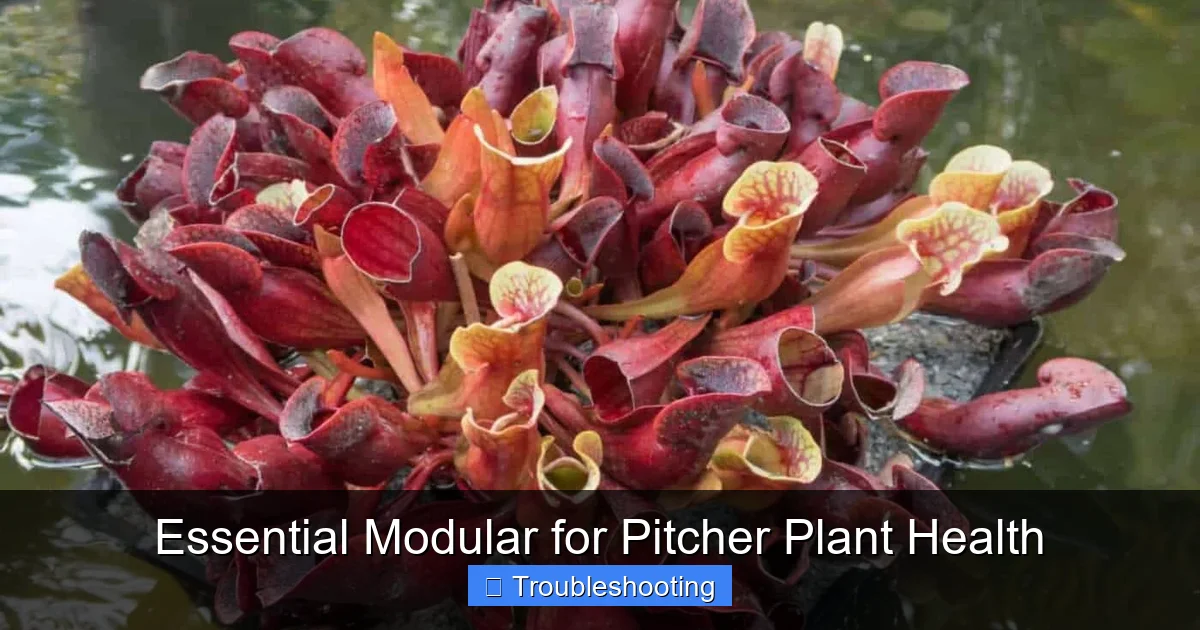
Visual guide about Essential Modular for Pitcher Plant Health
Image source: planetnatural.com
Recipe for Success
Combine three parts sphagnum moss, one part perlite, and one part coarse sand. Mix thoroughly in a clean container. Avoid peat that contains fertilizers. Test the pH; it should sit between 4.0 and 5.5.
Repotting Tips
Repot every 12 to 18 months. Gently remove old media. Trim any blackened roots. Place the plant in fresh mix and water with distilled water. This refreshes the essential modular for pitcher plant health soil module.
Module 2: Pure Water Practices
Water Quality Is Critical
Minerals in tap water build up in the soil. They burn the delicate roots. Use only distilled, reverse‑osmosis, or collected rain water. Keep a water tray under the pot for constant humidity.

Visual guide about Essential Modular for Pitcher Plant Health
Image source: planetnatural.com
Watering Schedule
Keep the soil evenly moist but not soggy. Water when the top centimeter feels dry. In summer water daily. In winter cut back to every three days. Consistent moisture supports the essential modular for pitcher plant health water module.
Avoid Common Mistakes
Never let the pot sit in standing water for more than 30 minutes. Do not mist the pitchers directly; wet pitchers invite fungal spores. Use a saucer to catch excess water.
Module 3: Light Requirements
Natural Light vs. Artificial Light
Pitcher plants love bright, indirect sunlight. A south‑facing window with a sheer curtain works well. If natural light is low, use a full‑spectrum LED grow light. Aim for 12 to 14 hours of light per day.
Measuring Light Intensity
Use a simple lux meter. Target 10,000 to 20,000 lux at the leaf level. Adjust distance of the grow light until you hit that range. Proper lighting fuels the essential modular for pitcher plant health light module.
Seasonal Adjustments
In winter days are shorter. Extend artificial light to maintain 12 hours. Reduce intensity slightly to mimic natural dormancy cues. This prevents etiolation and weak pitchers.
Module 4: Feeding and Nutrition
Do Pitcher Plants Need Feeding?
In the wild they catch insects. In cultivation they often catch enough on their own. Supplemental feeding helps when insect numbers are low. Feed only when pitchers are mature and open.
What to Feed
Small live insects like fruit flies, pinhead crickets, or freeze‑dried bloodworms work well. Avoid meat, cheese, or large bugs. One insect per pitcher every two weeks is sufficient.
Feeding Technique
Drop the insect into the pitcher using tweezers. Do not force it down. The plant’s digestive enzymes will do the rest. Overfeeding leads to rot and harms the essential modular for pitcher plant health nutrition module.
Module 5: Humidity and Airflow
Target Humidity Levels
Ambient humidity above 60 % keeps pitchers plump. Use a hygrometer to monitor. Group plants together to raise local humidity. A humidifier set to 70 % works for larger collections.
Air Circulation
Stagnant air encourages mold. Place a small fan on low near the plants. Ensure gentle airflow across the leaves. Good circulation supports the essential modular for pitcher plant health humidity module.
Seasonal Humidity Changes
Indoor heating drops humidity in winter. Increase humidifier run time. Mist the surrounding air, not the pitchers. Keep a water tray with pebbles under pots for passive humidity.
Module 6: Troubleshooting Common Problems
Yellowing Leaves
Yellow leaves often signal mineral buildup. Flush the soil with distilled water. Check water source. Adjust feeding frequency.
Pitcher Rot
Black, mushy pitchers indicate fungal infection. Remove affected pitchers immediately. Improve airflow. Reduce watering frequency.
Pest Infestations
Aphids, spider mites, and fungus gnats can appear. Spray neem oil diluted to 0.5 % weekly. Keep the area clean. Quarantine new plants for two weeks.
Stunted Growth
If new pitchers stay small, check light and humidity. Increase light hours. Raise humidity. Verify soil pH.
Dormancy Confusion
Some species need a cool rest period. Research your species. Provide 10‑15 °C night temps for 8‑10 weeks. Reduce water and stop feeding during this time.
Conclusion
Building an essential modular for pitcher plant health system is like assembling a puzzle. Each module (soil, water, light, feeding, humidity, troubleshooting) fits together to create a thriving carnivorous garden. Start with one module, master it, then add the next. Observe your plants daily. Small adjustments make big differences. With patience and consistency your pitcher plants will produce stunning pitchers and become a conversation piece in any home.
Frequently Asked Questions
Why are my pitcher plant leaves turning yellow?
Yellow leaves usually mean mineral buildup from water or over‑fertilization. Flush the soil with distilled water and switch to pure water sources.
What causes pitcher rot and how do I fix it?
Pitcher rot is a fungal issue from excess moisture and poor airflow. Remove rotten pitchers, increase air circulation, and reduce watering frequency.
Can I grow pitcher plants under artificial lights only?
Yes. Full‑spectrum LED grow lights providing 10,000–20,000 lux for 12–14 hours daily work well when natural light is insufficient.
Do pitcher plants need a dormancy period?
Many temperate species require a cool dormancy of 8–10 weeks at 10–15 °C. Tropical species do not need dormancy.
How do I increase humidity for indoor pitcher plants?
Use a humidifier set to 70 %, group plants together, place pots on trays with water and pebbles, and run a low fan for gentle airflow.
What insects are safe to feed pitcher plants?
Small live insects like fruit flies, pinhead crickets, or freeze‑dried bloodworms are safe. Avoid large bugs, meat, or dairy products.