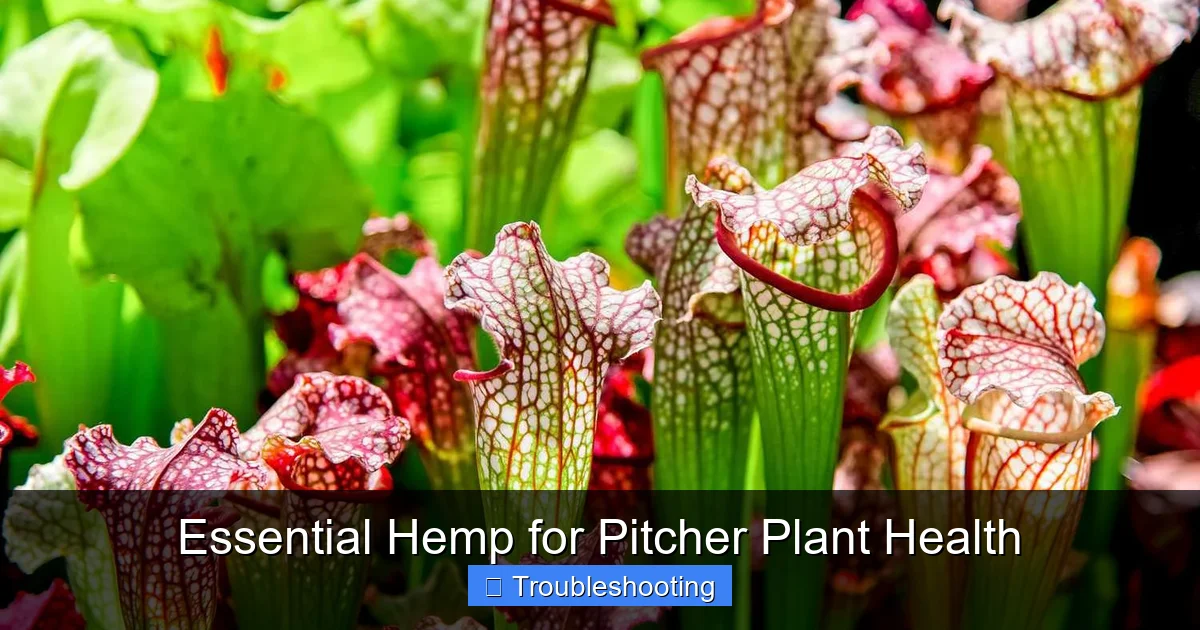
Essential Hemp for Pitcher Plant Health
Essential hemp provides vital nutrients that support pitcher plant growth and pitcher development. This natural supplement enhances root health, strengthens traps, and improves overall plant vigor without harmful chemicals.
If you grow pitcher plants, you know these fascinating carnivorous plants have unique needs. They catch insects for nutrients, but sometimes they need a little extra help. That is where essential hemp comes into the picture. Many growers have started using hemp-based products to support their pitcher plants. The results can be impressive when done right.
I have spent years experimenting with different supplements for my own collection of Sarracenia, Nepenthes, and Darlingtonia. Essential hemp has become a staple in my care routine. It provides gentle nutrition without the risks that come with traditional fertilizers. In this guide, I will share everything I have learned about using essential hemp for pitcher plant health. You will learn why it works, how to apply it, and what mistakes to avoid.
Key Takeaways
- Essential hemp delivers balanced nutrition: Hemp-based supplements provide nitrogen, phosphorus, and potassium in ratios that pitcher plants can absorb effectively through their roots and pitchers.
- Root zone application works best: Applying hemp products to the growing medium allows gradual nutrient release, mimicking the slow nutrient capture these plants evolved to expect.
- Dilution prevents pitcher burn: Always dilute hemp fertilizers to quarter strength or less, as pitcher plants are highly sensitive to nutrient concentrations that would be normal for other plants.
- Monitor pitcher production as a health indicator: Healthy pitcher plants produce new traps regularly; essential hemp supports this cycle when applied correctly during active growth periods.
- Combine with proper cultural conditions: Hemp supplements cannot compensate for inadequate light, wrong water, or improper dormancy; they enhance health only when basic needs are met first.
- Organic hemp avoids mineral buildup: Unlike synthetic fertilizers, hemp-based products break down naturally without leaving harmful salt residues in the sensitive growing media pitcher plants require.
- Seasonal timing matters significantly: Apply essential hemp only during active growth phases, never during dormancy, to avoid forcing growth when the plant should be resting.
Quick Answers to Common Questions
Can I use essential hemp on all types of pitcher plants?
Yes, essential hemp works for Sarracenia, Nepenthes, Darlingtonia, Heliamphora, and Cephalotus. Adjust dilution strength based on plant size and sensitivity. Always start weaker than recommended.
How often should I apply essential hemp to my pitcher plants?
Apply monthly during active growth at quarter strength for root drenches. For tropical Nepenthes, continue monthly year-round at reduced strength in winter. Stop completely for temperate species during dormancy.
Will essential hemp burn my pitcher plant roots?
Not if diluted correctly. Use one-quarter label strength maximum for root applications. Always use pure water. Flush immediately if you suspect overconcentration. Properly diluted essential hemp is very safe.
Can I put essential hemp directly in the pitchers?
Only at extreme dilution (one-sixteenth strength) and only a few drops per pitcher on large, mature plants. Root and foliar applications are safer and more effective. Pitcher feeding risks internal rot.
How do I know if essential hemp is working for my plants?
Look for larger pitchers, richer coloration, steady new growth, firm white roots, and on-time flowering. Track metrics monthly. Positive changes accumulate over seasons. Stop if you see burning, deformity, or decline.
📑 Table of Contents
- Understanding Pitcher Plant Nutritional Needs
- Why Hemp Matters for Carnivorous Plants
- How to Apply Hemp Products to Pitcher Plants
- Common Mistakes When Using Hemp for Pitcher Plants
- Monitoring Plant Health After Hemp Application
- Alternative Natural Supplements for Pitcher Plants
- Troubleshooting Specific Pitcher Plant Issues with Hemp
- Conclusion
Understanding Pitcher Plant Nutritional Needs
Pitcher plants evolved in nutrient-poor environments. Bogs, swamps, and rocky outcrops lack the nitrogen and phosphorus most plants need. To survive, these plants developed modified leaves that trap and digest insects. This adaptation gives them access to nutrients other plants cannot reach.
Why Carnivorous Plants Still Need Supplements
You might wonder why a plant that eats bugs would need fertilizer. The answer is simple. In cultivation, pitcher plants often cannot catch enough prey. Indoor plants have limited insect access. Even outdoor plants may struggle during certain seasons. Young plants especially benefit from supplemental nutrition while they establish their trapping abilities.
Essential hemp fills this gap beautifully. It provides a slow-release nutrient source that mimics the natural digestion process. The plant absorbs what it needs over time. This prevents the shock that synthetic fertilizers can cause.
The Danger of Traditional Fertilizers
Most fertilizers are far too strong for pitcher plants. These plants have zero tolerance for mineral salts. Regular fertilizer burns their roots almost instantly. The pitchers themselves can also suffer damage from nutrient splashes. I learned this the hard way early in my growing journey. A single application of diluted orchid fertilizer killed three mature Sarracenia within days.
Essential hemp avoids this problem entirely. Hemp-based products break down through microbial action. The nutrients become available gradually. This matches the natural pace pitcher plants expect. There is no sudden spike in nutrient concentration.
Signs Your Pitcher Plant Needs Nutritional Support
Watch for these indicators that your plant might benefit from essential hemp:
- Small or deformed pitchers on mature plants
- Pale coloration despite adequate light
- Slow growth during active season
- Failure to produce new pitchers
- Weak root systems when repotting
If you see these signs, first check your cultural conditions. Light, water, and soil must be correct. Essential hemp enhances good care. It cannot fix fundamental problems.
Why Hemp Matters for Carnivorous Plants
Hemp offers unique benefits that make it ideal for sensitive carnivorous plants. The composition of hemp-based products aligns perfectly with what pitcher plants need. Let me explain the science behind why this works so well.
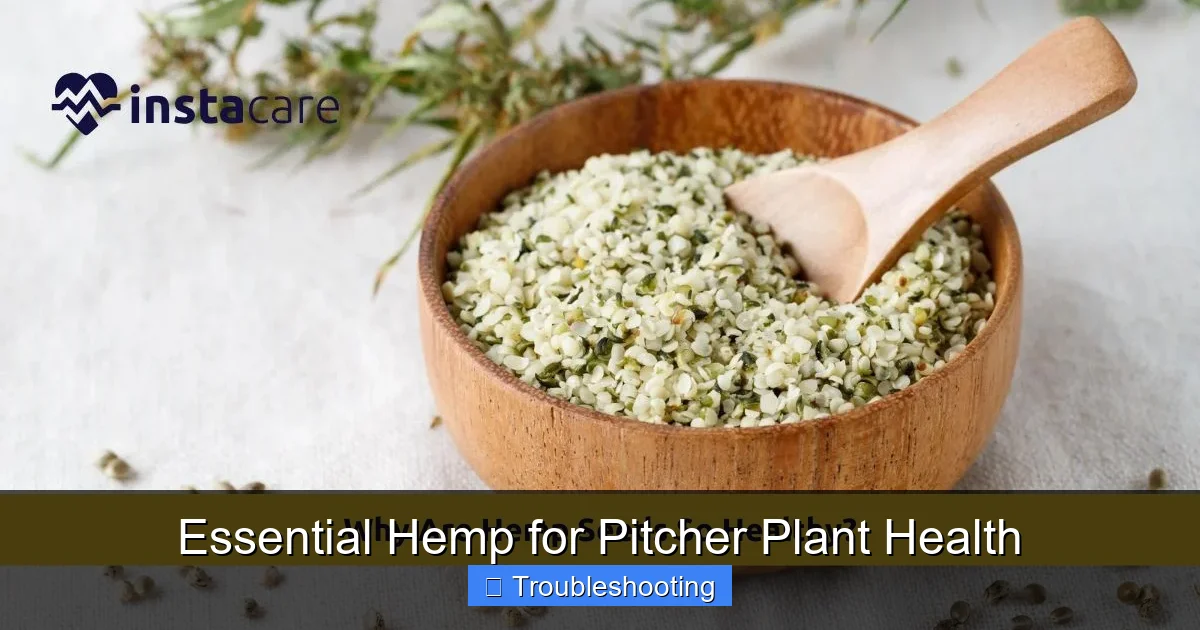
Visual guide about Essential Hemp for Pitcher Plant Health
Image source: ipro.blob.core.windows.net
Natural Nutrient Profile of Hemp
Hemp contains a broad spectrum of macro and micronutrients. The primary nutrients include nitrogen, phosphorus, and potassium in moderate amounts. But the real magic lies in the secondary nutrients and trace elements. Calcium, magnesium, sulfur, iron, manganese, zinc, and copper all appear in hemp in plant-available forms.
Essential hemp also provides amino acids and organic acids. These compounds support root development and microbial activity in the growing medium. Healthy microbes break down organic matter. This creates a living soil environment that pitcher plants thrive in.
Hemp vs. Other Organic Fertilizers
You might ask why not use fish emulsion, worm castings, or compost tea. These are all good options. But they come with drawbacks for pitcher plants. Fish emulsion can be too concentrated and smelly. Worm castings vary wildly in nutrient content. Compost tea requires brewing and has short shelf life.
Essential hemp products offer consistency. You know exactly what you are getting every time. They are also pH neutral to slightly acidic. This matches the acidic conditions pitcher plants prefer. Many organic fertilizers raise pH over time, which harms these acid-loving plants.
The Role of Cannabinoids and Terpenes
Some growers worry about cannabinoids in hemp products. Rest assured, essential hemp for plants uses industrial hemp with negligible THC. The cannabinoids and terpenes present may actually benefit plants. Research suggests these compounds have antimicrobial properties. They can suppress harmful fungi and bacteria in the growing medium.
I have noticed fewer fungal issues since switching to essential hemp. My Nepenthes especially seem resistant to the root rot that plagued them before. The antimicrobial effect appears to create a protective zone around the roots.
Sustainability and Environmental Impact
Choosing essential hemp also means choosing sustainability. Hemp grows quickly with minimal inputs. It requires little water, no pesticides, and improves soil health. By using hemp-based products, you support regenerative agriculture. This aligns with the conservation mindset many carnivorous plant enthusiasts share.
Many pitcher plant species face habitat loss in the wild. Supporting sustainable cultivation practices helps protect the environments these plants come from. It feels good to know my hobby supports broader ecological health.
How to Apply Hemp Products to Pitcher Plants
Application method makes all the difference with essential hemp. The goal is gentle, consistent nutrition. Here are the techniques that work best for different situations and plant types.
Visual guide about Essential Hemp for Pitcher Plant Health
Image source: bobvila.com
Root Zone Drenching Method
This is my preferred method for established plants. Mix essential hemp concentrate at one-quarter the recommended strength. For most products, this means one milliliter per liter of water. Use rainwater, distilled water, or reverse osmosis water only. Tap water minerals will harm your plants.
Water the growing medium thoroughly until liquid drains from the bottom. Do this once monthly during active growth. Skip applications during dormancy. The roots absorb nutrients slowly over weeks. This mimics natural nutrient capture perfectly.
For Sarracenia in bog gardens, apply the drench early in the morning. This allows excess to evaporate before evening. Wet crowns overnight can lead to rot. Always avoid getting solution in the pitchers themselves.
Foliar Application for Nepenthes
Tropical pitcher plants like Nepenthes can absorb nutrients through their leaves. Mix essential hemp at one-eighth strength for foliar feeding. Use a fine mist sprayer. Apply in the morning so leaves dry completely before night. High humidity overnight on wet leaves invites fungal problems.
Spray the tops and undersides of leaves. Avoid the pitchers themselves. The pitchers have their own digestive chemistry. Adding external nutrients can disrupt this process. Focus on the foliage where absorption happens.
Do this every two weeks during active growth. Reduce to monthly in cooler months. Stop entirely if the plant shows any stress signs.
Pitcher Feeding Technique
Some growers add diluted essential hemp directly to pitchers. I recommend extreme caution with this method. Use one-sixteenth strength solution. Add only a few drops per pitcher. Do this only for large, mature pitchers on healthy plants.
The pitcher fluid contains digestive enzymes and bacteria. Adding nutrients changes this ecosystem. Too much causes the pitcher to rot from inside. I have lost pitchers experimenting with this. Now I only use root and foliar methods.
Seedling and Young Plant Protocol
Young pitcher plants are incredibly sensitive. Wait until seedlings have at least three true pitchers before any supplementation. Start with one-thirty-second strength essential hemp. Apply as a very light root drench every six weeks.
Monitor closely for any negative reaction. Burnt leaf tips, blackening pitchers, or stalled growth mean stop immediately. Flush the medium with pure water several times. Young plants often do fine without any supplement if they catch small prey.
Seasonal Application Calendar
Timing matters as much as method. Here is my annual schedule for temperate species like Sarracenia and Darlingtonia:
- March: First application as growth resumes
- April: Second application during rapid growth
- May: Third application before flowering
- June: Fourth application after flowering
- July: Fifth application during peak summer
- August: Sixth and final application
- September through February: No applications during dormancy
For tropical Nepenthes, apply monthly year-round at reduced strength during cooler months. Adjust based on your specific growing conditions and plant responses.
Common Mistakes When Using Hemp for Pitcher Plants
Even experienced growers make mistakes with essential hemp. Learning from others’ errors can save your plants. Here are the most frequent problems I see and how to avoid them.
Overconcentration Is the Number One Killer
More is not better with pitcher plants. The label directions on hemp products are for heavy-feeding plants like tomatoes or cannabis. Pitcher plants need a tiny fraction of that strength. I cannot emphasize this enough. Start weaker than you think necessary. You can always increase slightly next time. You cannot undo fertilizer burn.
If you accidentally apply too strong a solution, flush immediately. Run pure water through the pot for ten minutes. Repeat daily for three days. This may save the plant if caught quickly.
Applying During Dormancy
Temperate pitcher plants require a winter rest. During dormancy, they cannot process nutrients. Essential hemp applied in winter forces weak, etiolated growth. This depletes the plant’s energy reserves. The result is often death in spring.
Respect the dormancy period completely. No fertilizer of any kind. No essential hemp. No prey feeding. Just pure water and cold temperatures. This rest is essential for long-term health.
Using the Wrong Water
This mistake negates all your careful dilution. Tap water contains dissolved minerals. Chlorine, fluoride, calcium, magnesium, and sodium accumulate in the growing medium. Pitcher plants have zero tolerance for this buildup. Always use rainwater, distilled, or RO water for mixing essential hemp solutions.
I keep a dedicated watering can for fertilizer applications. It never touches tap water. This prevents accidental contamination.
Ignoring Growing Medium Condition
Essential hemp relies on microbial breakdown. If your growing medium is broken down, compacted, or anaerobic, microbes cannot work. The hemp sits inert or worse, rots and creates toxic conditions. Repot regularly. Fresh medium ensures proper nutrient cycling.
Most pitcher plants need repotting every one to two years. Sarracenia prefer fresh peat-perlite mix. Nepenthes need airy blends with long-fiber sphagnum, orchid bark, and perlite. Darlingtonia wants cool, flowing conditions with live sphagnum.
Mixing With Other Supplements
Essential hemp provides complete nutrition. Adding other fertilizers, even organic ones, creates unpredictable nutrient levels. Stick to one supplement system. If you want to experiment, do it on one plant you can afford to lose. Keep detailed notes.
I once combined essential hemp with a kelp extract. The result was rapid but weak growth. The pitchers were large but floppy and short-lived. The plants exhausted themselves. Lesson learned.
Neglecting to Observe Plant Response
Every plant is an individual. What works for one Sarracenia may harm another. Watch your plants closely after each application. New growth should be strong and colorful. Pitchers should develop fully. Roots should be white and firm when you check.
Keep a growing journal. Note application dates, strengths, and plant responses. Patterns emerge over seasons. This data helps you refine your program for each plant.
Monitoring Plant Health After Hemp Application
Success with essential hemp requires ongoing observation. You need to know what healthy looks like for each species. Here is how to track your plants’ response and adjust accordingly.
Visual Indicators of Positive Response
Healthy pitcher plants on essential hemp show clear signs. New pitchers form regularly during growing season. The pitchers have vibrant coloration appropriate for the species. Sarracenia develop deep red veins and strong hoods. Nepenthes produce large, colorful traps with pronounced peristomes.
Foliage looks robust. Leaves are thick and waxy. Growth points are active and green. Roots visible at pot edges are white with fuzzy tips. The plant feels firm, not soft or mushy.
Flowering occurs on schedule for mature plants. Seed set is good if pollinated. Overall vigor is obvious. The plant looks like it is thriving, not just surviving.
Warning Signs of Problems
Watch for these red flags after essential hemp application:
- Pitcher tips browning within days
- New growth deformed or stunted
- Leaf edges crisping or yellowing
- Sudden pitcher drop
- Root browning or mushiness
- Algae or slime mold on medium surface
- Foul odor from pot
Any of these means stop immediately. Flush thoroughly. Reevaluate your dilution and frequency. The plant is telling you something is wrong.
Measuring Growth Progress
Track measurable metrics to evaluate your essential hemp program. Count new pitchers per month. Measure pitcher height and width. Photograph plants weekly from the same angle. Weigh pots to track water uptake changes.
Compare year-over-year data. Are you getting more pitchers? Larger pitchers? Earlier spring emergence? Stronger fall finale? Essential hemp should show cumulative benefits over seasons.
I use a simple spreadsheet. Columns for date, plant name, application details, and observations. Photos go in dated folders. This system has revealed patterns I would miss from memory alone.
Adjusting Your Program Based on Results
If results are positive, maintain your current program. Do not increase strength or frequency. Consistency beats intensity. If results are neutral, consider slight frequency increase. Go from monthly to every three weeks at same dilution.
If results are negative, reduce strength further. Extend interval to six weeks. Or pause for a full growing season. Some plants simply do not need supplementation. Let the plant guide you.
Long-Term Soil Health Monitoring
Essential hemp improves soil biology over time. But you should still monitor medium condition. Check pH annually with a meter. Test for salt buildup if possible. Smell the medium. It should smell earthy, not sour or chemical.
Repot when medium breaks down. This is usually every twelve to eighteen months for most species. Fresh medium resets the microbial community. Essential hemp then feeds the new microbes, continuing the cycle.
Alternative Natural Supplements for Pitcher Plants
Essential hemp is excellent, but not the only option. Understanding alternatives helps you make informed choices. Some growers prefer different approaches. Here is how other natural supplements compare.
Insect-Based Feeding
This is the most natural method. Feed live or freeze-dried insects directly to pitchers. Crickets, mealworms, fruit flies, and bloodworms all work. Match prey size to pitcher size. Prey should be one-third the pitcher volume maximum.
Advantages: Perfect nutrient profile, stimulates natural digestion, no root risk. Disadvantages: Labor intensive, can rot pitchers if overdone, attracts pests indoors. I use this for show plants and essential hemp for the rest of my collection.
Diluted Orchid Fertilizer
Some growers use quarter-strength urea-free orchid fertilizer. This works for some but carries higher risk. Synthetic salts accumulate faster. Requires more frequent flushing. Not organic. Can burn sensitive species.
If you try this, use only urea-free formulas. Urea converts to ammonia in acidic conditions. This kills pitcher plant roots rapidly. Essential hemp avoids this entirely with organic nitrogen sources.
Seaweed and Kelp Extracts
These provide growth hormones and trace minerals. They stimulate root growth and stress resistance. However, they lack significant macronutrients. Use as a supplement to essential hemp, not a replacement.
Apply at half label strength monthly. Good for plants recovering from stress or repotting. I add kelp to my essential hemp drench twice yearly for an extra boost.
Compost Tea and Worm Casting Tea
These introduce beneficial microbes and gentle nutrition. Quality varies wildly. Home-brewed tea risks anaerobic pathogens. Commercial products are safer but expensive. pH can drift alkaline.
If using, test pH each batch. Apply as root drench only. Never foliar feed with tea on pitcher plants. Leaf surfaces can harbor harmful bacteria from tea.
Why Essential Hemp Remains My Top Choice
After trying all these methods, essential hemp gives the most consistent results with the least risk. It provides complete nutrition. It supports soil biology. It is pH stable. It is sustainable. It is easy to use. The dilution math is simple.
Most importantly, my plants look better than ever. Pitchers are larger, more colorful, and longer-lasting. Root systems are massive. Plants recover faster from stress. Flowering is more reliable. The evidence is in the growing.
Troubleshooting Specific Pitcher Plant Issues with Hemp
Different problems require different approaches. Essential hemp can help with many common issues when used correctly. Here are targeted solutions for specific situations.
Reviving Nutrient-Depleted Plants
Plants that have gone years without feeding often show chronic weakness. Small pitchers, pale color, no flowering. Essential hemp can jumpstart recovery. Start with a root drench at one-eighth strength. Repeat monthly for three months. Then move to quarter strength on normal schedule.
Combine with increased prey feeding if possible. The dual approach works faster than either alone. Monitor for rapid soft growth. This indicates too much nitrogen. Back off if seen.
Supporting Plants After Repotting Stress
Repotting damages roots. Plants often stall for weeks. Essential hemp at one-sixteenth strength helps rebuild root systems. Apply two weeks after repotting. The gentle nutrition supports new root growth without burning damaged tissues.
Add a drop of kelp extract to the first drench. The hormones stimulate root initiation. Do not repeat kelp. Continue essential hemp monthly at low strength until new growth appears.
Addressing Chlorosis in High Light
Sometimes plants in perfect light still yellow. This often indicates iron or magnesium deficiency. Essential hemp provides both in chelated forms. A foliar application at one-sixteenth strength can green up leaves in days.
Spray early morning. Repeat weekly for three weeks. Then return to normal schedule. This works especially well for Nepenthes showing interveinal chlorosis.
Boosting Pitcher Production Before Shows
Exhibition growers sometimes want maximum pitchers for a show date. Essential hemp can help time this. Increase frequency to every three weeks at normal dilution. Start twelve weeks before show date. Stop four weeks before to let pitchers harden off.
This pushes an extra growth cycle. But it stresses the plant. Only do this with vigorous, mature plants. Give a full season of rest afterward. No supplements at all for six months.
Helping Slow-Starting Seedlings
Some seedlings just sit there. Tiny pitchers, no growth for months. A single application of essential hemp at one-sixty-fourth strength can break the stall. Apply as root drench. Watch for response in two weeks.
If growth resumes, continue at that strength monthly. If no change, do not repeat. The issue may be genetic or environmental. Essential hemp cannot fix bad genes or wrong conditions.
Conclusion
Essential hemp has transformed how I care for my pitcher plants. It provides the gentle, consistent nutrition these unique plants need. The key is respecting their sensitivity. Dilute heavily. Apply seasonally. Observe constantly. Adjust based on results.
Remember that essential hemp is a supplement, not a substitute. Proper light, pure water, correct medium, and appropriate dormancy come first. Get those right. Then add essential hemp to take your plants from good to exceptional.
Start small. Pick one plant. Try a quarter-strength root drench this growing season. Watch what happens. Keep notes. Share your results with the community. We all learn from each other’s experiments.
Your pitcher plants will thank you with larger traps, brighter colors, and more vigorous growth. There is nothing quite like seeing a Sarracenia flava push a perfect three-foot pitcher. Or a Nepenthes rajah develop a trap that could hold a mouse. Essential hemp helps make those moments possible.
Happy growing. May your pitchers be ever full and your roots ever white.
Frequently Asked Questions
Is essential hemp safe for all carnivorous plants, not just pitcher plants?
Essential hemp works well for most carnivorous plants including Venus flytraps, sundews, and butterworts. However, always research your specific species. Some ultra-sensitive plants like Byblis or Drosophyllum may react poorly to any supplementation. Start with extreme dilution and monitor closely.
Can I make my own essential hemp fertilizer at home?
You can compost hemp biomass or make hemp tea, but consistency is difficult. Homemade versions vary in nutrient content and pH. Commercial essential hemp products are standardized, tested, and pH-balanced for sensitive plants. The small cost difference is worth the reliability for valuable specimens.
Does essential hemp attract pests or fungus gnats?
Properly diluted essential hemp applied as a root drench does not attract pests. The antimicrobial compounds in hemp may actually suppress fungus gnat larvae. Avoid foliar applications that leave residue on leaves, as this can occasionally attract minor pests. Always allow foliage to dry completely.
How long does a bottle of essential hemp concentrate last?
At quarter-strength monthly applications, a 250ml bottle treats hundreds of gallons of solution. For a typical home collection of 20-30 plants, one bottle lasts 2-3 years. Store in a cool, dark place. Shake well before each use as natural settling occurs.
Can essential hemp replace insect feeding entirely?
Essential hemp provides mineral nutrients but cannot replicate the full benefits of prey capture. Insects provide chitin, specific proteins, and stimulation of digestive processes. The best approach combines occasional prey feeding with essential hemp supplementation. This mimics natural conditions most completely.
What should I do if my pitcher plant declines after starting essential hemp?
Stop all applications immediately. Flush the growing medium thoroughly with pure water daily for one week. Repot into fresh medium if roots appear damaged. Review your dilution rate, water quality, and application timing. Most issues resolve with a reset and corrected protocol. When in doubt, less is always more with pitcher plants.