Essential Corner for Snake Plant Health
The essential corner for snake plant health rests on proper light, well‑draining soil, and a careful watering routine. Place your Sansevieria in bright indirect light, let the soil dry completely between drinks, and avoid cold drafts. Follow these simple steps and your snake plant will stay vibrant for years.
Snake plants are a favorite for many indoor gardeners. They tolerate neglect and still look striking. Understanding the essential corner for snake plant health makes care even easier.
The essential corner for snake plant health is built on three pillars: light, soil, and water. When you master these basics, the plant thrives with minimal effort. This guide walks you through each pillar and adds tips for temperature, humidity, and common problems.
Read on to discover how to create the perfect essential corner for snake plant health in any room.
Key Takeaways
- Light: Bright indirect light is ideal for the essential corner for snake plant health.
- Soil: Use a gritty, well‑draining mix to support the essential corner for snake plant health.
- Water: Allow the soil to dry fully before watering again for the essential corner for snake plant health.
- Temperature: Keep temps between 60‑85°F for the essential corner for snake plant health.
- Humidity: Average home humidity works fine for the essential corner for snake plant health.
- Pests: Inspect regularly to protect the essential corner for snake plant health.
Quick Answers to Common Questions
What is the essential corner for snake plant health?
The essential corner for snake plant health refers to the combination of proper light, well‑draining soil, and a careful watering routine that keeps Sansevieria thriving.
How often should I water my snake plant?
Water only when the top two inches of soil are completely dry, typically every two to three weeks depending on season.
Can snake plants survive in low light?
Yes, they tolerate low light but growth slows and leaves may become leggy; bright indirect light is best for the essential corner for snake plant health.
What soil mix works best for snake plants?
A mix of two parts potting soil, one part perlite, and one part coarse sand provides the drainage needed for the essential corner for snake plant health.
How do I fix yellow leaves on my snake plant?
Yellow leaves usually mean overwatering; let the soil dry fully, remove affected leaves, and adjust watering frequency to restore the essential corner for snake plant health.
📑 Table of Contents
- Understanding the Essential Corner for Snake Plant Health
- Light Requirements: Finding the Perfect Spot for the Essential Corner for Snake Plant Health
- Soil and Potting: Building a Strong Foundation for the Essential Corner for Snake Plant Health
- Watering Wisdom: The Golden Rule of the Essential Corner for Snake Plant Health
- Temperature, Humidity, and Airflow: Completing the Essential Corner for Snake Plant Health
- Common Problems and Quick Fixes for the Essential Corner for Snake Plant Health
- Putting It All Together: Your Essential Corner for Snake Plant Health Checklist
Understanding the Essential Corner for Snake Plant Health
Why the Essential Corner for Snake Plant Health Matters
The essential corner for snake plant health matters because it prevents the most common issues. Overwatering, low light, and poor drainage cause yellow leaves and root rot. A solid foundation stops these problems before they start.
When you set up the essential corner for snake plant health correctly, the plant rewards you with upright, glossy leaves. It also improves indoor air quality. A healthy snake plant can live for decades.
Key Elements of the Essential Corner for Snake Plant Health
Light, soil, and water form the core of the essential corner for snake plant health. Temperature and humidity play supporting roles. Consistent care across all five factors yields the best results.
Start by choosing a spot with bright indirect light. Next, pick a pot with drainage holes. Then, fill it with a gritty mix. Finally, water only when the soil is bone dry. This simple routine builds the essential corner for snake plant health.
Light Requirements: Finding the Perfect Spot for the Essential Corner for Snake Plant Health
Bright Indirect Light
Bright indirect light is the sweet spot for the essential corner for snake plant health. Place the plant near a north or east facing window. Sheer curtains diffuse harsh rays.
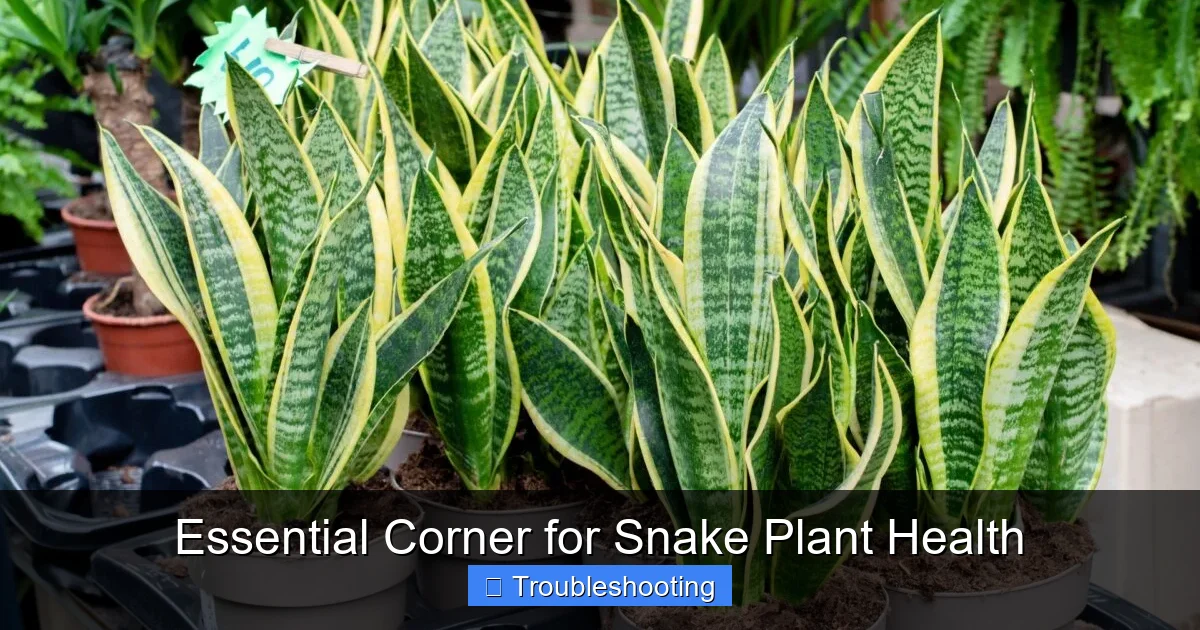
Visual guide about Essential Corner for Snake Plant Health
Image source: positivebloom.com
Direct sun can scorch the leaves. If you see brown tips, move the plant a few feet back. The essential corner for snake plant health thrives in filtered light.
Low Light Tolerance
Snake plants survive in low light but growth slows. The essential corner for snake plant health still needs some brightness. A dim corner may cause leggy stems.
If you only have low light, rotate the plant weekly. This gives each side a chance to photosynthesize. The essential corner for snake plant health adapts but prefers brighter conditions.
Signs of Too Much or Too Little Light
Too much light shows as bleached patches. Too little light shows as stretched, pale leaves. Adjust the position until the leaves stay firm and deep green. This balance is a hallmark of the essential corner for snake plant health.
Soil and Potting: Building a Strong Foundation for the Essential Corner for Snake Plant Health
Well‑Draining Mix
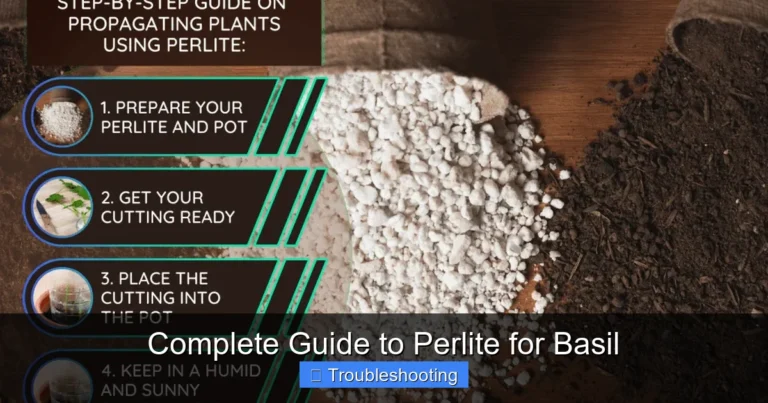
A well‑draining mix is non‑negotiable for the essential corner for snake plant health. Combine two parts potting soil, one part perlite, and one part coarse sand. This blend lets excess water escape quickly.

Visual guide about Essential Corner for Snake Plant Health
Image source: i.ytimg.com
Heavy garden soil retains moisture and leads to root rot. Avoid it completely. The essential corner for snake plant health depends on air reaching the roots.
Pot Size and Drainage Holes
Choose a pot only one size larger than the root ball. Too much soil stays wet. Ensure the pot has multiple drainage holes. The essential corner for snake plant health needs free flow.
Terracotta pots wick moisture away. Plastic pots retain water longer. Pick based on your watering habit. Both work if drainage is adequate for the essential corner for snake plant health.
Repotting Timing
Repot every two to three years in spring. Fresh mix restores nutrients. Gently loosen roots before placing in new pot. This refresh keeps the essential corner for snake plant health strong.
Watering Wisdom: The Golden Rule of the Essential Corner for Snake Plant Health
Let the Soil Dry Completely
The golden rule for the essential corner for snake plant health is simple: water only when the top two inches of soil are dry. Stick your finger in the mix. If it feels dry, water thoroughly.
Water until it runs out of the drainage holes. Empty the saucer after ten minutes. Standing water defeats the essential corner for snake plant health.
How to Check Moisture
Use a moisture meter for precision. A reading of 1 to 2 means dry. A reading of 3 to 4 means moist. Aim for the dry range before each watering. This habit protects the essential corner for snake plant health.
Seasonal Adjustments
In winter, growth slows. Water even less often. In summer, the plant may need water every two weeks. Adjust frequency, not volume. The essential corner for snake plant health follows the seasons.
Temperature, Humidity, and Airflow: Completing the Essential Corner for Snake Plant Health
Ideal Temperature Range
Keep temperatures between 60°F and 85°F for the essential corner for snake plant health. Avoid cold drafts from windows or air conditioners. Sudden drops cause leaf damage.
Nighttime temps can dip a few degrees. The plant tolerates brief cool periods. Consistency is key for the essential corner for snake plant health.
Humidity Needs
Average home humidity (30‑50%) suits the essential corner for snake plant health. No misting required. High humidity can encourage fungal spots.
If your home is very dry, a pebble tray adds slight moisture. Do not overdo it. The essential corner for snake plant health prefers stable, moderate humidity.
Air Circulation Tips
Good airflow prevents stagnant moisture on leaves. Place a small fan on low nearby. Space plants a few inches apart. This simple step supports the essential corner for snake plant health.
Common Problems and Quick Fixes for the Essential Corner for Snake Plant Health
Yellow Leaves
Yellow leaves usually signal overwatering. Check soil moisture. Let it dry fully before next watering. Remove yellowed leaves to redirect energy. This restores the essential corner for snake plant health.
Root Rot
Root rot appears as mushy, black roots. Unpot the plant. Trim away rotten roots with sterile scissors. Repot in fresh, dry mix. Hold off watering for a week. The essential corner for snake plant health recovers with prompt action.
Pest Infestations
Mealybugs and spider mites are rare but possible. Wipe leaves with a cotton swab dipped in rubbing alcohol. Repeat weekly until gone. Clean leaves keep the essential corner for snake plant health pest‑free.
Leggy Growth
Leggy stems mean insufficient light. Move the plant to a brighter spot. Rotate regularly for even exposure. The essential corner for snake plant health regains compact form.
Putting It All Together: Your Essential Corner for Snake Plant Health Checklist
Use this quick checklist to maintain the essential corner for snake plant health every month.
- Check light: bright indirect, no harsh sun.
- Feel soil: top two inches dry.
- Water thoroughly, drain excess.
- Inspect leaves for pests or discoloration.
- Verify temperature stays 60‑85°F.
- Ensure airflow around the plant.
Follow the list and the essential corner for snake plant health will stay vibrant for years. Happy growing!
Frequently Asked Questions
What temperature range is ideal for snake plants?
Snake plants prefer temperatures between 60°F and 85°F; avoid cold drafts and sudden temperature drops.
Do snake plants need high humidity?
No, average household humidity (30‑50%) is sufficient; high humidity can encourage fungal issues.
When should I repot my snake plant?
Repot every two to three years in spring, using a slightly larger pot with drainage holes.
Can I propagate snake plants from leaf cuttings?
Yes, cut a healthy leaf into sections, let them callus, then plant in well‑draining soil; roots develop in a few weeks.
Why are my snake plant leaves curling?
Curling often indicates underwatering or low humidity; check soil moisture and increase watering slightly.
Is fertilizer necessary for snake plants?
Feed with a balanced houseplant fertilizer diluted to half strength once in spring and once in summer; avoid over‑fertilizing.