Complete Guide to Wicker for Bonsai
Wicker can be a game‑changer for bonsai styling and support. This article walks you through selecting, preparing, and maintaining wicker so your miniature trees thrive.
When you first hear about using wicker for bonsai, it might sound unusual. Yet many seasoned growers swear by it. Wicker offers a natural look, gentle flexibility, and a lightweight frame that blends with the tree’s own aesthetic. This complete guide to wicker for bonsai will help you understand why it works, how to pick the best material, and how to keep it performing year after year.
We’ll cover everything from material selection to troubleshooting common problems. Whether you are a beginner shaping your first juniper or an expert refining a centuries‑old pine, the tips here apply. Let’s dive in and make wicker a reliable partner in your bonsai journey.
Key Takeaways
- Choose the right wicker: Natural rattan or synthetic resin works best for durability and flexibility.
- Prep before use: Soak, clean, and treat wicker to prevent mold and pest issues.
- Anchor securely: Use soft ties and avoid tight loops that can girdle branches.
- Monitor moisture: Wicker retains water; adjust watering to avoid root rot.
- Inspect regularly: Check for wear, fraying, or insect activity each season.
- Replace when needed: Swap out degraded wicker to keep structure sound and aesthetics sharp.
- Combine with other supports: Wire, bamboo stakes, and guy‑lines complement wicker for complex shapes.
Quick Answers to Common Questions
What type of wicker is best for outdoor bonsai?
Synthetic resin wicker resists UV, rot, and insects, making it ideal for outdoor use.
How often should I re‑oil natural wicker?
Re‑oil once a year or after heavy rain exposure to maintain water resistance.
Can wicker replace wire for shaping branches?
Wicker is gentler but less precise; use wire for primary shaping and wicker for final support.
How do I prevent mold on wicker cages?
Improve airflow, reduce watering, and spray with diluted hydrogen peroxide periodically.
When should I replace a wicker arch?
Replace when fibers show >20 % loss, persistent mold, or structural sagging.
📑 Table of Contents
Understanding Wicker and Its Role in Bonsai
What Is Wicker?
Wicker refers to woven plant fibers or synthetic strands formed into a pliable mesh. Traditional wicker uses rattan, willow, or bamboo. Modern versions use resin‑coated polyester that mimics natural texture but resists decay. Both types can be shaped into cages, arches, or simple stakes.
Why Use Wicker for Bonsai?
Wicker provides a soft, breathable support that moves with the tree. Unlike rigid wire, it distributes pressure evenly, reducing the risk of bark damage. Its open weave lets air and light reach the trunk and branches, promoting healthy growth. Plus, the natural appearance blends seamlessly with the miniature landscape.
Common Wicker Forms
- Wicker cages: Enclose the root ball for stability during transport or styling.
- Wicker arches: Guide branch direction over time.
- Wicker stakes: Offer single‑point support for leaning trunks.
- Wicker mats: Serve as decorative ground cover that also retains moisture.
Selecting the Right Wicker Material
Natural vs. Synthetic
Natural rattan feels authentic and ages gracefully, developing a patina that many collectors love. However, it can absorb water, harbor fungi, and degrade faster in humid climates. Synthetic resin wicker resists rot, UV damage, and insect attack, making it a low‑maintenance choice for outdoor collections.
Visual guide about Complete Guide to Wicker for Bonsai
Image source: eu-images.contentstack.com
Diameter and Flexibility
Choose a strand thickness that matches the tree’s size. Thin 2‑mm strands suit delicate seedlings, while 5‑mm strands hold larger specimens. Test flexibility by bending a short piece; it should spring back without snapping. Overly stiff wicker can act like wire, defeating its purpose.
Color and Finish
Natural tones (light tan, honey, dark brown) blend with most bark colors. Dyed wicker is available but may bleed when wet. If you prefer a uniform look, select a finish that matches your pot and overall display theme.
Source and Sustainability
Buy from reputable suppliers who harvest rattan responsibly. Look for certifications like FSC or Rainforest Alliance. Sustainable sourcing ensures the material remains available for future bonsai generations.
Preparing Wicker Before First Use
Cleaning and Sanitizing
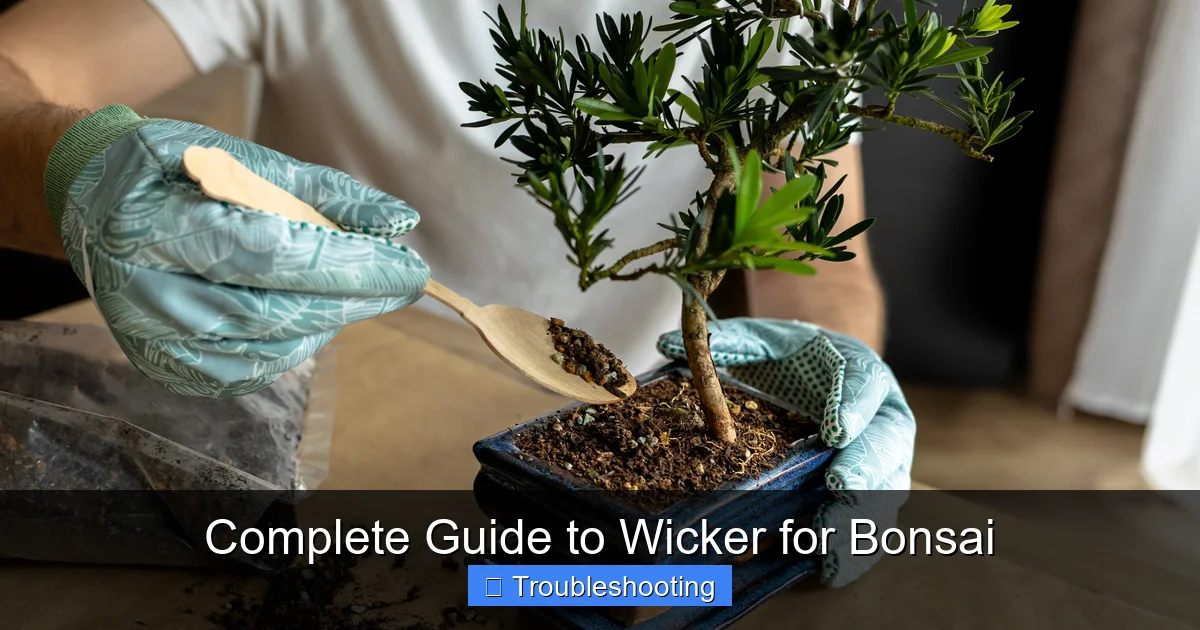
New wicker can carry dust, mold spores, or insects. Submerge the pieces in a solution of 1 part white vinegar to 9 parts water for 15 minutes. Rinse thoroughly with clean water and let air dry in a shaded area. This step reduces the chance of introducing pathogens to your bonsai.
Visual guide about Complete Guide to Wicker for Bonsai
Image source: eu-images.contentstack.com
Soaking for Flexibility
Natural wicker benefits from a 30‑minute soak in lukewarm water before shaping. The fibers become pliable, allowing you to bend arches or cages without cracking. Synthetic wicker usually does not need soaking, but a quick dip can remove any manufacturing residues.
Applying a Protective Coating
For natural wicker, a light coat of food‑grade mineral oil or a diluted neem oil spray adds water resistance and deters pests. Apply with a soft brush, let penetrate for 10 minutes, then wipe excess. Reapply annually or after heavy rain exposure.
Testing Strength
Before committing a piece to a valuable tree, stress‑test it. Hang a modest weight (about 1 kg) from the center of an arch for 24 hours. If it holds without permanent deformation, it’s ready for service.
Installing Wicker Supports on Your Bonsai
Positioning the Support
Place wicker cages around the root ball during repotting. Ensure the weave sits just above the soil line to avoid burying the trunk. For arches, anchor the ends in the soil or attach to the pot rim using soft copper wire loops.
Securing Branches Without Girdling
Use wide, flat wicker strips (about 1 cm wide) to tie branches. Wrap once, cross over, and tie a loose knot. Leave a finger’s width of space between the strip and bark. Check weekly and loosen if the branch thickens.
Integrating With Wire and Guy‑Lines
Wicker works well as a secondary support. Primary shaping can be done with aluminum wire; wicker then holds the final position gently. Guy‑lines attached to the pot edge can share load, especially on windy balconies.
Aesthetic Placement
Arrange wicker so it follows the tree’s natural flow. An arch that mirrors the canopy curve looks intentional, not forced. Hide excess ends behind foliage or under moss for a clean finish.
Maintaining Wicker Throughout the Seasons
Spring Inspection
After winter, examine every wicker piece for brittleness, discoloration, or insect holes. Replace any compromised sections before new growth begins. Spring is also the time to re‑oil natural wicker if the coating has worn thin.
Summer Moisture Management
Wicker retains water, which can keep the root zone overly moist. Reduce watering frequency slightly when using wicker cages, or add a drainage layer of coarse sand beneath the pot. Monitor soil moisture with a probe to avoid root rot.
Autumn Cleaning
Fallen leaves and debris collect in the weave. Gently brush out the material with a soft paintbrush. A quick rinse with a hose (low pressure) removes dust without damaging fibers. Allow to dry fully before storage or reuse.
Winter Protection
In freezing climates, move wicker‑supported bonsai to a sheltered spot. Wrap the wicker with burlap if temperatures drop below -5 °C. This prevents ice from expanding inside the fibers and causing cracks.
Long‑Term Replacement Cycle
Natural wicker typically lasts 2‑3 years outdoors; synthetic can exceed 5 years. Keep a log of installation dates. When a piece shows >20 % fiber loss or persistent mold, retire it and install a fresh support.
Troubleshooting Common Wicker Issues
Mold and Mildew
White fuzzy patches indicate excess humidity. Increase airflow around the tree, reduce watering, and treat the wicker with a 1 % hydrogen peroxide spray. Let dry in sun for an hour before re‑applying protective oil.
Fraying Edges
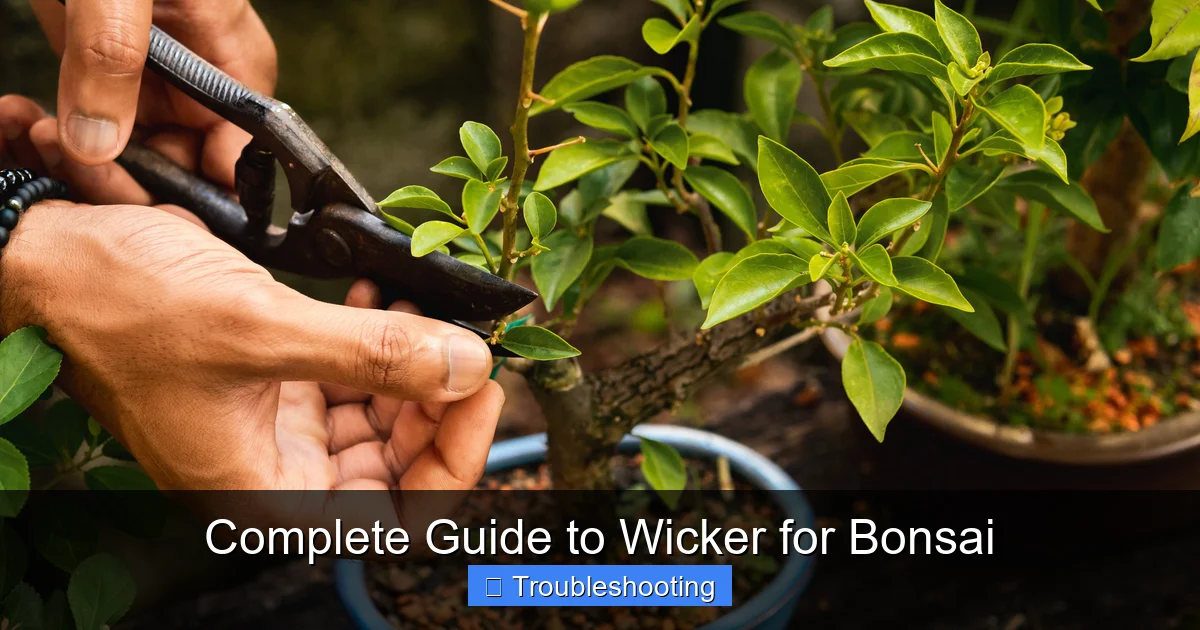
Sharp branch tips can cut wicker strands. Trim any protruding branch ends or wrap the contact point with a thin layer of raffia before applying wicker. This simple buffer extends the life of both tree and support.
Insect Infestation
Spider mites and scale insects love the sheltered microclimate inside a wicker cage. Inspect weekly. If found, spray the entire tree (including wicker) with neem oil diluted to 0.5 %. Repeat after 7 days.
Structural Failure
If an arch collapses, the tree may suffer sudden bending stress. Immediately reinforce with a temporary bamboo stake while you source a replacement wicker piece. Gradually remove the stake over two weeks to let the tree adjust.
Discoloration Affecting Aesthetics
Natural wicker darkens unevenly over time. Lightly sand the surface with 220‑grit sandpaper, then re‑oil. For synthetic wicker, a mild soap wash restores original hue.
Advanced Techniques and Creative Uses
Wicker Bonsai Forests
Create a miniature forest by linking several trees with a continuous wicker lattice. The lattice acts as a shared root barrier, encouraging a unified canopy. Use flexible synthetic wicker for easy shaping.
Seasonal Display Swaps
Design interchangeable wicker arches for spring blossoms, summer foliage, autumn color, and winter silhouette. Store each set in labeled bins. Swapping takes minutes and refreshes the display without disturbing roots.
Integrating Lighting
Thread low‑voltage LED string lights through the open weave of a wicker arch. The glow highlights branch structure at night and adds a magical touch to exhibitions. Ensure wiring is waterproof and secured away from soil.
Teaching Tool for Beginners
Wicker cages make excellent teaching aids. Students can see root development through the gaps, learning about watering and fertilizing without disturbing the tree. It’s a hands‑on way to build confidence.
Conclusion
Wicker brings a blend of beauty, function, and tradition to bonsai care. By choosing the right material, preparing it properly, and maintaining it through the seasons, you give your trees a supportive partner that ages gracefully alongside them. Remember to inspect often, adjust watering, and replace worn pieces before they become a problem. With these practices, your bonsai will stand strong, look natural, and continue to inspire for years to come.
Frequently Asked Questions
Is wicker safe for all bonsai species?
Yes, wicker is safe for most species as long as it is applied loosely and monitored for moisture retention.
Can I make my own wicker supports?
Absolutely. Soak rattan strips, weave simple cages or arches, and treat with mineral oil for durability.
Does wicker affect soil pH?
Natural wicker is neutral; it does not significantly alter soil pH.
How do I clean wicker without damaging the tree?
Brush gently, rinse with low‑pressure water, and let dry completely before re‑installing.
Will wicker attract pests?
It can harbor insects if left damp; regular inspection and neem oil treatment keep pests away.
Can wicker be used for root training?
Wicker cages hold the root ball during repotting but are not a substitute for root pruning techniques.